 flip
flipEpityrum, Preserved Olive Relish
Epityrum, Preserved Olive Relish
Why this dish? Olives were the mainstay of the Roman pantry, and olive oil is among the few pleasures Marcus Aurelius allowed himself in his frugal diet. This epityrum, an olive paste preserved in oil and vinegar, kept for a long time and soberly opened the cena, whether at the palace or in the field.
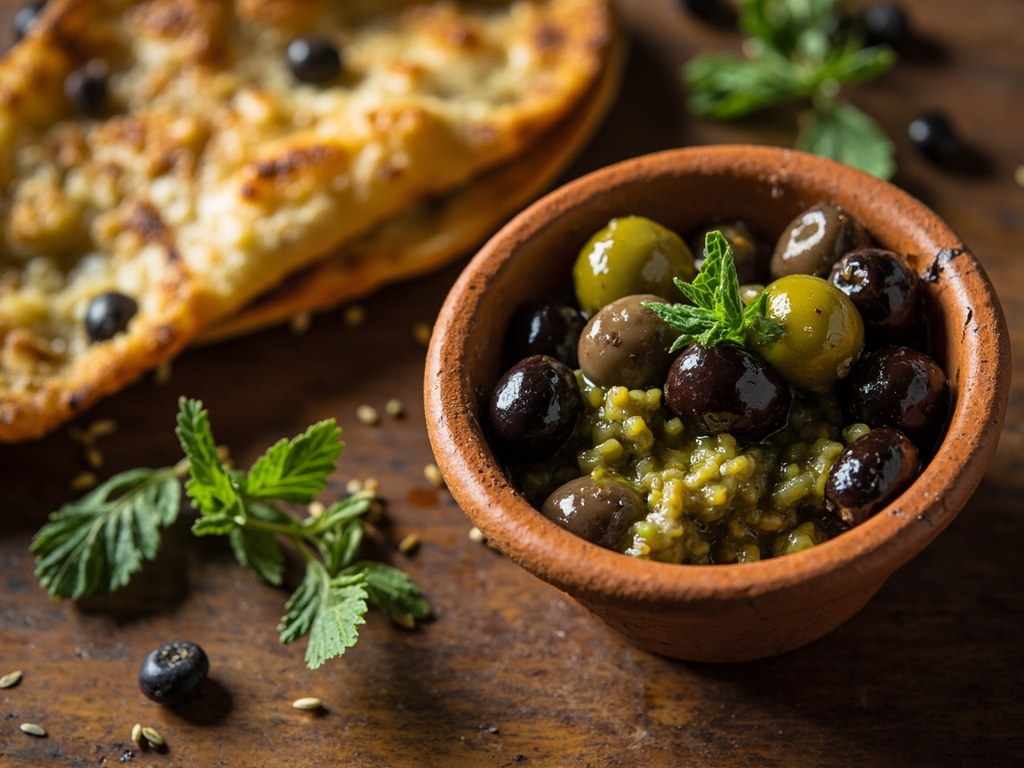
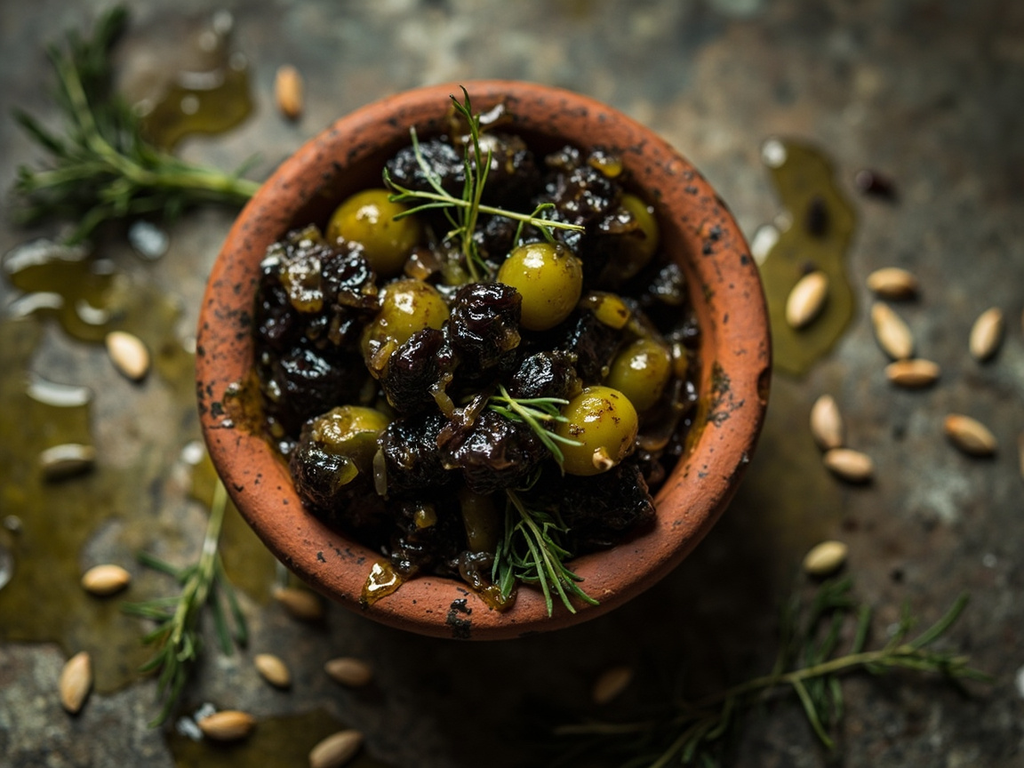
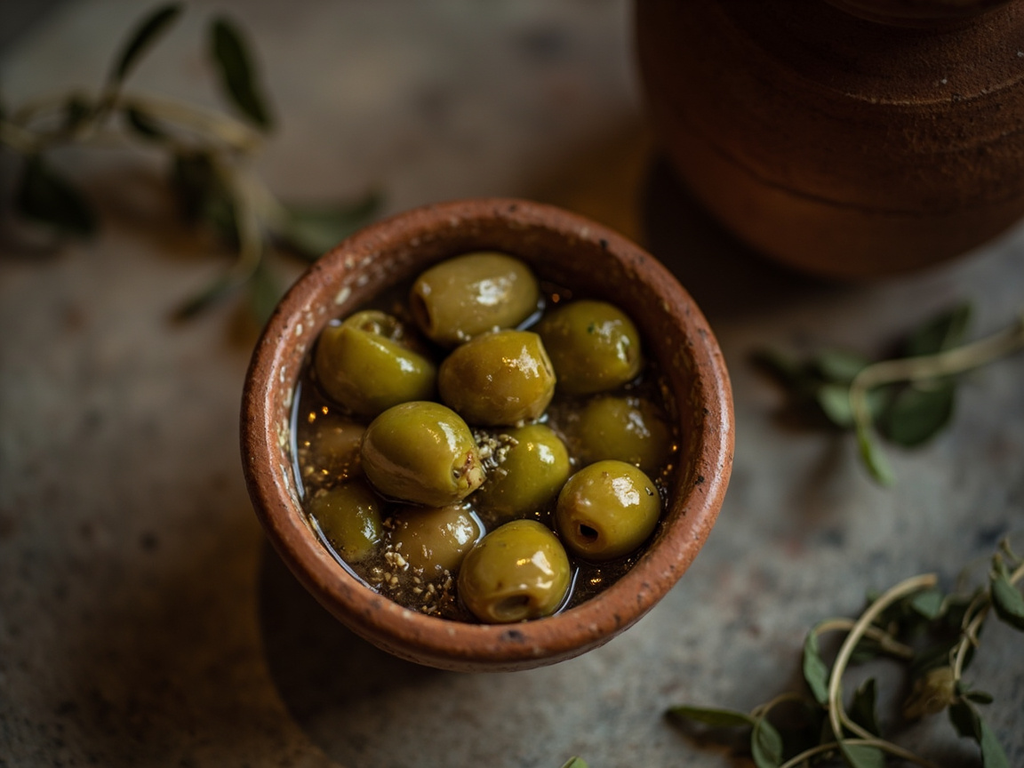
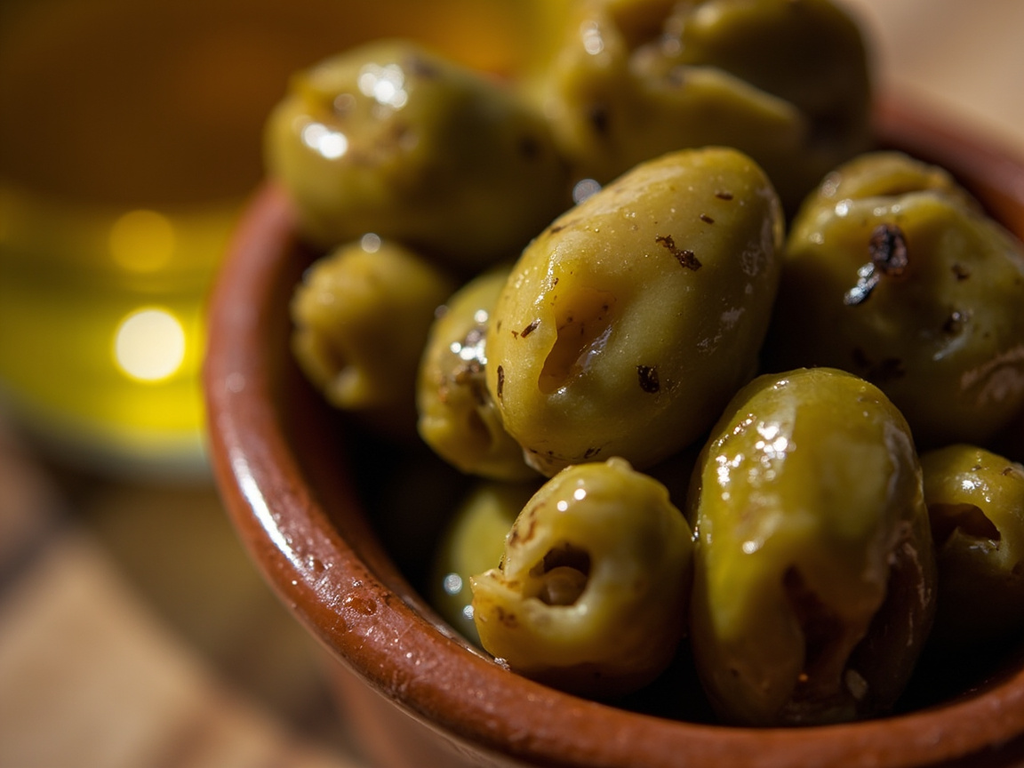
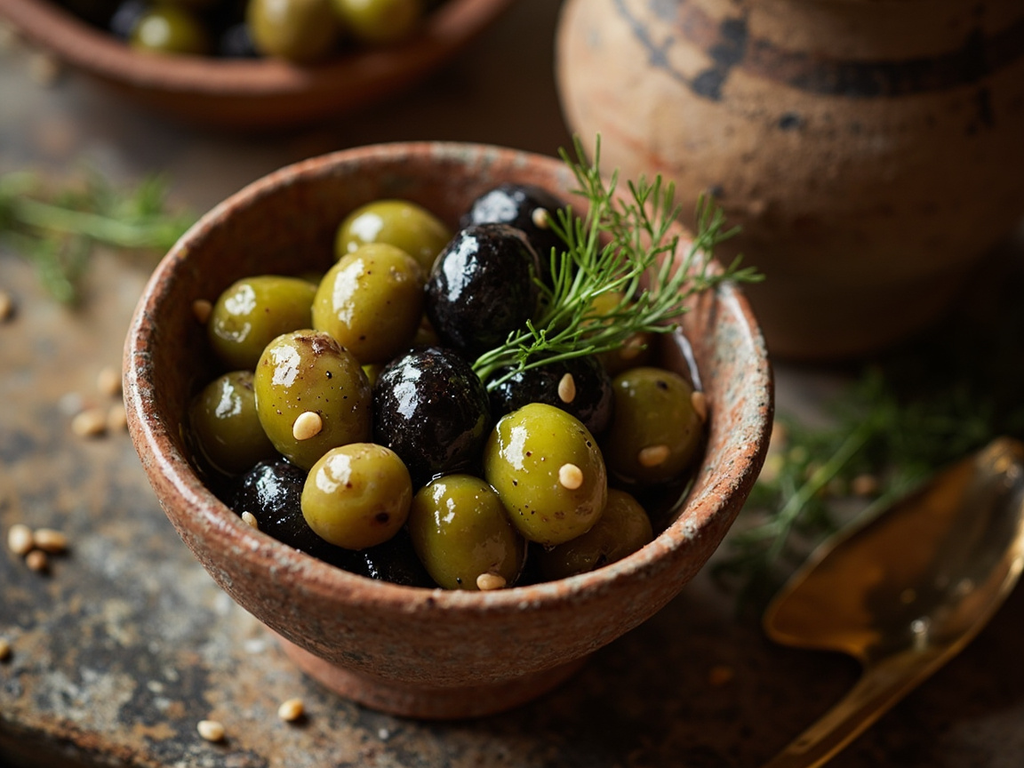
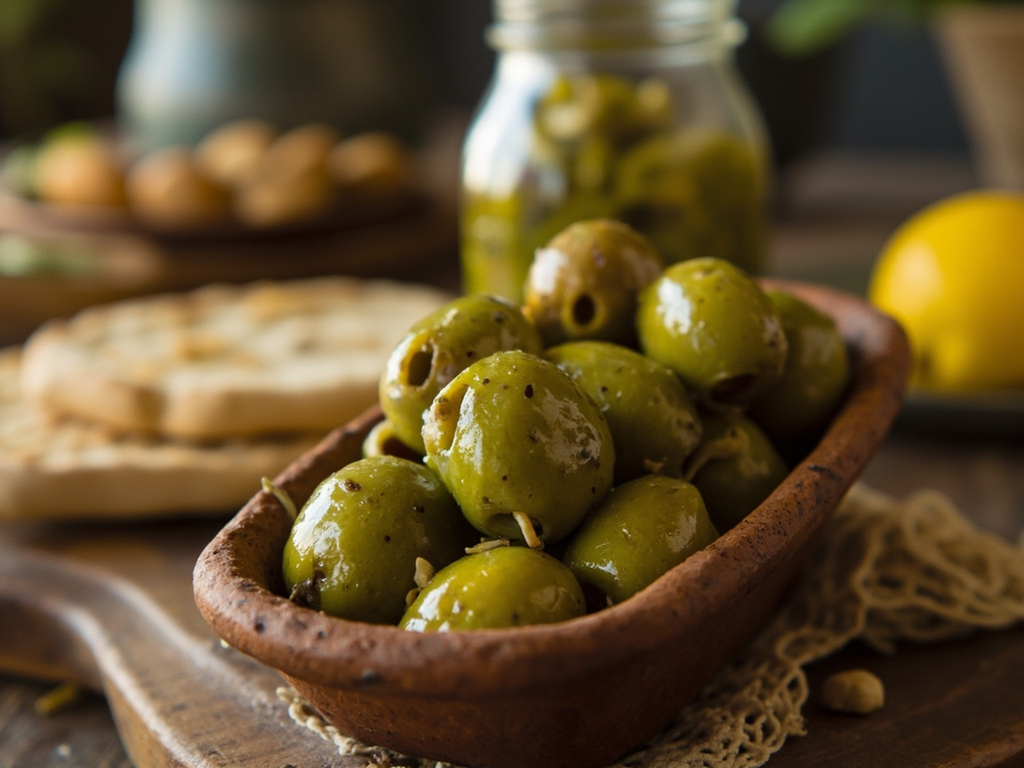
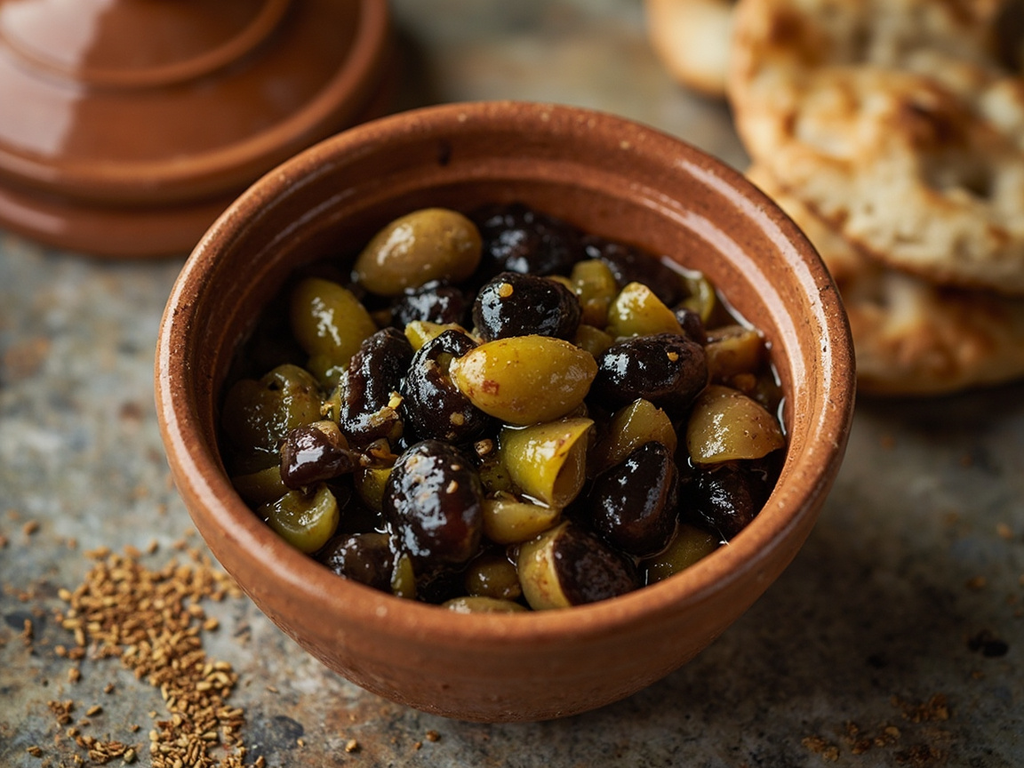
Green and black olives, pitted, chopped with herbs, oil, vinegar, and spices, preserved in a pot. A bright, savory condiment, ancestor of tapenade, that kept for weeks.
See how the olive, that bitter, hard fruit, becomes a delicacy when one knows how to prepare and keep it. In this paste I put the oil from our trees, a little vinegar, some herbs from the garden — nothing but simple and lasting things. Spread it on your bread, take little, and remember: what keeps without spoiling is worth more than one-day feasts that leave only regret.
- •Pitted green and black olives — two cups (base)
- •Olive oil — to cover (binding and preservation)
- •Vinegar — a dash (acidity and preservation)
- •Coriander, cumin, fennel, rue, mint — a few pinches (aromatics)
Epityrum, Preserved Olive Relish
Green and black olives, pitted, chopped with herbs, oil, vinegar, and spices, preserved in a pot. A bright, savory condiment, ancestor of tapenade, that kept for weeks.
Why this dish? Olives were the mainstay of the Roman pantry, and olive oil is among the few pleasures Marcus Aurelius allowed himself in his frugal diet. This epityrum, an olive paste preserved in oil and vinegar, kept for a long time and soberly opened the cena, whether at the palace or in the field.
See how the olive, that bitter, hard fruit, becomes a delicacy when one knows how to prepare and keep it. In this paste I put the oil from our trees, a little vinegar, some herbs from the garden — nothing but simple and lasting things. Spread it on your bread, take little, and remember: what keeps without spoiling is worth more than one-day feasts that leave only regret.
Ingredients (period version)
- Pitted green and black olives — two cups (base)
- Olive oil — to cover (binding and preservation)
- Vinegar — a dash (acidity and preservation)
- Coriander, cumin, fennel, rue, mint — a few pinches (aromatics)
Ingredients
- Pitted green and black olives — 250 g (base)
- Extra virgin olive oil — 4 tbsp (binding and preservation)
- Wine vinegar — 1 tbsp (acidity)
- Coriander, cumin, fennel seeds — 1/2 tsp each (aromatics)
- Fresh mint — a few leaves (freshness)
Method
- Pit olives if necessary.
- Briefly toast coriander, cumin, and fennel seeds, then crush.
- Coarsely chop olives and mint with a knife or mortar.
- Mix with spices, olive oil, and vinegar to a coarse paste.
- Pack into a clean pot, cover with a film of oil, and store in a cool place.
- Serve on bread or spelt cakes at the start of a meal.
How it was made : Cato gives the exact recipe for epityrum in his De agricultura: pitted green, black, and mixed olives, seasoned with oil, vinegar, coriander, cumin, fennel, rue, and mint. Designed for preservation, it is one of the oldest written condiments of Rome.
The contemporary twist : Served as an ancient tapenade on grilled spelt crostini, 'Cato's relish' for aperitifs.
Sources : Cato the Elder, De agricultura, 119
Marcus Aurelius · Charactorium