 Flip the card
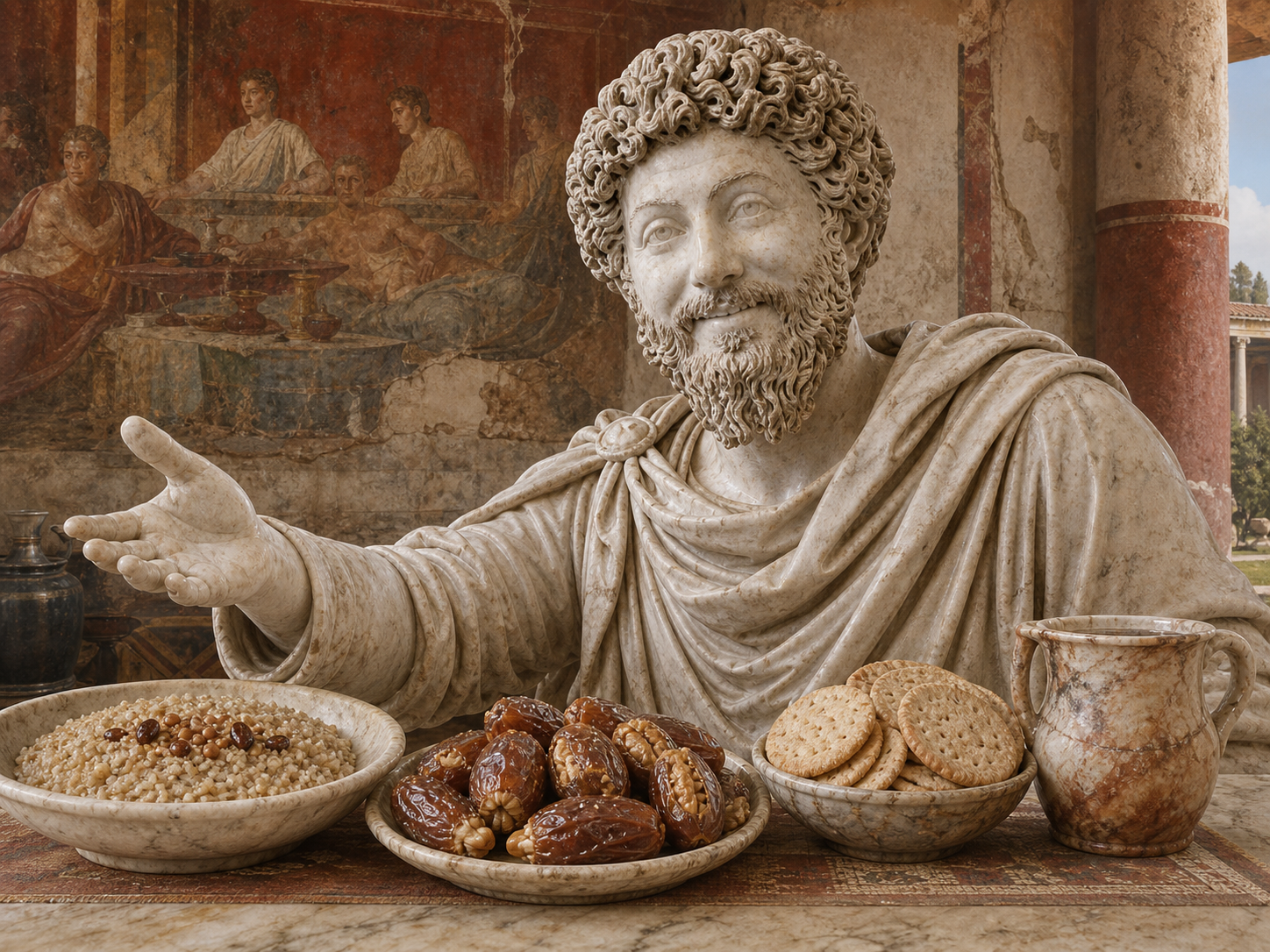
Marcus Aurelius at the table
121 — 180
On the menu
The Roman Table: ientaculum, prandium, and cena
The Roman day is structured in three meals: the ientaculum, a frugal morning meal (bread, cheese, olives); the prandium, a light lunch eaten standing or on the go; and the cena, the main evening meal which, among the wealthy, unfolds in gustatio (appetizers and eggs), mensa prima (main dishes), and mensa secunda (sweets and fruits). Marcus Aurelius, a Stoic, deliberately reduced this opulence to the essentials: a porridge, some bread, fruits, and wine mixed with water.
Signature : Garum
A fermented fish sauce with salt, the king condiment of all Roman cuisine. A salty, deeply umami drop that replaced our table salt in almost every dish — even the most frugal like the emperor's puls.
click to flip back
Marcus Aurelius at the table
121 — 180
5 period recipes
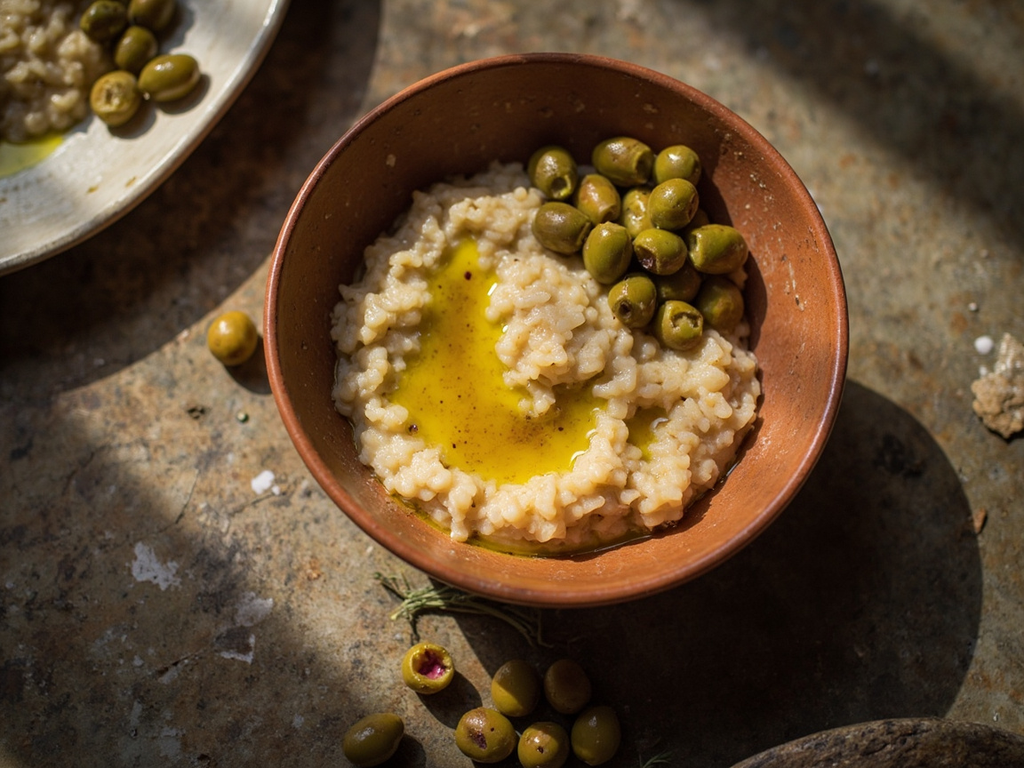 Everyday
Puls, the Spelt Porridge of the Romans
Staple dish of the prandium (lunch)
🧂 🍄· 45 min
View the recipe
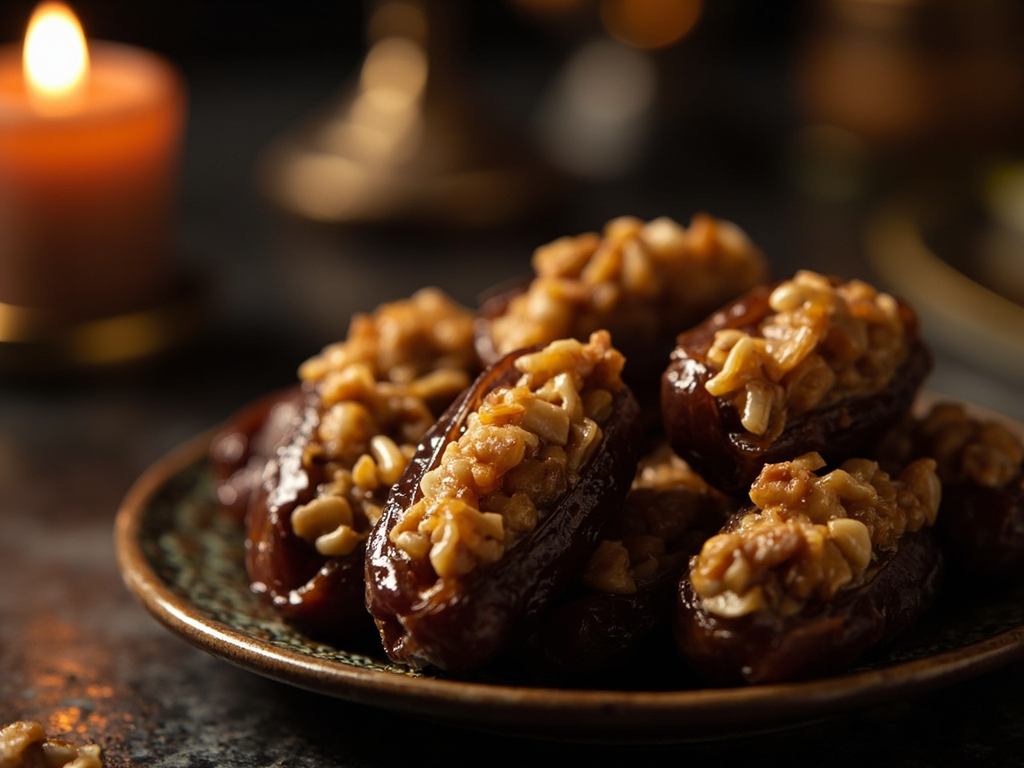 Festive
Dulcia Domestica, Honey-Stuffed Dates
Sweet of the mensa secunda (last course)
🍯· 20 min
View the recipe
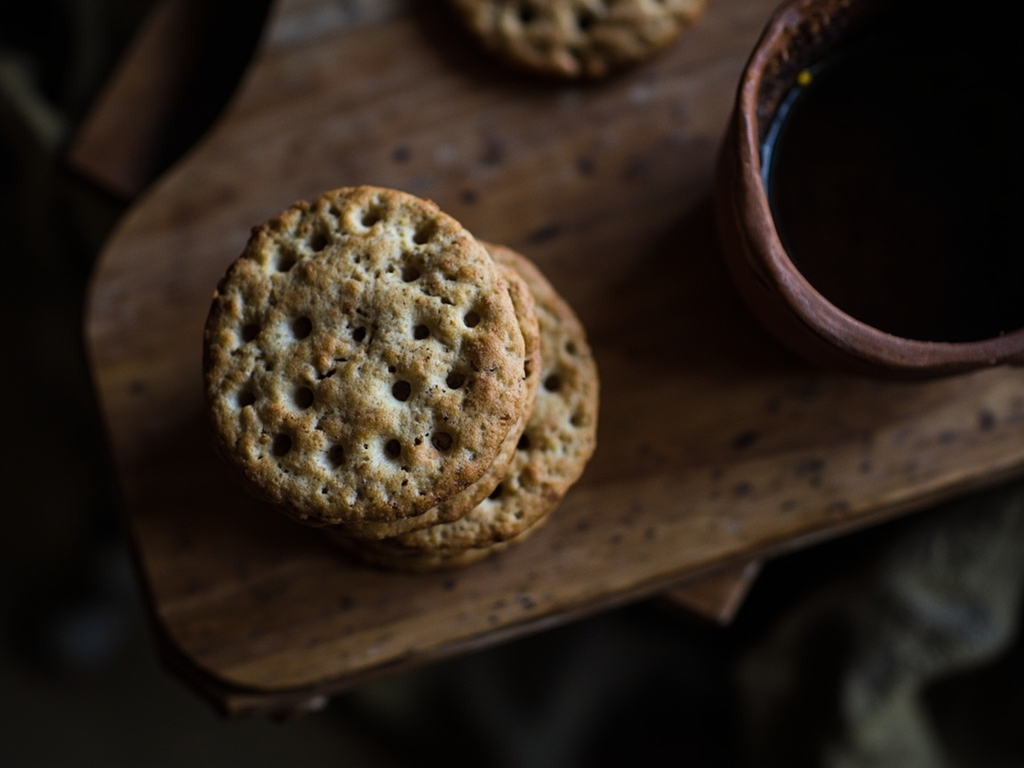 Travel
Bucellatum, the Legionary's March Biscuit
Field ration (cibaria)
🧂· 1 h 30
View the recipe
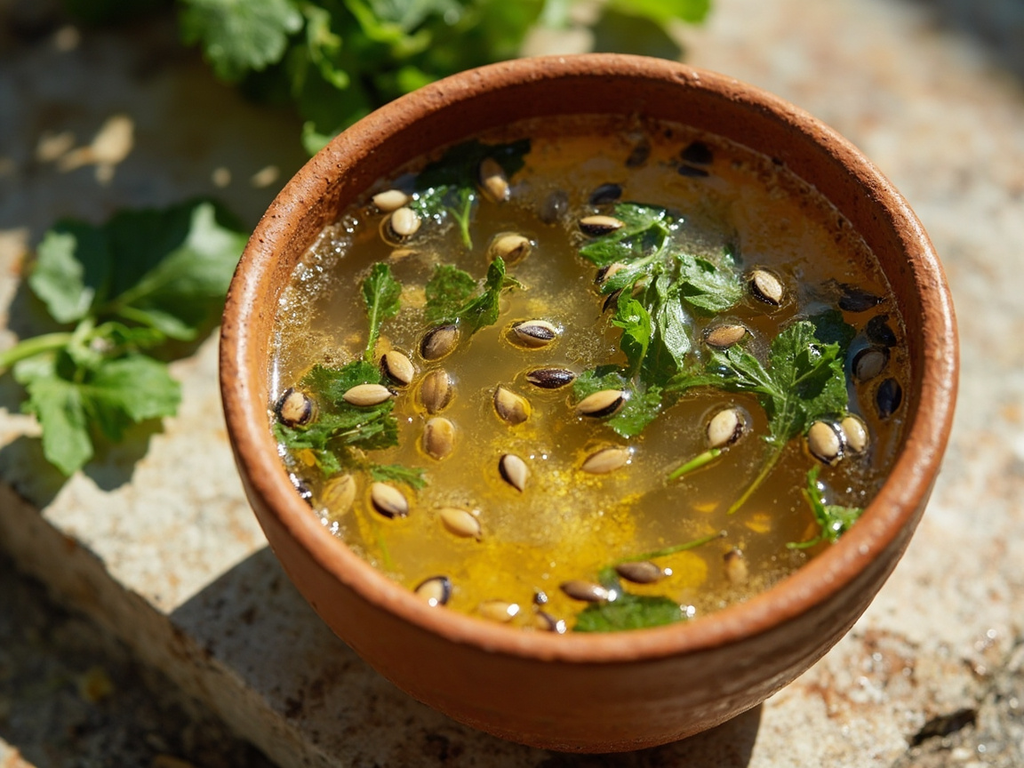 Drink
DrinkPosca, the Sour Drink of Soldier and Sage
Everyday and campaign beverage
🍋· 20 min
View the recipe
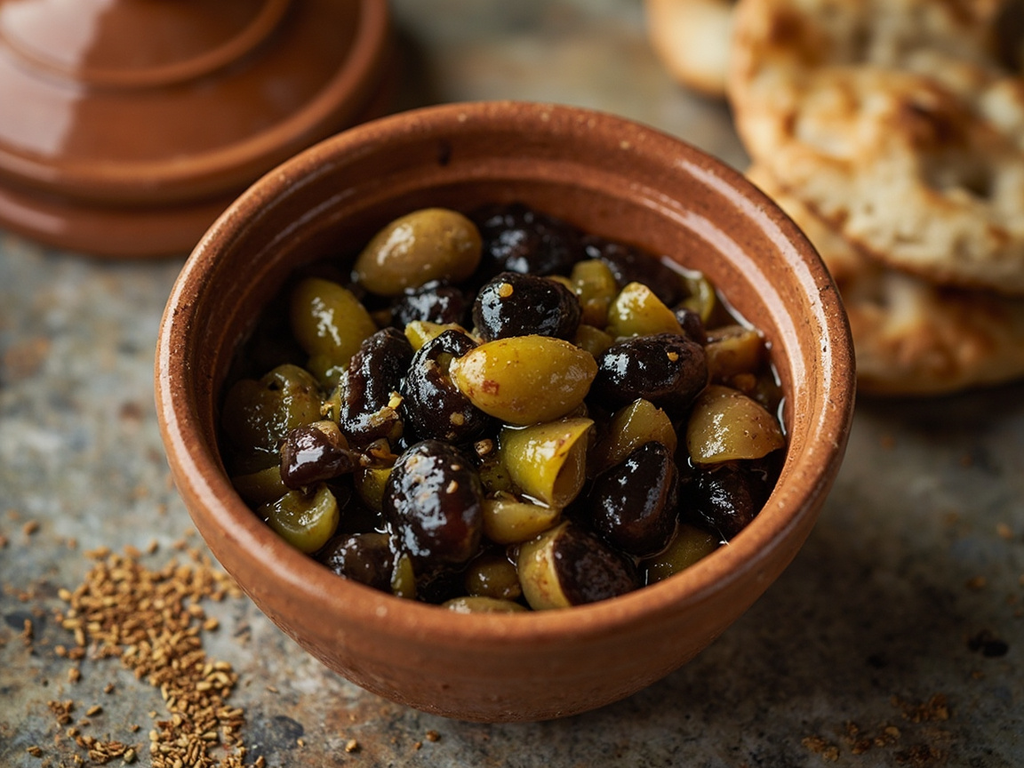 Preserving
Epityrum, Preserved Olive Relish
Pantry condiment (gustatio)
☕ 🧂 🍋· 25 min
View the recipe