The Multi-Course Service (Seigneurial Banquet of Poitou)
At the noble table of the Middle Ages, one did not eat in starter-main-dessert order: instead, 'mets' were served in successive services, from pottage to roast, up to the sweet and spiced 'issues de table' that closed the meal and aided digestion. Dishes arrived together on the table, and each person served themselves. Spiced wine accompanied and concluded the feast.
Signature : Sweet Spices and Verjuice
The noble cuisine of medieval Poitou is recognized by the alliance of sour and sweet: verjuice (acidic juice of unripe grapes) or vinegar on one side, precious imported spices (cinnamon, ginger, grains of paradise, saffron) on the other. These expensive spices signaled rank. No chili pepper or bell pepper from the New World: the heat came from ginger and long pepper.
Melusine at the table
5 period recipes
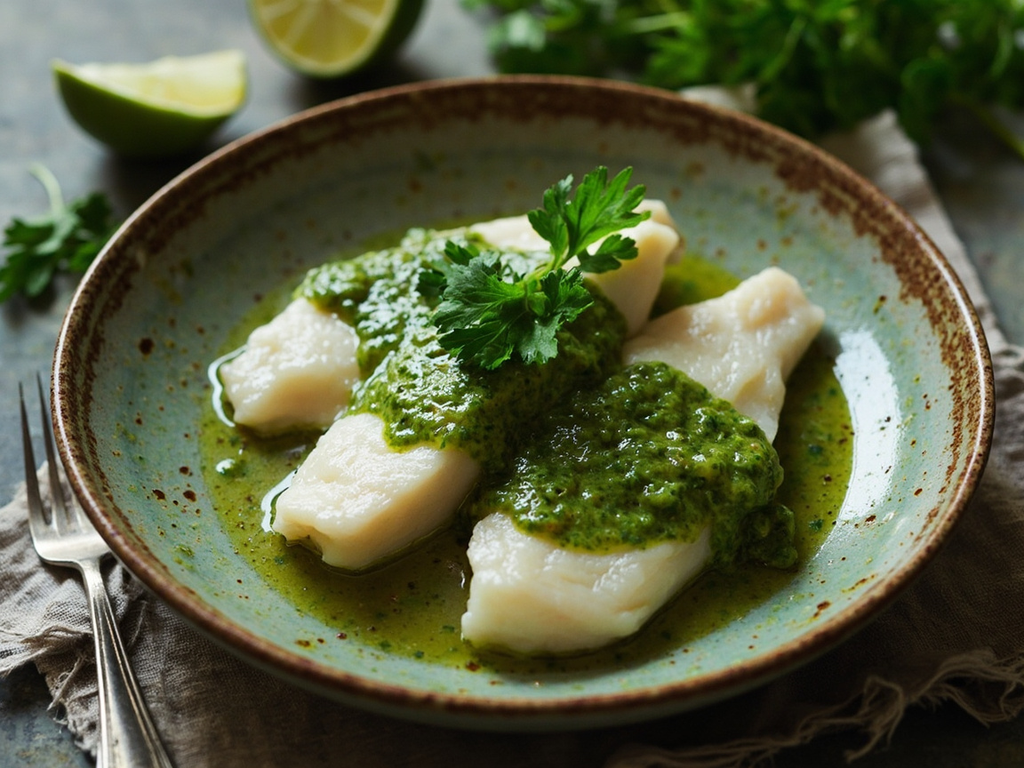 Festive
Pike with Green Sauce
Fish Dish (Meager Day)
🍋 🧂· 40 min
View the recipe
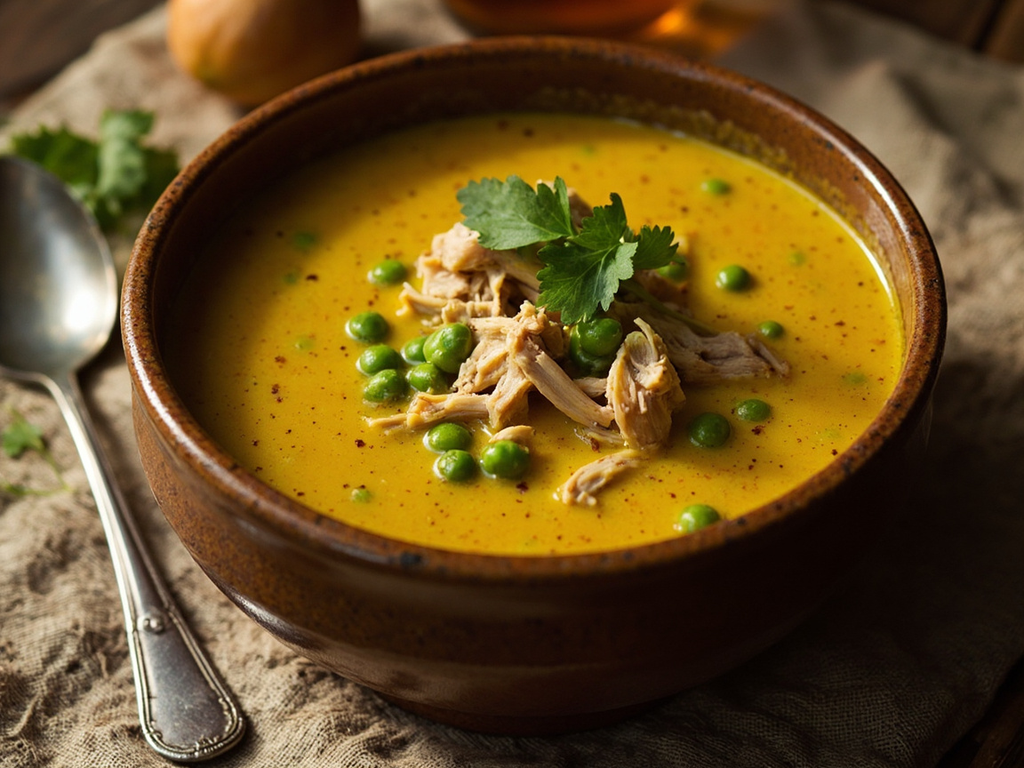 Everyday
Creamed Fresh Peas
Thick Pottage (Entry Service Dish)
🧂 🍄· 35 min
View the recipe
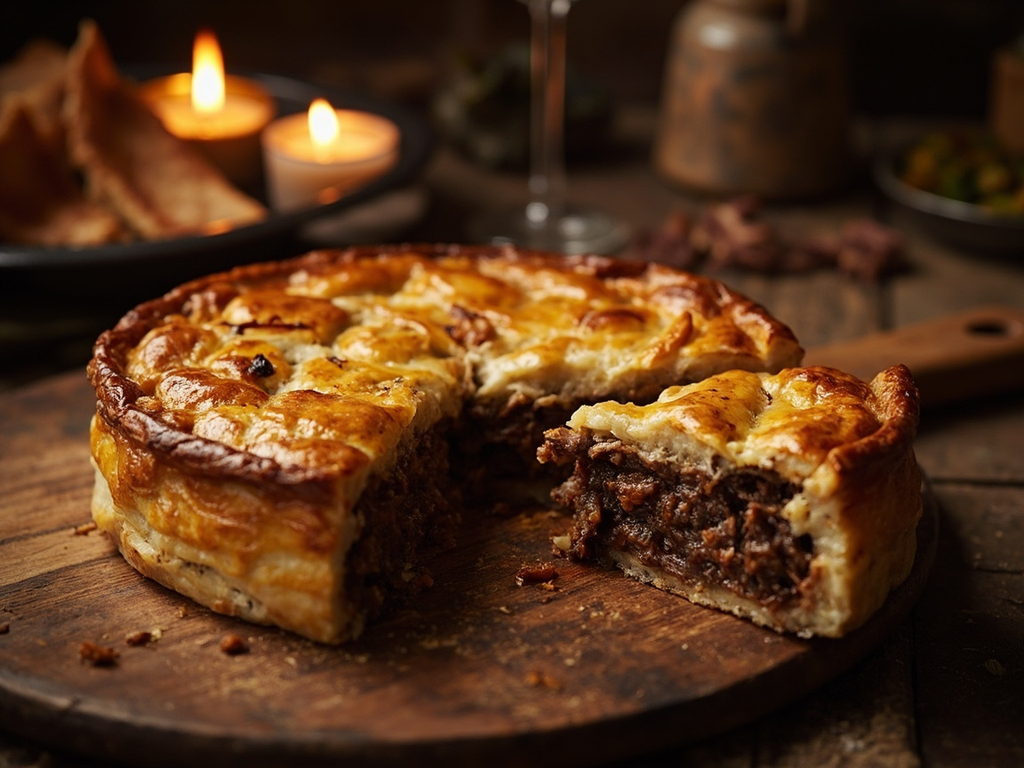 Preserving
Venison Pie in a Crust
Preserved Dish (Enclosed Roast for Table and Travel)
🧂 🌶️· 2 h 30 (including resting)
View the recipe
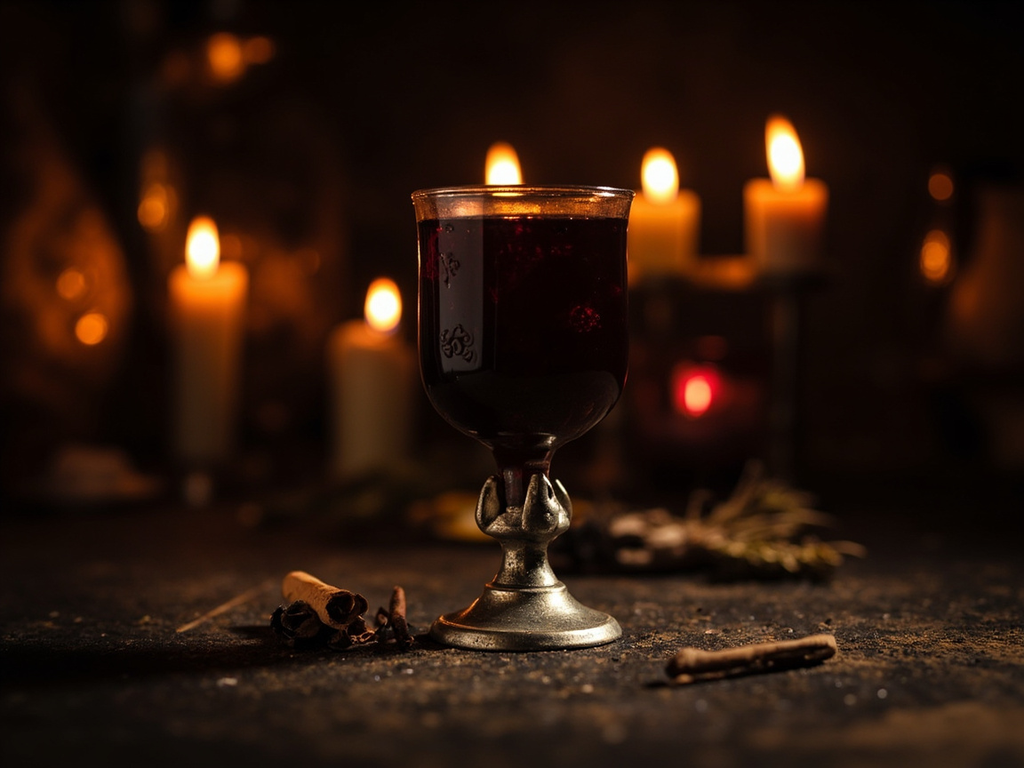 Drink
DrinkHypocras of Lusignan
End-of-Meal Beverage (Closing the Feast)
🍯 🌶️· 15 min + infusion
View the recipe
 Remedy
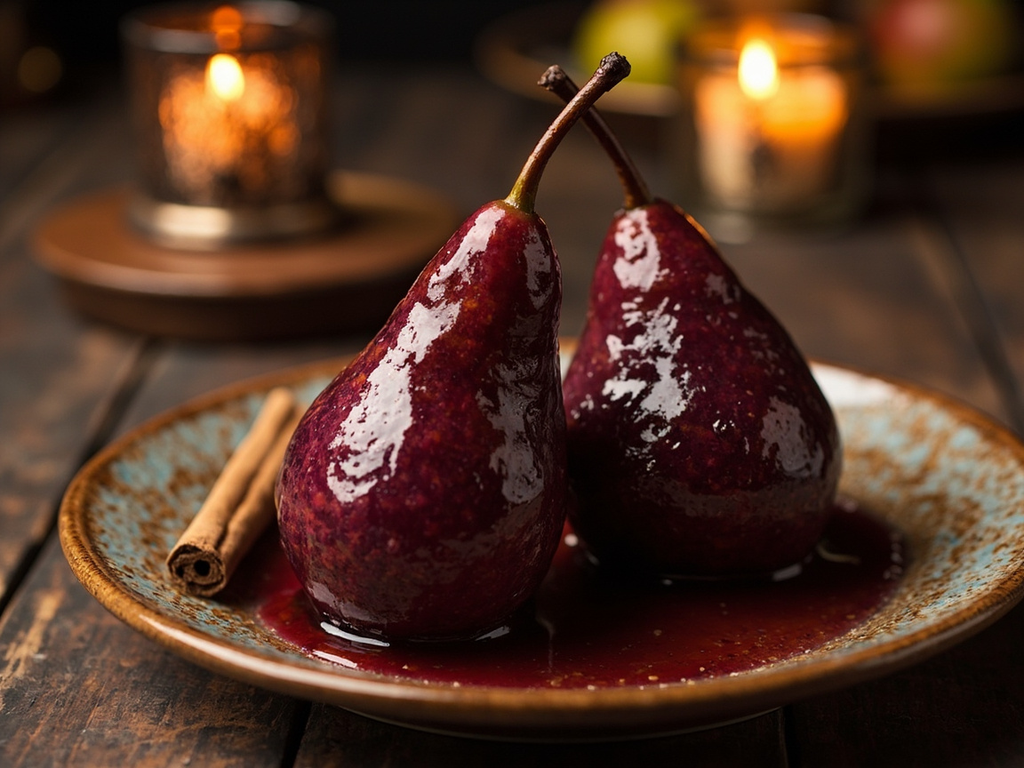
Pears in Wine and Honey
Sweet End-of-Meal Dish (Comfort and Digestion)
🍯 🌶️· 40 min
View the recipe