 flip
flipVenison Pie in a Crust
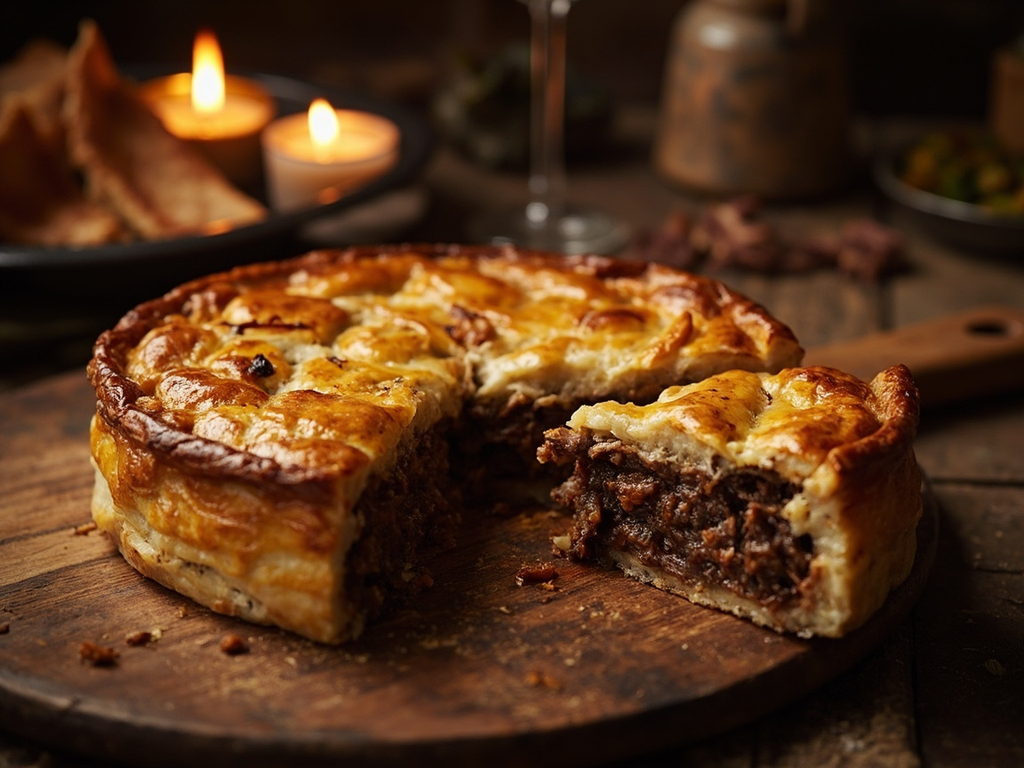
Venison Pie in a Crust
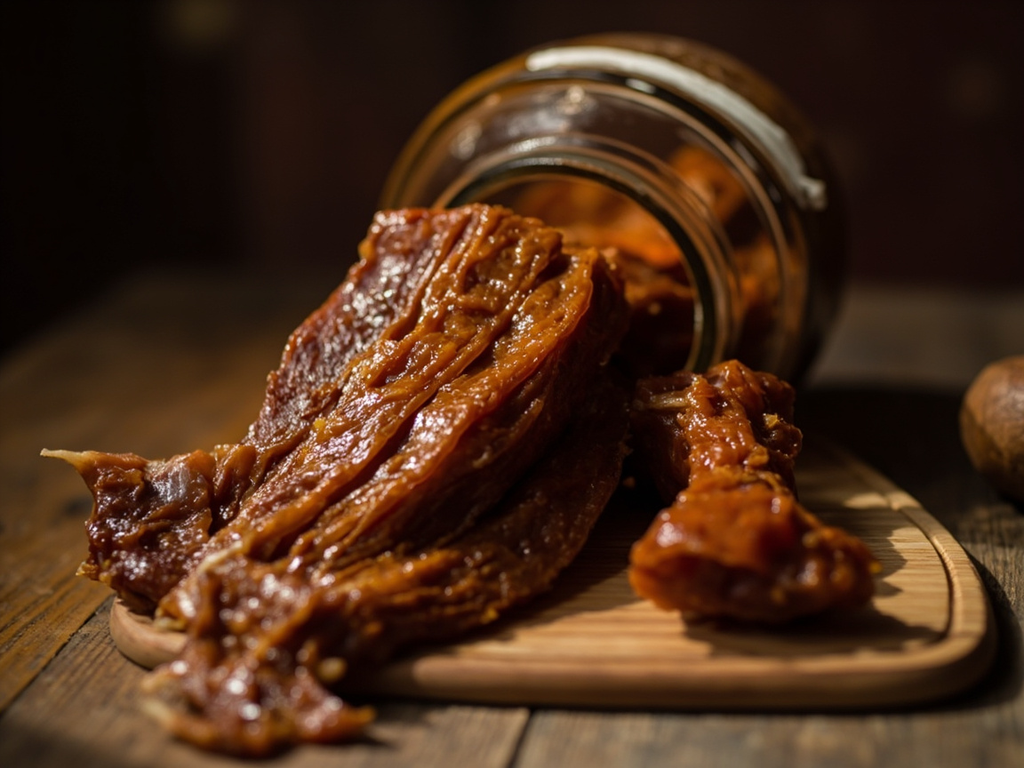
Why this dish? The forest of Coulombiers, near Lusignan, provided game for seigneurial hunts. To preserve this venison and carry it, it was enclosed in a thick pastry crust — the 'coffin' — which served as mold, cooking vessel, and storage box.
A terrine of game (venison or wild boar) minced and long-spiced, sealed in a firm crust that protects and preserves it for several days, ideal for hunting, travel, or a cold table.
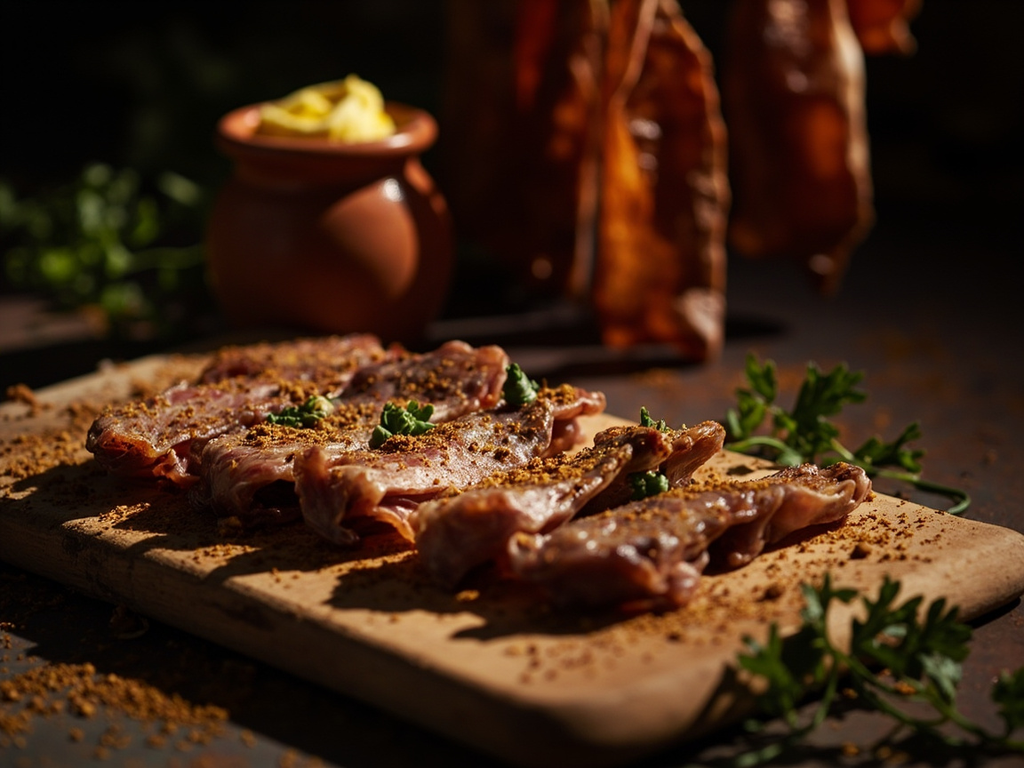
My lord Raymondin hunted in these woods of Coulombiers where, long ago, I met him near the Fountain of Thirst. From his venison, my cooks make this preserved pie: the flesh minced fine, well peppered and embalmed with spices, enclosed in a crust hard as a casket. Thus sealed, it travels without spoiling, and the knight takes it to the fields. Break the crust with a knife: the meat is fragrant like a well-kept secret — and of secrets, believe me, I know a thing or two.
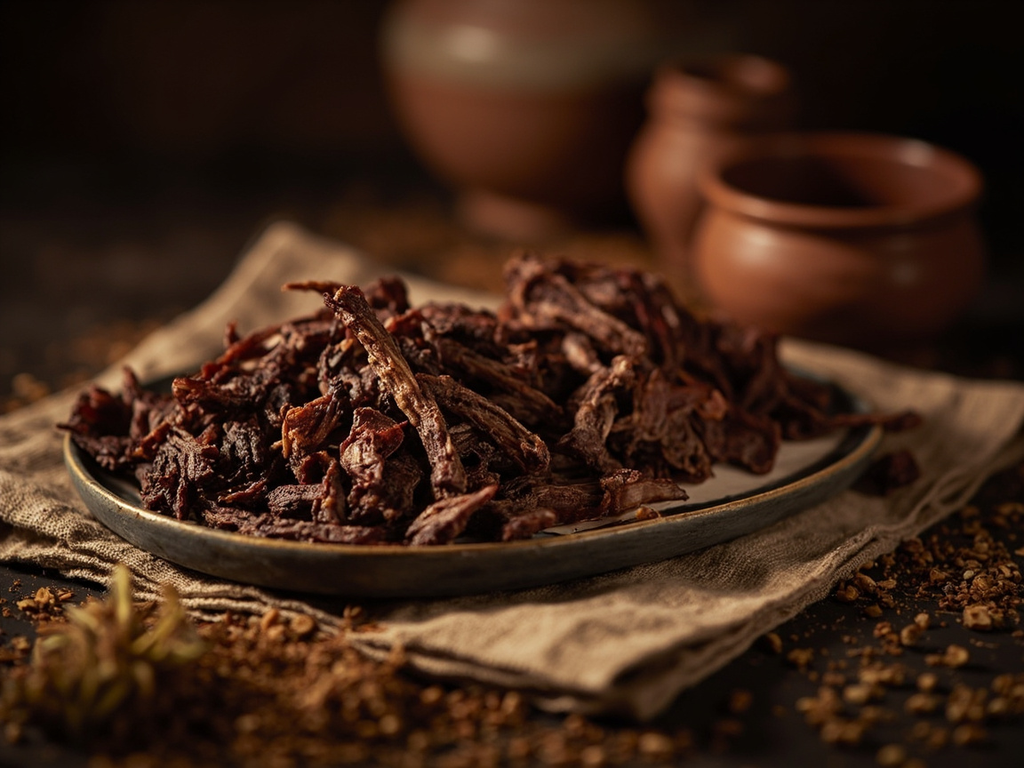
- •Venison (deer or wild boar) — a fine piece (main meat)
- •Lard — as needed (moisture and fat binder)
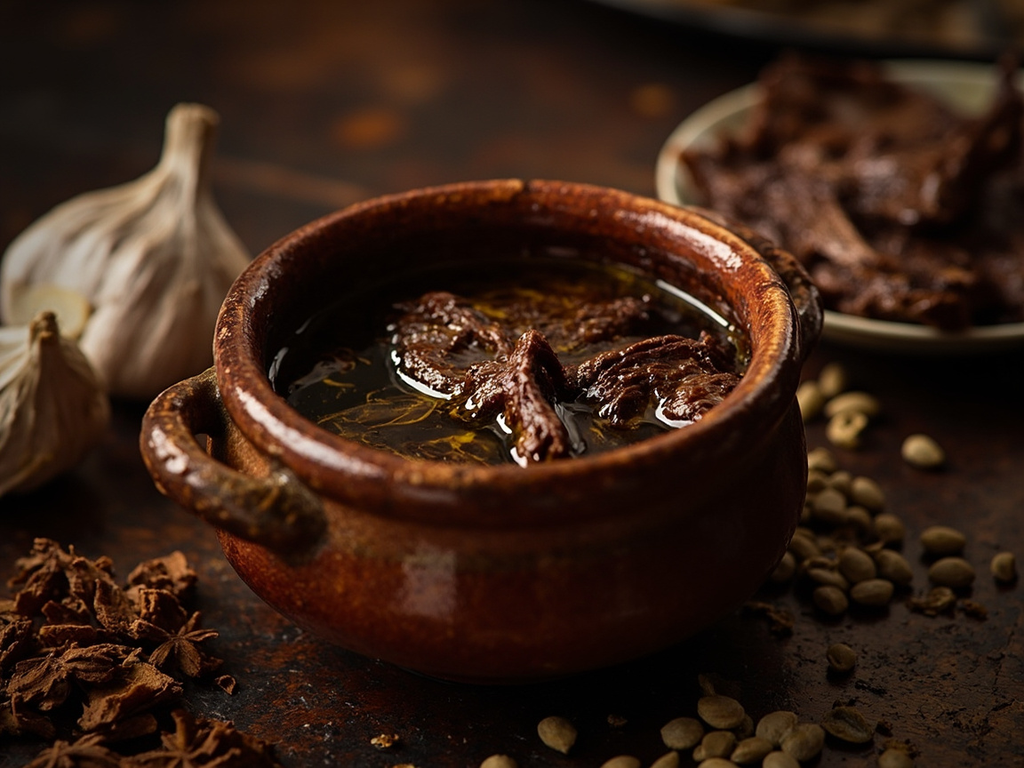
- •Pepper, ginger, clove, cinnamon — a good hand of spices (flavor and preservation)
- •Salt — generously (preservation)
- •Flour and water for the crust — as needed (protective coffin)
Venison Pie in a Crust
A terrine of game (venison or wild boar) minced and long-spiced, sealed in a firm crust that protects and preserves it for several days, ideal for hunting, travel, or a cold table.
Why this dish? The forest of Coulombiers, near Lusignan, provided game for seigneurial hunts. To preserve this venison and carry it, it was enclosed in a thick pastry crust — the 'coffin' — which served as mold, cooking vessel, and storage box.
My lord Raymondin hunted in these woods of Coulombiers where, long ago, I met him near the Fountain of Thirst. From his venison, my cooks make this preserved pie: the flesh minced fine, well peppered and embalmed with spices, enclosed in a crust hard as a casket. Thus sealed, it travels without spoiling, and the knight takes it to the fields. Break the crust with a knife: the meat is fragrant like a well-kept secret — and of secrets, believe me, I know a thing or two.
Ingredients (period version)
- Venison (deer or wild boar) — a fine piece (main meat)
- Lard — as needed (moisture and fat binder)
- Pepper, ginger, clove, cinnamon — a good hand of spices (flavor and preservation)
- Salt — generously (preservation)
- Flour and water for the crust — as needed (protective coffin)
Ingredients
- Venison shoulder (deer or wild boar) — 700 g (minced meat)
- Pork belly / fatback — 200 g (moisture)
- Mix of pepper + ginger + clove + cinnamon — 2 tsp (spices)
- Salt — 15 g (seasoning and binding)
- Flour — 400 g (pastry for coffin)
- Hot water + lard — 20 cl + 120 g (hot water crust)
- 1 egg — for glazing (finish)
Method
- Mince the venison and lard together, season with salt and spices, and let rest in the fridge for 1 hour.
- Prepare the hot water crust: melt the lard in hot water, pour over the salted flour, knead quickly, and line a mold while the dough is still warm and pliable.
- Fill with the packed stuffing, close with a pastry lid, seal the edges, and cut a steam vent.
- Glaze with egg and bake at 180°C for about 1 hour 30 minutes, until the crust is hard and golden.
- Let cool completely: the pie keeps for several days in a cool place and is served cold, sliced.
How it was made : 'Pâtés en pot' and venison enclosed in crust served both for cooking and preservation: the thick crust (the coffin) formed an air barrier and was not always eaten. Salt and strong spices (clove, pepper, cinnamon, all imported) slowed spoilage. Game, reserved for nobility by hunting rights, was a high-status dish.
The contemporary twist : Pour a little wine-flavored jelly through the vent once cooled, and present the pie sliced on a board with a verjuice onion confit.
Sources : Le Viandier de Taillevent (XIVe s.) · Le Ménagier de Paris (v. 1393)
Melusine · Charactorium