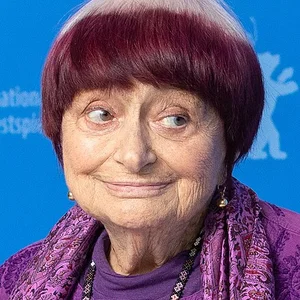
An American actor born in 1892, Oliver Hardy is one of the greatest stars of both silent and sound comedy cinema. Together with Stan Laurel, he formed the Laurel and Hardy duo, celebrated for its visual gags and universally beloved humor.
Oliver Hardy(1892 — 1957)
Oliver Hardy
États-Unis
9 min read
Frequently asked questions
Key Facts
- Born on January 18, 1892, in Harlem, Georgia, United States
- Formation of the Laurel and Hardy duo from 1927 onwards
- Over 100 short films and feature films made with Stan Laurel
- Successful transition from silent to sound cinema in the 1930s
- Died on August 7, 1957, in Hollywood, California
Works & Achievements
The founding short film of the Laurel and Hardy duo, famous for the largest pie-throwing scene in cinema history. Considered a landmark masterpiece of American slapstick comedy.
A short film in which the duo attempts to deliver a piano up a massive flight of stairs in Los Angeles. This film earned Laurel and Hardy their only Academy Award, for Best Short Subject (Comedy).
The duo's first major feature-length film, in which Laurel and Hardy hide their attendance at a fraternal convention from their wives. Often regarded as their finest film for its balance of gags and storytelling.
A western parody notable for its musical numbers and the now-iconic dance sequence, proving that the duo were as skilled at physical comedy as they were at timing and musical humor.
A comedy in which Stan Laurel, having remained in a trench since World War One, is reunited with Hardy twenty years later. One of the most beloved films from their major studio period.
The duo's final film, shot in France and Italy, and a poignant record of the twilight of two aging actors whose chemistry shines through despite the grueling production conditions.
Anecdotes
Oliver Hardy's real name was Oliver Norvell Hardy, a first name chosen in tribute to his father, an officer who died shortly after his birth. This solemn name stood in complete contrast to the comedic career he would go on to pursue, and illustrates the duality between the refined man he was in real life and the pretentious bumbler he portrayed on screen.
Hardy was so passionate about golf that it became his primary activity outside of filming. He played nearly every day and reached a respectable level. This passion reveals the total gap between the clumsy image he projected on screen and the composed, athletic man he was in reality.
Oliver Hardy's famous camera look — that moment when he stared straight into the lens with resigned exasperation after a disaster caused by Laurel — was a spontaneous invention that became his trademark. This fourth-wall-breaking technique was revolutionary for comedic cinema of the era and foreshadowed modern narrative devices.
In 1956
Hardy was struck by a series of strokes that left him paralyzed and unable to speak. Stan Laurel visited him regularly until his death in August 1957; upon learning of his passing
Laurel declared:
There is no more Laurel and Hardy. I don't want to do anything without him.
Despite their perfect on-screen chemistry, Laurel and Hardy had very different personalities off set: Laurel spent his nights refining gags and scripts, while Hardy preferred playing golf, card games, and attending Hollywood social gatherings.
Primary Sources
Hardy reflects on his origins and his love of singing: "I could have been an opera singer, but Hollywood decided I was better off taking cream pies in the face. The audience preferred watching me fall down to hearing me sing."
Hardy explains how the duo came together: "Stan and I never decided to form a team. Hal Roach put us together and it worked. Our secret is that we're two children who refuse to grow up."
Official document establishing the working terms for the duo, defining the rights and obligations of each actor for the production of comic short films under the Roach banner, with an exclusive loyalty clause to the studio.
"Ollie was my best friend. I can't imagine working without him. He was the funniest man I ever knew, even in everyday life, without any effort at all."
Key Places
A small town in the American South where Oliver Hardy was born on January 18, 1892. This Georgian town today proudly bears the name of its most famous son, with an annual festival and a statue in his honor.
Nicknamed "The Lot of Fun," this Hollywood studio was the birthplace of the Laurel and Hardy duo from 1927 to 1940. It was here that most of their most celebrated short and feature films were shot.
The world capital of cinema where Hardy spent the bulk of his career. Hollywood was the stage for his rise to worldwide fame, during the golden age of American cinema in the 1920s and 1940s.
A neighborhood of Los Angeles where Oliver Hardy spent his final years and passed away on August 7, 1957, after several months of immobility caused by a series of strokes.
In 1947 and 1952, Laurel and Hardy embarked on triumphant tours of Great Britain, welcomed by enormous crowds. These tours revealed the full extent of their international popularity, reaching far beyond the United States.
Typical Objects
The black bowler hat is Oliver Hardy's iconic accessory, worn in almost all of his films. Slightly too small for his imposing head, it underscores the comic gap between his pompous character and his chronic clumsiness.
Hardy had the characteristic tic of twiddling or fiddling with his tie in moments of embarrassment. This gesture became his signature, expressing the nervous pomposity of his character and was instantly recognizable to audiences.
The silent-film camera of the 1920s is the central tool of Hardy's professional world. It was in front of its lens that he invented his famous direct-to-camera look, breaking the fourth wall to make the audience a witness to his misfortunes.
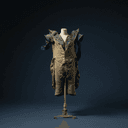
Oliver Hardy's dark, slightly too-tight suit amplifies the comic effect of his character: a heavyset man who fancies himself a distinguished gentleman. The snug fit highlights his girth and magnifies his every blunder.
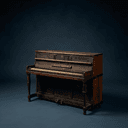
The piano is the signature prop of many Laurel and Hardy sequences, reaching its peak in the film *The Music Box* (Oscar, 1932). Heavy, cumbersome, and impossible to move without disaster, it embodies every comic obstacle the duo faces.

The ultimate slapstick prop, the cream pie hurled into someone's face is a recurring comic weapon throughout Laurel and Hardy's films. It symbolizes the physical, democratic humor of American burlesque cinema in the 1920s and 1930s.
School Curriculum
Vocabulary & Tags
Key Vocabulary
Tags
Daily Life
Morning
Oliver Hardy rose early despite his busy social evenings. He enjoyed a hearty, typically Southern breakfast — eggs, bacon, biscuits, and strong coffee — a legacy of his Georgia childhood. He read the newspapers and checked the sports pages before getting ready for the studio or the golf course.
Afternoon
Filming days started early in the morning and often ran into the late afternoon. Hardy arrived at the studio with a sharp sense of professional discipline, rehearsing routines with Laurel and working closely with the director. On days off, he spent his afternoons on a golf course, his absolute passion.
Evening
Hardy loved social evenings and frequented Hollywood restaurants and clubs with fellow actors and producers. A keen poker and card player, he regularly hosted games at his home — a stark contrast to the bumbling, hen-pecked character he played on screen.
Food
Hardy had a generous appetite, in keeping with his imposing frame. He was particularly fond of Southern cooking: fried chicken, pork ribs, grilled corn. He made no secret of his love of good food, which stood at odds with the diets he attempted — several times and with little success.
Clothing
On screen, Hardy always wore his trademark dark suit and bowler hat. In real life, he dressed carefully and elegantly, choosing well-tailored suits. He placed great importance on his appearance in company, a far cry from the disheveled oaf he played in front of the camera.
Housing
Hardy lived in a comfortable villa in the Los Angeles area, whose large reception room regularly welcomed friends for evening gatherings. His home reflected his taste for comfort and conviviality, with a garden where he enjoyed entertaining away from the bustle of the studios.
Historical Timeline
Period Vocabulary
Liens externes & ressources
Références
Œuvres
Way Out West (Laurel et Hardy au Far West)
1937