 flip
flipRoasted kid with thyme honey, for Andromeda's wedding
Roasted kid with thyme honey, for Andromeda's wedding
Why this dish? After rescuing Andromeda from the sea monster, Perseus was welcomed at the palace of King Cepheus in Ethiopia, where their wedding was celebrated with a great feast. For Greeks, eating roasted meat was rare and solemn: an animal was slaughtered only to honor the gods and for grand occasions, such as a heroic marriage.
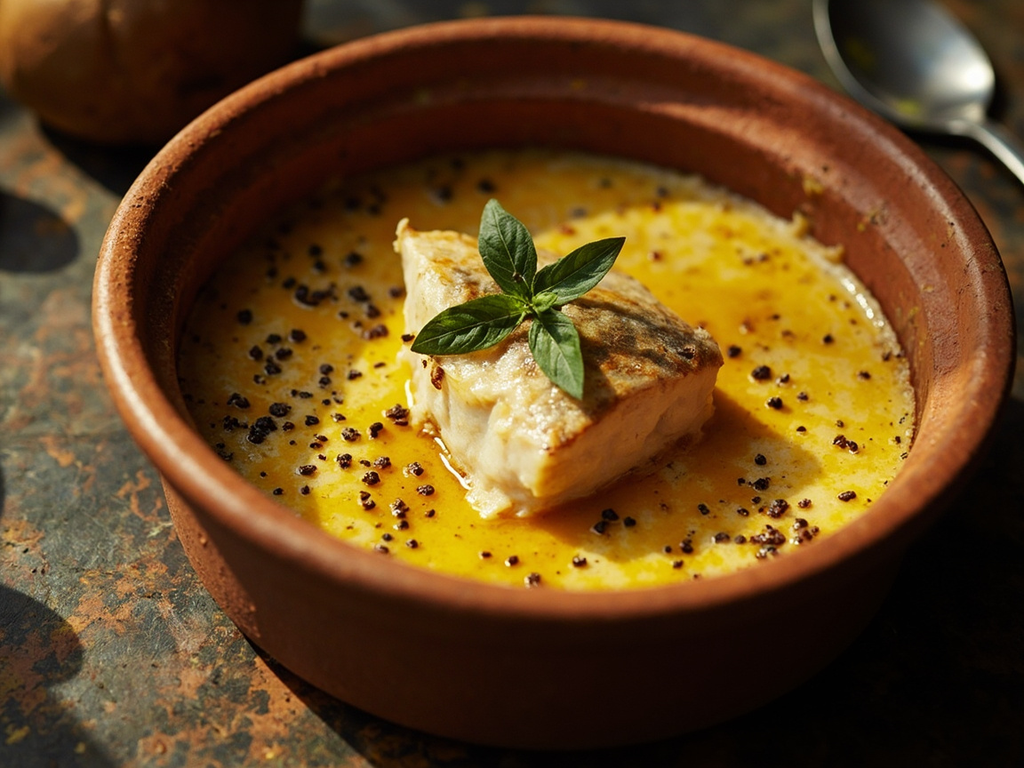
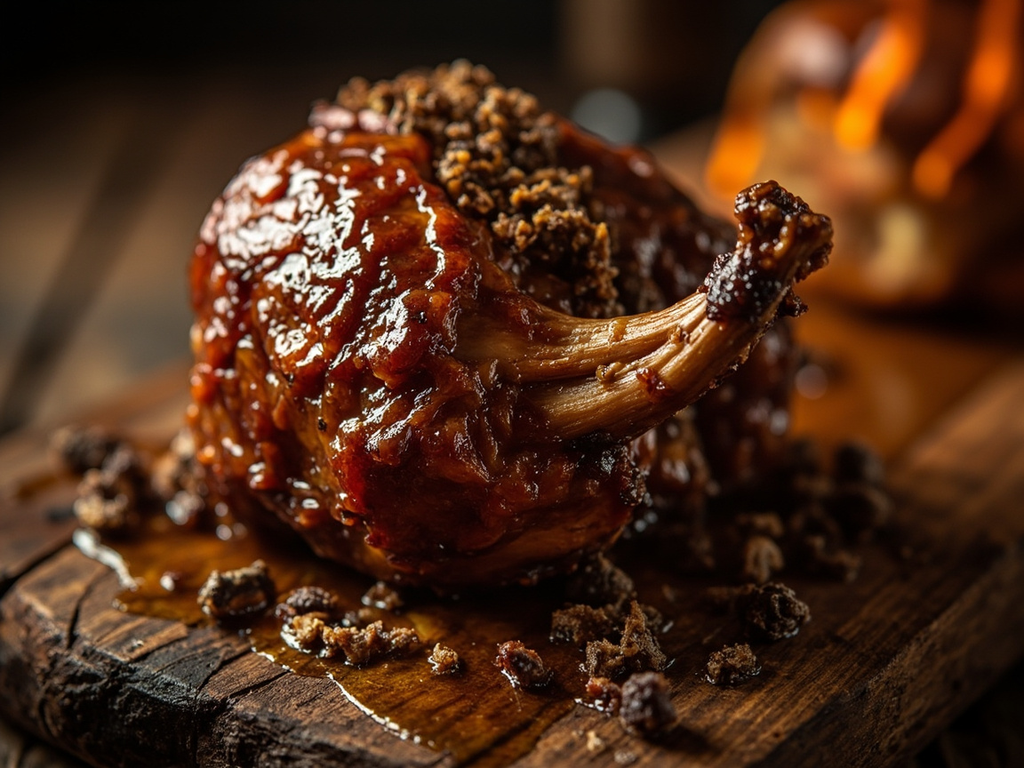
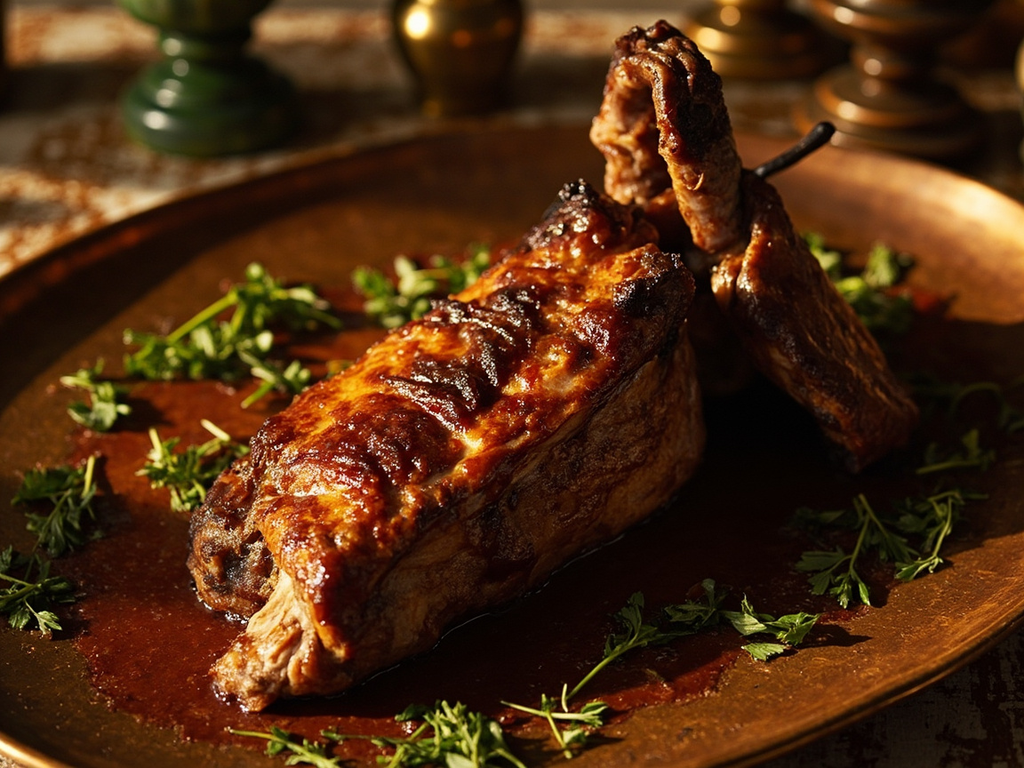
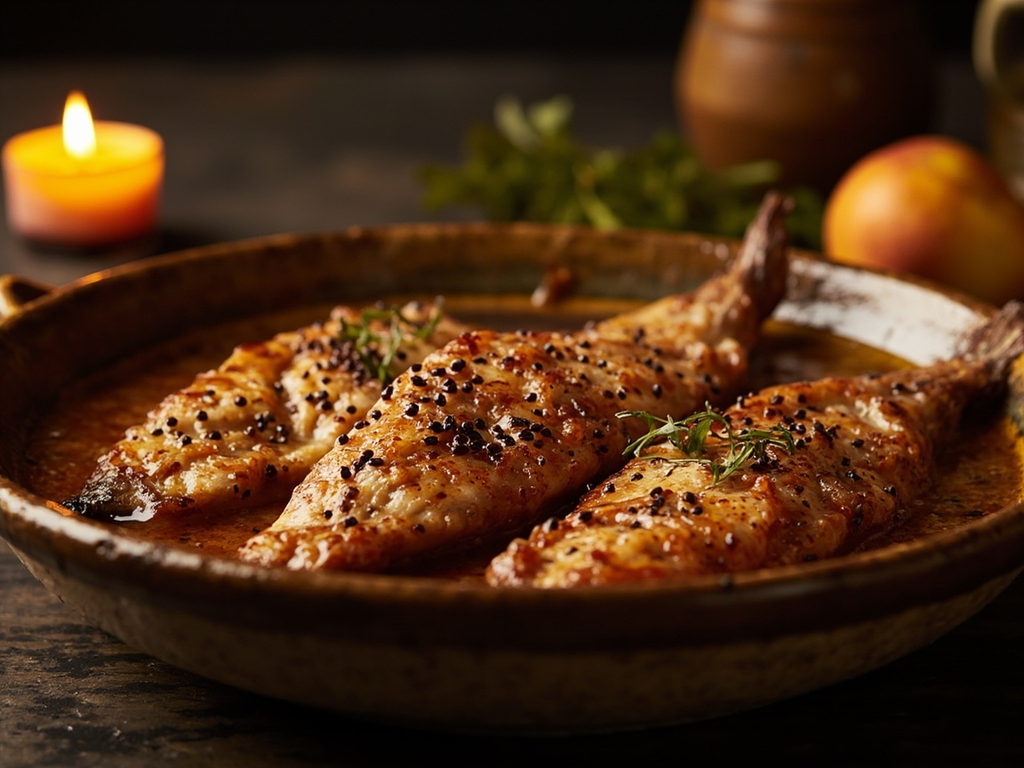
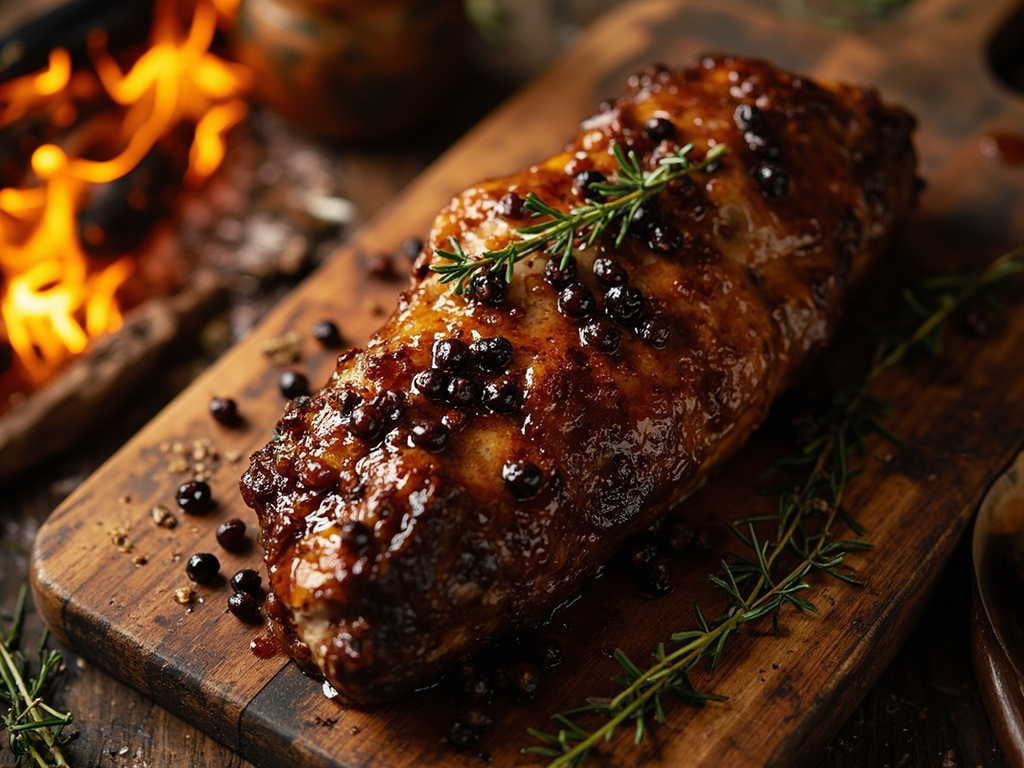
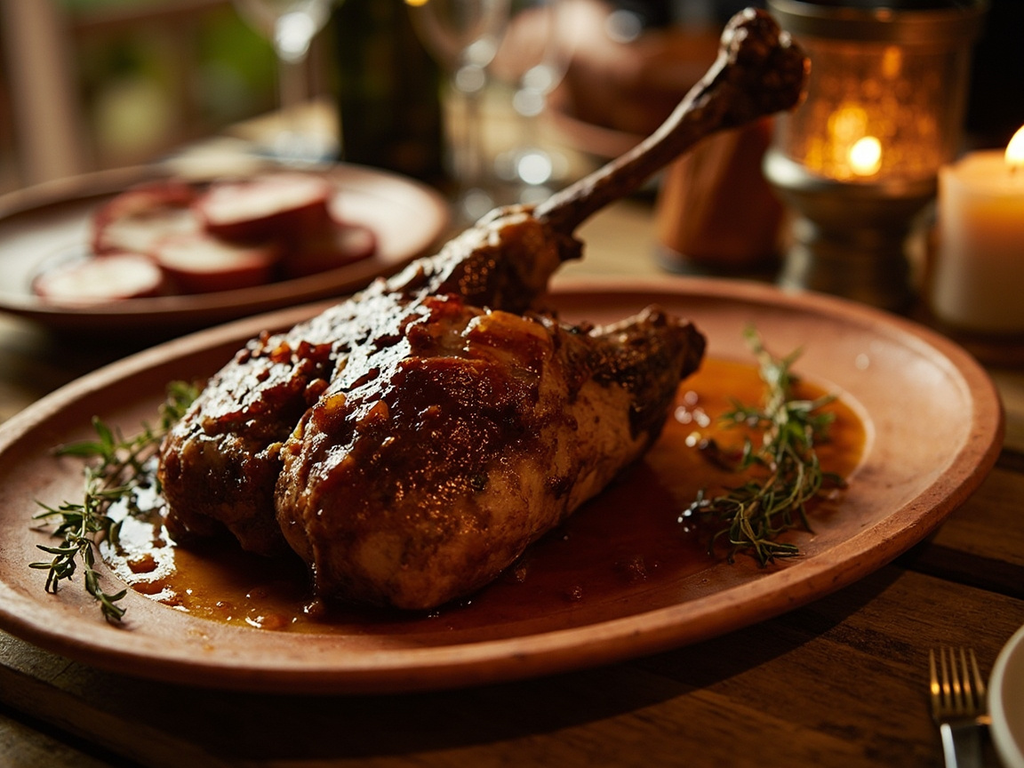
A kid rubbed with hill herbs and glazed with thyme honey, roasted slowly until the skin crackles. The meat, shared among guests after the sacrifice, is the heart of the festive banquet.
That evening, stranger, the palace of Cepheus blazed with a thousand torches, for I had given his daughter back to life and she was to be mine. The kid was led to the altar, the gods' portion was burned—the smoke rises straight to Olympus when the sacrifice is just—then we rubbed the beast with thyme and salt and glazed it with our darkest honey. Believe me: no meat tastes better than that shared on the day you have conquered death. Drink with me, and may the gods who armed me be praised.
- •Kid (or young lamb) — one shoulder or leg (centerpiece)
- •Thyme honey — generously (glaze)
- •Wild thyme and oregano — several sprigs (herb)
- •Olive oil — as needed (fat)
- •Sea salt — by hand (seasoning)
Roasted kid with thyme honey, for Andromeda's wedding
A kid rubbed with hill herbs and glazed with thyme honey, roasted slowly until the skin crackles. The meat, shared among guests after the sacrifice, is the heart of the festive banquet.
Why this dish? After rescuing Andromeda from the sea monster, Perseus was welcomed at the palace of King Cepheus in Ethiopia, where their wedding was celebrated with a great feast. For Greeks, eating roasted meat was rare and solemn: an animal was slaughtered only to honor the gods and for grand occasions, such as a heroic marriage.
That evening, stranger, the palace of Cepheus blazed with a thousand torches, for I had given his daughter back to life and she was to be mine. The kid was led to the altar, the gods' portion was burned—the smoke rises straight to Olympus when the sacrifice is just—then we rubbed the beast with thyme and salt and glazed it with our darkest honey. Believe me: no meat tastes better than that shared on the day you have conquered death. Drink with me, and may the gods who armed me be praised.
Ingredients (period version)
- Kid (or young lamb) — one shoulder or leg (centerpiece)
- Thyme honey — generously (glaze)
- Wild thyme and oregano — several sprigs (herb)
- Olive oil — as needed (fat)
- Sea salt — by hand (seasoning)
Ingredients
- Shoulder or leg of kid (or lamb) — 1.2 kg (centerpiece)
- Thyme honey — 3 tbsp (glaze)
- Fresh thyme — 1 good handful (herb)
- Dried oregano — 1 tsp (herb)
- Olive oil — 3 tbsp (fat)
- Salt and coarse salt — to taste (seasoning)
Method
- Rub the meat with olive oil, salt, oregano, and thyme leaves, then let rest at room temperature for 1 hour.
- Preheat the oven to 160°C.
- Place the meat in a dish with a little water and a few thyme sprigs, cover with parchment paper then a lid or foil.
- Roast slowly for 2 to 2.5 hours, basting regularly with the juices.
- Uncover, brush generously with thyme honey, increase oven to 200°C, and caramelize for 15 to 20 minutes until the surface is lacquered and crispy.
- Let rest 10 minutes, then serve in sharing portions, drizzled with the juices.
How it was made : Greek meat consumption was inseparable from sacrifice: bones and fat were burned for the gods, and the men shared the flesh. Homer describes such festive roasts in the Iliad and Odyssey, where heroes skewer pieces and turn them over the coals.
The contemporary twist : Shred the leftovers the next day into a warm barley cake with some fresh cheese: the “hero’s gyros.”
Sources : Homer, Odyssey (banquet scenes) · Andrew Dalby, Food in the Ancient World from A to Z (2003)
Perseus · Charactorium