 Flip the card
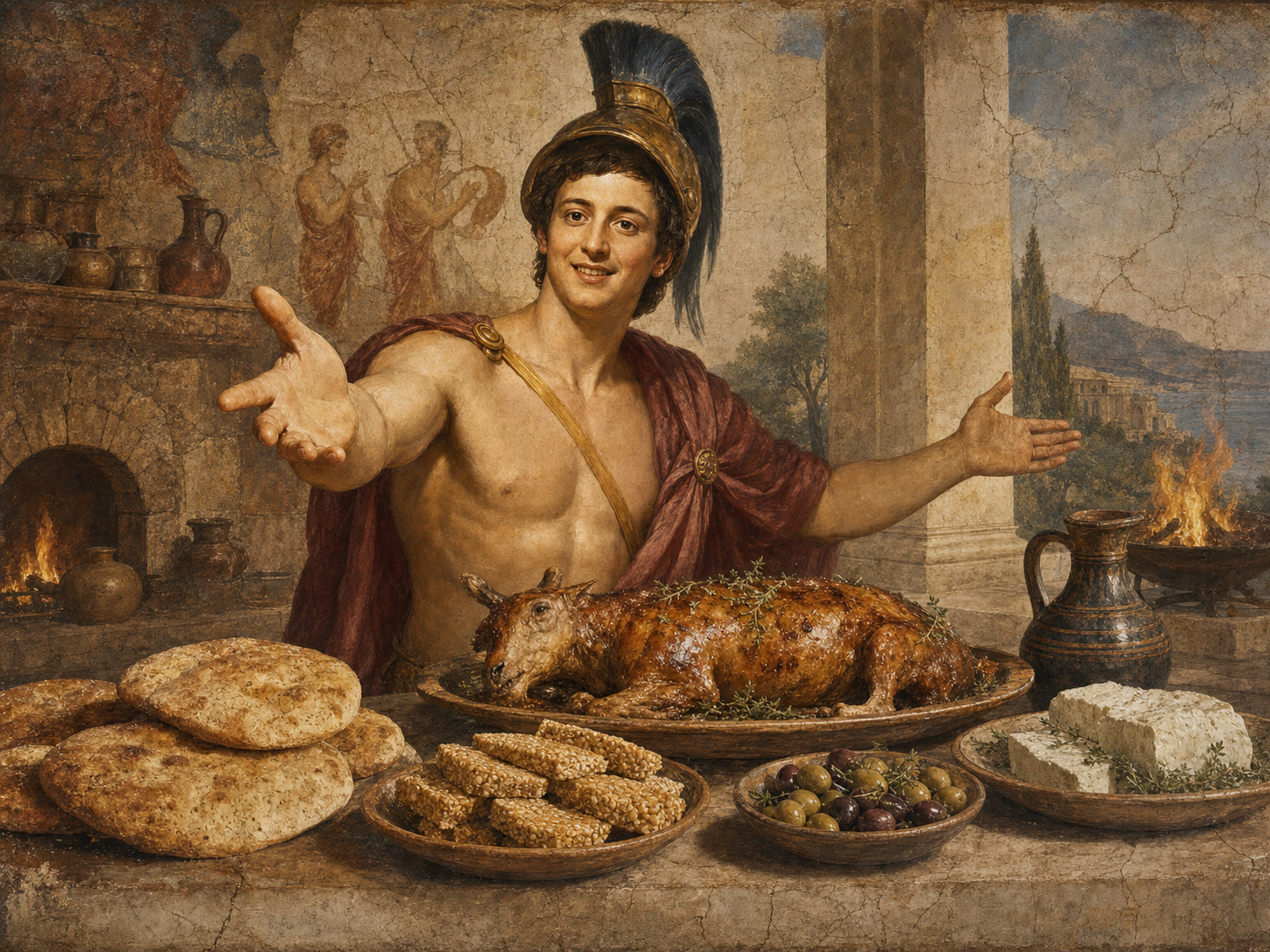
Perseus at the table
On the menu
Sitos, opson and symposion
The ancient Greek meal revolves around sitos, the staple food (barley cake or porridge, wheat bread), accompanied by opson, the "what-you-eat-with-it": cheese, olives, fish, roasted meat on feast days. There is no French-style starter or dessert: honey sweets and wine diluted with water come later, during the symposion, the shared drinking moment when libations honor the gods before conversation and song.
Signature : Thyme honey and olive oil
Honey harvested from hills covered in wild thyme is the gold of the Greek table: it sweetens travel cakes, glazes banquet meats, and nourishes libations offered to the gods. Along with olive oil, ever-present, it marks almost every dish from the Argolid to the kingdom of Ethiopia where Perseus feasted.
click to flip back
Perseus at the table
5 period recipes
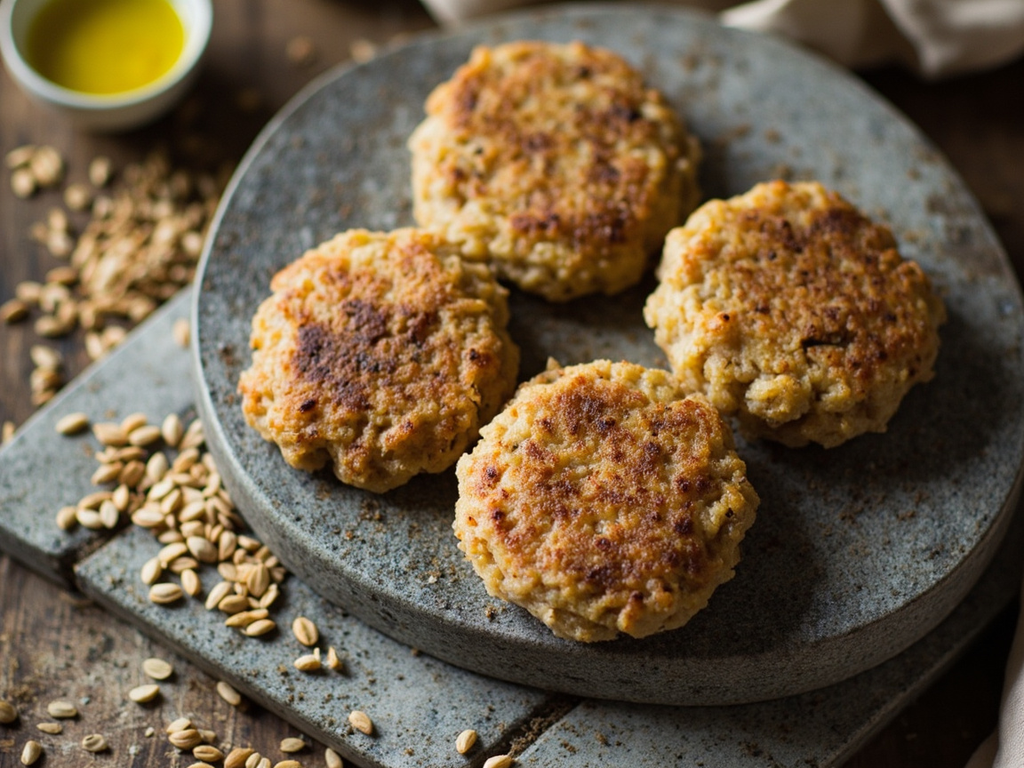 Everyday
Maza, the barley cake of the hearth
Sitos (the staple food of the meal)
🧂· 30 min
View the recipe
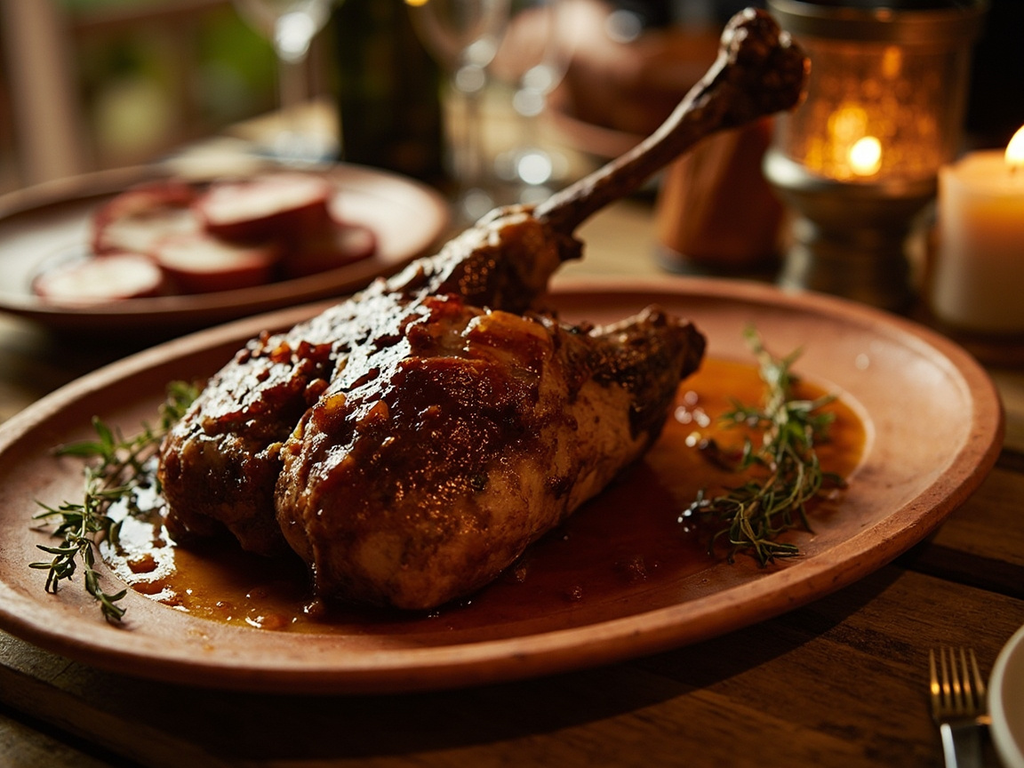 Festive
Roasted kid with thyme honey, for Andromeda's wedding
Festive opson (sacrificial banquet meat)
🧂 🍄 🍯· 3 h
View the recipe
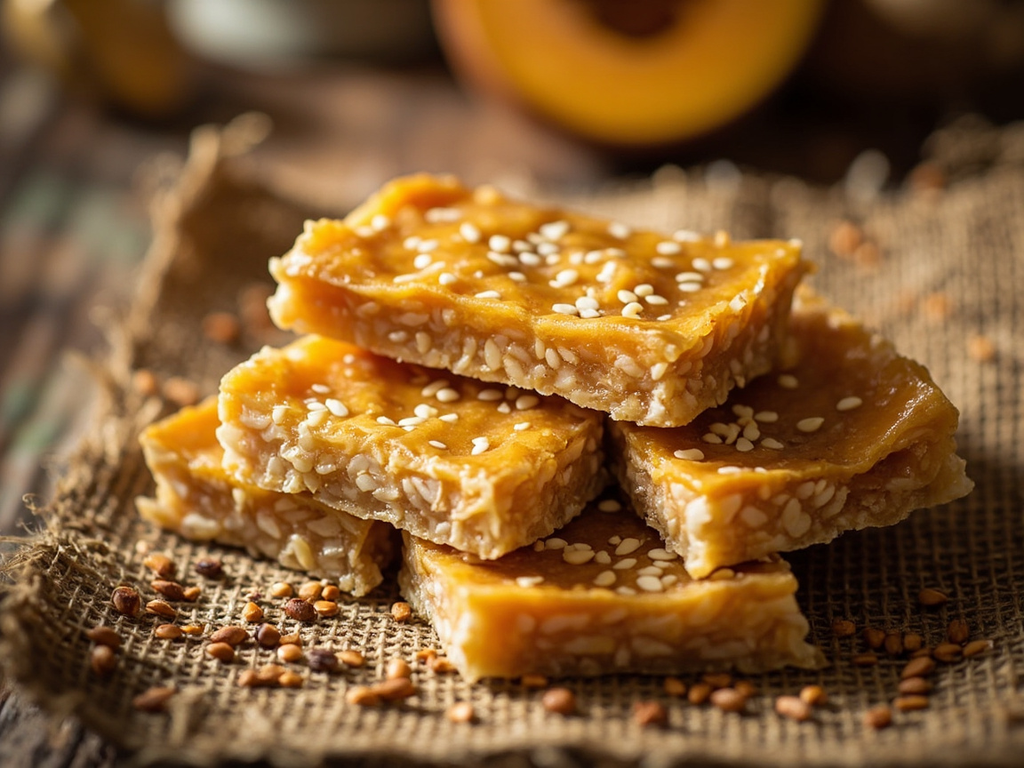 Travel
Pasteli, the traveler's sesame and honey bar
Tragemata (symposion sweet, taken on the road)
🍯· 20 min
View the recipe
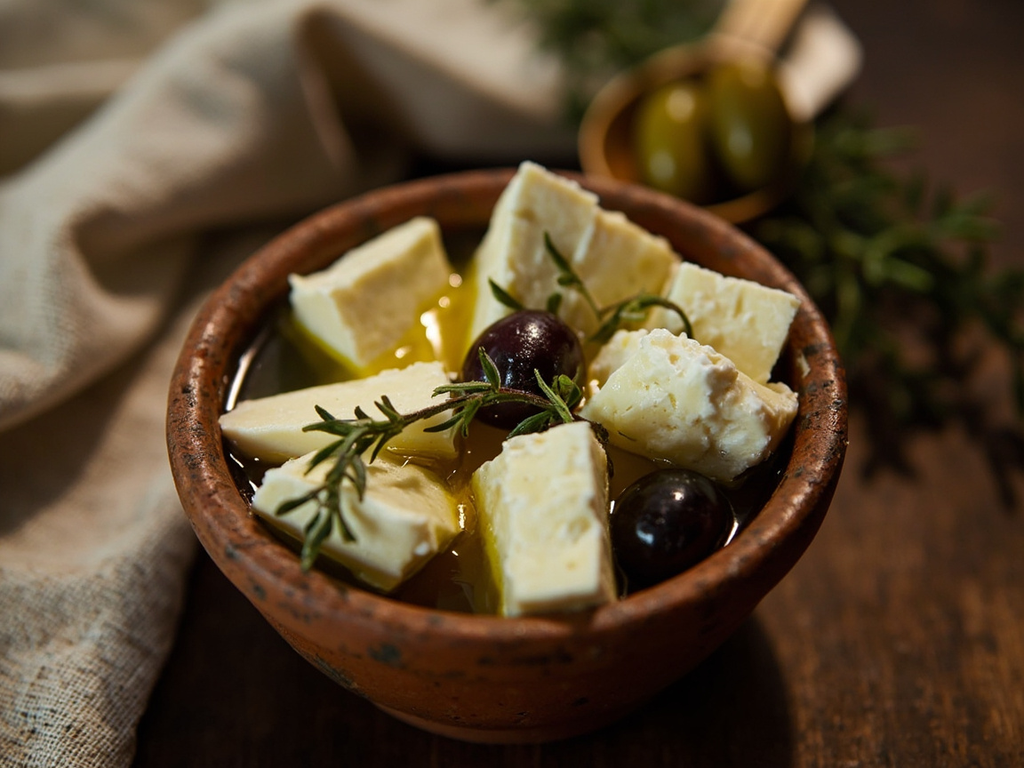 Preserving
Goat cheese of the shepherds of Seriphos, with olives and thyme
Preserved opson (the “what-you-eat-with-it” for storage)
🧂 🫙· 1 h 15 (including resting)
View the recipe
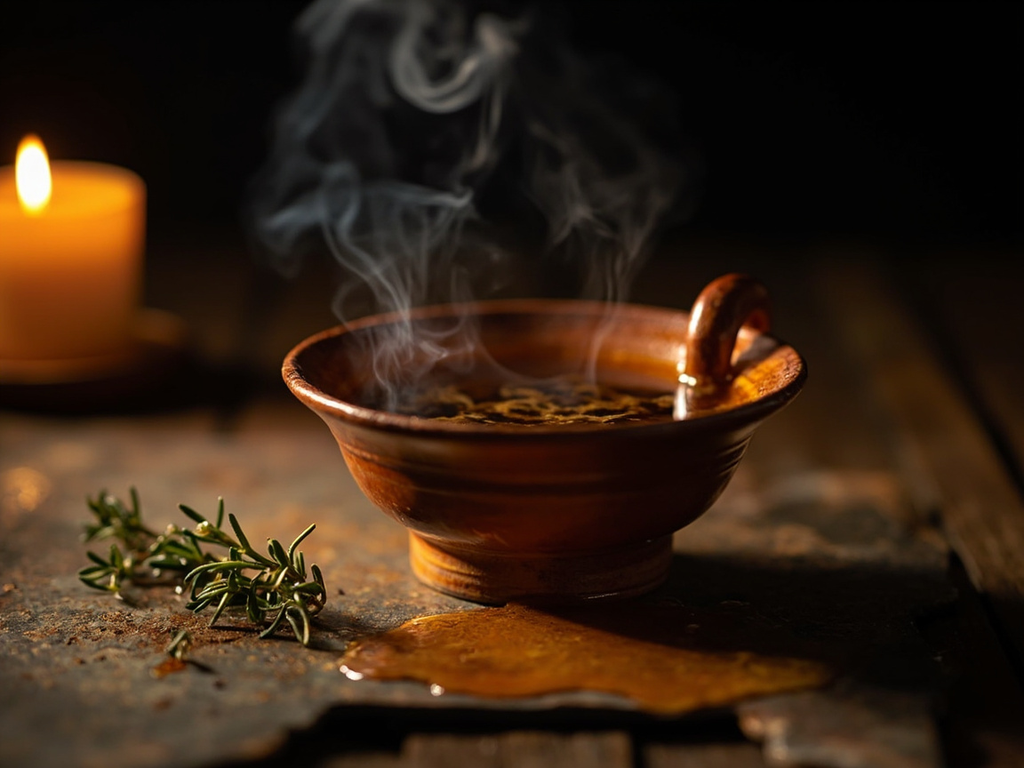 Offering
Oinomeli, honeyed wine for libations
Symposion (the drink of sharing and offering)
🍯 🫙· 15 min
View the recipe