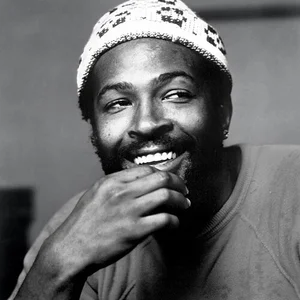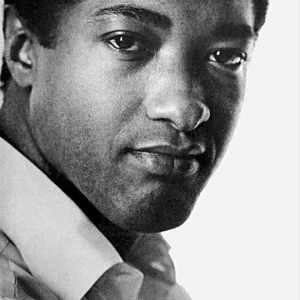

Sam Cooke (1931-1964) was an American singer, songwriter, and entrepreneur, considered one of the founding fathers of soul music. Coming from gospel, he managed to unite spirituality and popular music and became a figure in the fight for civil rights.
Sam Cooke(1931 — 1964)
Sam Cooke
États-Unis
7 min read
Frequently asked questions
Famous Quotes
« It's been a long time coming, but I know a change is gonna come»
Key Facts
- Born on January 22, 1931, in Clarksdale, Mississippi, he began singing gospel with the group The Soul Stirrers.
- In 1957, he achieved immense pop success with the song 'You Send Me', marking the transition from gospel to secular music.
- In 1960, he founded his own label, SAR Records, a rare gesture of economic independence for a Black artist at the time.
- In 1964, he recorded 'A Change Is Gonna Come', an anthem of the civil rights movement inspired by the climate of struggle against segregation.
- He died under violent and controversial circumstances on December 11, 1964, in Los Angeles, at age 33.
Works & Achievements
Sam Cooke's first major success, propelling him to pop superstar status. This love ballad became a number one hit and demonstrated that soul music could reach a white audience, breaking racial barriers in the music market.
A light and optimistic song showcasing Sam's songwriting talent beyond the deep emotional register. It illustrates his artistic versatility and natural charm.
A memorable duet with Lou Rawls, blending soul and gospel. This song strengthens Sam Cooke's connection to his spiritual roots while maintaining commercial appeal.
A political and artistic masterpiece, this anthem of the civil rights movement is considered one of the greatest protest songs ever written. It synthesizes Sam Cooke's political consciousness, musical beauty, and message of hope.
A record label founded by Sam Cooke himself, a remarkable case of Black artistic and entrepreneurial control in the 1950s-60s music industry. This initiative allowed other Black musicians to preserve their creative independence.
Gospel recordings with the family group that established Sam Cooke's musical and spiritual foundations. These albums bear witness to his evolution from a gospel artist to a popular music superstar.
Anecdotes
Sam Cooke began his career as a gospel singer with the family group the Soul Stirrers before revolutionizing American popular music. In 1957, his first single "You Send Me" reached number 1 on the charts, stunning the music industry, which had not expected such success from a former gospel singer.
In 1964, in response to the success of Bob Dylan's "Blowin' in the Wind," Sam Cooke wrote "A Change Is Gonna Come," turning the composition into an anthem for the civil rights movement. This song remains one of the most important musical statements against racial segregation.
Sam Cooke was not only an artist: he founded his own record label, Sar Records, in 1959, becoming one of the first African American musicians to control his own production. This initiative inspired a generation of Black artists to take control of their careers.
In 1961, Sam Cooke was denied entry to the Mapes Hotel in Las Vegas because of his skin color, which strengthened his commitment to civil rights and influenced several of his later compositions.
The incident of his mysterious death in December 1964 in Los Angeles, under controversial circumstances, marked the beginning of his legend and raised questions about racial justice that persist to this day.
Primary Sources
This song was born from a deep conviction that social change was inevitable and necessary. It is a heartfelt cry for equality and justice.
I want to be known as someone who helped make a difference, not just in music but in society. Civil rights are as much my priority as my music career.
Sam Cooke, the soul music superstar, died under mysterious circumstances. The details of this tragedy remain disputed and spark debate.
Sam Cooke left us to pursue a different dream, but he always kept the spiritual spirit of the gospel in every one of his commercial melodies.
Key Places
Birthplace of Sam Cooke in 1931, in the heart of the Mississippi Delta. This cradle of blues and gospel deeply influenced his musical and spiritual formation.
City where Sam Cooke developed his career as a young gospel and pop artist, a major center of African American music. Chicago represented mobility and opportunity for musicians in the North.
Main recording studio where several of his greatest hits, including “You Send Me,” were made. It was in this studio that Sam’s voice was captured with the best sound quality of the era.
Site of the 1961 refusal of entry, an episode that crystallized Sam Cooke’s political commitment to civil rights. This place symbolizes the daily reality of racial discrimination in America.
City where Sam Cooke settled in the 1960s to pursue his career and entrepreneurial initiatives. It is also the site of his mysterious death in 1964.
Typical Objects

The iconic microphone of recording studios in the 1950s-60s, used to capture Sam Cooke's rich, warm voice during his most important recordings. This instrument reflects the professional quality Sam insisted on maintaining in his music.

The soul music albums Sam Cooke created and produced, major distribution formats of his era. These records embody his lasting legacy and contribution to 20th-century musical evolution.

High-fashion clothing worn during his performances; Sam Cooke was known for his onstage elegance and impeccable style, a symbol of dignity and pride in an era marked by racial discrimination.

Central instrument to Sam Cooke's recording sessions and performances. The Hammond organ created the soul and gospel accompaniments characteristic of his music.

Personal documents where Sam Cooke wrote his melodies and lyrics, revealing his creative process and deep reflection on the condition of Black men in America.

Essential tool for managing his music business and Sar Records label, symbolizing his role as an entrepreneur and progressive businessman.
School Curriculum
Vocabulary & Tags
Key Vocabulary
Tags
Daily Life
Morning
Sam Cooke starts his day in the late morning, often after a night in the studio or a performance. He has a light breakfast while reading newspapers and catching up on the civil rights movement news. He regularly dedicates time to business calls regarding Sar Records and his entrepreneurial projects.
Afternoon
The afternoon is devoted to songwriting sessions, rehearsals, or recording in the studio. Sam Cooke works intensely on his musical arrangements, discusses with his musicians and producers, and fine-tunes every detail of his productions. He also meets with his collaborators and business partners to develop his record label.
Evening
The evening may include a live performance at a prestigious club, a concert, or a late-night recording session. Between performances, Sam attends civil rights fundraising events or meetings with movement leaders. He often ends his days by composing or working on new musical ideas late into the night.
Food
Sam Cooke favors a balanced diet, alternating between Southern cuisine (family specialties) and refined dishes from the upscale restaurants where he performs. He enjoys fresh fruits, poultry, fish, and green vegetables. His urban lifestyle gives him access to a variety of international and local cuisines.
Clothing
Always impeccably dressed, Sam Cooke wears tailor-made suits in dark or warm colors, white or cream silk shirts, and discreet yet elegant accessories. On stage, he wears refined performance outfits that reflect his star status while maintaining a modest dignity. His shoes are always polished and his hair carefully styled.
Housing
Sam Cooke resides in prestigious neighborhoods of Los Angeles and Chicago depending on the season, in high-end houses or apartments reflecting his financial success. His residences are tastefully decorated and include private studios for composing and rehearsing. These spaces also serve as gathering places for artists and civil rights activists.
Historical Timeline
Period Vocabulary
Visual Style
Style visuel de l'époque soul alliant l'élégance urbaine à la dignité spirituelle. Couleurs chaudes, costumes impeccables, illumination douce qui souligne la présence charismatique de Sam Cooke et son rôle de leader musical et social.
Sound Ambience
Ambiance sonore de l'époque soul des années 1950-60 combinant les échos spirituels du gospel avec l'élégance urbaine du studio d'enregistrement professionnel. Sons d'orgue Hammond, voix harmonieuses, et la chaleur naturelle des enregistrements analogiques de l'époque.