Society
Activisme, droits humains, éducation, humanitaire
471 characters

471 characters
Before Christ(14)
Agariste
600 av. J.-C. — 460 av. J.-C.
Athenian aristocrat from the powerful Alcmaeonid family, daughter of Hippocrates and niece of the reformer Cleisthenes. Wife of Xanthippus, she was the mother of Pericles, the great statesman of classical Athens.
Antonia
49 av. J.-C. — 100
Greek aristocrat from Asia Minor of the late Hellenistic period, known as the wife of Pythodoros of Tralles, a wealthy notable of the city of Tralles. She belonged to a family connected to the provincial elites of the late Roman Republic in the East.
Bathsheba
1008 av. J.-C. — 936 av. J.-C.
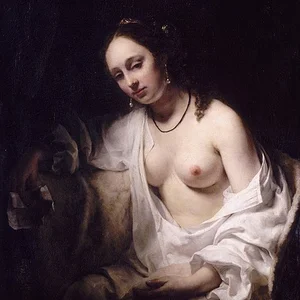
Bathsheba is a figure from the Old Testament, wife of Uriah the Hittite and later of King David after Uriah's death. As the mother of Solomon, she played a decisive role in the royal succession by interceding with David to ensure her son would inherit the throne of Israel.
Chaerestrate
Chaerestrate is known as the mother of the Greek philosopher Epicurus, founder of Epicureanism. She lived in Athens and, according to tradition, accompanied her husband Neocles in ritual purification activities.
Clodia Metella
Roman aristocrat of the late Republic, sister of the tribune Publius Clodius Pulcher and wife of the consul Metellus Celer. A cultured and independent woman, she is traditionally identified as the “Lesbia” celebrated by Catullus and was violently attacked by Cicero in the Pro Caelio.
Fulvia
76 av. J.-C. — 39 av. J.-C.
Fulvia was a Roman aristocrat of the late Republic, famous for her exceptional political involvement for a woman of her time. Successively the wife of Clodius, Curio, and then Mark Antony, she led the armed resistance against Octavian during the Perusine War.
Herpyllis
Aristotle's companion after the death of his wife Pythias, Herpyllis lived with the philosopher until his death in 322 BC. He showed her great affection and bequeathed her property in his will.
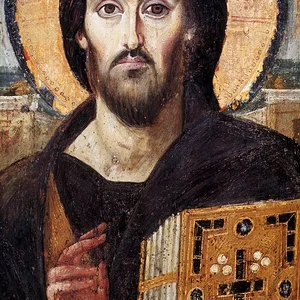
Jesus Christ
5 av. J.-C. — 30
Jewish preacher from Galilee and founder of Christianity. His teachings on love, forgiveness, and the Kingdom of God transformed the course of human history. Crucified around 30 AD, he is considered by Christians to be the risen Son of God.
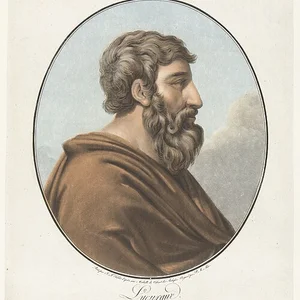
Lycurgus
250 av. J.-C. — 210 av. J.-C.
Lycurgus is the legendary lawgiver of Sparta, traditionally regarded as the founder of the city's political, social, and military institutions (the “Great Rhetra”). His historical existence is uncertain and largely belongs to the realm of myth.
Octavia
Sister of Octavian (the future Augustus) and wife of Mark Antony, Octavia was a major figure in the final years of the Roman Republic. Renowned for her loyalty and dignity, she tried in vain to reconcile her feuding brother and husband.

Padmavati
278 av. J.-C. — ?
Wife of Emperor Ashoka (3rd century BCE), Padmavati is a figure of the Mauryan court in ancient India. She is mentioned in Buddhist sources as one of the queens of the great ruler who unified the Indian subcontinent and embraced Buddhism.
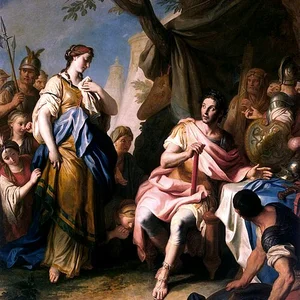
Roxana
346 av. J.-C. — 309 av. J.-C.
Roxana was a Bactrian princess, the first wife of Alexander the Great, whom he married in 327 BC following the conquest of Bactria. She was the mother of Alexander IV, the posthumous heir to the empire.
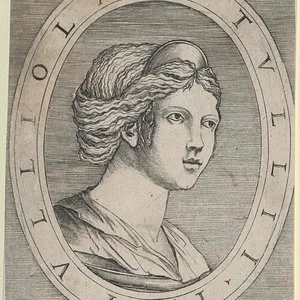
Tullia
78 av. J.-C. — 44 av. J.-C.
Tullia was the only and beloved daughter of the great Roman orator Cicero and Terentia. Her premature death plunged her father into deep grief, as his correspondence attests. She embodies the condition of the elite Roman woman at the end of the Republic.

Yan Zhengzai
Yan Zhengzai (颜征在, c. 568–535 BCE) was the mother of Confucius, the founding philosopher of Confucianism. Widowed at a young age, she devoted herself entirely to her son's education in the state of Lu (present-day China). Her maternal devotion is celebrated as a model in the Confucian tradition.
Antiquity(9)
Deng Sui
Empress then regent of Eastern Han China (1st–2nd century), she governed the empire for fifteen years with wisdom and firmness. She promoted education, reduced court expenditures, and effectively managed famines, earthquakes, and border tensions.
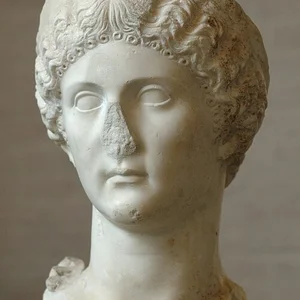
Drusilla
16 — 38
Julia Drusilla (16-38 AD) was a Roman princess of the Julio-Claudian dynasty, daughter of Germanicus and Agrippina the Elder, and the favorite sister of the emperor Caligula. Upon her death, she became the first Roman woman to be deified by the Senate.
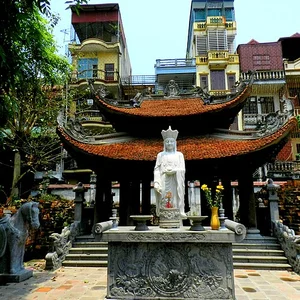
Hai Bà Trưng
Two Vietnamese sisters (died 43 CE) who led the first major uprising against Han rule in 40 CE. Trưng Trắc proclaimed herself queen after retaking 65 cities; defeated by General Mã Viện in 43 CE, they are revered as national heroines of Vietnam.
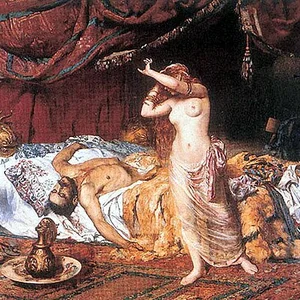
Ildico
500 — ?
Ildico was the last wife of Attila, King of the Huns, whom she married in 453. She was found in tears beside her husband's body the morning after their wedding night, his death remaining shrouded in mystery.
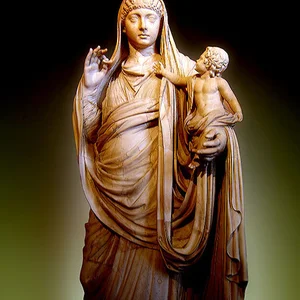
Messalina
20 — 48
Roman empress and third wife of Emperor Claudius (41–48 AD), Messalina wielded considerable political influence in Rome. She is remembered in antiquity for her palace intrigues and violent death, ordered by Claudius himself.
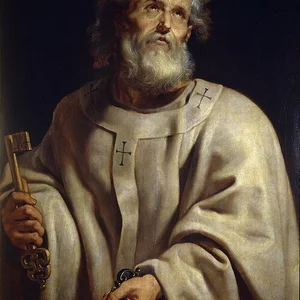
Peter
0 — 65
A fisherman from Galilee who became one of the twelve apostles of Jesus Christ, Peter is considered the first pope of the Catholic Church. He was martyred in Rome around 64–68 AD.
Poppaea Sabina
Poppaea Sabina (c. 30–65 AD) was the second wife of Emperor Nero. An ambitious woman of great beauty, she wielded considerable influence over Roman imperial politics.
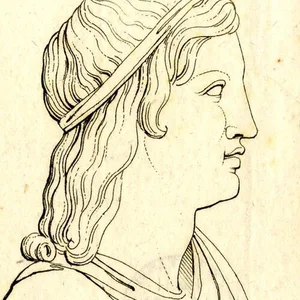
Suetonius
69 — 126
Suetonius was a Roman historian, grammarian, and rhetorician of the early 2nd century. As secretary to Emperor Hadrian, he is famous for his "Lives of the Twelve Caesars," a gallery of biographies of the first emperors rich in anecdotes and private details.
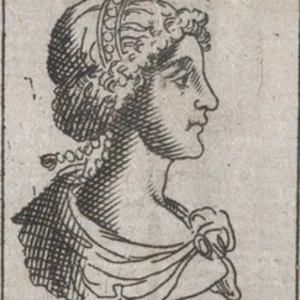
Vipsania
Vipsania Agrippina was a Roman citizen of the Augustan age, daughter of the general Agrippa and of Caecilia Pomponia Attica. The first wife of Tiberius, whom she loved, she was forced to divorce by Augustus for dynastic reasons. Her life illustrates the burden of imperial marriage politics.
Middle Ages(16)
Alice Kyteler
1263 — ?
An Irish noblewoman of the 14th century, Alice Kyteler was the first person officially condemned for witchcraft in Ireland in 1324. Accused of poisoning her husbands and practicing heretical rites, she managed to flee before her execution, leaving her servant Petronilla de Meath to be burned alive in her place.
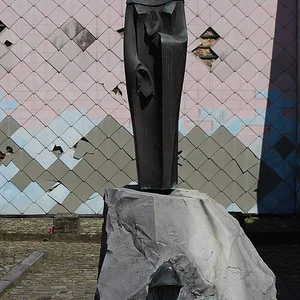
Arlette
1010 — 1050
Arlette of Falaise, daughter of a tanner or leather-worker from Falaise, in Normandy, was the concubine of Duke Robert the Magnificent. From this union was born William, the future William the Conqueror, King of England. Born among the common people, she became the mother of a royal line.
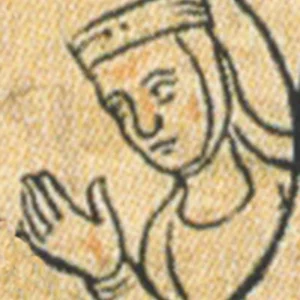
Berthe de Bourgogne
964 — 1010
Daughter of Duke Conrad of Burgundy, Berthe was first Countess of Blois through her marriage to Odo I. After becoming a widow, she married King Robert II the Pious around 997, but this union, deemed incestuous by the Church due to their close kinship, was condemned by the pope and annulled around 1001.
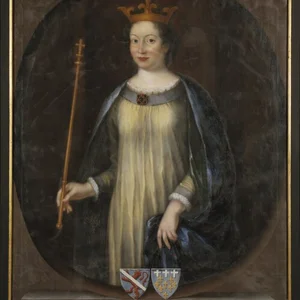
Blanche de Namur
1320 — 1363
Princess of Namur (c. 1320–1363), she married Magnus IV of Sweden in 1335 and became Queen of Sweden and Norway. Mother of Eric XII of Sweden and Haakon VI of Norway, she played a role of dynastic representation in medieval Northern Europe.
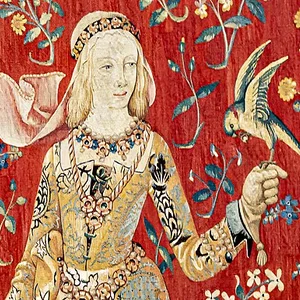
Blanche of Lancaster
1342 — 1368
Blanche of Lancaster (c. 1341–1368) was the daughter of Henry of Grosmont, first Duke of Lancaster, and the wife of John of Gaunt, son of King Edward III of England. Her early death inspired her husband to commission the poem *The Book of the Duchess* from Geoffrey Chaucer.

Cecilia Chaumpaigne
An English woman of the 14th century known for a legal document of 1380 by which she released the poet Geoffrey Chaucer from all prosecution for “raptus.” This document, rediscovered by scholars, fuels a historical debate on the status of women and the nature of the incident.
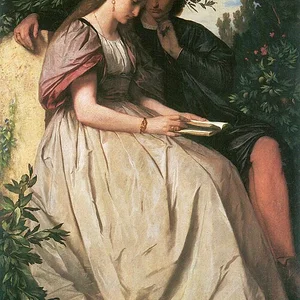
Francesca da Rimini
1259 — 1285
A 13th-century Italian noblewoman, Francesca da Polenta was married to Giovanni Malatesta and then murdered alongside her brother-in-law Paolo, with whom she was in love. Her tragic story was immortalized by Dante in the Divine Comedy.
Khadija
557 — 619
A wealthy caravan merchant from Mecca, Khadija bint Khuwaylid was the first wife of the prophet Muhammad and the very first person to embrace Islam. Her fortune and moral support were decisive in the early days of his preaching.
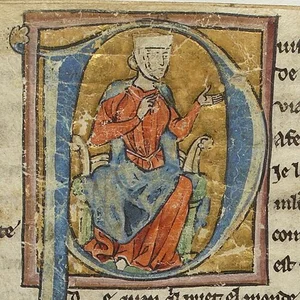
Marie of Champagne
1145 — 1198
Daughter of King Louis VII and Eleanor of Aquitaine, Marie of Champagne was Countess of Champagne and one of the greatest patrons of letters in the 12th century. A patron of Chrétien de Troyes, she made her court at Troyes a radiant center of courtly literature.

Marie of Oignies
1177 — 1213
A Christian mystic and pious laywoman of the diocese of Liège, Marie of Oignies (c. 1177–1213) was a founding figure of the Beguine movement in the Meuse region. Her life, written by Jacques de Vitry, made her a model of feminine holiness grounded in penance, voluntary poverty, and Eucharistic devotion.
Petronilla de Meath
1300 — 1324
Petronilla de Meath was a 14th-century Irish servant accused of witchcraft alongside her mistress Alice Kyteler. In 1324, she became the first person burned alive for heresy in Ireland, a victim of one of Europe's earliest major witchcraft trials.
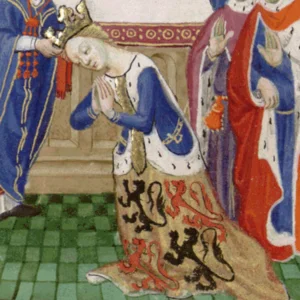
Philippa de Hainaut
1310 — 1369
Queen of England through her marriage to Edward III in 1328, Philippa of Hainaut was a respected sovereign, known for her clemency and benevolent influence. She played an important role in the English court and was a patron of the arts and letters.

Philippa Roet
1346 — 1387
Philippa Roet (or Philippa Pan) was an English lady-in-waiting at the court of the Plantagenet kings in the 14th century. In the service of Queen Philippa of Hainault, she married the poet Geoffrey Chaucer, thus becoming a figure of the medieval English court milieu.

Ruqayya
598 — 624
Daughter of the Prophet Muhammad and his first wife Khadija, Ruqayya was one of the very first converts to Islam. Married to Uthman ibn Affan, the future third caliph, she emigrated to Abyssinia and then to Medina, where she died in 624.
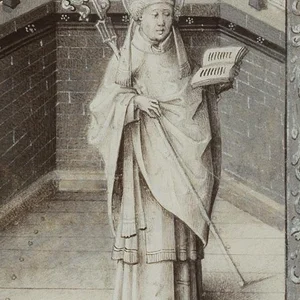
Saint Germain of Paris
496 — 576
Bishop of Paris from 555 to 576, Germain is one of the great figures of the Merovingian Church. Founder of the Abbey of Saint-Germain-des-Prés, he was renowned for his charity toward the poor and his influence over the Frankish kings.

Yahya ibn Muhammad
829 — 864
Idrisid emir of Morocco from 849 to 863, reigning from Fez. His reign was marked by the rise of the city and the founding, in 859, of the al-Qarawiyyin mosque and university.
Renaissance(11)
Agnes Waterhouse
1502 — 1566
Agnes Waterhouse was the first woman executed for witchcraft in England, hanged in 1566 in Chelmsford. Her trial, one of the earliest documented witchcraft trials in England, illustrates the rise of persecution driven by fear of black magic during the Tudor period.
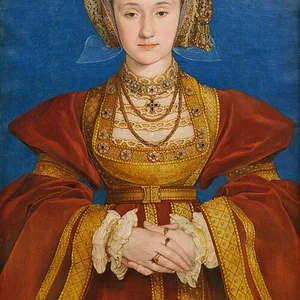
Anne of Cleves
1515 — 1557
A German princess of the House of La Marck, Anne of Cleves became the fourth wife of King Henry VIII of England in January 1540. The marriage, motivated by a diplomatic alliance with the Protestant princes, was annulled after six months.
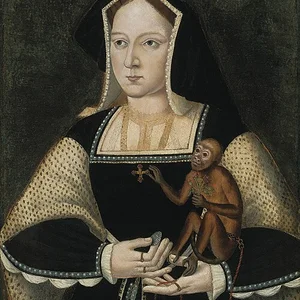
Catherine of Aragon
1485 — 1536
A Spanish Infanta who became Queen of England, Catherine of Aragon was the first wife of Henry VIII. Her refusal to have their marriage annulled triggered the Anglican schism and England's break with Rome.
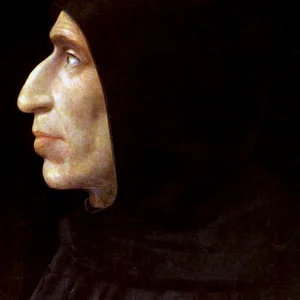
Girolamo Savonarola
1452 — 1498
Italian Dominican friar (1452–1498), Savonarola seized control of Florence after the expulsion of the Medici in 1494. A fiery preacher, he imposed a rigorist theocracy before being excommunicated and executed.
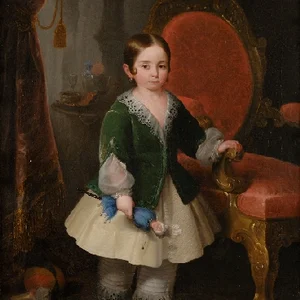
Isabel de Urbina
First wife of the Spanish writer Lope de Vega. Born into the Madrid nobility, she was abducted and then married by the playwright in 1588, and died young a few years later during her husband's exile.

Juana de Guardo
Wife of the Spanish writer Lope de Vega, born into a wealthy family of Madrid merchants. Her marriage in 1598 and her early death in 1613 deeply marked the playwright's life.
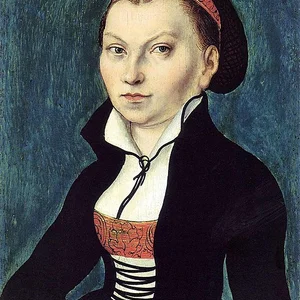
Katharina von Bora
1499 — 1552
A former Cistercian nun, Katharina von Bora escaped from her convent in 1523 and married Martin Luther in 1525. Running the Luther household, she became the model of the Protestant pastoral couple and of the pastor's wife.
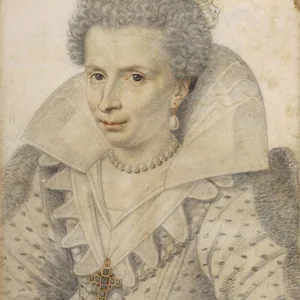
Leonora Galigaï
1568 — 1617
An Italian favorite and lady of the wardrobe to Queen Marie de' Medici, she wielded great influence at the French court during the regency alongside her husband Concino Concini. Accused of witchcraft, she was beheaded and then burned at the Place de Grève in 1617.
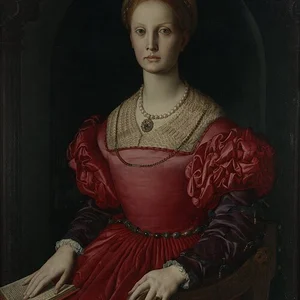
Lucrezia
First wife of Giovanni Pierluigi da Palestrina, the great master of Roman sacred polyphony. She shared the composer's life for nearly thirty years before dying in the plague epidemic that struck Rome in 1580.
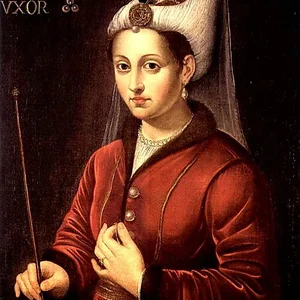
Roxelane
A slave of Ukrainian origin, she became the legal wife of Suleiman the Magnificent — the first concubine ever to be officially freed and married by an Ottoman sultan. Her influence over the politics of the Sublime Porte was considerable throughout the 16th century.

Virginia Dormoli
The wealthy widow of a fur merchant (furrier), Virginia Dormoli married Bernardino Palissy in 1581. Her fortune helped improve the final years of the French craftsman-ceramist.
Early Modern(61)
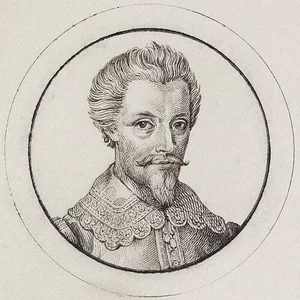
Abel Tasman
1603 — 1659
Abel Tasman was a Dutch navigator and explorer in the service of the Dutch East India Company (VOC). In 1642, he became the first European to reach Tasmania and New Zealand, pushing the boundaries of geographical knowledge of his time.
Ann Putnam
1679 — 1716
Ann Putnam Jr. was one of the principal accusers during the Salem witch trials of 1692, when she was only twelve years old. Her testimony contributed to the conviction of several people. In 1706, she made a public apology, acknowledging that she had been deceived by the devil.
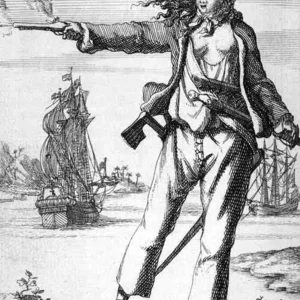
Anne Bonny
1697 — ?
Anne Bonny was a pirate of Irish origin active in the Caribbean in the early 18th century. The companion of the pirate Calico Jack Rackham, she fought at his side and became one of the few known women of the “Golden Age of Piracy.” Captured in 1720, she escaped hanging by declaring herself pregnant.
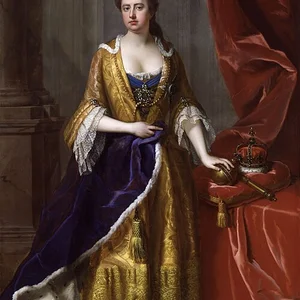
Anne of Great Britain
1665 — 1714
Queen of England, Scotland, and Ireland from 1702 to 1707, then first Queen of Great Britain following the Acts of Union of 1707. Her reign saw the rise of parliamentary government and the War of the Spanish Succession.
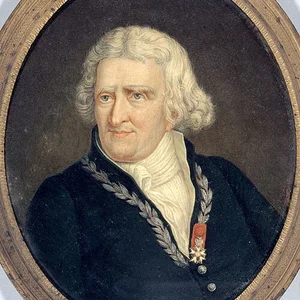
Antoine Parmentier
1737 — 1813
French military pharmacist and agronomist (1737-1813), famous for popularizing the potato as a food staple in France. A prisoner of war in Prussia, he discovered the nutritional value of the tuber and convinced Louis XVI to lift the ban on its cultivation.
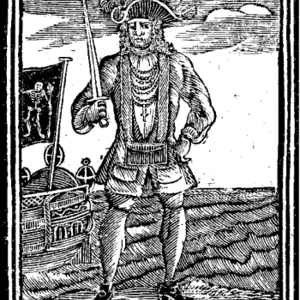
Bartholomew Roberts
1682 — 1722
Bartholomew Roberts, known as “Black Bart,” was a Welsh pirate considered the most prolific of the Golden Age of Piracy. In barely three years (1719–1722), he captured more than 400 ships across the Atlantic and the Caribbean before being killed in battle by the Royal Navy.
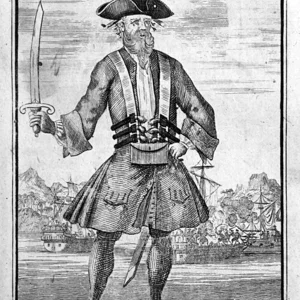
Blackbeard
1680 — 1718
Edward Teach, known as Blackbeard, was one of the most famous pirates of the early 18th century. He roamed the Caribbean and the Atlantic coast of North America aboard the Queen Anne's Revenge, spreading terror through his carefully cultivated reputation, before being killed in battle in 1718.
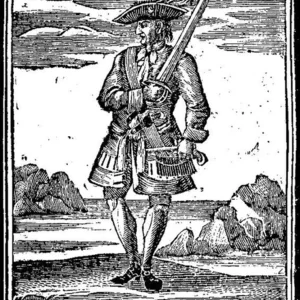
Calico Jack
1682 — 1720
English pirate of the early 18th century, active in the Caribbean during the “Golden Age of Piracy.” He owes his fame to his flag — a skull above two crossed cutlasses — and to the presence in his crew of the female pirates Anne Bonny and Mary Read.
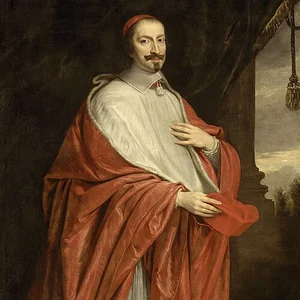
Cardinal Mazarin
1602 — 1661
Cardinal and chief minister of state of France, he governed the kingdom during Louis XIV's minority under the regency of Anne of Austria. Richelieu's successor, he signed the Treaties of Westphalia and overcame the Fronde to consolidate the monarchy.
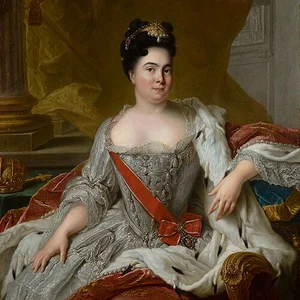
Catherine I
Empress of Russia from 1725 to 1727, second wife of Peter the Great. Born to a humble Baltic peasant family, she was the first woman to rule the Russian Empire, ushering in the century of the empresses.
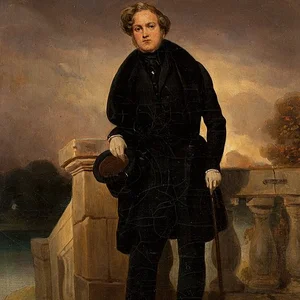
Charles de Mornay
1514 — 1574
Charles de Mornay was a French-born Swedish court officer active in the 17th and 18th centuries. Of French noble origin, he established himself at the Swedish court during the era of great power (Stormaktstiden). He exemplifies the mobility of European noble elites across the great courts of the continent.
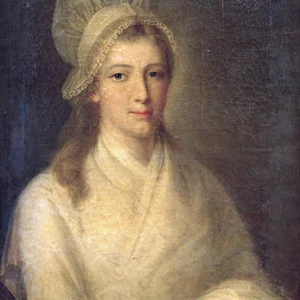
Charlotte Corday
1768 — 1793
A Norman Girondin activist, Charlotte Corday assassinated Jean-Paul Marat in his bathtub on July 13, 1793. Convinced she was putting an end to the Terror, she was guillotined four days later at the age of 24.
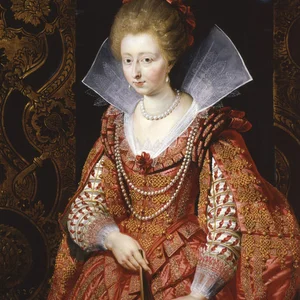
Charlotte-Marguerite de Montmorency
1594 — 1650
Charlotte-Marguerite de Montmorency (1594-1650), Princess of Condé, was one of the most celebrated beauties of the French court. Coveted by the aging King Henry IV, her marriage to Henry II of Bourbon-Condé sparked a diplomatic crisis when the couple fled to the Spanish Netherlands.

Countess d'Albon
An eighteenth-century French aristocrat, the biological mother of Julie. For years she concealed the secret of her motherhood, in a society where an unconventional birth and family honor weighed heavily on women's destinies.
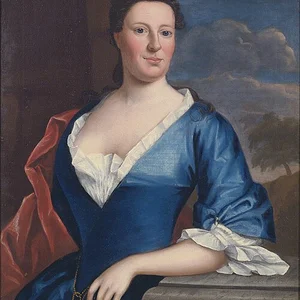
Elizabeth Francis
1708 — 1800
Elizabeth Francis (1708-1800) was a figure of 18th-century British society who lived through most of the Age of Enlightenment. Her exceptional longevity (92 years) made her a witness to major transformations: the American Revolution, the French Revolution, and the early stirrings of the Industrial Revolution.
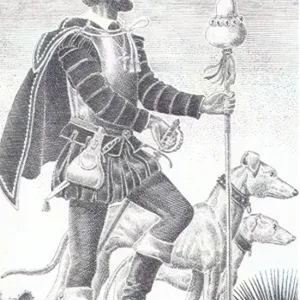
Estevanico
1500 — 1540
A Berber slave from Morocco, Estevanico was one of the first Africans to explore North America. A survivor of the wreck of the Narváez expedition (1528), he crossed the present-day American Southwest on foot and opened the route to the legendary Seven Cities of Cíbola.
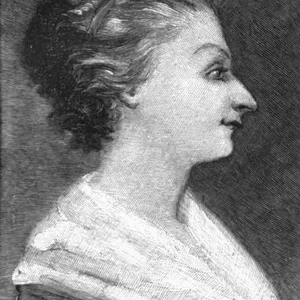
Esther Johnson
1681 — 1728
Esther Johnson (1681–1728), known by the nickname "Stella", was the close friend and confidante of the writer Jonathan Swift. Their intellectual and epistolary relationship, chronicled in the Journal to Stella, makes her a notable figure in English literary life of the 18th century.

Eulalia Bermúdez
Woman known solely through a mention in a baptismal record in Toroca, where she appears as the mother of a child named Juana. No other biographical information about her is documented.
Fanny Blood
1758 — 1785
British illustrator and teacher, an intimate friend of the feminist philosopher Mary Wollstonecraft. Together they co-founded a school for girls at Newington Green, near London, an experience that shaped Wollstonecraft's thinking on the education of women.
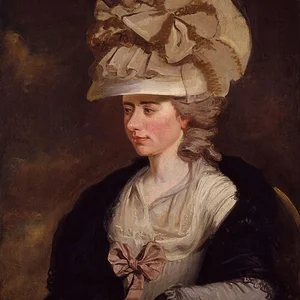
Frances Burney
1752 — 1840
English novelist, playwright, and diarist (1752-1840), Frances Burney published Evelina anonymously in 1778, an epistolary novel that was an immediate success. A forerunner of Jane Austen, she documented eighteenth-century English society with great perceptiveness in her journals and correspondence.
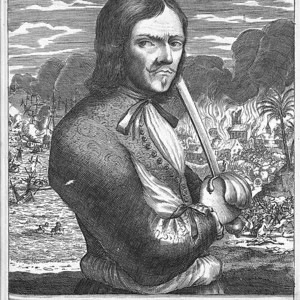
François l'Olonnais
1630 — 1667
French buccaneer of the 17th century, born in Les Sables-d'Olonne, who terrorized Spain's possessions in the Caribbean. A leader of the Brethren of the Coast, he remained infamous for the extreme cruelty he inflicted on his prisoners during his raids.
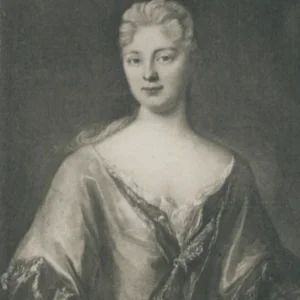
Françoise-Louise de Warens
1699 — 1762
A Savoyard baroness, Françoise-Louise de Warens (1699-1762) is famous for taking in and protecting the young Jean-Jacques Rousseau. She gave him a home at Les Charmettes, near Chambéry, and played a decisive role in his intellectual and emotional education.
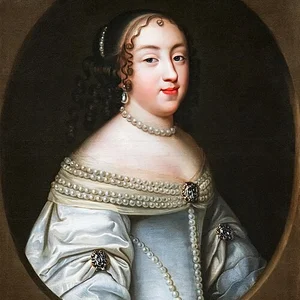
Françoise-Marguerite de Grignan
The daughter of the Marquise de Sévigné, she was the main recipient of her mother's famous correspondence. Her departure for Provence after her marriage in 1669 prompted the bulk of these letters, which became a monument of classical French literature.
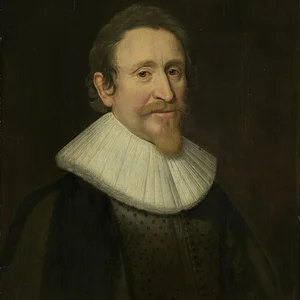
Hugo Grotius
1583 — 1645
Hugo Grotius (Huig de Groot), a Dutch jurist, philosopher, and diplomat, is regarded as one of the founders of modern international law and natural law. His major work, “De jure belli ac pacis” (1625), lays the foundations of a body of law governing relations between nations.

Jodhaa
16th-century Rajput princess and wife of the Mughal emperor Akbar the Great. Her marriage symbolizes Akbar's policy of religious tolerance between Hinduism and Islam. A controversial figure whose very existence is debated by historians.
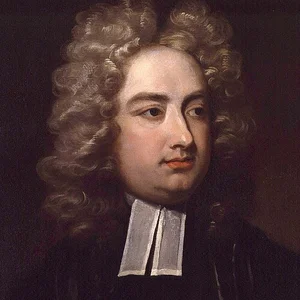
Jonathan Swift
1667 — 1745
Anglo-Irish writer and satirist (1667–1745), Jonathan Swift is the author of Gulliver's Travels. Dean of St Patrick's Cathedral in Dublin, he used literature as a political and social weapon against the injustices of his time.
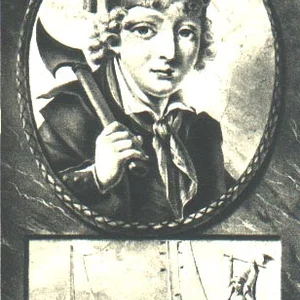
Joseph Agricol Viala
1778 — 1793
Revolutionary child-soldier born in Avignon in 1780, killed at age 13 on July 23, 1793, while attempting to cut the moorings of Federalist boats on the Durance river. Proclaimed a martyr of the Republic by the National Convention, his name was included among the heroes decreed for pantheonization, though the transfer never took place.
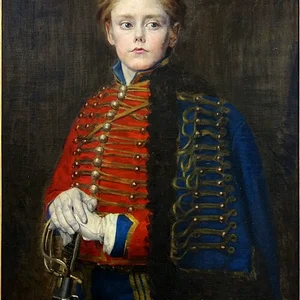
Joseph Bara
1779 — 1793
A drummer boy for the Republic at age 13, Joseph Bara was killed by Vendée rebels in 1793. Robespierre held him up as an exemplary martyr of revolutionary youth, and the Convention voted to transfer his remains to the Panthéon — a decree that was never carried out.
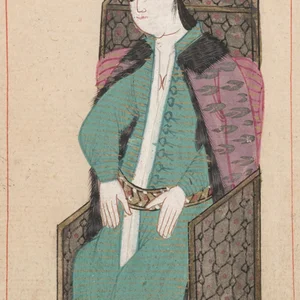
Kösem Sultan
1589 — 1651
Valide sultan and regent of the Ottoman Empire in the 17th century, Kösem Sultan wielded considerable political influence for over thirty years. She governed as regent for her sons Murad IV and Ibrahim I, and later for her grandson Mehmed IV.
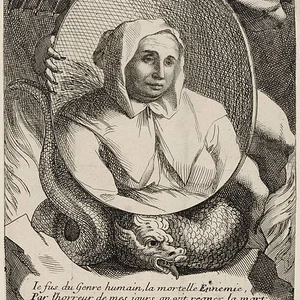
La Voisin
1640 — 1680
Poisoner, fortune-teller, and abortionist in 17th-century Paris, Catherine Deshayes was the central figure of the Affair of the Poisons (1679–1682). Supplying poisons, love potions, and black masses to an aristocratic clientele, she was burned alive at the Place de Grève in 1680.
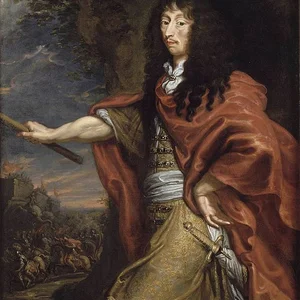
Louis II de Bourbon, prince de Condé
Nicknamed “the Great Condé,” this prince of the blood distinguished himself at the Battle of Rocroi (1643) by crushing the Spanish infantry. A key figure in the Fronde, he eventually reconciled with Louis XIV and remained one of the greatest military commanders of the Grand Siècle.
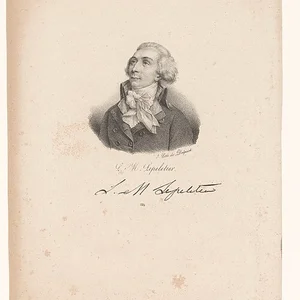
Louis-Michel Lepeletier de Saint-Fargeau
An aristocrat who embraced the Revolution, he was elected to the Estates-General and later served as a deputy in the National Convention, where he voted for the execution of King Louis XVI in January 1793. Assassinated on the eve of the king's execution by a royal guard, he became the first martyr of the French Revolution and was temporarily interred in the Panthéon.
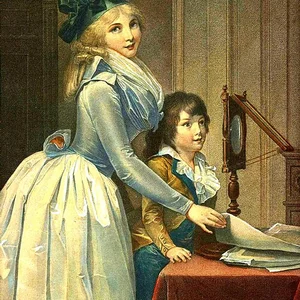
Louise Gély
1776 — 1856
Second wife of Georges Danton, whom she married in 1793 at the age of sixteen after caring for his children. A figure in the intimate circle of a major actor of the French Revolution, she lived through the Terror and then remarried after Danton's execution.
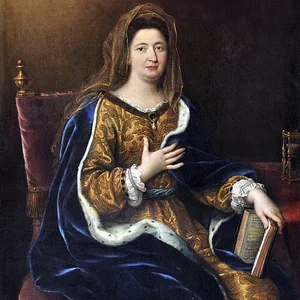
Madame de Maintenon
1635 — 1719
Born in 1635, Françoise d'Aubigné endured a wretched childhood before becoming governess to the legitimized children of Louis XIV, then his secret wife around 1683. In 1686, she founded the Maison royale de Saint-Louis at Saint-Cyr, a pioneering educational institution for young women from impoverished noble families.
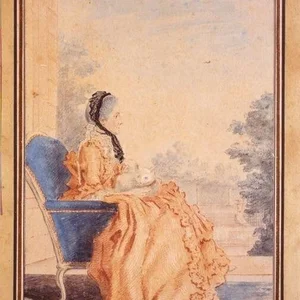
Madame du Deffand
An eighteenth-century French salonnière, the Marquise du Deffand hosted one of the most influential salons of the Enlightenment in Paris. A correspondent of Voltaire and d'Alembert, she embodied the critical spirit and intellectual sociability of her age.
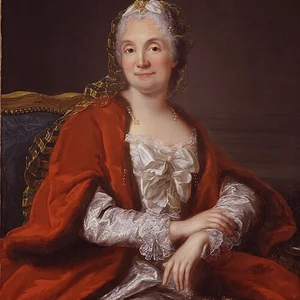
Madame Geoffrin
1699 — 1777
A Parisian salon hostess of the 18th century, she presided over one of the most influential salons of the Enlightenment, welcoming d'Alembert, Diderot, Fontenelle, and Montesquieu. A generous patron of the arts and a remarkable letter-writer, she played a central role in spreading Enlightenment ideas across Europe.
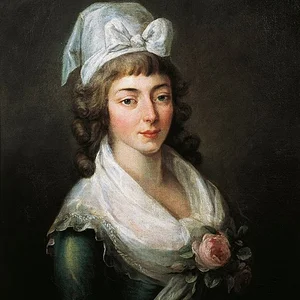
Madame Roland
1754 — 1793
Salon hostess and Girondin political figure, Manon Roland (1754–1793) exerted considerable influence over the Girondin party during the French Revolution. Arrested during the Terror, she was guillotined in 1793, uttering her famous words about liberty.

Madeleine Bavent
A Carmelite nun at the convent of Louviers, Madeleine Bavent was at the center of a demonic possession affair and witchcraft accusations in 1647. Her trial, emblematic of the excesses of the witch hunts, led to the execution of Father Thomas Boulle and the condemnation of several members of the religious community.
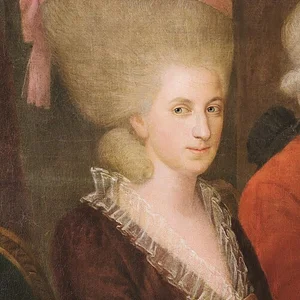
Maria Anna Mozart (Nannerl)
Austrian prodigy pianist and composer of the 18th century, elder sister of Wolfgang Amadeus Mozart. Considered as talented as her brother in childhood, she toured the European courts before her career was cut short in adulthood due to her status as a woman.
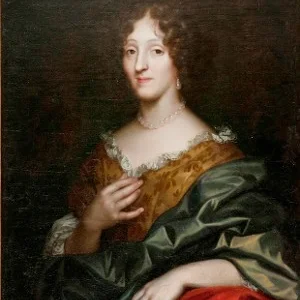
Marie Héricart
1633 — 1709
Marie Héricart was the wife of Jean de La Fontaine, whom she married in 1647. Their union, an unhappy one, led to a legal separation of their property. She was the mother of their only son, Charles.
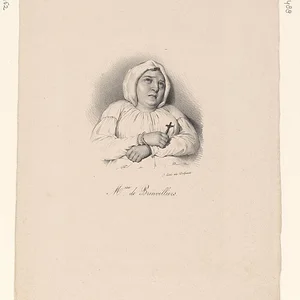
Marie-Madeleine de Dreux
French noblewoman from the House of Dreux, a family of high Capetian lineage. A figure of the French aristocracy in the early modern period, her name combines Catholic devotion with membership in one of France's great seigneurial dynasties.

Marie-Marguerite Deshayes
Daughter of Catherine Deshayes, known as “La Voisin,” a poisoner and fortune-teller at the heart of the Affair of the Poisons under Louis XIV. Arrested after her mother's execution, she continued the revelations before the Chambre Ardente, implicating figures of the court.
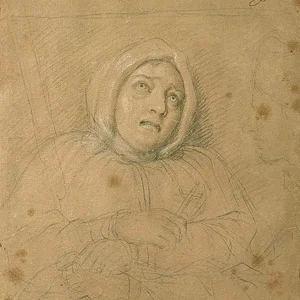
Marquise de Brinvilliers
1630 — 1676
A French aristocrat of the 17th century, notorious for poisoning her father and brothers in order to inherit their fortune. Her trial and execution in 1676 triggered the Affair of the Poisons, exposing the widespread use of poison in high society.
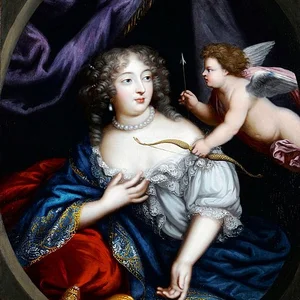
Marquise de Montespan
1640 — 1707
Official favorite of Louis XIV from 1667 to 1681, she reigned over the court of Versailles and had seven legitimized children with the Sun King. Implicated in the Affair of the Poisons, she subsequently fell from grace.
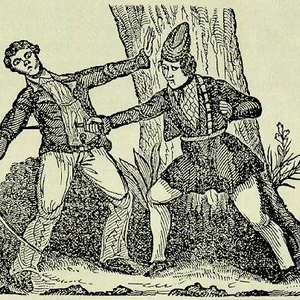
Mary Read
1685 — 1721
Mary Read (1685-1721) was an English pirate who long concealed her sex beneath men's clothing. She served in the army and then aboard ships before joining the crew of the pirate Calico Jack Rackham, alongside Anne Bonny, in the Caribbean.
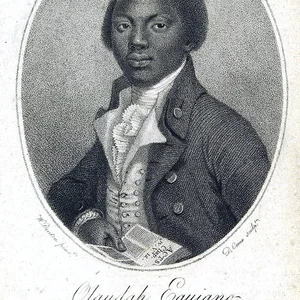
Olaudah Equiano
1745 — 1797
Olaudah Equiano (c. 1745-1797), also known as Gustavus Vassa, was a deported African slave who bought his own freedom before becoming one of the leading figures of the British abolitionist movement. His autobiography, published in 1789, brought the horror of the slave trade to a wide audience.
Paquette Le Clerc
A character in Voltaire's Candide (1759), Paquette is a young servant who, victimized by men and by society, ends up as a prostitute in Venice. Her fate embodies Voltaire's critique of the exploitation of women and the disillusionment with Pangloss's naive optimism.
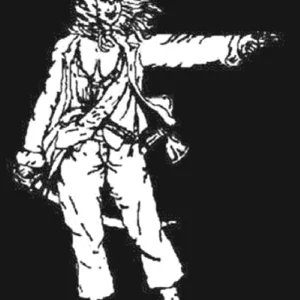
Rachel Wall
1760 — 1789
Rachel Wall (c. 1760-1789) is considered the first female pirate born in America. Together with her husband, she plundered the coasts of New England from Essex Island, luring ships with fake distress signals. Hanged in Boston in 1789, she was one of the last women to be executed in Massachusetts.

Ranuccio Tomassoni
Ranuccio Tomassoni was a young Roman nobleman killed in a brawl with the painter Caravaggio on 28 May 1606 in Rome. His death forced Caravaggio to flee the city and live in exile, dramatically altering the course of one of the greatest artistic careers of the Baroque era.
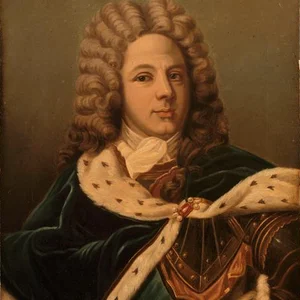
Saint-Simon
1675 — 1755
French memoirist and duke at the court of Louis XIV. His Memoirs, written in secret, offer a striking and incisive portrait of life at Versailles and the intrigues of the nobility under Louis XIV and the Regency.
Samuel Bellamy
1689 — 1717
Samuel “Black Sam” Bellamy (c. 1689-1717) was an English pirate of the golden age of piracy. Captain of the Whydah, a captured former slave ship, he is considered one of the wealthiest pirates in history before perishing in a shipwreck in 1717.

Sarah Chiswell
Young Englishwoman who died of smallpox around 1714, and a friend of Lady Mary Wortley Montagu. Her tragic death prompted Lady Mary to champion variolation in England after observing the practice in the Ottoman Empire, indirectly contributing to the history of vaccination.
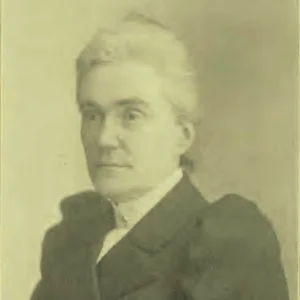
Sarah Good
1653 — 1692
Sarah Good was one of the first women accused of witchcraft during the Salem trials of 1692. A beggar marginalized by the Puritan community of Massachusetts, she proclaimed her innocence and denied any practice of witchcraft right up to her hanging.
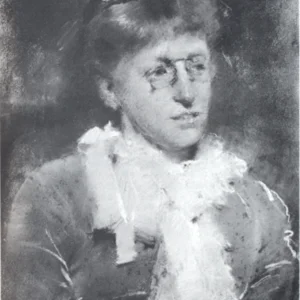
Sarah Osborne
1640 — 1692
An English colonist of New England, Sarah Osborne was one of the first three women accused of witchcraft during the Salem trials of 1692. Marginalized for having lived with a servant before marriage and for neglecting church, she always denied the accusations and died in prison.
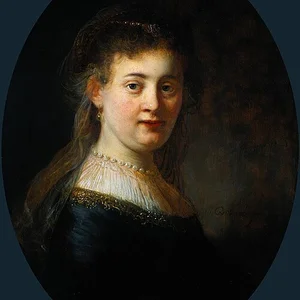
Saskia van Uylenburgh
1612 — 1642
Saskia van Uylenburgh (1612-1642) was the wife and favorite model of the painter Rembrandt. Born into a Frisian patrician family, she inspired numerous portraits, drawings, and etchings by the Dutch master during the years of his success.
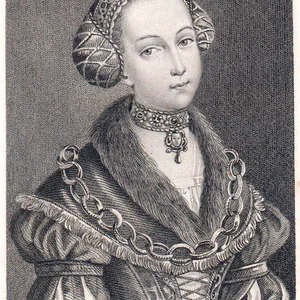
Sidonie von Borcke
A Pomeranian noblewoman born around 1590, Sidonie von Borcke was accused of witchcraft and sentenced to death. Beheaded in 1620 in Stettin, her trial illustrates the violence of persecutions against women in the early modern period.
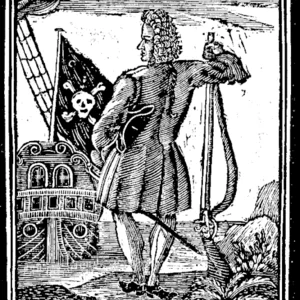
Stede Bonnet
1688 — 1718
Stede Bonnet (c. 1688–1718), nicknamed “the gentleman pirate,” was a wealthy Barbadian planter who abandoned his plantation to become a pirate in the Caribbean. Allied for a time with Blackbeard, he was captured and hanged in Charleston in 1718.
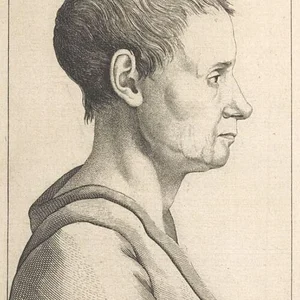
Théroigne de Méricourt
A Belgian revolutionary activist (1762–1817), Théroigne de Méricourt played an active role in the French Revolution, most notably during the Women's March on Versailles (1789). A fierce champion of women's political rights, she was one of the first revolutionary feminists before being committed to the Salpêtrière asylum, where she remained until her death.
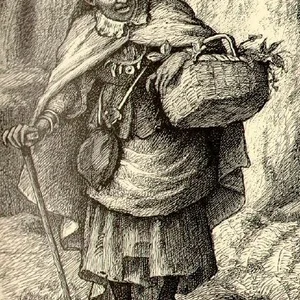
Tituba
1659 — ?
An enslaved woman of Native American or Caribbean origin (probably Arawak), owned by Reverend Samuel Parris in Salem. In 1692, she was the first accused to confess to witchcraft, triggering the spiral of the Salem witch trials.
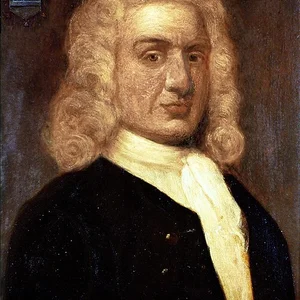
William Kidd
1645 — 1701
A Scottish sailor first commissioned as a privateer in the service of the English Crown to hunt down pirates in the Indian Ocean. Accused of piracy himself, he was tried and hanged in London in 1701, becoming a legendary figure of the Golden Age of Piracy.
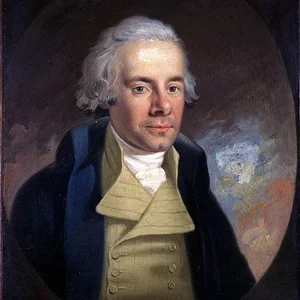
William Wilberforce
1759 — 1833
British politician and philanthropist, a leading figure in the parliamentary fight against the slave trade. An evangelical Member of Parliament, he devoted his life to the abolition of slavery throughout the British Empire.
19th Century(109)
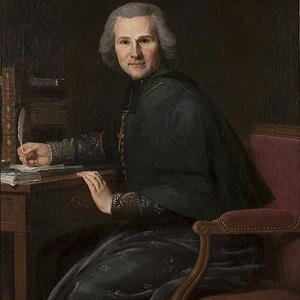
Abbé Henri Grégoire
1750 — 1831
A Catholic priest and politician of the French Revolution, he championed the emancipation of Jews and the abolition of slavery in the colonies. Elected as a constitutional bishop, he sat in the National Convention and helped secure the passage of the 1794 abolition decree.
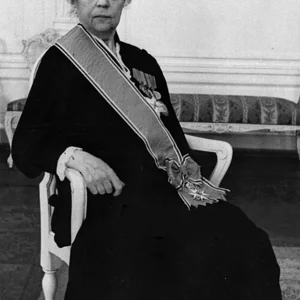
Alexandra Kollontai
1872 — 1952
A Russian Bolshevik revolutionary, Alexandra Kollontai was one of the first women in the world to hold a diplomatic post. A theorist of socialist feminism, she championed women's emancipation and freedom from traditional marriage.
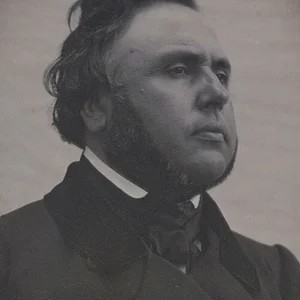
Alexandre Auguste Ledru-Rollin
1807 — 1874
French lawyer and republican politician (1807–1874), he was one of the members of the provisional government that emerged from the February 1848 revolution. He was the principal architect of the decree establishing universal male suffrage in France, expanding the electorate from 200,000 to nearly 9 million citizens.
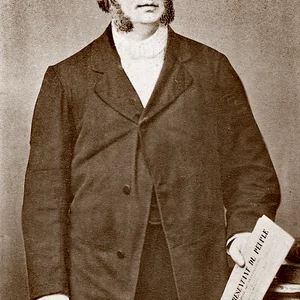
Alphonse Baudin
1811 — 1851
A physician and republican deputy, Alphonse Baudin was killed on December 3, 1851, on a barricade in the faubourg Saint-Antoine while resisting Louis-Napoléon Bonaparte's coup d'état. He became a martyr of the Republic, and his trial in 1868 reignited republican opposition to the Second Empire.

Anne Royall
1769 — 1854
Anne Royall was an American writer and journalist, considered one of the first professional women reporters in the United States. The author of travel narratives, she founded newspapers that denounced corruption and championed the separation of Church and State.
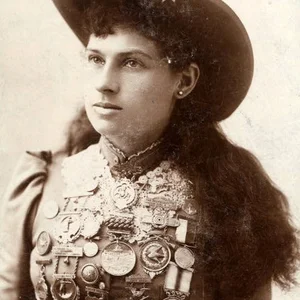
Annie Oakley
1860 — 1926
Annie Oakley (1860-1926) was an American sharpshooter who became the star of Buffalo Bill's Wild West Show. Nicknamed “Little Sure Shot,” she embodied the mythologized figure of the conquest of the West while pushing back the limits placed on the women of her time.
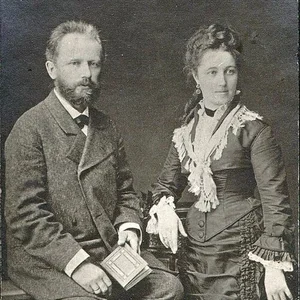
Antonina Miliukova
1848 — 1917
Russian pianist born in 1848, known primarily for marrying composer Pyotr Ilyich Tchaikovsky in 1877. Their union was brief and unhappy, with Tchaikovsky leaving her shortly after the wedding.
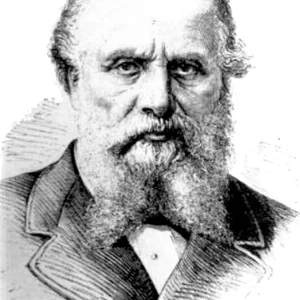
Aristide Boucicaut
1810 — 1877
Aristide Boucicaut (1810-1877) was a French entrepreneur who founded Le Bon Marché in Paris in 1852, inventing the concept of the modern department store. He revolutionized retail by introducing fixed prices, free entry, and clearance sales.
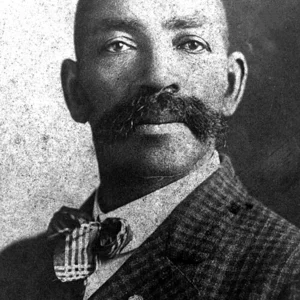
Bass Reeves
1838 — 1910
Bass Reeves (1838-1910) was the first African American deputy U.S. marshal west of the Mississippi. Born into slavery, he became one of the most famous lawmen of the Wild West, credited with more than 3,000 arrests over a thirty-two-year career.
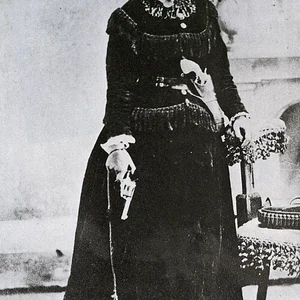
Belle Starr
1848 — 1889
Belle Starr (1848-1889) was an American outlaw of the Wild West, nicknamed the “Bandit Queen.” A fence, horse thief, and associate of several gangs in the Indian Territory, she became a legendary figure popularized by the sensationalist press and dime novels.
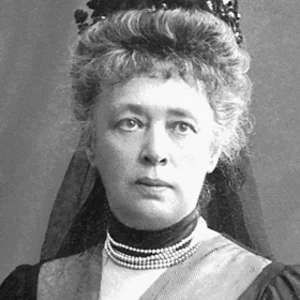
Bertha von Suttner
1843 — 1914
Austrian novelist and pacifist activist (1843–1914), Bertha von Suttner published in 1889 “Die Waffen nieder!” (Lay Down Your Arms!), a novel that shocked Europe with its realistic portrayal of the horrors of war. In 1905, she became the first woman to receive the Nobel Peace Prize.
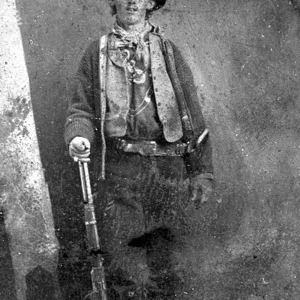
Billy the Kid
1859 — 1881
American outlaw of the Wild West, famous for his skill as a gunfighter and his involvement in the Lincoln County War. Killed at age 21 by Sheriff Pat Garrett, he became a legendary figure of the conquest of the American West.
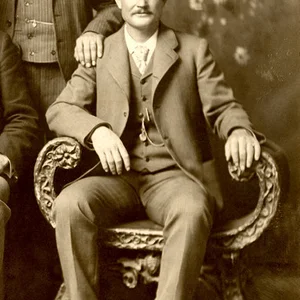
Butch Cassidy
1866 — 1908
An American outlaw of the Old West, Butch Cassidy was the leader of the Wild Bunch gang, which specialized in robbing banks and trains. Hunted by detective agencies, he fled to South America, where he is believed to have met his death in Bolivia.
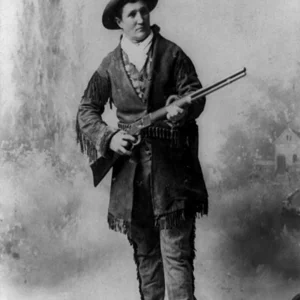
Calamity Jane
1852 — 1903
Martha Jane Cannary (c. 1852-1903), known as Calamity Jane, was a scout, stagecoach driver, and iconic figure of the American conquest of the West. A legend in her own lifetime, she performed in Wild West shows and was associated with the gunfighter Wild Bill Hickok.
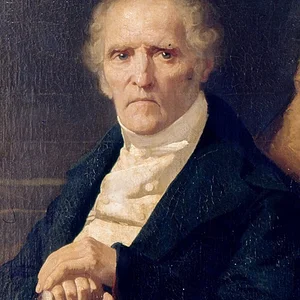
Charles Fourier
1772 — 1837
Charles Fourier was a French philosopher and social theorist, one of the leading representatives of utopian socialism. He envisioned a harmonious society organized into self-sufficient communities called phalansteries.
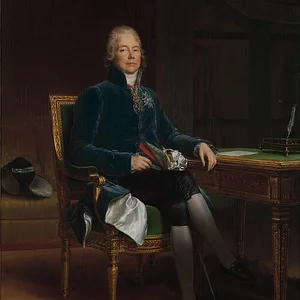
Charles-Maurice de Talleyrand-Périgord
1754 — 1839
French diplomat and statesman (1754–1838), he served under the Ancien Régime, the Revolution, the Empire, and the Restoration. A master negotiator, he defended France's interests at the Congress of Vienna in 1815.
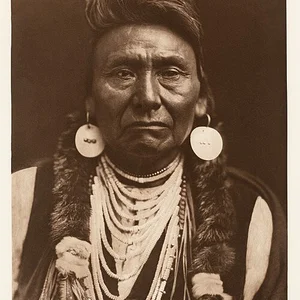
Chief Joseph
1840 — 1904
Chief of the Nez Perce Native American tribe. In 1877, he led his people on a desperate retreat of nearly 1,700 km to escape the U.S. Army and reach Canada, before surrendering just a few kilometers from the border.
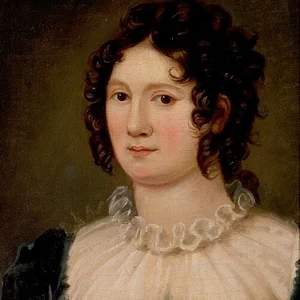
Claire Clairmont
1798 — 1879
British woman of letters and step-sister of Mary Shelley. Part of the circle of English Romantic poets, she had a daughter, Allegra, with Lord Byron. Her journals and correspondence are a valuable testimony to the Romantic era.
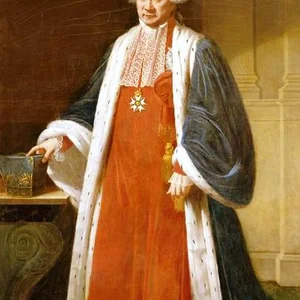
Claude Ambroise Régnier
1746 — 1814
French jurist and politician (1746–1814), Grand Judge and Minister of Justice under the First Empire. A loyal servant of Napoleon, he was created Duke of Massa in 1809 and contributed to the organization of the Napoleonic judicial system.
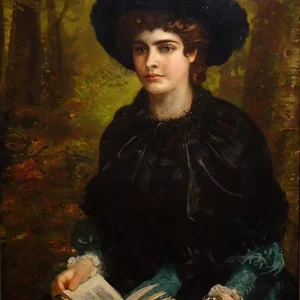
Constance Lloyd
1859 — 1898
British author and activist, wife of Oscar Wilde. Committed to the dress reform movement and to writing for children, she lived first in the shadow and then the scandal of her famous husband.
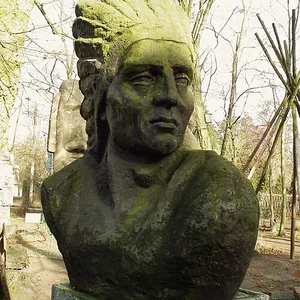
Crazy Horse
1849 — 1877
Oglala Lakota war chief and a leading figure of Native American resistance against the expansion of the United States. Victor over Custer at Little Bighorn in 1876, he was killed the following year while being held at Fort Robinson.
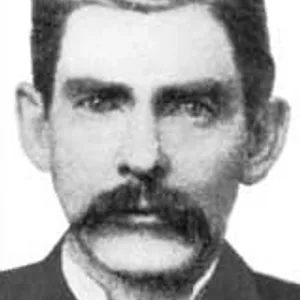
Doc Holliday
1851 — 1887
American dentist turned professional gambler and gunfighter, an iconic figure of the Wild West. A friend and ally of Wyatt Earp, he took part in the Gunfight at the O.K. Corral in 1881 in Tombstone, Arizona.
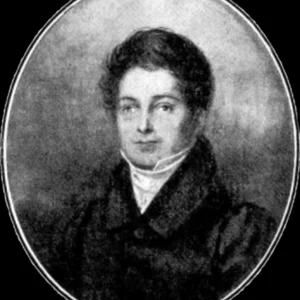
Doctor Blanche
1796 — 1852
Esprit Blanche (1796-1852) was a French alienist physician, a pioneer of humane psychiatry. In Montmartre and later in Passy, he founded a nursing home renowned for the treatment of mental illness, where he welcomed many artists and writers.
Édouard Chaligny
A French industrialist of the 19th century, Édouard Chaligny was a key figure in the development of the 12th arrondissement of Paris. His name lives on through the rue Chaligny and the Faidherbe-Chaligny metro station (line 8).
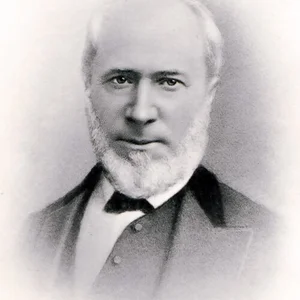
Édouard Séguin
1812 — 1880
French physician and educator, a pioneer in the education of children with intellectual disabilities. A student of Itard, he developed a physiological method of education before emigrating to the United States, where he influenced Maria Montessori.
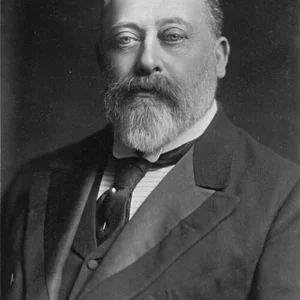
Edward VII
1841 — 1910
Son of Queen Victoria, Edward VII reigned over the United Kingdom and the Empire of India from 1901 to 1910. An emblematic figure of the Belle Époque, he played a decisive role in bringing France and Britain closer together through the Entente Cordiale of 1904.
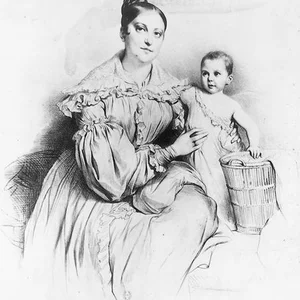
Élisa Schlésinger
1810 — 1888
A woman of the French bourgeoisie whom Gustave Flaubert met at Trouville in 1836, when he was fifteen years old. This encounter left a lasting mark on the writer: she inspired the character of Madame Arnoux in Sentimental Education.
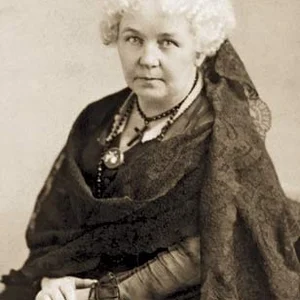
Elizabeth Cady Stanton
1815 — 1902
American women's rights activist (1815–1902), she co-organized the Seneca Falls Convention in 1848, the first major gathering for women's suffrage in the United States. Author of the Declaration of Sentiments, she devoted her life to the civic and political equality of women.
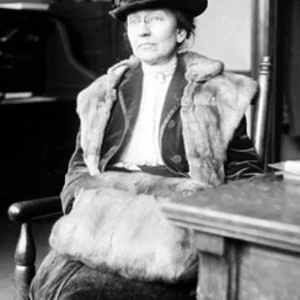
Ellen Gates Starr
1859 — 1940
American social reformer, co-founder with Jane Addams of Hull House in Chicago in 1889. An activist in the Arts and Crafts movement and workers' rights, she worked for popular education and improving the living conditions of immigrants.
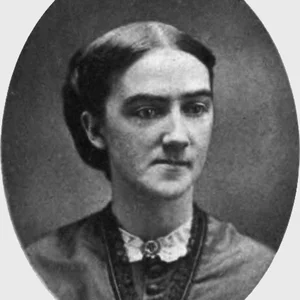
Ellen Swallow Richards
1842 — 1911
Pioneering American chemist, the first woman admitted to MIT, where she became an instructor. A specialist in sanitary chemistry, she analyzed water and air quality and founded scientific home economics.
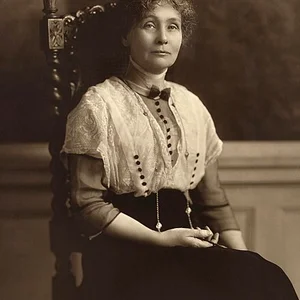
Emmeline Pankhurst
1858 — 1928
British feminist political activist (1858–1928)
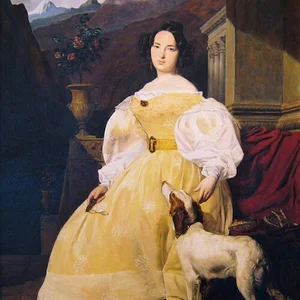
Ewelina Hańska
1805 — 1882
Polish countess famous for her long correspondence with the writer Honoré de Balzac, whom she married in 1850 after eighteen years of exchanging letters. Her relationship with the novelist fed an important part of Balzac's correspondence.
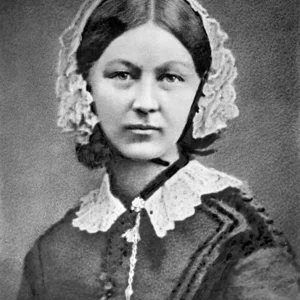
Florence Nightingale
1820 — 1910
British nurse and statistician (1820–1910), she revolutionized hospital care during the Crimean War. A pioneer of public health, she founded the first secular nursing school and used statistics to demonstrate the critical importance of hygiene.
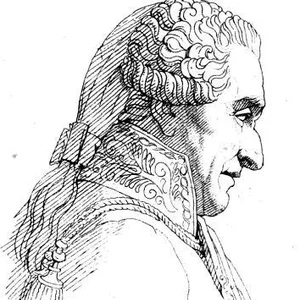
François Denis Tronchet
1726 — 1806
French jurist and statesman (1726–1806), he courageously defended Louis XVI before the Convention in 1792. He was one of the four principal authors of the Civil Code promulgated in 1804, a foundational work of modern French law.
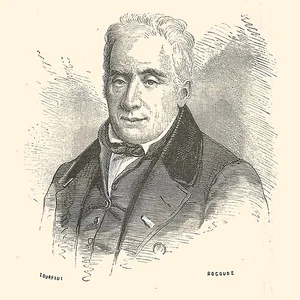
François Richard-Lenoir
1765 — 1839
A Norman industrialist, he became one of the greatest French cotton manufacturers under the First Empire, taking advantage of the Continental Blockade to eliminate British competition. The fall of Napoleon and the return of British cotton ruined his fortune, but he is remembered for his genuine concern for the well-being of his workers.
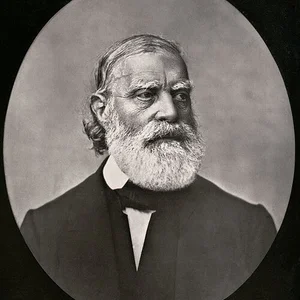
François-Vincent Raspail
1794 — 1878
French chemist and naturalist (1794–1878), pioneer of cellular chemistry and histology. A committed republican, he took part in the revolutions of 1830 and 1848, was imprisoned for his political beliefs, and ran for the presidency of the Republic from his prison cell.
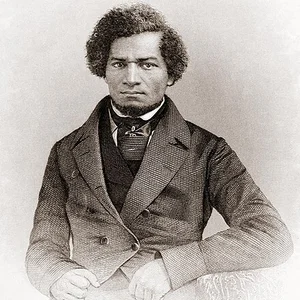
Frederick Douglass
1818 — 1895
abolitionist orator and writer, leader of the African-American community in the 19th century
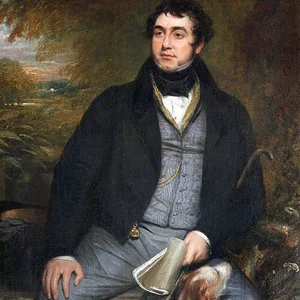
Frederick Hodgson
1796 — 1854
Investigator for the Society for Psychical Research (SPR) who, in 1884-1885, examined the phenomena attributed to Helena Blavatsky at the Theosophical headquarters in Adyar, India. His report concluded that they were fraud and trickery.
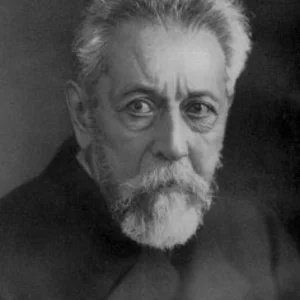
Friedrich Carl Andreas
1846 — 1930
Friedrich Carl Andreas (1846-1930) was a German orientalist and linguist, a specialist in Iranian languages and the ancient texts of Persia. A professor at Göttingen, he was a major figure in oriental philology, married to the writer Lou Andreas-Salomé.
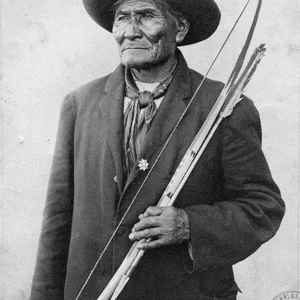
Geronimo
1829 — 1909
A Chiricahua Apache war leader and medicine man, Geronimo led the armed resistance against the expansion of the United States and Mexico in the American Southwest. His surrender in 1886 marked the end of the great Indian Wars.
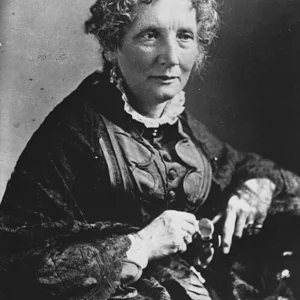
Harriet Beecher Stowe
1811 — 1896
An American novelist and abolitionist activist, she was the author of “Uncle Tom's Cabin” (1852), a novel denouncing slavery that had a worldwide impact. Her work helped to mobilize public opinion against slavery in the United States.
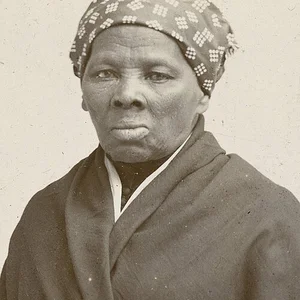
Harriet Tubman
1820 — 1913
Born into slavery around 1822, Harriet Tubman escaped in 1849 and became one of the most celebrated conductors of the Underground Railroad, helping hundreds of enslaved people flee to the North. An abolitionist, a spy for the Union during the Civil War, and an advocate for women's rights, she is a towering figure in the American struggle for freedom.
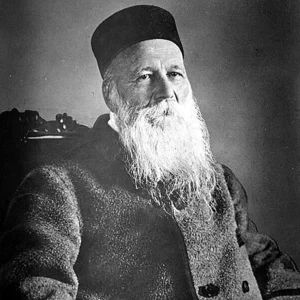
Henri Dunant
1828 — 1910
Founder of the Red Cross, first Nobel Peace Prize laureate
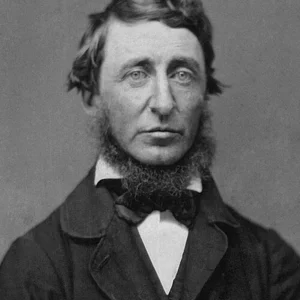
Henry David Thoreau
1817 — 1862
American writer, philosopher, and naturalist, a figure of transcendentalism. He is famous for *Walden; or, Life in the Woods*, an account of his experience of solitary living in close contact with nature, and for his essay *Civil Disobedience*, a plea for individual resistance to the injustice of the State.
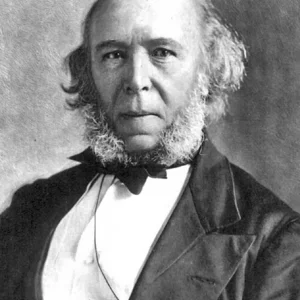
Herbert Spencer
1820 — 1903
Herbert Spencer (1820-1903) was an English philosopher and sociologist, one of the leading thinkers of social evolutionism in the 19th century. He applied the idea of evolution to all natural and social phenomena and coined the phrase “survival of the fittest.”
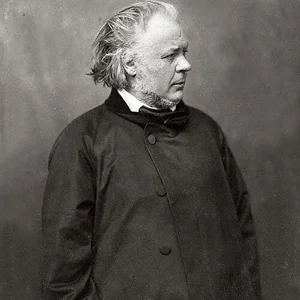
Honoré Daumier
1808 — 1879
Honoré Daumier (1808-1879) was a French engraver, caricaturist, painter and sculptor. A master of lithography, he ferociously sketched the political and social life of his time, becoming one of the greatest satirists of the 19th century.
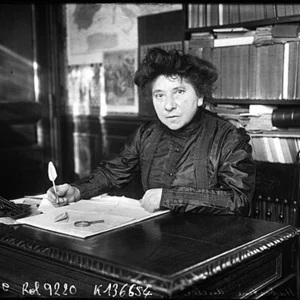
Hubertine Auclert
1848 — 1914
French feminist activist (1848–1914), she was one of the first to demand women's right to vote in France. Founder of the society “Le Suffrage des femmes,” she led militant actions such as refusing to pay her taxes and smashing a ballot box.
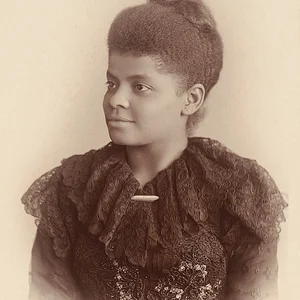
Ida B. Wells
1862 — 1931
African American journalist and activist born into slavery in 1862, Ida B. Wells conducted rigorous investigations into lynching in the United States and co-founded the NAACP. A pioneering figure in investigative journalism and the civil rights movement.
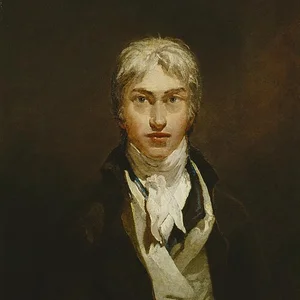
J. M. W. Turner
1775 — 1851
British painter and engraver (1775-1851), Turner is considered the master of Romantic landscape. A forerunner of Impressionism, he revolutionized the depiction of light, water, and atmosphere.
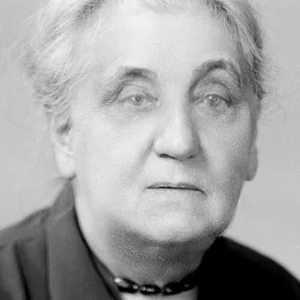
Jane Addams
1860 — 1935
An American social reformer, Jane Addams founded Hull House in Chicago in 1889, a settlement house serving immigrants and disadvantaged communities. A sociologist and committed pacifist, she was awarded the Nobel Peace Prize in 1931.
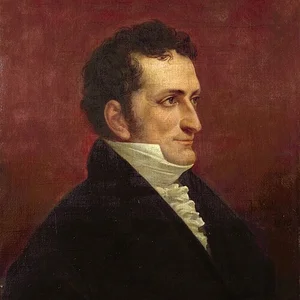
Jean Marc Gaspard Itard
1774 — 1838
French physician born in 1774, a pioneer of special education and otolaryngology. He is famous for having tried to educate Victor of Aveyron, “the wild child,” laying the foundations of teaching methods for children with disabilities.
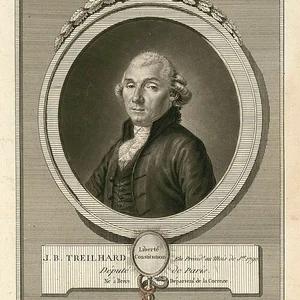
Jean-Baptiste Treilhard
1742 — 1810
French jurist and statesman (1742–1810), a member of the National Convention during the Revolution, briefly a Director, then a Councillor of State and Count of the Empire under Napoleon. He played a key role in drafting the Civil Code.
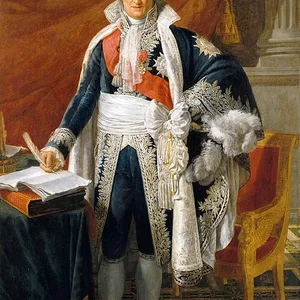
Jean-Étienne-Marie Portalis
1746 — 1807
A French jurist and statesman, Portalis was the principal drafter of the Civil Code enacted in 1804, the cornerstone of modern French private law. As Minister of Religious Affairs under Napoleon, he also contributed to the Concordat of 1801, which regulated relations between the Church and the State.
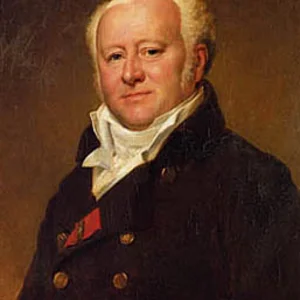
Jean-Nicolas Corvisart
1755 — 1821
French physician (1755–1821), first personal physician to Napoleon I and professor at the Collège de France. He popularized chest percussion as a diagnostic method and trained a generation of clinicians who laid the foundations of modern medicine.
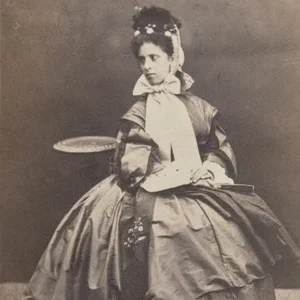
Jeanne Duval
1820 — 1868
Franco-Haitian actress and dancer, Jeanne Duval is best known as the muse and companion of Charles Baudelaire. She inspired the “Black Venus cycle” in *The Flowers of Evil*, while embodying the figure of the exoticized Black woman in the colonial imagination of the 19th century.
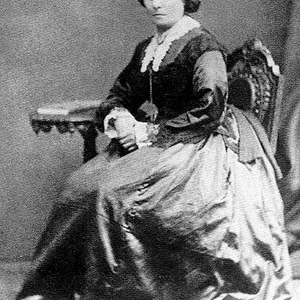
Jenny von Westphalen
1814 — 1881
A Prussian aristocrat who became the wife and collaborator of Karl Marx, she shared the couple's exile and poverty in London. For nearly four decades she was the first reader, copyist, and secretary of Marx's work.
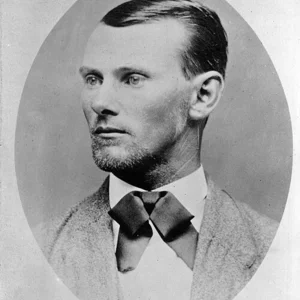
Jesse James
1847 — 1882
American outlaw, a former Confederate guerrilla who became the leader of the James-Younger gang. A robber of banks and trains across the Midwest after the American Civil War, he was assassinated in 1882 and became a legendary figure of Western folklore.
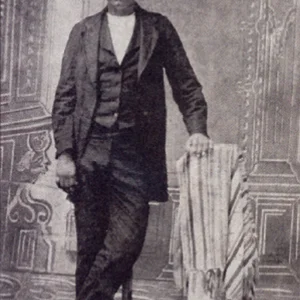
John Wesley Hardin
1853 — 1895
American outlaw from Texas, regarded as one of the most feared gunfighters of the Wild West. He claimed more than 40 killings before being imprisoned, then became a lawyer after his release, before being shot dead in 1895.
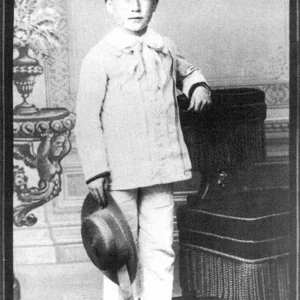
Joseph Meister
1876 — 1940
Joseph Meister is known for being the first human successfully vaccinated against rabies by Louis Pasteur in 1885, when he was only 9 years old. This historic vaccination marked a decisive turning point in the history of modern medicine.
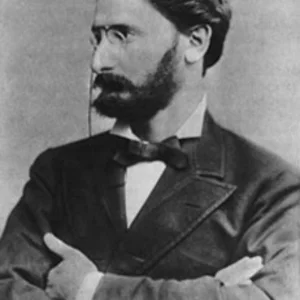
Joseph Pulitzer
1847 — 1911
American journalist and publisher of Hungarian origin (1847–1911), founder of modern journalism. He built a press empire and established the famous Pulitzer Prize, the supreme award in American journalism.
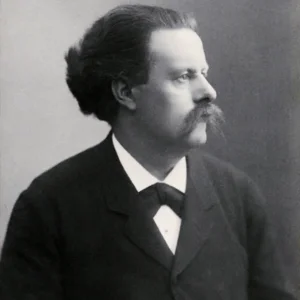
Jules Joffrin
1846 — 1890
Jules Joffrin (1846–1890) was a labor activist and socialist municipal councillor in Paris. A representative of the possibilist current, he embodied reformist socialist engagement under the Third Republic. The Jules Joffrin metro station (line 12) keeps his memory alive in the 18th arrondissement.
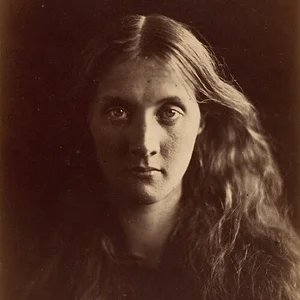
Julia Stephen
1846 — 1895
English philanthropist and artist's model of the Victorian era, wife of the man of letters Leslie Stephen and mother of Virginia Woolf and Vanessa Bell. Devoted to caring for the sick and the poor, she wrote a handbook on home nursing.
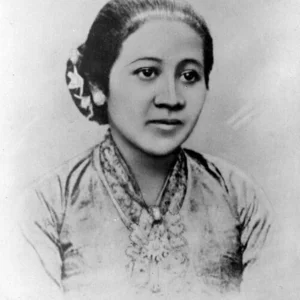
Kartini
1879 — 1904
Kartini (1879-1904) was a Javanese noblewoman who fought for Indonesian women's access to education under Dutch colonial rule. Her letters in Dutch, published posthumously under the title "Through Darkness into Light," inspired the Indonesian feminist movement and made her a major national figure.
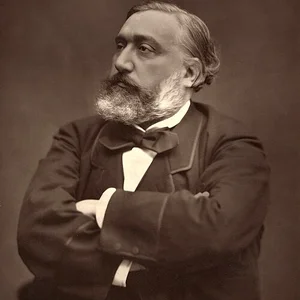
Léon Gambetta
1838 — 1882
Lawyer and republican statesman, Léon Gambetta proclaimed the Third Republic on September 4, 1870 following the defeat at Sedan. He organized national resistance during the Franco-Prussian War, escaping besieged Paris by balloon. A key architect of the republican regime, he served as President of the Chamber of Deputies from 1879 to 1881.
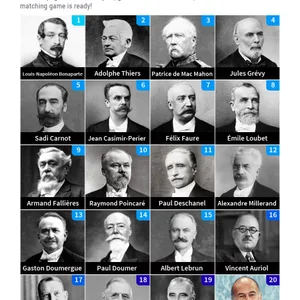
list of Presidents of the French Republic
Since 1848, France has had 25 presidents. The role, largely ceremonial under the Third and Fourth Republics, became central under the Fifth Republic established by de Gaulle in 1958.
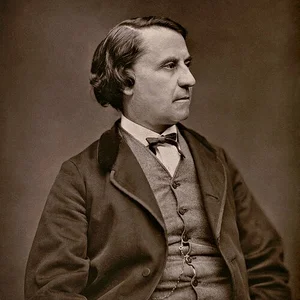
Louis Blanc
1811 — 1882
French journalist, historian, and socialist theorist (1811–1882). A member of the provisional government of the Second Republic in 1848, he championed the National Workshops and the right to work. Exiled in England after the June Days uprising, he returned to France after 1870.
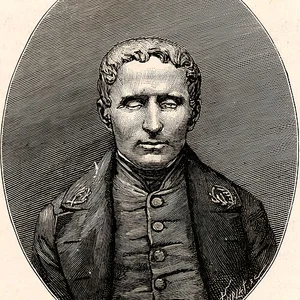
Louis Braille
1809 — 1852
Louis Braille (1809–1852) was a French teacher who lost his sight at the age of three and invented, at 15, the tactile writing system that bears his name. His raised-dot alphabet revolutionized access to reading and writing for blind people around the world.
Lozen
1840 — 1889
Chiricahua Apache warrior and shaman, sister of Chief Victorio. Renowned for her skill in combat and her spiritual power to locate the enemy, she fought the American and Mexican armies, then alongside Geronimo until the surrender of 1886.
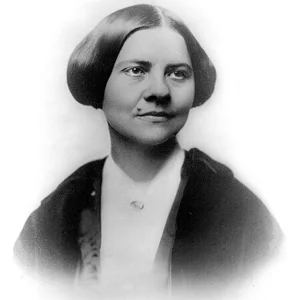
Lucy Stone
1818 — 1893
Lucy Stone (1818-1893) was one of the first American activists to fight simultaneously for the abolition of slavery and women's right to vote. The first woman from Massachusetts to earn a college degree, she refused to take her husband's name after marriage.
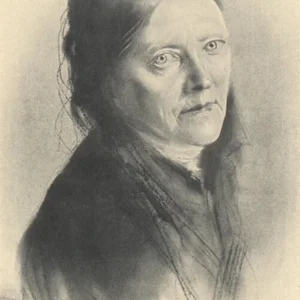
Malwida von Meysenbug
1816 — 1903
German writer and intellectual, a figure of feminism and the democratic ideals of 1848. After the revolution failed she emigrated, hosted a cosmopolitan salon, and was a close friend of Wagner, Nietzsche, and Romain Rolland.
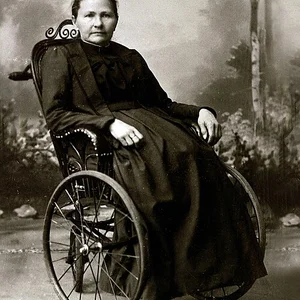
Margarete Steiff
1847 — 1909
Margarete Steiff (1847-1909) was a German seamstress and entrepreneur, founder of the Steiff toy manufacturing company. Stricken with polio and using a wheelchair, she built a thriving business from her hand-sewn felt animals, which gave rise to the famous teddy bear.
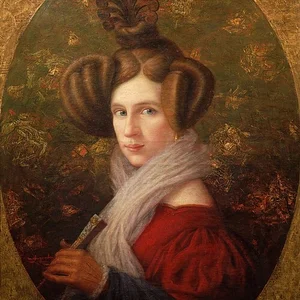
Margherita Barezzi
1814 — 1840
Margherita Barezzi was the first wife of the Italian composer Giuseppe Verdi. The daughter of Antonio Barezzi, a patron and protector of the young Verdi, she married him in 1836. Her untimely death in 1840, following that of their two infant children, plunged the composer into deep despair.
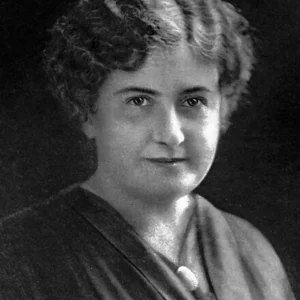
Maria Montessori
1870 — 1952
Italian physician and educator
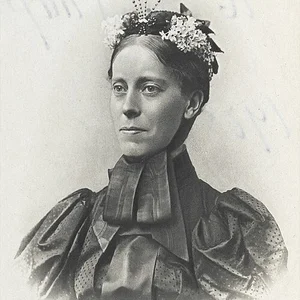
Mary Kingsley
1862 — 1900
British explorer and ethnographer (1862–1900), Mary Kingsley was one of the first European women to travel alone in West Africa. She brought back invaluable observations on the cultures and wildlife of Gabon and the Congo, and championed African societies against colonial prejudice.
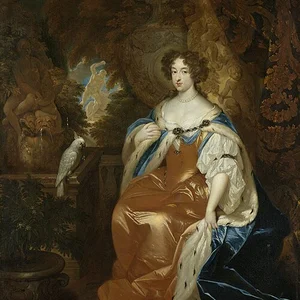
Mary Prince
1788 — 1833
Mary Prince (c. 1788 – after 1833) was an enslaved woman from Bermuda whose autobiographical narrative, published in 1831, is the first autobiography by an enslaved Black woman published in Britain. Her testimony played a decisive role in the British abolitionist movement.
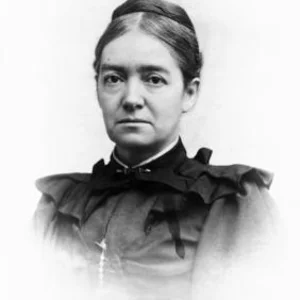
Mary Putnam Jacobi
1842 — 1906
American physician, a pioneer for the place of women in medicine in the 19th century. A rigorous researcher and suffragist activist, she scientifically refuted the medical prejudices that deemed women unfit for intellectual and physical effort.

Mekatilili wa Menza
1840 — 1925
A Giriama woman from Kenya, Mekatilili wa Menza led the resistance against British colonial rule during the 1913–1914 revolt. Arrested and deported, she escaped and continued fighting for her people's freedom.
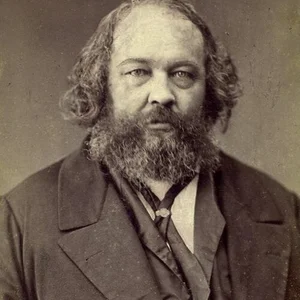
Mikhail Bakunin
1814 — 1876
Russian revolutionary and philosopher, a major figure of anarchism and libertarian socialism in the 19th century. An opponent of Marx within the First International, he advocated the abolition of the State and of all authority in favor of a federalist and collectivist society.
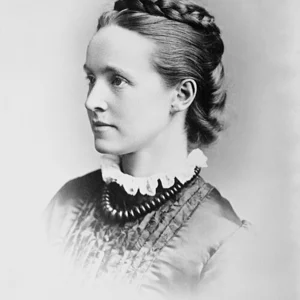
Millicent Fawcett
1847 — 1929
British feminist activist and leading figure of constitutional suffragism. As president of the NUWSS, she championed winning women's voting rights through lawful and peaceful means, in contrast to the militant methods of the suffragettes.
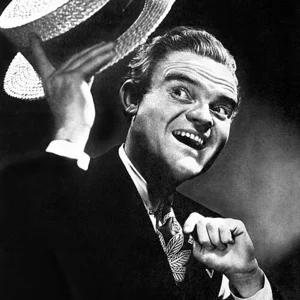
Mother Jones
Nicknamed “Mother Jones,” Mary Harris Jones was one of the most formidable labor activists in the United States. An organizer for coal miners and textile workers, she fought her entire life against the exploitation of workers and child labor.
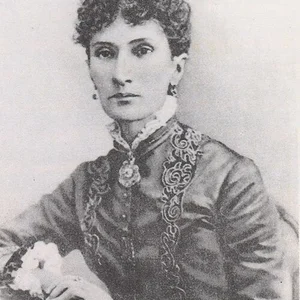
Nadezhda von Meck
1831 — 1894
A wealthy Russian widow and businesswoman, patron of Pyotr Ilyich Tchaikovsky, whom she supported financially for thirteen years. Their relationship, kept strictly to letters by mutual agreement, produced more than 1,200 letters.
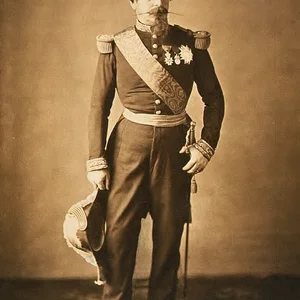
Napoleon III
1808 — 1873
Nephew of Napoleon I, he was elected President of the Republic in 1848, then seized power through a coup d'état on December 2, 1851, before proclaiming the Second Empire. His reign profoundly transformed France: the modernization of Paris under Haussmann, industrial and railway expansion — until the defeat at Sedan in 1870.
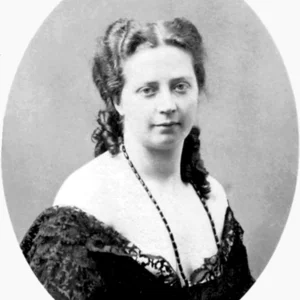
Olympe Audouard
1832 — 1890
Olympe Audouard (1832–1890) was a French writer, journalist, and feminist. A tireless traveler, she journeyed through the Middle East and the United States and published accounts of her travels. She campaigned for women's rights, particularly the right to divorce and access to education.
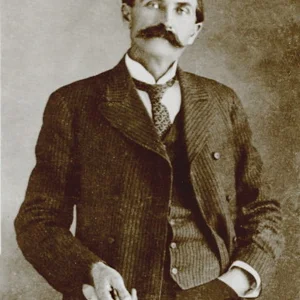
Pat Garrett
1850 — 1908
Pat Garrett was an American lawman of the Old West, who became famous for tracking down and killing the outlaw Billy the Kid in 1881. A former cowboy and buffalo hunter, he embodied the figure of the law during the Lincoln County War in New Mexico.
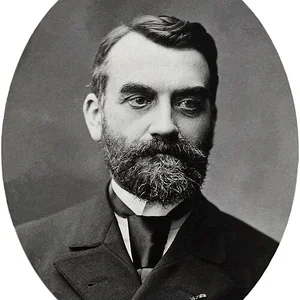
Paul Vidal de La Blache
1845 — 1918
Paul Vidal de La Blache (1845-1918) was a French geographer regarded as the founder of the French school of geography. He developed the concept of the “genre de vie” (way of life) and the notion of possibilism, establishing a human geography attentive to the relationships between societies and their environment.
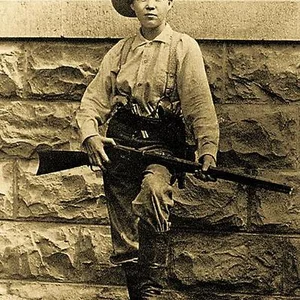
Pearl Hart
1871 — 1928
Pearl Hart was a Canadian-born American outlaw, famous for committing one of the last stagecoach robberies in the history of the American West, in Arizona in 1899. A media figure in her own lifetime, she embodies the myth of the dying Wild West.

Pereire Brothers (Émile and Isaac)
Banker brothers of Bordeaux origin and disciples of Saint-Simonianism, they financed the first French railway (Paris–Saint-Germain, 1837) and founded the Crédit Mobilier (1852), an innovative investment bank that rivaled the Rothschilds under the Second Empire.
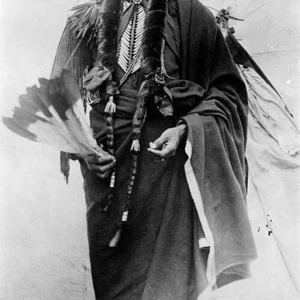
Quanah Parker
1845 — 1911
Quanah Parker was the last great chief of the Quahadi Comanches. The son of Chief Peta Nocona and Cynthia Ann Parker, a white captive, he led armed resistance against the advance of settlers and the U.S. Army, before becoming a respected mediator between his people and the United States government.
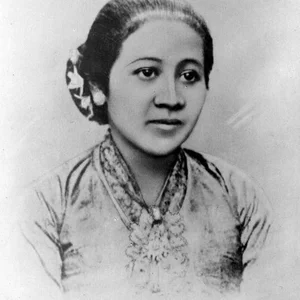
Raden Ajeng Kartini
1879 — 1904
Raden Ajeng Kartini is a Javanese aristocrat from the Dutch East Indies who became a pioneer of women's emancipation in Southeast Asia. Through her letters to Dutch correspondents, she denounced the condition of women in colonial society and advocated for their access to education. Dying at age 25, she remains a national symbol in Indonesia.
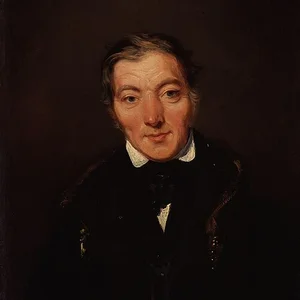
Robert Owen
1771 — 1858
A Welsh industrialist and socialist theorist, Robert Owen transformed the New Lanark cotton mill into a model of social reform. A pioneer of utopian socialism and the cooperative movement, he championed better conditions for workers and education for all.
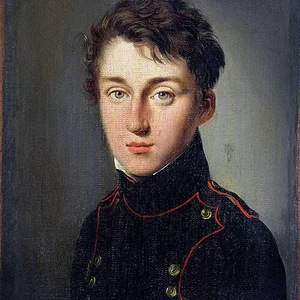
Sadi Carnot
1796 — 1832
A French engineer and statesman trained at the École Polytechnique, Sadi Carnot was elected President of the Republic in 1887. His seven-year term was marked by the scandals of the Third Republic. He was assassinated in Lyon in 1894 by the Italian anarchist Sante Geronimo Caserio.

Sadie Gordon Richmond
English governess employed by a family with whom she lived under the same roof. She had a ten-year affair with the family's father, illustrating the ambiguous status of servants attached to a middle-class household.
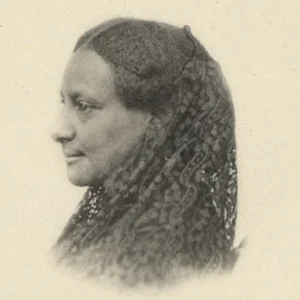
Sarah Parker Remond
1824 — 1894
African American abolitionist and suffragist activist of the nineteenth century. She traveled across Europe to raise public awareness of the anti-slavery cause, and settled in Italy where she became a physician.
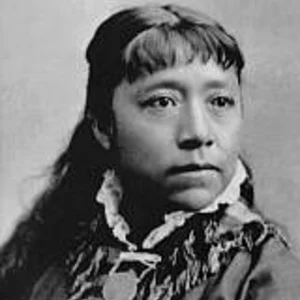
Sarah Winnemucca
1844 — 1891
A Paiute activist and author from Nevada, Sarah Winnemucca defended the rights of her Native American people in the face of American colonization. In 1883, she became the first Native American woman to publish a book in English, a major testimony on the condition of Indigenous nations.
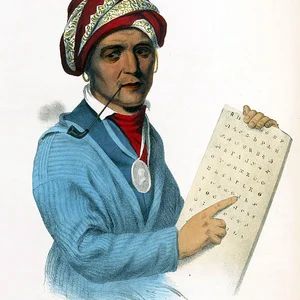
Sequoyah
1770 — 1843
Sequoyah was a Cherokee silversmith and scholar, famous for single-handedly inventing the Cherokee syllabary around 1821. He is the only individual known in history to have created a writing system entirely from scratch without being literate himself beforehand.
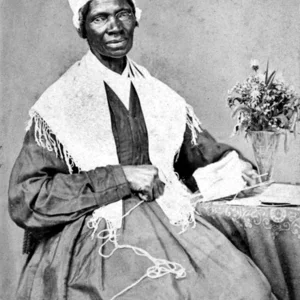
Sojourner Truth
1797 — 1883
African-American abolitionist and women's rights activist
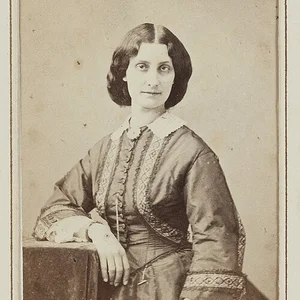
Sophie Berthelot
1837 — 1907
Wife of the great chemist Marcellin Berthelot, Sophie Berthelot (1837-1907) was a cultured woman who accompanied her husband throughout his entire career. Having died on the same day as him, she became the first woman interred in the Panthéon in 1907, a symbol of the grateful Republic.
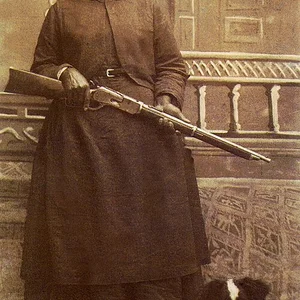
Stagecoach Mary
1832 — 1914
Born into slavery in Tennessee around 1832, Mary Fields became in 1895 the first African American woman mail carrier (Star Route) in the United States, in Montana. Nicknamed “Stagecoach Mary,” she became a legendary figure of the American conquest of the West.

Stella Zeehandelaar
Dutch-born anarchist and feminist militant who emigrated to the United States, known for her correspondence with Emma Goldman in the 1890s–1900s. A prominent figure in New York's anarchist and labor circles at the end of the nineteenth century.
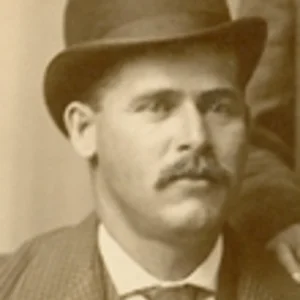
Sundance Kid
1867 — 1908
The Sundance Kid was an American Old West outlaw and a member of the famous Wild Bunch gang. A loyal sidekick of Butch Cassidy, he took part in numerous train and bank robberies before fleeing to South America.
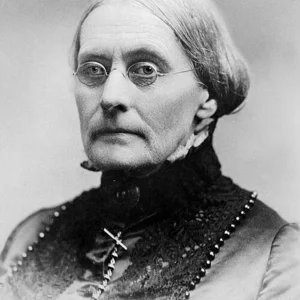
Susan B. Anthony
1820 — 1906
American civil rights activist (1820–1906), Susan B. Anthony is one of the founding figures of the American suffragist movement. She devoted her life to the abolition of slavery and to securing the right to vote for women.

Takai Kozan
Takai Kozan (1806-1883) was a wealthy Japanese merchant, scholar, calligrapher, and painter of the nanga school. He is best known for welcoming the master Hokusai into his home in Obuse, and for his involvement in the sonnō jōi imperialist movement at the end of the Edo period.
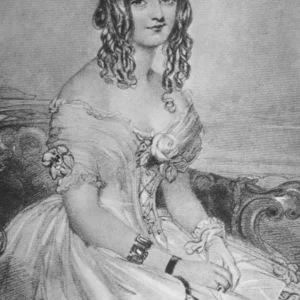
Teresa Guiccioli
1800 — 1873
Italian countess born in 1800, Teresa Guiccioli is best known for being the last great love of Lord Byron, with whom she shared a celebrated affair from 1819 to 1823. After the poet's death, she dedicated a memorial work to him, “Lord Byron Judged by the Witnesses of His Life” (1868), a precious testament to European Romanticism.
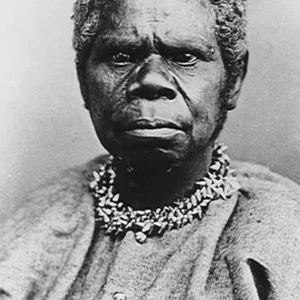
Truganini
1812 — 1876
Truganini (c. 1812–1876) was an Aboriginal woman from Tasmania who witnessed the near-extermination of her people during the Black War. She was deported to Flinders Island along with the last surviving Tasmanian Aboriginals. Long referred to as 'the last Tasmanian', she became a global symbol of colonial genocide.
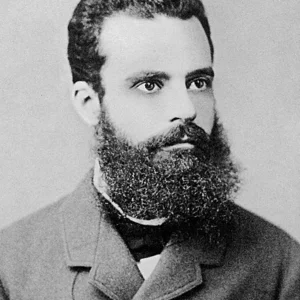
Vilfredo Pareto
1848 — 1923
Vilfredo Pareto (1848-1923) was an Italian economist and sociologist, a major figure of the Lausanne School. He left his mark on neoclassical political economy and sociology through his work on the distribution of wealth and the behavior of elites.
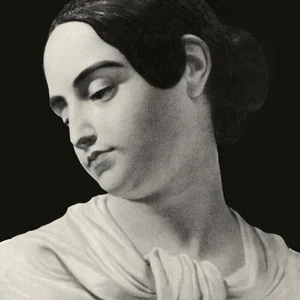
Virginia Clemm
Wife and first cousin of Edgar Allan Poe, Virginia Clemm married him at the age of 13 in 1835. Her beauty, gentleness, and premature death from tuberculosis at 24 profoundly inspired Poe's poetic work.
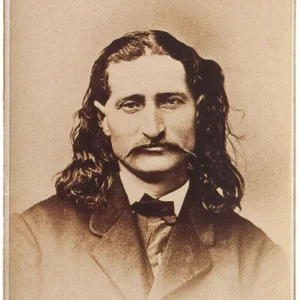
Wild Bill Hickok
1837 — 1876
An iconic figure of the American West, James Butler Hickok was in turn a Union scout, a Kansas lawman, a professional gambler, and a stage performer. A renowned gunfighter, he became a living legend before being shot in the back in 1876.
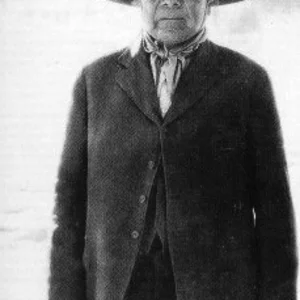
Wovoka
1856 — 1932
A Paiute prophet from Nevada, Wovoka founded the Ghost Dance in 1889, a messianic religious movement that spread among the Native American peoples of the Great Plains. His preaching, which foretold the return of the dead and the disappearance of the settlers, became associated with the Wounded Knee Massacre of 1890.
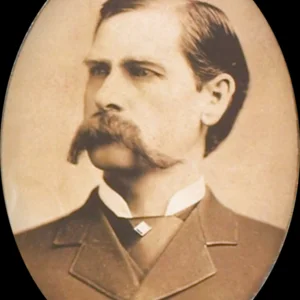
Wyatt Earp
1848 — 1929
Wyatt Earp (1848-1929) is an iconic figure of the American conquest of the West. A roving lawman, gambler, and entrepreneur, he owes his fame to the Gunfight at the O.K. Corral in 1881, which became a founding myth of the Wild West.
20th Century(216)
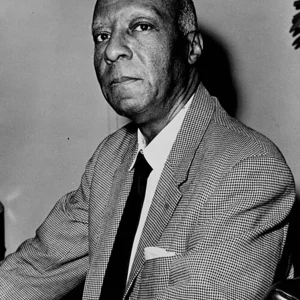
A. Philip Randolph
1889 — 1979
A. Philip Randolph was an African-American trade unionist and civil rights activist. Founder of the first major Black union in the United States, he was a key architect of desegregation and the 1963 March on Washington.
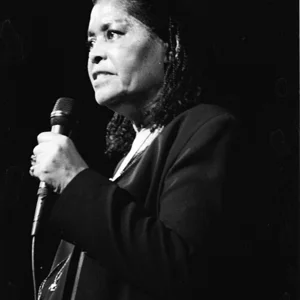
Abbey Lincoln
1930 — 2010
American jazz singer, songwriter, and actress, a major figure of artistic commitment to the civil rights movement. Her expressive voice and her lyrics make her an emblematic artist of 20th-century jazz.
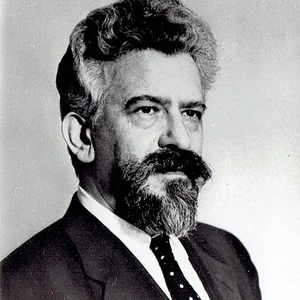
Abraham Joshua Heschel
1907 — 1972
An American rabbi, theologian and Jewish philosopher of Polish origin, Abraham Joshua Heschel was one of the great spiritual figures of the 20th century. A thinker on Judaism and biblical prophecy, he stood alongside Martin Luther King in the American civil rights movement.
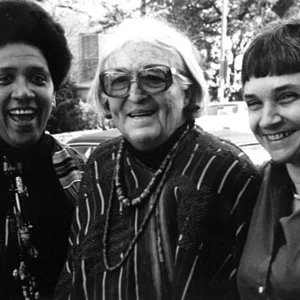
Adrienne Rich
1929 — 2012
American poet and essayist (1929-2012), a major figure of literary feminism. Her work explores female identity, sexuality, and political commitment. She received the National Book Award in 1974 for “Diving into the Wreck”.
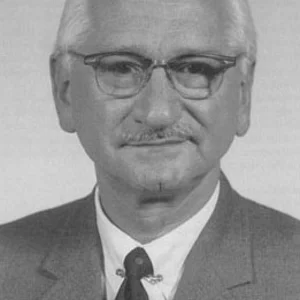
Albert Sabin
1906 — 1993
American physician and virologist of Polish origin. In the 1950s he developed the live attenuated oral vaccine against poliomyelitis, administered on a sugar cube, which made possible mass vaccination campaigns around the world.
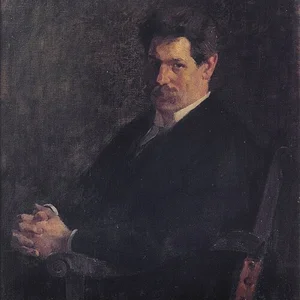
Albert Schweitzer
An Alsatian theologian, philosopher, musicologist, and physician, he founded a hospital at Lambaréné in Gabon, where he devoted his life to caring for African populations. A thinker of “reverence for life,” he received the Nobel Peace Prize in 1952.
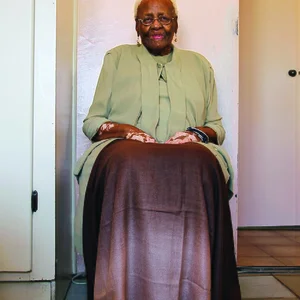
Amina Cachalia
1930 — 2013
A South African anti-apartheid activist of Indian descent, Amina Cachalia devoted her life to fighting racial segregation in South Africa. A close ally of Nelson Mandela and the ANC, she was a leading figure in the Federation of South African Women.
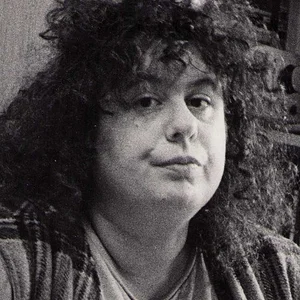
Andrea Dworkin
1946 — 2005
A radical American feminist (1946–2005), Andrea Dworkin is known for her theoretical work on pornography, violence against women, and patriarchy. A prolific activist and essayist, she profoundly shaped the feminist movement of the 1970s–1990s.
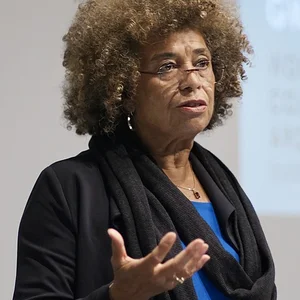
Angela Davis
1944 — ?
African-American civil rights activist, philosopher, and university professor born in 1944 in Birmingham, Alabama. An iconic figure of the Black Power movement and intersectional feminism, she was imprisoned in 1970 before being acquitted. She remains a leading voice against systemic racism and social inequality.

Anita Borg
1949 — 2003
American computer scientist (1949-2003), pioneer for the inclusion of women in computing. She founded the Institute for Women and Technology and co-founded the Grace Hopper Celebration, a global conference dedicated to women in computing.
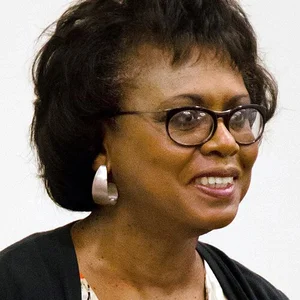
Anita Hill
1956 — ?
Anita Hill is an African American lawyer and law professor. In 1991, her testimony before the U.S. Senate, accusing Judge Clarence Thomas of sexual harassment during his nomination to the Supreme Court, marked a turning point in public awareness of workplace harassment.
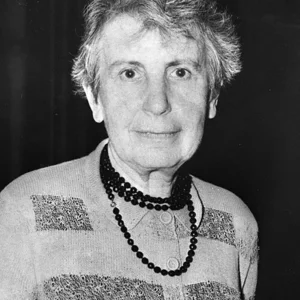
Anna Freud
1895 — 1982
Austrian-British psychoanalyst (1895–1982), daughter of Sigmund Freud. A pioneer of child psychoanalysis, she theorized the ego's defense mechanisms and founded child therapy in London.
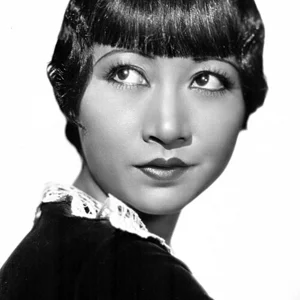
Anna May Wong
1904 — 1961
The first Chinese-American star of Hollywood, Anna May Wong (1905-1961) made her mark in both silent and sound cinema despite the industry's systemic racism. Throughout her career, she fought against stereotypes and anti-miscegenation laws that denied her leading roles.
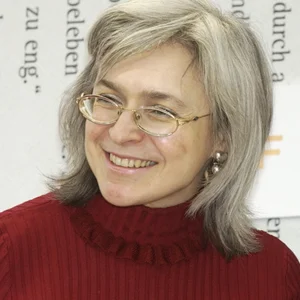
Anna Politkovskaya
1958 — 2006
Russian journalist and activist, Anna Politkovskaya distinguished herself through her courageous reporting on the Chechen wars and human rights abuses under Putin. Assassinated in Moscow in 2006, she became a symbol of press freedom and resistance against authoritarian regimes.
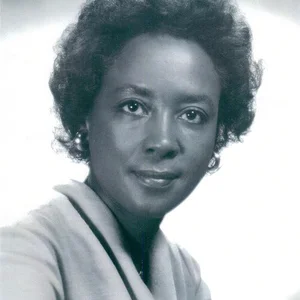
Annie Easley
1932 — 2011
An African American mathematician and computer scientist at NASA, Annie Easley contributed to the development of Centaur rockets and early solar energy technologies. A pioneer in a field dominated by white men, she also advocated for equal access to education.
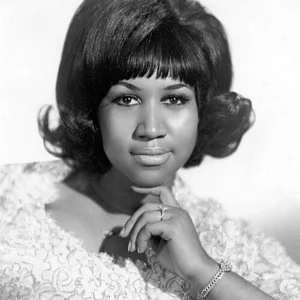
Aretha Franklin
1942 — 2018
American singer nicknamed the “Queen of Soul,” Aretha Franklin is one of the most powerful voices of the 20th century. A committed artist, she contributed to the civil rights movement and left her mark on world music with songs that became anthems.
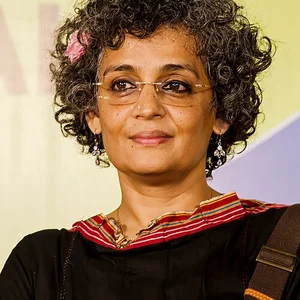
Arundhati Roy
1961 — ?
Arundhati Roy is an Indian novelist, essayist, and activist born in 1961. Her novel The God of Small Things (1997) won the Booker Prize. She is a vocal advocate against nuclear weapons, dam construction, and social inequality in India.
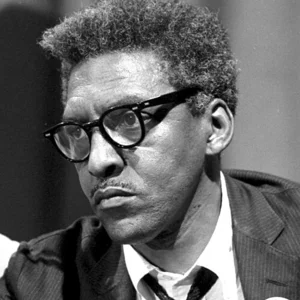
Bayard Rustin
1912 — 1987
African-American civil rights activist, advisor to Martin Luther King and chief organizer of the 1963 March on Washington. A pacifist and advocate of nonviolence, he was also a pioneering figure in the gay rights movement.
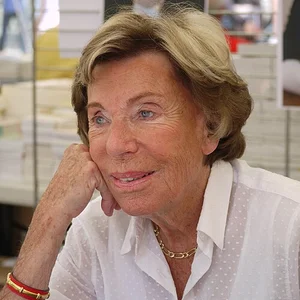
Benoîte Groult
1920 — 2016
French writer and journalist (1920-2016), a major figure of feminism in France. Author of *Ainsi soit-elle* (1975), she campaigned throughout her life for women's rights and gender equality.
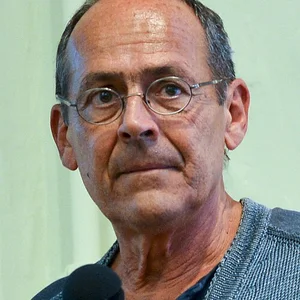
Bernard Stiegler
1952 — 2020
Bernard Stiegler (1952-2020) was a French philosopher and a major figure in the philosophy of technology. He analyzed how digital techniques and technologies shape the human mind, memory, and contemporary societies.
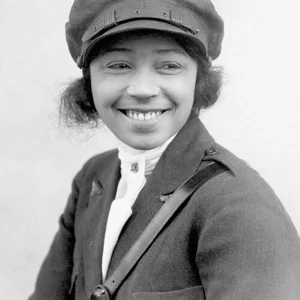
Bessie Coleman
1892 — 1926
Bessie Coleman (1892–1926) was the first African American woman to earn a pilot's license, obtaining it in France in 1921 because no American school would accept her due to her race and gender. She became a celebrated stunt aviator before dying in a plane crash.
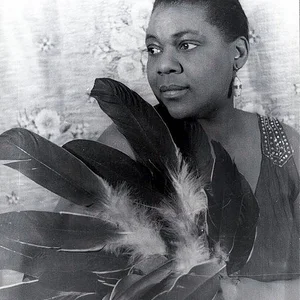
Bessie Smith
1894 — 1937
Bessie Smith (1894–1937) was an American singer nicknamed the “Empress of the Blues.” A towering figure of classic blues in the 1920s, she helped popularize the genre and paved the way for Black American artists.
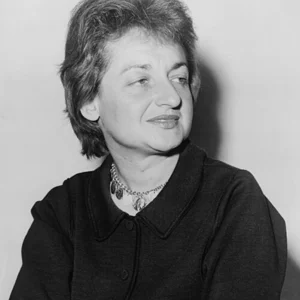
Betty Friedan
1921 — 2006
American essayist and feminist activist (1921–2006), Betty Friedan transformed society with her book The Feminine Mystique (1963), which ignited the second wave of feminism in the United States. Co-founder of the National Organization for Women (NOW), she fought for equal rights for women.
Beulah Henry
An American inventor nicknamed "Lady Edison," Beulah Henry filed more than 110 patents between 1912 and 1970, covering household appliances, bobbinless sewing machines, and various practical tools. A pioneer in a field almost exclusively dominated by men, she founded several companies to bring her inventions to market.
Bigfoot
Bigfoot, also known as Sasquatch, is a legendary creature of North American cryptozoology, described as a large, hairy hominid living in the forests. Its existence is not supported by any scientific evidence: it belongs to folklore and popular culture.
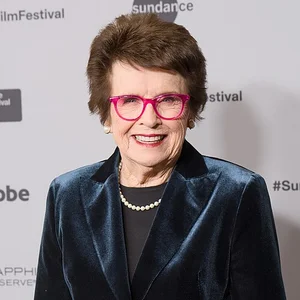
Billie Jean King
1943 — ?
Billie Jean King is an American tennis player, one of the greatest champions in the history of the sport. A pioneer of gender equality in sports, she won 39 Grand Slam titles and founded the first professional women players' association.
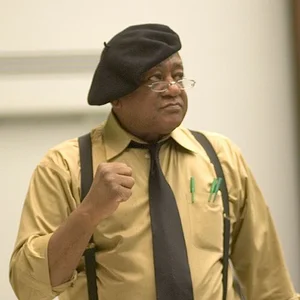
Bobby Seale
1936 — ?
Bobby Seale is an African American activist who, in 1966, co-founded the Black Panther Party with Huey P. Newton. A leading figure in the civil rights movement and the Black Power movement, he championed a revolutionary program to defend Black communities in the United States.
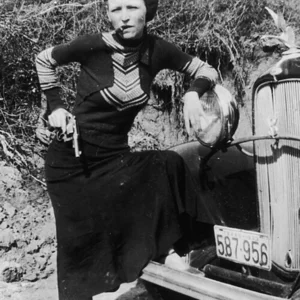
Bonnie Parker
1910 — 1934
American criminal, companion of Clyde Barrow, with whom she formed the Barrow gang during the Great Depression. The couple committed a series of robberies and murders before being shot dead by police in 1934.
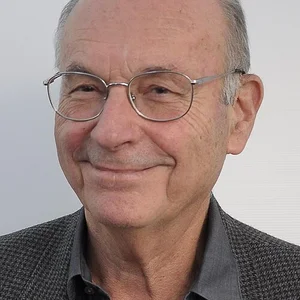
Boris Cyrulnik
1937 — ?
French neuropsychiatrist, psychoanalyst, and ethologist born in 1937. A Holocaust survivor, he popularized in France the concept of resilience — the ability to rebuild oneself after trauma.
Bruno Bettelheim
1903 — 1990
Bruno Bettelheim (1903-1990) was an American psychoanalyst and educator of Austrian origin, specializing in childhood. A survivor of the Dachau and Buchenwald camps, he ran a school for troubled children in Chicago and left his mark on thinking about education and child psychology.
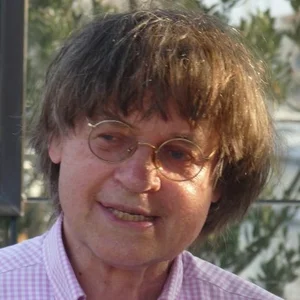
Cabu
1938 — 2015
Cabu (1938-2015) was a French press cartoonist, creator of the Grand Duduche and the caricatural character of the Beauf. A major figure in satirical caricature, he contributed to Hara-Kiri and then to Charlie Hebdo, where he was murdered in the attack of January 7, 2015.
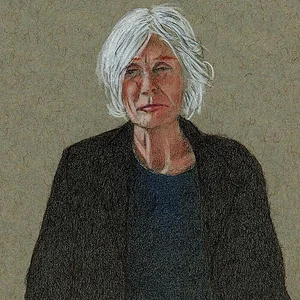
Caryl Churchill
1938 — ?
British playwright born in 1938, a major figure of feminist and political theatre. Her plays such as “Top Girls” (1982) and “Cloud Nine” (1979) deconstruct gender, capitalism, and power relations. Associated with the Royal Court Theatre in London, she has profoundly renewed contemporary dramatic forms.
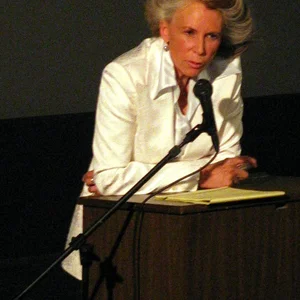
Catharine MacKinnon
1946 — ?
An American legal scholar and feminist theorist, Catharine MacKinnon is one of the most influential intellectuals of radical feminism. She theorized sexual harassment as a form of discrimination and helped establish its legal recognition in the United States.
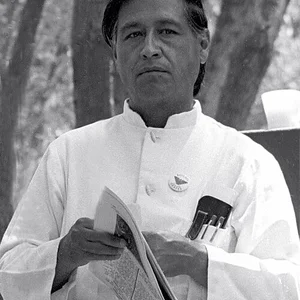
Cesar Chavez
1927 — 1993
César Chávez (1927-1993) was an American labor leader and activist of Mexican descent. He co-founded the United Farm Workers union and defended the rights of farm workers in the United States through nonviolent means.
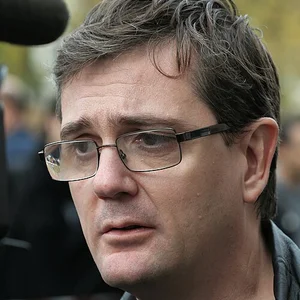
Charb
1967 — 2015
Charb (1967-2015) was a French political cartoonist and satirical journalist, publishing director of Charlie Hebdo. A defender of freedom of expression and secularism, he was murdered on 7 January 2015 during the attack on the newspaper.
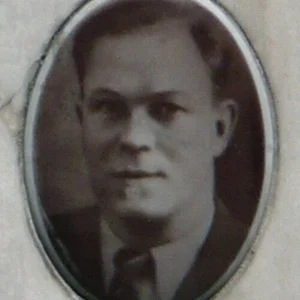
Charles Michels
1903 — 1941
A trade unionist and Communist member of parliament for Paris, Charles Michels was one of the 27 hostages shot by the Germans at Châteaubriant on 22 October 1941. His sacrifice made him a symbol of the Resistance and of working-class commitment against Nazism.
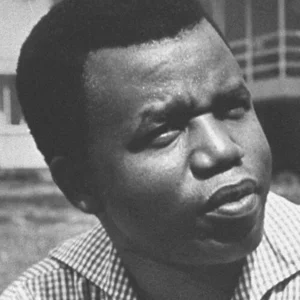
Chinua Achebe
1930 — 2013
Chinua Achebe was a Nigerian novelist, poet and critic, a major figure of African literature in English. His novel *Things Fall Apart* (1958) is regarded as the founding work of the modern African novel.
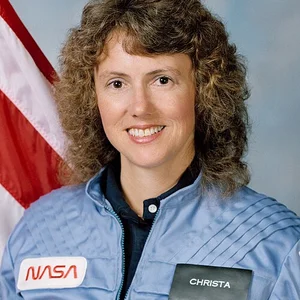
Christa McAuliffe
1948 — 1986
An American teacher selected for NASA's Teacher in Space program, she was set to become the first civilian in space. She perished in the Space Shuttle Challenger disaster on January 28, 1986.
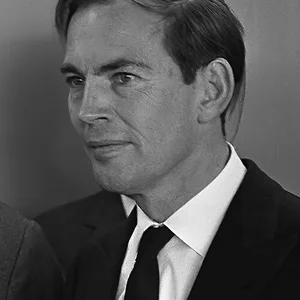
Christiaan Barnard
1922 — 2001
Christiaan Barnard was a South African cardiac surgeon. On December 3, 1967, in Cape Town, he performed the first human heart transplant in history, becoming a worldwide figure of modern surgery.
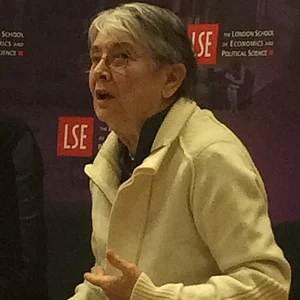
Christine Delphy
1941 — ?
French materialist feminist sociologist, Christine Delphy co-founded the Women's Liberation Movement in 1970. She theorized patriarchy as a system of economic exploitation of women and developed the concept of the domestic mode of production.
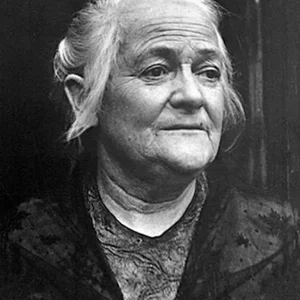
Clara Zetkin
1857 — 1933
German socialist and feminist activist (1857–1933), Clara Zetkin was the driving force behind International Women's Day. A leading figure of the Second International, she championed the emancipation of women within the framework of the class struggle.
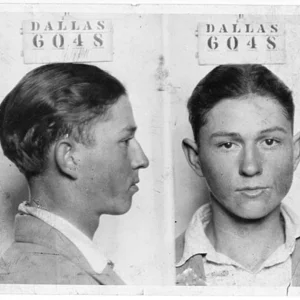
Clyde Barrow
1909 — 1934
Clyde Barrow is an American criminal from the Great Depression. With his companion Bonnie Parker, he forms the Barrow gang, which multiplies robberies and murders across the central United States before being killed in a police ambush in 1934.
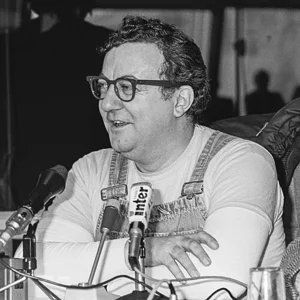
Coluche
1944 — 1986
Coluche (1944-1986) was a French comedian and actor known for his popular, provocative humor. Made famous by his sketches and his work in café-théâtre, he founded the Restos du Cœur in 1985, a food-aid charity that is still active today.
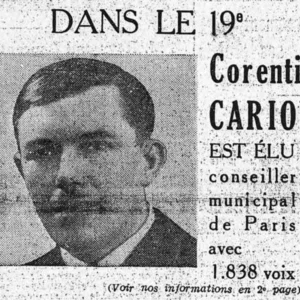
Corentin Cariou
1898 — 1942
A Communist municipal councillor of the 19th arrondissement of Paris, Corentin Cariou was arrested by the Germans and shot in 1942 as a hostage in reprisal. His name was given to a station on the Paris Métro (line 7).
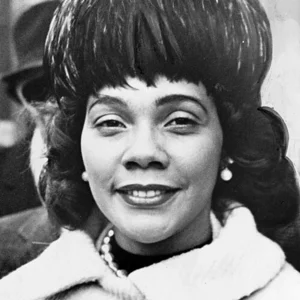
Coretta Scott King
1927 — 2006
American civil rights activist and wife of Martin Luther King Jr. After her husband's assassination in 1968, she continued his fight for racial equality and peace, founding the King Center in Atlanta.
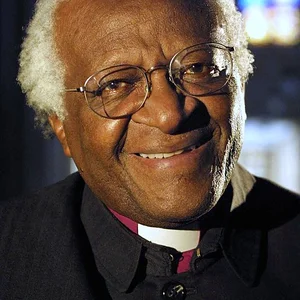
Desmond Tutu
1931 — 2021
South African Anglican archbishop and a leading figure in the non-violent struggle against apartheid. Winner of the 1984 Nobel Peace Prize, he chaired the Truth and Reconciliation Commission after the fall of the segregationist regime.
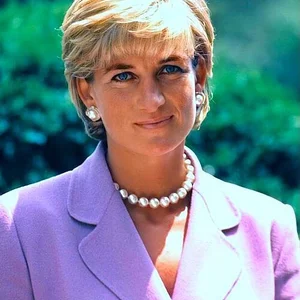
Diana (Princess of Wales)
Diana Spencer married Prince Charles, heir to the British crown, in 1981, becoming Princess of Wales. A global media figure devoted to humanitarian causes, she died in a car crash in Paris in 1997.
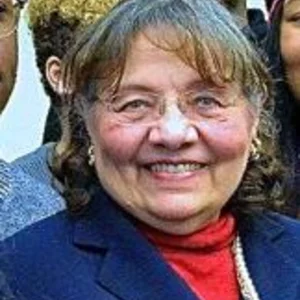
Diane Nash
1938 — ?
African-American civil rights activist, Diane Nash organized the Nashville sit-ins in 1960 and co-founded the Student Nonviolent Coordinating Committee (SNCC). A major figure of nonviolence, she contributed to the abolition of segregation in the American South.
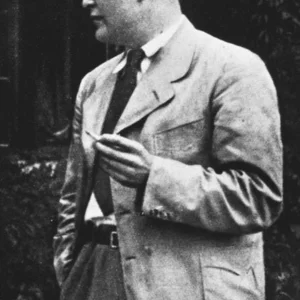
Dietrich Bonhoeffer
1906 — 1945
Dietrich Bonhoeffer was a German Lutheran pastor and theologian, a major figure of Christian resistance to Nazism. A member of the Confessing Church, he became involved in a plot against Hitler and was executed in 1945. His theological work left a profound mark on twentieth-century Christian thought.

Djibril Tamsir Niane
1932 — 2021
Senegalese-Guinean writer and historian (1932–2021), Djibril Tamsir Niane is celebrated for collecting and transcribing the epic of Sundiata Keita. His major work, Sundiata: An Epic of Old Mali (1960), helped bring recognition to African oral traditions.
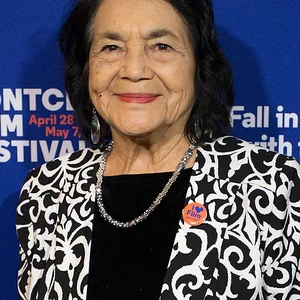
Dolores Huerta
1930 — ?
Dolores Huerta, born in 1930 in New Mexico, is an American labor and civil rights activist. Co-founder alongside César Chávez of the United Farm Workers (UFW), she championed the rights of migrant farmworkers, predominantly Latino. Her slogan “Sí, se puede!” has become a global symbol of the struggle for social justice.

Dominique Lemor
Dominique Lemor (born Dominique Laure) was the third wife of the poet Paul Éluard. Their marriage in 1951 helped the poet regain his balance after the sudden death of his previous wife, Nusch, in 1946.
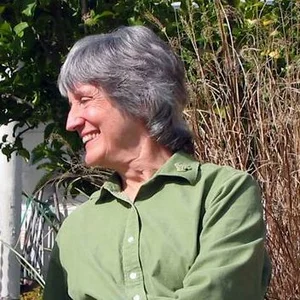
Donna Haraway
1944 — ?
Donna Haraway is an American academic, feminist theorist, and historian of science. Known for her “Cyborg Manifesto” (1985), she questions the boundaries between human, animal, and machine, and rethinks the relationships between nature, technology, and feminism.
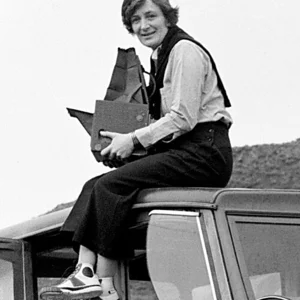
Dorothea Lange
1895 — 1965
Dorothea Lange (1895-1965) was an American documentary photographer, famous for her images of the Great Depression. Her photograph “Migrant Mother” (1936) became a worldwide icon of social hardship in the United States.
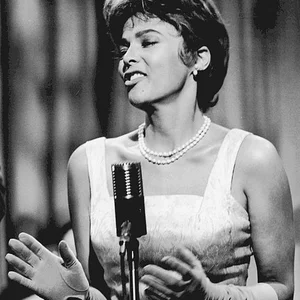
Dorothy Dandridge
1922 — 1965
An African-American actress, singer, and dancer, Dorothy Dandridge became in 1955 the first Black woman nominated for the Academy Award for Best Actress, for Carmen Jones. An icon of Golden Age Hollywood, she broke racial barriers in a deeply segregated industry.
Dorothy Day
1897 — 1980
An American Catholic journalist and activist, in 1933 she co-founded the Catholic Worker Movement, which combines spiritual commitment, social justice, and pacifism. A major figure of charity and nonviolence, she devoted her life to the poor and the marginalized.

Eddie Mabo
1936 — 1992
Eddie Mabo, an Australian of Melanesian origin (Murray Island), is the hero of the legal battle that overturned the doctrine of "terra nullius" in 1992. His posthumous victory before the High Court of Australia recognized the ancestral land rights of Indigenous peoples, revolutionizing Australian law.

Edward Said
1935 — 2003
Edward Said (1935-2003) was a Palestinian-American academic, literary theorist, and critic. A professor at Columbia University, he was one of the founders of postcolonial studies with his major work *Orientalism* (1978). He was also an influential spokesman for the Palestinian cause.
Eleanor Roosevelt
1884 — 1962
First Lady of the United States (1933–1945), Eleanor Roosevelt established herself as a tireless advocate for civil rights and social justice. She chaired the UN commission that drafted the Universal Declaration of Human Rights (1948).
Elinor Ostrom
1933 — 2012
Elinor Ostrom (1933-2012) was an American economist and political scientist. The first woman to receive the Nobel Prize in Economics, in 2009, she showed how communities can sustainably manage shared resources (the “commons”) without resorting to either the state or the private market.
Élisabeth Badinter
1944 — ?
French philosopher and historian, born in 1944, heiress to the Publicis group. She profoundly renewed thinking on the female condition, motherhood and identity, championing a universalist and republican feminism.
Elisabeth Burgos
French-Venezuelan anthropologist and ethnologist. In 1982, in Paris, she gathered the testimony of the Guatemalan activist Rigoberta Menchú, giving rise to the book “I, Rigoberta Menchú,” a landmark work of Latin American testimonial literature.
Elizabeth II
1926 — 2022
Queen of the United Kingdom from 1952 to 2022, Elizabeth II was the longest-reigning monarch in British history. She embodied the stability of constitutional monarchy through decolonisation, the Cold War, and globalisation.
Ella Baker
1903 — 1986
An American civil rights activist, Ella Baker dedicated her life to community organizing and the fight against racial segregation. Co-founder of the SNCC, she shaped a generation of activists by championing collective leadership over individual charisma.
Elsdon Best
1856 — 1931
Elsdon Best (1856-1931) was a New Zealand ethnographer and historian, a pioneer in the study of the Māori people. He recorded the traditions, beliefs, and knowledge of the Māori in landmark reference works.
Elsie MacGill
1905 — 1980
Elsie MacGill (1905-1980) was a Canadian aeronautical engineer, the first woman in the world to earn a degree in that discipline. Nicknamed the “Queen of the Hurricanes,” she led the production of fighter aircraft during the Second World War and was a feminist activist.
Emiliano Zapata
1879 — 1919
Emiliano Zapata (1879-1919) was a Mexican peasant leader and a major figure of the Mexican Revolution. A champion of the southern peasants, he demanded the return of land to rural communities under the rallying cry “Tierra y Libertad” (Land and Liberty).
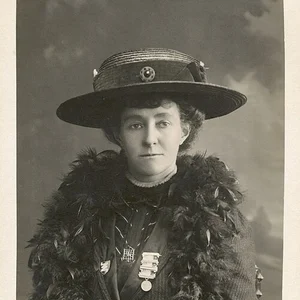
Emily Wilding Davison
1872 — 1913
British suffragette activist and a leading figure of the movement for women's voting rights. She died after throwing herself under King George V's horse at the 1913 Epsom Derby, becoming a martyr for the suffragette cause.

Emma Watson
1990 — ?
British actress born in 1990, who rose to fame as Hermione Granger in the Harry Potter series. She became an international feminist activist, notably as a UN Goodwill Ambassador and promoter of the HeForShe campaign.
Ethel Smyth
1858 — 1944
A pioneering British composer (1858–1944), Ethel Smyth was the first woman to have an opera performed at the Metropolitan Opera in New York. A suffragist activist, she composed the suffragette anthem 'The March of the Women' (1911).
Faith Ringgold
1930 — 2024
Faith Ringgold (1930-2024) was an African American artist, painter, and mixed-media artist, famous for her “story quilts”—narrative quilts blending painting, fabric, and text. Committed to the civil rights and feminist movements, she was also an author of children's books.
Fannie Lou Hamer
1917 — 1977
An American civil rights activist, Fannie Lou Hamer was a leading figure in the movement for Black voting rights in Mississippi. Co-founder of the Mississippi Freedom Democratic Party, she challenged American apartheid through her courage and her voice.
Fela Kuti
1938 — 1997
Nigerian musician and activist
Félix Éboué
1884 — 1944
Guyanese colonial administrator (1884–1944), Félix Éboué was the first governor to rally French Equatorial Africa to Free France in 1940. Appointed Governor-General of the FEA by de Gaulle, he died in Cairo in 1944 and was interred in the Panthéon in 1949.
Félix Guattari
1930 — 1992
French philosopher, psychoanalyst and activist, a leading figure of antipsychiatric thought. He is famous for his collaboration with Gilles Deleuze, with whom he co-authored the two volumes of *Capitalism and Schizophrenia*. His work at the La Borde clinic profoundly renewed institutional psychotherapy.
Florence Price
1887 — 1953
Florence Price (1887-1953) was an American composer and pianist, the first African American woman to have a symphony performed by a major American orchestra. Her work blends European classical influences with African American spirituals.
Florence Sabin
Florence Sabin (1871-1953) was an American physician and anatomist, a pioneer of medical research. She was the first woman to become a full professor at the Johns Hopkins Medical School and the first woman elected to the National Academy of Sciences of the United States.
Frances Clayton
1830 — 1863
American psychologist and partner of the African American poet and activist Audre Lorde for nearly twenty years. The couple raised Lorde's two children together on Staten Island, a figure in 20th-century lesbian and feminist history.
François Cavanna
1923 — 2014
François Cavanna (1923-2014) was a French writer, journalist, and humorous cartoonist. Co-founder of the satirical newspapers Hara-Kiri and later Charlie Hebdo, he is also the author of famous autobiographical works such as “Les Ritals,” about his childhood as the son of an Italian immigrant.
Françoise Dolto
1908 — 1988
French pediatrician and psychoanalyst (1908–1988), Françoise Dolto revolutionized the understanding of children and their psychological development. She brought psychoanalysis to a wide public audience and championed children's rights.
Frantz Fanon
1925 — 1961
Frantz Fanon (1925-1961) was a psychiatrist and essayist born in Martinique. A major thinker of anti-colonialism, he analyzed the psychological mechanisms of colonial oppression and supported the Algerian liberation struggle.
Franz Boas
1858 — 1942
Franz Boas (1858-1942) was a German-born American anthropologist, considered the father of modern cultural anthropology. He fought scientific racism by demonstrating that the differences between peoples stem from culture and not from biology.
Franz Ferdinand of Austria
1863 — 1914
Archduke and heir to the Austro-Hungarian Empire, his assassination in Sarajevo on June 28, 1914, by Gavrilo Princip triggered the First World War. A central figure in the nationalism and European tensions of the early twentieth century.
Fred Hampton
1948 — 1969
Fred Hampton (1948-1969) was an African American activist and chairman of the Illinois chapter of the Black Panther Party. A charismatic organizer, he founded the “Rainbow Coalition,” uniting several movements. He was killed at the age of 21 during a police raid, becoming a symbol of the repression of the civil rights movement.
Funmilayo Ransome-Kuti
1900 — 1978
Nigerian educator and activist (1900–1978), she led the Abeokuta women's movement against British colonial taxation. A pioneer of women's suffrage in Nigeria, she was the first woman to drive a car in her country and the mother of musician Fela Kuti.
Gabriel Péri
1902 — 1941
A French Communist journalist and member of parliament, Gabriel Péri vigorously opposed Nazism and fascism throughout the 1930s. Arrested by the Gestapo in May 1941, he was shot at Mont-Valérien on December 15, 1941, becoming one of the most iconic martyrs of the French Resistance.
Garrett Morgan
1877 — 1963
A self-taught American inventor, Garrett Morgan designed the gas mask (1914) and the three-position traffic signal (1923). His inventions saved lives and revolutionized public safety.
Geneviève de Gaulle-Anthonioz
1920 — 2002
Niece of General de Gaulle, French resistance fighter deported to Ravensbrück (1944–1945). After the war, she committed herself to ATD Fourth World and led the organization from 1964 to 1998, dedicating her life to the fight against extreme poverty.
Georges Marchais
1920 — 1997
Secretary General of the French Communist Party from 1972 to 1994, Georges Marchais was one of the major figures of the French left during the Cold War. He embodied an orthodox communism, publicly supporting the Soviet intervention in Afghanistan in 1980.
Georges Wolinski
French press cartoonist and comic-book author of Tunisian-Italian origin, a leading figure of the libertarian spirit and satire from the 1960s to the 2000s. He left his mark on Hara-Kiri, Charlie Hebdo and L'Humanité before being murdered in the attack of 7 January 2015.
Germaine Tillion
1907 — 2008
A French ethnologist specializing in the Berber societies of Algeria, Germaine Tillion joined the Resistance in 1940 before being deported to Ravensbrück. A survivor and tireless witness, she dedicated her entire life to human rights and understanding between peoples.
Gisèle Halimi
1927 — 2020
A Franco-Tunisian lawyer and feminist activist, Gisèle Halimi championed the rights of women and colonized peoples throughout the twentieth century. She is best known for the Bobigny trial (1972) and her fight to decriminalize abortion in France.
Gloria Steinem
1934 — ?
An American journalist and feminist activist, Gloria Steinem is one of the iconic figures of the women's movement of the 1960s and 1970s. Co-founder of Ms. magazine in 1972, she dedicated her life to defending gender equality and civil rights.
Graça Machel
1945 — ?
A Mozambican activist born in 1945, Graça Machel has established herself as a global figure in the defense of children's rights and women's rights. First Lady of Mozambique and later of South Africa, she has dedicated her life to fighting poverty and advancing education.
Grace of Monaco
American Hollywood actress who became Princess of Monaco by marrying Rainier III in 1956. An Oscar-winning star, she gave up her film career for her royal role and devoted herself to cultural and charitable patronage until her death in 1982.
Gustave Roussy
1874 — 1948
Franco-Swiss neurologist and oncologist (1874–1948), he founded the Paris Cancer Institute in 1921 — today known as the Institut Gustave Roussy — the first cancer center in Europe. His pioneering work on brain tumors and cancer laid the foundations of modern oncology in France.
Guy Môquet
1924 — 1941
Young French communist militant, arrested at 16 in 1940 and shot as a hostage at Châteaubriant on October 22, 1941, at the age of 17. His farewell letter to his family, written a few hours before his execution, became a symbol of the French Resistance.
Hannah Senesh
Hungarian Jewish poet and resistance fighter. After emigrating to Mandatory Palestine, she enlisted as a paratrooper in the British army to rescue the Jews of Hungary. Captured, tortured, and executed by the Nazis in 1944, she became a national heroine in Israel.
Harvey Milk
1930 — 1978
Harvey Milk was an American politician, the first openly gay person elected to a major public office in California. As a San Francisco city supervisor, he became a leading figure in the fight for LGBT rights before being assassinated in 1978.
Hattie McDaniel
1893 — 1952
American actress (1893-1952), Hattie McDaniel was the first African American woman to win an Academy Award, for her role as Mammy in Gone with the Wind (1939). Her career illustrates the tensions between artistic success and racial segregation in the United States.
Helen Keller
1880 — 1968
Deaf-blind since the age of 19 months, Helen Keller learned to communicate thanks to her teacher Anne Sullivan and became a writer and activist. She devoted her life to defending the rights of people with disabilities and women.
Hiratsuka Raichō
Japanese feminist and writer (1886–1971), founder of the literary journal Seitō ("Bluestocking") in 1911. She was a central figure in Japan's women's rights movement and campaigned throughout her life for equality and pacifism.
Huey P. Newton
1942 — 1989
African-American activist, co-founder of the Black Panther Party in 1966 with Bobby Seale. A theorist of black nationalism and armed self-defense, he became a major figure in the struggle for civil rights and against police violence in the United States.
J. Edgar Hoover
1895 — 1972
J. Edgar Hoover was the first director of the Federal Bureau of Investigation (FBI), which he led from 1924 until his death in 1972. A powerful and controversial figure, he modernized the American federal police while conducting intrusive political surveillance of numerous citizens and activists.

Jacques Bonsergent
1912 — 1940
A French civil engineer, Jacques Bonsergent was the first Parisian civilian executed by the Germans during the Occupation, on December 23, 1940. His execution, following a scuffle with German soldiers, made him a symbol of passive resistance and martyrdom.
Jacques Demy
1931 — 1990
French filmmaker (1931–1990), a major figure of the French New Wave, celebrated for his poetic musicals blending vivid colors with melancholy. Director of The Umbrellas of Cherbourg and The Young Girls of Rochefort.
Jacques Faizant
1918 — 2006
Jacques Faizant (1918-2006) was a French press cartoonist and political caricaturist. Long featured on the front page of *Le Figaro*, he is famous for his chatty little old ladies and his depictions of Marianne symbolizing the Republic.
Jacques Lacan
1901 — 1981
French psychiatrist and psychoanalyst, a major figure of 20th-century psychoanalysis. He calls for a “return to Freud” and rereads psychoanalysis through the lens of structuralism and linguistics, asserting that “the unconscious is structured like a language.”
Janusz Korczak
Polish pediatrician, educator, and writer of Jewish origin, a pioneer of children's rights. As director of orphanages in Warsaw, he developed a pedagogy founded on respect for the child. He refused to abandon the Jewish children in his care and was deported with them to Treblinka in 1942.
Jawaharlal Nehru
1889 — 1964
Prime Minister of independent India from 1947 to 1964, Nehru was one of the architects of independence alongside Gandhi. Architect of the modern Indian state, he embodied the Non-Aligned Movement during the Cold War.
Jean Baudrillard
1929 — 2007
Jean Baudrillard (1929-2007) was a French philosopher and sociologist, a major figure of postmodern thought. He is famous for his analyses of consumer society, the media, and the virtual, developing the concepts of the simulacrum and hyperreality.
Jean Effel
1908 — 1982
Jean Effel, whose real name was François Lejeune, was a French cartoonist, caricaturist and journalist of the 20th century. His pen name came from his initials F.L. pronounced “eff-el.” He is known worldwide for his poetic and humorous series “The Creation of the World.”
Jean Piaget
1896 — 1980
Jean Piaget was a Swiss psychologist, biologist, and epistemologist, the founder of developmental psychology and genetic epistemology. His work on the stages of children's intellectual development profoundly reshaped pedagogy and the educational sciences in the twentieth century.
Jean Zay
1904 — 1944
French lawyer and politician (1904–1944), Minister of National Education and Fine Arts under the Popular Front from 1936 to 1939. A Resistance member arrested by Vichy, he was assassinated by the Milice in 1944. Inducted into the Panthéon in 2015.
Jeanne Charcot
1865 — 1940
Jeanne Charcot, née Hugo (1869–1941), was the granddaughter of Victor Hugo and first wife of polar explorer Jean-Baptiste Charcot. She moved in the literary and social circles of Parisian Belle Époque society, though she was not an explorer herself.
Jeanne Levylier
Jeanne Levylier, known as Janot, was the third wife of Léon Blum, the French socialist statesman. She voluntarily joined him in deportation and married him at the Buchenwald concentration camp in 1943.

Joanne Germanotta
Paternal aunt of the singer Lady Gaga (Stefani Germanotta), who died of lupus at the age of 19 in 1974, before her niece was born. Lady Gaga paid tribute to her by naming her album 'Joanne' (2016) after her and by incorporating her middle name, Stefani, into her own name.
John Kenneth Galbraith
1908 — 2006
John Kenneth Galbraith was an American-Canadian economist, a major figure of twentieth-century institutionalism and Keynesianism. A critic of consumer society, he shaped public debate through his books written for a general audience.
Joséphine Baker
1906 — 1975
French singer, dancer, and revue performer of American origin
Jürgen Habermas
1929 — 2026
German philosopher and sociologist, a major figure of the second generation of the Frankfurt School. A theorist of communicative action and the public sphere, he is one of the most influential thinkers in contemporary political philosophy.
Karl Polanyi
1886 — 1964
Karl Polanyi (1886-1964) was an Austro-Hungarian economist and economic anthropologist. A critic of economic liberalism, he analyzed the rise of the market economy and its grip on society in his major work, *The Great Transformation* (1944).
Kate Millett
1934 — 2017
Kate Millett (1934-2017) was an American writer, theorist, and artist, a major figure of second-wave feminism. Her essay “Sexual Politics” (1970), drawn from her doctoral thesis, became a founding text of feminist studies.
Keith Haring
1958 — 1990
Keith Haring was an American artist and a major figure of 1980s New York street art. Known for his stylized figures with bold black outlines (crawling babies, barking dogs), he democratized art by placing it in public space and campaigned against AIDS and racism.
Kimberlé Crenshaw
1959 — ?
American legal scholar and theorist born in 1959, she coined the concept of intersectionality in 1989, showing how racial, gender, and class discrimination intersect and mutually reinforce one another. A professor at UCLA and Columbia, she is one of the founders of Critical Race Theory.
Larry Kramer
1935 — 2020
An American writer, playwright, and activist, Larry Kramer was a major figure in the fight against AIDS. He co-founded the organizations Gay Men's Health Crisis (1982) and then ACT UP (1987), pioneers in mobilizing against the epidemic and advocating for the rights of the sick.
Lech Wałęsa
1943 — ?
An electrician at the Gdańsk shipyards who became the leader of the independent trade union Solidarność, the first free trade union in the Soviet bloc. A major figure in the fall of communism in Poland, he was elected the first president of the Polish Republic by universal suffrage (1990-1995).
Léo Lagrange
1900 — 1940
A French socialist politician, Léo Lagrange was appointed Under-Secretary of State for Sports and Leisure in the Popular Front government in 1936. He worked to make sport and holidays accessible to the working classes, before dying in combat in June 1940.
Leon Trotsky
1879 — 1940
Russian revolutionary, Marxist theorist, and organizer of the Red Army, Leon Trotsky was one of the chief architects of the October Revolution of 1917 alongside Lenin. Ousted from power by Stalin and later exiled, he continued his political struggle until his assassination in Mexico City in 1940.
Leontyne Price
1927 — ?
An African-American lyric soprano born in 1927, Leontyne Price was the first Black woman to achieve the rank of prima donna at the Metropolitan Opera in New York. Celebrated for her interpretations of Verdi, she embodied both artistic excellence and triumph over racial segregation.
Lev Vygotsky
1896 — 1934
Soviet psychologist of Belarusian origin, founder of the cultural-historical approach to the development of the mind. He showed that higher mental functions are built through social interactions and language. He died prematurely of tuberculosis at the age of 37.
Lillian Gilbreth
American engineer, psychologist, and pioneer of scientific management. The first woman member of the American Society of Mechanical Engineers, she brought the human dimension into the study of industrial efficiency.
Loretta Lynn
1932 — 2022
American singer-songwriter, Loretta Lynn is one of the founding figures of country music. Born into a poor family in the Appalachians, she authentically sang about the lives of rural American women, their joys and struggles.
Lorraine Hansberry
1930 — 1965
American playwright and author (1930–1965), Lorraine Hansberry was the first Black woman to have a play produced on Broadway with *A Raisin in the Sun* (1959). A civil rights activist, she wove art and political commitment together in her fight against racial segregation.
Louise Baldy
1886 — 1949
Louise Baldy is a Frenchwoman recognized as Righteous Among the Nations for having hidden and protected a Jewish family in Pézenas during the Second World War, at the risk of her own life.

Louisette Bertholle
1905 — 1999
Louisette Bertholle (1905-1999) was a French chef and cookbook author. Together with Julia Child and Simone Beck, she co-wrote Mastering the Art of French Cooking, the book that introduced French cuisine to Americans, and co-founded the cooking school L'École des Trois Gourmandes in Paris.
Lowitja O'Donoghue
1932 — 2024
An Australian activist for Indigenous peoples' rights, Lowitja O'Donoghue was the first Aboriginal woman to lead ATSIC (the Aboriginal and Torres Strait Islander Commission). A trained nurse, she dedicated her life to defending civil rights and promoting reconciliation between Indigenous and non-Indigenous Australians.
Lucie Aubrac
1912 — 2007
A French Resistance fighter, she organized the escape of her husband Raymond Aubrac from a Lyon prison on October 21, 1943. A committed history teacher, she became after the war a symbol of the Resistance and spent her entire life working to keep its memory alive.
Lydia Cabrera
1899 — 1991
Lydia Cabrera (1899-1991) was a Cuban writer and anthropologist, a pioneer in the study of Afro-Cuban cultures. Her major work, El Monte, is a reference on the religions and traditions of African origin in Cuba.
Mahalia Jackson
1911 — 1972
Mahalia Jackson (1911-1972) was the greatest American gospel singer of all time. A powerful voice of Black Christian faith, she was also a major figure in the civil rights movement alongside Martin Luther King.
Malcolm X
1925 — 1965
Malcolm X (1925-1965), born Malcolm Little, was an African American civil rights activist and a spokesman for the Nation of Islam. An advocate of Black nationalism, he championed the pride and emancipation of Black Americans before evolving toward a more universalist Sunni Islam.
Marc Bloch
1886 — 1944
French historian and co-founder of the Annales School with Lucien Febvre, Marc Bloch revolutionized historical method by prioritizing social and economic structures over event-driven history. A resistance fighter from the very start, he was arrested by the Gestapo and shot in 1944.
Marcel Sembat
1862 — 1922
Socialist deputy for the Seine and close associate of Jean Jaurès, Marcel Sembat served as Minister of Public Works in the Sacred Union government (1914–1916). A committed pacifist, he left a political legacy shaped by his defense of socialism and his polemical 1913 essay.
Marcus Garvey
1887 — 1940
Marcus Garvey (1887-1940) was a Jamaican activist and founder of the Universal Negro Improvement Association (UNIA). A theorist of Pan-Africanism and the “Back to Africa” movement, he was one of the most influential promoters of Black pride and Black nationalism in the early 20th century.
Margaret Bonds
1913 — 1972
African American pianist and composer (1913–1972), Margaret Bonds was one of the first Black women to make her mark in American classical music. She blended gospel, blues, and European classical influences, and collaborated closely with Langston Hughes.
Mariama Bâ
1929 — 1981
Senegalese writer (1929-1981), author of *So Long a Letter* (1979), the first African novel to win the Noma Award. Her work explores the condition of women in Africa and denounces the inequalities inherent in polygamous marriage.
Marian Anderson
1897 — 1993
An African-American contralto (1897–1993), Marian Anderson was one of the greatest operatic voices of her era. In 1939, barred from Constitution Hall because of her race, she sang before 75,000 people at the Lincoln Memorial. In 1955, she became the first African-American woman to perform at the Metropolitan Opera in New York.
Marion Donovan
1917 — 1998
Marion Donovan (1917-1998) was an American inventor. In 1946 she designed the “Boater,” the first reusable waterproof diaper cover, and later laid the groundwork for the modern disposable diaper, filing some twenty patents over the course of her life.
Marquise de Belbeuf
French aristocrat, daughter of the Duke of Morny, known by the nickname “Missy.” A sculptor and music-hall performer, she lived openly dressed as a man and had a famous relationship with the writer Colette, sparking the Moulin Rouge scandal of 1907.
Marsha P. Johnson
1945 — 1992
A transgender African American activist, Marsha P. Johnson was one of the iconic figures of the Stonewall uprising in 1969. Co-founder of STAR, she spent her entire life fighting for the rights of LGBT+ people and the homeless.

Martha Beckwith
Martha Warren Beckwith was an American folklorist and ethnographer, a pioneer of folklore studies in the United States. She is best known for her work on Hawaiian mythology and Jamaican folklore.
Marx Dormoy
1888 — 1941
French socialist politician (1888–1941), Minister of the Interior in Léon Blum's government under the Popular Front. He was assassinated by the Cagoule, a clandestine fascist organization.
Maryse Bastié
1898 — 1952
French aviator born in 1898, Maryse Bastié set numerous world records in the 1930s, including a solo crossing of the South Atlantic in 1936. A pioneer of feminism through action, she also served Free France during the Second World War.
Mathilde Krim
1926 — 2018
Mathilde Krim was a medical biology researcher specializing in virology and cancer. She is best known for her pioneering fight against AIDS, having founded a research foundation that became amfAR in the 1980s.
Max Horkheimer
1895 — 1973
German philosopher and sociologist, a major figure of the Frankfurt School, whose Institute for Social Research he directed. Together with Adorno, he founded Critical Theory, a Marxist and Freudian analysis of modern societies.
Max Mallowan
1904 — 1978
Max Mallowan (1904-1978) was a British archaeologist specializing in the ancient Near East. He directed major excavations in Iraq and Syria, notably at Nimrud. He was the husband of the novelist Agatha Christie.
Max Roach
1924 — 2007
Maxwell Lemuel Roach (1924-2007) was an American jazz drummer, percussionist, and composer. A pioneer of bebop alongside Charlie Parker and Dizzy Gillespie, he was also a committed activist for civil rights.
Mélinée Manouchian
1913 — 1989
An Armenian resistance fighter who took refuge in France, she married Missak Manouchian, leader of the FTP-MOI network. After her husband's execution by the Nazis in February 1944 (the Red Poster affair), she dedicated her life to keeping alive the memory of the foreign resistance fighters who died for France.
Mercedes Sosa
1935 — 2009
Nicknamed “La Negra,” Mercedes Sosa (1935–2009) was one of the greatest voices in Latin America. An iconic figure of the Nueva Canción movement, she channeled through her music the struggle for social justice and the dignity of oppressed peoples.
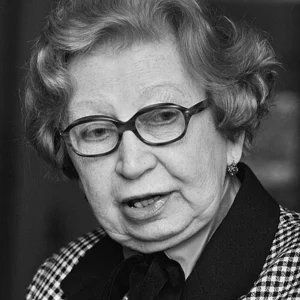
Miep Gies
1909 — 2010
Miep Gies (1909-2010) was a Dutch office worker of Austrian origin who hid Anne Frank and her family in the Secret Annex in Amsterdam from 1942 to 1944. After their arrest by the Gestapo, she gathered Anne Frank's notebooks and kept them safe, making their worldwide publication possible.
Miriam Makeba
1932 — 2008
South African jazz singer and political activist
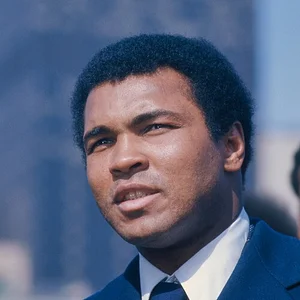
Muhammad Ali
1942 — 2016
American boxer, three-time world heavyweight champion, considered one of the greatest athletes of the 20th century. A leading figure in the struggle for civil rights, he refused to be drafted for the Vietnam War on the grounds of his convictions.
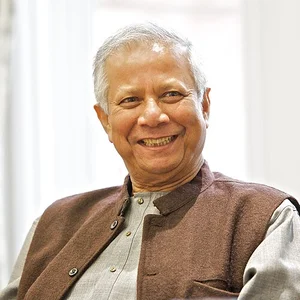
Muhammad Yunus
1940 — ?
Bangladeshi economist and social entrepreneur, founder of the Grameen Bank and a pioneer of microcredit. He received the Nobel Peace Prize in 2006 for his work against poverty.
Nan Goldin
1953 — ?
Nan Goldin is an American photographer born in 1953, famous for her intimate, unvarnished portraits of those close to her, of the New York underground scene, the LGBT community, and the ravages of drugs and AIDS. Her work redefined autobiographical and documentary photography.
Nana Benz
Collective nickname for the prominent Togolese businesswomen who dominated the wax fabric market in Lomé from the 1960s onward. Iconic figures of female entrepreneurship in West Africa, they earned their nickname from the Mercedes-Benz cars they could afford thanks to their commercial fortunes.

Naomi Ōsaka
1997 — ?
Naomi Ōsaka is a Japanese-American professional tennis player born in 1997 in Osaka. A former world number 1, she has won four Grand Slam titles. She has also been a vocal advocate for social justice and athletes' mental health.
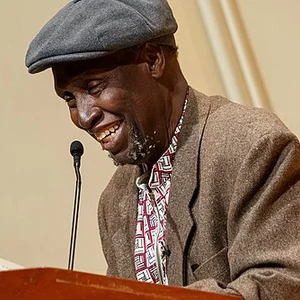
Ngũgĩ wa Thiong'o
1938 — 2025
Major Kenyan writer, novelist, playwright, and essayist. First published in English under the name James Ngugi, he chose, from the late 1970s onward, to write in Kikuyu and Swahili in order to decolonize African literatures. A central figure of postcolonial thought.
Nikita Khrushchev
1894 — 1971
Soviet leader from 1953 to 1964, Khrushchev succeeded Stalin and launched a policy of de-Stalinization. A central figure of the Cold War, he confronted the United States during the Cuban Missile Crisis of 1962.
Nina Simone
1933 — 2003
American jazz singer, pianist, composer, and civil rights activist for Black people
Noor Inayat Khan
1914 — 1944
A radio operator for the British Special Operations Executive (SOE), of Indian origin and Sufi tradition, she was parachuted into occupied France in 1943. Arrested by the Gestapo, she was executed at the Dachau camp in 1944 and posthumously awarded the George Cross.
Octavia Butler
1947 — 2006
Octavia E. Butler (1947-2006) was a pioneering American novelist of Afro-feminist science fiction. The first Black woman to establish herself in this genre, she explored race, gender, power, and identity through committed speculative narratives.
Paul Vaillant-Couturier
1892 — 1937
French writer, journalist, and politician (1892–1937), co-founder of the French Communist Party and editor-in-chief of L'Humanité. A World War I veteran, he was a leading figure of pacifism and the workers' left during the interwar period.
Paul VI
1897 — 1978
262nd pope of the Catholic Church from 1963 to 1978, Paul VI completed the Second Vatican Council and worked to modernize the Church and to foster dialogue with the contemporary world.
Pauli Murray
1910 — 1985
Lawyer, civil rights activist, and African American feminist, Pauli Murray fought simultaneously against racial segregation and gender discrimination. In 1977, she became the first Black woman ordained as a priest in the American Episcopal Church.
Philippe Honoré
1941 — 2015
Philippe Honoré (1941-2015) was a French press cartoonist and illustrator, known for his fine, minimalist line and his literary references. A contributor to Charlie Hebdo, he was murdered on 7 January 2015 during the attack on the newspaper.
Professeur Choron
1929 — 2005
Georges Bernier (1929-2005), known as Professeur Choron, was a French humorist and publisher, co-founder with François Cavanna of the satirical magazines Hara-Kiri and Charlie Hebdo. A provocative figure of the “dumb and nasty” press, he embodied the irreverence of post-war French humour.
Public Enemy (Chuck D)
Chuck D is the leader and main lyricist of the American hip-hop group Public Enemy, founded in 1985. A major figure of political rap, he turned hip-hop into a platform for denouncing racism and social injustice in the United States.
Queen Latifah
1970 — ?
A pioneer of American female hip-hop, Queen Latifah made her mark from the late 1980s with politically engaged and feminist rap. She went on to build a dual career as a singer and actress, becoming one of the most influential women in the entertainment industry.
Ralph Nader
1934 — ?
Ralph Nader is an American lawyer and activist born in 1934, a pioneer of consumer advocacy. His fight for automobile safety transformed industrial regulation in the United States. He also ran for president several times.
Reiser
1941 — 1983
Jean-Marc Reiser (1941-1983) was a French comic-strip artist and caricaturist, a major figure of the satirical press. With a sharp, ferocious style, he embodied the rebellious spirit of Hara-Kiri and then Charlie Hebdo, leaving a lasting mark on French graphic humour.
René Cassin
1887 — 1976
French jurist and statesman, René Cassin was one of the principal drafters of the Universal Declaration of Human Rights (1948). A resistance fighter from the very first days alongside General de Gaulle, he was awarded the Nobel Peace Prize in 1968.
Rigoberta Menchú
1959 —
Guatemalan political activist and human rights defender
Robert Badinter
1928 — 2024
French lawyer, jurist, and politician (1928–2024), Robert Badinter is renowned for championing the abolition of the death penalty in France in 1981 as Minister of Justice (Garde des Sceaux). A lifelong defender of human rights, he served as President of the Constitutional Council from 1986 to 1995.
Robert Capa
1913 — 1954
Robert Capa (1913-1954) was a photographer and war correspondent of Hungarian origin. A co-founder of the Magnum Photos agency, he covered five major conflicts of the 20th century and embodies war photojournalism.

Roland Moisan
1907 — 1987
Roland Moisan (1907-1987) was a French humorous cartoonist and caricaturist. He is famous for his long career at the Canard enchaîné, where he sketched the political figures of the Fourth and Fifth Republics.

Rosa Abendanon
A progressive Dutch woman of the early 20th century, wife of Minister Jacques Abendanon. She was the main correspondent and friend of Raden Adjeng Kartini, the Indonesian pioneer of women's emancipation, whose letters she preserved and passed on.
Ruth Handler
1916 — 2002
American businesswoman, co-founder of the toy company Mattel. In 1959 she designed the Barbie doll, which became one of the best-selling toys in the world.
Sam Cooke
1931 — 1964
Sam Cooke (1931-1964) was an American singer, songwriter, and entrepreneur, considered one of the founding fathers of soul music. Coming from gospel, he managed to unite spirituality and popular music and became a figure in the fight for civil rights.
Sandra Harding
1935 — 2025
Sandra Harding is an American philosopher born in 1935, a leading figure in feminist epistemology and the philosophy of science. She theorized the notion of the “situated standpoint” (standpoint theory) and criticized the claim to neutral objectivity in scientific knowledge.
Saul Alinsky
1909 — 1972
Saul Alinsky was an American sociologist and community activist, considered the founder of modern community organizing. He developed methods of collective action to empower disadvantaged populations in urban neighborhoods.
Sennep
1894 — 1982
Sennep is one of the greatest French political caricaturists of the first half of the 20th century. His sharp pencil sketched the figures of the Third Republic and Parisian political life in the satirical press.
Septima Clark
An African American educator nicknamed the “mother of the civil rights movement,” she founded the Citizenship Schools in the segregationist South to teach Black people to read and help them register to vote.
Simone Beck
1904 — 1991
Simone Beck, known as “Simca,” was a 20th-century French cook and cookbook author. She is famous for co-writing, with Julia Child and Louisette Bertholle, the book Mastering the Art of French Cooking, which introduced French cuisine to Americans.
Siné
1928 — 2016
Maurice Sinet (1928-2016), known as Siné, was a French press cartoonist and caricaturist, a figure of anarchism and satirical drawing. His sharp-lined drawings left their mark on the post-war French press, from L'Express to Charlie Hebdo.
Sister Emmanuelle
1908 — 2008
Franco-Belgian nun of the Congregation of Our Lady of Sion, famous for her humanitarian work among the rag-pickers of Cairo. A popular figure of solidarity, she founded the Asmae association to help the most destitute.
Steve Biko
1946 — 1977
Steve Biko was a South African anti-apartheid activist, founder of the Black Consciousness Movement in the 1970s. A leading figure in the emancipation of black South Africans, he died in 1977 from the injuries inflicted on him in police custody, becoming a global symbol of the struggle against apartheid.
Stokely Carmichael
1941 — 1998
Stokely Carmichael was an African American civil rights activist and a major figure of the Black Power movement in the 1960s. A leader of the SNCC and later close to the Black Panthers, he popularized the slogan “Black Power” and radicalized the struggle for racial equality in the United States.
Susan Sontag
1933 — 2004
Susan Sontag (1933-2004) was a major American intellectual of the 20th century — essayist, novelist, and activist. Known for her reflections on photography, illness, and war, she profoundly shaped contemporary critical thought.
Sylvia Plath
1932 — 1963
American poet and novelist (1932–1963), a major figure in confessional poetry. Author of The Bell Jar and the collection Ariel, she explores with striking intensity the themes of female identity, psychological suffering, and literary creation.
Sylvia Rivera
1951 — 2002
An American Latina trans activist, Sylvia Rivera took part in the Stonewall riots of 1969. She co-founded STAR (Street Transvestite Action Revolutionaries) to help homeless trans youth and LGBTQ+ people.
Tarana Burke
1973 — ?
Tarana Burke is an American civil rights activist and founder of the #MeToo movement in 2006. She has dedicated her life to supporting survivors of sexual violence, particularly in underprivileged Black communities.
Te Puea Herangi
1883 — 1952
Māori princess from New Zealand (1883–1952), granddaughter of King Tāwhiao, she devoted her life to the cultural and political revival of her people. She resisted the conscription of Māori during World War I and built the village of Tūrangawaewae, a symbol of Māori dignity.
Teuira Henry
1847 — 1915
Teuira Henry was a Tahitian historian, linguist and ethnologist. She is famous for having compiled and translated the oral traditions, myths and knowledge of ancient Polynesia, notably in her major work “Ancient Tahiti”.
Theodor Adorno
1903 — 1969
German philosopher, sociologist, and musicologist, a major figure of the Frankfurt School and of Critical Theory. Together with Max Horkheimer, he analyzed the mechanisms of domination in modern societies and put forward a radical critique of mass culture.
Thich Nhat Hanh
1926 — 2022
Vietnamese Zen Buddhist monk, poet, and peace activist. A major figure in spreading mindfulness to the West, he founded the Plum Village community in France and popularized “engaged Buddhism.”
Tignous
1957 — 2015
Bernard Verlhac, known as Tignous (1957-2015), was a French press cartoonist and caricaturist. A contributor to Charlie Hebdo, Marianne and Fluide glacial, he championed freedom of expression through satirical drawing. He was murdered on 7 January 2015 during the attack on Charlie Hebdo.
Tina Turner
1939 — 2023
Born Anna Mae Bullock in 1939 in Tennessee, Tina Turner is one of the greatest rock and soul singers of the 20th century. After surviving an abusive marriage to Ike Turner, she made a triumphant solo comeback in the 1980s.
Tsitsi Dangarembga
1959 — ?
Zimbabwean novelist and filmmaker born in 1959, Tsitsi Dangarembga is the first Black woman from Zimbabwe to have published a novel in English. Her work explores colonization, the condition of women, and African identity in a postcolonial society.
Valerie Solanas
1936 — 1988
Valerie Solanas (1936-1988) was an American writer and radical feminist activist. The author of the provocative pamphlet SCUM Manifesto (1967), she remains famous for attempting to assassinate the artist Andy Warhol in 1968.
Vera Atkins
1908 — 2000
Vera Atkins was a British intelligence officer of Romanian origin and a leading figure in the French section of the Special Operations Executive (SOE) during the Second World War. As a recruiter and trainer of the agents sent into occupied France, she devoted the post-war years to tracing the fate of the agents who had gone missing, especially the women who had been deported.
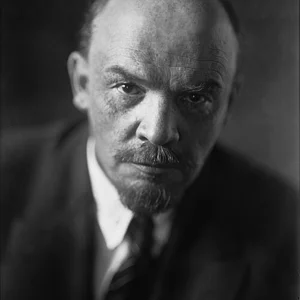
Vladimir Lenin
Russian revolutionary and Marxist theorist (1870–1924), Lenin led the Bolshevik Revolution of October 1917 and founded the Soviet Union. He developed Leninism, an adaptation of Marxism to Russian conditions.
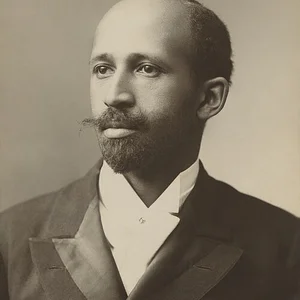
W.E.B. Du Bois
1868 — 1963
William Edward Burghardt Du Bois (1868-1963) was an African American sociologist, historian, and civil rights activist. The first African American to earn a doctorate from Harvard, he was a leading theorist in the fight against racial segregation and a co-founder of the NAACP in 1909.
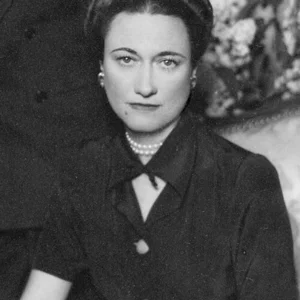
Wallis Simpson
1896 — 1986
American socialite who became Duchess of Windsor. Her union with King Edward VIII triggered a major constitutional crisis in 1936, with the monarch abdicating in order to marry her.
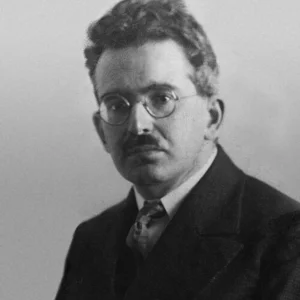
Walter Benjamin
1892 — 1940
German philosopher, literary critic and translator, a figure of the Frankfurt School. A thinker of language, history and modernity, he is the author of an unfinished, fragmentary body of work that became major after his death.
Wangari Maathai
1940 — 2011
2004 Nobel Peace Prize, Green Belt Movement, Kenyan
Whina Cooper
1895 — 1994
A New Zealand Māori activist, Whina Cooper dedicated her life to defending her people's land rights. In 1975, at the age of 80, she led the great Māori Land March from Te Hapua to Wellington. Regarded as the 'Mother of the Nation' of the Māori people, she remains a symbol of peaceful resistance.
Yvette Roudy
1929 — ?
French politician, feminist activist, and France's first Minister for Women's Rights (1981–1986) under François Mitterrand. She passed legislation against sexism and strengthened the Veil law on abortion.
21st Century(35)

Ai Weiwei
1957 — ?
Ai Weiwei is a Chinese visual artist and activist, a leading figure in contemporary art. Known for his monumental installations and politically engaged works, he denounces human rights abuses and censorship by the Chinese regime, which earned him surveillance, imprisonment, and exile.
Alyssa Milano
1972 — ?
Alyssa Milano is an American actress who rose to fame on television in the 1980s and 1990s. In October 2017, she revived the #MeToo hashtag on social media, helping to turn it into a global movement against sexual violence.
Angela Merkel
1954 — ?
A physicist turned German politician, Angela Merkel led Germany as Chancellor from 2005 to 2021. The first woman to hold this position, she is one of the most influential political figures in contemporary European history.
Anousheh Ansari
1966 — ?
First Iranian woman and first private space tourist to travel to space in 2006. An Iranian-American businesswoman, she funded the Ansari X Prize to encourage space tourism.
Ava DuVernay
1972 — ?
American director, producer, and screenwriter, Ava DuVernay has established herself as a major voice in socially engaged cinema. With Selma (2014) and the documentary 13th (2016), she explores the struggle for civil rights and racial inequality in the United States.
Benjamin Radford
1970 — ?
Benjamin Radford is an American writer, investigator, and skeptic who specializes in the rational analysis of paranormal phenomena and urban legends. He notably investigated the chupacabra myth and cryptozoology by applying the scientific method.
Berta Cáceres
1971 — 2016
Honduran environmental activist of Lenca origin, co-founder of COPINH (Civic Council of Popular and Indigenous Organizations of Honduras). Winner of the Goldman Environmental Prize in 2015, she was assassinated in 2016 for her fight against the Agua Zarca dam.
Chimamanda Ngozi Adichie
1977 —
Nigerian writer
Christina Lamb
1965 — ?
Christina Lamb is a British journalist and writer, born in 1965, specializing in war reporting. A renowned foreign correspondent, she has covered Afghanistan, Pakistan, and many other conflicts, and co-wrote the memoir 'I Am Malala' with Malala Yousafzai.
Cristina Kirchner
1953 — ?
Argentine lawyer and politician, she was the first woman elected president of Argentina (2007–2015). Wife of President Néstor Kirchner, she embodied Kirchnerism, a left-wing Peronist movement, before becoming vice-president (2019–2023).
Dierk Lange
1941 — ?
Dierk Lange is a German historian and Africanist specializing in the pre-colonial history of West Africa, particularly the Kanem-Bornu Empire and the peoples of the Lake Chad basin. His work explores hypothetical links between West Africa and the ancient Near East.
Geneviève Fraisse
1948 — ?
Geneviève Fraisse, born in 1948, is a French philosopher and historian of feminist thought. A research director at the CNRS, she made gender equality and the genealogy of women's emancipation a genuine philosophical subject.
Greta Thunberg
2003 — ?
Swedish climate activist, born in 2003. In 2018 she launched a school strike in front of the Swedish Parliament, inspiring the global Fridays for Future movement. A symbol of youth commitment in the fight against climate change.
Isabel Allende
1942 — ?
Isabel Allende is a Chilean novelist born in 1942, considered one of the most widely read Hispanic authors in the world. Her work blends magical realism, political history, and women's destinies. Her first novel, The House of the Spirits (1982), brought her international fame.
J.K. Rowling
J.K. Rowling is a British novelist born in 1965, author of the Harry Potter saga (1997-2007), one of the best-selling literary series in history. A single mother at the time she wrote the first volume, she became a major figure in children's and young adult literature worldwide.
Jacinda Ardern
1980 — ?
Jacinda Ardern is a New Zealand stateswoman who served as Prime Minister of New Zealand from 2017 to 2023. Elected at age 37, she was the world's youngest head of government at the time and the second leader in history to give birth while in office.
Julien (jurist)
Insufficient data: no verifiable information (full name, dates, attested facts) is available for this figure. A reliable educational profile cannot be produced without sources.
Kamala Harris
1964 — ?
Kamala Harris is an American politician, the first woman, first Black person, and first American of South Asian descent to become Vice President of the United States in 2021. A former Attorney General of California and U.S. Senator, she represents a historic turning point in American political representation.

Loujain al-Hathloul
1989 — ?
Saudi women's rights activist, imprisoned from 2018 to 2021 for demanding the right to drive and gender equality. Her struggle contributed to lifting the driving ban for women in Saudi Arabia.
Malala Yousafzai
1997 —
Pakistani activist for girls' education
Manal al-Sharif
1979 — ?
Saudi women's rights activist who rose to international prominence in 2011 after posting a video of herself driving in Saudi Arabia, defying the ban imposed on women. Her arrest sparked a global movement for women's right to drive.
Marielle Franco
1979 — 2018
Brazilian politician, city councillor of Rio de Janeiro, and activist for the rights of Black women and LGBTQ+ people. Assassinated on March 14, 2018, she became a global symbol of the fight against violence against women and racial inequality.
Mary Kom
1982 — ?
Mary Kom is an Indian boxer born in 1983 in the state of Manipur. A six-time amateur world champion and Olympic bronze medalist in 2012, she became an icon of women's sport in India. Nicknamed "Magnificent Mary," she also serves as a member of parliament in the Rajya Sabha.
Mata Amritanandamayi
1953 — ?
Mata Amritanandamayi, nicknamed “Amma” (the Mother), is an Indian spiritual figure born in 1953 in Kerala. Known for the embraces (darshan) she has given to millions of people, she leads a vast humanitarian and spiritual movement.

Megan Rapinoe
1985 — ?
American international footballer, two-time world champion and Olympic champion. A major figure in the fight for gender equality and LGBTQ+ rights, she left her mark on women's football through her activism as much as through her performances.
Patricia Hill Collins
1948 — ?
An American sociologist and feminist, Patricia Hill Collins is one of the leading theorists of Black feminist thought. She developed the concept of intersectionality as applied to the relationships between race, gender, and social class.
Reshma Saujani
1975 — ?
American lawyer and activist, founder of Girls Who Code in 2012, an organization aimed at closing the gender gap in technology careers. She also ran for the U.S. Congress and advocates for women's inclusion in tech.
Sanna Marin
1985 — ?
Prime Minister of Finland from 2019 to 2023, Sanna Marin became, at the age of 34, one of the youngest heads of government in the world. A member of the Social Democratic Party, she led a gender-equal coalition and steered Finland toward NATO membership in 2022.
Sheryl Sandberg
1969 — ?
Chief Operating Officer of Facebook (Meta) from 2008 to 2022, Sheryl Sandberg is one of the most influential women in Silicon Valley. Author of *Lean In* (2013), she is a prominent advocate for women's leadership in the corporate world.
Shirin Ebadi
1947 — ?
Iranian lawyer and human rights activist, she is the first Muslim woman to receive the Nobel Peace Prize in 2003. She defends the rights of women, children, and political prisoners in Iran, at the risk of her own freedom.
Slavoj Žižek
1949 — ?
Slovenian philosopher and essayist born in 1949, a major figure of contemporary critical thought. He blends Lacanian psychoanalysis, German idealism (Hegel) and Marxism to analyze ideology, popular culture and globalized capitalism.
Tarja Halonen
1943 — ?
Tarja Halonen is a Finnish stateswoman who served as President of Finland from 2000 to 2012. The first woman to hold this office in her country, she also served as Minister for Foreign Affairs and has been a lifelong advocate for human rights.
Tawakkol Karman
1979 — ?
Yemeni journalist, human rights activist, and politician, a leading figure of the 2011 uprising against Saleh's regime. In 2011, she became the first Arab woman and the youngest laureate at the time to receive the Nobel Peace Prize.
Tawakkul Karman
Yemeni activist for human rights and press freedom, 2011 Nobel Peace Prize laureate. Nicknamed “the mother of the Yemeni revolution”, she played a central role in the Arab Spring in Yemen.

Tsai Ing-wen
1956 — ?
First female president of Taiwan, elected in 2016 and re-elected in 2020. A lawyer by training, she leads the Democratic Progressive Party and defends Taiwanese sovereignty against Chinese pressure.