Music
Composition, interprétation, production musicale
367 characters

367 characters
Before Christ(1)
Middle Ages(10)
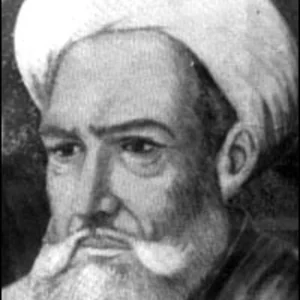
Al-Farabi
870 — 951
Persian philosopher, logician, and music theorist who wrote in Arabic, regarded as the “Second Teacher” after Aristotle. A major figure of medieval Islamic philosophy, he was a transmitter of Greek thought and a leading political thinker.
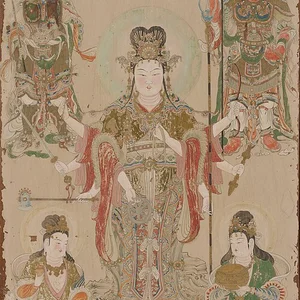
Benzaiten
A Japanese goddess of Buddhist and Shinto tradition, Benzaiten is associated with music, the arts, wisdom, and water. Derived from the Hindu goddess Sarasvati, she was introduced to Japan through Buddhism around the 6th century. She is the only female figure among the Seven Gods of Fortune (Shichifukujin).
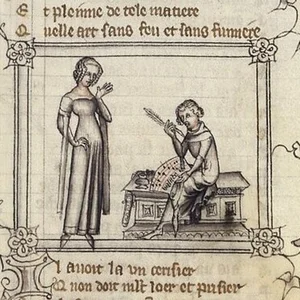
Guillaume de Machaut
1300 — 1377
Guillaume de Machaut was a 14th-century French poet and composer, a leading figure of the Ars nova. Considered one of the greatest musicians of the Middle Ages, he shaped the transition toward complex polyphony.
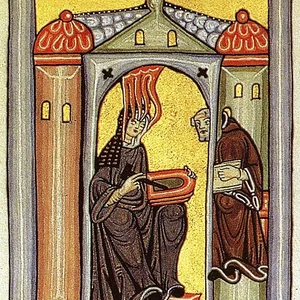
Hildegard of Bingen
1098 — 1179
A twelfth-century German Benedictine nun, Hildegard of Bingen was at once a mystic, composer, naturalist, and theologian. She founded her own monastery and corresponded with the most powerful figures of her time, including popes and emperors.
Hildegard von Bingen
1098 — 1179
First known composer, visionary, Doctor of the Church
Jutta of Sponheim
A German Benedictine recluse and mystic of the 12th century, Jutta of Sponheim founded a community of women at the monastery of Disibodenberg. She is best known as the spiritual teacher and educator of Hildegard von Bingen.
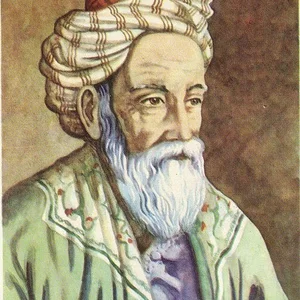
Omar Khayyam
1048 — 1131
An 11th-century Persian poet, mathematician, and astronomer, Omar Khayyam is celebrated for his quatrains (the Rubaiyat) and his work in algebra. He reformed the Persian calendar and solved cubic equations using geometric methods.
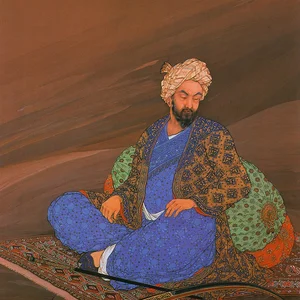
Rudaki
858 — 941
Rudaki, poet and court musician of the Samanid dynasty, is regarded as the father of classical Persian poetry. Blind according to tradition, he is said to have composed more than 100,000 verses, of which only a few hundred have survived. He embodied the renaissance of the Persian language and culture under the Samanid dynasty.
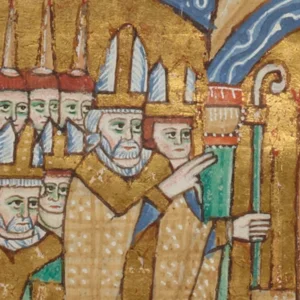
Urban II
1035 — 1099
Pope from 1088 to 1099, Urban II was the instigator of the First Crusade, proclaimed at the Council of Clermont in 1095. A Cluniac monk of French origin, he strengthened papal authority and continued the Gregorian Reform of the Church.
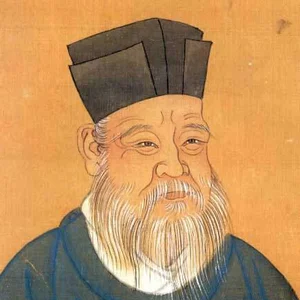
Zhu Xi
1130 — 1200
Zhu Xi (1130–1200) was the greatest Confucian philosopher of medieval China and the founder of Neo-Confucianism. A scholar of the Song dynasty, he synthesized the thought of Confucius and Mencius with metaphysical elements. His work became the official reference for imperial examinations for seven centuries.
Renaissance(8)
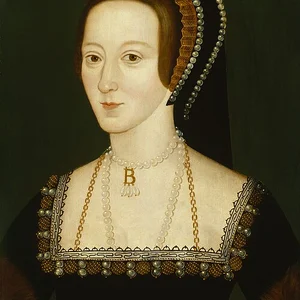
Anne Boleyn
1507 — 1536
Queen of England from 1533 to 1536, Anne Boleyn was the second wife of Henry VIII. Her marriage required England's break with Rome, giving rise to the Church of England. Mother of Elizabeth I, she was accused of adultery and beheaded at the Tower of London.
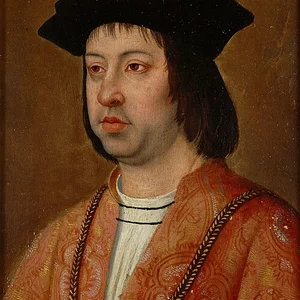
Ferdinand II of Aragon
1452 — 1516
King of Aragon, Ferdinand II married Isabella of Castile in 1469, uniting the two great Iberian crowns. Together, the “Catholic Monarchs” completed the Reconquista in 1492, financed Christopher Columbus's voyage, and laid the foundations of modern Spain.
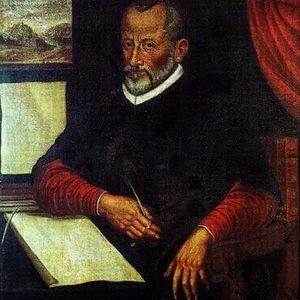
Giovanni Pierluigi da Palestrina
1525 — 1594
An Italian composer of the Renaissance, Palestrina is considered the master of sacred vocal polyphony. He spent most of his career in Rome in the service of the Catholic Church, notably as choirmaster at St. Peter's Basilica.
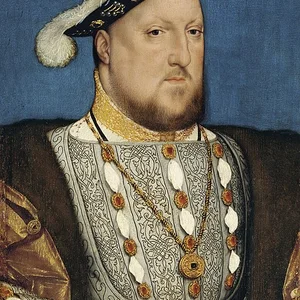
Henry VIII
1491 — 1547
King of England and Ireland from 1509 to 1547, Henry VIII is famous for breaking with the Catholic Church and founding the Church of England in order to annul his marriage. He married six wives and had two of them executed, leaving a lasting mark on England's political and religious history.
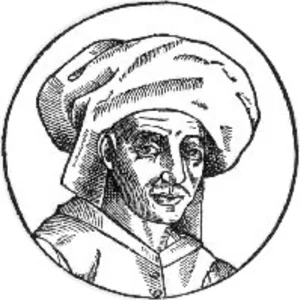
Josquin des Prez
1440 — 1521
Josquin des Prez was a Franco-Flemish composer and a major figure of Renaissance polyphony. An undisputed master of vocal music, he brought the art of counterpoint to a peak of expressiveness and influenced musicians across all of Europe.
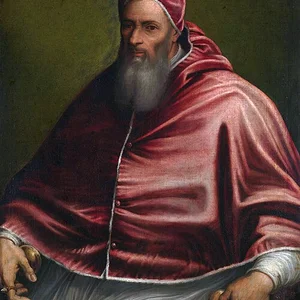
Julius III
1487 — 1555
Julius III (Giovanni Maria Ciocchi Del Monte, 1487–1555) was the 221st pope of the Catholic Church from 1550 to 1555. He convened the resumption of the Council of Trent and was a patron of the arts, protector of Michelangelo and Palestrina.
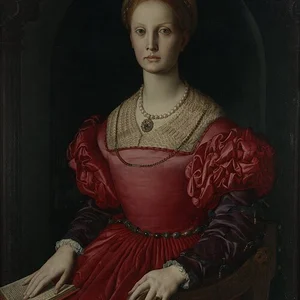
Lucrezia
First wife of Giovanni Pierluigi da Palestrina, the great master of Roman sacred polyphony. She shared the composer's life for nearly thirty years before dying in the plague epidemic that struck Rome in 1580.
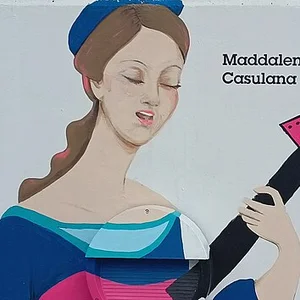
Maddalena Casulana
1544 — 1590
Maddalena Casulana (c. 1544 – c. 1590) was the first female composer to have her musical works published, notably two books of madrigals in 1568 and 1570. An Italian composer and singer, she explicitly asserted the artistic value of women in musical creation.
Early Modern(27)
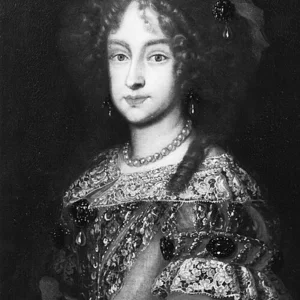
Anna Girò
1710 — ?
Anna Girò (c. 1710–1748) was an Italian contralto singer, pupil and close collaborator of Antonio Vivaldi. She created many roles in the Venetian composer's operas, becoming one of the most celebrated performers of her time.
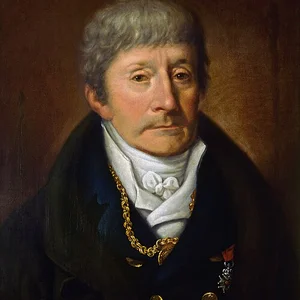
Antonio Salieri
1750 — 1825
Antonio Salieri (1750-1825) was an Italian composer active at the court of Vienna, where he served as imperial Kapellmeister. A major figure of classical opera, he was also a renowned teacher who trained Beethoven, Schubert, and Liszt.
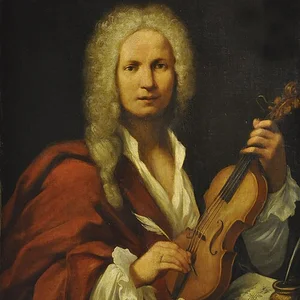
Antonio Vivaldi
1678 — 1741
An 18th-century Venetian composer and violinist, Vivaldi is one of the major figures of Baroque music. He is best known for his violin concertos, particularly The Four Seasons, which remain among the most performed works in the classical repertoire.
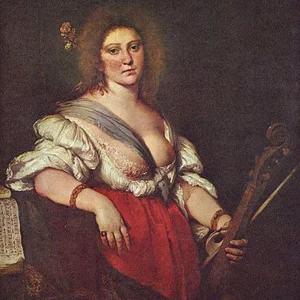
Barbara Strozzi
1619 — 1677
A Venetian singer and composer of the 17th century, Barbara Strozzi was one of the first women to publish music under her own name. She composed more secular vocal works than any other composer of her era.
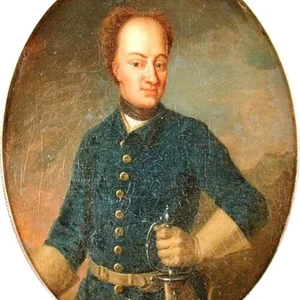
Charles XII of Sweden
King of Sweden from 1697 to 1718, Charles XII was one of the greatest military commanders of his era. He led the Great Northern War against a European coalition, winning the Battle of Narva (1700) before suffering a crushing defeat at Poltava (1709). He died during the siege of Fredriksten, marking the end of Swedish dominance in Europe.
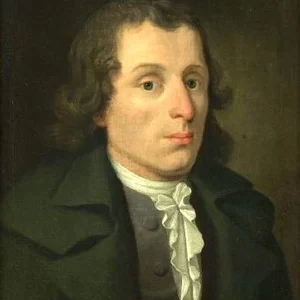
Christian Gottlob Neefe
1748 — 1798
German composer and organist (1748–1798), he is best known for being Ludwig van Beethoven's first teacher in Bonn. A versatile musician, he composed operas, lieder, and chamber music in the spirit of the Enlightenment.

Christian Ludwig of Brandenburg
Margrave of Brandenburg-Schwedt and member of the House of Hohenzollern, he is best known as the dedicatee of Johann Sebastian Bach's six Brandenburg Concertos (1721). A music lover and patron of the arts, he embodies the aristocratic German culture of the early 18th century.
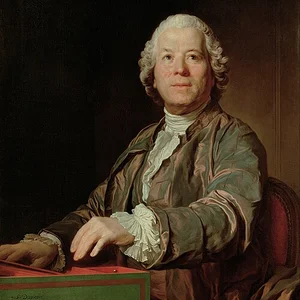
Christoph Willibald Gluck
1714 — 1787
Austro-Bohemian composer (1714–1787), Gluck revolutionized opera in the 18th century by prioritizing dramatic expression over vocal virtuosity. His reform profoundly influenced European lyric music.
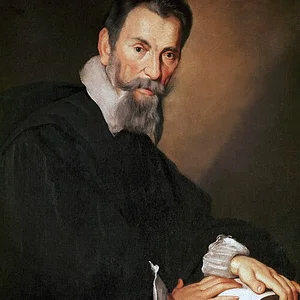
Claudio Monteverdi
1567 — 1643
Italian composer born in Cremona in 1567 and died in Venice in 1643. A pioneer of opera with L'Orfeo (1607), he marks the transition between the Renaissance and the Baroque. Maestro di cappella at St Mark's Basilica in Venice, he revolutionized vocal and instrumental music.
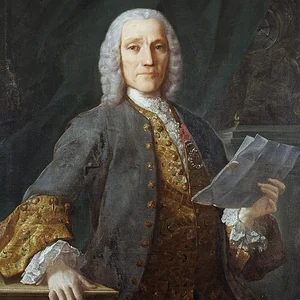
Domenico Scarlatti
1685 — 1757
Domenico Scarlatti was an Italian composer and harpsichordist of the Baroque period. The son of the composer Alessandro Scarlatti, he is famous for his 555 harpsichord sonatas, which revolutionized the instrument's technique. He spent much of his life in the service of the courts of Portugal and Spain.
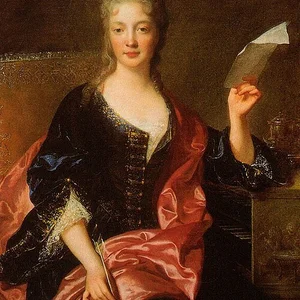
Élisabeth Jacquet de La Guerre
1665 — 1729
French harpsichordist and composer (1665-1729), a prodigy noticed in childhood by Louis XIV. She was one of the few women of her era to publish and have her musical works performed.
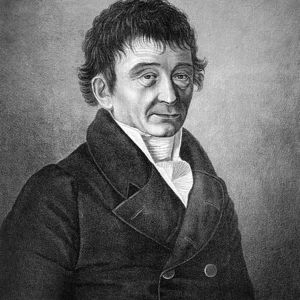
Ernst Chladni
1756 — 1827
German physicist and musician, considered the father of modern acoustics. He revealed the vibration modes of plates through the figures that bear his name.
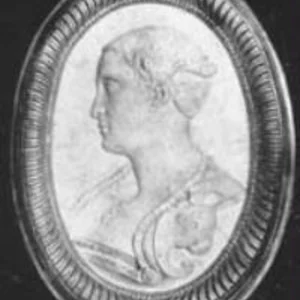
Francesca Caccini
1587 — 1641
Italian composer, singer, and instrumentalist (1587–c.1641), Francesca Caccini is the first known woman to have composed an opera, La liberazione di Ruggiero (1625). Daughter of composer Giulio Caccini, she was the highest-paid musician at the Medici court in Florence.

Frederick II of Denmark
King of Denmark and Norway from 1559 to 1588, Frederick II waged the Northern Seven Years' War against Sweden and was an enlightened patron of the arts, most notably supporting the astronomer Tycho Brahe. He commissioned the construction of Kronborg Castle in Elsinore.
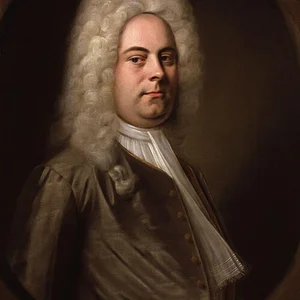
George Frideric Handel
1685 — 1759
German-born Baroque composer who became a British subject (1685–1759), Handel is one of the towering figures of 18th-century music. He is celebrated for his Italian operas, oratorios, and concerti grossi. His work *Messiah* (1741) remains one of the masterpieces of Western sacred music.
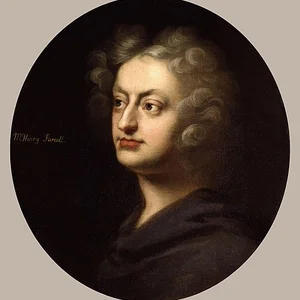
Henry Purcell
1659 — 1695
Henry Purcell was an English composer and organist of the Baroque era. Considered one of the greatest British composers, he left his mark on the music of the Stuart court and composed the opera Dido and Aeneas.
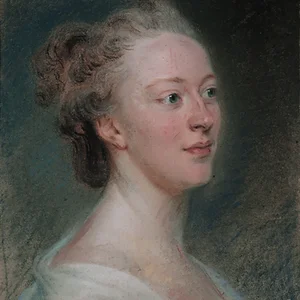
Isabelle de Charrière
1740 — 1805
Born Belle van Zuylen in the Netherlands in 1740, Isabelle de Charrière settled in Switzerland after her marriage and became one of the most remarkable women writers of the 18th century. A novelist, letter-writer, and composer, she advocated with great clarity for women's freedom and critiqued the social conventions of her time.
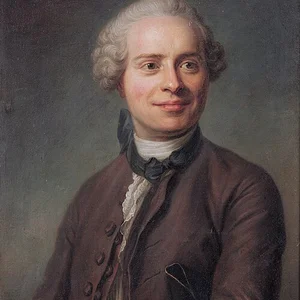
Jean le Rond d'Alembert
1717 — 1783
A mathematician and philosopher of the Enlightenment, he co-edited the great Encyclopédie with Diderot and wrote its famous Preliminary Discourse. He formulated the mechanical principle that bears his name and embodied the encyclopédiste ideal of bringing together all human knowledge.
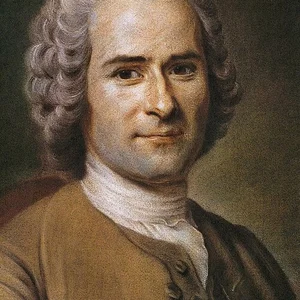
Jean Rousseau
1644 — 1699
Jean Rousseau (1644-1699) was a French musician and music theorist, specialist of the viola da gamba. He is the author of the *Traité de la viole* (1687), a landmark reference work on the technique and history of the instrument in the seventeenth century.
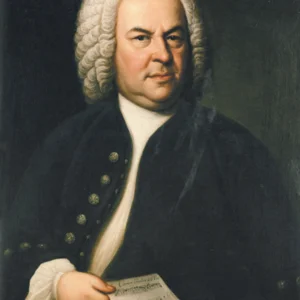
Johann Sebastian Bach
1685 — 1750
German composer and organist (1685–1750), Johann Sebastian Bach is one of the greatest figures of Baroque music. A master of fugue and polyphony, he composed over a thousand works combining mathematical rigor with spiritual depth, decisively influencing the history of Western music.
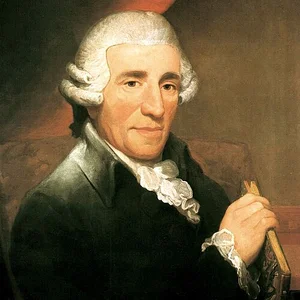
Joseph Haydn
1732 — 1809
Joseph Haydn (1732-1809) was an Austrian composer regarded as the "father of the symphony" and the string quartet. Long in the service of the Esterházy family, he profoundly influenced Mozart and Beethoven. His monumental body of work includes more than 100 symphonies and represents the pinnacle of Viennese Classicism.
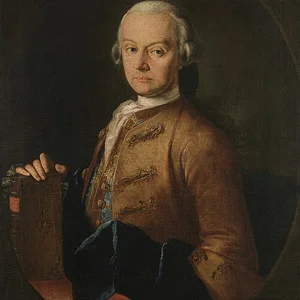
Leopold Mozart
1719 — 1787
German composer, violinist, and pedagogue (1719-1787), father and first teacher of Wolfgang Amadeus Mozart. Author of a celebrated treatise on the violin, he devoted much of his life to promoting his son's genius across Europe.
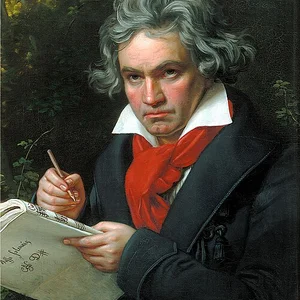
Ludwig van Beethoven
1770 — 1827
German composer (1770–1827) who marked the transition between musical classicism and romanticism. Despite his progressive deafness, he created major works that revolutionized Western music, including the famous 9th Symphony.
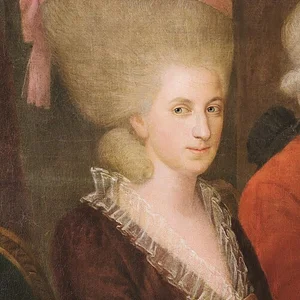
Maria Anna Mozart (Nannerl)
Austrian prodigy pianist and composer of the 18th century, elder sister of Wolfgang Amadeus Mozart. Considered as talented as her brother in childhood, she toured the European courts before her career was cut short in adulthood due to her status as a woman.
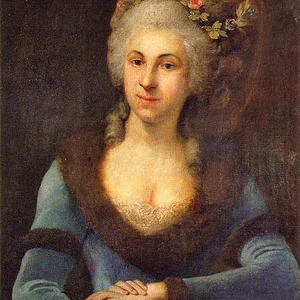
Marianna Martines
1744 — 1812
Italian composer, singer, and pianist born in Vienna (1744–1812), pupil of Haydn and friend of Mozart. She was one of the few women of her time to be admitted to the Accademia Filarmonica of Bologna.
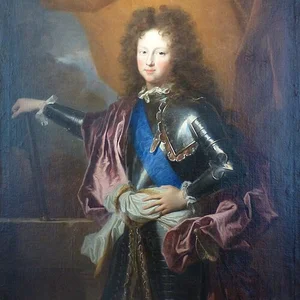
Philippe II d'Orléans
Regent of France from 1715 to 1723 during the minority of Louis XV, Philippe II d'Orléans governed the kingdom following the death of Louis XIV. A curious and libertine spirit, he was also a musician, painter, and patron of the arts, embodying the transition between the Grand Siècle and the Enlightenment.
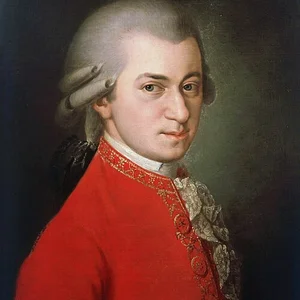
Wolfgang Amadeus Mozart
1756 — 1791
An Austrian composer of the 18th century, Wolfgang Amadeus Mozart (1756–1791) is considered one of the greatest composers in the history of music. A child prodigy, he composed more than 600 works spanning every musical genre and stands as the ultimate embodiment of the Classical style.
19th Century(48)
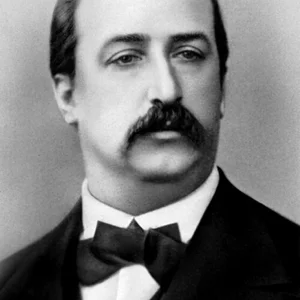
Alexander Borodin
1833 — 1887
A 19th-century Russian composer and member of The Five, he was also a renowned chemist. He pursued scientific and musical careers side by side, leaving behind the unfinished opera *Prince Igor*.
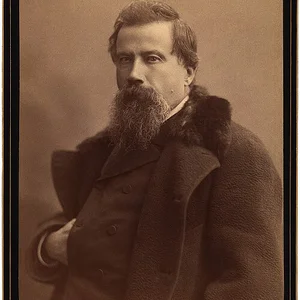
Amilcare Ponchielli
1834 — 1886
Italian composer (1834–1886), a major figure of Italian Romantic opera. He is best known for La Gioconda (1876), from which the celebrated Dance of the Hours is taken. He was a professor of Puccini and Mascagni at the Milan Conservatory.
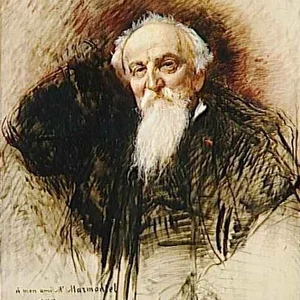
Antoine François Marmontel
1816 — 1898
French pianist, composer and pedagogue (1816–1898), professor at the Paris Conservatoire for nearly forty years. He trained generations of pianists, including Bizet, Debussy and d'Indy, and contributed to the rise of music education in France.
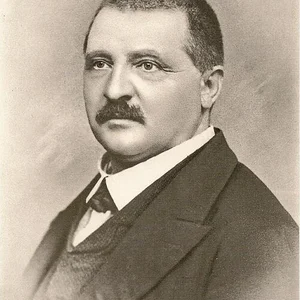
Anton Bruckner
1824 — 1896
An Austrian composer and organist of the Romantic period, Anton Bruckner is famous for his nine monumental symphonies and his sacred works. A deeply devout Catholic, he left his mark on symphonic music through its grandeur and his religious fervor.
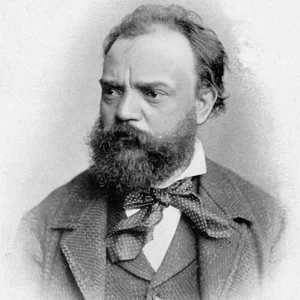
Antonín Dvořák
1841 — 1904
Antonín Dvořák was a 19th-century Czech composer, a major figure of Romanticism and of the nationalist movement in music. He drew on the folklore of his homeland and, during a stay in the United States, on African American and Native American music.
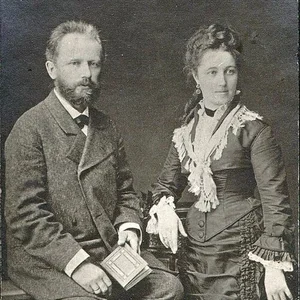
Antonina Miliukova
1848 — 1917
Russian pianist born in 1848, known primarily for marrying composer Pyotr Ilyich Tchaikovsky in 1877. Their union was brief and unhappy, with Tchaikovsky leaving her shortly after the wedding.
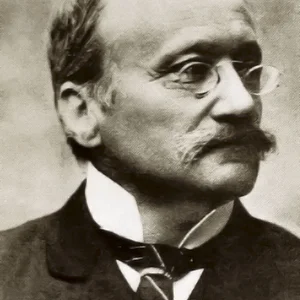
Arrigo Boito
1842 — 1918
Arrigo Boito (1842-1918) was an Italian composer and librettist, a major figure of late Romantic opera. He is best known for the librettos he wrote for Verdi (Otello, Falstaff) and for his own opera Mefistofele.
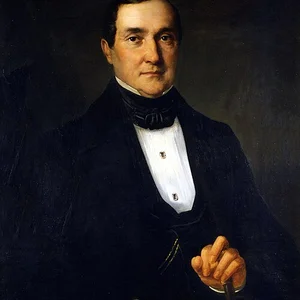
Bartolomeo Merelli
1794 — 1879
Italian theater director and librettist (1794–1879), Merelli ran La Scala in Milan and the Kärntnertortheater in Vienna. He played a decisive role in Verdi's career by commissioning Nabucco in 1842.
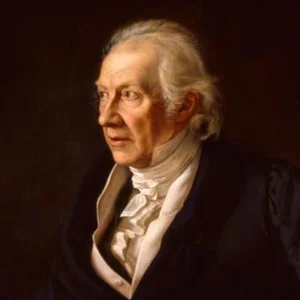
Carl Friedrich Zelter
1758 — 1832
German composer and choral conductor (1758–1832), director of the Sing-Akademie zu Berlin and teacher of Felix Mendelssohn. A close friend of Goethe, he contributed to the revival of Bach's music in Germany.
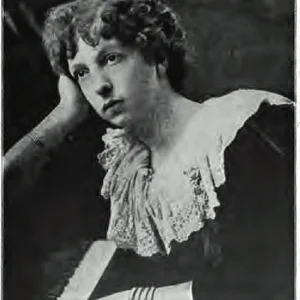
Cécile Chaminade
1857 — 1944
French composer and pianist (1857–1944), Cécile Chaminade was one of the first women to establish herself in the classical music world. Celebrated for her Concertstück for piano and orchestra and her Concertino for flute, she enjoyed tremendous international success during her lifetime.
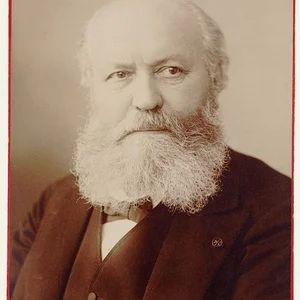
Charles Gounod
1818 — 1893
French composer (1818–1893), Charles Gounod is the creator of the opera Faust and the Ave Maria. A major figure in French lyric music, he left a profound mark on 19th-century musical life.
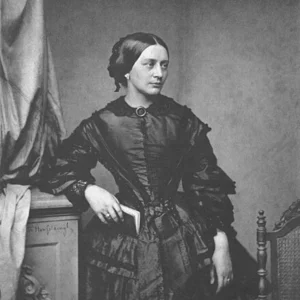
Clara Schumann
1819 — 1896
German pianist and composer
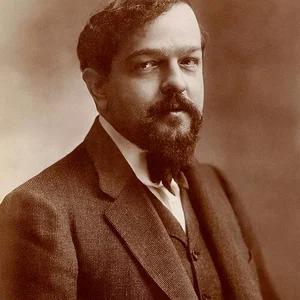
Claude Debussy
1862 — 1918
French composer (1862–1918) and founder of musical impressionism. He revolutionized classical music by rejecting traditional harmonic conventions to create a suggestive and colorful music inspired by sensations and poetic imagery.
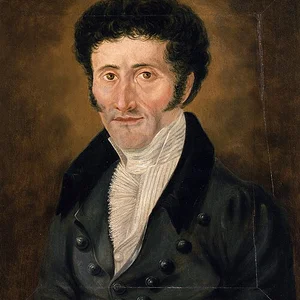
E.T.A. Hoffmann
1776 — 1822
German Romantic writer, composer, and illustrator (1776-1822), Hoffmann is one of the major figures of fantastic Romanticism. Author of the Fantastic Tales, he also composed operas and produced satirical drawings. His work inspired Offenbach, Tchaikovsky, and Schumann.
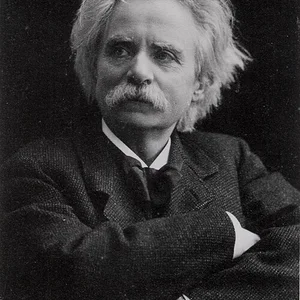
Edvard Grieg
1843 — 1907
Edvard Grieg (1843-1907) was a Norwegian pianist and composer, a major figure of national Romanticism. He is famous for drawing on Norwegian folklore to create music expressing a national identity.
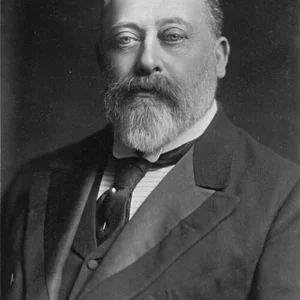
Edward VII
1841 — 1910
Son of Queen Victoria, Edward VII reigned over the United Kingdom and the Empire of India from 1901 to 1910. An emblematic figure of the Belle Époque, he played a decisive role in bringing France and Britain closer together through the Entente Cordiale of 1904.
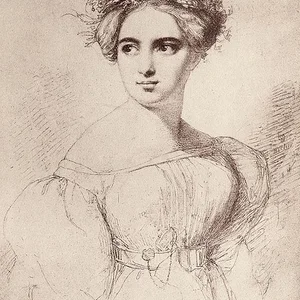
Fanny Mendelssohn
1805 — 1847
Fanny Mendelssohn (1805–1847) was a German composer and virtuoso pianist, sister of Felix Mendelssohn. Despite exceptional talent recognized from childhood, the conventions of the era long prevented her from publishing her works under her own name. She composed more than 460 pieces, including lieder, chamber music, and piano works.
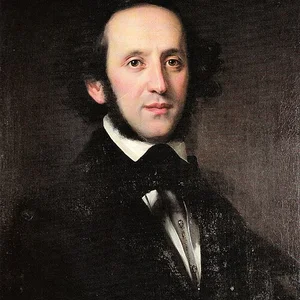
Felix Mendelssohn
1809 — 1847
German Romantic composer, conductor and pianist. A child prodigy, he left his mark on the 19th century through his symphonies, his oratorio and the rediscovery of Johann Sebastian Bach's work.
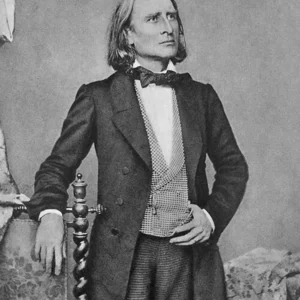
Franz Liszt
1811 — 1886
Hungarian composer and virtuoso pianist (1811–1886), Liszt revolutionized piano technique and invented the symphonic poem. A central figure of musical Romanticism, he profoundly influenced Wagner and European music as a whole.
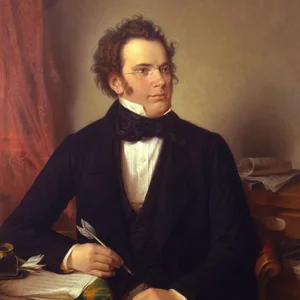
Franz Schubert
1797 — 1828
Franz Schubert (1797-1828) was an Austrian composer of the early Romantic period, who wrote more than 600 lieder, symphonies, and chamber music. Despite his short life, he left behind a body of work of exceptional richness, distinguished by its melodic gift and emotional depth.
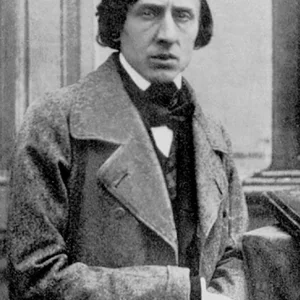
Frédéric Chopin
1810 — 1849
French-Polish composer and pianist
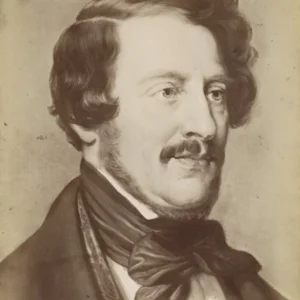
Gaetano Donizetti
1797 — 1848
Italian composer (1797-1848), a leading figure of bel canto alongside Bellini and Rossini. He composed more than 70 operas, including Lucia di Lammermoor (1835) and L'Elisir d'amore (1832).
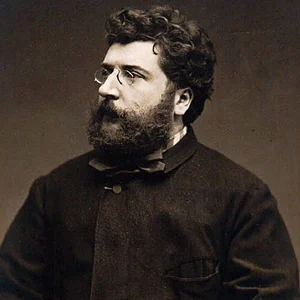
Georges Bizet
1838 — 1875
A French composer of the 19th century (1838–1875), Georges Bizet is best known for his opera Carmen, a masterpiece of lyric music. Despite a relatively short career, he revolutionized French opera by incorporating bold dramatic elements and daring orchestration.
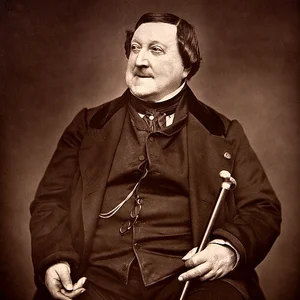
Gioachino Rossini
1792 — 1868
Italian composer (1792–1868), Rossini is one of the masters of 19th-century opera. His most celebrated work, The Barber of Seville (1816), remains a masterpiece of the world operatic repertoire.
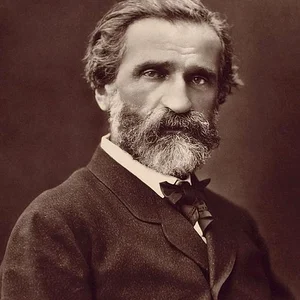
Giuseppe Verdi
1813 — 1901
Giuseppe Verdi (1813-1901) was a major Italian composer of the Romantic era, creator of world-famous operas such as Rigoletto, La Traviata, and Aida. His musical work accompanied the unification of Italy and remains at the heart of the European operatic repertoire.
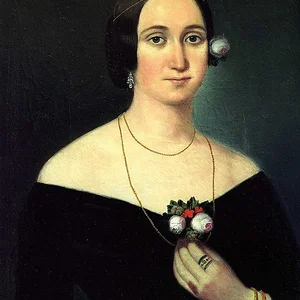
Giuseppina Strepponi
1815 — 1897
Giuseppina Strepponi was an Italian soprano, one of the leading bel canto singers of the early 19th century. She notably created the role of Abigaille in Nabucco and became the companion, then the wife, of the composer Giuseppe Verdi.
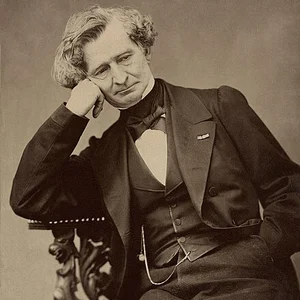
Hector Berlioz
1803 — 1869
French composer and music critic
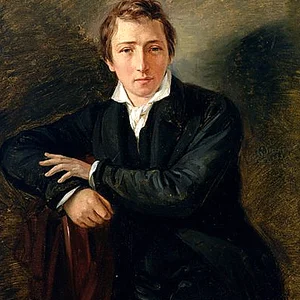
Heinrich Heine
1797 — 1856
Heinrich Heine (1797–1856) is one of the greatest German Romantic poets. Exiled to Paris in 1831, he became a bridge between French and German cultures. His work blends lyricism, irony, and political engagement.
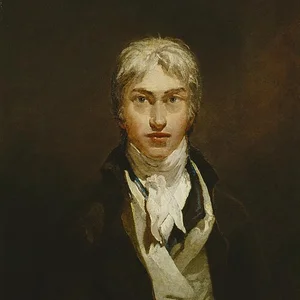
J. M. W. Turner
1775 — 1851
British painter and engraver (1775-1851), Turner is considered the master of Romantic landscape. A forerunner of Impressionism, he revolutionized the depiction of light, water, and atmosphere.
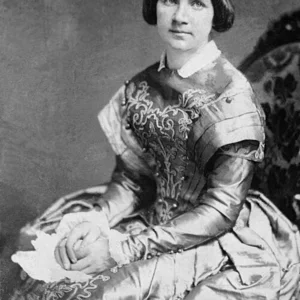
Jenny Lind
1820 — 1887
Nineteenth-century Swedish singer, a coloratura soprano of international fame nicknamed “the Swedish Nightingale.” She enjoyed immense success in Europe and then in the United States during a tour organized by the impresario P. T. Barnum.
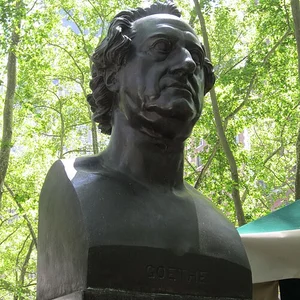
Johann Wolfgang von Goethe
German writer, poet, and scholar (1749–1832), Goethe is the author of Faust and The Sorrows of Young Werther. A central figure of the Sturm und Drang movement and later Weimar Classicism, he embodies the Enlightenment ideal of the universal man.
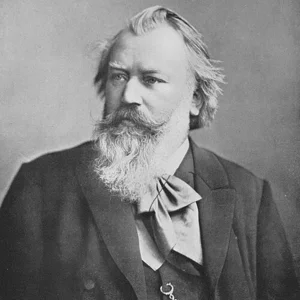
Johannes Brahms
1833 — 1897
German composer, pianist, and conductor (1833–1897), Brahms is one of the towering figures of musical Romanticism. He is celebrated for his four symphonies, his German Requiem, and his chamber music of remarkable formal rigor.
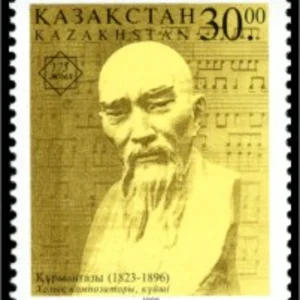
Kourmangazy
1823 — 1896
Kourmangazy Sagyrbayuly (1823-1896) is the greatest composer and dombra player in Kazakh history. Nicknamed the “father of classical Kazakh music,” he created küis (instrumental pieces) of exceptional poetic depth. His art became a symbol of cultural resistance against Russian imperial expansion in the steppes.
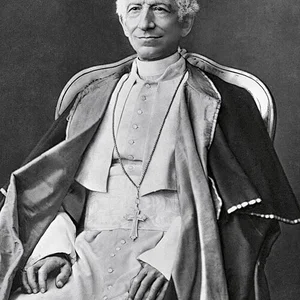
Leo XIII
1810 — 1903
Pope from 1878 to 1903, Leo XIII modernized the social doctrine of the Church with the encyclical Rerum Novarum (1891). He sought to reconcile Catholicism with the modern world and liberal democracies.
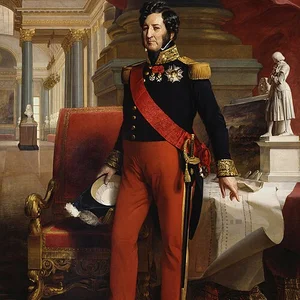
Louis-Philippe I
1773 — 1850
King of the French from 1830 to 1848, Louis-Philippe I came to power following the July Revolution. His July Monarchy embodied the triumph of the liberal bourgeoisie before being overthrown by the Revolution of 1848.
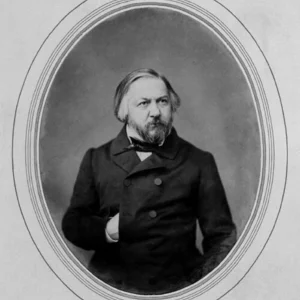
Mikhail Glinka
1804 — 1857
Russian composer regarded as the father of Russian classical music. His operas inspired an entire generation of Russian nationalist composers and founded a distinctly Russian school of music.
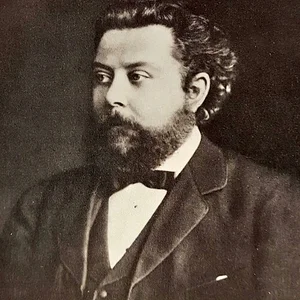
Modest Mussorgsky
1839 — 1881
Modest Mussorgsky was a 19th-century Russian composer and member of “The Five,” a group that sought to create a distinctly Russian national music. He is famous for his opera Boris Godunov and his piano suite Pictures at an Exhibition.
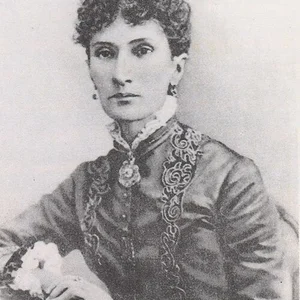
Nadezhda von Meck
1831 — 1894
A wealthy Russian widow and businesswoman, patron of Pyotr Ilyich Tchaikovsky, whom she supported financially for thirteen years. Their relationship, kept strictly to letters by mutual agreement, produced more than 1,200 letters.
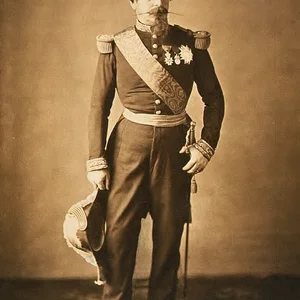
Napoleon III
1808 — 1873
Nephew of Napoleon I, he was elected President of the Republic in 1848, then seized power through a coup d'état on December 2, 1851, before proclaiming the Second Empire. His reign profoundly transformed France: the modernization of Paris under Haussmann, industrial and railway expansion — until the defeat at Sedan in 1870.
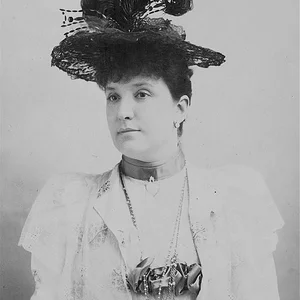
Nellie Melba
1861 — 1931
Nellie Melba (1861-1931) was the most celebrated Australian coloratura soprano of her time. Triumphing at Covent Garden and the Paris Opera, she embodied the prestige of bel canto and the grand operatic tradition of the Belle Époque.
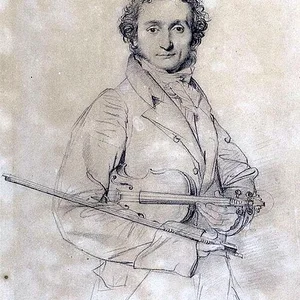
Niccolò Paganini
1782 — 1840
Niccolò Paganini (1782–1840) was an Italian violinist and composer, considered the greatest virtuoso of his era. His revolutionary technique and stage charisma earned him extraordinary fame across Europe, fuelling a dark and mysterious legend.
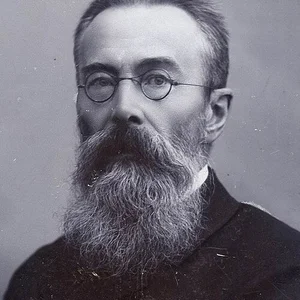
Nikolai Rimsky-Korsakov
1844 — 1908
Russian composer of the 19th century and member of The Five. An undisputed master of orchestration, he is famous for his symphonic suite Scheherazade and his many operas inspired by Russian folklore.
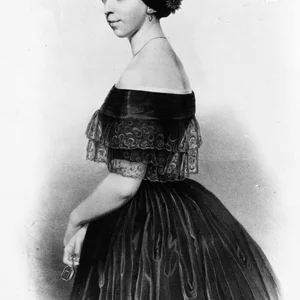
Pauline Viardot
1821 — 1910
French mezzo-soprano and composer (1821–1910), daughter of tenor Manuel García and sister of La Malibran. She was one of the great opera singers of the 19th century, muse to Ivan Turgenev and many Romantic composers.
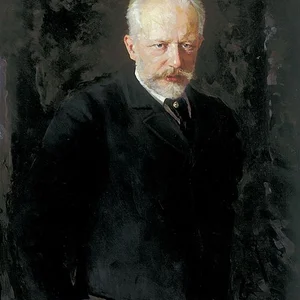
Pyotr Tchaikovsky
1840 — 1893
Swan Lake, The Nutcracker, symphonies
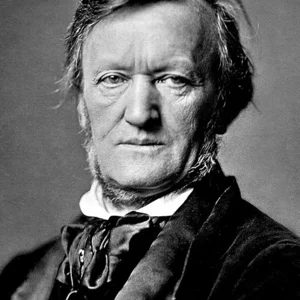
Richard Wagner
1813 — 1883
German composer (1813–1883), Wagner revolutionized opera by creating the concept of the total work of art (Gesamtkunstwerk). His music dramas, including the Ring Cycle and Tristan und Isolde, remain towering monuments of Romanticism.
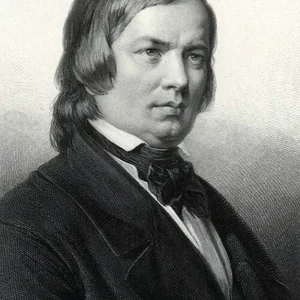
Robert Schumann
1810 — 1856
Robert Schumann was a German composer and pianist, a major figure of musical Romanticism. He is famous for his piano works, his lieder, and his chamber music, as well as for his activity as a music critic.
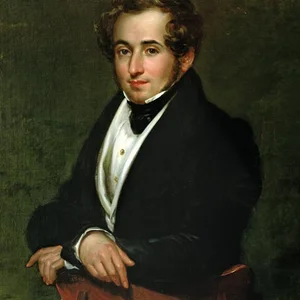
Vincenzo Bellini
1801 — 1835
Vincenzo Bellini was an Italian opera composer of the Romantic period, a major figure of bel canto alongside Rossini and Donizetti. His brief but brilliant career established him as a master of the long, expressive melody, before his untimely death at 33.
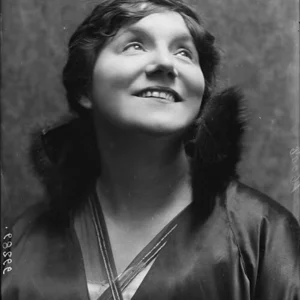
Yvette Guilbert
1865 — 1944
French café-concert singer and *diseuse* (1865–1944), an icon of the Belle Époque immortalized by Toulouse-Lautrec. Famous for her long black gloves and her expressionist delivery of Parisian realist songs.
20th Century(254)
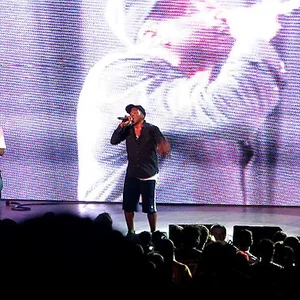
A Tribe Called Quest
A Tribe Called Quest is an American hip-hop group formed in 1985 in the Queens borough of New York City. Pioneers of jazz rap, its members left their mark on the golden age of rap with their jazz samples and conscious lyrics.
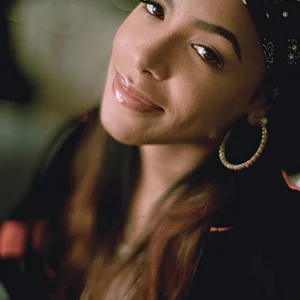
Aaliyah
1979 — 2001
American singer and actress (1979–2001), nicknamed the "Princess of R&B." A revelation at 15 with her debut album, she profoundly influenced pop and R&B music of the 1990s–2000s before dying tragically in a plane crash.
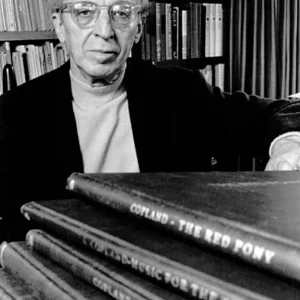
Aaron Copland
1900 — 1990
American composer (1900–1990) and a defining figure of 20th-century classical music. He sought to forge a distinctly American musical style by weaving together elements of jazz, folk music, and popular traditions.
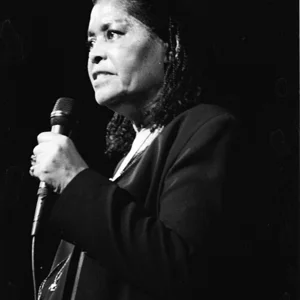
Abbey Lincoln
1930 — 2010
American jazz singer, songwriter, and actress, a major figure of artistic commitment to the civil rights movement. Her expressive voice and her lyrics make her an emblematic artist of 20th-century jazz.
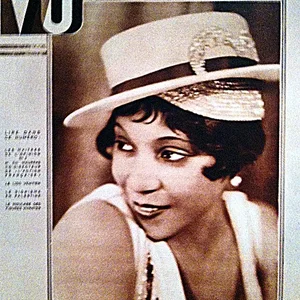
Adelaide Hall
1901 — 1993
Adelaide Hall was an American jazz singer, later a naturalized British citizen, with an exceptionally long career. A pioneer of wordless singing, she rose to prominence in 1927 alongside **Duke Ellington** before becoming a star of the European stage.
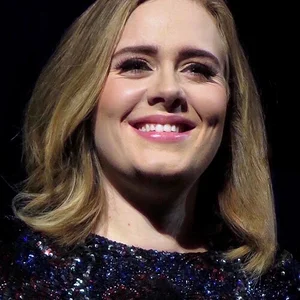
Adele
1988 — ?
Adele is a British singer-songwriter born in 1988 in London. She broke through to mainstream audiences with her album '19' in 2008, and has since established herself as one of the best-selling artists of the 21st century, known for her powerful voice and introspective lyrics.
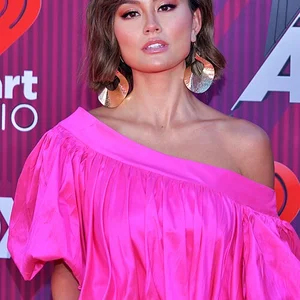
Agnez Mo
1986 — ?
Agnez Mo is an Indonesian-American singer-songwriter and actress born in 1986 in Jakarta. A pop star in Indonesia from childhood, she broke onto the international scene in the 2010s.
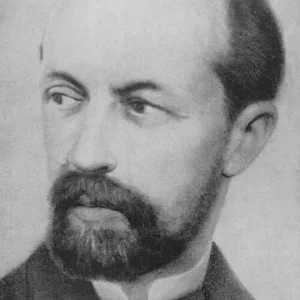
Albert Roussel
1869 — 1937
Albert Roussel was a French composer, one of the major figures of French music in the early 20th century. A former naval officer who became a musician, he developed a personal style blending impressionism and neoclassicism.
Alberto Gentili
1873 — 1954
Alberto Gentili (1873–1954) was an Italian composer and musicologist. He is best known for rediscovering and cataloguing a vast collection of Vivaldi manuscript scores, playing a key role in the revival of the Baroque composer's work.
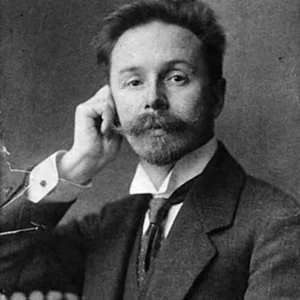
Alexander Scriabin
1872 — 1915
Alexander Scriabin (1872-1915) was a Russian pianist and composer. A figure of late post-Romanticism and Symbolism, he evolved toward a daring harmonic language and a synesthetic mysticism, associating sounds with colors.
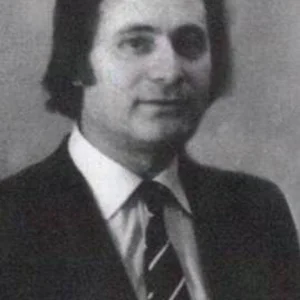
Alfred Schnittke
1934 — 1998
Alfred Schnittke (1934-1998) was a Soviet, later Russian, composer and a major figure of 20th-century music. A theorist and practitioner of “polystylism,” he blended Baroque and Romantic quotations with modern techniques in a dense, expressive body of work.
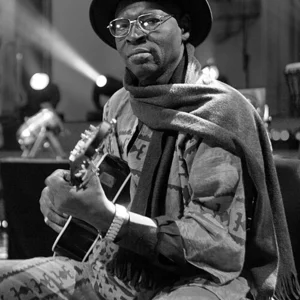
Ali Farka Touré
1939 — 2006
Ali Farka Touré was a Malian guitarist and singer, a major figure in African music. Nicknamed the "African John Lee Hooker," he revealed to the world the African roots of the blues by fusing Malian traditions with American blues.
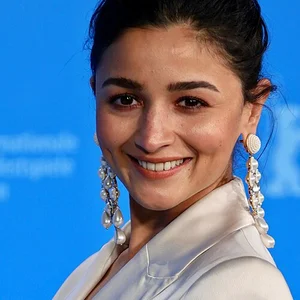
Alia Bhatt
1993 — ?
Alia Bhatt is an Indian actress and singer born on March 15, 1993, in Mumbai. The daughter of filmmaker Mahesh Bhatt, she has established herself as one of Bollywood's most influential actresses, balancing blockbuster hits with demanding dramatic roles.
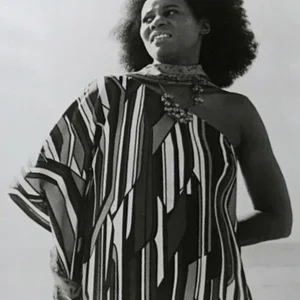
Alice Coltrane
1937 — 2007
American jazz pianist, harpist, organist and composer, a major figure of spiritual jazz. The wife of John Coltrane, she pursued a body of work blending modal jazz, Indian music and a mystical quest.
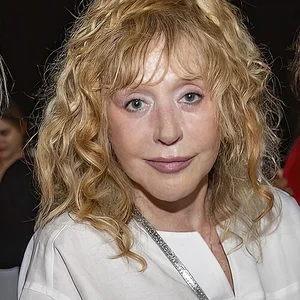
Alla Pugacheva
1949 — ?
Alla Pugacheva (born 1949) is the most famous pop singer of the Soviet Union and Russia. Nicknamed "the Primadonna," she dominated the Soviet and then Russian music scene for over forty years. Her career illustrates mass culture and the entertainment industry under a communist regime.

Amina
1962 — ?
Amina Annabi is a French-Tunisian singer and actress born in 1962. A figure of world music blending Arab-Andalusian influences with Western pop, she represented France at the Eurovision Song Contest in 1991 while also pursuing a parallel career in film.
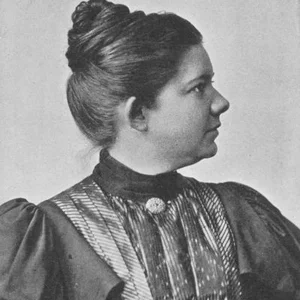
Amy Beach
1867 — 1944
Amy Beach (1867-1944) was the first American female composer to have a symphony performed by a major professional orchestra. A pioneering figure in American classical music, she composed more than 150 works, including the celebrated Gaelic Symphony (1896).
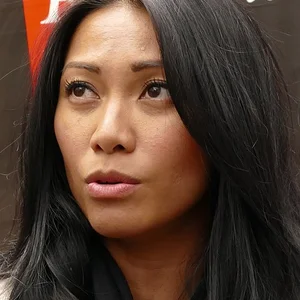
Anggun
1974 — ?
Anggun is an Indonesian singer born in 1974 in Jakarta, who became a French citizen in 1998. An international pop star, she broke through in France with her hit 'Snow on the Sahara' (1997) and represented France at the Eurovision Song Contest in 2012.
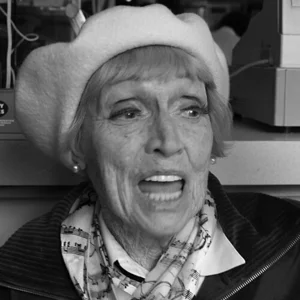
Anita O'Day
1919 — 2006
American jazz singer (1919-2006), a major figure of swing and later bebop vocals. She rose to fame as the vocalist of the big bands of Gene Krupa and Stan Kenton, distinguishing herself through her rhythmic, percussive phrasing and her mastery of scat singing.
Annie Ross
1930 — 2020
British-American jazz singer and actress, a pioneer of vocalese. A member of the trio Lambert, Hendricks & Ross, she is famous for setting lyrics to instrumental solos, notably her standard “Twisted” (1952).
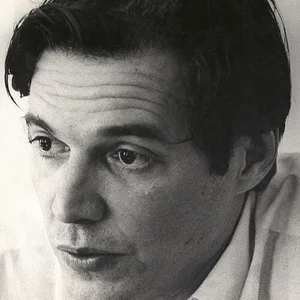
Antônio Carlos Jobim
1927 — 1994
Antônio Carlos Jobim, known as Tom Jobim, was a Brazilian composer, pianist, and guitarist. A co-founder of bossa nova in the late 1950s, he helped spread Brazilian music throughout the world.
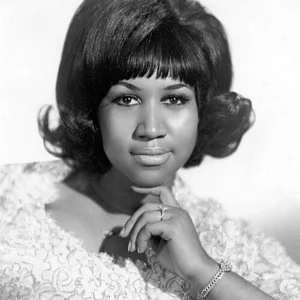
Aretha Franklin
1942 — 2018
American singer nicknamed the “Queen of Soul,” Aretha Franklin is one of the most powerful voices of the 20th century. A committed artist, she contributed to the civil rights movement and left her mark on world music with songs that became anthems.

Ariana Grande
1993 — ?
Ariana Grande is an American singer, songwriter, and actress born in 1993 in Florida. She rose to fame through the TV series Victorious before becoming one of the most influential pop artists of her generation. Her response to the 2017 Manchester bombing earned her international recognition.
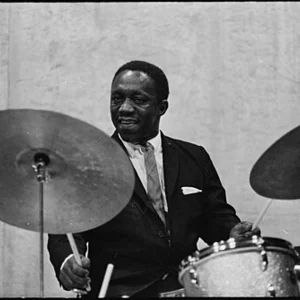
Art Blakey
1919 — 1990
American jazz drummer and a major figure of hard bop. For over thirty years he founded and led the Jazz Messengers, a band that launched many young musicians who went on to become some of the biggest names in jazz.
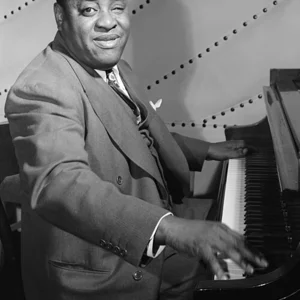
Art Tatum
1909 — 1956
Arthur "Art" Tatum (1909-1956) was an American jazz pianist, regarded as one of the greatest virtuosos in the history of the piano. Nearly blind from birth, he revolutionized piano technique through his velocity, his daring harmonies, and his reharmonizations.
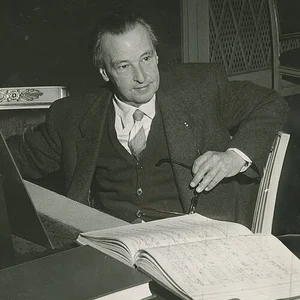
Arthur Honegger
1892 — 1955
Franco-Swiss composer (1892–1955), member of Les Six, Arthur Honegger is the creator of *Pacific 231* and *King David*. His work blends modernism and spirituality.
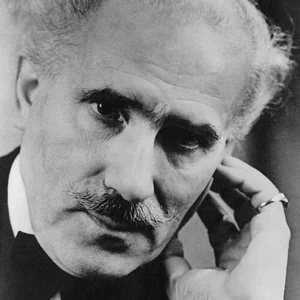
Arturo Toscanini
1867 — 1957
Italian conductor (1867–1957), considered one of the greatest in history. Music director of La Scala in Milan, the Metropolitan Opera, and the New York Philharmonic, he was renowned for his absolute rigor and prodigious memory.
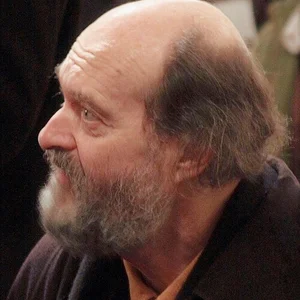
Arvo Pärt
1935 — ?
Arvo Pärt is an Estonian composer born in 1935, one of the major figures of contemporary music. After an avant-garde period, he invented the “tintinnabuli” style, founded on simplicity, resonance, and sacred inspiration. He is one of the most frequently performed living composers in the world.
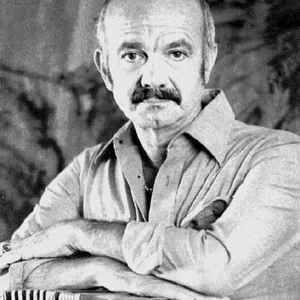
Astor Piazzolla
1921 — 1992
Argentine composer and bandoneon player (1921–1992), Astor Piazzolla revolutionized traditional tango by creating "tango nuevo," a fusion of tango, jazz, and classical music. He is considered one of the most influential musicians in 20th-century Latin America.
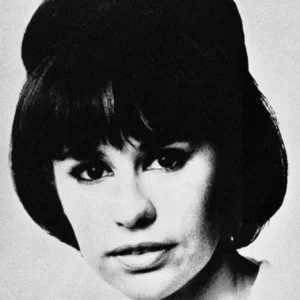
Astrud Gilberto
1940 — 2023
Brazilian-American singer born in 1940 and died in 2023, iconic figure of bossa nova. Her soft, understated voice on "The Girl from Ipanema" (1964) introduced this Brazilian style to the world.
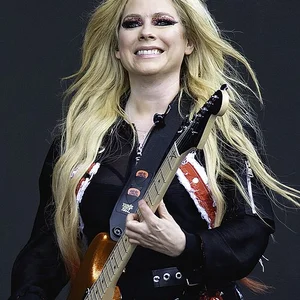
Avril Lavigne
1984 — ?
Avril Lavigne is a Canadian singer and songwriter born in 1984 in Belleville, Ontario. She broke through in 2002 with her debut album 'Let Go', becoming an icon of alternative rock and pop-punk for an entire generation.
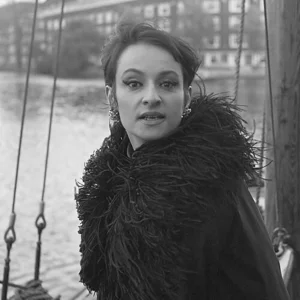
Barbara
1930 — 1997
Barbara (1930–1997) was a French singer-songwriter, nicknamed “the Lady in Black.” A pianist and poet of song, she is known for intimate works such as “Nantes” and “The Black Eagle.”
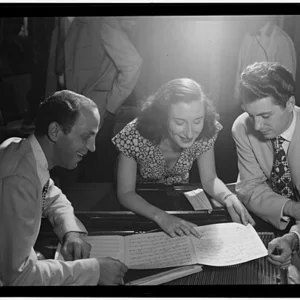
Barbara Carroll
1925 — 2017
Barbara Carroll (1925-2017) was an American jazz pianist and singer, regarded as one of the first women to play bebop on the piano. She enjoyed a long career in the clubs of New York.
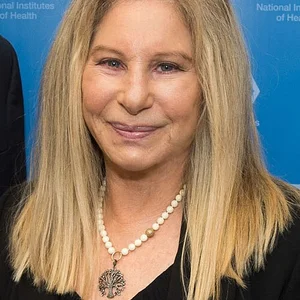
Barbra Streisand
1942 — ?
American singer and actress born in 1942 in New York, Barbra Streisand is one of the most awarded artists in entertainment history. She has shaped American pop music and cinema across more than six decades of career.
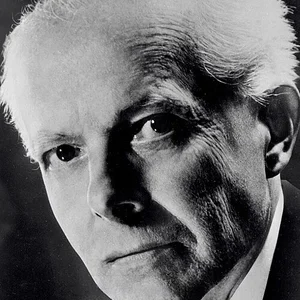
Béla Bartók
1881 — 1945
Béla Bartók was a Hungarian composer, pianist, and musicologist, one of the most important of the 20th century. A pioneer of ethnomusicology, he collected and studied the folk music of Central and Eastern Europe to incorporate it into a modern musical language.
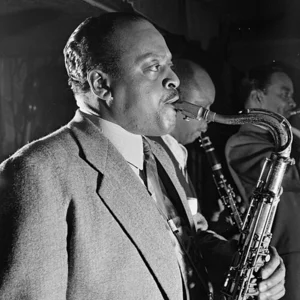
Ben Webster
1909 — 1973
Ben Webster (1909–1973) was an American tenor saxophonist and a towering figure in jazz. He rose to prominence as a member of Duke Ellington's orchestra in the 1940s, developing a warm and expressive style that established him as one of the greatest soloists in jazz history.
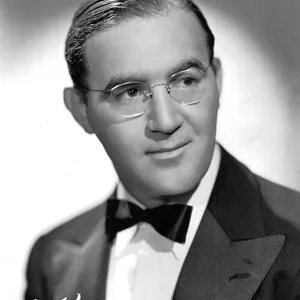
Benny Goodman
1909 — 1986
American clarinetist and bandleader (1909-1986), nicknamed “the King of Swing”. He helped bring jazz to mainstream white audiences and racially integrated his bands during the 1930s and 1940s.
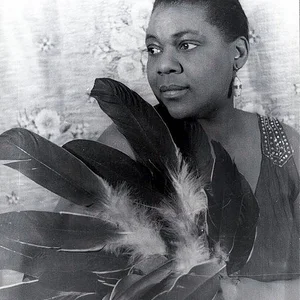
Bessie Smith
1894 — 1937
Bessie Smith (1894–1937) was an American singer nicknamed the “Empress of the Blues.” A towering figure of classic blues in the 1920s, she helped popularize the genre and paved the way for Black American artists.
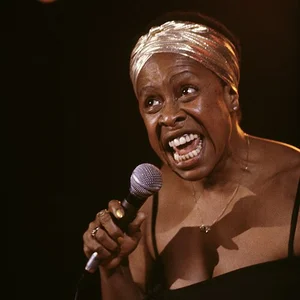
Betty Carter
1929 — 1998
Betty Carter was an American jazz singer, famous for her art of vocal improvisation and scat. A major figure of bebop, she left her mark on vocal jazz in the second half of the 20th century with her rhythmic and melodic freedom.
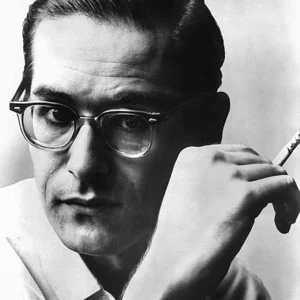
Bill Evans
1929 — 1980
Bill Evans (1929-1980) was an American jazz pianist, one of the most influential of the 20th century. His lyrical playing with its impressionistic harmonies and his approach to the trio make him a major figure in modern jazz, notably through his contribution to Miles Davis's album *Kind of Blue*.
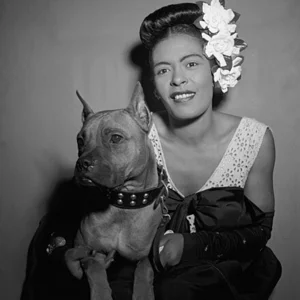
Billie Holiday
1915 — 1959
African-American jazz singer
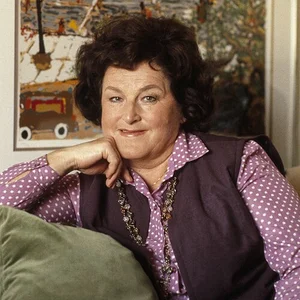
Birgit Nilsson
1918 — 2005
Swedish dramatic soprano (1918–2005), considered the greatest Wagnerian interpreter of the 20th century. Her voice, exceptional in both power and clarity, brought her triumphs at Bayreuth, the Metropolitan Opera in New York, and the world's most prestigious concert halls.
Blossom Dearie
1924 — 2009
Blossom Dearie (1924-2009) was an American jazz pianist and singer, recognizable by her light, delicate voice. A figure of intimate vocal jazz, she accompanied herself on piano in the clubs of New York and Paris.
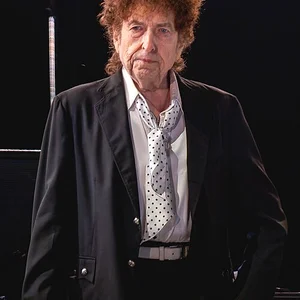
Bob Dylan
1941 — ?
American singer-songwriter born in 1941, a major figure in 20th-century folk and rock music. His socially engaged songs became anthems of the civil rights and anti-war movements. He received the Nobel Prize in Literature in 2016.
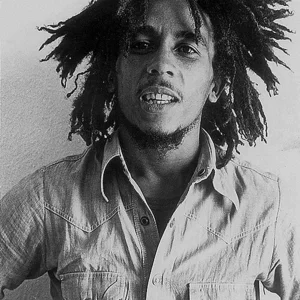
Bob Marley
1945 — 1981
Bob Marley was a Jamaican singer, guitarist, and songwriter, and a major figure of reggae. As a spokesman for the Rastafari movement, he brought Jamaican music to audiences around the world and embodied a message of peace and resistance.
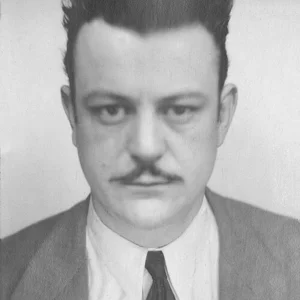
Boby Lapointe
1922 — 1972
Boby Lapointe (1922-1972) was a French singer and singer-songwriter famous for his virtuoso lyrics packed with wordplay, puns and spoonerisms. A native of **Pézenas**, he left his mark on French song through his humour and verbal inventiveness.
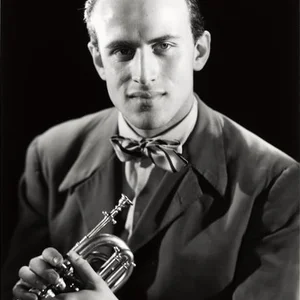
Boris Vian
1920 — 1959
French writer, musician, and artist (1920–1959), an iconic figure of Saint-Germain-des-Prés. Author of Froth on the Daydream, he embodied the spirit of the postwar generation, blending jazz, literature, and provocation.
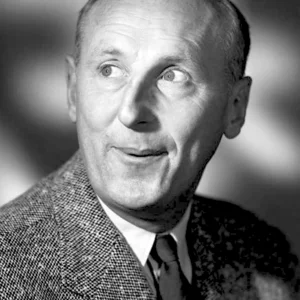
Bourvil
1917 — 1970
Bourvil (1917-1970) was a French comic actor and singer, famous for his roles in *La Grande Vadrouille* and *Le Corniaud*. Portraying naive and endearing characters, he is one of the most beloved actors in twentieth-century French cinema.
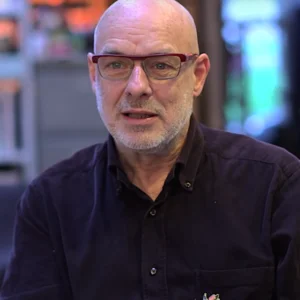
Brian Eno
1948 — ?
Brian Eno is a British musician, producer, and theorist born in 1948, regarded as the pioneer of ambient music. Originally a member of Roxy Music, he revolutionized music production by collaborating with David Bowie, U2, and Talking Heads.
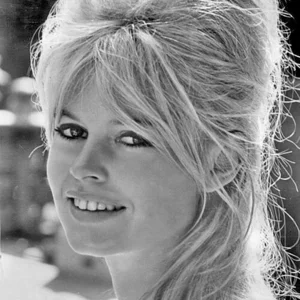
Brigitte Bardot
1934 — 2025
French actress, model, and singer, Brigitte Bardot became a global symbol of femininity and freedom during the 1950s and 1960s. An icon of the French New Wave and popular culture, she retired from cinema in 1973 to dedicate herself to animal rights activism.
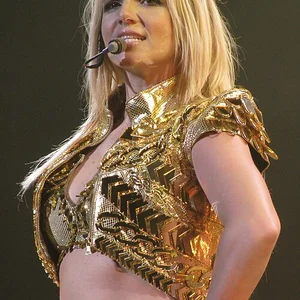
Britney Spears
1981 — ?
Britney Spears (born 1981) is an American singer, actress, and pop icon. Launched in the late 1990s, she became one of the best-selling artists in the world. Her career illustrates the excesses of the entertainment industry and the challenges of fame in the media age.
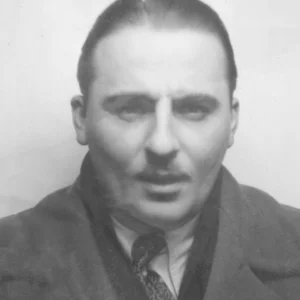
Bruno Coquatrix
1910 — 1979
Bruno Coquatrix (1910-1979) was the legendary director of the Olympia in Paris, which he bought in 1954 and transformed into the temple of French music hall. He launched or cemented the careers of major artists such as Édith Piaf, Jacques Brel, and Johnny Hallyday.
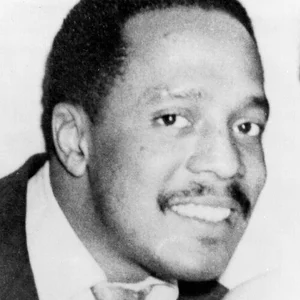
Bud Powell
1924 — 1966
Bud Powell was an American jazz pianist and composer, regarded as one of the greatest pianists of bebop. He transposed to the piano the harmonic and rhythmic language invented by Charlie Parker and Dizzy Gillespie, leaving a lasting influence on the piano playing of modern jazz.
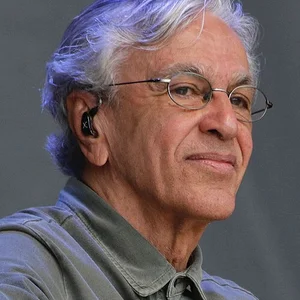
Caetano Veloso
1942 — ?
Caetano Veloso (born 1942) is a Brazilian singer, songwriter, and musician, a central figure of the Tropicália movement in the 1960s. Blending Brazilian popular music, rock, and avant-garde, he was exiled by the Brazilian military dictatorship.
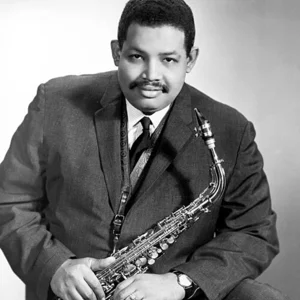
Cannonball Adderley
1928 — 1975
American jazz alto saxophonist, a major figure of hard bop and soul jazz. A member of the Miles Davis sextet on the album *Kind of Blue* (1959), he went on to lead his own quintet with his brother, cornetist Nat Adderley.
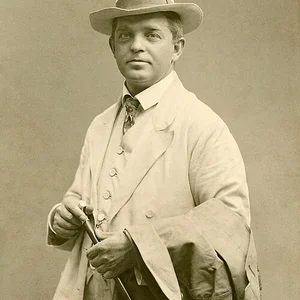
Carl Nielsen
Carl Nielsen was a Danish composer, conductor, and violinist, regarded as the leading figure of Danish classical music. His work, particularly his six symphonies, marks the transition between late Romanticism and modernity.
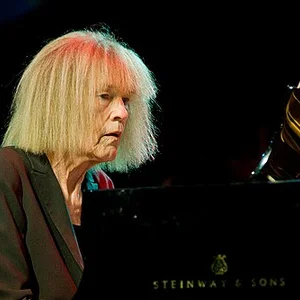
Carla Bley
1936 — 2023
Carla Bley (1936-2023) was an American jazz composer, pianist, and bandleader. A leading figure of the avant-garde, she left her mark on free jazz and large-ensemble composition, notably with her jazz opera *Escalator over the Hill*.
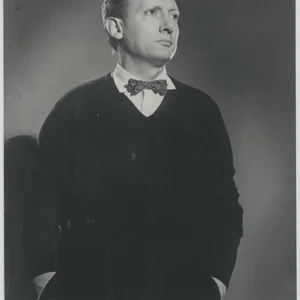
Carlo Felice Cillario
1915 — 2007
Argentine conductor and violinist of Italian origin (1915–2011), Carlo Felice Cillario made his mark in the operatic and symphonic repertoire. He conducted at the world's greatest opera houses, including the Royal Opera House in London and the Paris Opera.
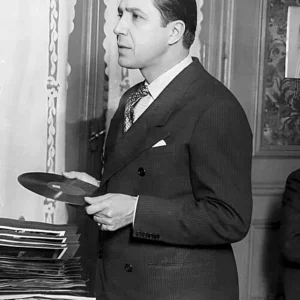
Carlos Gardel
1890 — 1935
Carlos Gardel was a singer, composer and actor, an iconic figure of Argentine tango. Regarded as the creator of sung tango (“tango canción”), he brought the genre to international fame in the 1920s and 1930s.
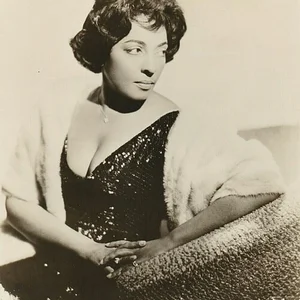
Carmen McRae
1920 — 1994
Carmen McRae (1922-1994) was an American jazz singer and pianist, regarded as one of the greatest vocal jazz voices of the 20th century. Known for her phrasing that lagged behind the beat and her subtle, ironic interpretation of lyrics, she stands in the lineage of Billie Holiday.
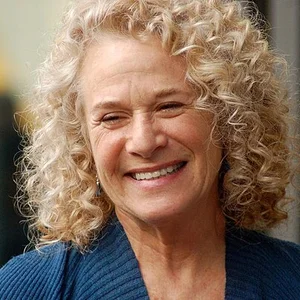
Carole King
1942 — ?
American singer-songwriter born in 1942, Carole King is one of the defining figures of rock and pop from the 1960s–1970s. Her album *Tapestry* (1971) remains one of the best-selling records in history.
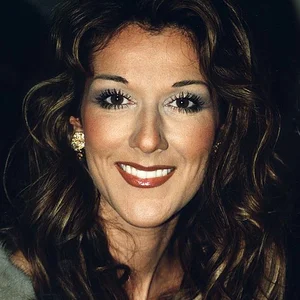
Céline Dion
1968 — ?
Céline Dion is a Quebec singer born on March 30, 1968, in Charlemagne, Canada. Discovered by the public as a teenager, she became one of the best-selling artists in the history of pop music. Her international career symbolizes the global reach of the French-speaking world and the influence of Quebec culture on the world stage.
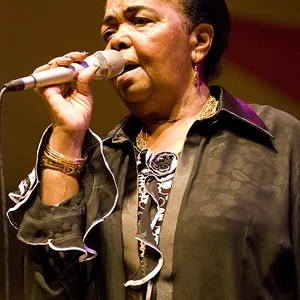
Cesária Évora
1941 — 2011
Nicknamed the “Barefoot Diva,” Cesária Évora is the iconic voice of morna, Cape Verde's melancholic musical genre. Discovered late on the international stage in the 1990s, she brought Cape Verdean Lusophone culture to every corner of the world.
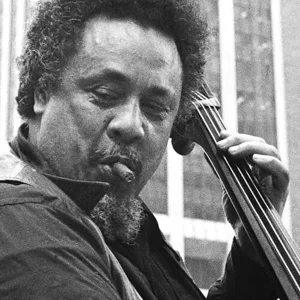
Charles Mingus
1922 — 1979
Charles Mingus (1922-1979) was an American jazz double bassist, composer, and bandleader. A major figure in modern jazz, he is renowned for his virtuoso playing and his ambitious compositions blending gospel, blues, and collective improvisation.
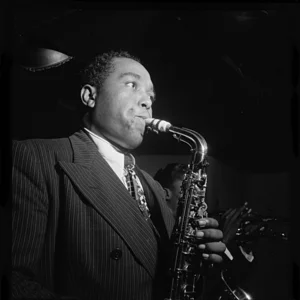
Charlie Parker
1920 — 1955
Charlie Parker, nicknamed “Bird,” was an American alto saxophonist and composer. With Dizzy Gillespie, he founded bebop in the late 1940s, revolutionizing jazz through his virtuosity and harmonic sense. His dazzling career was cut short by addiction.
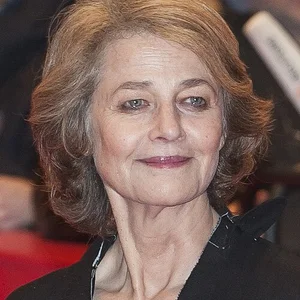
Charlotte Rampling
1946 — ?
A British actress born in 1946, Charlotte Rampling established herself as one of the most distinctive figures in European cinema. Based in France, she collaborated with the greatest directors and embodied a certain idea of rebellious elegance.
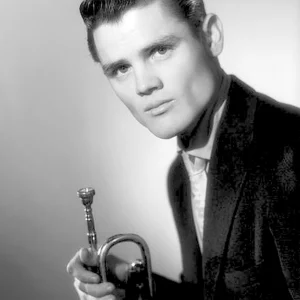
Chet Baker
1929 — 1988
Chet Baker (1929-1988) was an American jazz trumpeter and singer, a major figure of West Coast cool jazz. His soft, lyrical trumpet tone and his fragile voice made him an icon, despite a life marked by addiction.
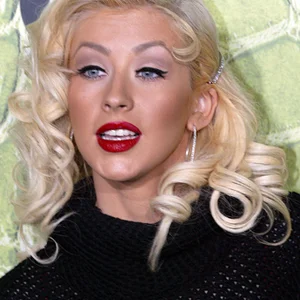
Christina Aguilera
1980 — ?
Christina Aguilera is an American singer, songwriter, and actress born in 1980. Breaking through in 1999, she established herself as one of the most powerful voices of her generation, blending pop, R&B, and soul. She became a symbol of female empowerment in the music industry at the turn of the 21st century.
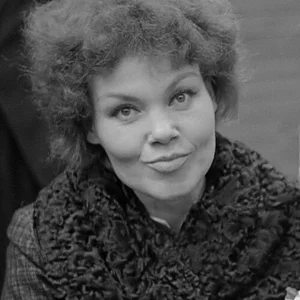
Cleo Laine
1927 — 2025
Cleo Laine is a British jazz singer and actress, famous for her deep timbre and an exceptional vocal range of more than three octaves. The lifelong companion of saxophonist and bandleader John Dankworth, she became one of the major figures of 20th-century British vocal jazz.
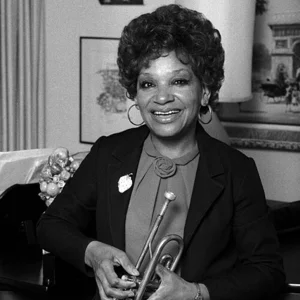
Clora Bryant
1927 — 2019
Clora Bryant (1927-2019) was an American jazz trumpeter, one of the very few women to establish herself as a soloist in bebop. A key figure on the Central Avenue scene in Los Angeles, she rubbed shoulders with the greatest musicians of her time.
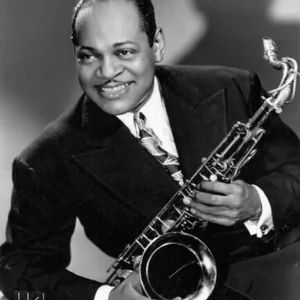
Coleman Hawkins
1904 — 1969
Coleman Hawkins (1904-1969) was an American tenor saxophonist widely regarded as the father of the jazz saxophone. He was one of the first to establish the saxophone as a jazz solo instrument and influenced generations of musicians.
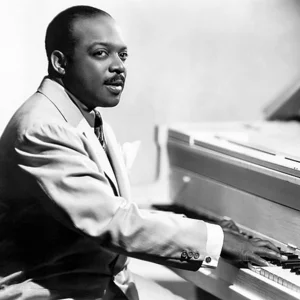
Count Basie
1904 — 1984
William James Basie, known as Count Basie (1904-1984), was an American pianist, organist, and bandleader. A major figure in jazz, he led one of the most famous big bands in history, contributing to the rise of swing in the 1930s–1940s.
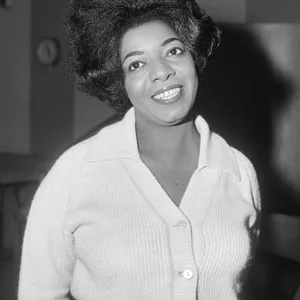
Dakota Staton
1930 — 2007
Dakota Staton (1930-2007) was an American jazz and blues singer. She rose to fame in the late 1950s and enjoyed huge success with her album The Late, Late Show in 1957.
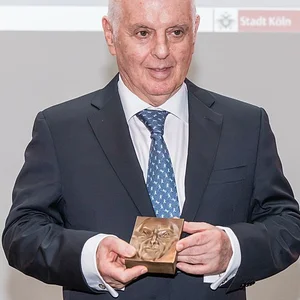
Daniel Barenboïm
1942 — ?
Pianist and conductor born in Buenos Aires in 1942, Daniel Barenboim is one of the leading figures in classical music worldwide. Music Director of the Berlin Opera and co-founder of the West-Eastern Divan Orchestra, he is also an advocate for peace in the Middle East.
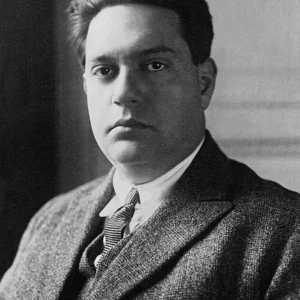
Darius Milhaud
1892 — 1974
French composer born in Aix-en-Provence in 1892, member of the Groupe des Six. He developed polytonality and drew inspiration from American jazz and Latin American music to create a prolific body of work of more than 400 opus.
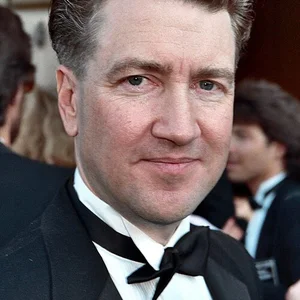
David Lynch
1946 — 2025
David Lynch (1946-2025) was an American filmmaker, photographer, painter, and musician. A major figure in independent cinema, he is famous for his dreamlike, surreal universe blending strangeness and unease.
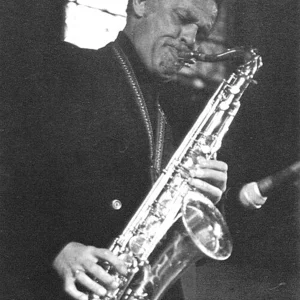
Dexter Gordon
1923 — 1990
Dexter Gordon (1923-1990) was an African American jazz tenor saxophonist and a major figure of bebop. A pioneer of his instrument in this style, he enjoyed a long career between the United States and Europe, and was nominated for the Academy Award for Best Actor in 1987.
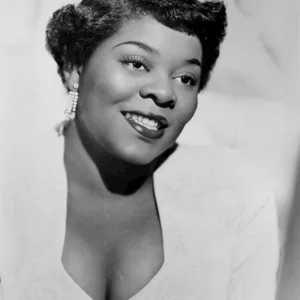
Dinah Washington
1924 — 1963
American singer (1924-1963), nicknamed the “Queen of the Blues.” A major figure in jazz, blues, and rhythm and blues during the 1940s and 1950s, she left her mark on African American music through her incisive phrasing and expressive voice.
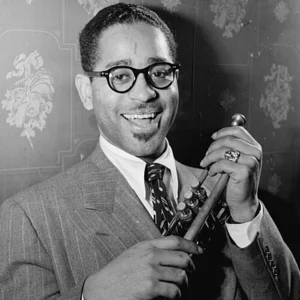
Dizzy Gillespie
1917 — 1993
An American jazz trumpeter, composer, and bandleader, Dizzy Gillespie was, alongside Charlie Parker, one of the principal founders of bebop in the 1940s. A trumpet virtuoso recognizable by his bent-bell horn and his puffed-out cheeks, he was also a pioneer of Afro-Cuban jazz.
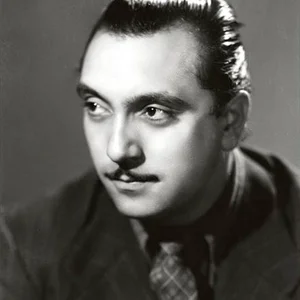
Django Reinhardt
1910 — 1953
French jazz guitarist
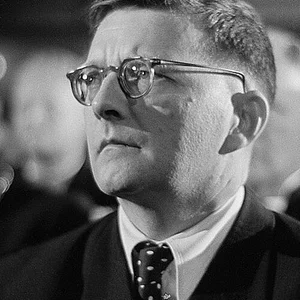
Dmitri Shostakovich
1906 — 1975
Soviet Russian composer, one of the greatest symphonists of the 20th century. His work, marked by a conflicted relationship with the Stalinist regime, swings between apparent conformity and a tragic expression of the human condition.
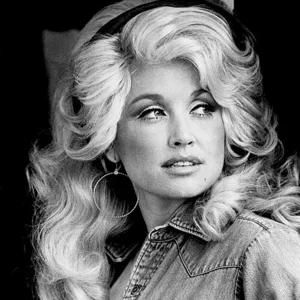
Dolly Parton
1946 — ?
American singer, songwriter, and actress born in 1946, icon of country music. Author of classics like "Jolene" and "I Will Always Love You", she is also a philanthropist, founder of a children's literacy program.
Dorothy Ashby
1932 — 1986
Dorothy Ashby was an American jazz harpist and composer, considered one of the pioneers who established the harp as a fully-fledged solo instrument in jazz. Active from the 1950s to the 1980s, she blended jazz, world music, and soul.
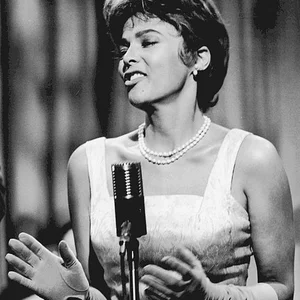
Dorothy Dandridge
1922 — 1965
An African-American actress, singer, and dancer, Dorothy Dandridge became in 1955 the first Black woman nominated for the Academy Award for Best Actress, for Carmen Jones. An icon of Golden Age Hollywood, she broke racial barriers in a deeply segregated industry.
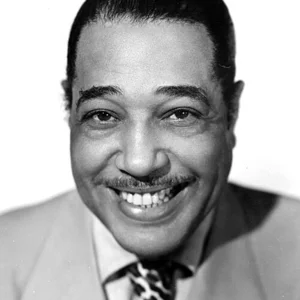
Duke Ellington
1899 — 1974
Duke Ellington (1899-1974) was an American pianist, composer, and bandleader, a central figure in jazz. For nearly half a century, he led his big band and composed thousands of works that elevated jazz to the status of a major art form.
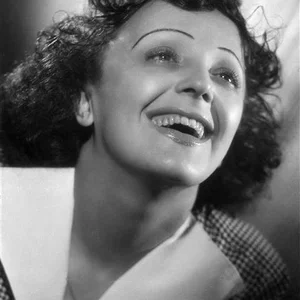
Édith Piaf
1915 — 1963
Born Édith Giovanna Gassion in 1915 in Paris, Édith Piaf became one of the most celebrated French singers of the 20th century. Nicknamed 'La Môme Piaf' (The Little Sparrow), she is the defining figure of French chanson réaliste and achieved worldwide fame.
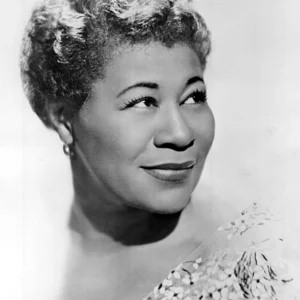
Ella Fitzgerald
1917 — 1996
Ella Fitzgerald (1917–1996) is considered one of the greatest jazz singers of all time. Nicknamed the “First Lady of Song,” she revolutionized jazz singing through her mastery of scat and the exceptional range of her voice.
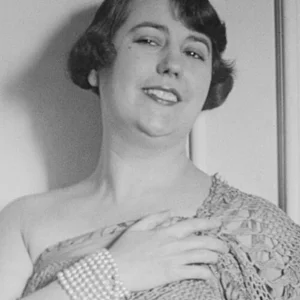
Elvira de Hidalgo
1891 — 1980
Spanish coloratura soprano, one of the great bel canto voices of the early 20th century. Having become a teacher, she was Maria Callas's singing instructor in Athens, passing on to her the art of bel canto.
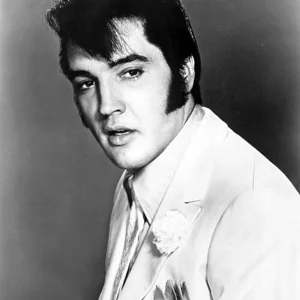
Elvis Presley
1935 — 1977
American singer and actor born in 1935, Elvis Presley is considered the “King of Rock and Roll.” He revolutionized popular music by blending country, gospel, and rhythm and blues, becoming a global icon of pop culture.
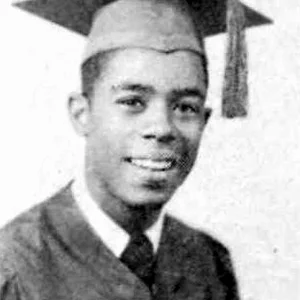
Eric Dolphy
1928 — 1964
Eric Dolphy (1928-1964) was an American jazz multi-instrumentalist, a virtuoso of the alto saxophone, the flute, and the bass clarinet. A major figure of avant-garde jazz and free jazz, he collaborated with Charles Mingus, John Coltrane, and Ornette Coleman before dying prematurely at the age of 36.
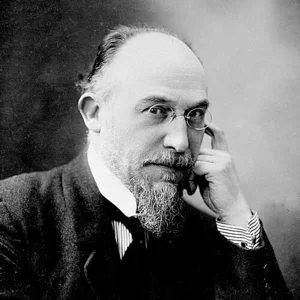
Erik Satie
1866 — 1925
French composer and pianist, a singular figure in music of the late 19th and early 20th centuries. A pioneer through his bareness and his humor, he influenced Debussy, Ravel, and the 20th-century avant-gardes.
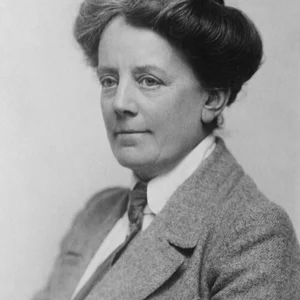
Ethel Smyth
1858 — 1944
A pioneering British composer (1858–1944), Ethel Smyth was the first woman to have an opera performed at the Metropolitan Opera in New York. A suffragist activist, she composed the suffragette anthem 'The March of the Women' (1911).
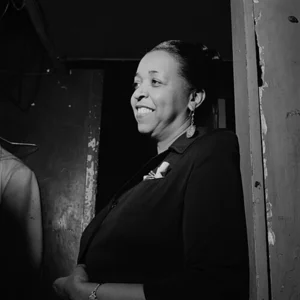
Ethel Waters
1896 — 1977
Ethel Waters (1896-1977) was an African American singer and actress. A pioneer of jazz and vocal blues, she broke racial barriers on Broadway, in film, and on American television, becoming one of the most famous Black artists of the first half of the 20th century.
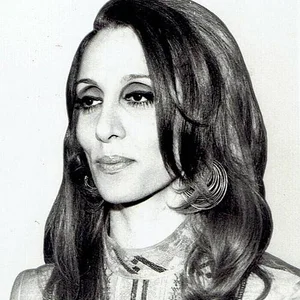
Fairuz
1935 — ?
A Lebanese singer born in 1934, Fairuz is considered one of the most iconic voices in the Arab world. A symbol of national unity, she refused to perform for either side during the Lebanese Civil War. Her repertoire, shaped alongside the Rahbani Brothers, blends classical Arab music, Levantine folk traditions, and modern compositions.
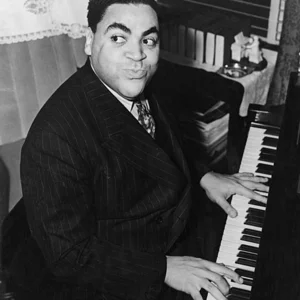
Fats Waller
1904 — 1943
African-American jazz pianist, organist, composer and singer, major figure of stride piano. A virtuoso showman, he marked jazz in the 1920s-1930s with standards like "Ain't Misbehavin'" and "Honeysuckle Rose."
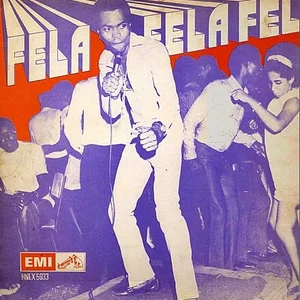
Fela Kuti
1938 — 1997
Nigerian musician and activist
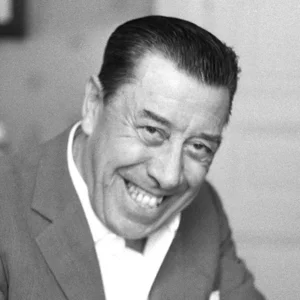
Fernandel
1903 — 1971
Actor, comedian, and singer born in Marseille in 1903, Fernandel is one of the greatest stars of French comic cinema. Famous for his radiant smile and beloved roles, he brought to life the character of Don Camillo in a series of films that have since become cult classics.
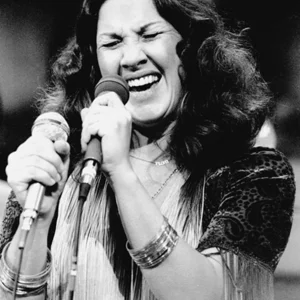
Flora Purim
1942 — ?
Flora Purim is a Brazilian jazz singer born in 1942 in Rio de Janeiro. A major figure in jazz fusion, she is celebrated for her remarkably wide vocal range and her pioneering role in bringing together Brazilian music and American jazz.
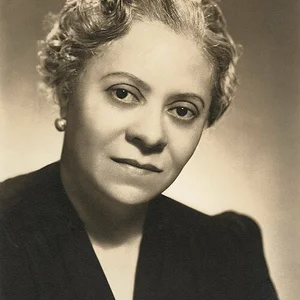
Florence Price
1887 — 1953
Florence Price (1887-1953) was an American composer and pianist, the first African American woman to have a symphony performed by a major American orchestra. Her work blends European classical influences with African American spirituals.
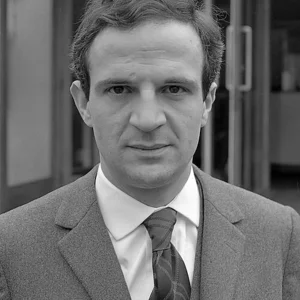
François Truffaut
1932 — 1984
François Truffaut (1932–1984) was one of the pioneers of the French New Wave. A critic at *Cahiers du Cinéma*, he became an iconic filmmaker with movies such as *The 400 Blows* and *Jules and Jim*.
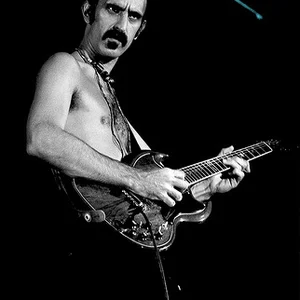
Frank Zappa
1940 — 1993
An American avant-garde composer and guitarist, Frank Zappa is one of the most original figures in rock and experimental music of the 20th century. Founder of the band The Mothers of Invention, he blended rock, jazz, contemporary classical music, and satirical humor.
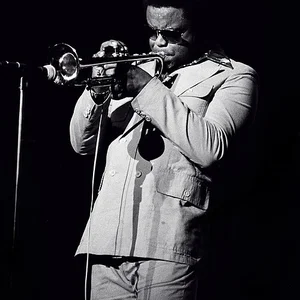
Freddie Hubbard
1938 — 2008
Freddie Hubbard (1938-2008) was an American jazz trumpeter, one of the major figures of hard bop. Blessed with a brilliant technique and a dazzling sound, he left his mark on the 1960s and 1970s before broadening his style toward jazz fusion.
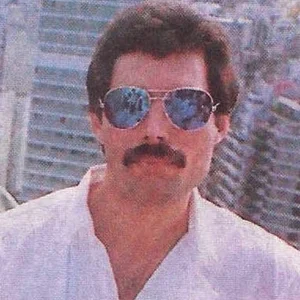
Freddie Mercury
1946 — 1991
Freddie Mercury (1946-1991) was a British singer, songwriter, and pianist, the iconic frontman of the rock band Queen. Renowned for his exceptional voice and showmanship, he left a profound mark on popular music worldwide.
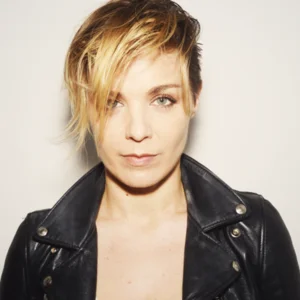
Gala
1975 — ?
Gala is an Italian pop and dance singer born in 1975 in Turin. She achieved international success in the late 1990s with hits such as “Freed from Desire” (1997), which have become classics of dance music.
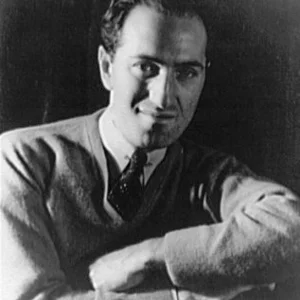
George Gershwin
1898 — 1937
American composer and pianist (1898–1937), George Gershwin revolutionized music by blending jazz, blues, and classical music. The creator of Rhapsody in Blue and the opera Porgy and Bess, he is one of the defining symbols of twentieth-century American culture.
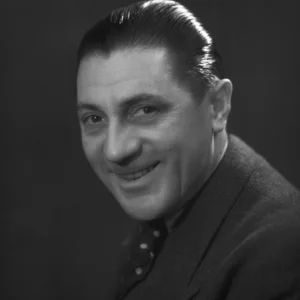
Georgius
1891 — 1970
Georgius (1891-1970) was a French songwriter and comic singer, a leading figure of music hall during the interwar period. The author of more than 1,500 songs, he is considered a pioneer of zany, absurdist song.
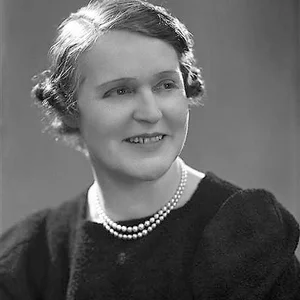
Germaine Tailleferre
1892 — 1983
Germaine Tailleferre (1892-1983) was the only woman in the famous French musical collective known as 'Les Six'. A prolific composer, she created works for piano, orchestra, and opera, maintaining an elegant neoclassical style throughout a career spanning nearly seven decades.
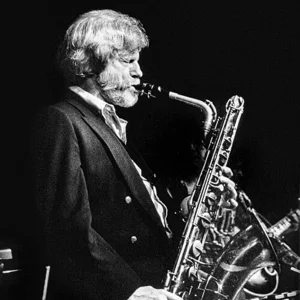
Gerry Mulligan
1927 — 1996
Gerry Mulligan (1927-1996) was an American baritone saxophonist, composer, and arranger, a major figure of cool jazz. He made his mark with his pianoless quartet formed with trumpeter Chet Baker and with his participation in the founding sessions of “cool” jazz.
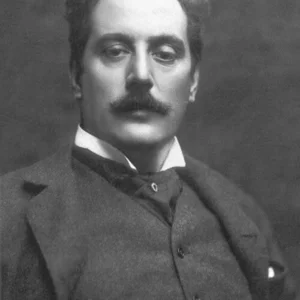
Giacomo Puccini
1858 — 1924
Giacomo Puccini was an Italian composer, one of the greatest masters of opera of the late nineteenth and early twentieth centuries. An heir to Verdi, he left his mark on the verismo movement with works of exceptional dramatic and melodic intensity.
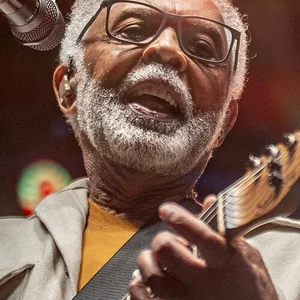
Gilberto Gil
1942 — ?
Gilberto Gil is a Brazilian singer, guitarist, and composer, a major figure of the Tropicália movement of the 1960s. Having become Brazil's Minister of Culture under President Lula (2003-2008), he embodies the link between artistic engagement and public service.
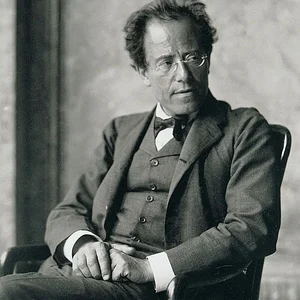
Gustav Mahler
1860 — 1911
Gustav Mahler (1860-1911) was an Austrian composer and conductor, a major figure of post-Romanticism. His vast symphonies and song cycles bridge the Romantic tradition of the 19th century and the musical modernism of the 20th century.
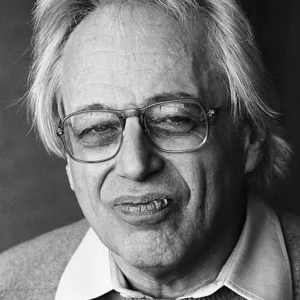
Gyorgy Ligeti
1923 — 2006
Hungarian-born composer who became a naturalized Austrian citizen, a major figure of 20th-century contemporary music. The inventor of micropolyphony, he left his mark on the avant-garde through his dense sound textures and his rejection of serialist dogmas.
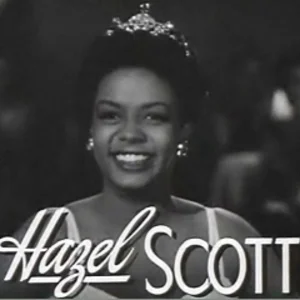
Hazel Scott
1920 — 1981
Jazz pianist and singer of Trinidadian and American descent, a virtuoso known for her arrangements blending classical music and swing. A star of nightclubs and the silver screen, she was also a civil rights activist who refused to perform for segregated audiences.
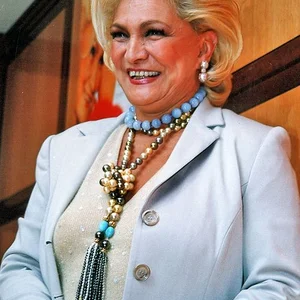
Hebe Camargo
1929 — 2012
Hebe Camargo (1929-2012) was an icon of Brazilian television, a singer and TV host who shaped Brazil's popular culture for more than six decades. She began her career in radio in the 1940s before becoming a fixture on Brazilian television from its earliest days.
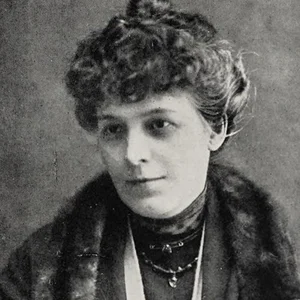
Helen Merrill
1930 — ?
Helen Merrill (born Jelena Ana Milčetić, 1929-2025) was an American jazz singer of Croatian descent. Known for her intimate, hushed voice, she established herself from the 1950s onward as a leading interpreter of standards and vocal jazz.
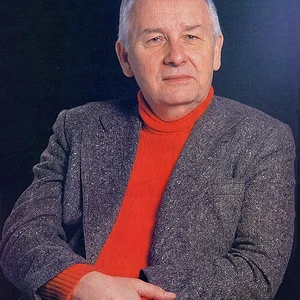
Henryk Górecki
1933 — 2010
Henryk Górecki was a Polish composer and a major figure in contemporary music during the second half of the 20th century. Initially tied to the serialist avant-garde, he evolved toward a more stripped-down and spiritual style, achieving worldwide fame with his Third Symphony.
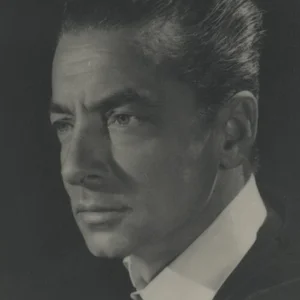
Herbert von Karajan
1908 — 1989
Herbert von Karajan (1908-1989) was an Austrian conductor, one of the most famous of the 20th century. Music director of the Berlin Philharmonic Orchestra for more than thirty years, he left his mark on the history of orchestral conducting and the classical recording.
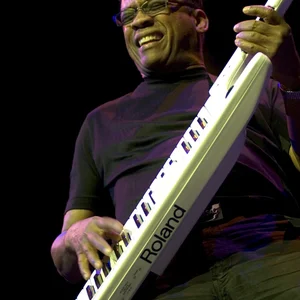
Herbie Hancock
1940 — ?
American jazz pianist, keyboardist, and composer born in 1940. He rose to prominence in Miles Davis's quintet during the 1960s, becoming one of the leading figures of modal jazz and later of jazz-funk fusion, while never ceasing to explore new electronic sounds.
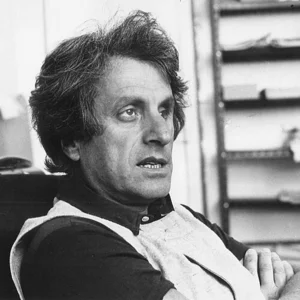
Iannis Xenakis
1922 — 2001
French-Greek composer, mathematician and architect, a pioneer of algorithmic and stochastic music. He applied mathematics and probability theory to musical composition, revolutionizing the music of the 20th century.
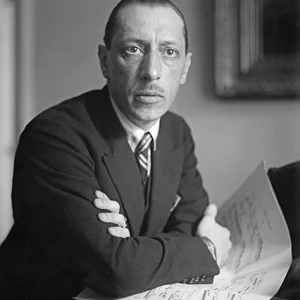
Igor Stravinsky
1882 — 1971
Igor Stravinsky is one of the most influential composers of the 20th century. With his ballets for the Ballets Russes — *The Firebird*, *Petrushka*, and above all *The Rite of Spring* — he revolutionized musical language through bold rhythms and dissonances. Naturalized as a French then American citizen, he traversed all the major aesthetic movements of his time.
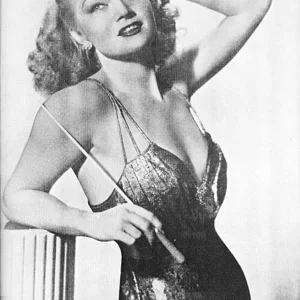
Ina Ray Hutton
1916 — 1984
Ina Ray Hutton (1916-1984) was an American bandleader, singer, and dancer of the swing era. Nicknamed “The Blonde Bombshell of Rhythm,” she led the Melodears in the 1930s, one of the first all-female big bands, before hosting her own musical television show in the 1950s.
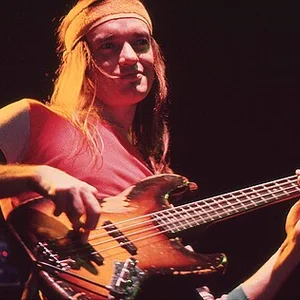
Jaco Pastorius
1951 — 1987
Jaco Pastorius was an American bassist regarded as one of the greatest electric bass virtuosos in history. A member of the jazz fusion band Weather Report, he revolutionized fretless bass playing and the instrument's melodic role within jazz.
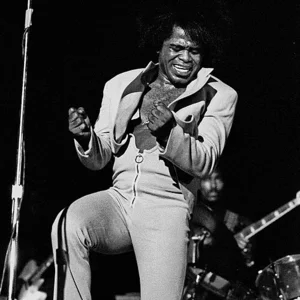
James Brown
1933 — 2006
James Brown (1933-2006) was an American singer, songwriter, and producer, nicknamed the "Godfather of Funk." A pioneer of soul and then funk, he profoundly shaped African American popular music and influenced hip-hop, disco, and pop worldwide.
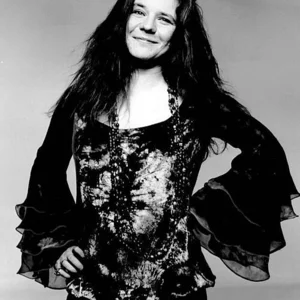
Janis Joplin
American rock and blues singer, icon of the countercultural movement of the 1960s. Known for her powerful voice and psychedelic style, she remains one of the most influential artists of the 20th century.
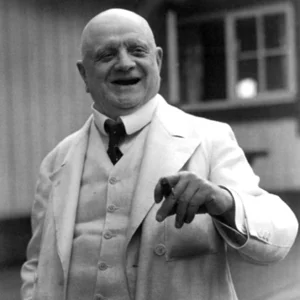
Jean Sibelius
1865 — 1957
Finnish composer, a major figure of late Romanticism and musical nationalism. His work, marked by seven symphonies and the symphonic poem Finlandia, became a symbol of Finnish national identity in the face of Russian domination.
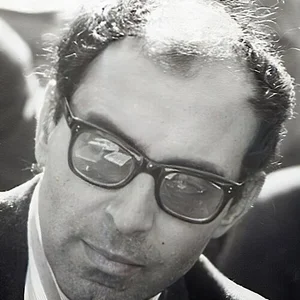
Jean-Luc Godard
1930 — 2022
Franco-Swiss filmmaker (1930–2022) and a major figure of the French New Wave. He revolutionized the language of cinema with films such as Breathless (1960), challenging the conventions of traditional storytelling.
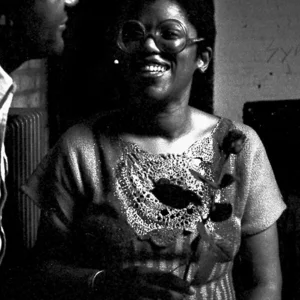
Jeanne Lee
1939 — 2000
Jeanne Lee (1939-2000) was an American avant-garde jazz singer, poet, and composer. A pioneer of free vocal improvisation, she explored extended vocal techniques and the fusion of voice, poetry, and free jazz.
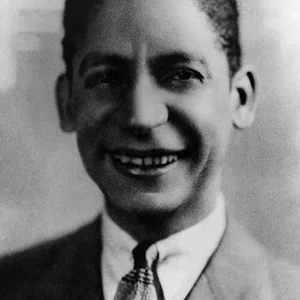
Jelly Roll Morton
1890 — 1941
American pianist, composer, and bandleader, a major figure in the early days of jazz in New Orleans. He proclaimed himself “the inventor of jazz” and was one of the first to set his compositions down in writing, bridging ragtime and orchestrated jazz.
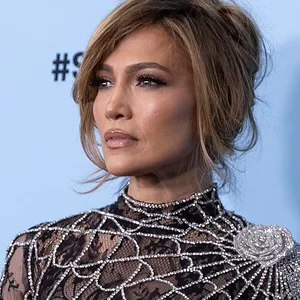
Jennifer Lopez
1969 — ?
Jennifer Lopez, born in 1969 in the Bronx, New York, is an American singer, actress, and dancer of Puerto Rican descent. She established herself in the 1990s as one of the most influential Latin artists in the world.
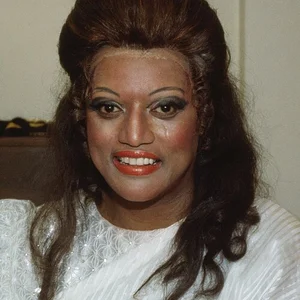
Jessye Norman
1945 — 2019
African-American soprano considered one of the greatest operatic voices of the 20th century. Born in 1945 in Georgia, she rose to prominence on the world's most prestigious stages (the Met Opera, Bayreuth, Covent Garden). A figure in the civil rights movement, she performed *La Marseillaise* on the Champs-Élysées during the bicentennial of the French Revolution in 1989.
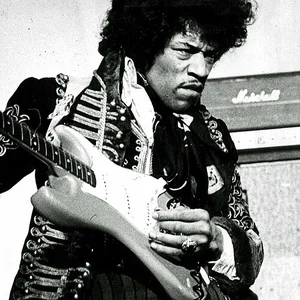
Jimi Hendrix
1942 — 1970
American guitarist, singer-songwriter, and singer, regarded as one of the most influential in the history of rock. Over just a few years of his career, he revolutionized electric guitar playing before his untimely death at the age of 27.
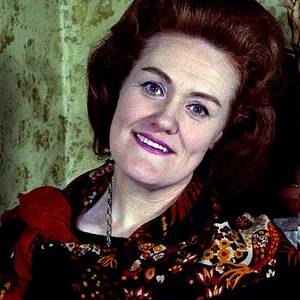
Joan Sutherland
1926 — 2010
Joan Sutherland (1926-2010) was an Australian soprano regarded as one of the greatest lyric voices of the 20th century. Nicknamed “La Stupenda”, she was celebrated for her interpretations of the bel canto repertoire of Donizetti, Bellini, and Verdi.
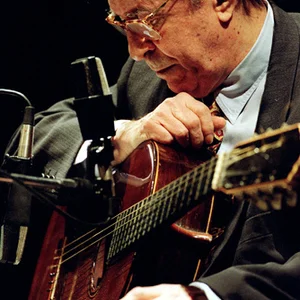
João Gilberto
1931 — 2019
João Gilberto was a Brazilian musician, singer, and guitarist, considered one of the fathers of bossa nova. His syncopated guitar style and whispered voice revolutionized Brazilian popular music in the late 1950s.
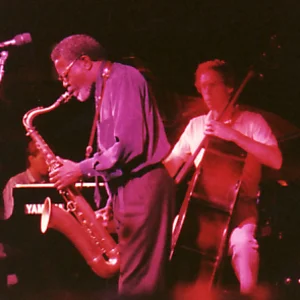
Joe Henderson
1937 — 2001
Joe Henderson (1937-2001) was an American jazz tenor saxophonist and composer. A major figure of hard bop and post-bop, he made his name in the 1960s at Blue Note before achieving belated recognition and numerous awards in the 1990s.
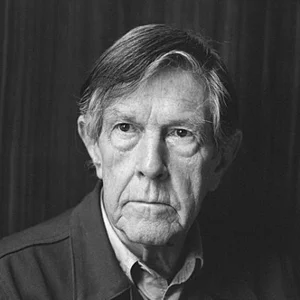
John Cage
1912 — 1992
John Cage (1912-1992) was an American composer, theorist, and visual artist, a major figure of the 20th-century musical avant-garde. A pioneer of chance music and of silence as sonic material, he profoundly reshaped the very conception of the musical work.
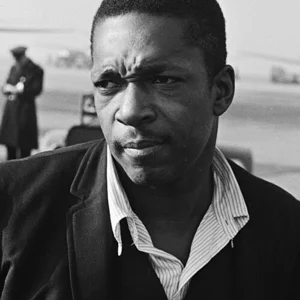
John Coltrane
1926 — 1967
John Coltrane (1926-1967) was an American jazz tenor saxophonist and composer. A major figure of modal jazz and free jazz, he profoundly renewed the language of improvisation and gave his music a spiritual dimension.
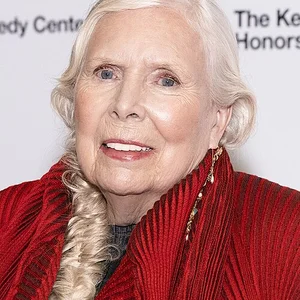
Joni Mitchell
1943 — ?
Canadian singer-songwriter and painter born in 1943, Joni Mitchell is one of the central figures of folk-rock and jazz fusion. Her album *Blue* (1971) is considered one of the greatest albums in the history of popular music.
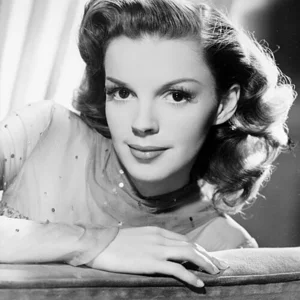
Judy Garland
1922 — 1969
Judy Garland (1922-1969) was an American actress and singer, and one of Hollywood's most iconic figures. She rose to fame at 17 in The Wizard of Oz (1939), becoming the defining star of Hollywood's golden age of musical cinema. Her extraordinary voice and tragic life story made her a symbol of 20th-century popular culture.
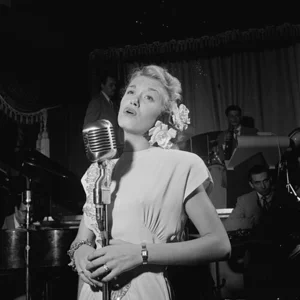
June Christy
1925 — 1990
June Christy (1925-1990) was an American jazz singer and a major figure of the cool jazz movement. After rising to fame within Stan Kenton's big band in the 1940s, she went on to establish a successful solo career with her soft, velvety voice.
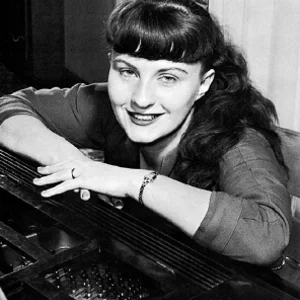
Jutta Hipp
1925 — 2003
Jutta Hipp (1925-2003) was a German jazz pianist, one of the few female instrumentalists in post-war European jazz. After emigrating to the United States in 1955, she recorded for the prestigious Blue Note label before abruptly abandoning music to become a seamstress and painter.
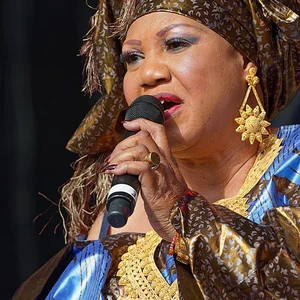
Kandia Kouyaté
1958 — ?
Born in 1959 in Mali, Kandia Kouyaté is a Mandinka griot singer nicknamed "the Diva of the Mande." From the renowned Kouyaté griot lineage, she is one of the greatest voices of the oral griot tradition, transmitting epic songs and the collective memory of the Mali Empire.
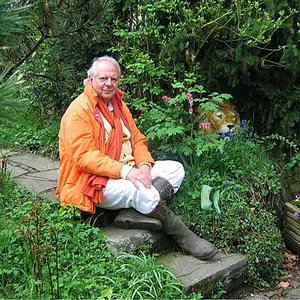
Karlheinz Stockhausen
1928 — 2007
German composer, a major figure of electronic music and the 20th-century avant-garde. A pioneer of serial and then electroacoustic music, he profoundly renewed musical language after 1945.
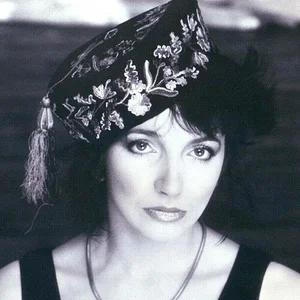
Kate Bush
1958 — ?
British singer, pianist, and composer born in 1958, Kate Bush burst onto the scene in 1978 with “Wuthering Heights”. A pioneer of experimental pop, she blends rock, classical music, and electronics with rare creativity and artistic independence.
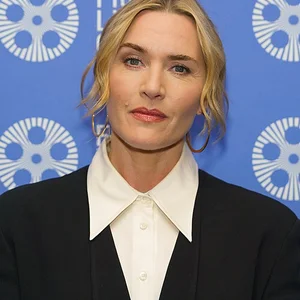
Kate Winslet
1975 — ?
Kate Winslet is a British actress born in 1975 in Reading, England. She rose to worldwide fame through James Cameron's Titanic in 1997 and is considered one of the greatest actresses of her generation. She won the Academy Award for Best Actress in 2009 for her role in The Reader.
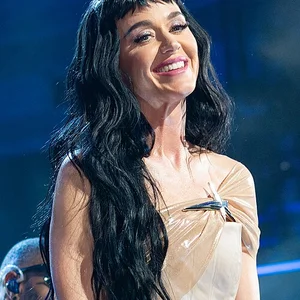
Katy Perry
1984 — ?
Katy Perry is an American singer-songwriter born in 1984 in Santa Barbara. She rose to prominence in the 2000s–2010s as one of the best-selling pop artists in the world, with global hits such as 'Roar' and 'Firework'.
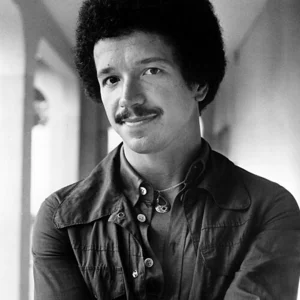
Keith Jarrett
1945 — ?
Keith Jarrett is an American jazz pianist and composer born in 1945. Famous for his fully improvised solo concerts, he created the Köln Concert (1975), one of the best-selling solo piano albums in history.
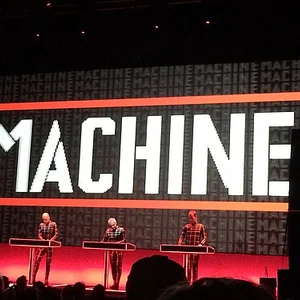
Kraftwerk
Kraftwerk is a German band founded in Düsseldorf in 1970 by Ralf Hütter and Florian Schneider. Pioneers of electronic music, they popularized the use of synthesizers, drum machines and robotic sounds, leaving a lasting influence on techno, synth-pop and hip-hop.
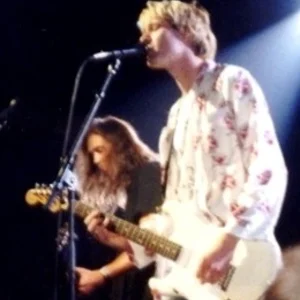
Kurt Cobain
1967 — 1994
Kurt Cobain (1967-1994) was an American musician, singer, guitarist, and songwriter for the band Nirvana. A major figure of the grunge movement, he became one of the icons of the 1990s alternative rock scene before his untimely death at the age of 27.
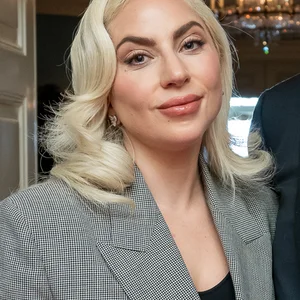
Lady Gaga
1986 — ?
Born Stefani Joanne Angelina Germanotta in 1986 in New York, Lady Gaga is an American singer-songwriter and actress. A multi-faceted artist, she has established herself as one of the defining figures of global pop music in the 21st century.
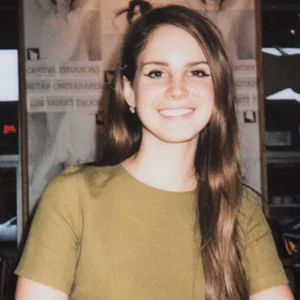
Lana Del Rey
1985 — ?
Lana Del Rey, born Elizabeth Woolridge Grant, is an American singer-songwriter born in 1985. Known for her melancholic lyrics and retro aesthetic, she blends pop, indie, and cinematic elements across acclaimed albums such as 'Born to Die' (2012).
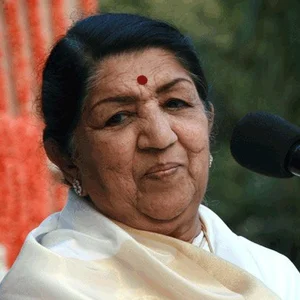
Lata Mangeshkar
1929 — 2022
Nicknamed the “Nightingale of India”, Lata Mangeshkar (1929–2022) is the most celebrated playback singer in Indian cinema. Over a career spanning more than 70 years, she recorded over 30,000 songs in some thirty languages, becoming a national cultural icon.
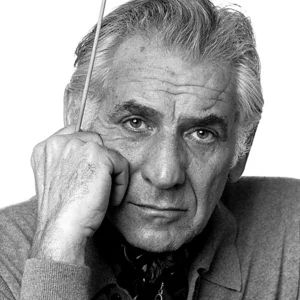
Leonard Bernstein
1918 — 1990
American composer and conductor (1918–1990), Leonard Bernstein led the New York Philharmonic and composed major works blending classical music and jazz. He is world-renowned for the musical West Side Story (1957).
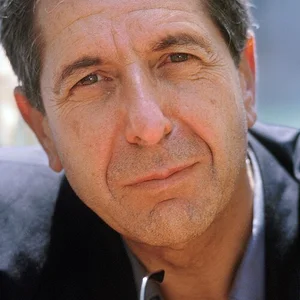
Leonard Cohen
1934 — 2016
Canadian singer-songwriter, poet, and novelist. First recognized as a writer, he became one of the great figures of folk music, blending poetry, spirituality, and melancholy. His song *Hallelujah* became a worldwide classic.
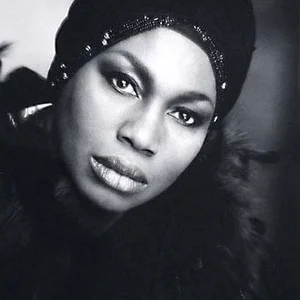
Leontyne Price
1927 — ?
An African-American lyric soprano born in 1927, Leontyne Price was the first Black woman to achieve the rank of prima donna at the Metropolitan Opera in New York. Celebrated for her interpretations of Verdi, she embodied both artistic excellence and triumph over racial segregation.
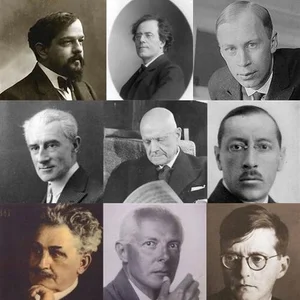
Leoš Janáček
Major Czech (Moravian) composer at the turn of the twentieth century. First a teacher and folklorist, he achieved late recognition with the opera Jenůfa and forged a musical language rooted in the inflections of spoken speech.
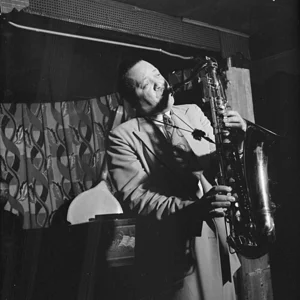
Lester Young
1909 — 1959
Lester Young (1909-1959) was an American tenor saxophonist considered one of the fathers of cool jazz. His lyrical, airy style influenced generations of musicians, most notably Charlie Parker.
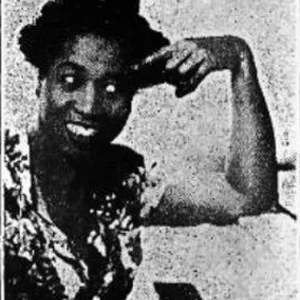
Lil Hardin Armstrong
1898 — 1971
American pianist, composer, and bandleader, one of the first major female figures in jazz. A member of King Oliver's Creole Jazz Band and then a mainstay of Louis Armstrong's Hot Five and Hot Seven, she was also his wife.
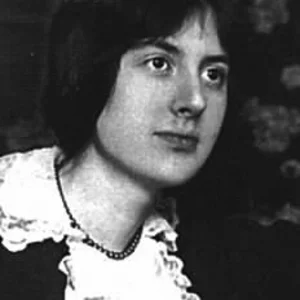
Lili Boulanger
1893 — 1918
French composer (1893–1918), Lili Boulanger was the first woman to win the Prix de Rome in 1913. Despite a brief life, she left a remarkable body of work marked by a personal and expressive harmonic language.
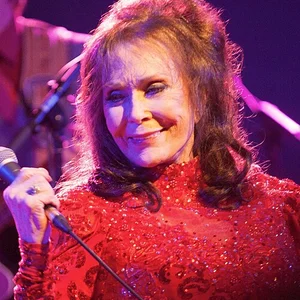
Loretta Lynn
1932 — 2022
American singer-songwriter, Loretta Lynn is one of the founding figures of country music. Born into a poor family in the Appalachians, she authentically sang about the lives of rural American women, their joys and struggles.
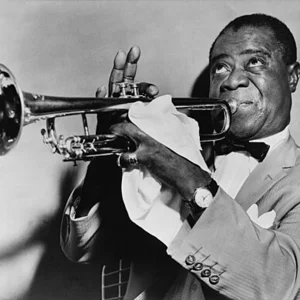
Louis Armstrong
1901 — 1971
American jazz trumpeter and singer born in New Orleans, nicknamed “Satchmo.” A founding figure of jazz, he revolutionized the art form with his virtuoso trumpet playing and his “scat” singing. He became one of the most famous musicians of the 20th century.
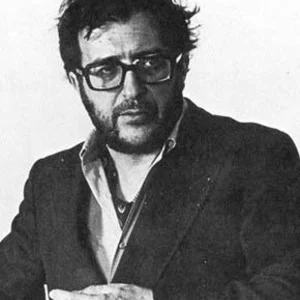
Luciano Berio
1925 — 2003
Luciano Berio (1925-2003) was an Italian composer, a major figure in contemporary music and the postwar avant-garde. A pioneer of electroacoustic music, he is known for his explorations of the human voice and his virtuosic instrumental writing.
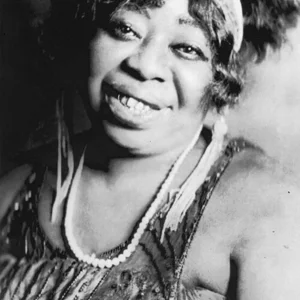
Ma Rainey
1886 — 1939
American blues singer, known as the "Mother of the Blues." A pioneer of classic blues, she was one of the first African American artists to record records in the 1920s and influenced an entire generation of female singers.
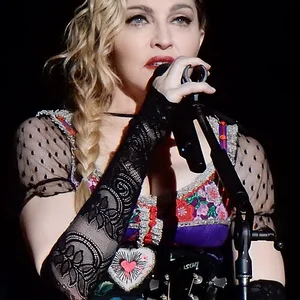
Madonna
1958 — ?
American singer, dancer, and businesswoman born in 1958, Madonna emerged in the 1980s as one of the most influential artists of the 20th century. Nicknamed the "Queen of Pop," she constantly pushes the boundaries of artistic creation and asserts her independence in a music industry dominated by men.
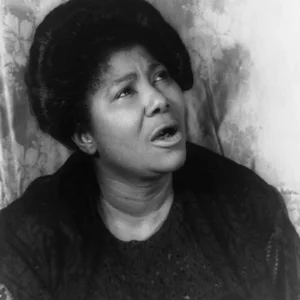
Mahalia Jackson
1911 — 1972
Mahalia Jackson (1911-1972) was the greatest American gospel singer of all time. A powerful voice of Black Christian faith, she was also a major figure in the civil rights movement alongside Martin Luther King.
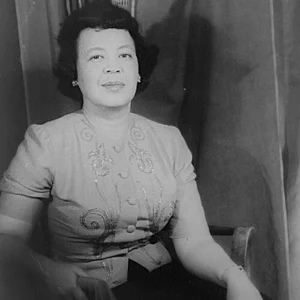
Margaret Bonds
1913 — 1972
African American pianist and composer (1913–1972), Margaret Bonds was one of the first Black women to make her mark in American classical music. She blended gospel, blues, and European classical influences, and collaborated closely with Langston Hughes.
Marguerite Monnot
1903 — 1961
Marguerite Monnot (1903-1961) was a French composer, classically trained pianist who became one of the great musical forces of French song. She wrote many hits for Édith Piaf as well as the musical "Irma la Douce."
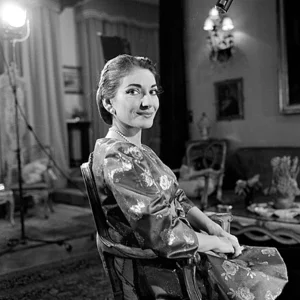
Maria Callas
1923 — 1977
La Divina, the most celebrated opera soprano of the 20th century
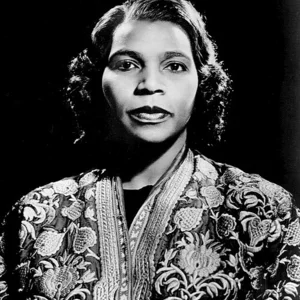
Marian Anderson
1897 — 1993
An African-American contralto (1897–1993), Marian Anderson was one of the greatest operatic voices of her era. In 1939, barred from Constitution Hall because of her race, she sang before 75,000 people at the Lincoln Memorial. In 1955, she became the first African-American woman to perform at the Metropolitan Opera in New York.
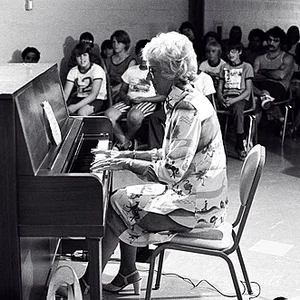
Marian McPartland
1918 — 2013
British-American jazz pianist Marian McPartland made her mark on the New York scene from the 1950s onward. She is best known for hosting the radio show “Piano Jazz” for more than thirty years on the American public radio network NPR.
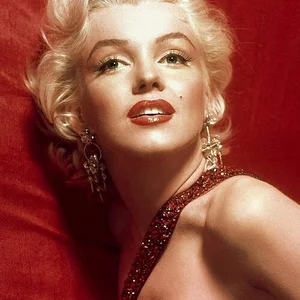
Marilyn Monroe
1926 — 1962
An American actress, model, and singer, Marilyn Monroe became one of the major cultural icons of the 20th century. A symbol of Hollywood glamour and American consumer society in the 1950s–1960s, her tragic life continues to fuel conversations about the treatment of women in the entertainment industry.
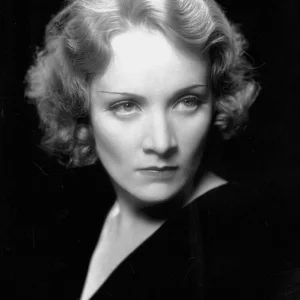
Marlene Dietrich
1901 — 1992
A German-American actress and singer, Marlene Dietrich established herself as an icon of Hollywood cinema in the 1930s. Refusing to collaborate with the Nazi regime, she committed herself to the Allied cause during the Second World War.
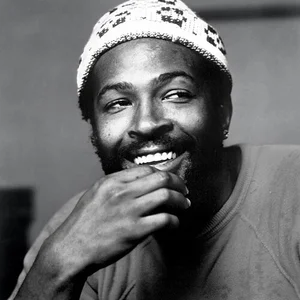
Marvin Gaye
1939 — 1984
Marvin Gaye (1939-1984) was an American singer, songwriter, and producer, a major figure in soul music and Motown. With the album *What's Going On* (1971), he transformed soul into a vehicle for social and political engagement.
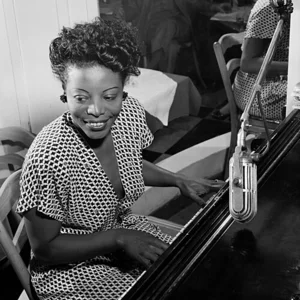
Mary Lou Williams
1910 — 1981
Mary Lou Williams (1910-1981) was an American jazz pianist, composer, and arranger. A major and influential figure across several decades, she moved through all the great jazz styles, from swing to bebop, and was a mentor to many musicians.
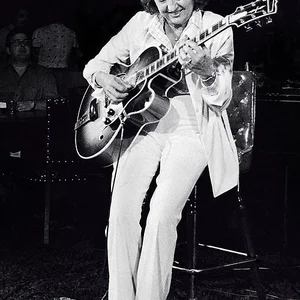
Mary Osborne
1921 — 1992
Mary Osborne (1921-1992) was an American jazz guitarist, one of the few women instrumentalists to make a name for herself in the swing and bebop eras. Inspired after hearing Charlie Christian, she became a much-sought-after studio musician in New York.
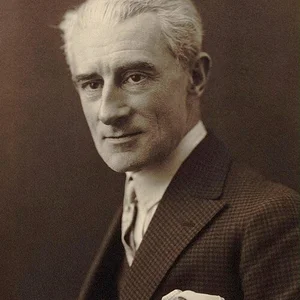
Maurice Ravel
1875 — 1937
Maurice Ravel was a French composer and one of the great figures of early 20th-century music. A master of orchestration, he is famous for the Boléro and associated with the impressionist movement alongside Claude Debussy.
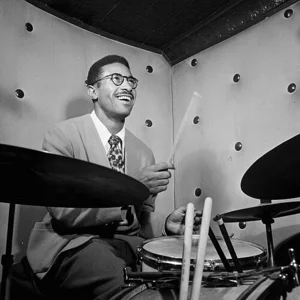
Max Roach
1924 — 2007
Maxwell Lemuel Roach (1924-2007) was an American jazz drummer, percussionist, and composer. A pioneer of bebop alongside Charlie Parker and Dizzy Gillespie, he was also a committed activist for civil rights.
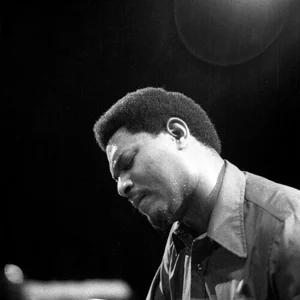
McCoy Tyner
1938 — 2020
American jazz pianist, one of the most influential of the post-war era. A member of John Coltrane's historic quartet, he developed a recognizable piano style built on quartal chords and a powerful left-hand technique.
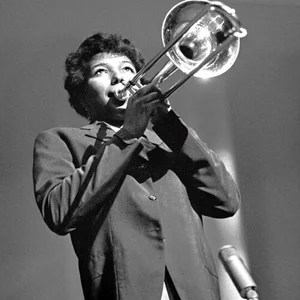
Melba Liston
1926 — 1999
Melba Liston (1926-1999) was an American jazz trombonist, composer, and arranger. A pioneer as a woman instrumentalist in the big bands of the bebop era, she collaborated with Dizzy Gillespie, Count Basie, and above all the pianist Randy Weston.
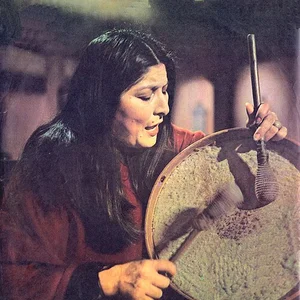
Mercedes Sosa
1935 — 2009
Nicknamed “La Negra,” Mercedes Sosa (1935–2009) was one of the greatest voices in Latin America. An iconic figure of the Nueva Canción movement, she channeled through her music the struggle for social justice and the dignity of oppressed peoples.
Michael Jackson
1942 — 2007
Michael Jackson was an American singer, dancer and songwriter, nicknamed the “King of Pop.” A major figure in 20th-century popular music, he revolutionized the music video and live performance through his choreography. His album Thriller (1982) remains the best-selling album in history.

Michel Petrucciani
1962 — 1999
Michel Petrucciani (1962-1999) was a French jazz pianist and composer, one of the greatest European virtuosos of his instrument. Affected by a rare bone disease, he led a dazzling international career before dying at the age of 36.
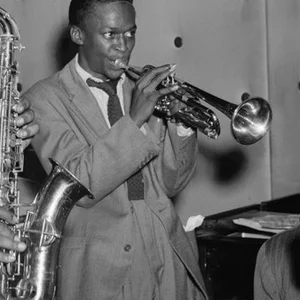
Miles Davis
1926 — 1991
Miles Davis (1926-1991) was an American jazz trumpeter, composer, and bandleader. A major figure of the musical 20th century, he relentlessly reinvented jazz, from cool jazz to modal jazz and on to electric fusion.
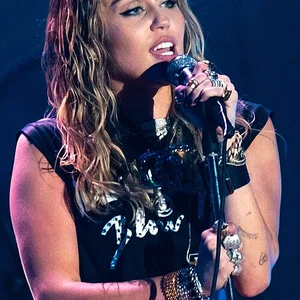
Miley Cyrus
1992 — ?
Born in 1992 in the United States, Miley Cyrus is a versatile artist who has established herself as a singer-songwriter and actress. She first rose to fame through the Hannah Montana series (Disney Channel), before successfully transitioning to an independent and outspoken musical career.
Miriam Makeba
1932 — 2008
South African jazz singer and political activist
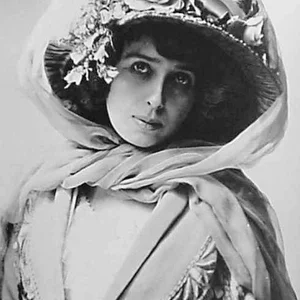
Mistinguett
1875 — 1956
Revue headliner and undisputed star of the French music hall, Mistinguett reigned over the stages of the Moulin Rouge, the Folies Bergère, and the Casino de Paris from the Belle Époque through the 1950s. Famous for her insured legs, her popular charm, and her song “Mon Homme”, she was the most popular French entertainer of the first half of the 20th century.
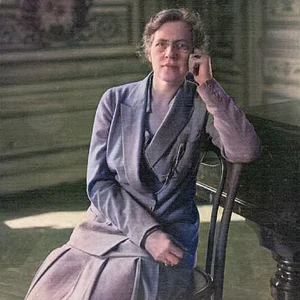
Nadia Boulanger
1887 — 1979
French pedagogue, pianist, organist, choral conductor, orchestral conductor, and composer
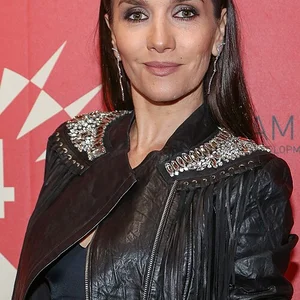
Natalia Oreiro
1977 — ?
Natalia Oreiro is a Uruguayan actress and singer born in 1977 in Montevideo. She gained international fame through Argentine telenovelas of the 1990s and 2000s, and a music career that made her especially popular in Eastern Europe.
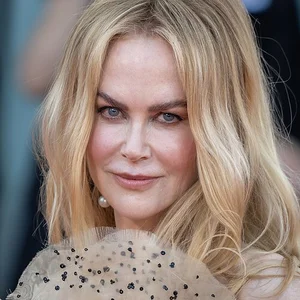
Nicole Kidman
1967 — ?
An Australian-American actress born in 1967, Nicole Kidman is one of Hollywood's greatest stars. She won the Academy Award in 2003 for The Hours, and has left her mark on world cinema through the range of her roles and her artistic commitment.
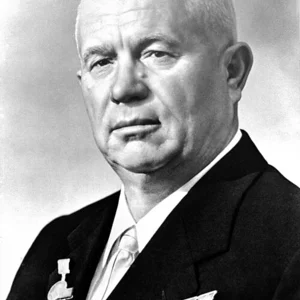
Nikita Khrushchev
1894 — 1971
Soviet leader from 1953 to 1964, Khrushchev succeeded Stalin and launched a policy of de-Stalinization. A central figure of the Cold War, he confronted the United States during the Cuban Missile Crisis of 1962.
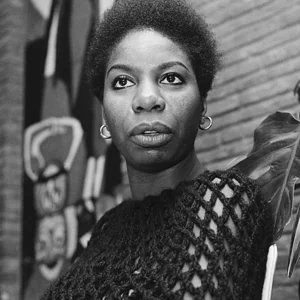
Nina Simone
1933 — 2003
American jazz singer, pianist, composer, and civil rights activist for Black people
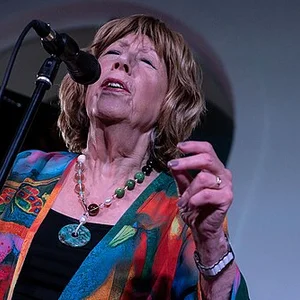
Norma Winstone
1941 — ?
Norma Winstone is a British jazz singer born in 1941, a major figure in European vocal jazz. Famous for her wordless vocalises and her art of writing lyrics for instrumental themes, she has profoundly shaped contemporary jazz.
Notorious B.I.G.
American rapper born in Brooklyn, a major figure of 1990s East Coast hip-hop. His flow and storytelling made him one of the most influential artists in rap, before his murder at the age of 24.
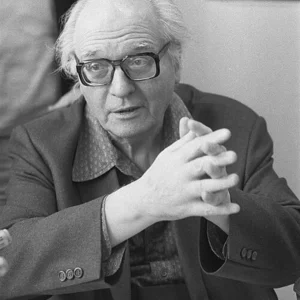
Olivier Messiaen
1908 — 1992
Olivier Messiaen (1908-1992) was a French composer, organist and teacher, one of the major figures of 20th-century music. A deeply devout Catholic and a passionate ornithologist, he renewed musical language through his research into rhythm, sound color and birdsong.
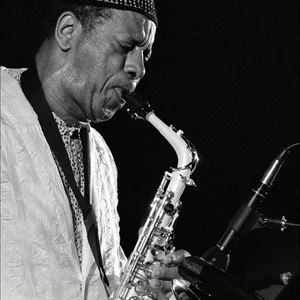
Ornette Coleman
1930 — 2015
Ornette Coleman (1930-2015) was an American saxophonist, composer, and theorist. A major figure of avant-garde jazz, he was the leading pioneer of free jazz, a movement that freed improvisation from traditional harmonic frameworks.
Oscar Peterson
1925 — 2007
Canadian jazz pianist and composer (1925-2007), regarded as one of the greatest virtuosos of jazz piano. Renowned for his dazzling technique, his swing, and his feel for the blues, he recorded more than 200 albums.
Otis Redding
1941 — 1967
Otis Redding (1941-1967) was an American singer and songwriter, a major figure in 1960s soul music. An iconic voice on the Stax label in Memphis, he died prematurely in a plane crash at age 26, shortly after recording his greatest hit.
Oum Kalthoum
1898 — 1975
Umm Kulthum was an Egyptian singer and actress, one of the greatest voices of the Arab world in the 20th century. Nicknamed “the Star of the East,” she shaped generations through her radio-broadcast concerts and a repertoire blending love, patriotism, and classical poetry.
Patsy Cline
1932 — 1963
Patsy Cline (1932–1963) was a pioneering American country singer celebrated for her powerful, expressive voice. She was one of the first country artists to cross over to mainstream pop audiences with songs like 'Crazy' and 'I Fall to Pieces'. Her career was abruptly cut short when she died in a plane crash at the age of 30.
Patti Smith
1946 — ?
American singer, poet, and artist born in 1946, a pioneer of New York's punk rock movement in the 1970s. Her album *Horses* (1975) blends beat poetry with raw rock, making her an icon of the counterculture.
Peggy Lee
1920 — 2002
Peggy Lee (1920-2002) was an American jazz and pop singer, songwriter, and actress. Discovered with Benny Goodman's orchestra, she established herself as a soloist with hits like "Fever" and "Is That All There Is?".
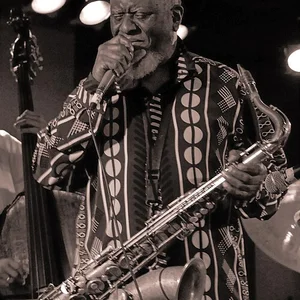
Pharoah Sanders
1940 — 2022
American jazz saxophonist (1940-2022), a major figure of free jazz and spiritual jazz. A collaborator of John Coltrane in the 1960s, he developed an intense style blending powerful breath, ecstatic sonorities, and African and Eastern inspirations.
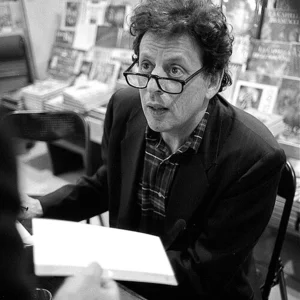
Philip Glass
1937 — ?
Philip Glass is an American composer born in 1937, a major figure of minimalist music. He made his name with operas and film scores built on repetitive, hypnotic structures.
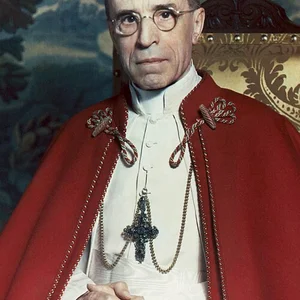
Pius XII
1876 — 1958
260th pope of the Catholic Church (1939–1958), Pius XII led the Church through the Second World War and the Cold War. His attitude toward the Holocaust remains controversial to this day.
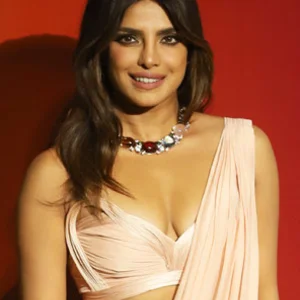
Priyanka Chopra
1982 — ?
Priyanka Chopra is an Indian actress and singer born in 1982 in Jamshedpur. Crowned Miss World in 2000, she became one of Bollywood's most popular actresses before breaking into Hollywood. She embodies India's cultural influence on the world stage.
Public Enemy (Chuck D)
Chuck D is the leader and main lyricist of the American hip-hop group Public Enemy, founded in 1985. A major figure of political rap, he turned hip-hop into a platform for denouncing racism and social injustice in the United States.
Queen Latifah
1970 — ?
A pioneer of American female hip-hop, Queen Latifah made her mark from the late 1980s with politically engaged and feminist rap. She went on to build a dual career as a singer and actress, becoming one of the most influential women in the entertainment industry.
Quincy Jones
1933 — 2024
Quincy Jones (1933-2024) is one of the most influential musicians and producers of the 20th century. A jazz composer, arranger, and bandleader, he is also the producer of Michael Jackson's best-selling albums, including Thriller.
Rabindranath Tagore
1861 — 1941
Indian (Bengali) poet, novelist, composer, and philosopher, a leading figure of the Bengal Renaissance. The first non-European to win the Nobel Prize in Literature, in 1913, for his collection Gitanjali. A humanist thinker and educator, he founded the university at Santiniketan.
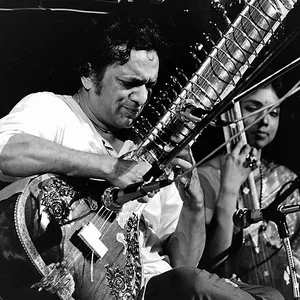
Ravi Shankar
1920 — 2012
Indian sitarist and composer
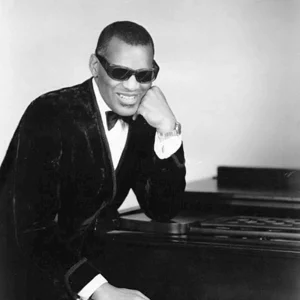
Ray Charles
1930 — 2004
Ray Charles was an American singer, pianist, and composer, blind since childhood. A pioneer of soul, he blended gospel, blues, jazz, and rhythm and blues, becoming one of the major figures of 20th-century popular music.
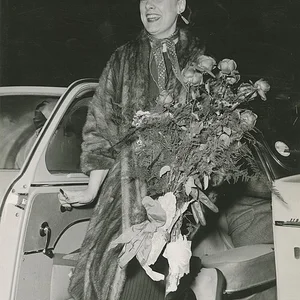
Renata Tebaldi
1922 — 2004
Renata Tebaldi (1922–2004) was one of the greatest Italian sopranos of the 20th century, celebrated for the purity and power of her voice. She dominated the world's opera stages, most notably La Scala in Milan and the Metropolitan Opera in New York, and was the legendary rival of Maria Callas.
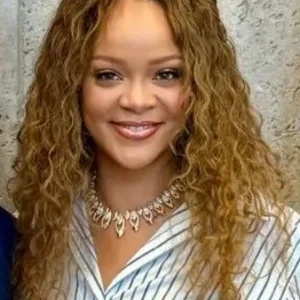
Rihanna
1988 — ?
Rihanna is a Barbadian singer, actress, and businesswoman born in 1988. She rose to international fame in the 2000s and became one of the best-selling music artists in history. She is also the founder of the Fenty Beauty and Savage X Fenty brands.
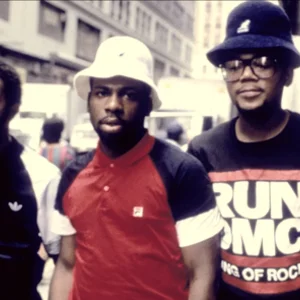
Run-DMC
Run-DMC is an American hip-hop group from Queens (New York), formed in 1983. Made up of Joseph "Run" Simmons, Darryl "DMC" McDaniels, and DJ Jason "Jam Master Jay" Mizell, it is considered one of the major pioneers of rap.
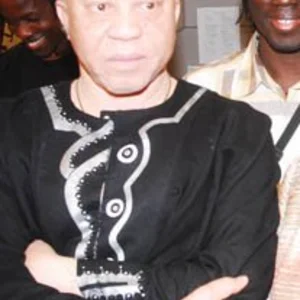
Salif Keita
1949 — ?
Salif Keïta is a Malian singer and songwriter born in 1949, nicknamed “the golden voice of Africa.” An albino descendant of Mali's royal dynasty, he established himself as a major figure in modern African music by blending Mandinka traditions with Western sounds.
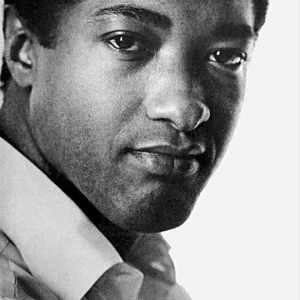
Sam Cooke
1931 — 1964
Sam Cooke (1931-1964) was an American singer, songwriter, and entrepreneur, considered one of the founding fathers of soul music. Coming from gospel, he managed to unite spirituality and popular music and became a figure in the fight for civil rights.
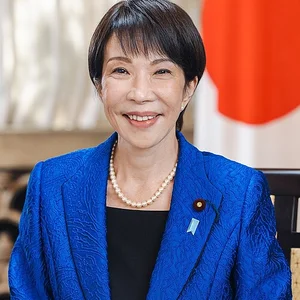
Sanae Takaichi
1961 — ?
Japanese politician born in 1961, member of the Liberal Democratic Party. She has held several ministerial positions in Japan, including Minister of Internal Affairs and Communications. Known for her conservative views and interest in Japanese pop culture.
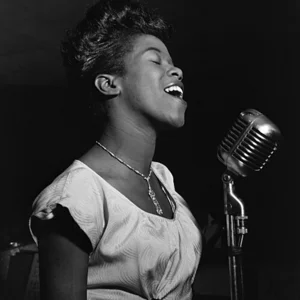
Sarah Vaughan
1924 — 1990
American jazz singer (1924–1990), nicknamed “The Divine One” or “Sassy,” Sarah Vaughan is considered one of the greatest voices of the 20th century. Her exceptional timbre, vibrato, and technical mastery earned her international recognition.
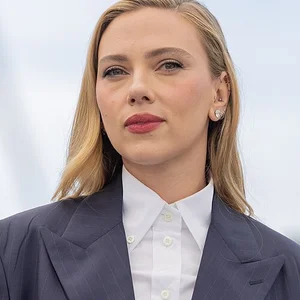
Scarlett Johansson
1984 — ?
An American-Danish actress and singer born in 1984 in New York, Scarlett Johansson established herself in the 2000s as one of Hollywood's most influential actresses. She is also a producer and an advocate for feminist causes.
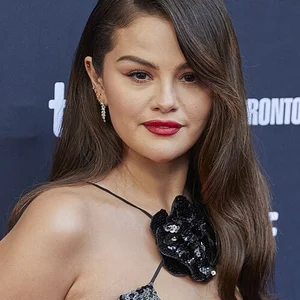
Selena Gomez
1992 — ?
Selena Gomez is an American singer and actress born on July 22, 1992, in Grand Prairie, Texas. Rising to fame through a Disney Channel series, she became a global pop icon and influential entrepreneur. She is also an advocate for mental health awareness and Latino representation in the media.

Selena Quintanilla-Pérez
American singer of Mexican descent, nicknamed the “Queen of Tejano music.” A rising star of Latin pop, she was murdered at age 23 in 1995 by the president of her fan club, becoming a posthumous cultural icon.
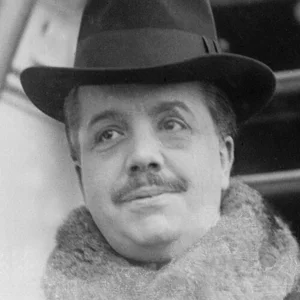
Serge de Diaghilev
1872 — 1929
Russian impresario and patron of the arts, Diaghilev founded the Ballets Russes in 1909, revolutionizing choreographic art by bringing together the greatest artists of his era. He collaborated with Stravinsky, Picasso, Matisse, and Nijinsky to create total spectacles blending dance, music, and the visual arts.
Serge Gainsbourg
1928 — 1991
French singer-songwriter, film director, and painter (1928–1991), a towering figure of French popular music. A provocateur and poet, he left his mark on popular culture with works blending humor, eroticism, and artistic boldness.
Sergei Prokofiev
Russian, then Soviet, composer, pianist and conductor, one of the greatest musicians of the 20th century. His work, marked by a biting lyricism and great rhythmic inventiveness, spans symphonies, operas, ballets and film scores.
Sergei Rachmaninoff
1873 — 1943
Russian composer, virtuoso pianist, and conductor, one of the last great representatives of late Romanticism. After emigrating in the wake of the 1917 revolution, he continued his career in the United States, where he became one of the most famous pianists of his time.
Shakira
1977 — ?
Shakira is a Colombian singer, songwriter, and actress born in 1977 in Barranquilla. A global icon of Latin pop, she blends Arabic, rock, and Afro-Caribbean influences. She was the first Latin American artist to surpass one billion views on YouTube.
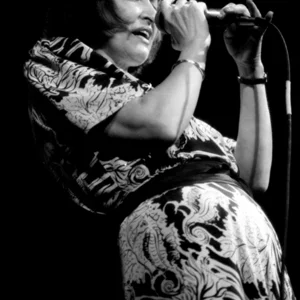
Sheila Jordan
1928 — 2025
Sheila Jordan, born in 1928 in Detroit, is an American jazz singer. Shaped by bebop and the music of Charlie Parker, she is celebrated for her inventive phrasing and for having popularized the voice-and-double-bass duo.
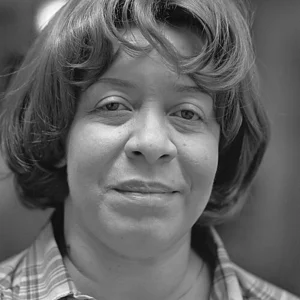
Shirley Horn
1934 — 2005
Shirley Horn (1934-2005) was an American jazz pianist and singer. Famous for her intimate phrasing and very slow tempos, she accompanied herself on the piano and achieved late but dazzling recognition in the 1990s.
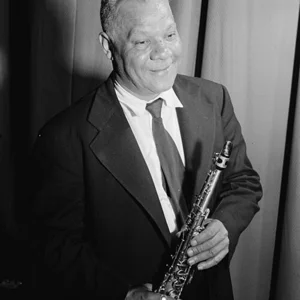
Sidney Bechet
1897 — 1959
Sidney Bechet was an American clarinetist and soprano saxophonist, one of the first great jazz soloists. Born in New Orleans, he was a major figure of traditional jazz and ended his life famous in France.
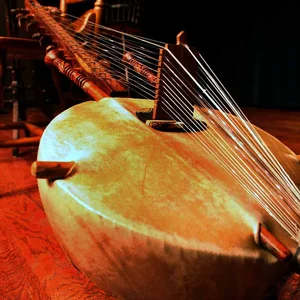
Siramori Diabaté
1925 — 1989
Siramori Diabaté (c. 1920–1989) was a renowned Malian griot woman from the village of Kéla, Mali, belonging to the Mandinka people. A keeper of the Sundiata Keita epic, she was one of the most celebrated transmitters of the griot oral tradition in the 20th century.
Sofia Gubaidulina
1931 — 2025
A Russian-Tatar composer born in 1931, Sofia Gubaidulina is one of the leading figures of contemporary music. Her deeply spiritual work blends Eastern and Western influences, and was long marginalized in the USSR.
Sonny Rollins
1930 — 2026
Sonny Rollins, born Theodore Walter Rollins, was one of the most influential tenor saxophonists in jazz history. A major figure of the post-bebop era, he left his mark on the genre with albums like *Saxophone Colossus* (1956) and composed standards played worldwide, such as "Oleo" and "St. Thomas." He passed away on May 25, 2026, in Woodstock at the age of 95.
Stan Getz
1927 — 1991
American tenor saxophonist and a leading figure of 1950s “cool” jazz. Nicknamed “The Sound” for the warm, lyrical tone of his instrument, he popularized bossa nova in the United States in the early 1960s.
Stéphane Grappelli
1908 — 1997
Stéphane Grappelli (1908-1997) was a French jazz violinist who co-founded the Quintette du Hot Club de France with guitarist Django Reinhardt. A leading figure of gypsy jazz, he raised the violin to the status of a jazz solo instrument over a career spanning nearly sixty years.
Steve Reich
1936 — ?
Steve Reich is an American composer born in 1936, a major figure of minimalist music. With his techniques of phasing and repetition, he profoundly renewed Western art music in the second half of the 20th century.
Stevie Wonder
1950 — ?
Stevie Wonder is an American singer-songwriter and multi-instrumentalist, a major figure of soul music and Motown. Blind since birth, he became one of the most influential and award-winning artists in twentieth-century popular music.
Sun Ra
1914 — 1993
Sun Ra (1914-1993) was an American jazz pianist, composer, and bandleader. A pioneer of the avant-garde, he founded the Sun Ra Arkestra and developed a “cosmic” aesthetic blending free jazz, Egyptian mysticism, and the imagery of outer space.
Taylor Swift
1989 — ?
Taylor Swift is an American singer-songwriter born in 1989 in Pennsylvania. She began her career in country music before becoming one of the most influential pop artists of her generation. Her work explores universal themes such as love, identity, and female empowerment.
Terry Riley
Terry Riley is an American composer born in 1935, a pioneering figure of minimalist music. His work In C (1964) is considered one of the founding acts of this movement that transformed twentieth-century music.
The Beatles (John Lennon)
John Lennon was a British musician, singer, and songwriter, a founding member of the Beatles, the most influential rock band of the 20th century. After the band's breakup in 1970, he pursued a solo career and became a figure of pacifism before his assassination in 1980.
The Beatles (Paul McCartney)
Paul McCartney is a British songwriter, singer and bassist, co-founder of the Beatles. With John Lennon, he formed one of the most influential songwriting duos of the 20th century, before pursuing a solo career and going on with the band Wings.
Thelonious Monk
1917 — 1982
Thelonious Monk (1917-1982) was an American jazz pianist and composer, a major figure of bebop. His distinctive harmonic and rhythmic style, built on dissonance and silence, profoundly renewed the language of modern jazz.
Theodor Adorno
1903 — 1969
German philosopher, sociologist, and musicologist, a major figure of the Frankfurt School and of Critical Theory. Together with Max Horkheimer, he analyzed the mechanisms of domination in modern societies and put forward a radical critique of mass culture.
Tina Turner
1939 — 2023
Born Anna Mae Bullock in 1939 in Tennessee, Tina Turner is one of the greatest rock and soul singers of the 20th century. After surviving an abusive marriage to Ike Turner, she made a triumphant solo comeback in the 1980s.
Tom Yorke
1920 — 2004
Thom Yorke, born in 1968, is a British musician, singer, guitarist and main songwriter of the rock band Radiohead, formed in 1985. His distinctive voice and experimental songwriting deeply shaped the alternative rock of the 1990s and 2000s.
Toshiko Akiyoshi
1929 — ?
Toshiko Akiyoshi is a Japanese American jazz pianist, composer, and bandleader born in 1929. The first Japanese student at the Berklee College of Music, she has led a celebrated big band since 1973, blending American jazz with elements of traditional Japanese music.
Tupac Shakur
1971 — 1996
An American rapper, songwriter, and actor, Tupac Shakur is one of the major figures of West Coast hip-hop. His socially conscious lyrics about racial inequality and urban violence left a lasting mark on popular culture. He was shot and killed in Las Vegas in 1996, at the age of 25.
Valaida Snow
1904 — 1956
Valaida Snow (1904-1956) was an African American jazz trumpeter, singer, and bandleader. Nicknamed “the Queen of the Trumpet,” she enjoyed an international career between the two World Wars before the Second World War shattered her trajectory.
Vi Redd
1928 — 2022
Vi Redd (1928-2022) was an American jazz alto saxophonist and singer, one of the few recognized women instrumentalists on the postwar jazz scene. An heir to Charlie Parker's bebop style, she pursued a dual career as a musician and a teacher.
Wayne Shorter
1933 — 2023
American jazz saxophonist (tenor and soprano) and composer, a major figure of modern jazz. He made his name with the Jazz Messengers, Miles Davis's second great quintet, and then the jazz-fusion band Weather Report, which he co-founded.
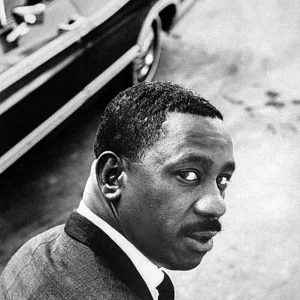
Wes Montgomery
1923 — 1968
Wes Montgomery (1923-1968) was an American jazz guitarist, one of the most influential in the instrument's history. Recognizable by his thumb-picking technique and his melodies played in octaves, he left his mark on hard bop before achieving great popular success in the 1960s.
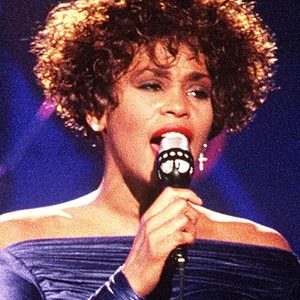
Whitney Houston
1963 — 2012
Whitney Houston (1963-2012) is one of the greatest American singers of all time, celebrated for her exceptional voice. She dominated global charts throughout the 1980s and 1990s and starred in the blockbuster film The Bodyguard (1992).
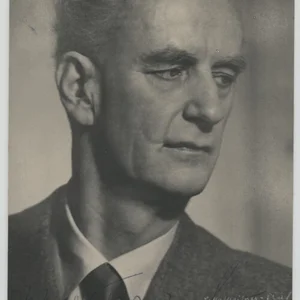
Wilhelm Furtwängler
1886 — 1954
Wilhelm Furtwängler was a German conductor and composer, considered one of the greatest musical directors of the 20th century. He notably led the Berlin Philharmonic Orchestra and remains famous for his interpretations of Beethoven, Brahms, and Wagner. His career under the Third Reich still sparks debate about his relationship with the Nazi regime.
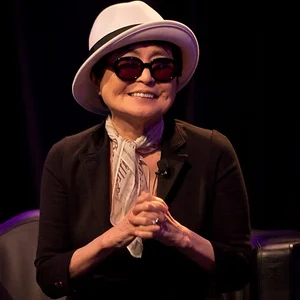
Yoko Ono
1933 — ?
Yoko Ono is a Japanese artist born in 1933 in Tokyo, a major figure in conceptual art and the Fluxus movement. A peace activist, she is also known for her artistic and political commitment alongside John Lennon. Her work explores audience participation, peace, and memory.
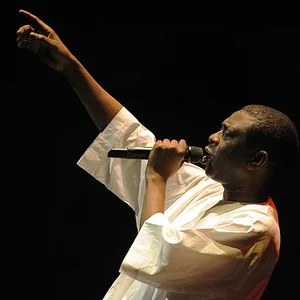
Youssou N'Dour
1959 — ?
Youssou N'Dour is a Senegalese singer and composer born in 1959, a major figure in African music and a popularizer of mbalax. Having become a global star, he also entered politics, holding several ministerial positions in Senegal.
21st Century(19)

Abra
1988 — ?
Abra is a contemporary Filipino rapper and a prominent figure in the Philippine hip-hop scene. He is known for his unique style blending rap with local musical influences.
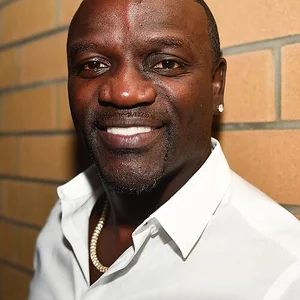
Akon
1973 — ?
An American-Senegalese singer, songwriter, and producer, Akon rose to global fame in the 2000s with worldwide hits blending R&B, pop, and African influences. He is also an entrepreneur, most notably through his project to bring electricity to Africa.
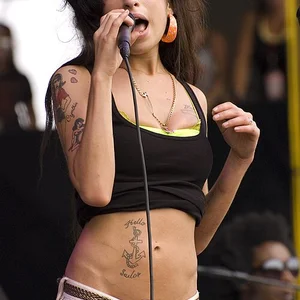
Amy Winehouse
1983 — 2011
British singer and songwriter born in 1983, Amy Winehouse is celebrated for her deep, distinctive voice and her style blending soul, jazz, and R&B. Her album *Back to Black* (2006) earned her five Grammy Awards in a single night. She died at the age of 27 in 2011, joining the infamous 27 Club.
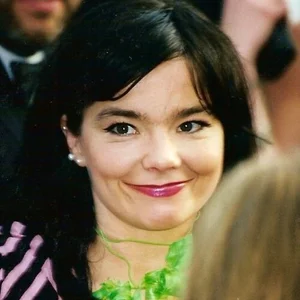
Björk
1965 — ?
Icelandic singer, composer, and artist born in 1965 in Reykjavík, pioneer of experimental electronic music and avant-garde pop. She is also an actress, awarded at Cannes in 2000 for Dancer in the Dark.
Cecilia Bartoli
1966 — ?
Italian mezzo-soprano born in 1966 in Rome, Cecilia Bartoli is one of the greatest opera singers of her generation. A specialist in baroque and classical repertoire, she has brought to light many forgotten works by Vivaldi, Salieri, and Agostino Steffani.
Daft Punk
Daft Punk was a French electronic music duo formed in 1993 by Thomas Bangalter and Guy-Manuel de Homem-Christo. A major figure of the French touch movement, the group—famous for its robot helmets—left a profound mark on electronic music worldwide before disbanding in 2021.

Iggy Azalea
1990 — ?
Iggy Azalea is an Australian rapper, songwriter, and model born in 1990. Having left for the United States at 16, she made her mark on American rap with her hit “Fancy” in 2014, becoming one of the few non-American female artists to break through in the genre.
Kaija Saariaho
1952 — 2023
Kaija Saariaho (1952-2023) was a Finnish composer and pioneer of spectral and electroacoustic music. Based in Paris, she collaborated with IRCAM and composed major works including the opera L'Amour de loin (2000).
Kelly Rowland
1981 — ?
Kelly Rowland is an American singer, songwriter, and actress. She rose to fame as a member of Destiny's Child, one of the best-selling girl groups of all time, and later pursued a solo career and television personality work.
Lauryn Hill
1975 — ?
American singer, rapper, and producer, Lauryn Hill is one of the defining figures of neo-soul and hip-hop from the 1990s–2000s. Her debut solo album 'The Miseducation of Lauryn Hill' (1998) won five Grammy Awards and remains a landmark record worldwide.
Lucy Durán
Lucy Durán is a British ethnomusicologist, producer and radio presenter, a specialist in the music of West Africa, particularly Mali. Her work is authoritative on the Mande griots and singers such as Siramori Diabaté.

Mariah Carey
1969 — ?
American singer and songwriter born in 1969, Mariah Carey is one of the best-selling artists in history with over 200 million albums sold. Known for her exceptional five-octave vocal range and whistle register, she dominated the American charts throughout the 1990s and 2000s.
Missy Elliott
1971 — ?
An American rapper, singer-songwriter, and record producer, Missy Elliott is a pioneer of hip-hop and R&B. She revolutionized the 1990s–2000s with avant-garde music videos and a unique musical style blending rap, funk, and electronica.
Nicki Minaj
1982 — ?
Nicki Minaj is an American rapper, singer, and songwriter of Trinidadian descent, born in 1982. A major figure in 2010s hip-hop, she established herself as one of the most influential and best-selling female rappers of her generation.
Sati
1976 — ?
Sati is a contemporary Lithuanian singer. She is part of the Baltic music scene, bringing Lithuanian musical culture to the international stage.

Solange Knowles
1986 — ?
Solange Knowles is an American singer, songwriter, and producer, a leading figure in alternative R&B and contemporary soul music. The younger sister of Beyoncé, she has established herself as a avant-garde artist celebrated for her album A Seat at the Table (2016).
Tegan and Sara
Tegan and Sara Quin are Canadian twin sisters, musicians, and LGBTQ+ activists. Formed in Calgary in 1995, their indie pop duo evolved toward accessible synthpop, earning them international recognition.
Tinariwen
Tinariwen is a Tuareg music group formed in 1979 in the refugee camps of the Sahara. Pioneers of the “desert blues,” they blend electric guitars with Tuareg tradition, and won a Grammy Award in 2012.

Unsuk Chin
1961 — ?
Unsuk Chin (born 1961 in Seoul) is a South Korean composer of contemporary classical music. A student of György Ligeti in Hamburg, she has established herself as one of the most original voices in contemporary art music, blending Korean influences with the European avant-garde.