 flip
flipTarichos — Salt-Cured Tuna
Tarichos — Salt-Cured Tuna
Why this dish? Athens imported whole shiploads of tarichos, salted fish from the Black Sea and the Hellespont, which fed the city outside fishing season. It was the everyday opson when fresh fish was scarce — the preserved staple that every Athenian household, including Sophocles', kept in jars.
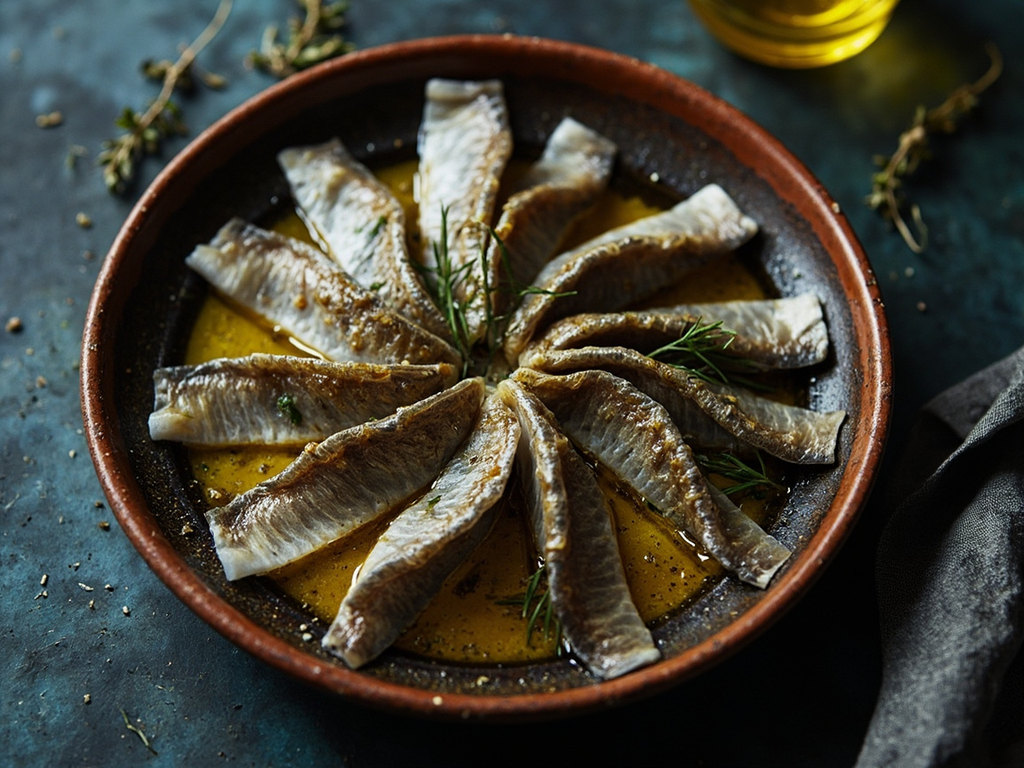
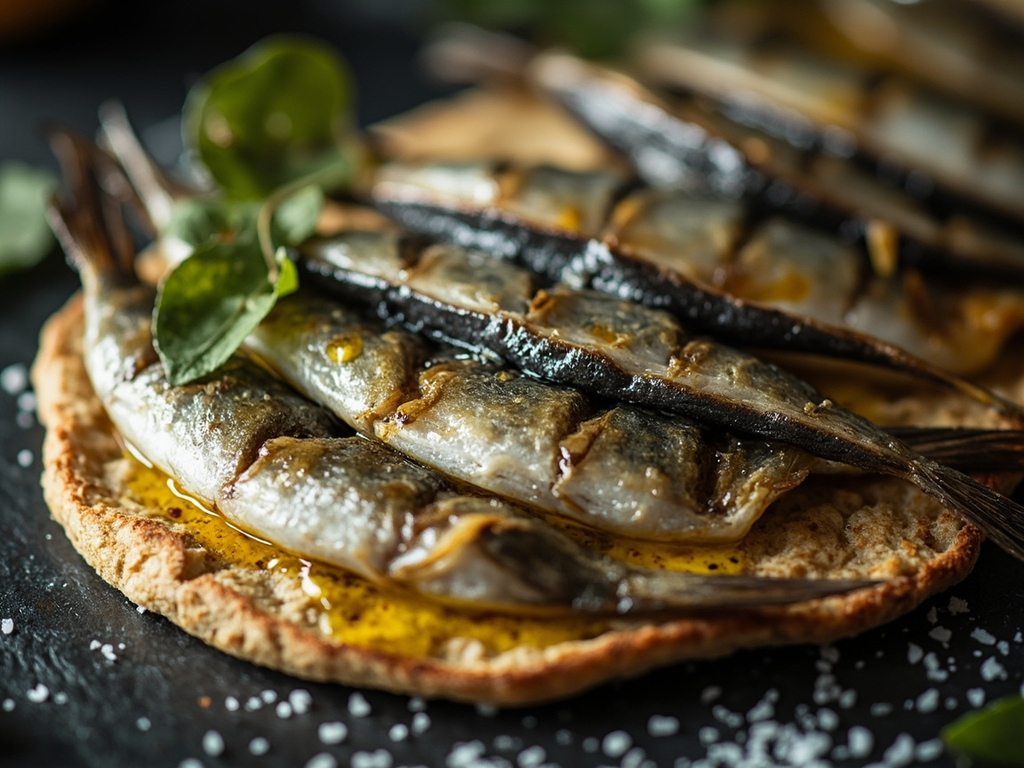
Salt-cured tuna (or mackerel), then desalted, served in thin slices with oil and herbs. The technique that allowed eating fish far from the sea and out of season, the basis of the Greek food economy.
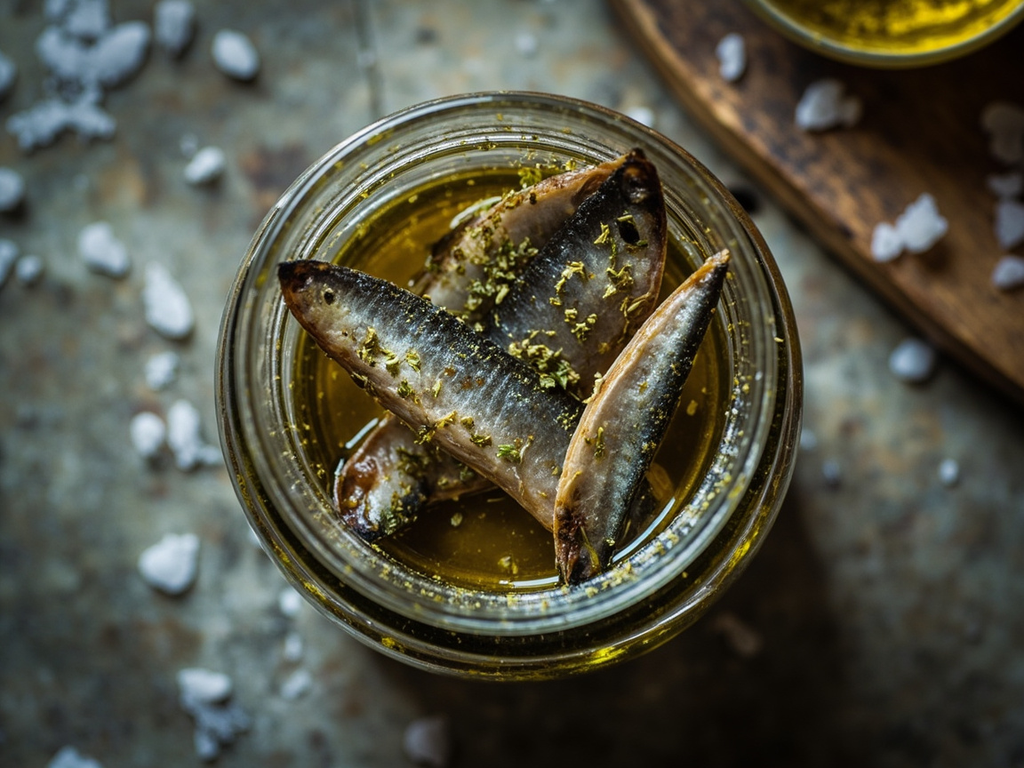
Not all the sea arrives fresh at the tables of Athens, know that. That is why we keep tarichos: the tuna opened, rubbed with coarse salt, laid in a jar for months, until it defies time as a good tragedy defies oblivion. Before eating, we bathe it in water to remove its harshness, then drizzle it with oil and oregano. Merchants bring it from the Pontus, beyond the Hellespont; without it, in winter, many Athenians would have only naked barley. It is the wisdom of the poor as of the wise: to keep for lean days what fat days have given.
- •Fresh tuna (or mackerel) — a thick piece (fish to salt)
- •Sea salt — in abundance (preserving agent)
- •Olive oil — for serving (seasoning)
- •Oregano — a few sprigs (aromatic)
Tarichos — Salt-Cured Tuna
Salt-cured tuna (or mackerel), then desalted, served in thin slices with oil and herbs. The technique that allowed eating fish far from the sea and out of season, the basis of the Greek food economy.
Why this dish? Athens imported whole shiploads of tarichos, salted fish from the Black Sea and the Hellespont, which fed the city outside fishing season. It was the everyday opson when fresh fish was scarce — the preserved staple that every Athenian household, including Sophocles', kept in jars.
Not all the sea arrives fresh at the tables of Athens, know that. That is why we keep tarichos: the tuna opened, rubbed with coarse salt, laid in a jar for months, until it defies time as a good tragedy defies oblivion. Before eating, we bathe it in water to remove its harshness, then drizzle it with oil and oregano. Merchants bring it from the Pontus, beyond the Hellespont; without it, in winter, many Athenians would have only naked barley. It is the wisdom of the poor as of the wise: to keep for lean days what fat days have given.
Ingredients (period version)
- Fresh tuna (or mackerel) — a thick piece (fish to salt)
- Sea salt — in abundance (preserving agent)
- Olive oil — for serving (seasoning)
- Oregano — a few sprigs (aromatic)
Ingredients
- Tuna steak (or mackerel fillets) — 300 g (fish to salt)
- Coarse sea salt — 500 g (preserving agent)
- Olive oil — 3 tbsp (seasoning)
- Dried oregano and lemon zest — to taste (aromatic)
Method
- Completely bury the fish in the coarse salt in a deep dish, and refrigerate for 24 to 48 hours (quick express version, no risk).
- Rinse thoroughly, then desalt the fish in cold water for 1 to 2 hours, changing the water once.
- Pat dry, then slice into thin strips.
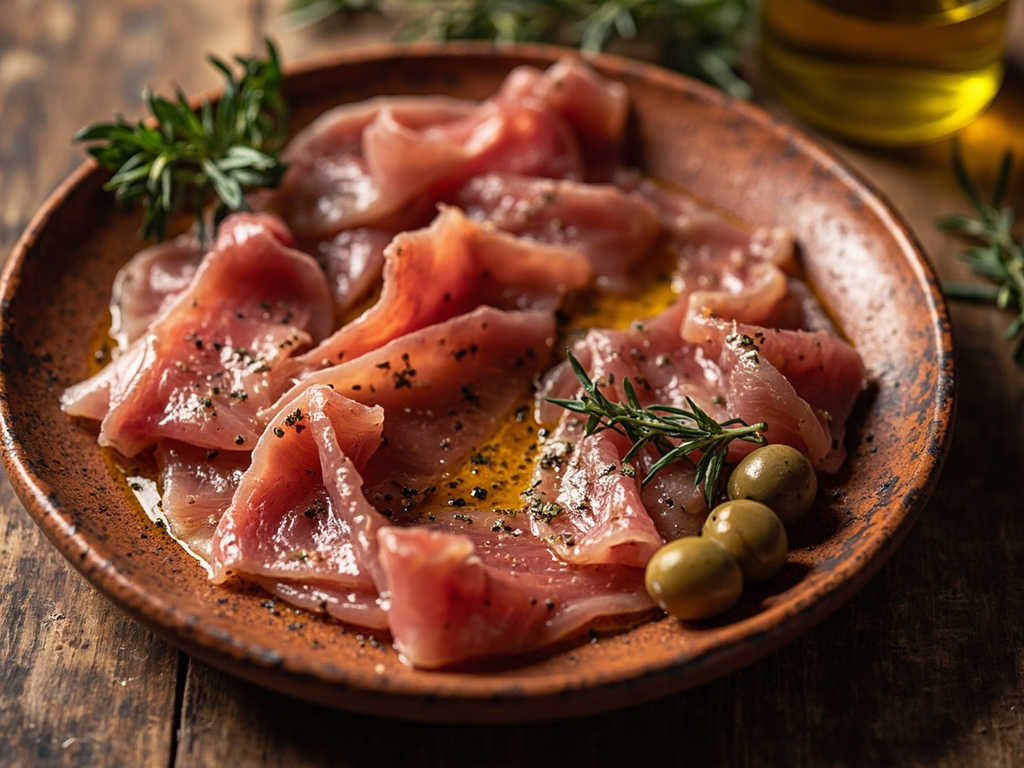
- Arrange on a plate, generously drizzle with olive oil, sprinkle with oregano and lemon zest.
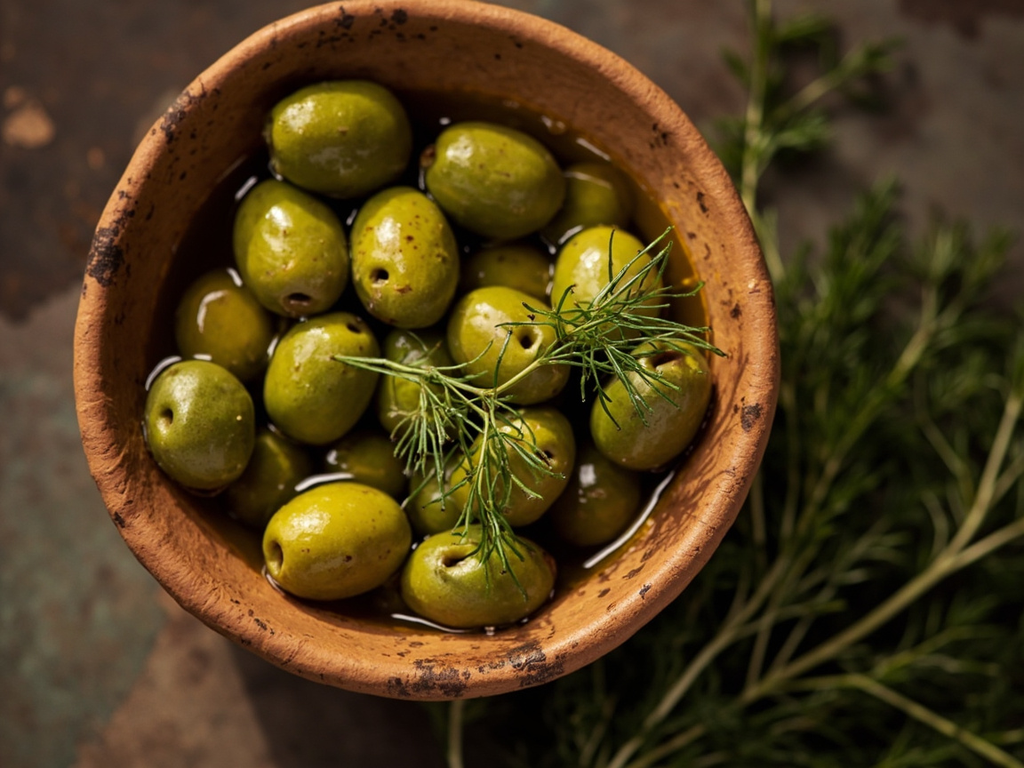
- Serve fresh with maza and a few olives, as a preserved opson.
How it was made : Real ancient tarichos was salted for months, sometimes with fermentation, for long-term preservation. It was a considerable trade: the Black Sea cities lived partly from exporting salted fish to Athens. Our short version gives the flavor without the danger of a lengthy artisanal salting.
The contemporary twist : Think of it as a Greek gravlax: cut the desalted tuna into thin carpaccio-like shavings, oil, oregano, zest — a modern meze that is two and a half thousand years old.
Sources : Andrew Dalby, Siren Feasts, Routledge, 1996 · James Davidson, Courtesans and Fishcakes, HarperCollins, 1997
Sophocles · Charactorium