 Flip the card
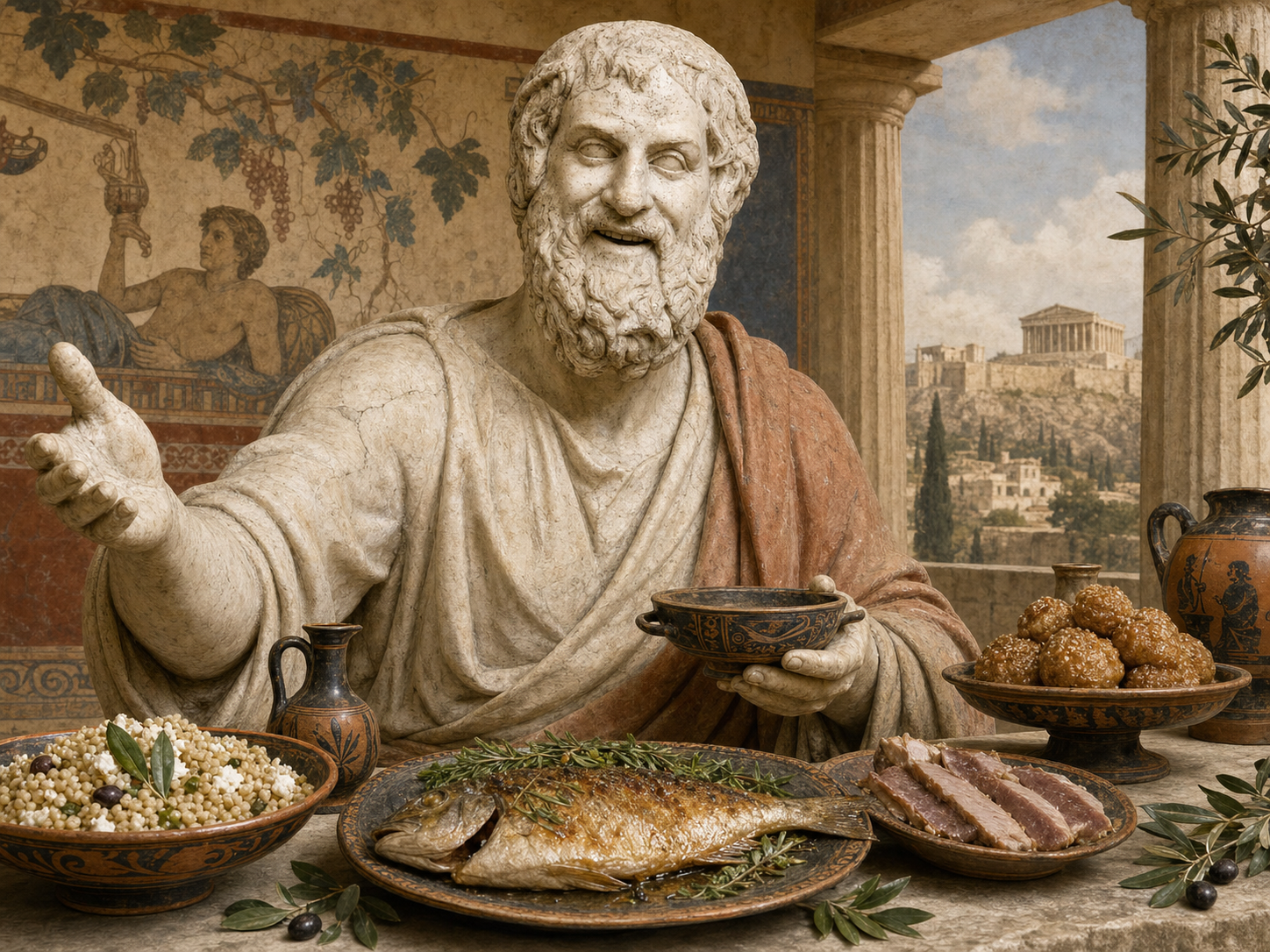
Sophocles at the table
495 av. J.-C. — 405 av. J.-C.
On the menu
Attic Deipnon and Symposion
In 5th-century Athens, the evening meal (deipnon) was organized around two poles: the sitos, the staple cereal food (barley maza, wheat bread), and the opson, the relish accompaniment (fish, legumes, olives, cheese) that was dipped or placed on top. After the meal, tables were removed and the symposion began, a banquet of wine mixed with water where tragēmata — figs, nuts, honey cakes — were passed around while reciting and debating. It was in this order, from humble grain to shared wine under the gaze of Dionysus, that a wealthy citizen like Sophocles lived.
Signature : Hymettus Honey
The thyme honey from the hives of Mount Hymettus, above Athens, was the Greeks' sugar: it bound cakes, sweetened wine, perfumed offerings. Together with garos (fermented fish brine, ancestor of Roman garum), it forms the flavor duo that defines the Athenian table — the sweetness of the gods and the salty umami of the sea.
click to flip back
Sophocles at the table
495 av. J.-C. — 405 av. J.-C.
5 period recipes
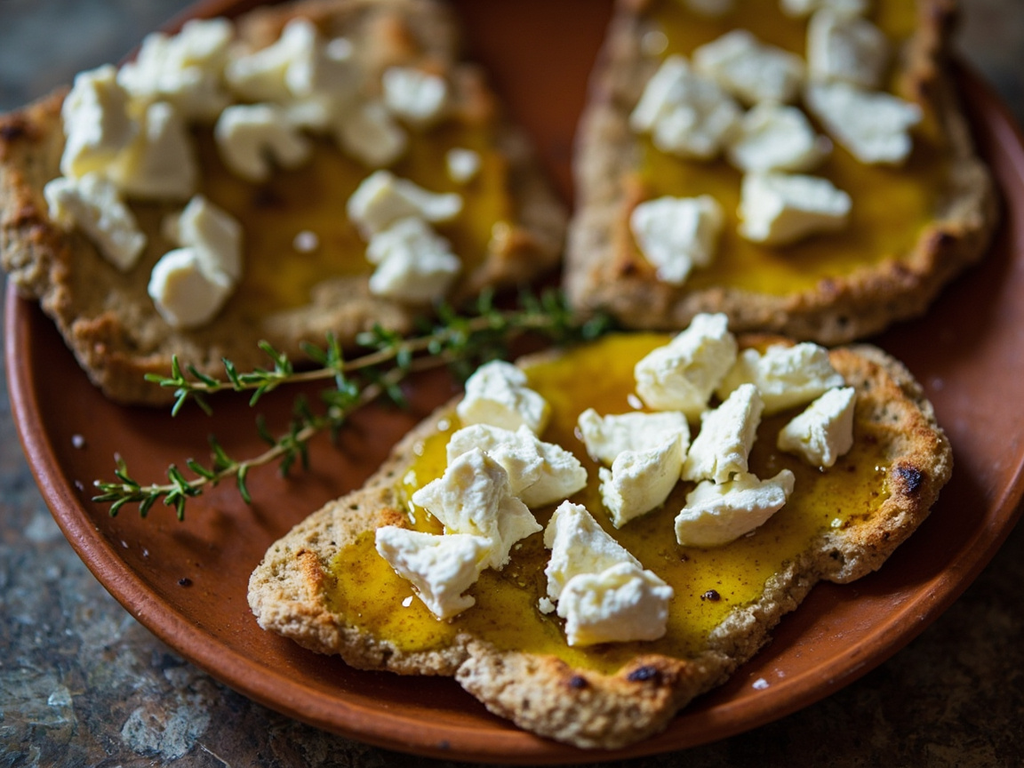 Everyday
Barley Maza with Oil and Cheese
Sitos — the staple cereal food
🧂 🍄· 30 min
View the recipe
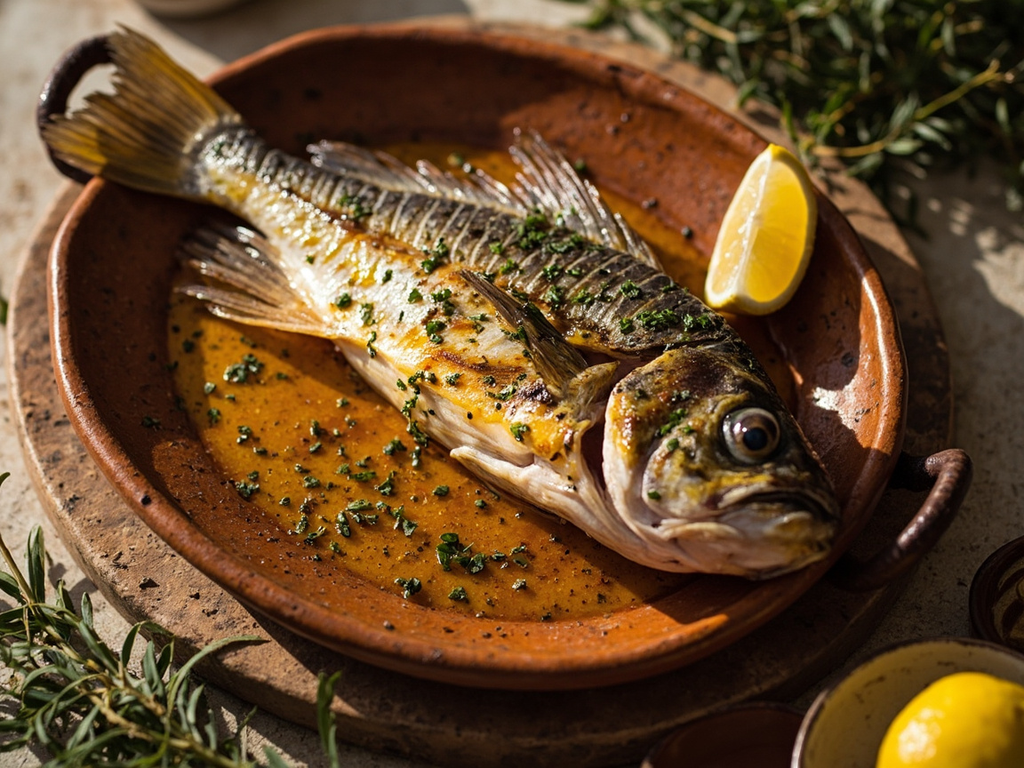 Festive
Sea Bream with Garos, Honey, and Herbs
Opson — the relish accompaniment of the deipnon
🧂 🍄 🍯· 40 min
View the recipe
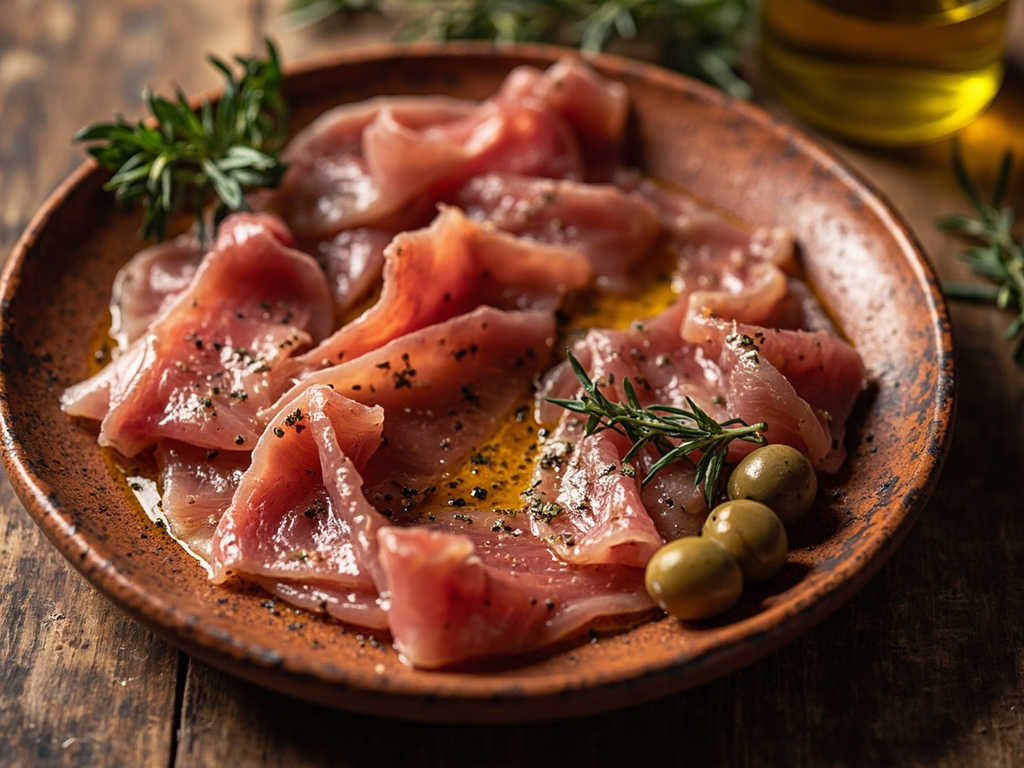 Preserving
Tarichos — Salt-Cured Tuna
Reserve opson — the dry accompaniment kept for later
🧂 🍄 🫙· 30 min (plus 24-48 h salting)
View the recipe
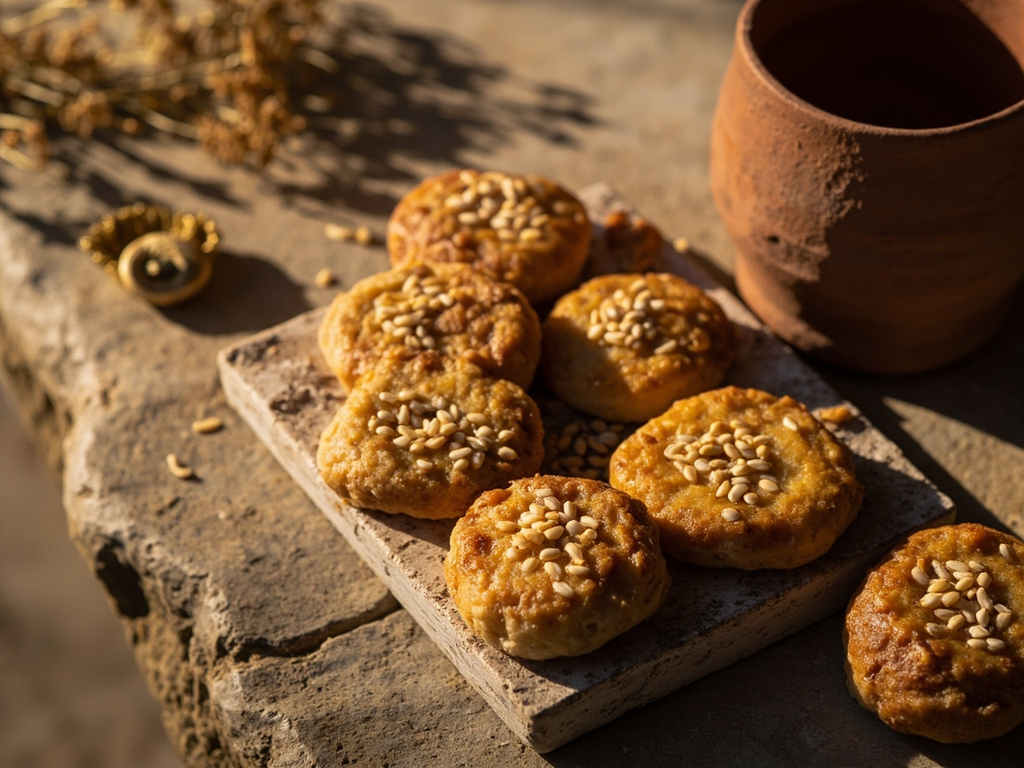 Offering
Honey Popana for Dionysus
Pelanos — offering cake placed on the altar
🍯· 35 min
View the recipe
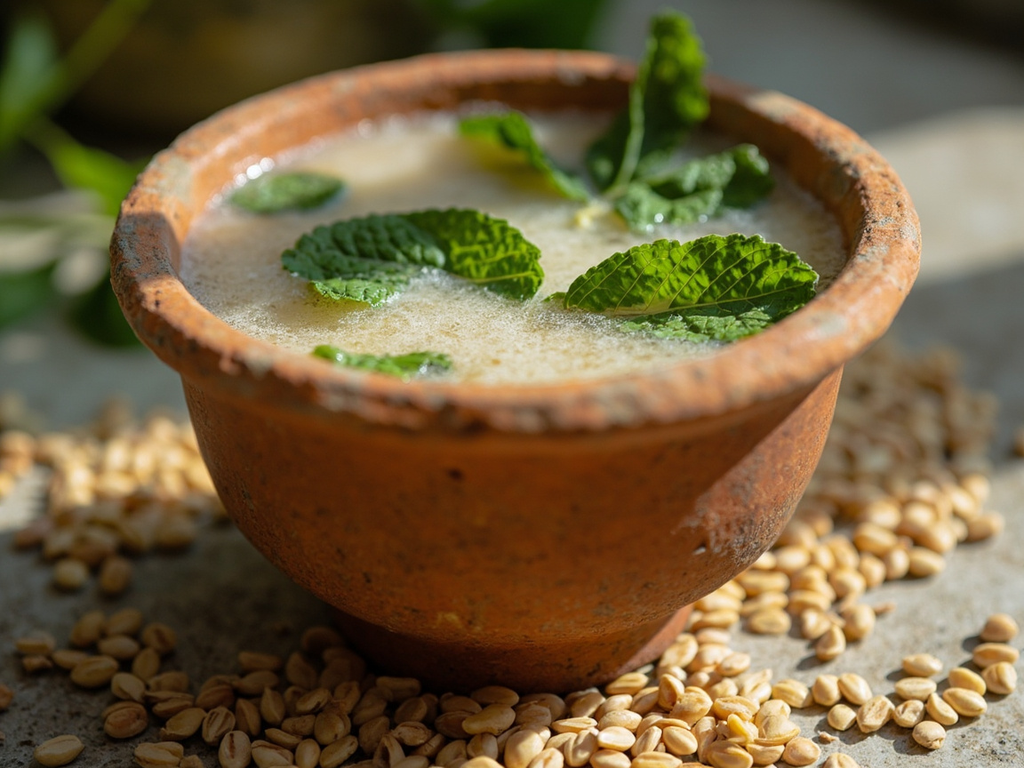 Drink
DrinkBarley Kykeon with Honey
Drink-porridge of the symposion and warm afternoons
🍯 🧂· 15 min
View the recipe