The Table of the Great Royal Wife (per-medjat and offerings)
At the court of the 18th Dynasty, the meal is not divided into successive courses as in the West, but laid out all at once: stacked loaves (the basis of every meal, measured in rations), roasted meats and poultry, Nile fish, vegetables from the royal gardens, fruits and honey are simultaneously placed on low mats and reed tables, all washed down with thick beer and wine. The most precious dishes are first presented as offerings to the gods and royal ancestors before being consumed: feeding the ka precedes feeding the belly. A queen eats separately from the people, served by stewards, on faience and alabaster dishes.
Signature : Garden Honey and Nile Coriander
Ancient Egypt knew neither sugar nor New World chili: wild and apiary honey provided sweetness, and coriander seeds, cumin, and dill flavored meats, breads, and fish. The honey/coriander pair is the aromatic signature of Theban royal tables, attested by food remains and tomb paintings.
Ahmose at the table
1504 av. J.-C. — 1492 av. J.-C.
5 period recipes
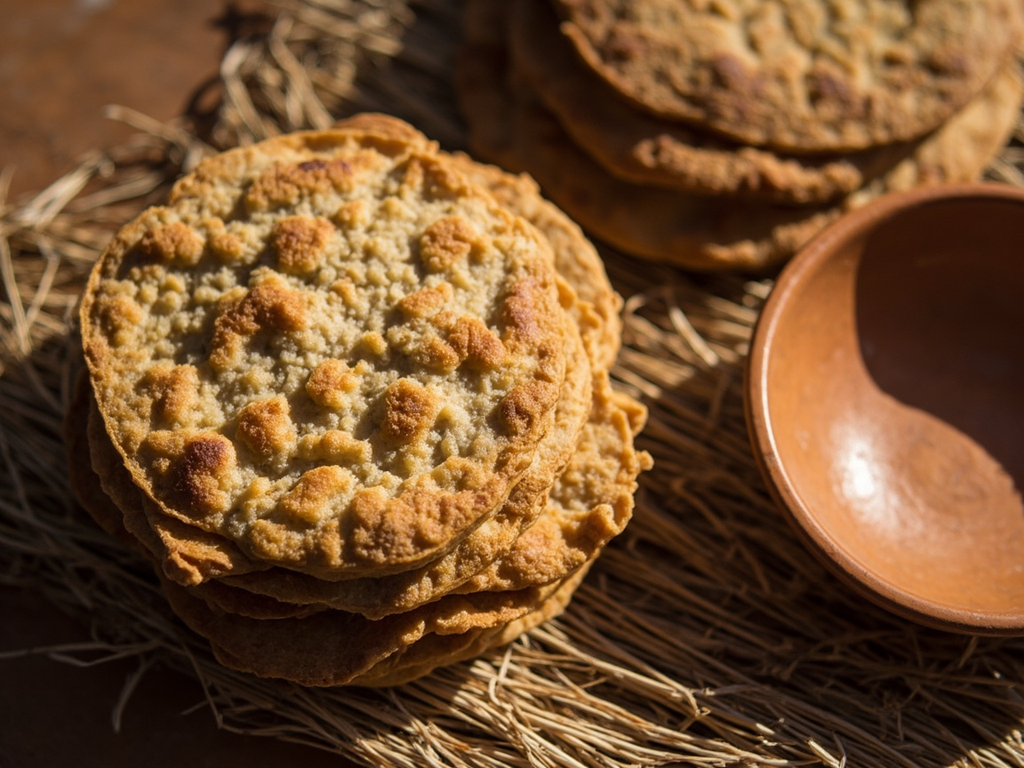 Everyday
Ta — Emmer Flatbread
Ration Bread (the foundation of every Egyptian table)
🧂 🫙· 4 h (including 3 h rising)
View the recipe
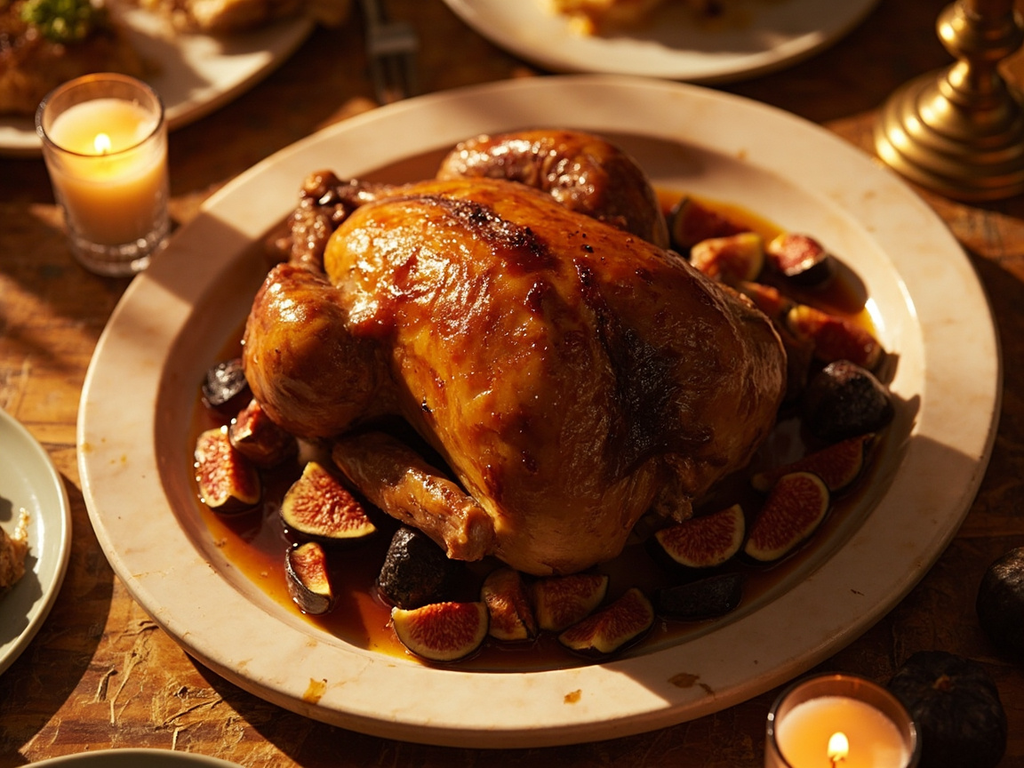 Festive
Honey-Roasted Goose with Figs and Coriander
Royal Banquet Dish (first presented as offering)
🍯 🍄 🧂· 3 h 30
View the recipe
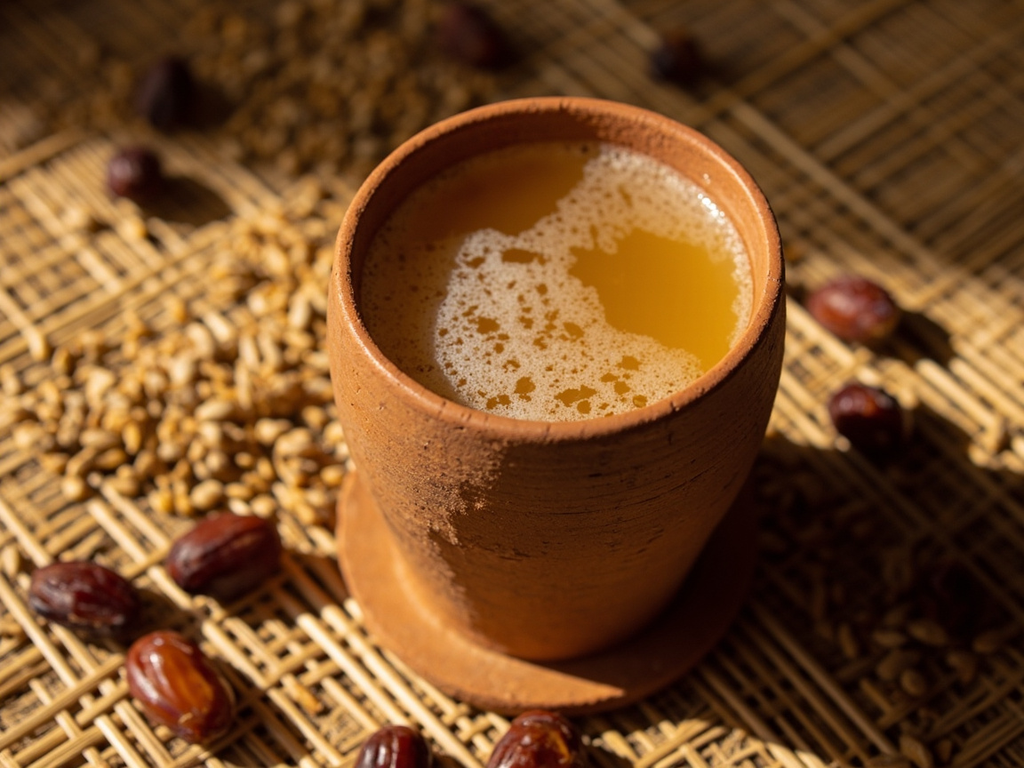 Drink
DrinkHeqet — Golden Emmer Beer
Table and Offering Beverage (served at every meal)
🫙 🍋 🍯· 2 to 4 days (fermentation)
View the recipe
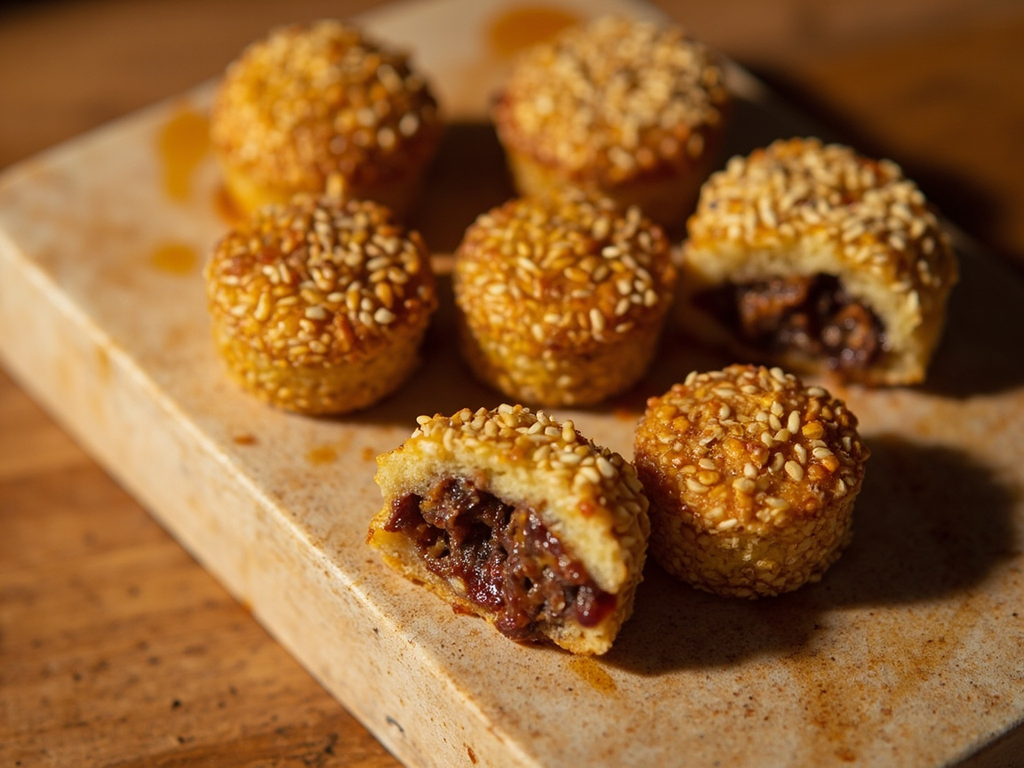 Offering
Chenes — Honey, Date and Fig Cakes for Hathor
Offering Pastry (inspired by deposits on altars)
🍯 🌶️· 40 min
View the recipe
 Preserving
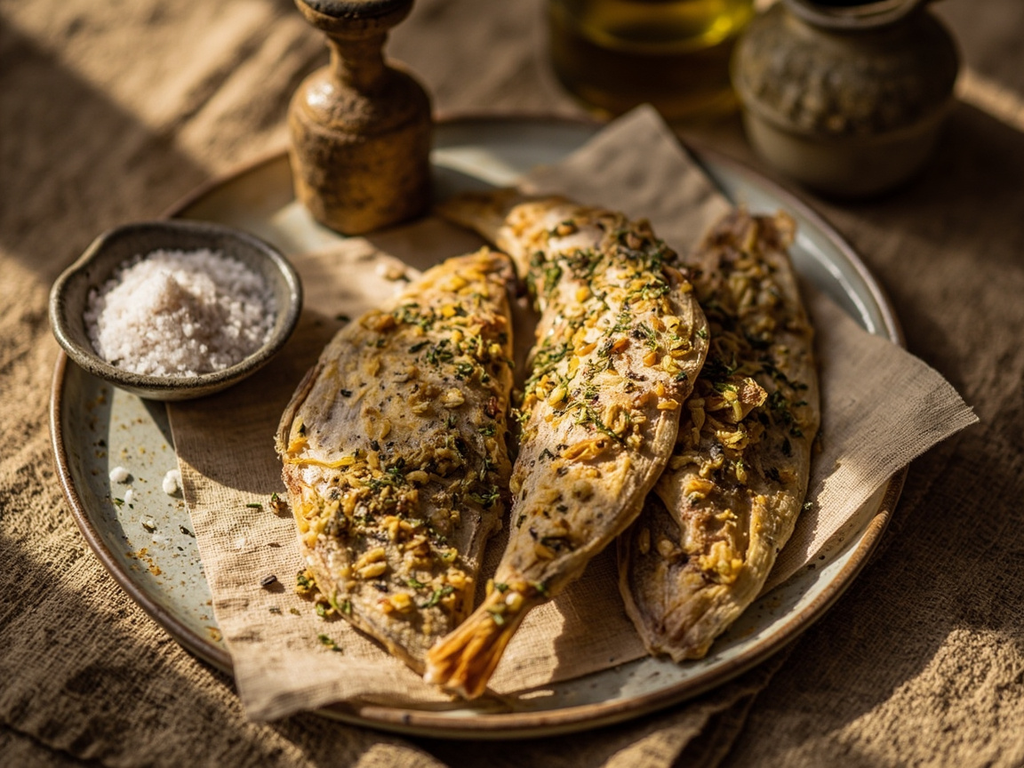
Dried and Salted Nile Fish with Coriander
Pantry Provision (preservation for the flood and journeys)
🧂 🍄 🫙· 2 to 3 days (salting + drying)
View the recipe