Khwarezmian Sufra
The medieval Khwarezmian meal is organized around a cloth (sufra) spread on the ground, on which flatbread (non), a grain or rice dish (ash or palaw), fermented dairy, and dried fruits are placed simultaneously. There is no sequential service: everything is presented together, and guests help themselves according to their appetite. Travelers and scholars often eat frugally — bread, dates, qurut — while feasts call for an elaborate pilaf. Drinks (water, milk, sharbat) accompany or conclude the meal.
Signature : Khwarezmian Black Cumin (zira)
Cumin (zira) is the cornerstone spice of medieval Central Asian cuisine, ubiquitous in pilafs, meat porridges, and breads. Khwarezm, a caravan crossroads, also benefits from saffron, coriander, and caraway, but it is cumin that marks every dish as Khwarezmian.
Al-Zamakhshari at the table
1075 — 1144
4 period recipes
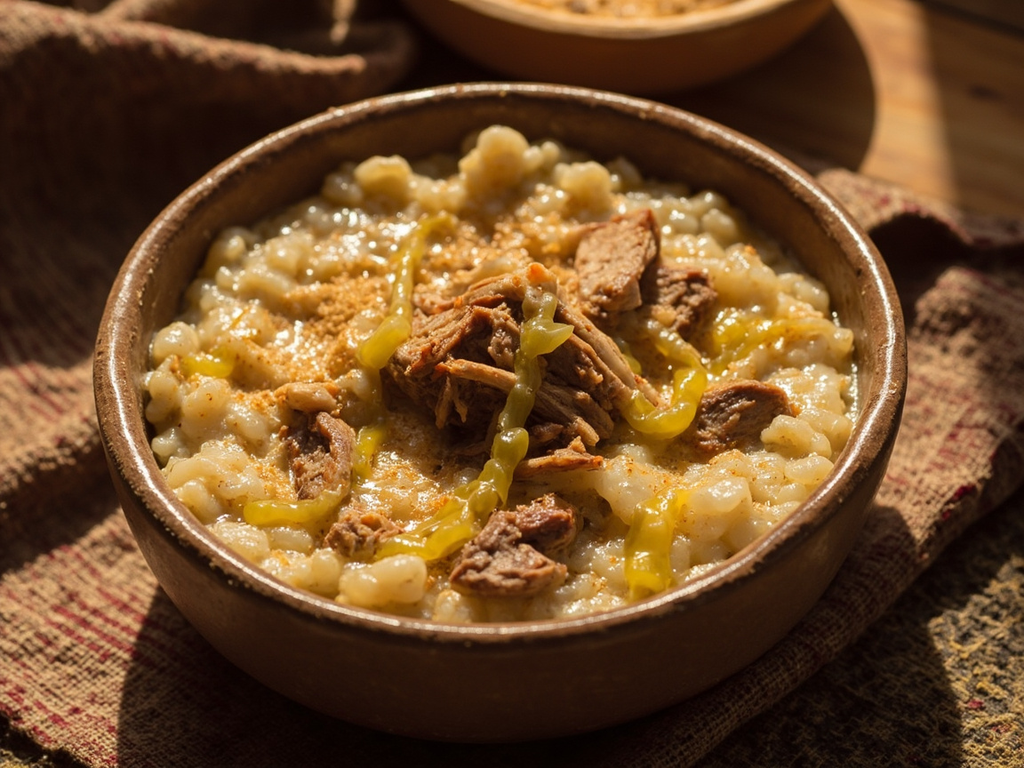 Everyday
Khwarezmian Harisa
Ash (hearty porridge)
🧂 🍄· 2h30 (+ soaking)
View the recipe
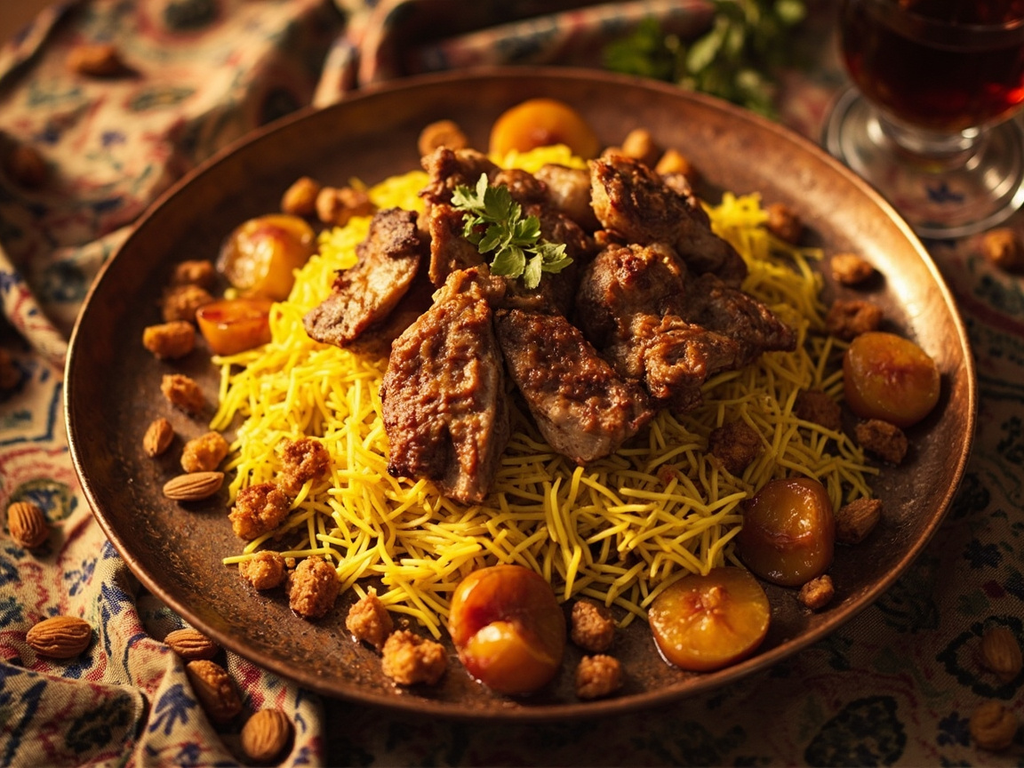 Festive
Palaw with Quince and Lamb
Palaw (ceremonial pilaf)
🧂 🍯 🌶️· 1h30 (+ soaking)
View the recipe
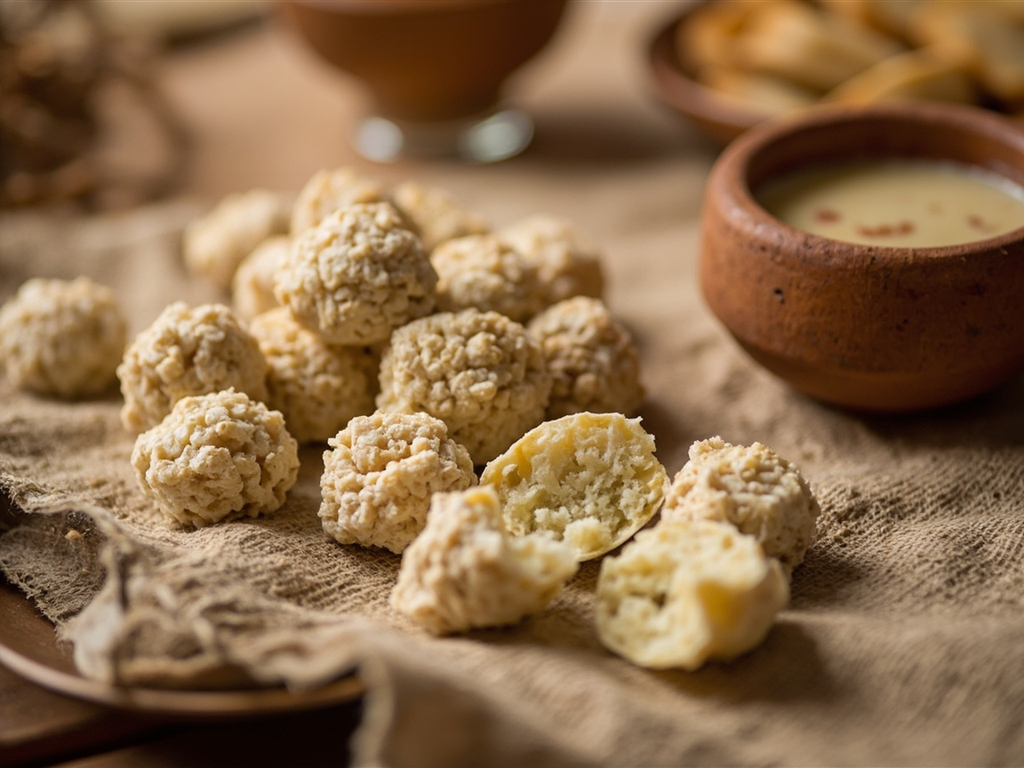 Travel
Qurut-e musafir
Taoum al-safar (travel provisions)
🧂 🍋 🫙· 30 min active (+ 5 to 7 days drying)
View the recipe
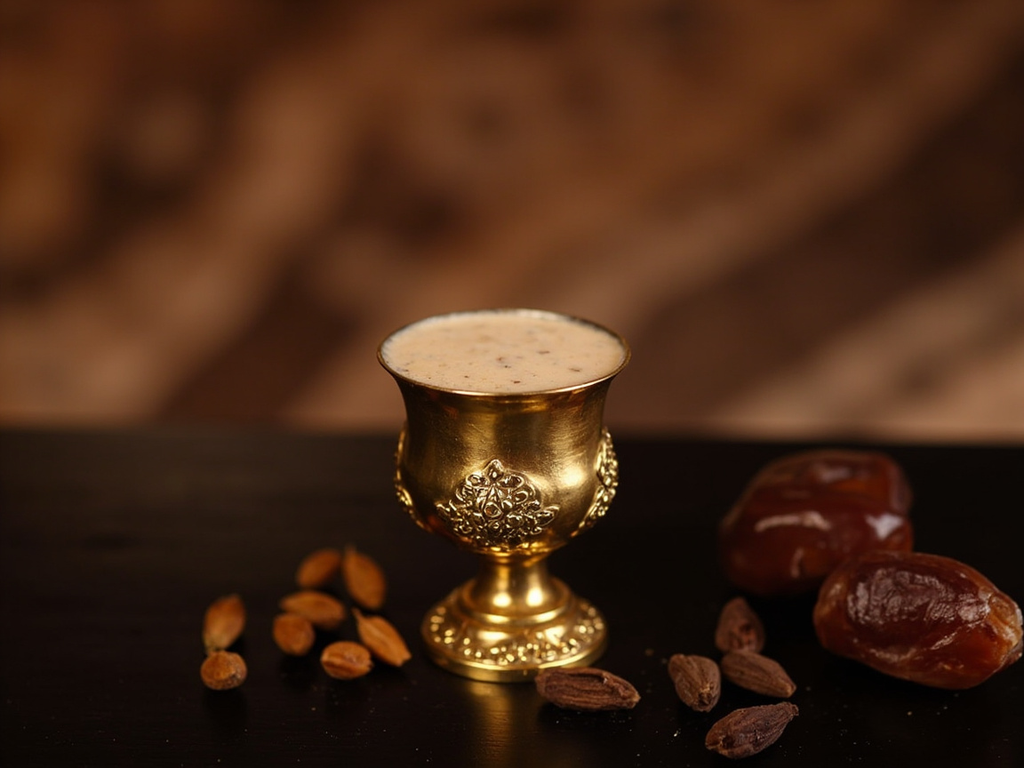 Drink
DrinkDate and Milk Sharbat
Mashroub (beverage)
🍯· 15 min
View the recipe