The Russian Table Around the Samovar
In Scriabin's Russia, meals unfold in waves rather than a starter-main-dessert sequence. One begins with zakuski (cold appetizers), continues with a hearty porridge (kasha) or soup, and the entire day revolves around the samovar: this large copper kettle that hums on the table keeps tea hot from morning to evening. Preserves, kissels, and blinis punctuate the hours. Tea is not a meal's end; it is the permanent heart of sociability.
Signature : The Samovar and Tea
The totem object of the Russian table: a very strong decoction (zavarka) is prepared in a small teapot placed on top of the samovar, then each person dilutes it with boiling water to their taste. Scriabin, refined and health-conscious, saw in scalding tea a safe and soothing drink as well as a salon ritual.
Alexander Scriabin at the table
1872 — 1915
5 period recipes
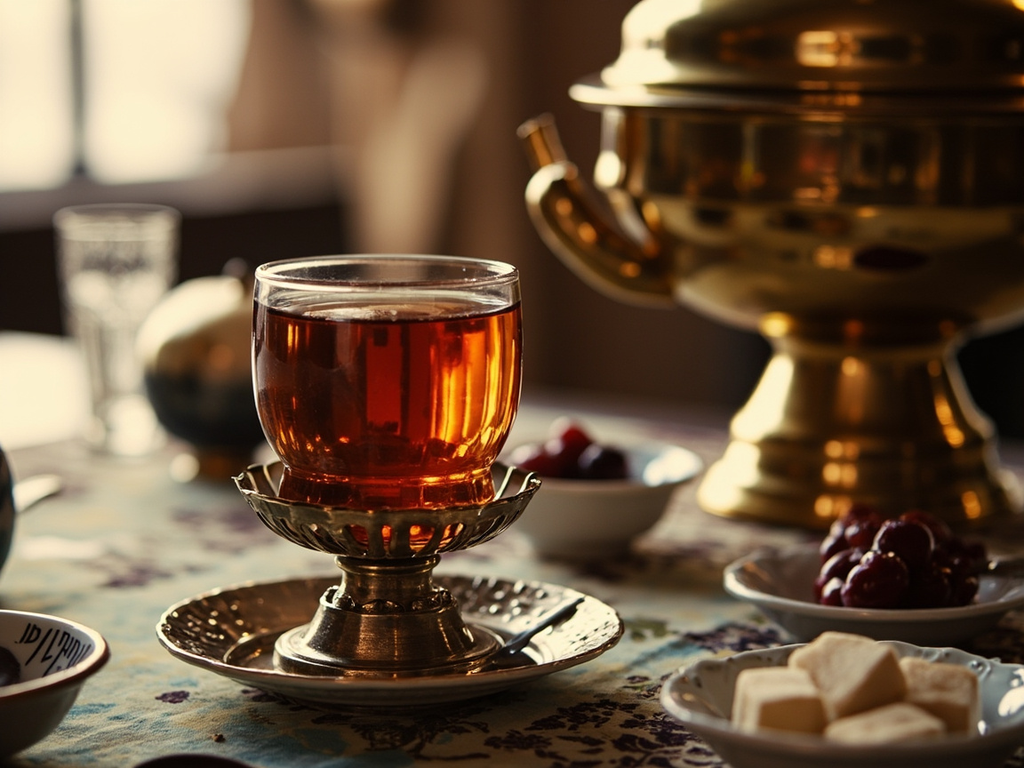 Drink
DrinkSamovar Tea (Zavarka)
Chai — the permanent tea of the Russian salon
☕· 15 min
View the recipe
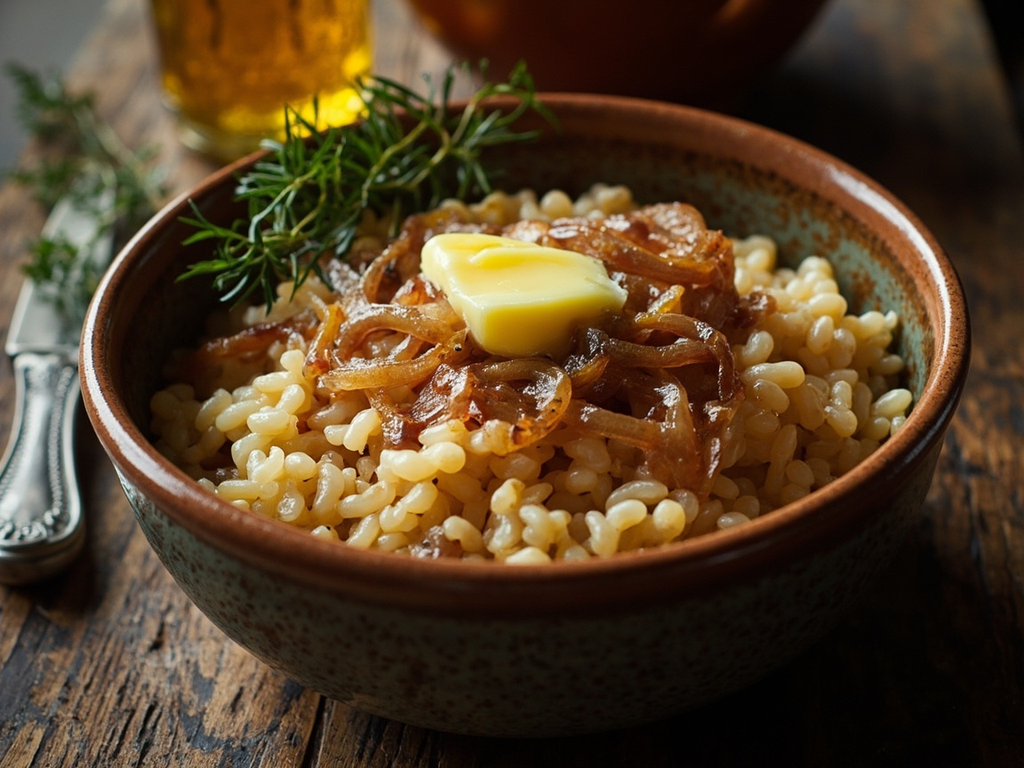 Everyday
Grechnevaya Kasha — Buckwheat Porridge with Butter
Kasha — the staple porridge of daily Russian life
🍄 🧂· 35 min
View the recipe
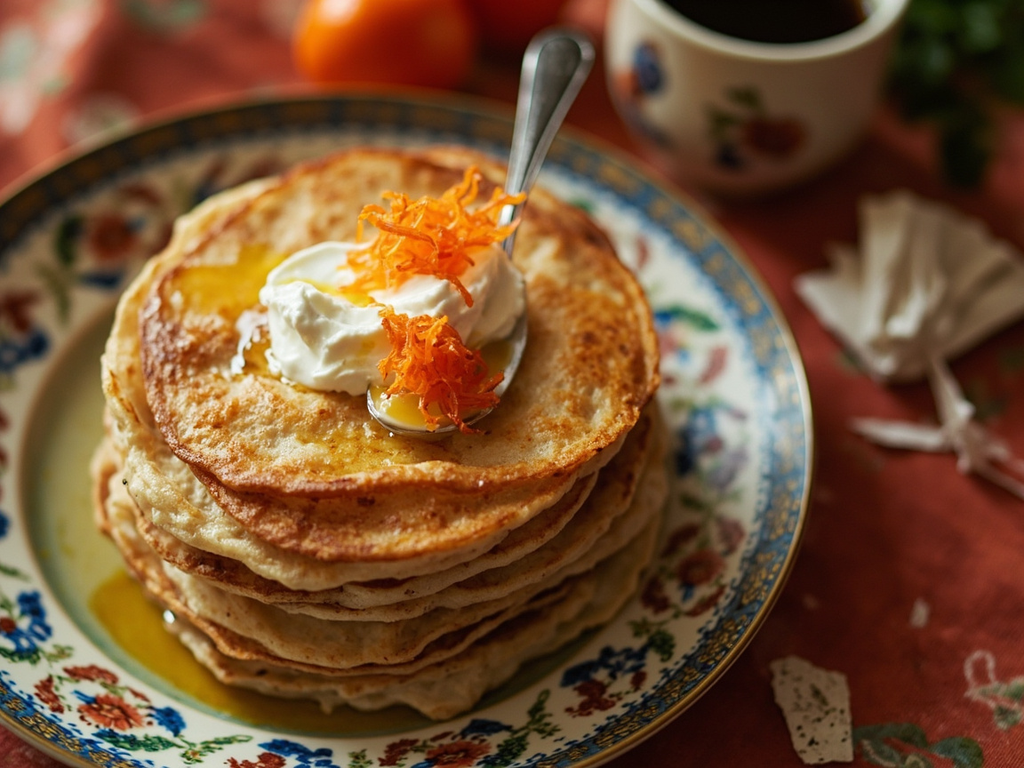 Festive
Maslenitsa Blini with Smetana
Blini — ritual pancakes of Butter Week
🍄 🧂· 2 h (including rising)
View the recipe
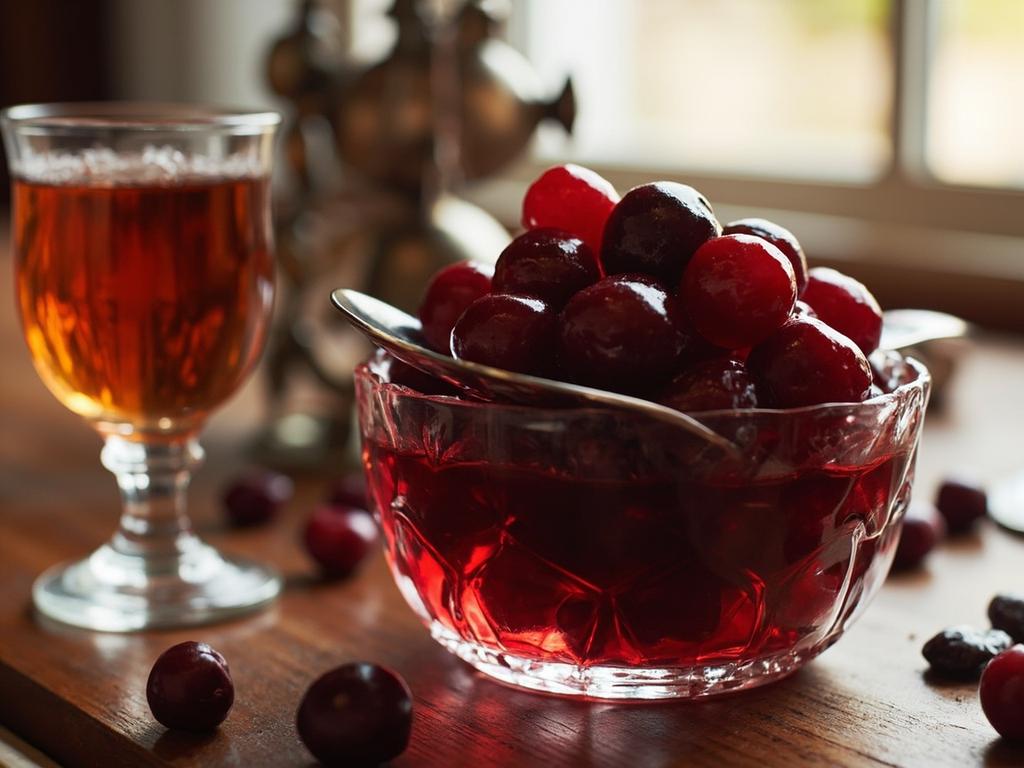 Preserving
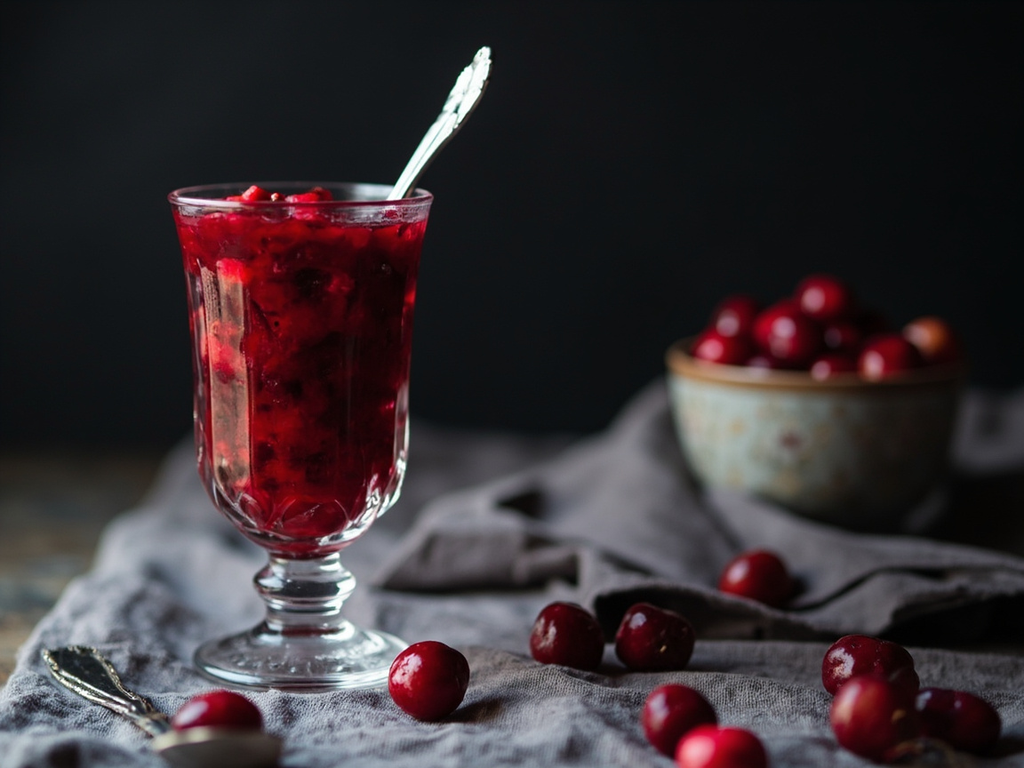
Cherry Varenye with Samovar
Varenye — spoon preserve for the salon
🍯 🍋· 1 h over 2 days
View the recipe
 Remedy
Lingonberry Kissel
Kissel — comforting drink-jelly
🍋 🍯· 25 min
View the recipe