The Seleucid Royal Deipnon (Deîpnon and Sympósion)
At the court of Antioch, the evening meal follows the Greek custom in two parts: first the deîpnon, where dishes are eaten — breads, roasted meats, fish, vegetables — then the sympósion, the drinking time, where wine mixed with water, dried fruits, honey and sweets are served, to the sound of conversation and music. But since the Seleucid Empire was a crossroads between the Mediterranean and the Orient, this Greek framework is enriched with spices, fruits and aromas from Persia, Babylonia and the Bactrian trade routes.
Signature : The Spices and Fruits of the Seleucid Orient
Cardamom, cinnamon, coriander, sesame, dates and honey — brought by caravans from Babylonia, Persia and the Bactrian borders — distinguish the Seleucid table from classical Greek cuisine. Antiochus III, who led his armies to the edges of India, made this Greco-Oriental fusion the hallmark of his court.
Antiochus III at the table
241 av. J.-C. — 186 av. J.-C.
4 period recipes
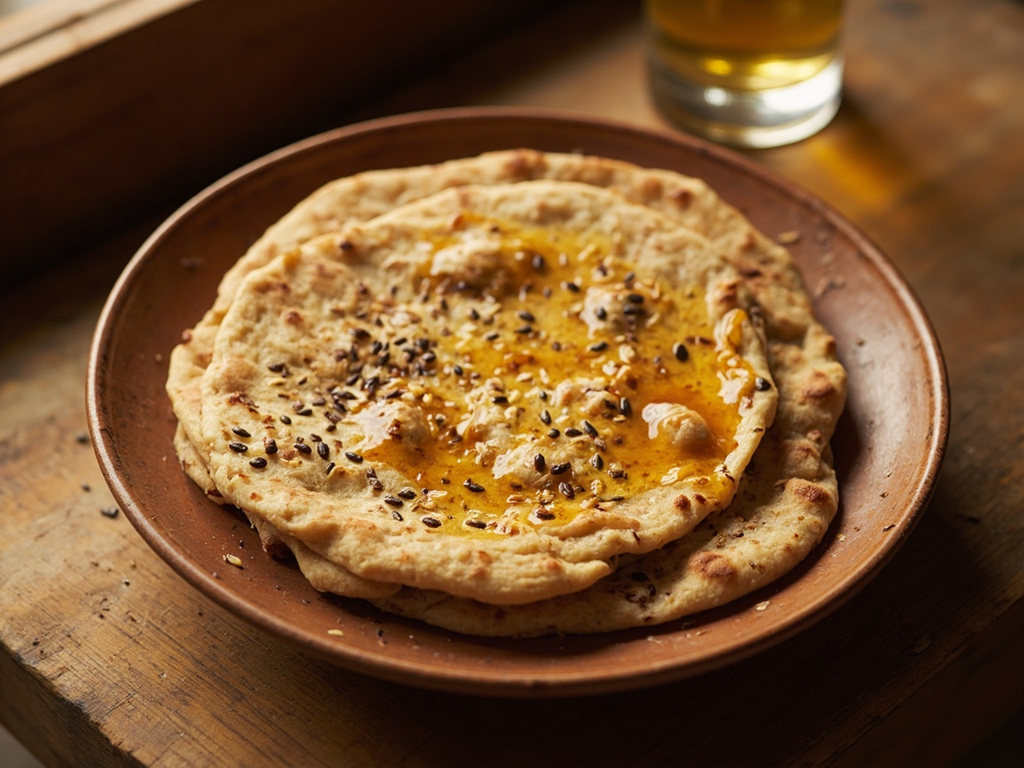 Travel
Barley Maza of the Camps, with Honey and Sesame
Sîtos — the cereal base of the deîpnon, the bread-cake of the soldier and the king on campaign
🍯 🧂· 40 min
View the recipe
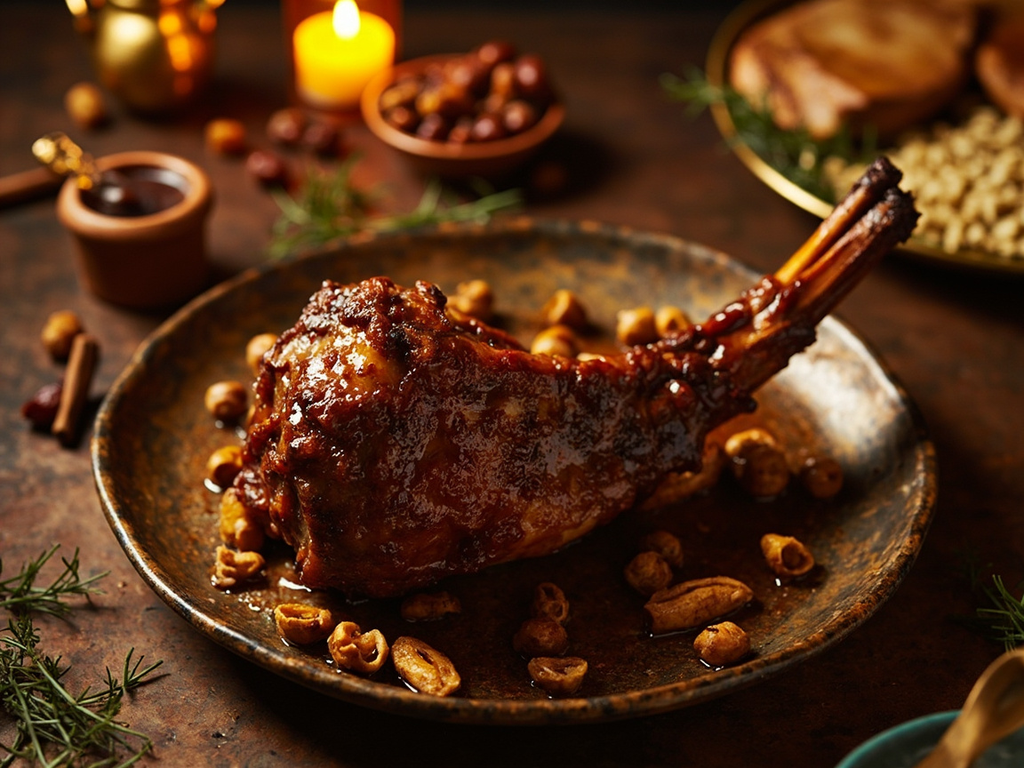 Festive
Roasted Leg of Lamb with Dates, Cardamom and Cinnamon
Krea — roasted meats served at the heart of the royal deîpnon, centerpiece of the court banquet
🍯 🧂 🌶️· 3 h 30
View the recipe
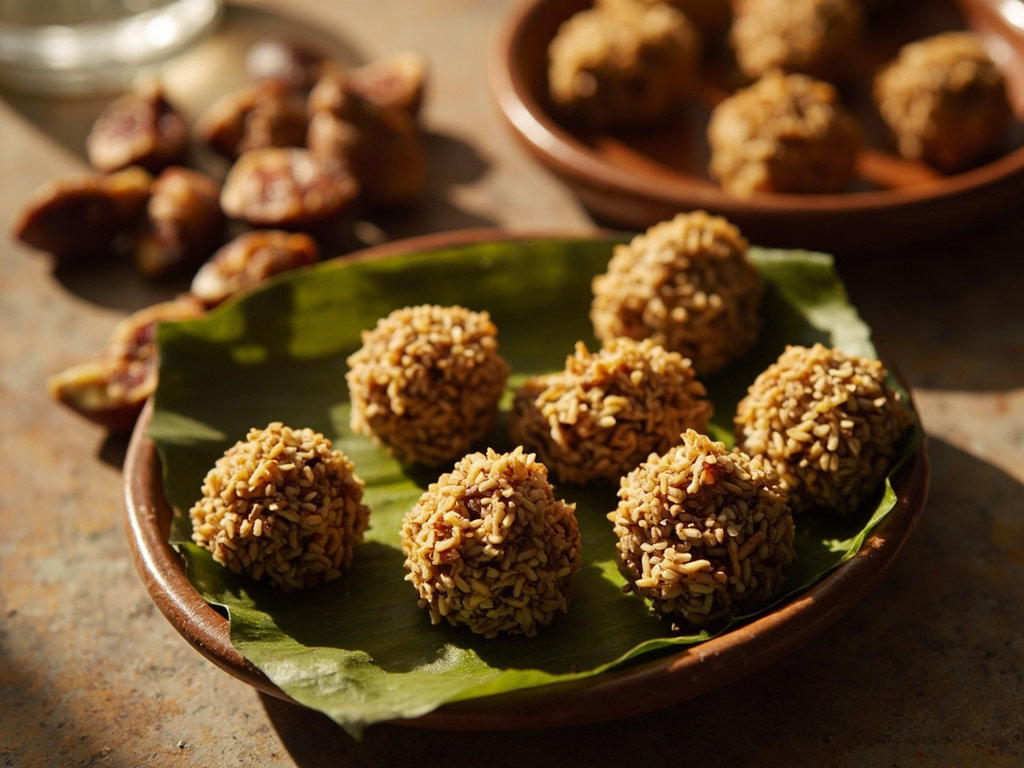 Festive
Court Tragémata: Figs, Walnuts and Honey with Cinnamon
Tragémata — the sweets and fruits of the sympósion, served with wine after the deîpnon
🍯 🌶️· 25 min
View the recipe
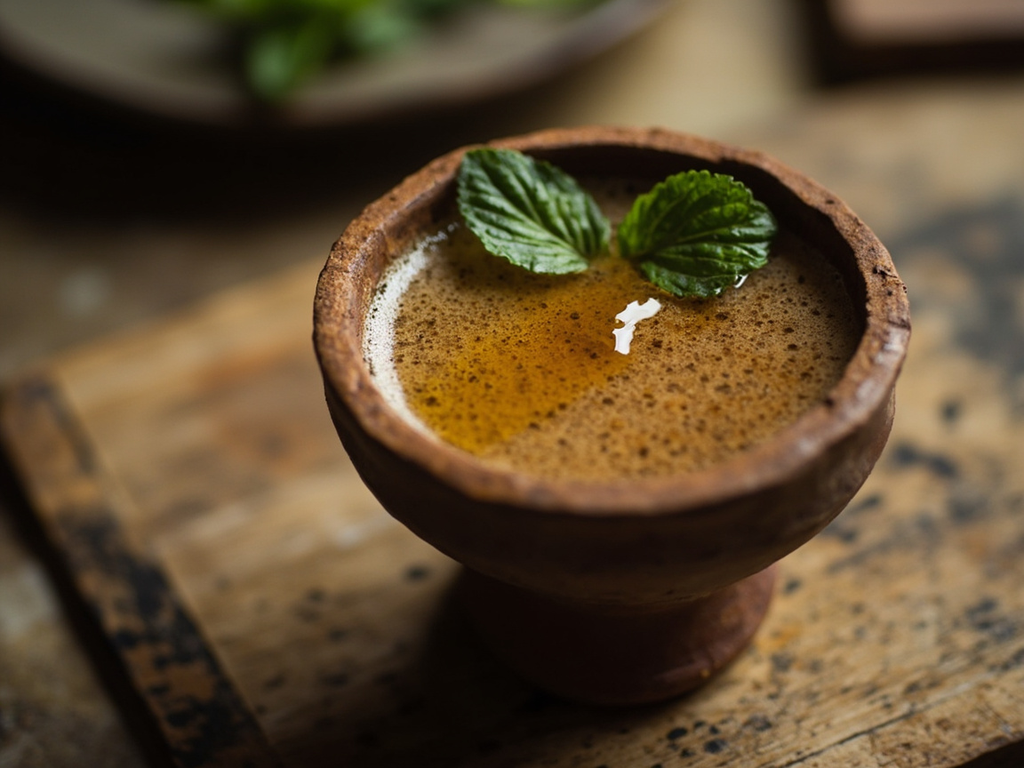 Drink
DrinkField Kykeon with Barley, Honey and Herbs
Posis — the nourishing drink of the sympósion and the bivouac, midway between beverage and meal
🍋 🍯· 10 min
View the recipe