Sitos and opson, then the symposion
The Greek meal of the 4th century BCE revolves around sitos, the cereal base (maza barley cake, wheat bread), accompanied by opson, everything that "relishes" the cereal: olives, cheese, vegetables, fish, and more rarely meat. The main meal (deipnon) is taken at the end of the day, reclining on couches. Then comes the symposion, a time for drinking wine mixed with water and conversation, snacking on honey sweets and dried fruits. At the Macedonian court, the deipnon becomes a feast of roasted meat and grand wines.
Signature : Honey, the secret brother of the painter's wax
Honey binds, preserves, and sweetens the Greek table just as warm wax binds the pigments in Apelles' encaustic. From the morning barley cake to the oxymel of the physicians of Cos, this golden thread links the workshop and the banquet.
Apelles at the table
369 av. J.-C. — 305 av. J.-C.
4 period recipes
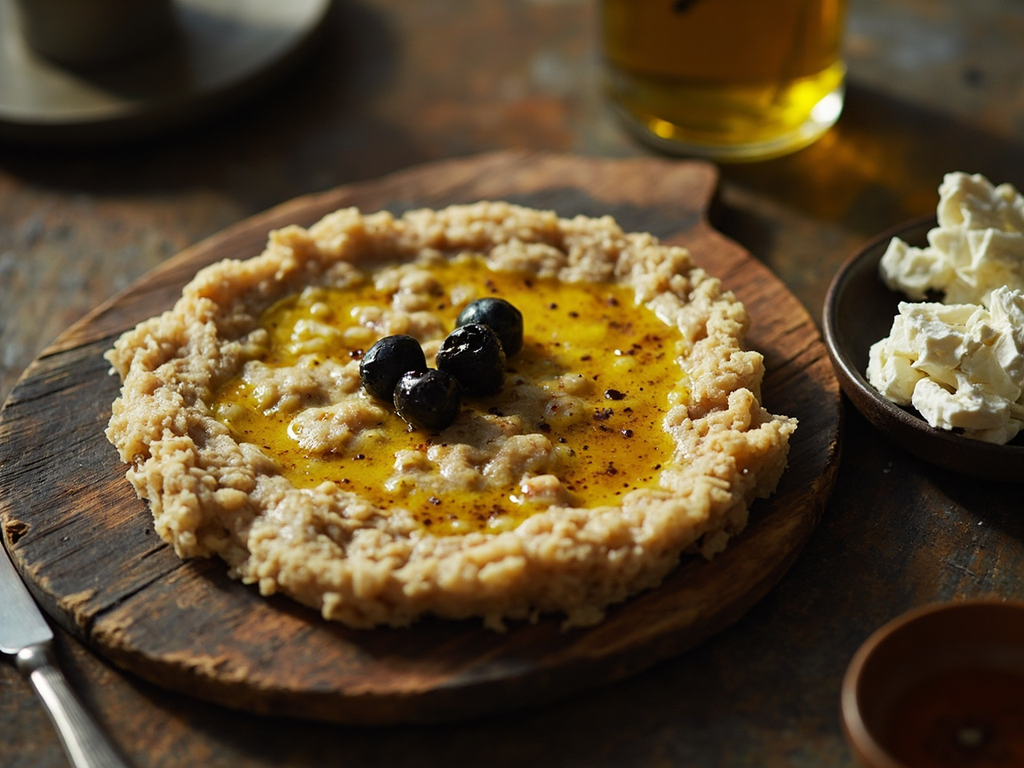 Everyday
Barley maza with oil and olives
Sitos — the cereal base of the daily meal
🧂 ☕· 25 min
View the recipe
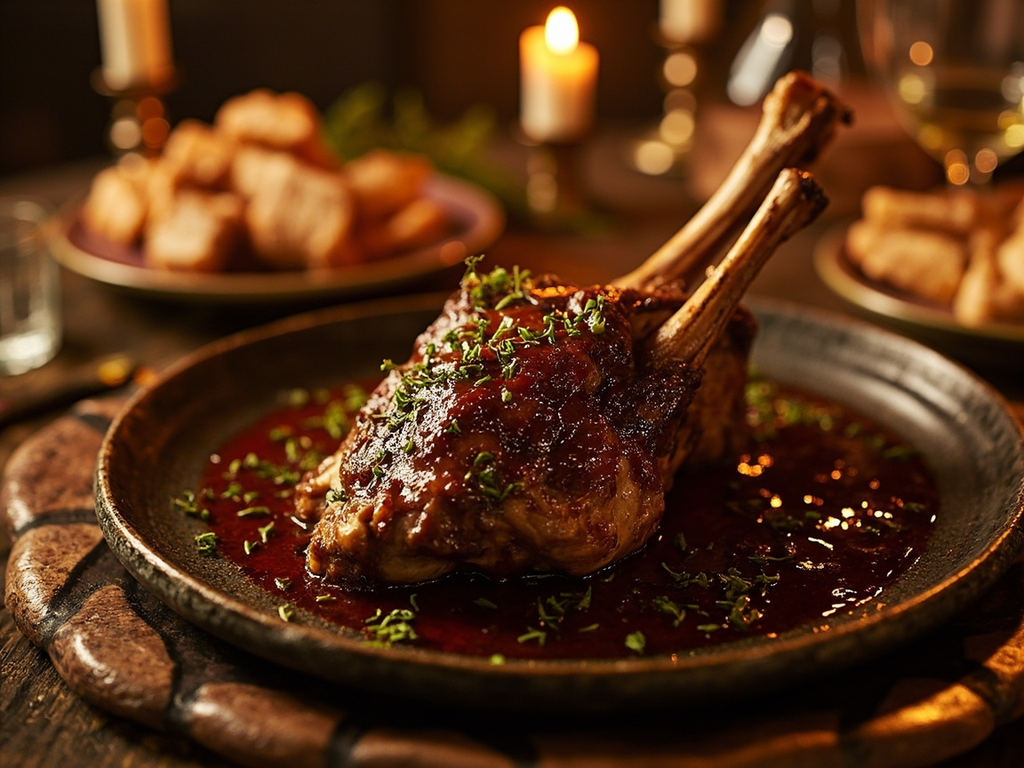 Festive
Roasted lamb with Chalkidiki wine and honey
Court deipnon — the Macedonian feast of meat
🍄 🍯· 3 h
View the recipe
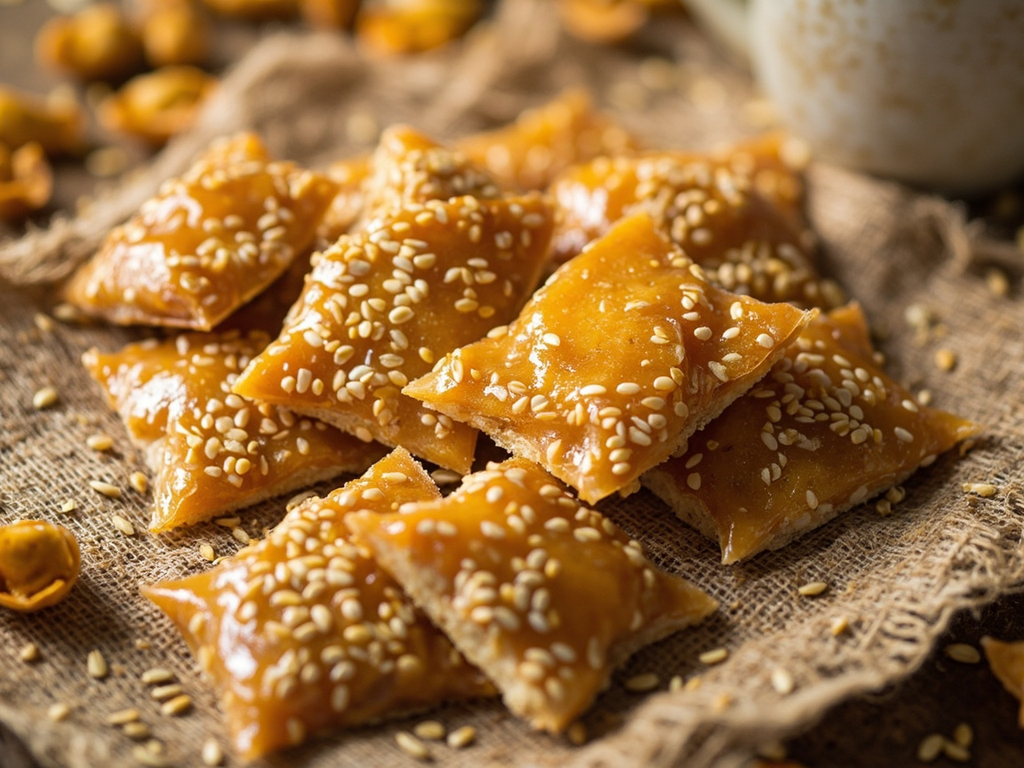 Travel
Sesame and honey pasteli
Tragemata — the sweetness of the symposion and the traveler
🍯· 20 min
View the recipe
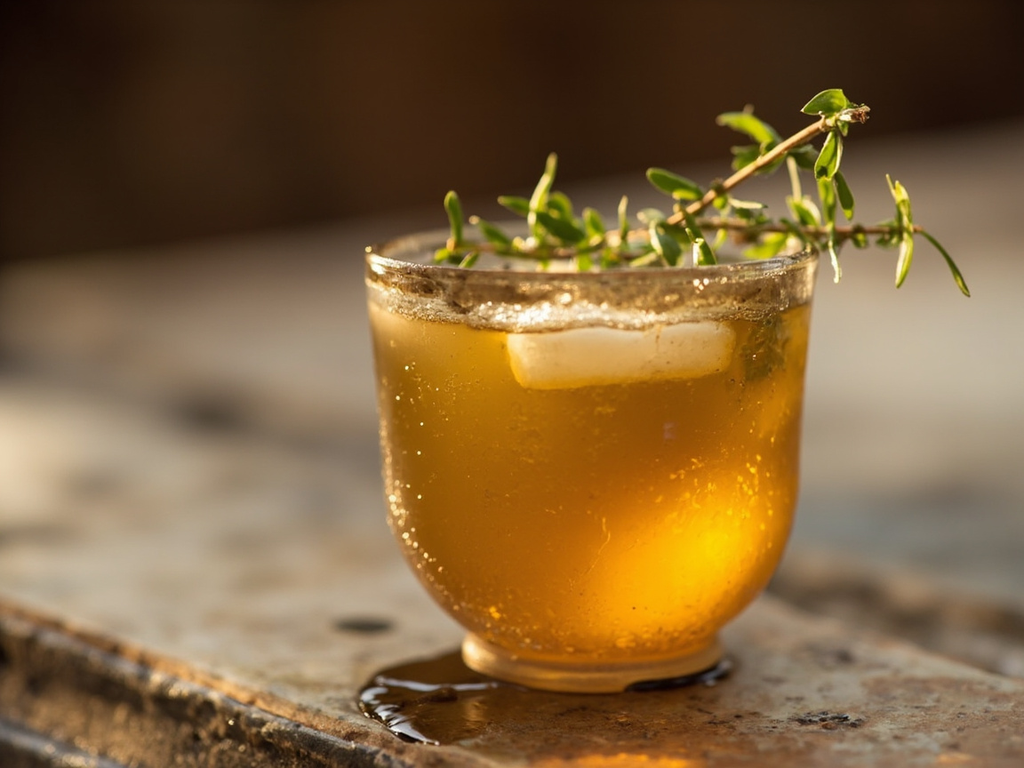 Remedy
Thyme oxymel, the elixir of the physicians of Cos
Poma — the remedy-drink of the symposion and the workshop
🍋 🍯· 15 min
View the recipe