 Flip the card
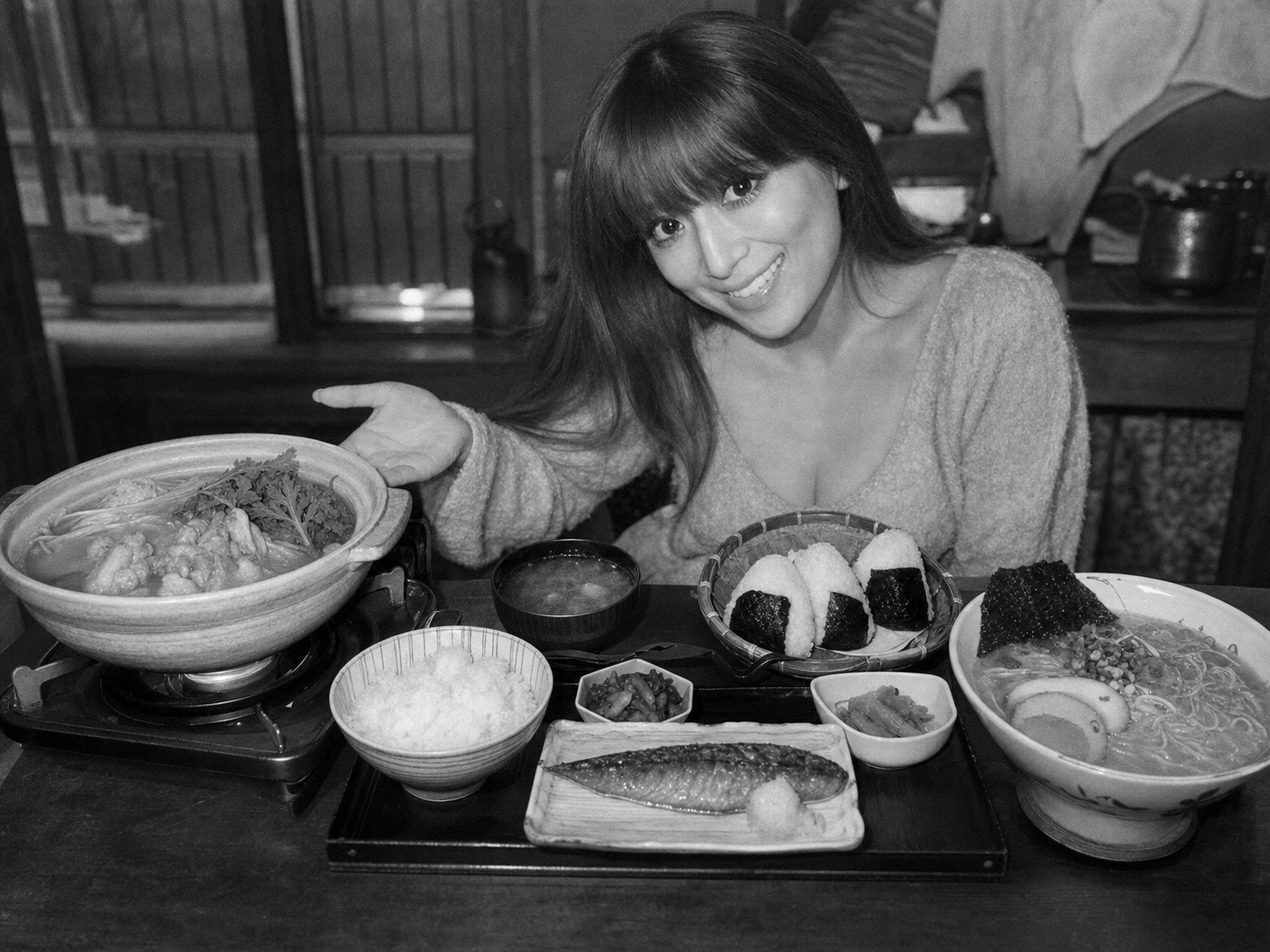
Ayumi Hamasaki at the table
1978 — ?
On the menu
Ichijū-sansai (一汁三菜) — "one soup, three sides"
The traditional Japanese meal is not divided into starter-main-dessert: it revolves around a bowl of white rice (gohan), a bowl of soup (often miso), and three small side dishes (okazu) served all at once in separate tableware. You pick from bowl to bowl, alternating bites. In Fukuoka, Ayumi's hometown, this balance coexists with powerful street food (tonkotsu ramen) and festive sharing dishes like mizutaki. It is this balanced cuisine—light, marine, comforting—that a perpetually touring artist seeks to find to keep up the pace.
Signature : Dashi, umami broth
The invisible soul of Japanese cuisine: a clear broth made from kombu (kelp) and katsuobushi (dried bonito flakes), which gives that round, savory taste—umami—to miso soup and simmered dishes alike. In Fukuoka, this foundation dialogues with tonkotsu, the long-boiled pork bone broth, a local pride.
click to flip back
Ayumi Hamasaki at the table
1978 — ?
5 period recipes
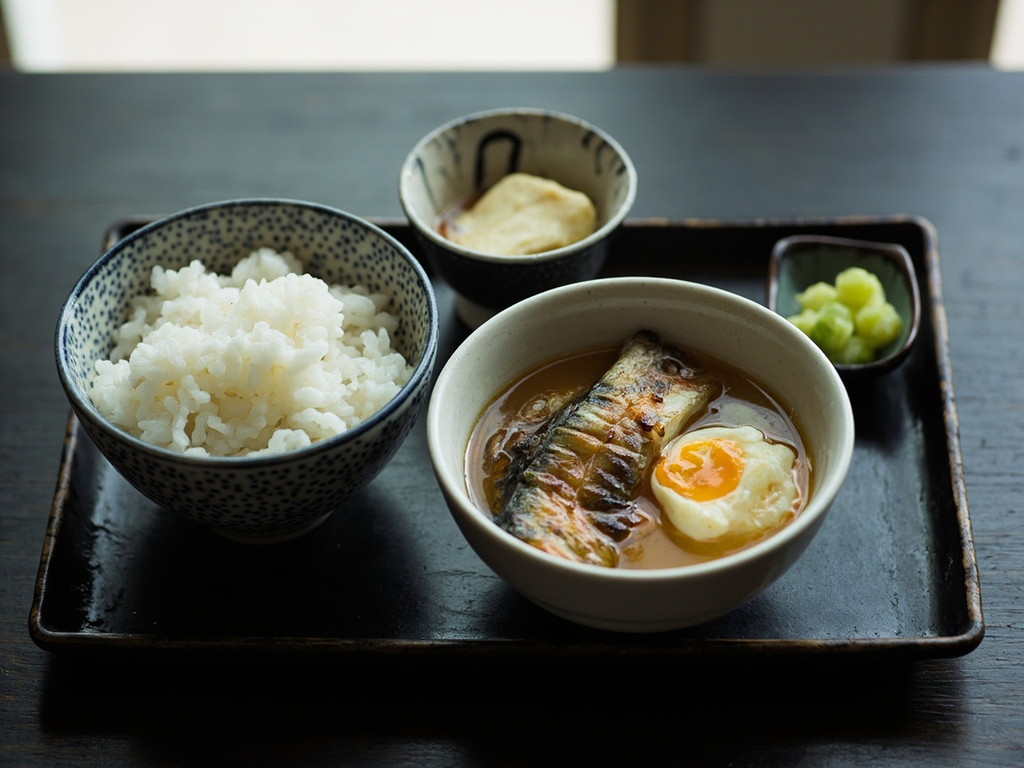 Everyday
Gohan, miso soup and grilled fish — the balance tray
Everyday Ichijū-sansai (teishoku, the set meal tray)
🍄 🧂· 40 min
View the recipe
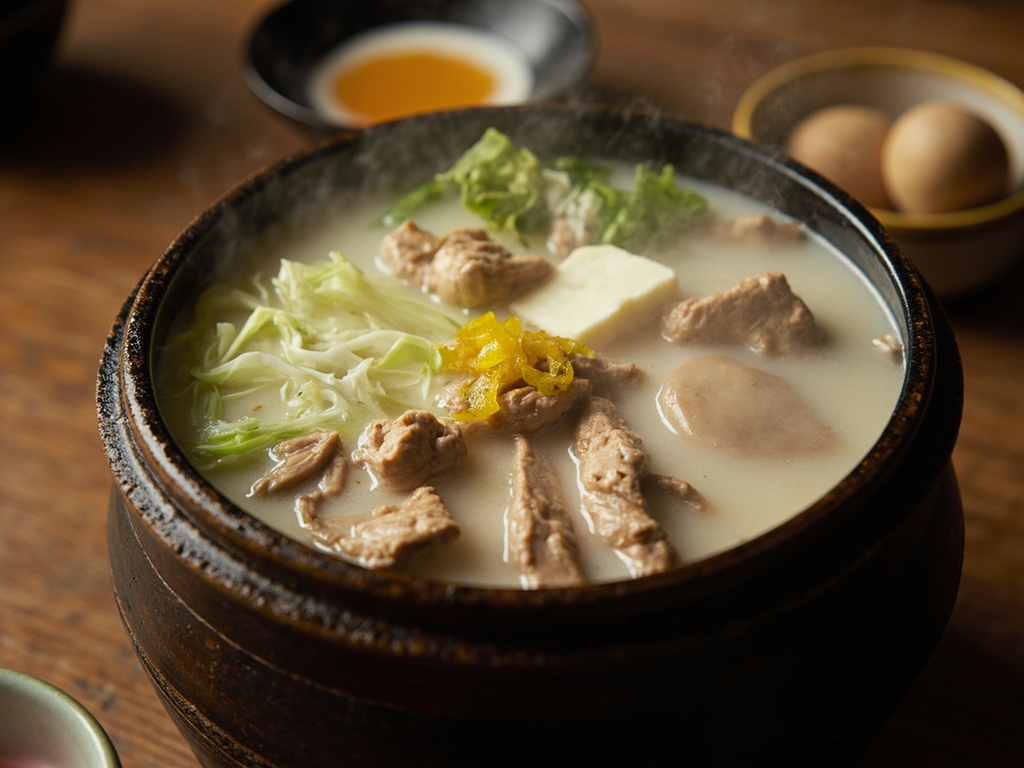 Festive
Hakata Mizutaki — Fukuoka's chicken hot pot
Festive nabemono (nabe, shared pot at the center of the table)
🍄 🧂· 2 h 30
View the recipe
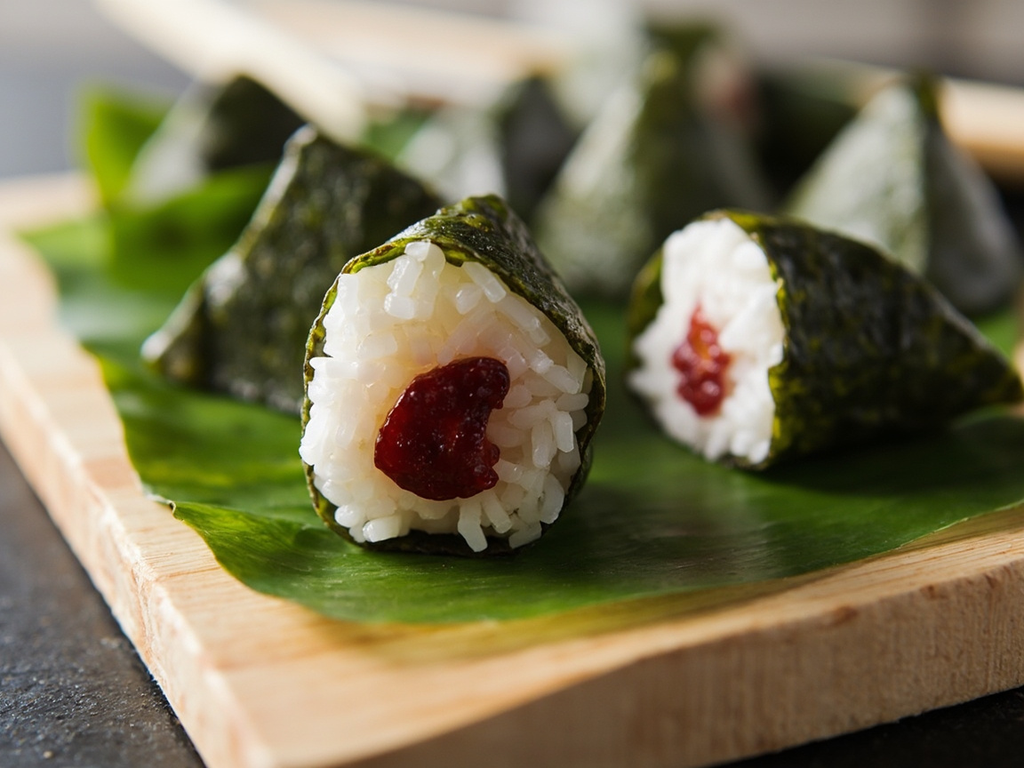 Travel
Onigiri — travel rice balls
Keishoku / road snack (the ultimate nomadic food)
🧂 🍄· 25 min
View the recipe
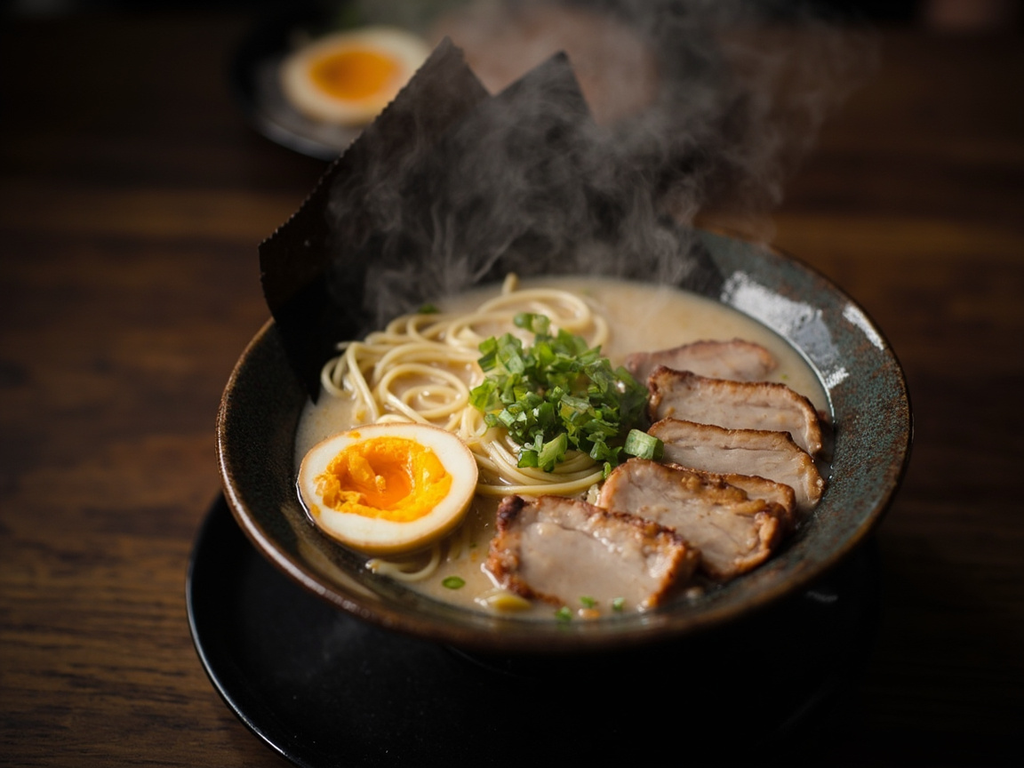 Street food
Hakata tonkotsu ramen — Fukuoka's street noodle
Yatai-meshi (the meal of Hakata street stalls)
🍄 🧂· 8 h
View the recipe
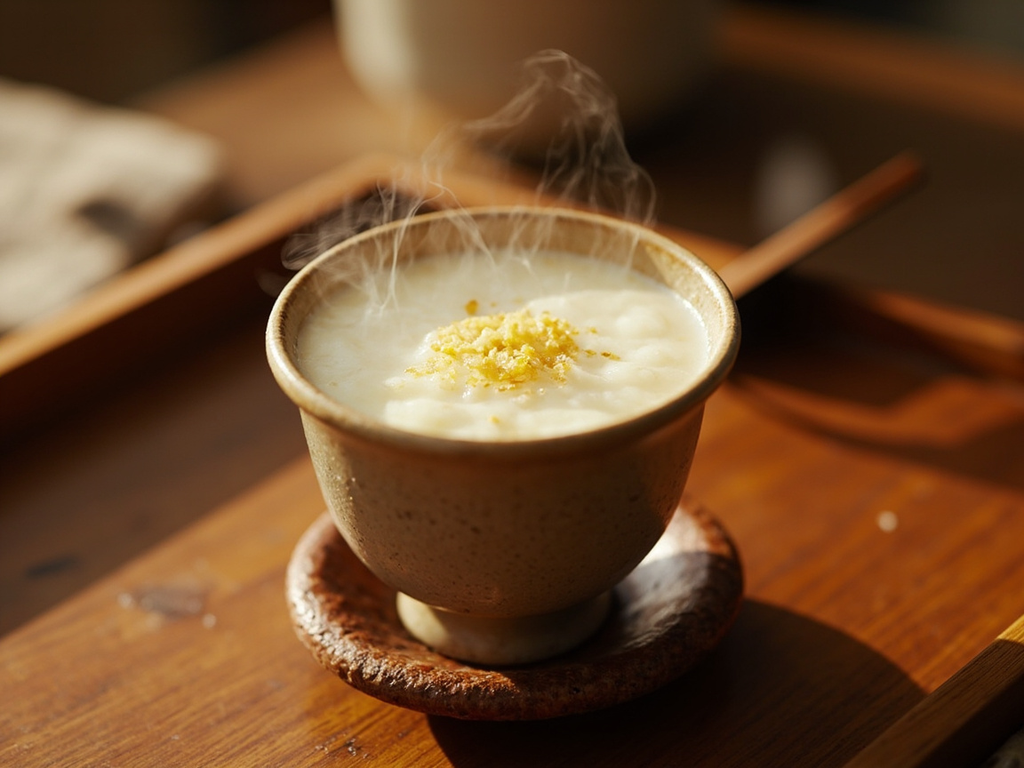 Drink
DrinkAmazake — sweet and comforting rice drink
Nomimono / sweet fermented drink (comfort and seasonal festive beverage)
🍯 🫙· 8 h (including fermentation)
View the recipe