 Flip the card
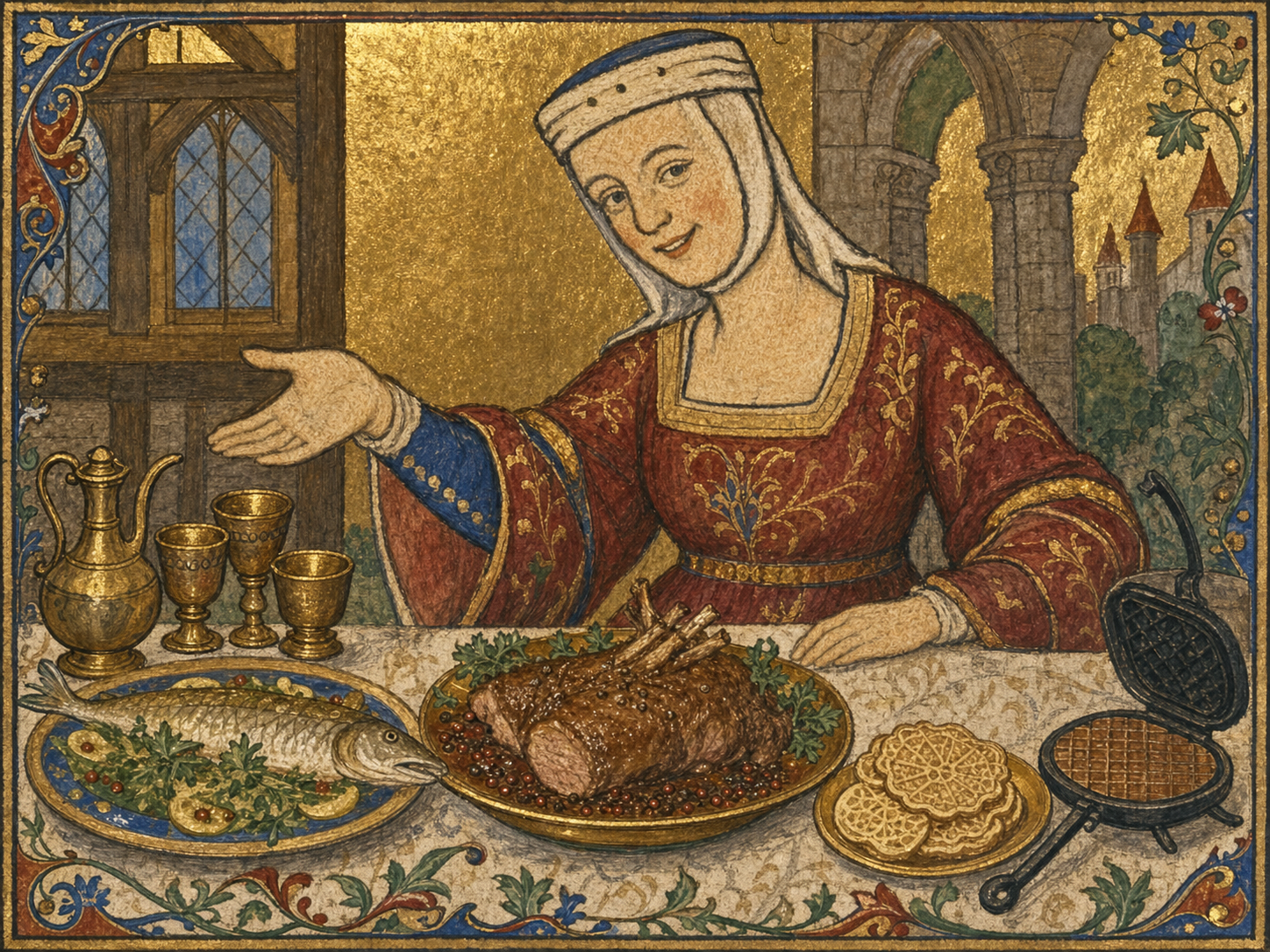
Berthe de Bourgogne at the table
964 — 1010
On the menu
The Service of Dishes at the Royal Table
At the Capetian court around the year 1000, there was no distinction between starter, main course, and dessert: several 'dishes' (roasts, fish, porridges, honey sweets) were brought together, and guests ate with their hands or the tip of their knife, placing the meat on a large trencher—a slice of stale bread that served as a plate and was later given to the poor. Rank was shown by one's place at the table, the quality of the bread (fine white wheat for the nobles), and the abundance of spices. On lean days, which were numerous under the pious Robert II, fish replaced all meat.
Signature : Precious Spices from the East
Pepper, cinnamon, ginger, and saffron arrived via Pavia and the Lombard roads—Berthe knew Italy—at the price of gold. To use them liberally at one's table was to proclaim one's royalty; honey, meanwhile, remained the only true 'sugar' of the time.
click to flip back
Berthe de Bourgogne at the table
964 — 1010
5 period recipes
 Festive
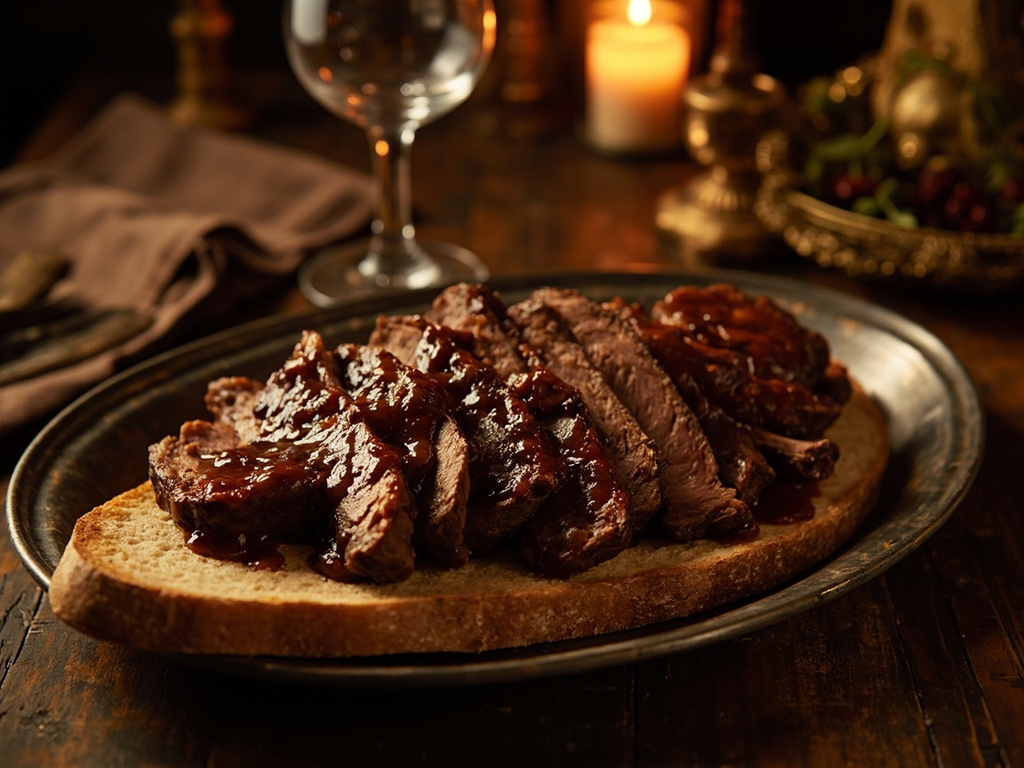
Roasted Venison with Pepper Sauce
The Roast (Meat Dish for Meat Days)
🧂 🌶️ 🍋· 1 h 15
View the recipe
 Everyday
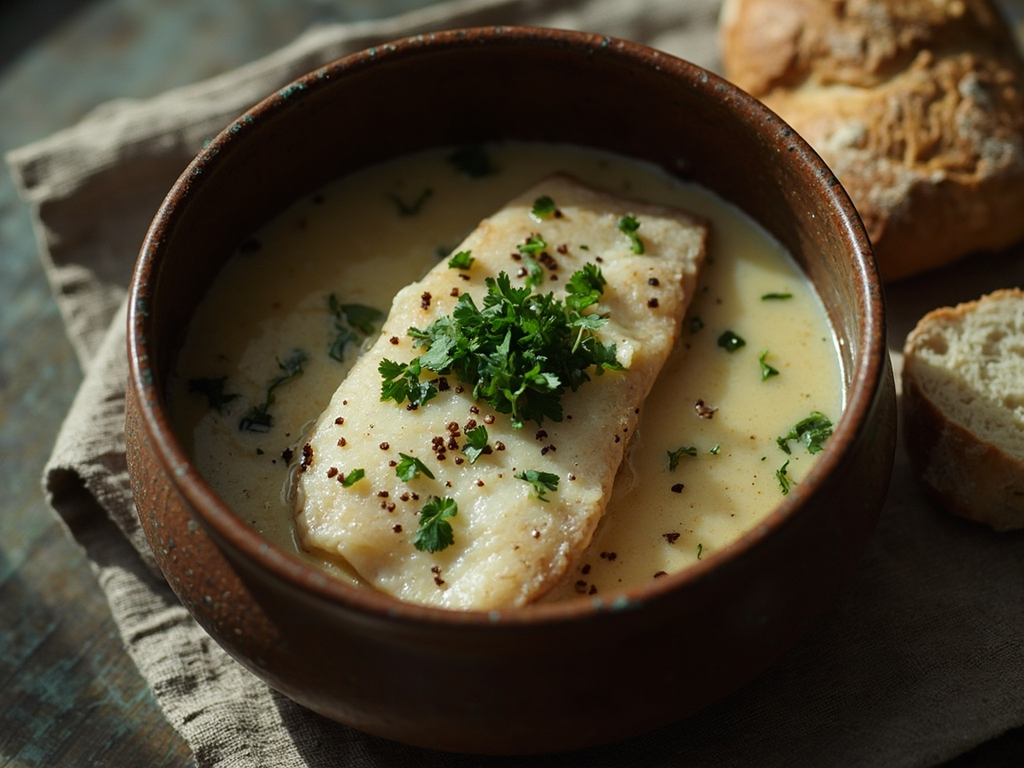
Poached Pike with Verjuice and Parsley
The Fish Dish (Lean Day Table)
🧂 🍋· 30 min
View the recipe
 Drink
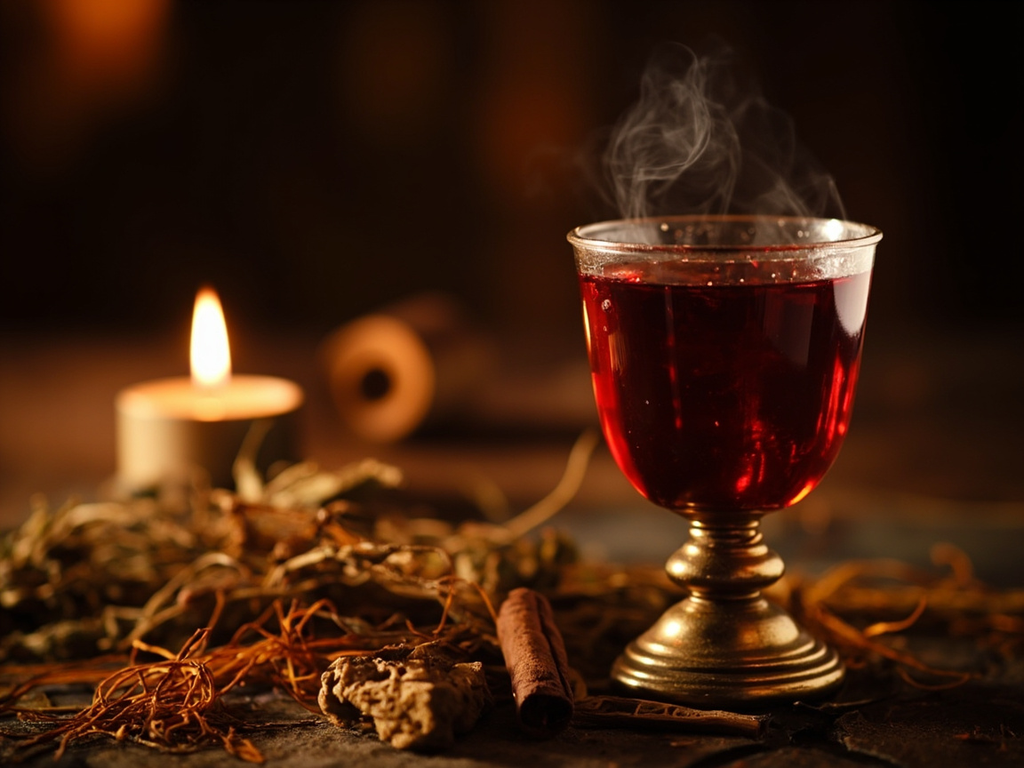
DrinkSpiced Honey Wine
The Spiced Drink (End-of-Meal Beverage)
🍯 🌶️· 40 min
View the recipe
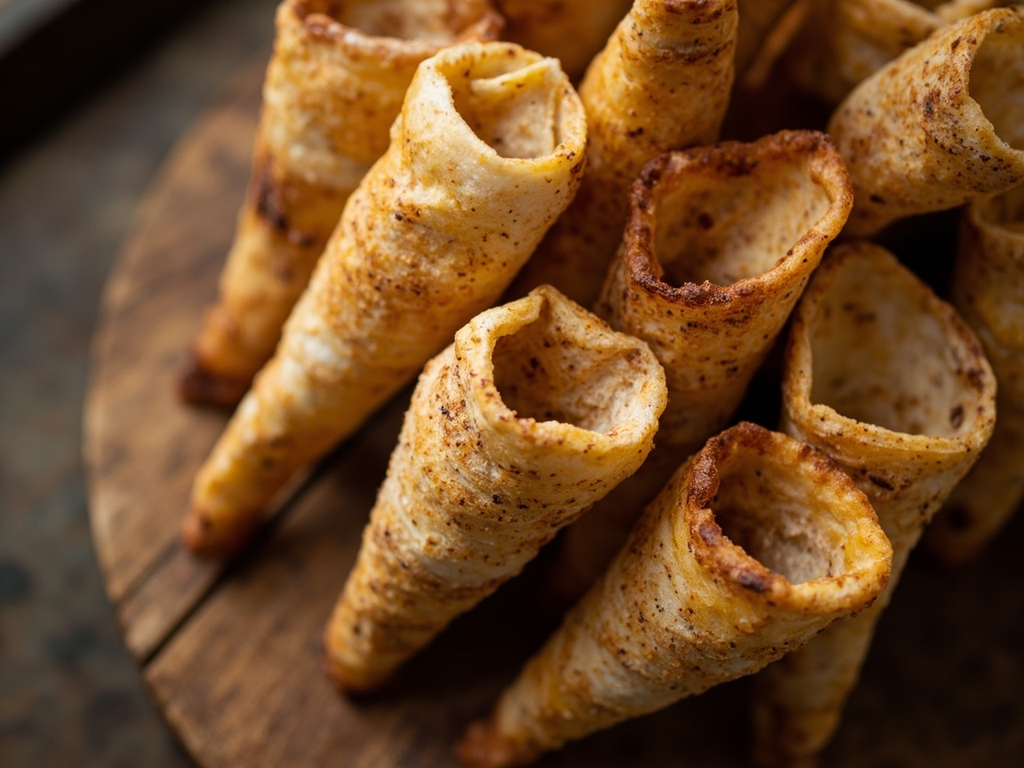 Offering
Honey Wafers (Oublies), Hot Iron
The Oblation Sweet (Little Blessed Waffles)
🍯· 45 min
View the recipe
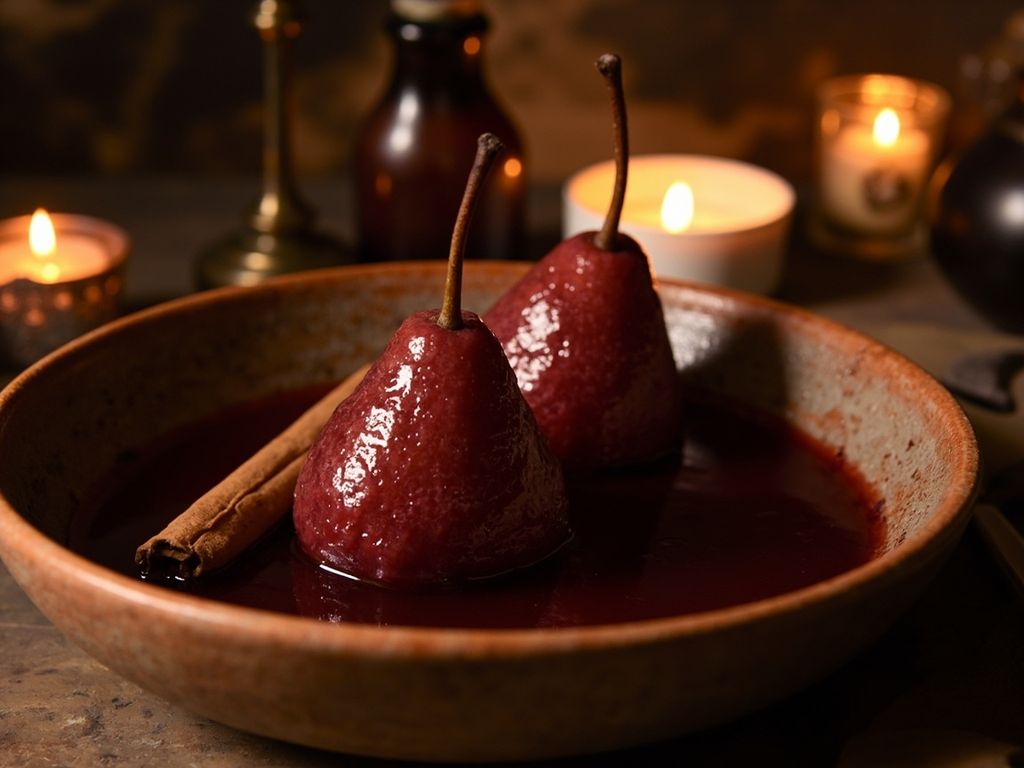 Preserving
Pears Preserved in Wine and Honey
The Fruit Preserve (Sweet Store from the Cellar)
🍯 🍋· 50 min
View the recipe