The *dais* (δαίς) — the Homeric sharing
In Homer's world, meals were not served in successive courses as in France: they shared a *dais*, the communal feast that followed the sacrifice. Each guest received an equal portion (the *moïra*), distributed by the master of the meal. Around the campfire, they grilled the meat, broke the barley cake (*maza*), poured wine mixed with water, and threw the first portion into the waves for the sea gods. The Greek sailor's meal was simple, salty, perfumed with oil and honey, governed by what the sea chose to give — or swallow.
Signature : Salt and brine of the Tyrrhenian Sea
Everything here comes from salt: the salt that stings the lips of rowers, the salt that preserves fish for the long voyage, the salt that Charybdis churns as she swallows the waves three times a day. Salting is wrenching from the sea what it would take back — the signature technique of the fishermen of the Strait of Messina.
Charybdis at the table
5 period recipes
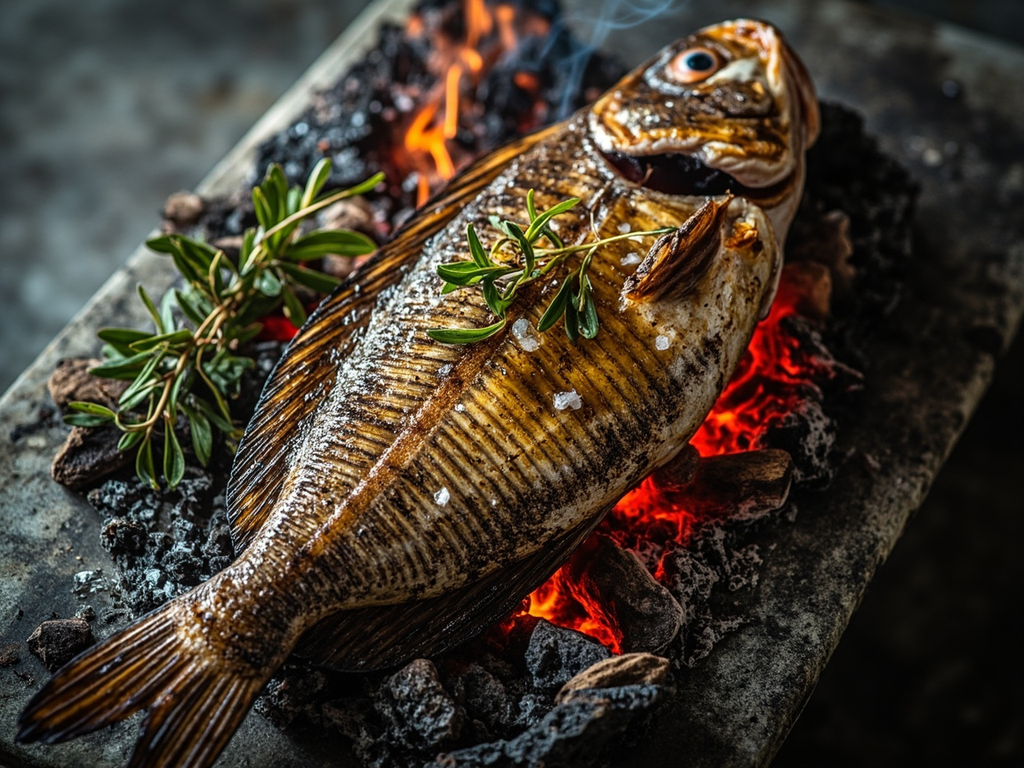 Offering
First-catch fish, grilled over embers
Opson of sacrifice — the portion offered before the *dais*
🧂 🍄· 25 min
View the recipe
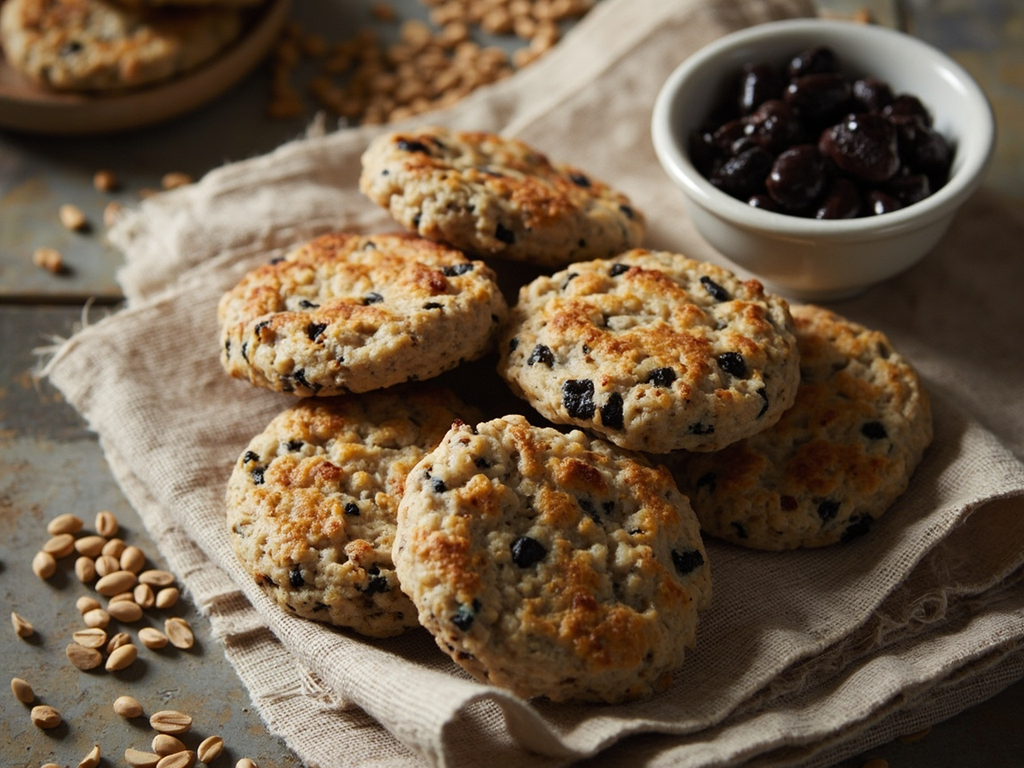 Everyday
Rower's *maza* — barley cake kneaded with seawater
Sitos — the cereal base of every Greek meal
☕ 🧂· 20 min
View the recipe
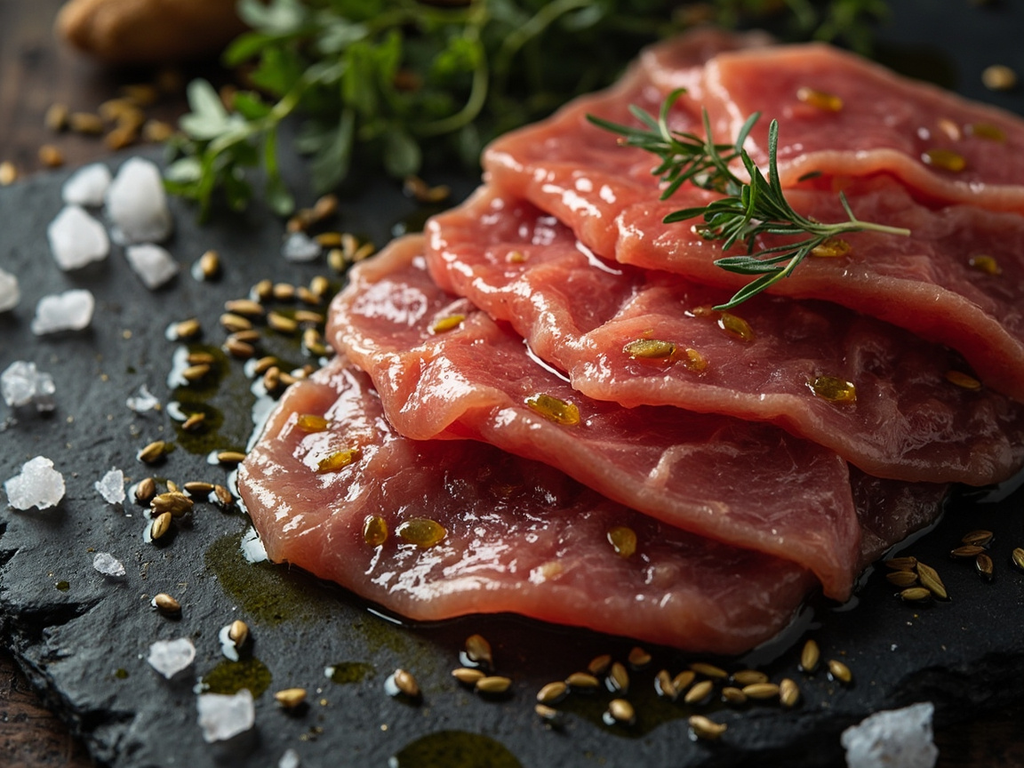 Preserving
*Tarichos* — salt fish for the long sea
Ship's provision — the sailor's preserved food
🧂 🫙 🍄· 30 min (+ 24-36 h salting)
View the recipe
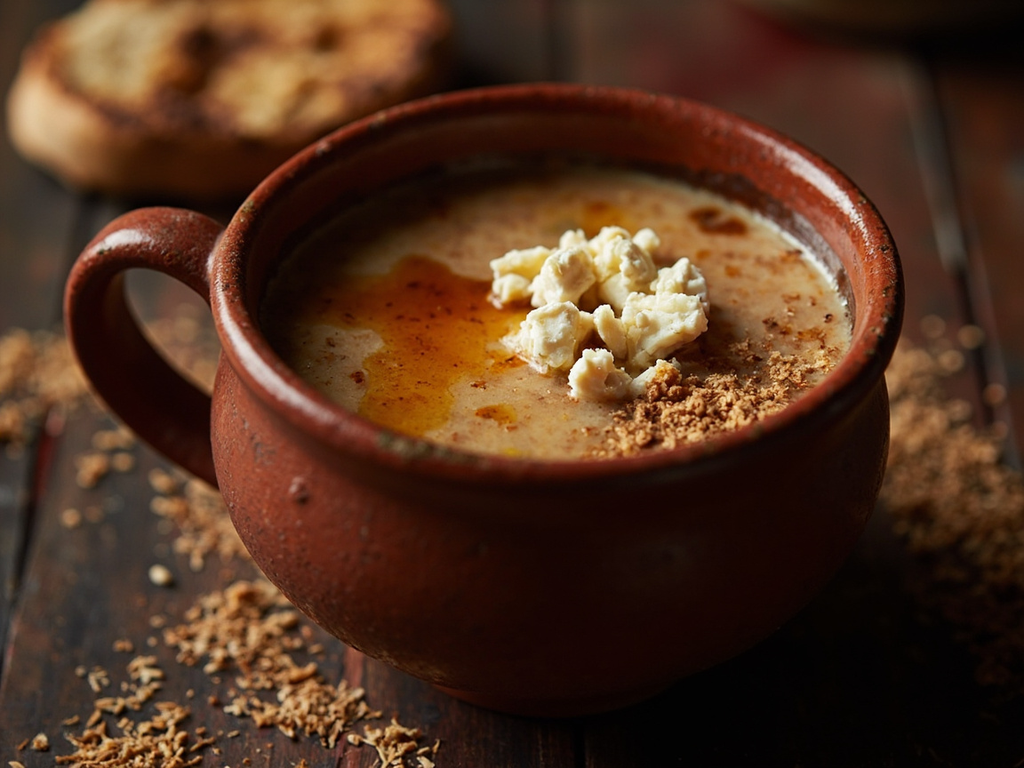 Drink
DrinkCirce's island *kykeon*
Pôtos — the thick drink, between beverage and food
🍯 🍋· 15 min
View the recipe
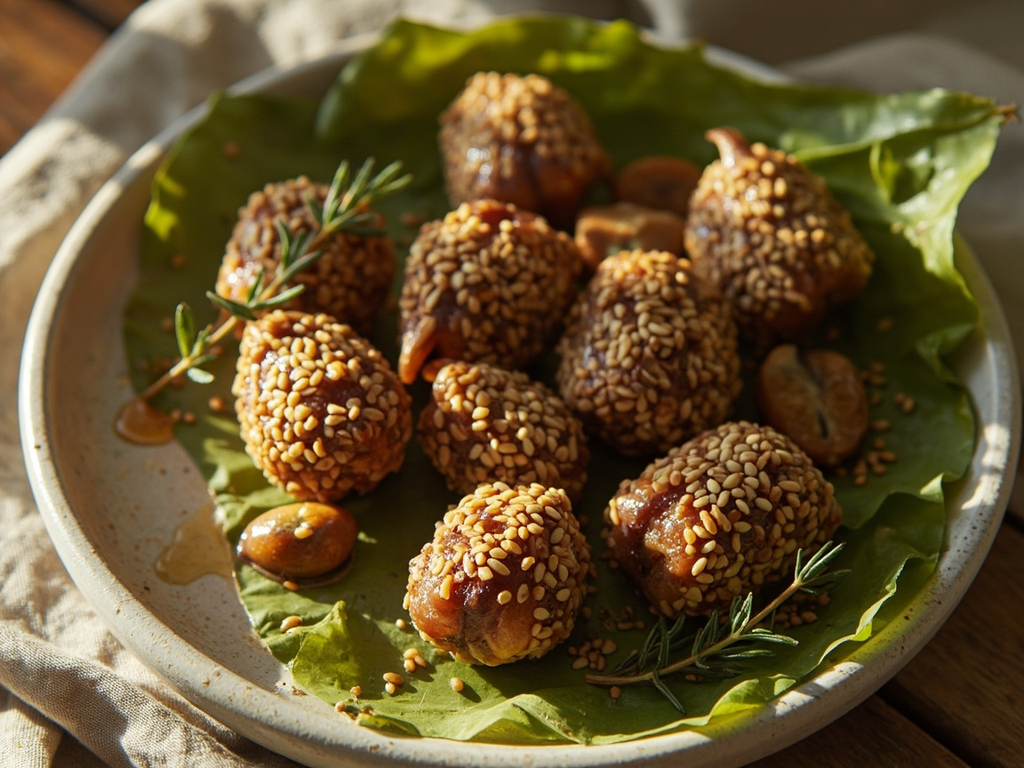 Festive
Wild fig tree figs with honey and sesame
Tragêmata — the end-of-feast treat
🍯· 20 min
View the recipe