 flip
flipRower's *maza* — barley cake kneaded with seawater
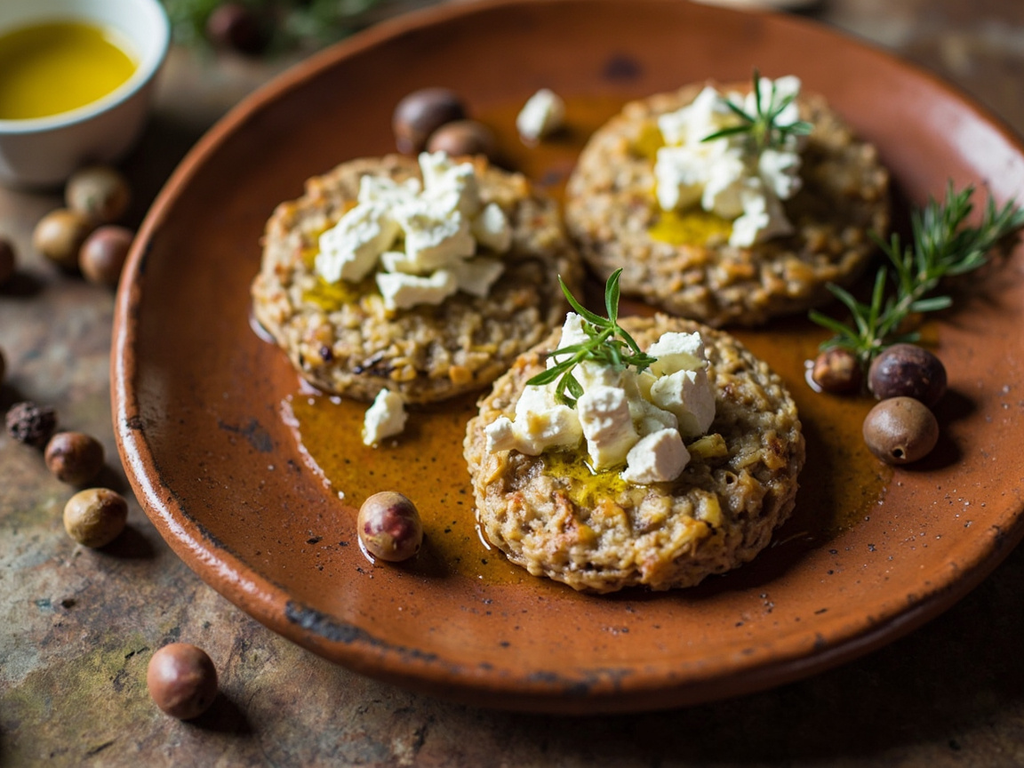
Rower's *maza* — barley cake kneaded with seawater
Why this dish? The *maza* was the daily bread of the poor and the sailor — the food carried by the crew that had to pass between Charybdis and Scylla. Compact, nourishing, it stuck to the stomach for long days of rowing in the strait.
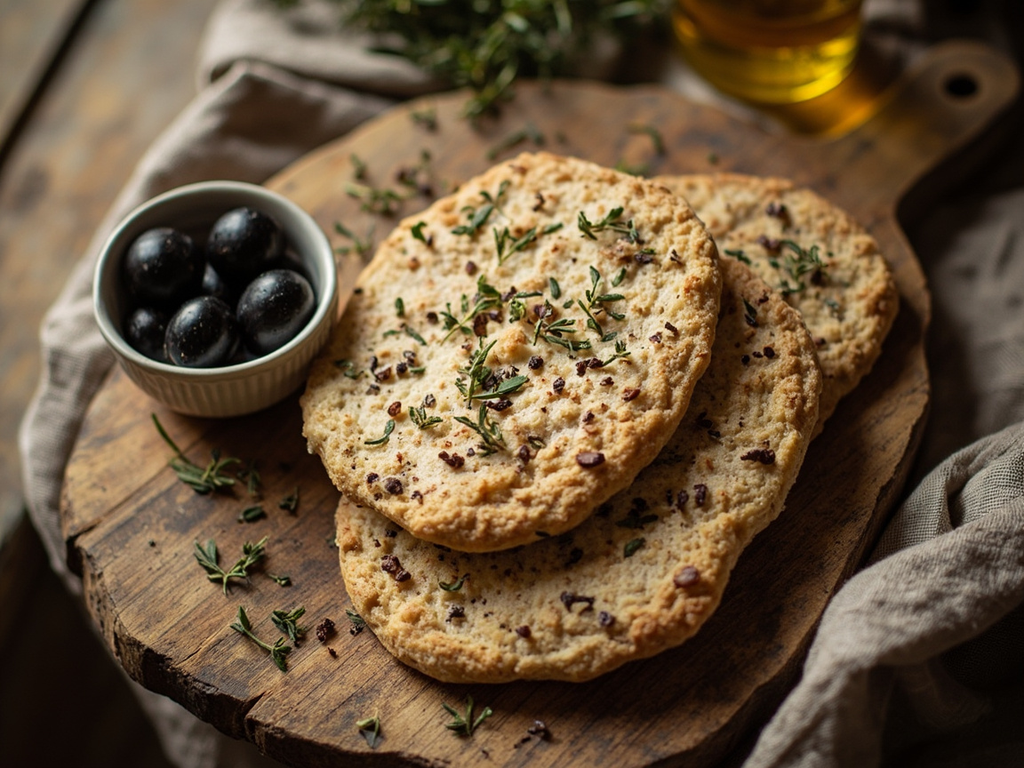
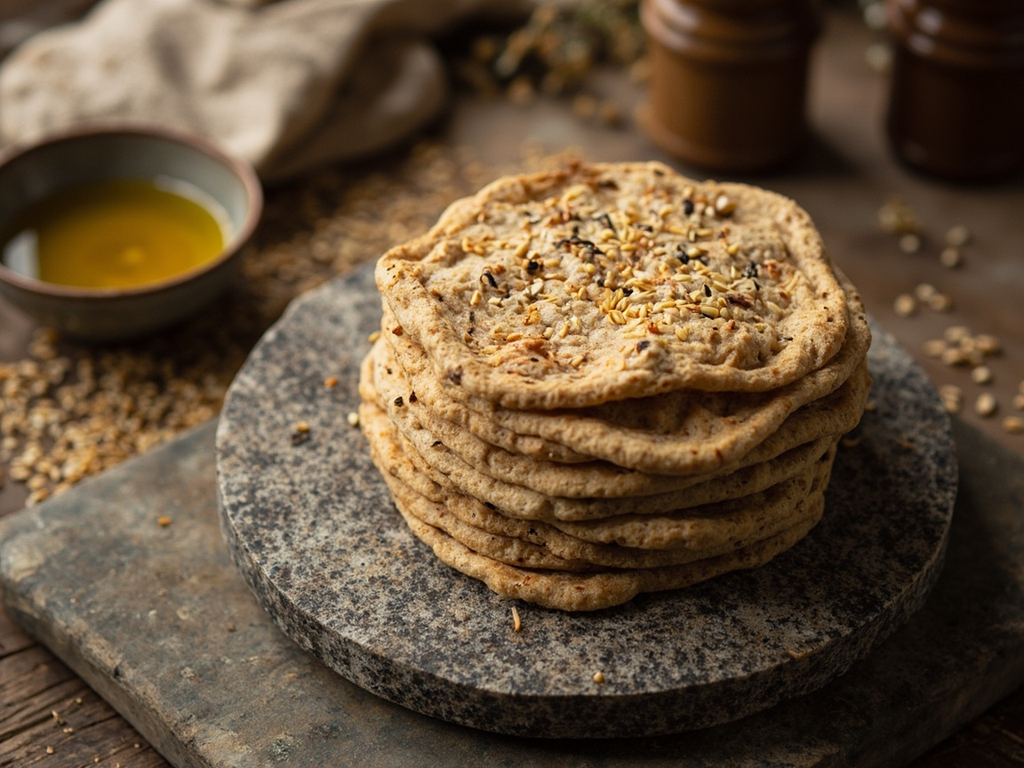
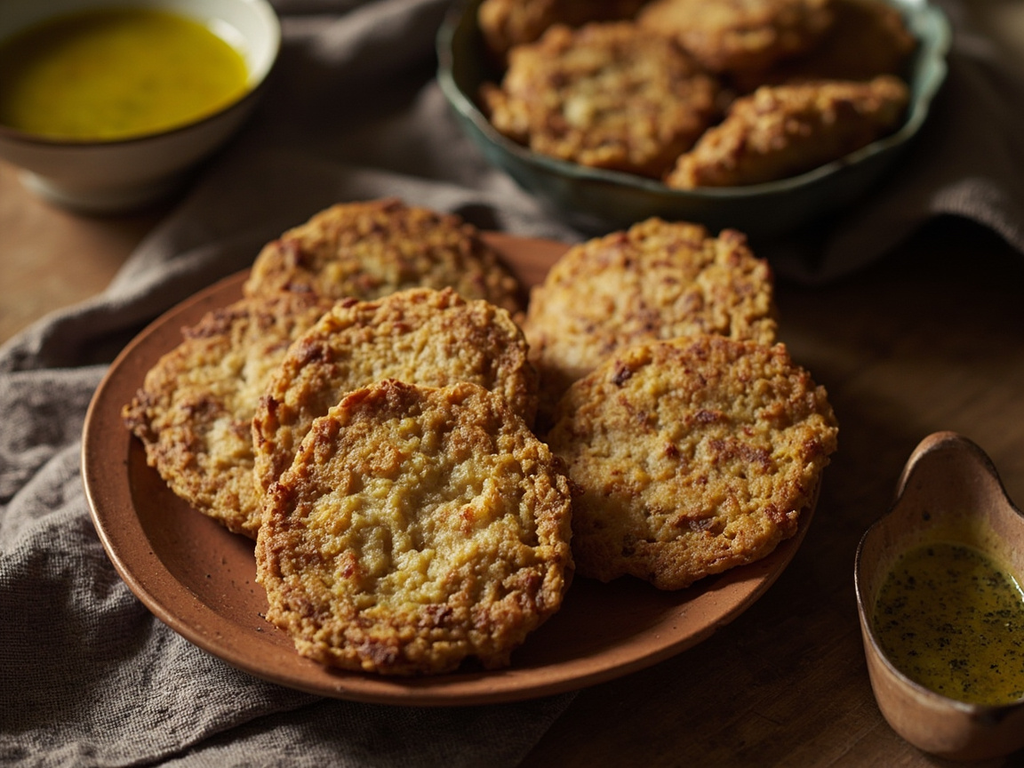
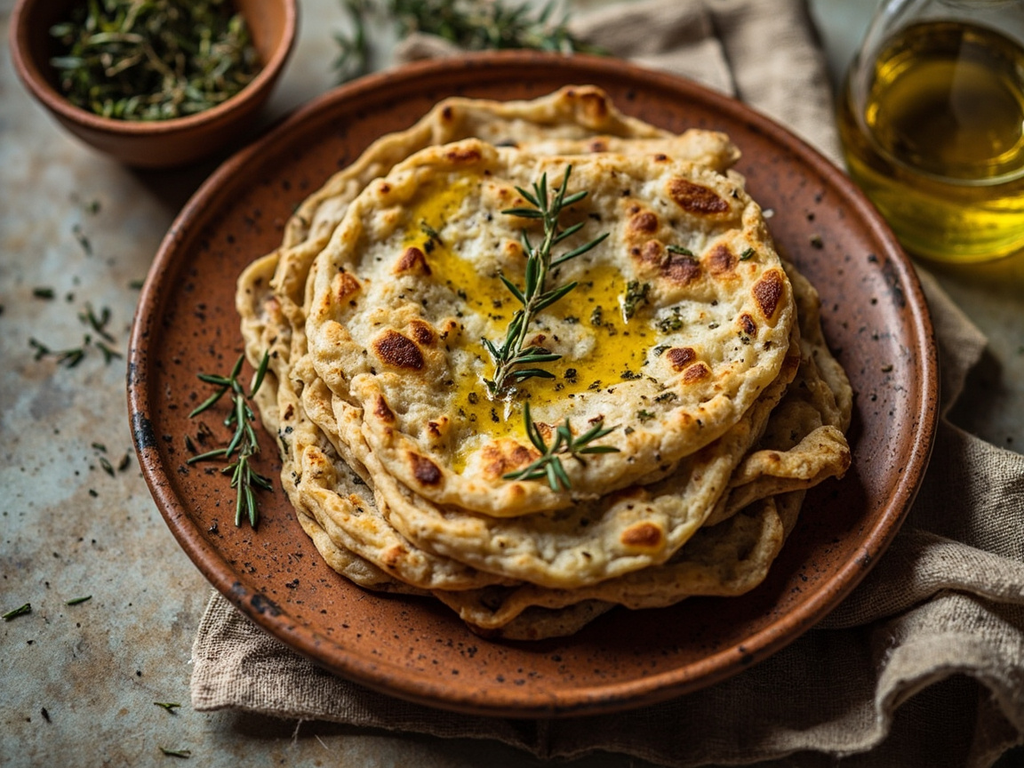
A dense cake of roasted then ground barley, kneaded with water and a little oil, sometimes with seawater for salt. Eaten as is, dipped in wine or rubbed with crushed olives.
Do you think the men I swallow were fat and full? No. They chewed this grey cake, hard as the black cliff that towers over me, kneaded with the salt water I spit in their faces. The barley burns the tongue a little, but it holds the rower's belly when he fights my whirlpool. Dip it in your wine, rub it with crushed olive, and advance — for three times a day I open my maw, and only he who has eaten well finds the strength to flee me.
- •Roasted barley flour (*alphita*) — two handfuls per man (cereal base)
- •Water (or seawater for salt) — as needed to bind (binder and salt)
- •Olive oil — a drizzle (softness)
- •Crushed olives (optional) — a few (accompaniment)
Rower's *maza* — barley cake kneaded with seawater
A dense cake of roasted then ground barley, kneaded with water and a little oil, sometimes with seawater for salt. Eaten as is, dipped in wine or rubbed with crushed olives.
Why this dish? The *maza* was the daily bread of the poor and the sailor — the food carried by the crew that had to pass between Charybdis and Scylla. Compact, nourishing, it stuck to the stomach for long days of rowing in the strait.
Do you think the men I swallow were fat and full? No. They chewed this grey cake, hard as the black cliff that towers over me, kneaded with the salt water I spit in their faces. The barley burns the tongue a little, but it holds the rower's belly when he fights my whirlpool. Dip it in your wine, rub it with crushed olive, and advance — for three times a day I open my maw, and only he who has eaten well finds the strength to flee me.
Ingredients (period version)
- Roasted barley flour (*alphita*) — two handfuls per man (cereal base)
- Water (or seawater for salt) — as needed to bind (binder and salt)
- Olive oil — a drizzle (softness)
- Crushed olives (optional) — a few (accompaniment)
Ingredients
- Barley flour — 200 g (base)
- Warm water — 120-140 ml (binder)
- Sea salt — 1/2 tsp (seasoning)
- Olive oil — 2 tbsp (softness and cooking)
- Pitted black olives (for spread) — a handful (accompaniment)
Method
- Lightly toast the barley flour in a dry pan for 2-3 minutes to bring out its flavor (skip if already roasted).
- Mix the flour, salt, oil, and warm water little by little until a dense, non-sticky dough forms.
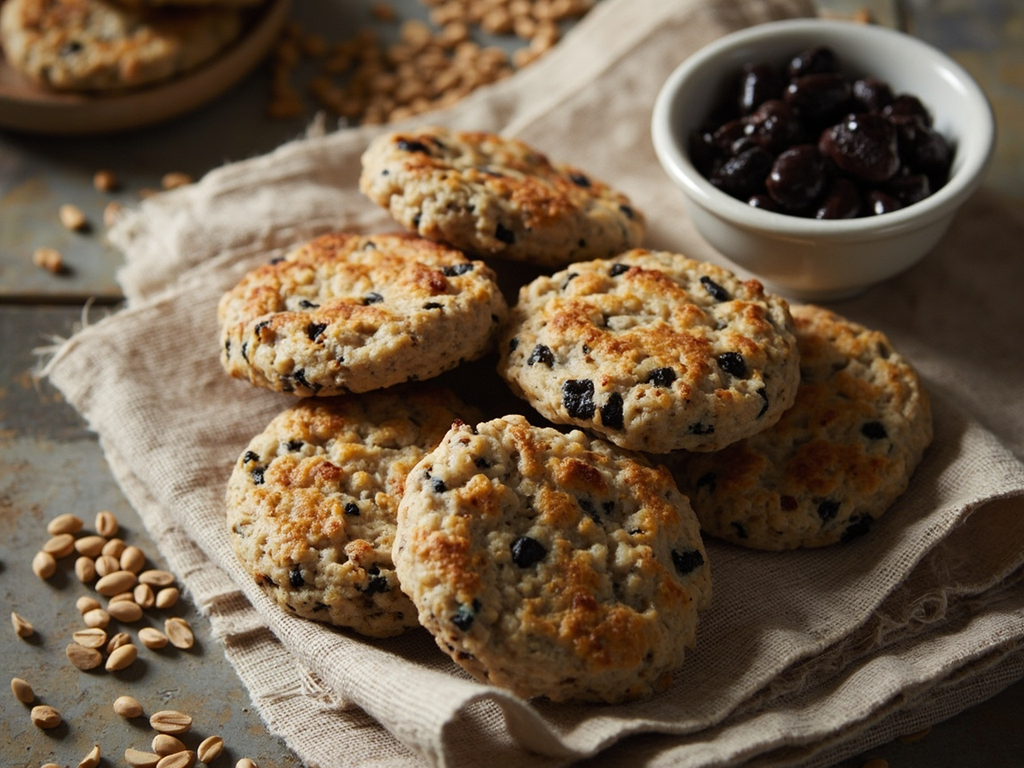
- Shape into flat cakes half a centimeter thick.
- Cook in a dry pan or on a hot stone, 3-4 minutes per side, until dry and speckled.
- Serve with crushed olives as a spread, or dip in wine mixed with water.
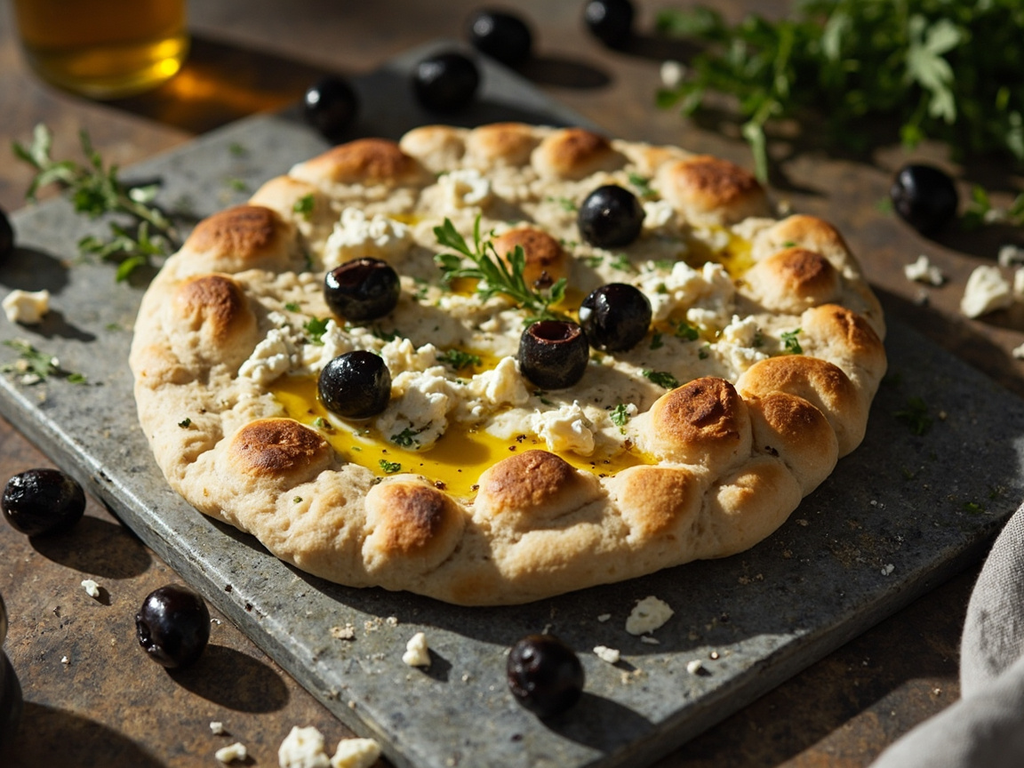
How it was made : The *maza*, an unleavened barley cake, was the staple food of ancient Greece, more common than wheat bread reserved for the rich. Barley was toasted before grinding (*alphita*), giving it a characteristic bitterness. Sailors carried it because it kept well and filled the stomach for a long time.
The contemporary twist : Served as crispy barley chips with a thyme-infused olive tapenade, an apéritif nod to *rower's rations*.
Charybdis · Charactorium