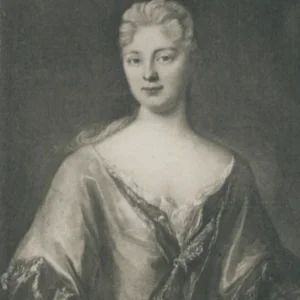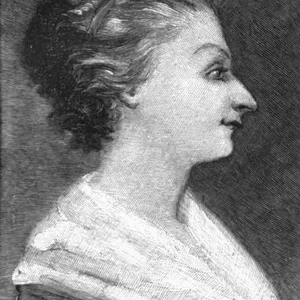

Esther Johnson (1681–1728), known by the nickname "Stella", was the close friend and confidante of the writer Jonathan Swift. Their intellectual and epistolary relationship, chronicled in the Journal to Stella, makes her a notable figure in English literary life of the 18th century.
Esther Johnson(1681 — 1728)
Esther Johnson
7 min read
Frequently asked questions
Key Facts
- Born in 1681, probably in Richmond, England
- Met Jonathan Swift around 1689 when he was secretary to Sir William Temple
- Swift gave her the nickname "Stella" and addressed his famous Journal to Stella (1710–1713) to her
- Moved to Ireland around 1701, near Swift, where she remained until her death
- Died on 28 January 1728 in Dublin
Works & Achievements
A series of intimate letters from Swift addressed to Esther and Rebecca Dingley, forming the primary source on their relationship. This text reveals the unique intellectual bond between the two correspondents.
A series of poems composed each year by Swift for Esther's birthday, blending tenderness, wit, and reflections on friendship and aging — an exceptional literary tribute to a real woman.
An obituary text written by Swift on the evening of Esther's death, in which he pays tribute to her intelligence, virtue, and loyalty — one of the most moving pieces by the author of Gulliver's Travels.
A handful of poems are attributed to Esther Johnson herself, testifying to her mastery of writing and the sharp humor that characterized her exchanges with Swift.
Anecdotes
Jonathan Swift gave Esther Johnson the poetic nickname "Stella", meaning "star" in Latin, while referring to himself as "Presto" in their secret correspondence. This private code between them reflects the exceptional intimacy that defined their epistolary relationship — unique in eighteenth-century English letters.
Esther Johnson learned to read and write under Swift's tutelage as a child at Moor Park, Sir William Temple's estate in Surrey. Struck by her sharp intelligence and curious mind, Swift quickly came to regard her as his most brilliant pupil and, later, as his intellectual equal.
In 1701, Esther Johnson left England to settle in Dublin, always accompanied by her companion Rebecca Dingley, in order to remain close to Swift. This was a bold decision for a woman of the time, and it speaks to the strength of their bond — even as social conventions required that she never live under his roof.
The question of a secret marriage between Swift and Stella has long fascinated historians: some contemporaries claimed the two had wed in 1716 in the presence of Bishop Ashe, yet Swift never acknowledged it publicly. This unresolved mystery remains one of the most famous enigmas in English literature.
When Esther died in January 1728, Swift was so devastated that he could not bring himself to attend her funeral, instead shutting himself away to write "On the Death of Mrs. Johnson". In it, he described her intelligence, generosity, and loyalty with a depth of feeling rare for an author so renowned for his biting irony.
Primary Sources
My own dearest MD, I have been very busy these three days, and cannot get time to write to you... I love you both better than anybody in the world.
She was sickly from her childhood until about the age of fifteen; but then grew into perfect health, and was looked upon as one of the most beautiful, graceful, and agreeable young women in London.
Stella this day is thirty-four / (We sha'n't dispute a year or more) / However, Stella, be not troubled, / Although thy size and years are doubled.
My friend Mrs. Johnson is the truest, the most disinterested, and the most faithful person I have ever known.
Key Places
The estate of Sir William Temple where Esther Johnson grew up and where Swift first met her as a child. It was here that their intellectual and personal bond was forged — a friendship that would last a lifetime.
Swift served as Dean of this cathedral from 1713; Esther Johnson was buried here in 1728, and a commemorative plaque in her honour stands alongside one for Swift.
Esther Johnson lived in rented lodgings near St Patrick's Cathedral, always accompanied by Rebecca Dingley in keeping with the social conventions of the time.
The country estate of Colonel Francis Rochfort, a friend of Swift's, where Esther would occasionally stay. It was from this place that Swift addressed several of the poems in his Stella's Birthday series to her.
Typical Objects

Esther's everyday tool for replying to Swift's letters, the trimmed goose quill symbolizes the intense exchange of correspondence that defined their relationship over nearly twenty years.

A collection of intimate letters written by Swift between 1710 and 1713, of which Esther was both the recipient and the subject; this text remains the primary source on her life and personality.

Esther Johnson, taught to read by Swift, owned a small personal library that included works of poetry and philosophy; reading was central to her intellectual daily life.

Card games were a popular pastime in Dublin's social circles; Swift mentions several times in the Journal evenings of cards shared with Stella and Dingley.

Tea, by the eighteenth century an indispensable social ritual in Britain and Ireland, gave Esther the occasion to receive Swift and their circle of friends for lively intellectual conversation.

An essential accessory of feminine fashion in early eighteenth-century Ireland, the fan accompanied Esther at the receptions and assemblies she attended in Dublin society.
School Curriculum
Vocabulary & Tags
Key Vocabulary
Tags
Lieu
Daily Life
Morning
Esther Johnson rose early, assisted by a maidservant for dressing — corset, hoop skirt and a mantua of silk or wool depending on the season. She spent the morning reading London and Dublin newspapers, as well as drafting her replies to Swift's letters during his stays in London.
Afternoon
Afternoons were often devoted to social calls: Esther received visitors or called upon friends from Swift's intellectual circle, including the physician Thomas Sheridan or Bishop Ashe. She took part in card parties or strolled through Dublin's parks and gardens.
Evening
In the evenings, Esther and Rebecca Dingley frequently welcomed Swift for tea or supper; the gatherings stretched on with readings aloud, literary discussions and wordplay. Swift would sometimes read passages from his works in progress to get Stella's critical opinion.
Food
Esther's diet was that of a comfortable Irish gentlewoman: roasted meats (mutton, beef), white bread, cheeses, boiled vegetables and sweet puddings. Tea imported from the East Indies had become the essential afternoon ritual, accompanied by small biscuits and jam.
Clothing
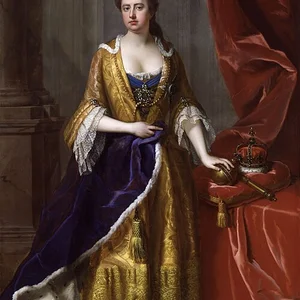
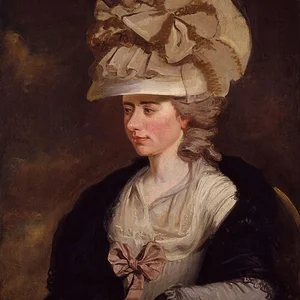
Esther wore the English fashions of the early century: a mantua of damask silk or wool for winter, a whalebone corset, hoop skirts and lace fichus at the collar. She wore her hair under a linen cap or a lace fontange, in keeping with the customs of the Irish gentry.
Housing
Esther Johnson lived in rented lodgings in the south of Dublin, not far from St Patrick's Cathedral. These red-brick Georgian houses contained several comfortably furnished rooms: a drawing room for receiving guests, a bedroom and a writing closet. She never lived at Swift's residence but in separate lodgings, always in the company of Rebecca Dingley.
Historical Timeline
Period Vocabulary
Visual Style
Portrait féminin dans le style baroque tardif anglais de Kneller et Jervas : intérieur chaleureux à la bougie, robe de soie damassée, papiers et livres sur la table d'écriture dublinoise.
Sound Ambience
Ambiance sonore d'un intérieur bourgeois dublinois du début du XVIIIe siècle : cloches de la cathédrale, plume sur papier, feu de cheminée et conversations de salon au coin du feu.
Liens externes & ressources
Références
Œuvres
Journal to Stella (Journal à Stella) — Jonathan Swift
1710-1713 (publié 1766-1768)
Stella's Birthday (poèmes anniversaire) — Jonathan Swift
1719-1727
On the Death of Mrs. Johnson — Jonathan Swift
1728
Poèmes attribués à Stella — Esther Johnson
vers 1720-1728