Literature
Littérature, poésie, théâtre, essai, journalisme
723 characters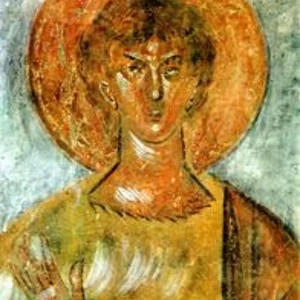
723 characters
Before Christ(75)
Abel
Abel is the second son of Adam and Eve in Genesis. A devout shepherd, he offers God the finest of his flock. Slain by his brother Cain, he becomes the first murder victim in the Abrahamic tradition.
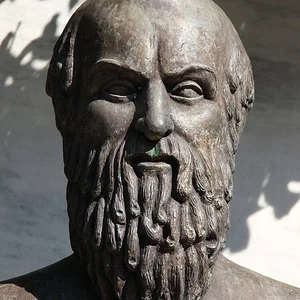
Aeschylus
524 av. J.-C. — 455 av. J.-C.
Aeschylus (524–455 BC) is considered the father of Greek tragedy. He introduced a second actor on stage, revolutionizing ancient theatre. His works, most notably the Oresteia, explore divine justice and the human condition.
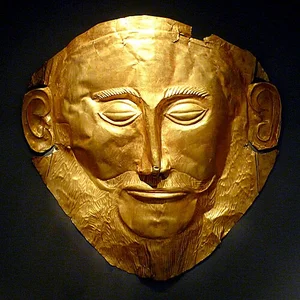
Agamemnon
King of Mycenae and supreme commander of the Greek forces during the Trojan War. A central figure in Homer's Iliad and Aeschylus's Oresteia, his tragic fate — from the sacrifice of Iphigenia to his murder by Clytemnestra — makes him an archetype of hubris and fatality.
Alcaeus
450 av. J.-C. — 400 av. J.-C.
Alcaeus is a Greek lyric poet of the late 7th and early 6th century BC, born in Mytilene on the island of Lesbos. A contemporary and compatriot of Sappho, he is one of the great representatives of Greek monodic poetry.
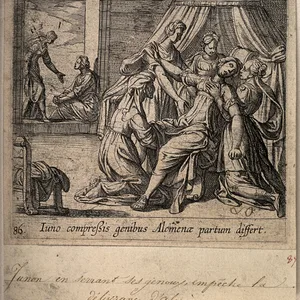
Alcmene
Greek princess, daughter of Electryon king of Mycenae and wife of Amphitryon. Zeus seduced her by taking on her husband's appearance, and she thus conceived Heracles, the most famous of all Greek heroes.
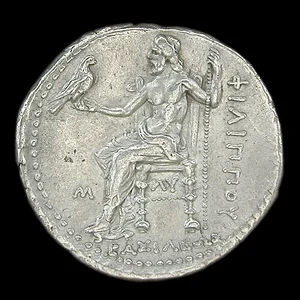
Alexander II of Macedon
King of Macedon from 370 to 368 BC, son of Amyntas III and elder brother of Philip II. His brief reign was marked by internal unrest before his assassination by Ptolemy of Aloros.
Anaxagoras of Clazomenae
499 av. J.-C. — 427 av. J.-C.
Greek pre-Socratic philosopher (c. 500–428 BC), born in Ionia. He introduced the concept of Nous (Cosmic Mind) as the organizing principle of the universe and was the first to offer a rational explanation for solar eclipses. A close friend of Pericles, he lived in Athens before being banished on charges of impiety.
Anaximander
609 av. J.-C. — 545 av. J.-C.
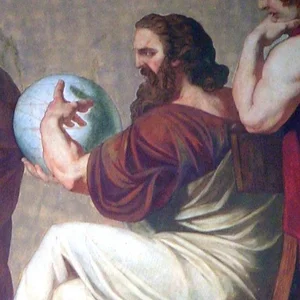
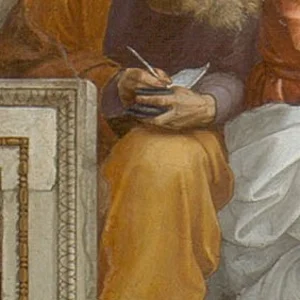
Pre-Socratic Greek philosopher born around 609 BCE in Miletus, a disciple of Thales. He proposed the apeiron (the boundless, indeterminate infinite) as the originating principle of all things, and created one of the earliest known maps of the world.
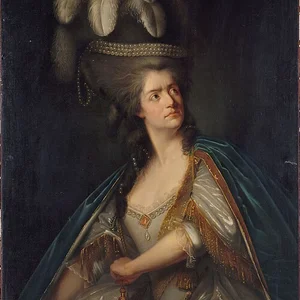
Andromache
Princess of Thebe in Mysia and wife of Hector in the Greek epic tradition, Andromache is the figure of the woman and mother struck by the Trojan War. Immortalized by Homer in the Iliad and by Racine in his eponymous tragedy (1667), she embodies conjugal fidelity and grief.
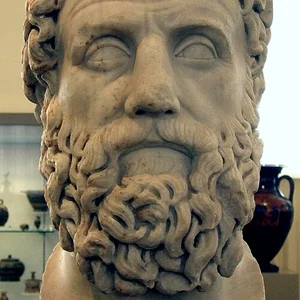
Archilochus
687 av. J.-C. — 644 av. J.-C.
Archilochus was an archaic Greek poet of the 7th century BC, native to the island of Paros. A mercenary soldier and poet, he is regarded as the inventor of iambic poetry and one of the first to express a personal and satirical voice in Greek literature.
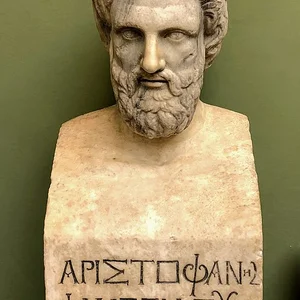
Aristophanes
444 av. J.-C. — 384 av. J.-C.
Aristophanes is the foremost representative of ancient Greek comedy, author of around forty plays, eleven of which have survived. His works blend political satire, social criticism, and poetic fantasy. He humorously staged the conflicts of his time, most notably the Peloponnesian War.
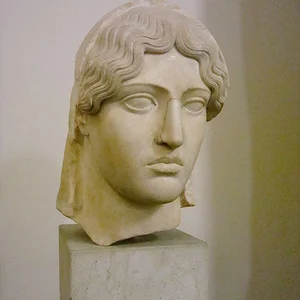
Aspasia
469 av. J.-C. — 399 av. J.-C.
Born in Miletus around 470 BC, Aspasia was the companion of Pericles and a major intellectual figure in Athens. Renowned for her eloquence and mastery of rhetoric, she hosted a philosophical salon attended by Socrates, Plato, and the greatest minds of her era.
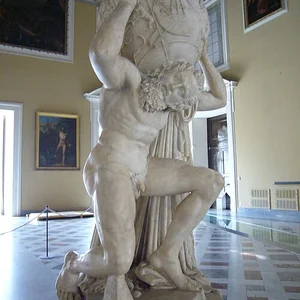
Atlas
Titan of Greek mythology, son of Iapetus and Clymene. Condemned by Zeus to hold up the sky on his shoulders after the defeat of the Titans in the Titanomachy. He is also the father of the Pleiades and the Hesperides.
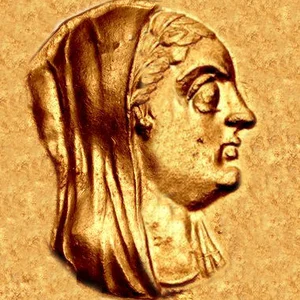
Berenice I
339 av. J.-C. — ?
Macedonian queen who became the wife of Ptolemy I, founder of the Lagid dynasty in Egypt. Mother of Ptolemy II Philadelphus, she was deified after her death and played a foundational role in establishing the dynastic legitimacy of the Ptolemies.
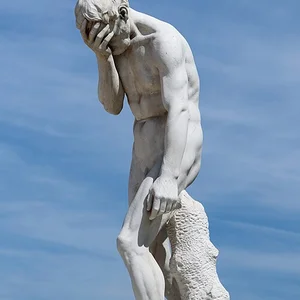
Cain
3899 av. J.-C. — 3199 av. J.-C.
Eldest son of Adam and Eve in the Bible, Cain committed the first murder in human history by killing his brother Abel out of jealousy. Condemned to wander the earth, he received a protective mark from God.
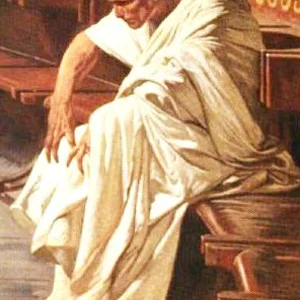
Catiline
107 av. J.-C. — 61 av. J.-C.
Lucius Sergius Catiline was a Roman patrician and politician, famous for plotting a conspiracy to seize power in 63 BC. Exposed by Cicero, he died fighting at the Battle of Pistoria in 62 BC.
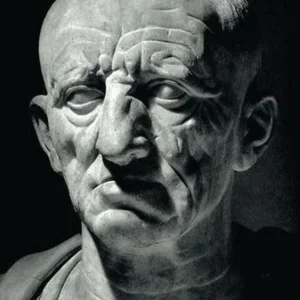
Cato the Elder
233 av. J.-C. — 148 av. J.-C.
Roman statesman and writer (234–149 BC), consul in 195 BC and censor in 184 BC. An uncompromising defender of traditional Roman values, he opposed Greek influence and pursued strict economic policies. He is also considered the first great Latin prose writer, known for his treatise on agriculture.
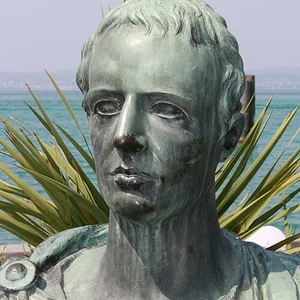
Catullus
83 av. J.-C. — 53 av. J.-C.
Catullus was a Latin lyric poet of the Roman Republic, born around 83 BC in Verona. A contemporary of Caesar and Cicero, he authored a collection of 116 poems blending passionate love, friendship, and political satire.
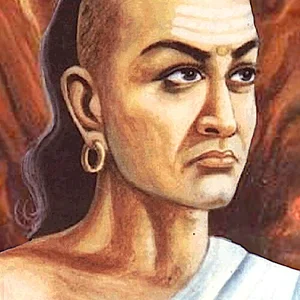
Chanakya
374 av. J.-C. — 282 av. J.-C.
An Indian philosopher, economist, and political strategist of the 4th century BCE, Chanakya served as advisor to Chandragupta Maurya, founder of the Maurya Empire. Often called the "Indian Machiavelli," he authored the Arthashastra, a foundational treatise on politics and economics.
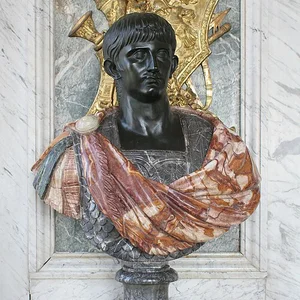
Claudius
9 av. J.-C. — 54
Fourth Roman emperor (41–54 AD), Claudius succeeded Caligula. Despite physical disabilities that long kept him on the margins of power, he proved to be a skilled administrator, reformer, and conqueror of Britain.
Clodia Metella
Roman aristocrat of the late Republic, sister of the tribune Publius Clodius Pulcher and wife of the consul Metellus Celer. A cultured and independent woman, she is traditionally identified as the “Lesbia” celebrated by Catullus and was violently attacked by Cicero in the Pro Caelio.
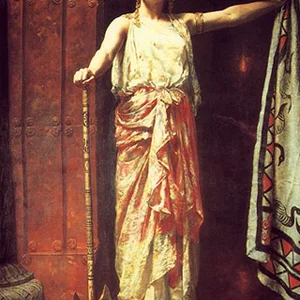
Clytemnestra
A major figure in Greek mythology, Clytemnestra is the wife of King Agamemnon of Mycenae. She murders him upon his return from the Trojan War to avenge the sacrifice of their daughter Iphigenia. She is the central character of Aeschylus's Oresteia (458 BCE).
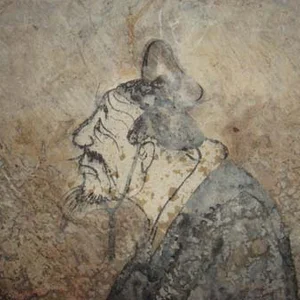
Confucius
550 av. J.-C. — 478 av. J.-C.
A Chinese thinker and philosopher of the 5th century BC, Confucius is the founder of Confucianism. His moral and political teachings, passed down by his disciples in the Analects, have profoundly influenced Chinese civilization and East Asia for more than two millennia.
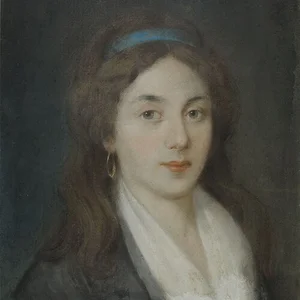
Cornelia
190 av. J.-C. — 100 av. J.-C.
Daughter of Scipio Africanus and wife of Tiberius Sempronius Gracchus, Cornelia (c. 190–100 BC) is the model of the virtuous Roman matron. She raised her twelve children alone after being widowed, refusing a royal remarriage. She is famous for pointing to her sons Tiberius and Gaius as "her most precious jewels."
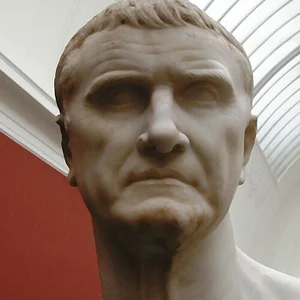
Crassus
114 av. J.-C. — 52 av. J.-C.
A Roman politician and general of the 1st century BC, Crassus was the wealthiest man in Rome. He formed the First Triumvirate with Caesar and Pompey in 60 BC. He died in the disastrous Battle of Carrhae against the Parthians.
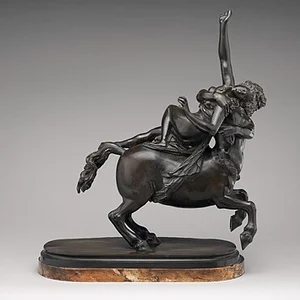
Deianira
Wife of Heracles and princess of Calydon, Deianira is a tragic figure in Greek mythology. Deceived by the centaur Nessus, she gives her husband a tunic soaked in poison, believing it to be a love potion, thereby causing his death.
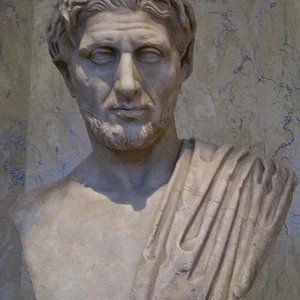
Demetrius of Phalerum
349 av. J.-C. — 282 av. J.-C.
Demetrius of Phalerum was an Athenian philosopher and statesman, a disciple of Aristotle and the Lyceum. As governor of Athens on behalf of Macedonia from 317 to 307 BC, he later took refuge in Alexandria, where he advised Ptolemy I and helped found the Library and the Museum.
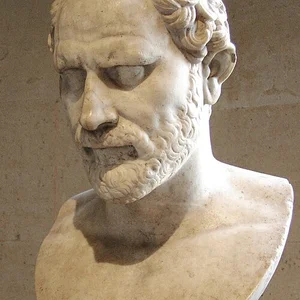
Demosthenes
383 av. J.-C. — 321 av. J.-C.
Demosthenes (384–322 BC) was the greatest orator of ancient Greece. An Athenian statesman, he vigorously opposed the expansion of Philip II of Macedon through his famous speeches, the Philippics.
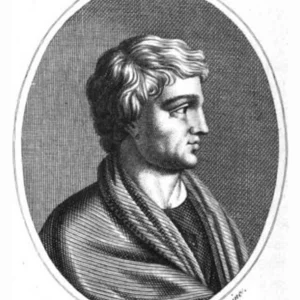
Diodorus Siculus
89 av. J.-C. — 19 av. J.-C.
Greek historian of the 1st century BC, born in Sicily, author of the Bibliotheca historica, a vast universal history encyclopedia in 40 volumes covering mythical origins through the age of Caesar.
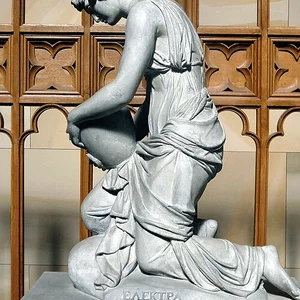
Electra
Electra is a heroine of Greek mythology, daughter of Agamemnon and Clytemnestra. After her father is murdered by her mother and her lover Aegisthus, she convinces her brother Orestes to avenge him. Her tragic fate inspired all three of the great Greek tragedians.
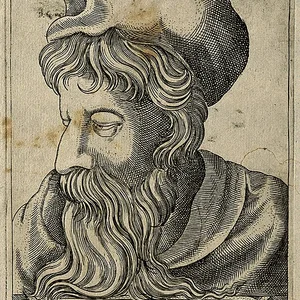
Empedocles
493 av. J.-C. — 433 av. J.-C.
Greek philosopher, physician, and statesman of the 5th century BC, from Akragas in Sicily. He is famous for his theory of the four elements (earth, water, fire, air) and two cosmic forces (Love and Strife). A major figure in Presocratic philosophy, he also had deep interests in medicine and natural phenomena.

Énheduana
High priestess of the moon at Ur and daughter of Sargon of Akkad, Enheduana is the first known author in history. Around 2300 BCE, she composed hymns to the goddess Inanna and songs for the Sumerian temples, laying the foundations of religious literature.
Enheduanna
2300 av. J.-C. — 2300 av. J.-C.
Enheduanna, high priestess of the moon god at Ur and daughter of Sargon of Akkad, is the first known author in history. Around 2300 BCE, she composed hymns to the goddess Inanna of rare poetic power, laying the foundations of world religious literature.
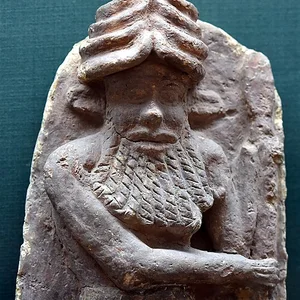
Enkidu
Legendary figure from the Epic of Gilgamesh, created by the gods to be the companion of King Gilgamesh. Born wild and raised among animals, he becomes the hero's inseparable friend before his death triggers the quest for immortality.
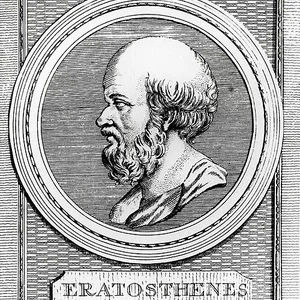
Eratosthenes
275 av. J.-C. — 193 av. J.-C.
Greek scholar of the 3rd century BC and director of the Library of Alexandria. He measured the circumference of the Earth with remarkable accuracy and laid the foundations of scientific geography.
Heraclea
Heraclea refers to several Greek cities founded in honor of the hero Heracles, the most famous of which is Heraclea Pontica. These colonial foundations illustrate the role of mythological heroes in shaping ancient Greek identity.
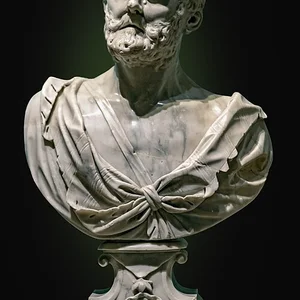
Heraclitus
534 av. J.-C. — 470 av. J.-C.
Pre-Socratic Greek philosopher born around 534 BC in Ephesus (present-day Turkey). He is famous for his doctrine of universal flux and fire as the fundamental principle of all things. His work, known under the title "On Nature", has survived only in fragments.
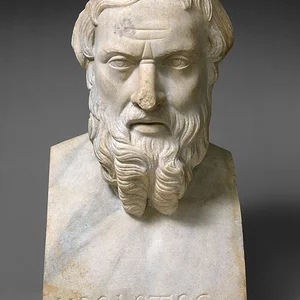
Herodotus
483 av. J.-C. — 424 av. J.-C.
Greek historian and geographer born around 484 BC in Halicarnassus, considered the "Father of History". He is the author of the Histories, a vast inquiry into the Greco-Persian Wars and the peoples of the ancient world.
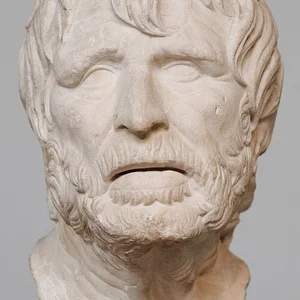
Hesiod
775 av. J.-C. — ?
Greek poet of the 8th–7th centuries BCE, a contemporary of Homer, born in Ascra in Boeotia. He is the author of the Theogony and Works and Days, two foundational works of Greek literature and mythology.
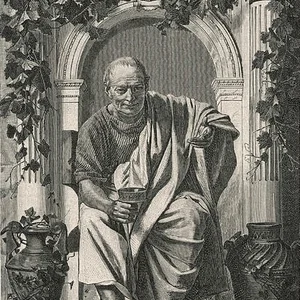
Horace
64 av. J.-C. — 7 av. J.-C.
Horace is a major Latin poet of the Augustan age, born in 65 BC in Venusia. A friend of Virgil and protégé of Maecenas, he is the author of the Odes, the Satires, and the Ars Poetica. His work celebrates wisdom, friendship, and the simple pleasures of life.
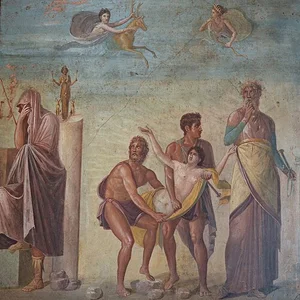
Iphigenia
Daughter of Agamemnon and Clytemnestra, Iphigenia was condemned to be sacrificed at Aulis to appease Artemis and allow the Greek fleet to sail for Troy. Saved by the goddess, she was transported to Tauris where she became a priestess. Her fate inspired major tragedies by Euripides.

Juno
Juno is the queen of the gods in Roman mythology, wife of Jupiter and goddess of marriage and motherhood. Identified with the Greek Hera, she belongs to the Capitoline Triad and plays a central role in Virgil's epic, the *Aeneid*.
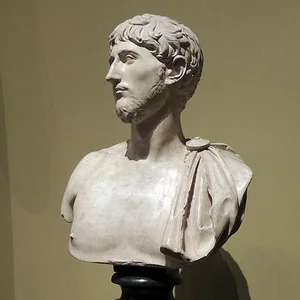
Lepidus
89 av. J.-C. — 12 av. J.-C.
Roman politician and general of the 1st century BC, Lepidus formed the Second Triumvirate with Octavian and Mark Antony in 43 BC. Gradually marginalized, he was removed from power by Octavian in 36 BC.
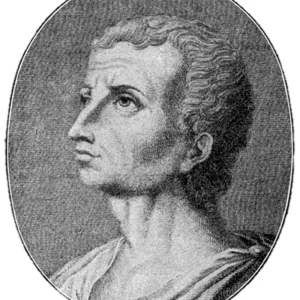
Livy
58 av. J.-C. — 17
Livy was a Latin historian born in Patavium (Padua) around 58 BC. He is the author of a monumental History of Rome in 142 books, of which 35 have survived. His work traces the history of Rome from its legendary founding to his own time.
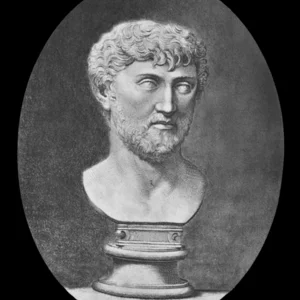
Lucretius
93 av. J.-C. — 54 av. J.-C.
Lucretius was a Latin Epicurean poet and philosopher of the 1st century BC. He is the author of De rerum natura, a sweeping poem in six books expounding the philosophy of Epicurus and the atomism of Democritus. His work seeks to free humanity from the fear of the gods and of death.
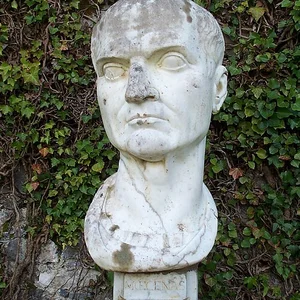
Maecenas
69 av. J.-C. — 7 av. J.-C.
A close advisor to Augustus and great patron of the arts in Rome, Maecenas supported poets such as Virgil and Horace. His name has become synonymous with support for artists and men of letters.
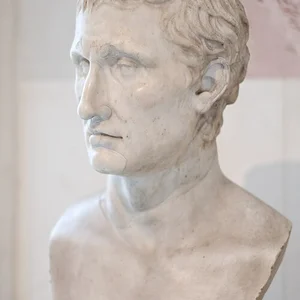
Menander
340 av. J.-C. — 290 av. J.-C.
Menander (342–290 BC) was the greatest representative of Greek New Comedy. A prolific Athenian playwright, he wrote more than a hundred plays depicting everyday life and the social customs of his time.
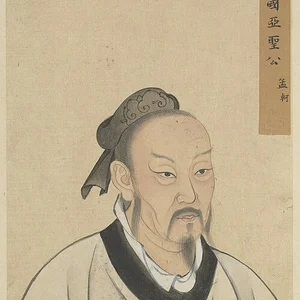
Mencius
371 av. J.-C. — 288 av. J.-C.
Mencius was a Chinese philosopher of the 4th century BCE, considered the second great sage of Confucianism after Confucius. He developed the idea that human nature is fundamentally good and that a legitimate ruler must govern with benevolence. His work, the Mengzi, is one of the Four Books of the Confucian canon.
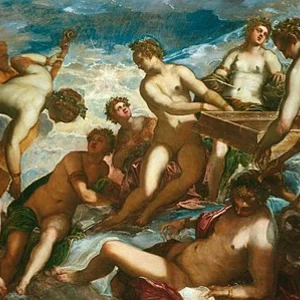
Muses
The nine Muses are the daughters of Zeus and Mnemosyne in Greek mythology. Goddesses of the arts and sciences, they inspire poets, musicians, and scholars. Calliope, Clio, Erato, Euterpe, Melpomene, Polyhymnia, Terpsichore, Thalia, and Urania each preside over an artistic or intellectual domain.
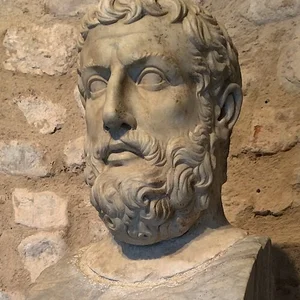
Parmenides
514 av. J.-C. — 469 av. J.-C.
Greek philosopher of the 5th century BC and founder of the Eleatic school. He developed a radical metaphysics asserting that Being is one, unchanging, and eternal — rejecting any notion of change or multiplicity.
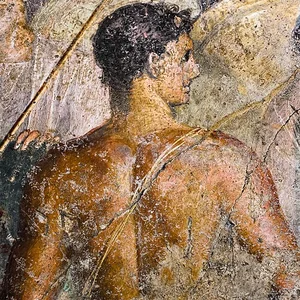
Patroclus
Greek hero of mythology and faithful companion of Achilles during the Trojan War. After donning Achilles' armor to restore the Greeks' courage, he is killed by Hector, triggering his friend's furious revenge.
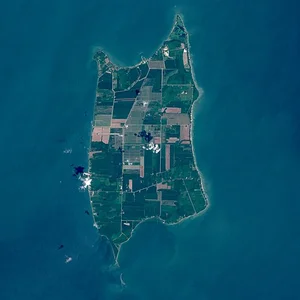
Peleus
Hero of Greek mythology, king of Phthia in Thessaly. Son of Aeacus and grandson of Zeus, he is famous for his marriage to the Nereid Thetis and for being the father of Achilles.
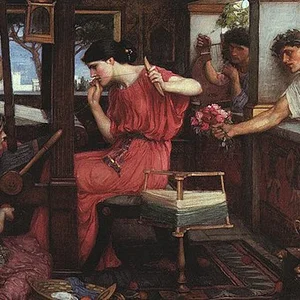
Penelope
A figure from Greek mythology, wife of Odysseus and mother of Telemachus. During her husband's twenty-year absence, she fends off her suitors with a famous trick: each night she unravels the shroud she weaves by day. She embodies faithfulness, patience, and female intelligence in the Homeric epic.
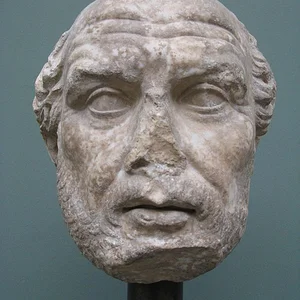
Phidias
499 av. J.-C. — 429 av. J.-C.
Phidias is considered the greatest sculptor of ancient Greece in the 5th century BC. He created the chryselephantine statue of Athena Parthenos and the statue of Zeus at Olympia, counted among the Seven Wonders of the Ancient World.
Pisistratus
Youngest son of Nestor, king of Pylos, Pisistratus is a character in Homer's Odyssey. He welcomes Telemachus at Pylos and accompanies him to Sparta to meet Menelaus. A figure of friendship and hospitality, he embodies the aristocratic virtues of the Greek epic.
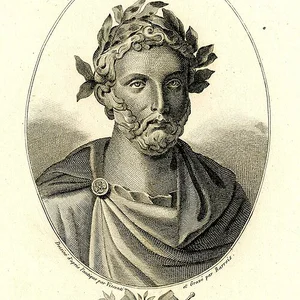
Plautus
249 av. J.-C. — 183 av. J.-C.
A Latin comic playwright of the 3rd–2nd century BC, Plautus is the leading figure of Roman comedy. He adapted Greek New Comedy for Roman audiences, creating characters that became archetypes: the cunning slave, the miser, the braggart soldier.
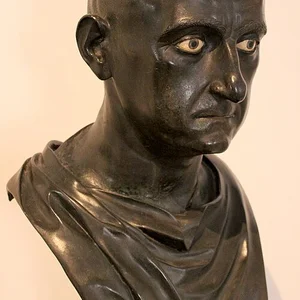
Scipio Africanus
234 av. J.-C. — 182 av. J.-C.
Roman general of the 2nd century BC, victor over Hannibal at the Battle of Zama (202 BC). He brought the Second Punic War to an end and secured Rome's dominance over Carthage.
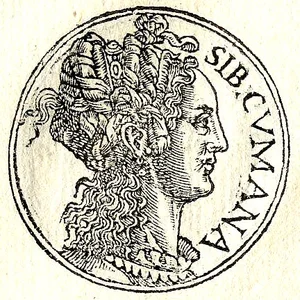
Sibyl of Cumae
A legendary prophetess of Antiquity, she presided over Apollo's oracle at Cumae, in Campania. According to tradition, she lived for a thousand years and sold the Sibylline Books to King Tarquin. Virgil makes her the guide of Aeneas in the Underworld in the Aeneid.
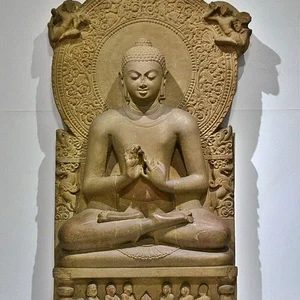
Siddhartha Gautama
500 av. J.-C. — 500 av. J.-C.
An Indian prince born around 563 BCE in Nepal, he renounced his privileged life to seek the truth about human suffering. After years of asceticism and meditation, he attained Enlightenment beneath the Bodhi tree and became the Buddha, the "Awakened One."
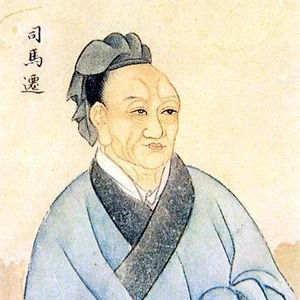
Sima Qian
144 av. J.-C. — 85 av. J.-C.
A historian and annalist of the Han dynasty, Sima Qian is the author of the Records of the Grand Historian (Shiji), considered the first great work of Chinese historiography. Despite disgrace and castration imposed by Emperor Wu, he completed this monumental work covering three millennia of history.
Sima Tan
164 av. J.-C. — 109 av. J.-C.
A Chinese astrologer and historian of the 2nd century BC, Sima Tan served as Grand Astrologer at the Han court. He undertook the writing of the *Shiji* (Records of the Grand Historian), a work his son Sima Qian completed after his death.
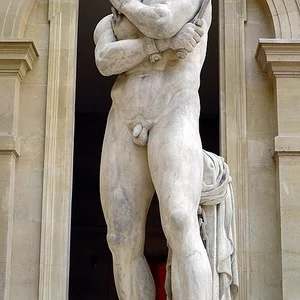
Spartacus
102 av. J.-C. — 70 av. J.-C.
A gladiator of Thracian origin, Spartacus led the Third Servile War against Rome (73–71 BC), commanding an army of rebel slaves that threatened the very existence of the Roman Republic before being defeated by Crassus.
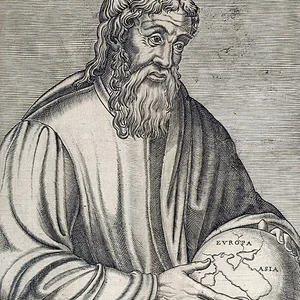
Strabo
62 av. J.-C. — 23
Greek geographer, historian, and philosopher born around 62 BC in Amaseia (modern-day Turkey). He is the author of the Geography in 17 books, a description of the known world of his time. An heir to the Stoic tradition, he traveled extensively throughout the Mediterranean and the East.
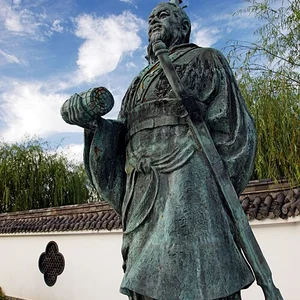
Sun Tzu
543 av. J.-C. — 495 av. J.-C.
Sun Tzu was a Chinese general and philosopher of the 6th century BC, author of The Art of War. This military treatise, one of the oldest in the world, continues to influence military, political, and economic strategy to this day.
Telegonus
Son of Odysseus and the sorceress Circe, Telegonus is a figure from Greek mythology. He accidentally killed his father Odysseus without recognizing him, thus fulfilling a tragic prophecy.
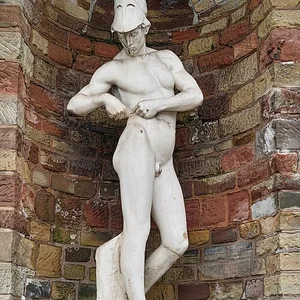
Telemachus
Telemachus is the son of Odysseus and Penelope in Greek mythology. A young man at the time of his father's return to Ithaca, he sets out to search for him and then helps him eliminate the suitors besieging his mother.
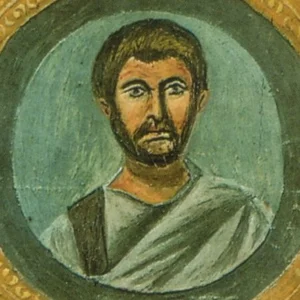
Terence
184 av. J.-C. — 158 av. J.-C.
Terence was a Roman comic playwright of African origin, freed by his master. He wrote six comedies inspired by Greek New Comedy, celebrated for their elegant Latin style and psychological depth.
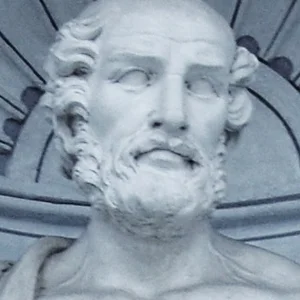
Theophrastus
370 av. J.-C. — 286 av. J.-C.
Greek philosopher and scholar, successor to Aristotle as head of the Lyceum in Athens. Considered the father of botany, he systematized the study of plants and continued his master's encyclopedic work.
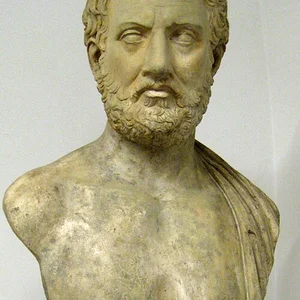
Thucydides
460 av. J.-C. — 394 av. J.-C.
An Athenian historian and general of the 5th century BC, Thucydides is the author of the History of the Peloponnesian War, an account of the conflict between Athens and Sparta. Regarded as the founder of scientific historiography, he sought to establish facts with rigor and impartiality.
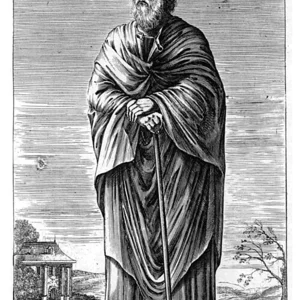
Xenophanes
569 av. J.-C. — 477 av. J.-C.
Pre-Socratic Greek philosopher and poet born in Colophon around 570 BC. He criticized the anthropomorphic polytheism of Homer and Hesiod, and argued for a single, universal, non-human god. A forerunner of rational theology and epistemology.
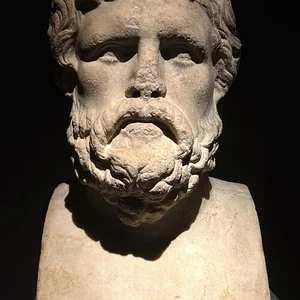
Xenophon
430 av. J.-C. — 353 av. J.-C.
Greek historian, soldier, and philosopher born around 430 BC, and a disciple of Socrates. He led the retreat of the Ten Thousand Greek mercenaries from Persia, recounted in the Anabasis. A prolific author, he left behind historical, philosophical, and military works.
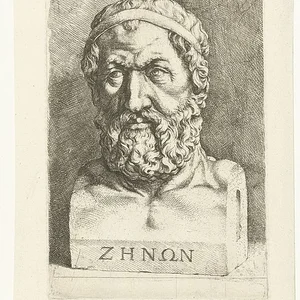
Zeno of Elea
489 av. J.-C. — 424 av. J.-C.
Pre-Socratic Greek philosopher and disciple of Parmenides, born around 489 BCE in Elea (Magna Graecia). He is famous for his paradoxes demonstrating the impossibility of motion and plurality, laying the groundwork for dialectic as a method of argumentation.
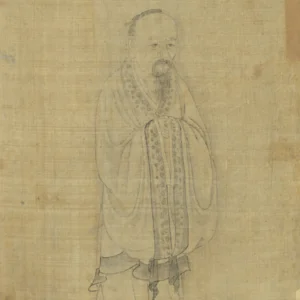
Zhuangzi
368 av. J.-C. — 287 av. J.-C.
A Chinese Taoist philosopher of the 4th century BCE, Zhuangzi is one of the founding thinkers of philosophical Taoism. His writings, collected in the work that bears his name, explore freedom, the relativity of things, and harmony with the Tao.
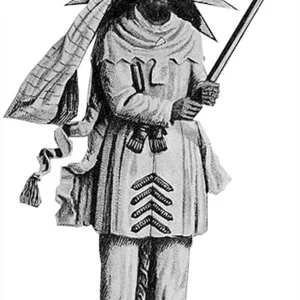
Zoroaster
627 av. J.-C. — 550 av. J.-C.
Iranian prophet and founder of Zoroastrianism, one of the oldest monotheistic religions. He is believed to have lived between 1500 and 550 BCE and received divine revelations from Ahura Mazda. His teachings are recorded in the Gathas, sacred hymns that form part of the Avesta.
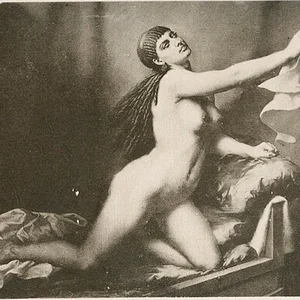
Zulaikha
Zulaikha is the wife of Potiphar, a high Egyptian dignitary, famous in the Bible (Genesis 39) and the Quran (Surah Yusuf) for attempting to seduce Joseph. Joseph's refusal and her false accusation lead him to prison. She has become a major literary figure, particularly in classical Persian poetry.
Antiquity(34)
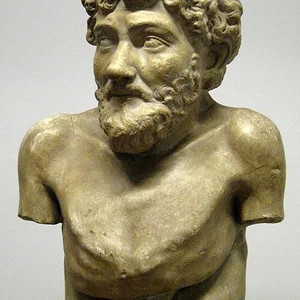
Aesop
619 av. J.-C. — 563 av. J.-C.
Aesop was an ancient Greek fabulist, author of fables featuring animals to convey moral lessons. His works, composed between the 7th and 6th centuries BC, have profoundly influenced Western literature and remain classics of children's literature.
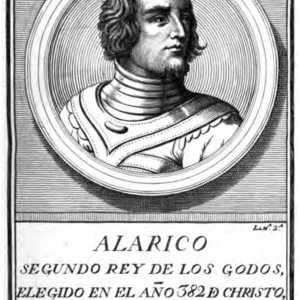
Alaric I
370 — 410
King of the Visigoths from 395 to 410, Alaric I is famous for leading the sack of Rome in 410, a symbolic event marking the beginning of the end of the Western Roman Empire.
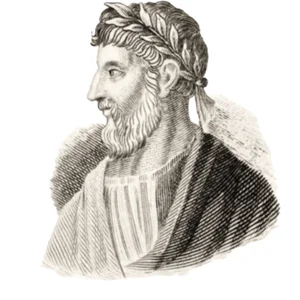
Apollonius of Rhodes
294 av. J.-C. — 214 av. J.-C.
Apollonius of Rhodes was a Greek poet and grammarian of the 3rd century BC, a major figure of Hellenistic literature. He directed the famous Library of Alexandria and composed the Argonautica, a great epic recounting the quest for the Golden Fleece by Jason and the Argonauts.
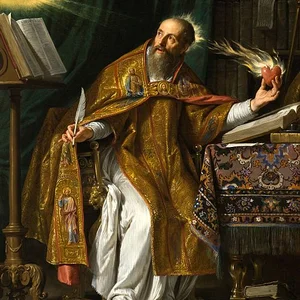
Augustine of Hippo
354 — 430
Christian theologian and philosopher of the 4th century, bishop of Hippo in North Africa. Author of the Confessions and The City of God, he is one of the most influential Latin Fathers of the Church in the history of Christianity.
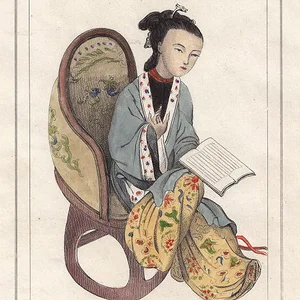
Ban Zhao
45 — 116
Ban Zhao (45–116) was China's first great female scholar, a historian and philosopher under the Eastern Han dynasty. She completed the works of her brother Ban Gu, most notably the Book of Han. Her treatise Lessons for Women (Nüjie) profoundly shaped Confucian thought on the role of women.
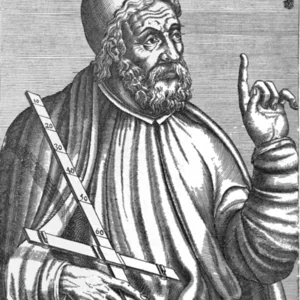
Claudius Ptolemy
100 — 170
Greek astronomer, mathematician, and geographer of the 2nd century, he developed a geocentric model of the universe that would dominate scientific thought for over 1,400 years. His encyclopedic work synthesizes ancient knowledge in astronomy, geography, and optics.
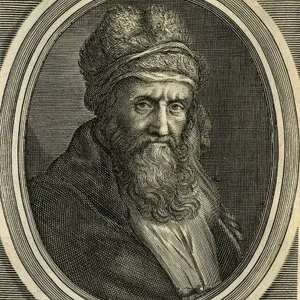
Diogenes Laërtius
A Greek biographer and doxographer of the 3rd century AD, Diogenes Laërtius is the author of Lives and Opinions of Eminent Philosophers, the principal source of knowledge about ancient Greek philosophers. His work compiles the biographies and views of more than 80 thinkers, from Thales to Epicurus.
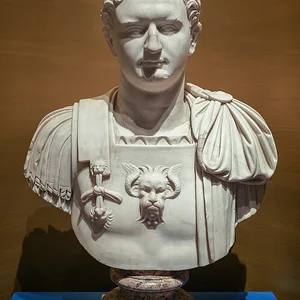
Domitian
51 — 96
Domitian (51–96) was the third and last emperor of the Flavian dynasty. His authoritarian reign was marked by persecutions of Christians and senators, but also by efficient provincial administration.
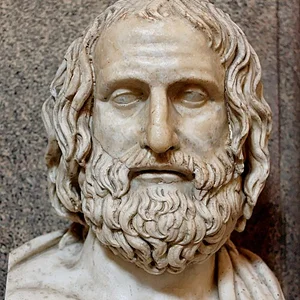
Euripides
480 av. J.-C. — 406 av. J.-C.
Euripides (480–406 BC) is one of the three great tragic playwrights of ancient Athens, alongside Aeschylus and Sophocles. Author of more than 90 plays, he stands out for his innovative approach to tragedy, portraying more human and psychologically complex characters, especially women.
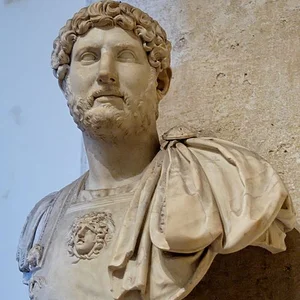
Hadrian
76 — 138
Hadrian was Roman emperor from 117 to 138 AD, successor to Trajan. A reformer and builder, he consolidated the Empire's borders and traveled to nearly all its provinces. A passionate admirer of Greek culture, he oversaw the construction of the Pantheon in Rome and Hadrian's Wall in Britannia.
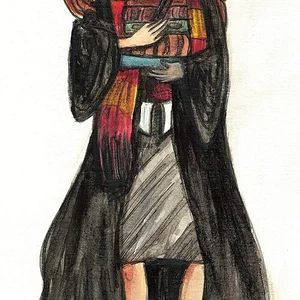
Hermione
Hermione Granger is a fictional character created by J.K. Rowling, the heroine of the "Harry Potter" series published from 1997 onward. Born to Muggle parents in 1979, she embodies the brilliant, studious, and loyal witch whose intelligence and courage play a decisive role in the fight against Voldemort.
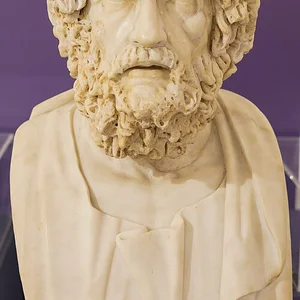
Homer
900 av. J.-C. — 800 av. J.-C.
Homer is an ancient Greek epic poet, traditionally dated to the 9th–8th century BC, recognized as the author of two major epics: the Iliad and the Odyssey. These two founding works of Western literature recount the Trojan War and the return of Odysseus, shaping ancient Greek culture and influencing world literature.
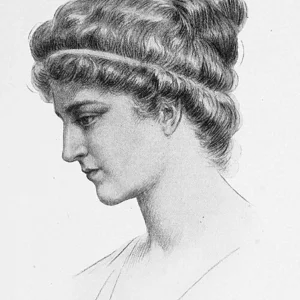
Hypatia
360 — 415
Mathematician, astronomer, and Neoplatonist philosopher from Alexandria (c. 360–415). Considered the first known female scientist in history, she led the philosophical school of Alexandria and was murdered by a fanatical Christian mob.
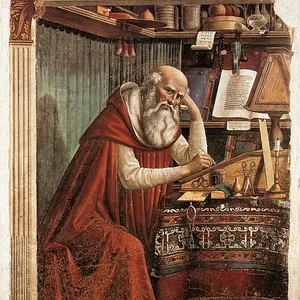
Jerome of Stridon
345 — 420
A Christian monk and scholar of the 4th century, Jerome of Stridon is celebrated for translating the Bible into Latin, producing the Vulgate. A Doctor of the Church, he was also a prolific letter writer and a passionate advocate of the ascetic life.
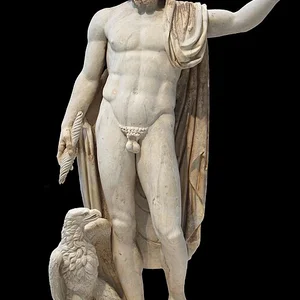
Jupiter
Jupiter is the supreme god of the Roman pantheon, master of the sky, lightning, and thunder. The Roman equivalent of Greek Zeus, he reigns over gods and men from Mount Olympus. He is the protector of Rome and the guarantor of cosmic order.
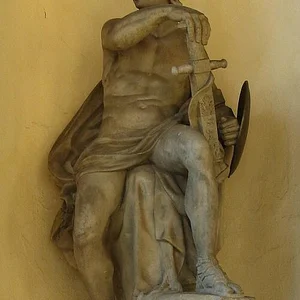
Mars
Roman god of war and protector of agriculture, Mars is one of the most venerated deities in the Roman pantheon. Legendary father of Romulus and Remus, he embodies Rome's military power and its destiny of conquest.
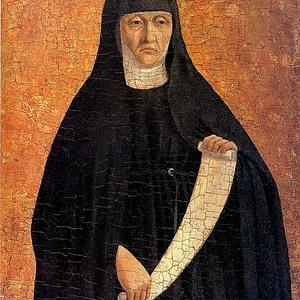
Monica
332 — 387
Mother of Saint Augustine, Monica is venerated as a saint in the Catholic Church for her unwavering faith. She prayed her entire life for her son's conversion. She died in Ostia in 387, shortly after witnessing his baptism by Saint Ambrose in Milan.
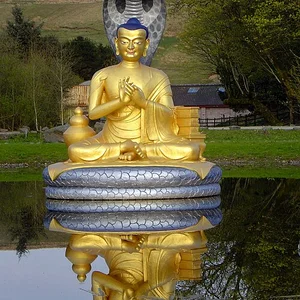
Nāgārjuna
150 — 250
Indian Buddhist philosopher and monk of the 2nd–3rd century CE, founder of the Madhyamaka school. He developed the concept of śūnyatā (emptiness) and had a major influence on Mahāyāna Buddhism.
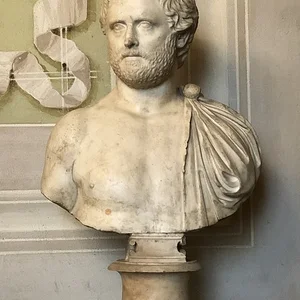
Ovid
42 av. J.-C. — 17
Ovid (43 BC – 17 AD) was a Roman poet of the Augustan age, author of the Metamorphoses, a landmark work of ancient literature. He transformed Greco-Roman mythology into narrative and musical poetry, profoundly influencing European culture.
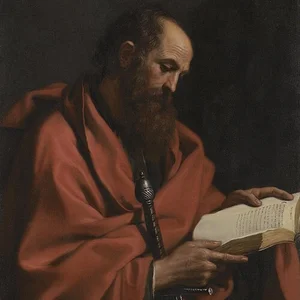
Paul of Tarsus
5 — 66
A Christian apostle and missionary of the 1st century, Paul of Tarsus played a decisive role in spreading Christianity throughout the Roman Empire. His epistles form an essential part of the New Testament.
Pausanias
Pausanias was a Greek geographer and traveler of the 2nd century AD. His work, the “Description of Greece” (Periegesis), describes in detail the monuments, sanctuaries, cults, and works of art of the Greek cities. It is a primary archaeological and religious source.
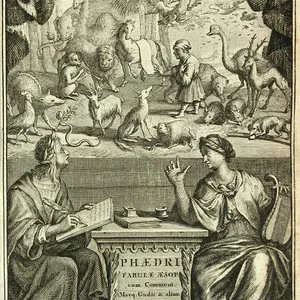
Phaedrus
20 av. J.-C. — 50
Phaedrus was a Latin fabulist of the 1st century AD, a freedman of Emperor Augustus. He was the first author to render Aesopian fables in Latin verse, leaving behind a collection in five books that had a lasting influence on European literature.
Philostratus of Athens
300 — ?
Greek writer and sophist of the 2nd–3rd century AD, Philostratus of Athens is celebrated for his Life of Apollonius of Tyana and his Lives of the Sophists. He moved in the literary circle of Empress Julia Domna in Rome.
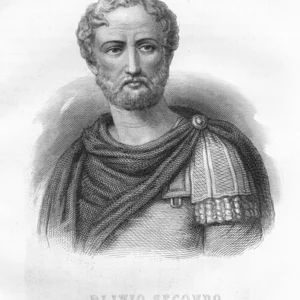
Pliny the Elder
20 — 79
Pliny the Elder was a Roman scholar and officer of the 1st century AD, author of the encyclopedic Natural History. A naturalist curious about everything, he died in 79 AD while attempting to observe the eruption of Mount Vesuvius that destroyed Pompeii.
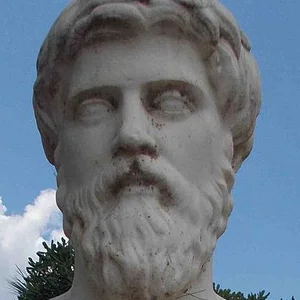
Plutarch
40 — 120
Greek philosopher, biographer, and moralist living under the Roman Empire (c. 46–120 AD). Author of the celebrated Parallel Lives, in which he compares great Greek and Roman figures. His Moralia establish him as a major reference in ancient thought.
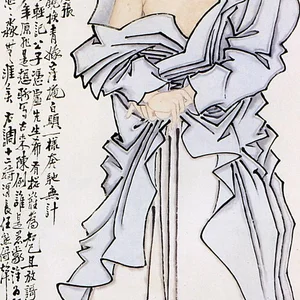
Ren An
124 — 202
Officer and court official of the Han dynasty under Emperor Wu (2nd–1st century BC). He is primarily known as the recipient of Sima Qian's famous letter, in which the historian justifies his acceptance of castration in order to complete the Records of the Grand Historian.
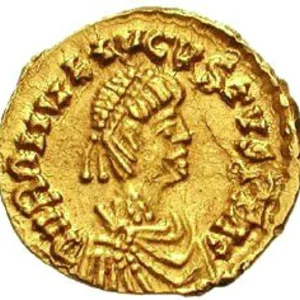
Romulus Augustulus
462 — ?
Last emperor of the Western Roman Empire, Romulus Augustulus reigned in 475–476 AD, placed on the throne by his father Orestes. Deposed at around age 15 by the Germanic chieftain Odoacer, his abdication marks the conventional end of the Western Roman Empire.
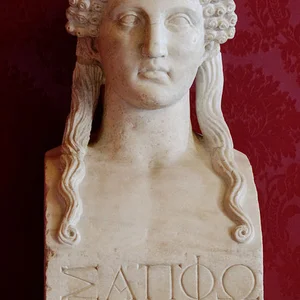
Sappho
650 av. J.-C. — 569 av. J.-C.
Greek lyric poet of the 7th century BCE, from the island of Lesbos. Recognized as one of the greatest poets of ancient Greece, she composed intimate lyric poems expressing personal emotions, particularly about love and friendship. Her work, largely lost, has profoundly influenced Western literature.
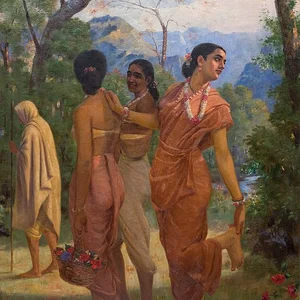
Shakuntala
Shakuntala is a heroine of Hindu mythology, the daughter of the ascetic Vishvamitra and the apsara Menaka. Raised in a hermitage, she marries King Dushyanta and becomes the mother of Bharata, the eponymous ancestor of the dynasty that gave India its name. Her story, told in the Mahabharata, was immortalized by the playwright Kalidasa.
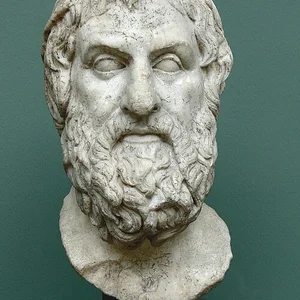
Sophocles
495 av. J.-C. — 405 av. J.-C.
Sophocles (495–405 BC) was a major Athenian playwright of ancient Greece. Author of tragedies such as Antigone and Oedipus Rex, he profoundly shaped the development of Western theatre by exploring moral dilemmas and human fate.
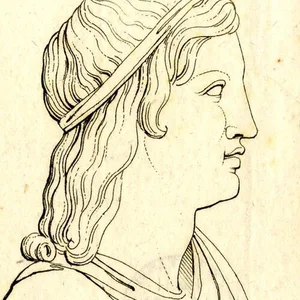
Suetonius
69 — 126
Suetonius was a Roman historian, grammarian, and rhetorician of the early 2nd century. As secretary to Emperor Hadrian, he is famous for his "Lives of the Twelve Caesars," a gallery of biographies of the first emperors rich in anecdotes and private details.
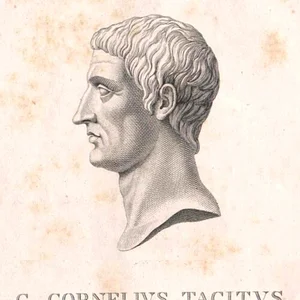
Tacitus
55 — 120
Tacitus is one of the greatest historians of ancient Rome. A senator and consul, he is the author of the Annals and the Histories, landmark works on the early Roman Empire. His incisive style and critical eye make him an irreplaceable witness to the imperial age.

Titus Vinius
12 — 69
Roman consul in 69 AD, Titus Vinius was one of Emperor Galba's most influential advisors. A central figure of the 'Year of the Four Emperors', he was assassinated during Otho's coup in January 69.
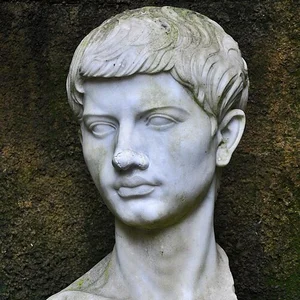
Virgil
69 av. J.-C. — 18 av. J.-C.
Virgil (70–19 BC) is the greatest poet of ancient Rome. Author of the Aeneid, the founding epic of Latin literature, he also composed the Eclogues and the Georgics. His work has profoundly influenced Western literature.
Middle Ages(84)
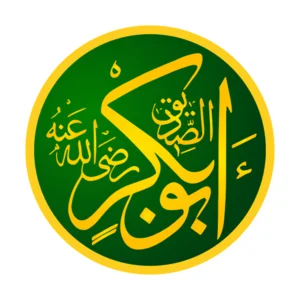
Abu Bakr as-Siddiq
573 — 634
A close companion of the Prophet Muhammad, Abu Bakr became the first caliph of Islam following the Prophet's death in 632. His two-year reign consolidated the unity of the Muslim community and laid the foundations of the first Islamic state.
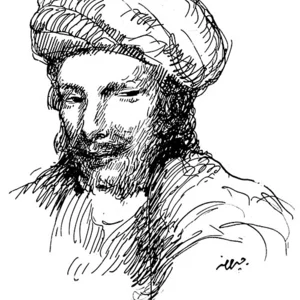
Abu Nuwas
756 — 814
Arab-Persian poet born around 756, considered one of the greatest Arabic-language poets of the Abbasid era. He lived at the Baghdad court under caliphs Harun al-Rashid and Al-Amin, celebrating wine, love, and nature with provocative freedom.
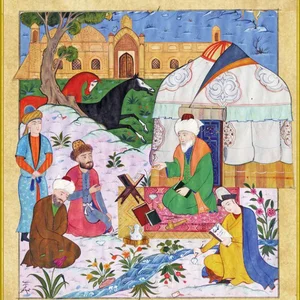
Ahmad Yasawi
1093 — 1166
Ahmad Yasawi was a 12th-century Turkic-speaking Sufi mystic poet, founder of the Yasawiyya order. Born in Sayram, he lived in Yasi (present-day Kazakhstan), where he composed the Divan-i Hikmet, a collection of spiritual poems in popular Turkic language that helped spread Islam across the Central Asian steppes.
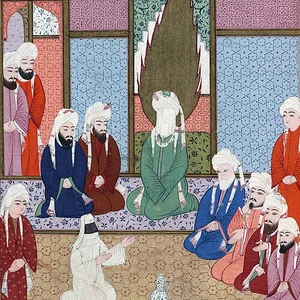
Aisha
614 — 678
Aisha (614–678) was the third wife of the Prophet Muhammad and daughter of Abu Bakr, the first caliph. After Muhammad's death, she played a major political and religious role in the transmission of hadiths.
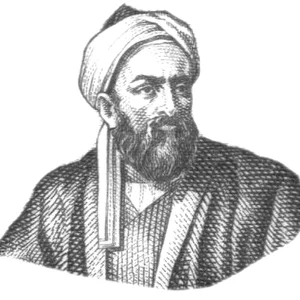
Al-Biruni
973 — 1048
A Persian polymath (973–1048), Al-Biruni was one of the greatest minds of the medieval Islamic world. Astronomer, mathematician, geographer, and historian, he wrote more than 150 works and was one of the first scholars to study India in a systematic, scientific way.
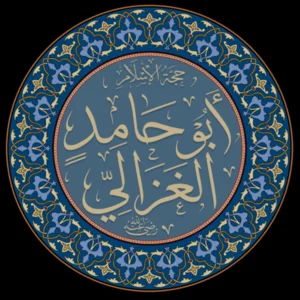
Al-Ghazali
1056 — 1111
A Muslim theologian, philosopher, and mystic of Persian origin, Al-Ghazali is one of the most influential intellectual figures of medieval Islam. He synthesized Sunni theology, philosophy, and Sufism in his masterwork, The Revival of the Religious Sciences.
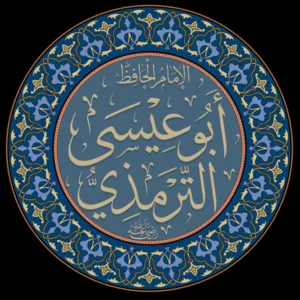
Al-Tirmidhi
0824 — 0892
Al-Tirmidhi was one of the great hadith compilers of medieval Islam. Born in Tirmidh in Khorasan, he traveled across Iraq, the Hejaz, and Persia to gather the traditions of the Prophet. His collection, the Jami' al-Tirmidhi, is one of the six canonical books (Kutub al-Sitta) of hadith science.
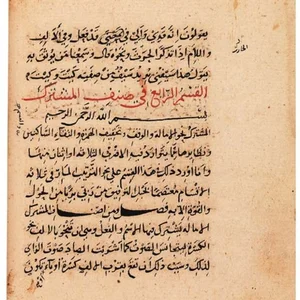
Al-Zamakhshari
1075 — 1144
Al-Zamakhshari was a 12th-century Muslim grammarian, exegete, and theologian, born in Khwarezm. Nicknamed “Jār Allāh” (the neighbor of God) for his long stays in Mecca, he authored the famous Quranic commentary Al-Kashshāf, a monument of Arabic rhetoric. A supporter of the Mu'tazilite movement, he championed a rational reading of the sacred text.
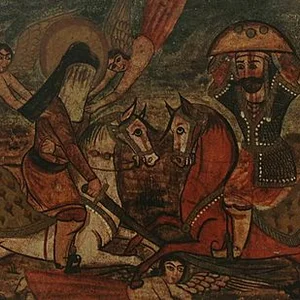
Ali ibn Abi Talib
599 — 661
Cousin and son-in-law of the Prophet Muhammad, Ali ibn Abi Talib was the fourth caliph of Islam (656–661). A central figure of Shia Islam, he is regarded by Shia Muslims as the first rightful imam. His caliphate was marked by the First Fitna, a civil war that gave rise to the foundational Sunni-Shia divide.
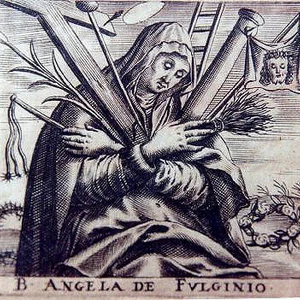
Angela of Foligno
1248 — 1309
A 13th-century Italian mystic, Angela of Foligno was a Franciscan tertiary whose visions were recorded in the Book of Visions and Instructions. A major figure in medieval spirituality, she was beatified in 1693 and canonized in 2013.
Anna Komnene
Byzantine princess (1083–c.1153), daughter of Emperor Alexios I Komnenos, Anna Komnene is one of the earliest female historians in recorded history. She is the author of the Alexiad, an epic narrative chronicling her father's reign and an invaluable testimony on Byzantium and the Crusades.
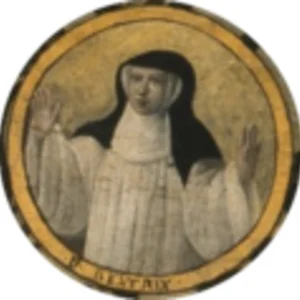
Beatrice of Nazareth
1200 — 1268
Flemish Cistercian nun (c. 1200–1268), abbess of the monastery of Nazareth near Lier. Author of The Seven Manners of Love, one of the earliest mystical works written in the vernacular Dutch language.
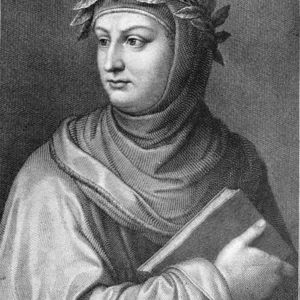
Boccaccio
1313 — 1375
A 14th-century Italian writer, Boccaccio is the author of the Decameron, a collection of one hundred tales told by a group of people sheltering from the Black Death in 1348. A diplomat in the service of Florence, he was also a pioneering humanist and close friend of Petrarch.
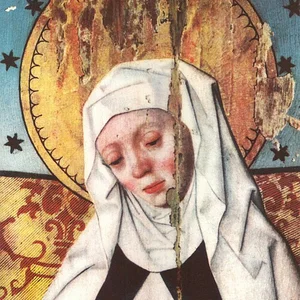
Bridget of Sweden
1303 — 1373
A mystic and Swedish saint of the 14th century, Bridget of Sweden was a wife, mother of eight children, then a pilgrim and founder of the Order of the Most Holy Savior. Her divine revelations, dictated and spread throughout Europe, gave her exceptional spiritual authority.
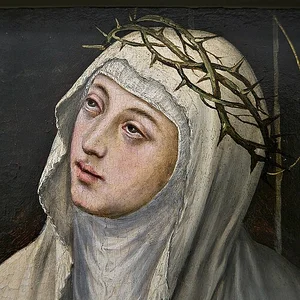
Catherine of Siena
1347 — 1380
An Italian mystic and theologian of the 14th century, Catherine of Siena played a major political role by convincing Pope Gregory XI to leave Avignon and return to Rome. A Doctor of the Church, she left behind a remarkable body of spiritual and epistolary work.

Cecilia Chaumpaigne
An English woman of the 14th century known for a legal document of 1380 by which she released the poet Geoffrey Chaucer from all prosecution for “raptus.” This document, rediscovered by scholars, fuels a historical debate on the status of women and the nature of the incident.
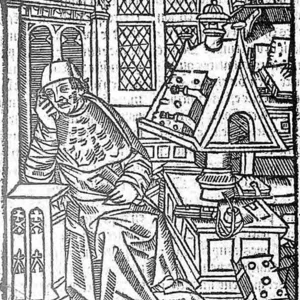
Chrétien de Troyes
1135 — 1181
A French writer and poet of the 12th century, Chrétien de Troyes is the founder of the courtly romance. His major works such as Yvain, the Knight of the Lion and Lancelot, the Knight of the Cart established the conventions of medieval Arthurian literature.
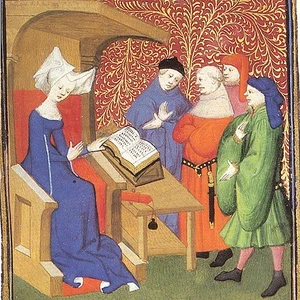
Christine de Pizan
1364 — 1430
French philosopher and poet of Italian origin
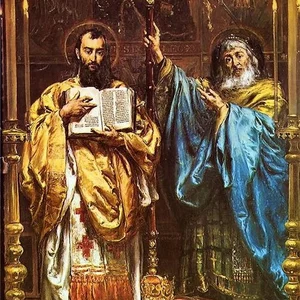
Cyril and Methodius
Cyril and Methodius were two Byzantine brothers of the 9th century, Christian missionaries among the Slavic peoples. They created the Glagolitic alphabet to translate liturgical texts into the Slavic language, laying the foundations of Slavic written culture.
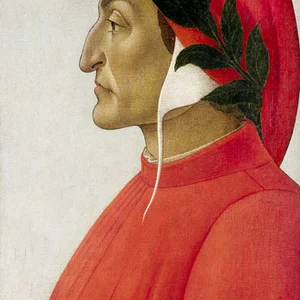
Dante Alighieri
1265 — 1321
Florentine poet of the 13th–14th century, author of *The Divine Comedy*, a masterpiece of medieval literature. Exiled from Florence for political reasons, he laid the foundations of the Italian literary language.
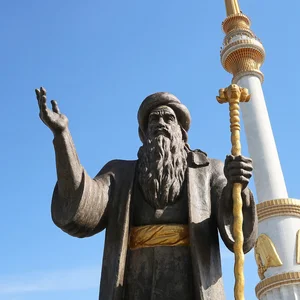
Dede Korkut
0900 — 0999
Dede Korkut is the legendary sage and bard of the Oghuz Turks, a tutelary figure of the Turkic-Central Asian epic tradition. Storyteller, shaman, and musician, he embodies the oral memory of a nomadic people. His name is inseparable from the famous collection of epics attributed to him.
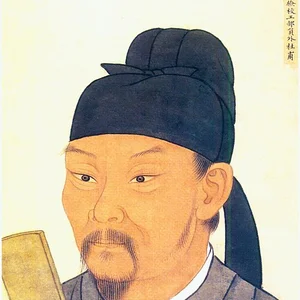
Du Fu
712 — 770
Du Fu (712–770) is considered one of the greatest poets of imperial China, nicknamed the "Sage of Poetry." A contemporary of Li Bai, he lived under the Tang dynasty and witnessed the devastating An Lushan Rebellion. His deeply humanist body of work bears witness to the suffering of ordinary people and the upheavals of his time.

Empress Teishi
Empress consort of Japan (976–1001), wife of Emperor Ichijō and daughter of regent Fujiwara no Michitaka. She was the patron of Sei Shōnagon, whose celebrated *The Pillow Book* bears witness to the brilliant life at her court. Her rivalry with Fujiwara no Shōshi, patroness of Murasaki Shikibu, illustrates the literary ferment of the Heian period.
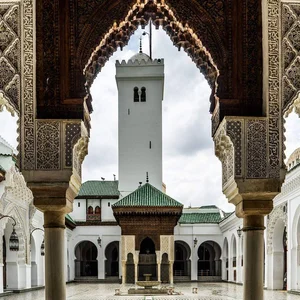
Fatima al-Fihri
A Muslim scholar and patron from Kairouan (present-day Tunisia), Fatima al-Fihri founded the al-Qarawiyyin mosque-university in Fez in 859, considered the oldest continuously operating university in the world. Born into a Berber-Arab family that emigrated to Morocco, she devoted her entire fortune to this institution of learning.
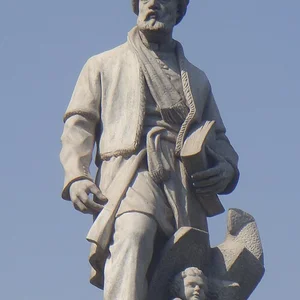
Ferdowsi
940 — 1020
Ferdowsi (c. 940-1020) is the greatest epic poet of Persian literature. He is the author of the *Shâhnâmeh* ("Book of Kings"), an epic of 60,000 couplets recounting the mythical and legendary history of Persia.
Fiammetta
Fiammetta is the muse and idealized literary figure of the Florentine poet Boccaccio. Traditionally identified with Maria d'Aquino, the natural daughter of King Robert of Naples, she first inspires and then narrates the “Elegy of Lady Fiammetta” (c. 1343), a pioneering account of romantic passion expressed in the first person by a woman.
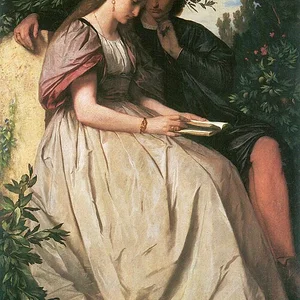
Francesca da Rimini
1259 — 1285
A 13th-century Italian noblewoman, Francesca da Polenta was married to Giovanni Malatesta and then murdered alongside her brother-in-law Paolo, with whom she was in love. Her tragic story was immortalized by Dante in the Divine Comedy.
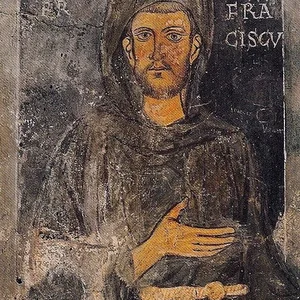
Francis of Assisi
1182 — 1226
Born in Assisi in 1182, Francis renounced his family's wealth to live in evangelical poverty. He founded the Order of Friars Minor (Franciscans) and championed a form of Christianity rooted in closeness to the poor and to nature. Canonized as early as 1228, he is one of the most influential spiritual figures of the Middle Ages.
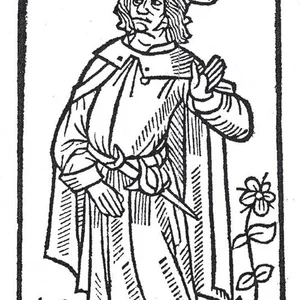
François Villon
1431 — 1463
François Villon was a 15th-century French poet, regarded as the greatest poet of the late Middle Ages. A figure of the “accursed poet” (poète maudit), his life marked by poverty, brawls, and trouble with the law shines through in lyric poetry of rare intensity, dominated by the themes of death and the passing of time.
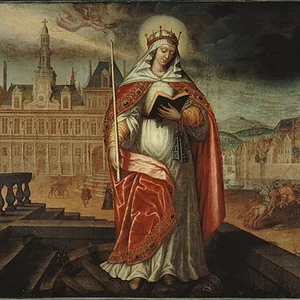
Geneviève de Paris
423 — 502
Christian saint born around 422, venerated for having protected Paris from Attila in 451 through her religious fervor. An advisor to Clovis I, she embodied the emerging alliance between the Church and Frankish royalty. Patron saint of Paris, her feast day is January 3.
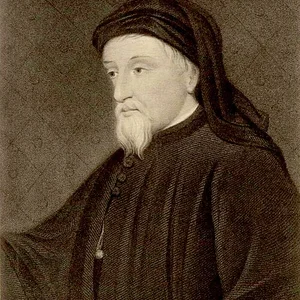
Geoffrey Chaucer
1343 — 1400
Geoffrey Chaucer (c. 1343–1400) is the greatest English poet of the Middle Ages, author of The Canterbury Tales. A diplomat and royal official, he brought the vernacular English language into high literature, leaving a lasting influence on English letters.
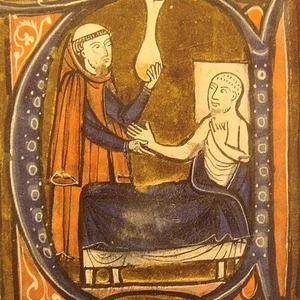
Gerard of Cremona
1114 — 1187
Gerard of Cremona was a 12th-century Italian translator, active in Toledo, who translated many Greek and Arabic scientific works from Arabic into Latin. He played a decisive role in transmitting ancient and Arabic knowledge to medieval Europe.
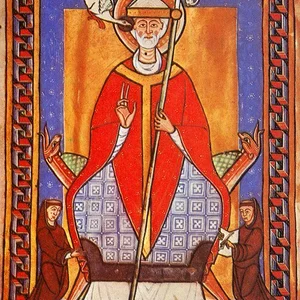
Gregory I
540 — 604
Pope from 590 to 604, Gregory I is one of the greatest pontiffs of Late Antiquity and the early Middle Ages. A reformer of the Church, he organized the evangelization mission to England and left a remarkable theological and liturgical legacy.
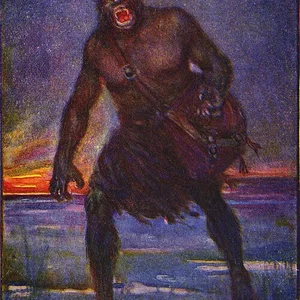
Grendel
Grendel is a monster descended from the cursed lineage of Cain, who terrorizes the mead-hall of Heorot — home of the Danish king Hrothgar — for twelve years. A creature of darkness and marshes, he is ultimately defeated by the Geatish hero Beowulf in the oldest epic poem in English literature (8th century).
Hadewijch of Antwerp
1300 — 1260
Thirteenth-century Brabantine poet and mystic, a towering figure of medieval female spirituality. She was most likely a beguine and left an exceptional literary and mystical body of work written in Middle Dutch.
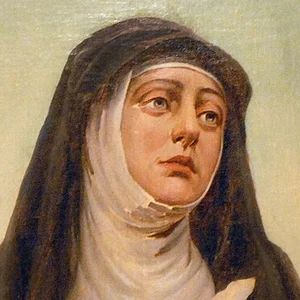
Héloïse d'Argenteuil
1101 — 1164
A French intellectual of the 12th century, Héloïse is celebrated for her passionate correspondence with the philosopher Peter Abelard, whose student and secret wife she became. Later abbess of the Paraclete, she was one of the most learned women of her time.
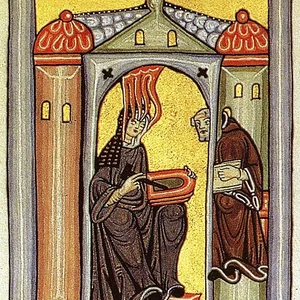
Hildegard of Bingen
1098 — 1179
A twelfth-century German Benedictine nun, Hildegard of Bingen was at once a mystic, composer, naturalist, and theologian. She founded her own monastery and corresponded with the most powerful figures of her time, including popes and emperors.
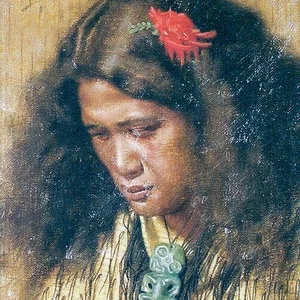
Hinemoa
Hinemoa is a heroine of Māori oral tradition, from the Arawa tribe, whose legend has been passed down since pre-colonial times in New Zealand. According to tradition, she swam across Lake Rotorua to reach her lover Tūtānekai on Mokoia Island, defying her family's prohibition. Her story symbolizes the power of love and the courage to challenge social conventions.
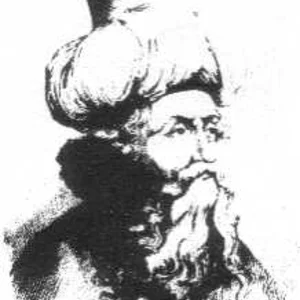
Ibn Arabi
1165 — 1240
Ibn Arabi was a Muslim mystic, theologian, and philosopher born in Murcia in al-Andalus. Nicknamed al-Shaykh al-Akbar (the Greatest Master), he is one of the major figures of Sufism and profoundly shaped the metaphysical thought of Islam.

Ibn Juzayy
1294 — 1340
Scholar, poet, and Andalusian jurist (c. 1294–1340), Ibn Juzayy is best known for having written the famous travel account of Ibn Battuta, the *Rihla*, which he shaped into literary form at the request of the Marinid sultan. He is also the author of legal treatises and a Quranic commentary.
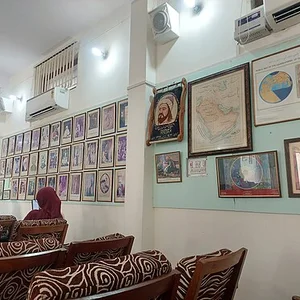
Ibn Sina
Ibn Sina, known in the West as Avicenna, was a Persian physician, philosopher, and scholar of the Islamic Golden Age. His Canon of Medicine served as a reference work in European and Arab universities for centuries.
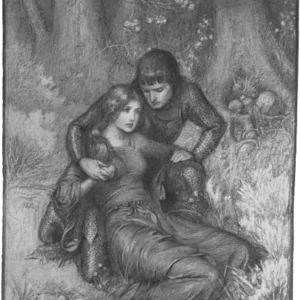
Igraine
Igraine is a character from Arthurian legend, wife of Gorlois, Duke of Cornwall, and later of King Uther Pendragon. Seduced by Uther through a spell cast by Merlin that gives him the appearance of Gorlois, she becomes the mother of King Arthur.
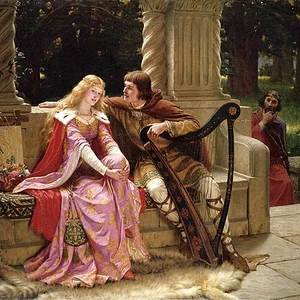
Iseult
Iseult the Fair is the heroine of the medieval legend of Tristan and Iseult. An Irish princess who became the wife of King Mark of Cornwall, she lives a fatal, adulterous passion with the knight Tristan after accidentally drinking a love potion. Her story is one of the great love myths of the Matter of Britain.
Iseult of the White Hands
Princess of Brittany, daughter of Duke Hoël, in the medieval legend of Tristan and Iseult. Tristan marries her because her name resembles that of Iseult the Fair, his true love, but he never consummates the marriage.
Jean Froissart
1337 — 1410
A fourteenth-century French chronicler and poet, Jean Froissart is the author of the famous Chronicles, a vast narrative tapestry recounting the events of the Hundred Years' War. His work stands as one of the most valuable historical sources on chivalry and the European conflicts of his era.
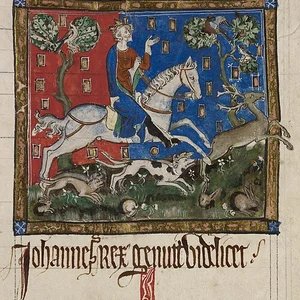
John Lackland
1166 — 1216
King of England from 1199 to 1216, son of Henry II and Eleanor of Aquitaine. He lost most of the Plantagenet continental possessions to Philip Augustus and was forced to sign Magna Carta in 1215.
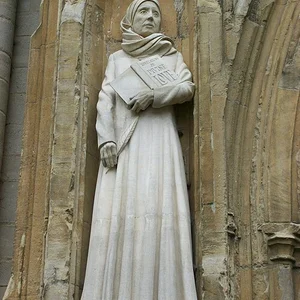
Julian of Norwich
1342 — 1500
A fourteenth-century English mystic, Julian of Norwich is the first known woman to write in the English language. Following a divine vision received in 1373, she composed Revelations of Divine Love, a foundational work of medieval Christian spirituality. Living as an anchoress in Norwich, she developed a theology centered on divine love and mercy.

Jutta of Sponheim
A German Benedictine recluse and mystic of the 12th century, Jutta of Sponheim founded a community of women at the monastery of Disibodenberg. She is best known as the spiritual teacher and educator of Hildegard von Bingen.
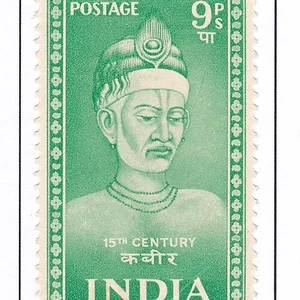
Kabir
1398 — 1518
Kabir was a 15th-century Indian poet and mystic, a leading figure of the Bhakti devotional movement. A weaver by birth, he preached a single God beyond the divisions between Hinduism and Islam, denouncing rituals and caste hierarchies.
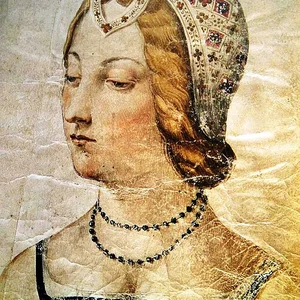
Laure de Noves
1310 — 1348
A fourteenth-century noblewoman of the Comtat Venaissin, traditionally identified as the Laura celebrated by the Italian poet Petrarch in his collection the Canzoniere. A literary muse whose beauty and virtue inspired one of the high points of Western love poetry.
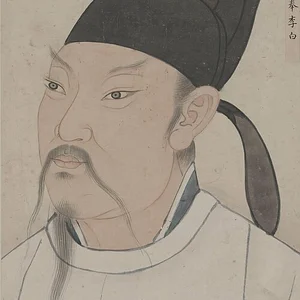
Li Bai
701 — 762
Li Bai (701–762) is considered one of the greatest poets of imperial China, known as the "Drunken Genius" or the "Immortal Poet." He lived during the Tang dynasty, the golden age of Chinese poetry. His work, deeply influenced by Taoism, celebrates nature, friendship, wine, and the moon.
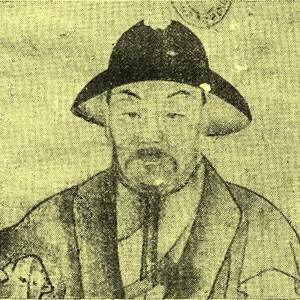
Lý Thường Kiệt
1019 — 1105
General and statesman of Đại Việt (1019–1105), he served under three emperors of the Lý dynasty. Renowned for his preemptive strike against the Song prefectures (1075–1076) and his victory against the Song invasion, he is regarded as one of the greatest military heroes in Vietnamese history.
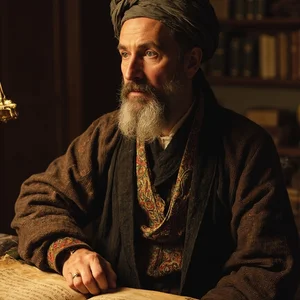
Mahmoud al-Kashgari
1005 — 1102
Mahmoud al-Kashgari was an 11th-century Turkic philologist and encyclopedist, author of the celebrated *Dīwān Lughāt al-Turk* (Compendium of the Turkic Dialects), a monumental work documenting the dialects, poems, and customs of Turkic-speaking peoples. Regarded as the father of Turkic linguistics, he drew up the first known map of the Turkic-speaking world.
Margery Kempe
1373 — 1438
English Christian mystic of the late Middle Ages, mother of fourteen children who became a pilgrim and visionary. She dictated the account of her life and mystical experiences, regarded as the first autobiography in the English language.
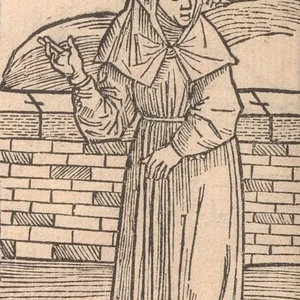
Marguerite Porete
1250 — 1310
A 14th-century Beguine mystic, Marguerite Porete is the author of The Mirror of Simple Souls, a mystical treatise written in the vernacular. Condemned for heresy by the Inquisition, she was burned alive in Paris in 1310, refusing to recant.
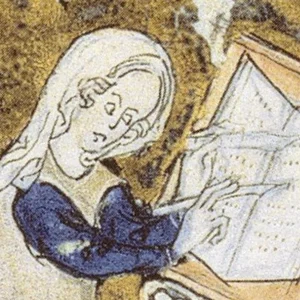
Marie de France
1101 — 1300
An Anglo-Norman poet of the 12th century, Marie de France is the first known woman writer in the French language. She is celebrated for her Lais, her Fables, and her Saint Patrick's Purgatory.
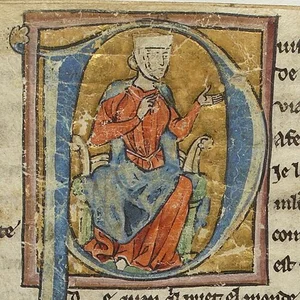
Marie of Champagne
1145 — 1198
Daughter of King Louis VII and Eleanor of Aquitaine, Marie of Champagne was Countess of Champagne and one of the greatest patrons of letters in the 12th century. A patron of Chrétien de Troyes, she made her court at Troyes a radiant center of courtly literature.
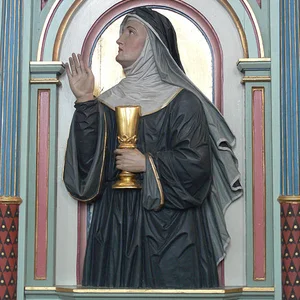
Mechthild of Magdeburg
1207 — 1282
A Rhenish mystic and German beguine, Mechthild of Magdeburg is the author of The Flowing Light of the Godhead, one of the first great mystical texts written in the vernacular. A major spiritual figure of the 13th century, she describes the union of the soul with God in poetic language of rare intensity.
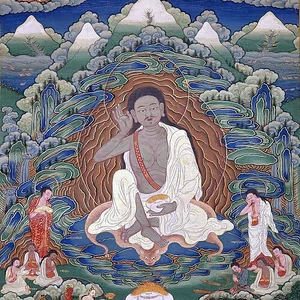
Milarepa
1040 — 1123
Milarepa was a Tibetan yogi, hermit, and poet of the 11th–12th centuries, a major figure of the Kagyu school of Tibetan Buddhism. After a youth marked by black magic and revenge, he became the disciple of the master Marpa and attained enlightenment through asceticism and meditation. His spiritual songs (the “Hundred Thousand Songs”) remain famous.
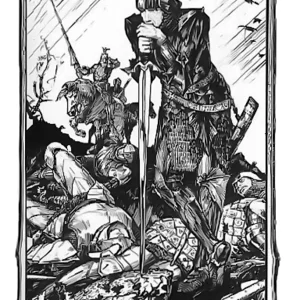
Mordred
Mordred is a character from Arthurian legend, the incestuous son of King Arthur and his half-sister. A traitor to the kingdom of Camelot, he brings about Arthur's downfall at the Battle of Camlann, where the two slay each other.
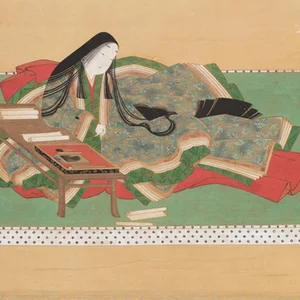
Murasaki Shikibu
970 — 1100
Japanese noblewoman, poet, and lady-in-waiting at the Imperial court during the Heian period
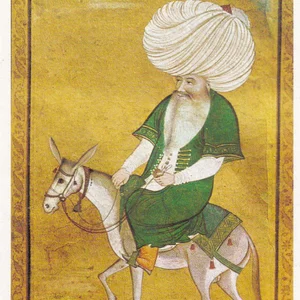
Nasreddin Hodja
1208 — 1284
Nasreddin Hodja is a legendary figure of Seljuk Anatolia, an imam, kadi, and icon of popular wisdom. His colorful anecdotes, blending humor and philosophy, have traveled across centuries and across the borders of the Muslim world to become a universal heritage.
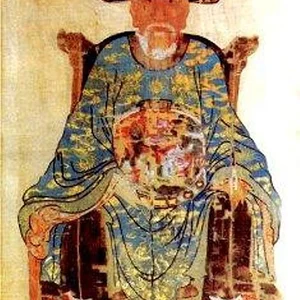
Nguyễn Trãi
Nguyễn Trãi (1380–1442) was a Vietnamese scholar, poet, and statesman, a central figure in the resistance against Ming occupation of Đại Việt. Strategic adviser to Lê Lợi during the Lam Sơn uprising, he is one of the founding fathers of the Hậu Lê dynasty and a cornerstone of classical Vietnamese literature.
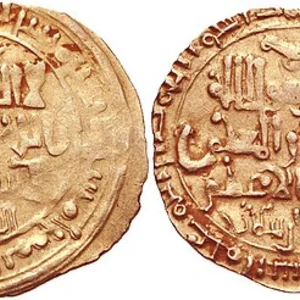
Nizam al-Mulk
1018 — 1092
Nizam al-Mulk was the grand vizier of the Seljuk sultans Alp Arslan and Malik-Shah I in the 11th century. A brilliant administrator, he equipped the Seljuk Empire with lasting institutions and founded a network of madrasas, the Nizamiyya, which left a deep mark on the teaching of Sunni Islam.
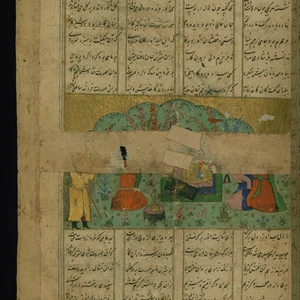
Nizami Ganjavi
1141 — 1209
Nizami Ganjavi (1141–1209) is the greatest epic poet of classical Persian literature. Born in Ganja, in present-day Azerbaijan, he composed the Khamsa, a collection of five epic poems including *Layla and Majnun* and *Khosrow and Shirin*, which influenced generations of Eastern poets.
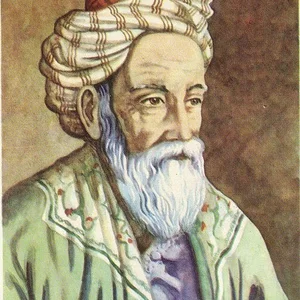
Omar Khayyam
1048 — 1131
An 11th-century Persian poet, mathematician, and astronomer, Omar Khayyam is celebrated for his quatrains (the Rubaiyat) and his work in algebra. He reformed the Persian calendar and solved cubic equations using geometric methods.
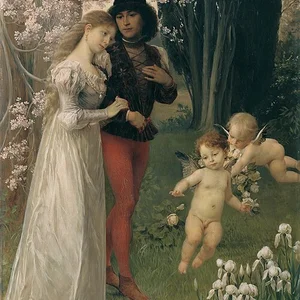
Paolo Malatesta
1246 — 1285
A thirteenth-century Italian nobleman and lord of Rimini, Paolo Malatesta is best known for his tragic passion with Francesca da Rimini, his sister-in-law. Immortalized by Dante in the Inferno of the Divine Comedy, he has become one of the great symbols of courtly and fatal love in medieval literature.
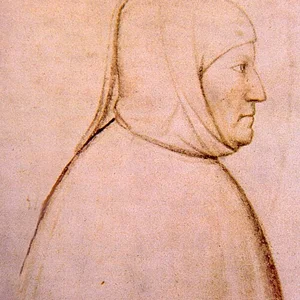
Petrarch
1304 — 1374
An Italian poet and humanist of the 14th century, Petrarch is considered the father of humanism. Deeply passionate about ancient Latin authors, he rediscovered and copied numerous forgotten manuscripts. His poetic work, particularly the Canzoniere dedicated to Laura, profoundly influenced European literature.
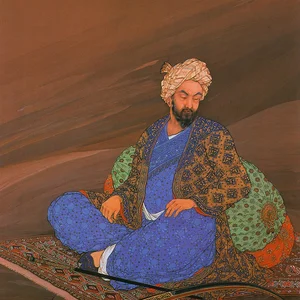
Rudaki
858 — 941
Rudaki, poet and court musician of the Samanid dynasty, is regarded as the father of classical Persian poetry. Blind according to tradition, he is said to have composed more than 100,000 verses, of which only a few hundred have survived. He embodied the renaissance of the Persian language and culture under the Samanid dynasty.
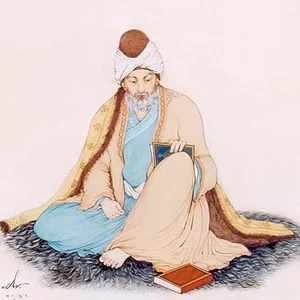
Rûmî
1207 — 1273
Persian Sufi poet, Masnavi, founder of the Whirling Dervishes

Rustichello of Pisa
1300 — 1322
An Italian writer of the 13th century, Rustichello of Pisa is best known for writing down the account of Marco Polo's travels while sharing a cell with him in Genoa. His work, known under the title 'The Book of Marvels', is one of the most important documents on medieval Asia.
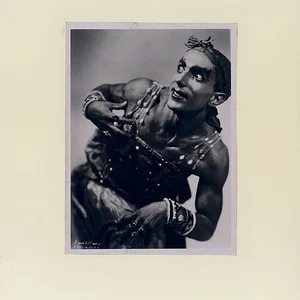
Scheherazade
Scheherazade is the legendary narrator of *One Thousand and One Nights*, a collection of Arabic tales compiled between the 9th and 14th centuries. Condemned to death by King Shahryar, she survives by telling him a new story each night, always leaving it unfinished, saving her life through the sheer power of storytelling.
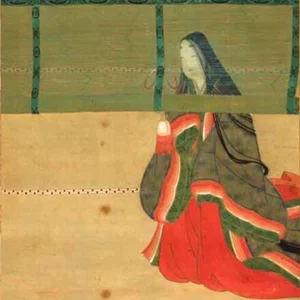
Sei Shōnagon
966 — 1025
Japanese author
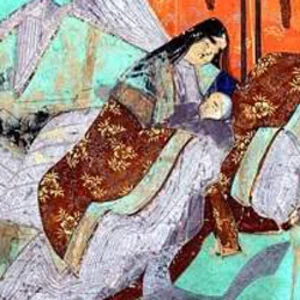
Shōshi
988 — 1074
Empress consort of Emperor Ichijō and daughter of regent Fujiwara no Michinaga, Shōshi was one of the most influential women in Heian-period Japan. Her court was a leading intellectual and artistic hub, most notably welcoming the author Murasaki Shikibu.
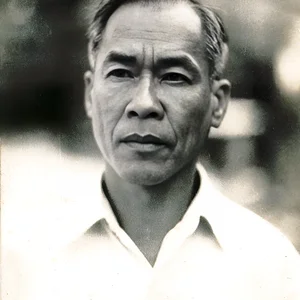
Tấm
Heroine of the Vietnamese popular tale Tấm Cám, a young woman mistreated by her stepmother and half-sister Cám, who becomes queen through the magical help of Bụt. An emblematic figure of Vietnamese oral literature, her story is compared to the universal Cinderella motif. [1]
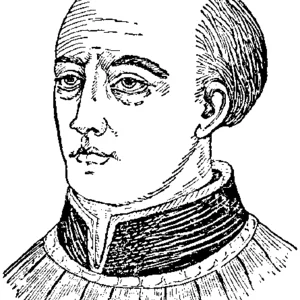
Thomas Becket
Archbishop of Canterbury in the 12th century, he clashed fiercely with King Henry II of England over the rights and freedoms of the Church. Murdered in his cathedral in 1170, he was canonized as early as 1173.
Thomas Malory
1405 — 1471
Fifteenth-century English writer, author of *Le Morte d'Arthur*, a vast prose compilation of the Arthurian legends. His work, published by Caxton in 1485, became the definitive source of the King Arthur myth in the English-speaking world.
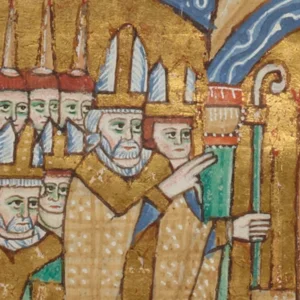
Urban II
1035 — 1099
Pope from 1088 to 1099, Urban II was the instigator of the First Crusade, proclaimed at the Council of Clermont in 1095. A Cluniac monk of French origin, he strengthened papal authority and continued the Gregorian Reform of the Church.
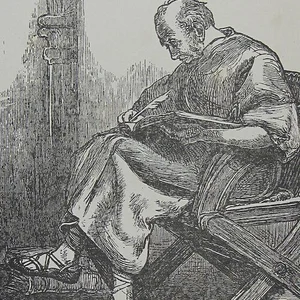
Wace
1100 — 1174
Wace was an Anglo-Norman poet and clerk of the 12th century, born on the island of Jersey. He is the author of the Roman de Brut, which adapts into the Romance vernacular the legendary history of the kings of Britain and introduces Arthurian material into French literature.
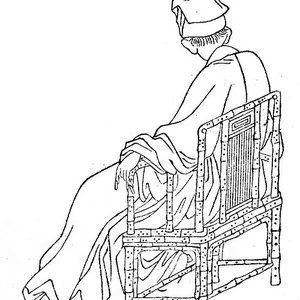
Wang Wei
699 — 759
Wang Wei (701-761) was one of the greatest poets of the Tang dynasty, as well as a painter, musician, and high-ranking official. Deeply influenced by Chan Buddhism, he is celebrated for his landscape poetry in which nature and contemplation merge.
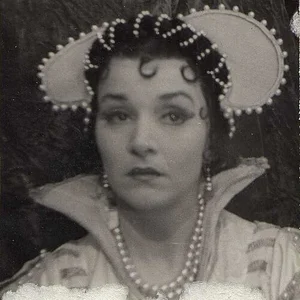
Ximena
Ximena Díaz was the wife of Rodrigo Díaz de Vivar, known as El Cid. A semi-legendary figure of medieval Spanish literature, she was immortalized in the 'Cantar de mio Cid' and later in Corneille's 'Le Cid' (1637), where she embodies the conflict between love and honor.
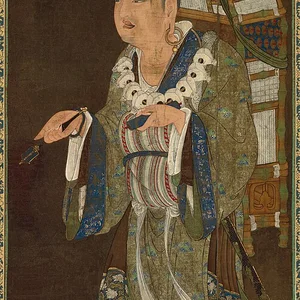
Xuanzang
602 — 664
A 7th-century Chinese Buddhist monk, he undertook a seventeen-year journey to India to collect sacred texts. He translated hundreds of sutras into Chinese and played a major role in the spread of Buddhism in China.
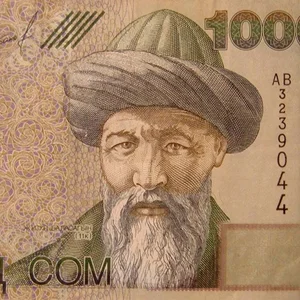
Yusuf Balasaguni
1019 — 1085
Yusuf Balasaguni was an 11th-century Turkic-language poet and philosopher, author of the Kutadgu Bilig (The Wisdom That Brings Happiness), a masterpiece of classical Turkic literature composed in 1069-1070. This foundational work blends ethics, politics, and Islamic philosophy to offer a mirror for princes at the Karakhanid court.
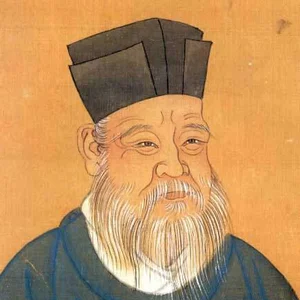
Zhu Xi
1130 — 1200
Zhu Xi (1130–1200) was the greatest Confucian philosopher of medieval China and the founder of Neo-Confucianism. A scholar of the Song dynasty, he synthesized the thought of Confucius and Mencius with metaphysical elements. His work became the official reference for imperial examinations for seven centuries.
Renaissance(55)
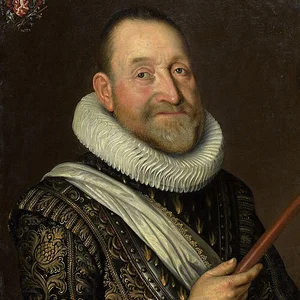
Agrippa d'Aubigné
1552 — 1630
French writer, poet, and soldier, a major figure of Protestantism. A companion-in-arms of Henri de Navarre (the future Henri IV), he is the author of Les Tragiques, a great epic of the Wars of Religion.
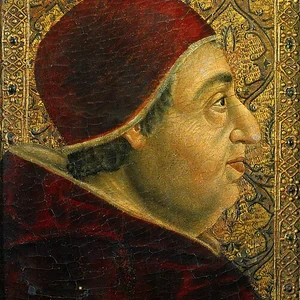
Alexander VI
1431 — 1503
Spanish pope from 1492 to 1503, Alexander VI is one of the most controversial figures in the history of the papacy. Head of the powerful Borgia family, he blended politics, nepotism, and diplomacy in Renaissance Rome.
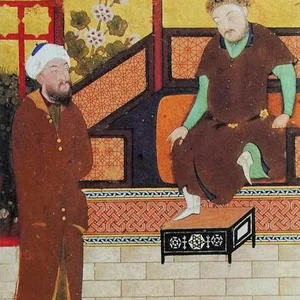
Alisher Navoi
1441 — 1501
Alisher Navoi (1441-1501) is the greatest poet of the Chagatai language and the founding father of Uzbek literature. A high official and vizier in Herat under Sultan Husayn Bayqara, he devoted his life to letters and patronage. His colossal body of work, including the *Khamsa*, elevated Eastern Turkic to the rank of a major literary language.
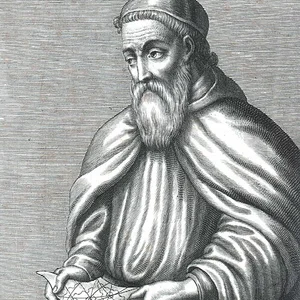
Amerigo Vespucci
1454 — 1512
Florentine navigator and explorer (1454–1512), Amerigo Vespucci made several voyages to the New World between 1499 and 1504. He was the first to understand that the lands discovered by Christopher Columbus formed an unknown continent, which was named after him: America.
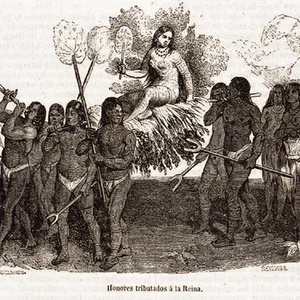
Anacaona
1474 — 1503
Taíno queen and poet of Hispaniola (c. 1474–1503), Anacaona was renowned for her areítos — ceremonial songs and poems passed down through oral tradition. A fierce resister of Spanish colonization, she was captured and executed by Nicolás de Ovando.
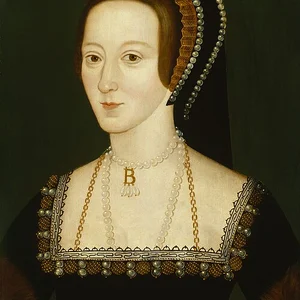
Anne Boleyn
1507 — 1536
Queen of England from 1533 to 1536, Anne Boleyn was the second wife of Henry VIII. Her marriage required England's break with Rome, giving rise to the Church of England. Mother of Elizabeth I, she was accused of adultery and beheaded at the Tower of London.
Antonio de Beatis
1450 — ?
Secretary and chaplain to Cardinal Luigi d'Aragona, Antonio de Beatis is known for the travel journal he wrote during their European journey of 1517–1518. He left a particularly valuable account of his meeting with Leonardo da Vinci in Amboise.
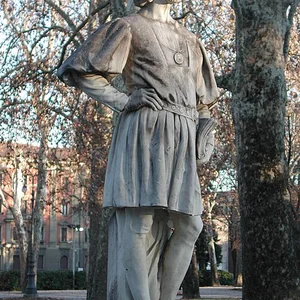
Ariosto
1474 — 1533
An Italian poet of the Renaissance, Ariosto is the author of Orlando Furioso, a vast epic poem in the Italian language. In the service of the Este court at Ferrara, he became one of the greatest literary figures of his time.
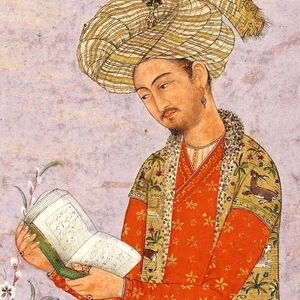
Babur
1483 — 1530
Founder of the Mughal Empire, Babur was a Timurid prince who, after losing Samarkand, conquered India in 1526 at the Battle of Panipat. A refined poet and memoirist, he left behind the Baburnama, one of the earliest autobiographies in Islamic literature.
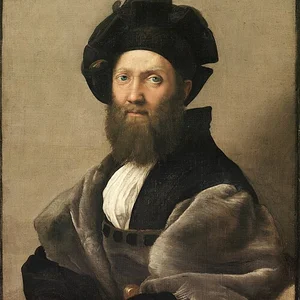
Baldassare Castiglione
1478 — 1529
Italian diplomat, writer, and courtier (1478–1529), Castiglione is the author of The Book of the Courtier, a treatise defining the ideal of the Renaissance court gentleman. Close to the great princes and artists of his time, he embodies the humanism of the court of Urbino.
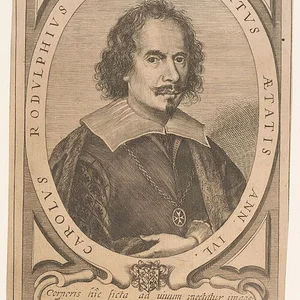
Carlo Ridolfi
1594 — 1658
Carlo Ridolfi (1594-1658) was a Venetian painter and Italian art historian. He is best known for his *Meraviglie dell'Arte*, a biographical collection of Venetian painters and a major source for the history of Italian painting.
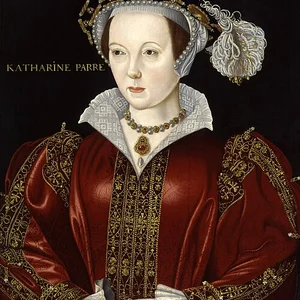
Catherine Parr
1512 — 1548
Sixth and last wife of King Henry VIII of England, whom she married in 1543. A cultured woman with reformist convictions, she was the only one of the six wives to outlive the king. She served as Regent of England in 1544 during Henry VIII's French campaign.
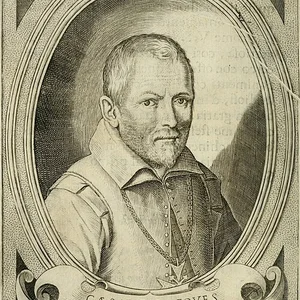
Cesare Ripa
1555 — 1622
Cesare Ripa (c. 1555–1622) was an Italian scholar and iconographer, author of the *Iconologia* (1593), an encyclopedic treatise that codified the allegorical representation of virtues, vices, and abstract concepts. His work became the essential reference for European artists and decorators from the 17th to the 18th century.
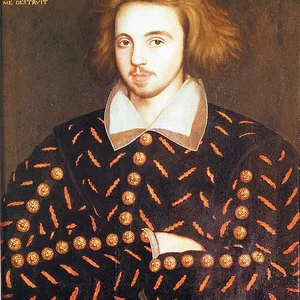
Christopher Marlowe
1564 — 1593
English playwright, poet, and translator of the Elizabethan Renaissance. A contemporary and rival of Shakespeare, he revolutionized English theatre with his blank-verse tragedies before dying violently at the age of 29.
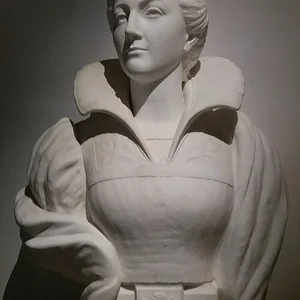
Clémence de Bourges
1530 — 1557
Clémence de Bourges was a young woman from Lyon during the Renaissance, remembered as the dedicatee of the Works of the poet Louise Labé in 1555. Born into a noble Lyon family, she embodies the figure of the cultivated young woman to whom Labé addresses her appeal for the education of women.
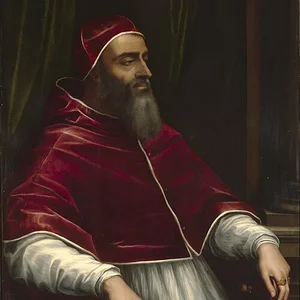
Clement VII
1478 — 1534
Pope from 1523 to 1534, Clement VII was a sovereign pontiff from the powerful Medici family. His pontificate was marked by the Sack of Rome in 1527 and his refusal to annul the marriage of Henry VIII of England, which triggered the Anglican schism.
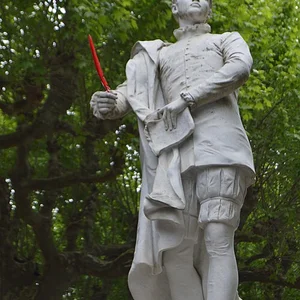
Étienne de La Boétie
1530 — 1563
French Renaissance writer, poet, and statesman (1530–1563). Author of the celebrated Discourse on Voluntary Servitude, he questioned why people accept oppression. A close friend of Montaigne, he embodies the critical humanist thought of the 16th century.
Étienne Dolet
1509 — 1546
Humanist, printer, and philologist from Lyon (1509–1546), Étienne Dolet was one of the first great publishers of texts in French and Latin. A champion of the French language, he was condemned for heresy and burned at the stake on Place Maubert in Paris in 1546.
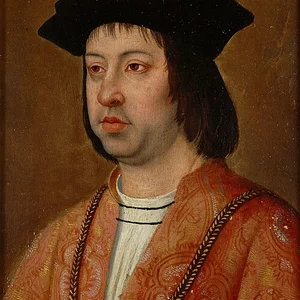
Ferdinand II of Aragon
1452 — 1516
King of Aragon, Ferdinand II married Isabella of Castile in 1469, uniting the two great Iberian crowns. Together, the “Catholic Monarchs” completed the Reconquista in 1492, financed Christopher Columbus's voyage, and laid the foundations of modern Spain.
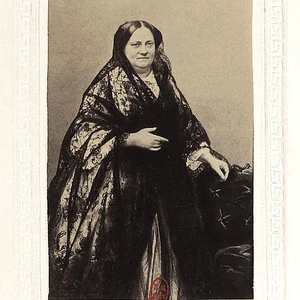
Ferdinand II of Spain
King of Aragon and, through his marriage to Isabella of Castile, co-ruler of a unified Spain. He completed the Reconquista in 1492 and funded Christopher Columbus's voyages, laying the foundations of the Spanish colonial empire.
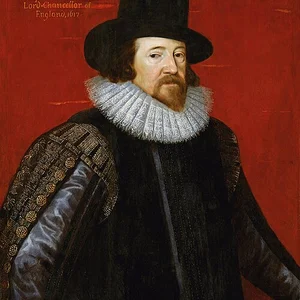
Francis Bacon
1561 — 1626
English philosopher and statesman (1561–1626), Francis Bacon is the founder of the modern experimental method. Lord Chancellor of England under James I, he championed the idea that science must be based on observation and induction rather than authority.
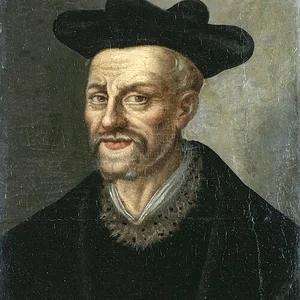
François Rabelais
1500 — 1553
A French humanist writer of the 16th century, Rabelais is the author of Gargantua and Pantagruel, novels about giants blending satire, fantasy, and social criticism. A monk, physician, and scholar, he embodies the spirit of the Renaissance through his innovative approach to literature and his celebration of ancient culture.
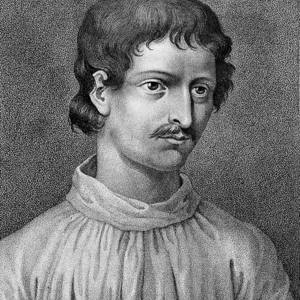
Giordano Bruno
1548 — 1600
An Italian Renaissance philosopher, cosmologist, and theologian, Giordano Bruno championed the idea of an infinite universe and a plurality of worlds. Condemned for heresy by the Inquisition, he was burned at the stake in Rome in 1600.
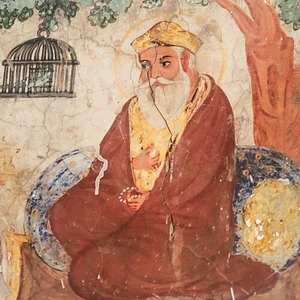
Guru Nanak
1469 — 1539
Gurū Nānak (1469-1539) was an Indian mystic and poet, the founder of Sikhism. He preached the oneness of God, the equality of all human beings, and the rejection of castes and formal rituals. The first of the ten Sikh Gurus, his hymns lie at the heart of the sacred book, the Gurū Granth Sahib.
Hélène de Surgères
1545 — 1618
Hélène de Surgères was a lady-in-waiting to Queen Catherine de' Medici at the Valois court. She remains famous as the dedicatee and inspiration of Pierre de Ronsard's *Sonnets pour Hélène* (1578).
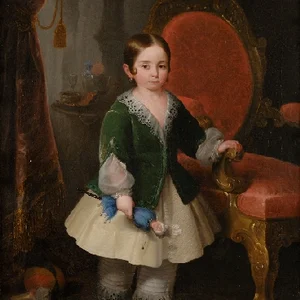
Isabel de Urbina
First wife of the Spanish writer Lope de Vega. Born into the Madrid nobility, she was abducted and then married by the playwright in 1588, and died young a few years later during her husband's exile.
Jami
1414 — 1492
Jami (Abd al-Rahman Jami, 1414-1492) is the last great classical poet of Persian literature and one of the greatest masters of Sufism. Born in Jam in Khorasan, he lived in Herat under the protection of the Timurid sultans. A poet, philosopher, and mystic of the Naqshbandi brotherhood, he left behind an immense body of work, blending divine love, wisdom, and literary beauty.
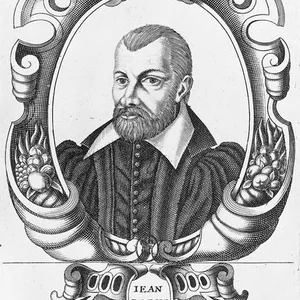
Jean Bodin
1530 — 1596
Jean Bodin was a French jurist, philosopher, and political theorist of the Renaissance. He is famous for developing the modern theory of state sovereignty in *The Six Books of the Commonwealth* (1576).
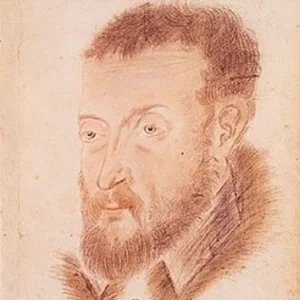
Joachim du Bellay
1522 — 1560
French Renaissance poet (1522–1560), co-founder of the Pléiade, a group of humanist writers. He theorized the defense of the French language and composed major lyric collections exploring love, exile, and melancholy.
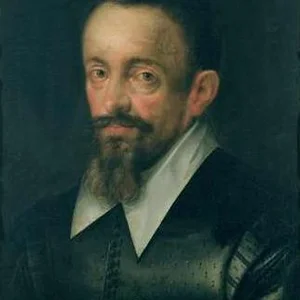
Johannes Kepler
1572 — 1630
German astronomer and mathematician (1572–1630), Kepler formulated the three laws of planetary motion that revolutionized astronomy. A disciple of Tycho Brahe, he confirmed Copernicus's heliocentric model through precise mathematical calculations.
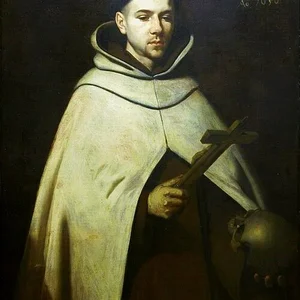
John of the Cross
1542 — 1591
Spanish Carmelite friar, mystic, and poet of the 16th century. A reformer of the Carmelite Order alongside Teresa of Ávila, he is the author of major works of mystical literature such as the *Dark Night of the Soul* and the *Spiritual Canticle*. A Doctor of the Church.
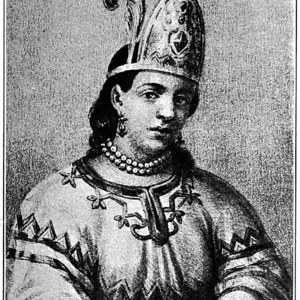
La Malinche
Born around 1500 into a noble Nahuatl family, sold into slavery and later given to Hernán Cortés, she became his interpreter, advisor, and companion. A central figure in the Conquest of Mexico, she remains an ambiguous symbol of betrayal and survival in Mexican historical memory.
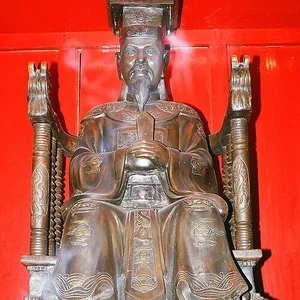
Lê Thánh Tông
1442 — 1497
Fifth emperor of Vietnam's Lê sơ dynasty (r. 1460–1497), he promulgated the Hồng Đức legal code and carried out sweeping reforms of the administration, education, and military. He conquered the Kingdom of Champa in 1471, permanently extending Vietnamese territory southward. A prolific poet, he founded the Tao Đàn literary circle and left more than 350 poems in classical Chinese. [1]
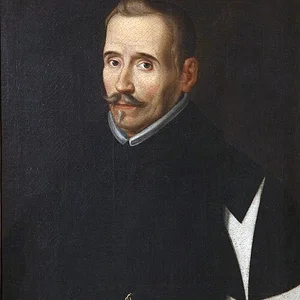
Lope de Vega
1562 — 1635
Lope de Vega (1562-1635) was the greatest playwright of the Spanish Golden Age. A remarkably prolific author, he revolutionized theater by breaking classical rules and popularizing the "comedia nueva." He was also a leading lyric and epic poet.
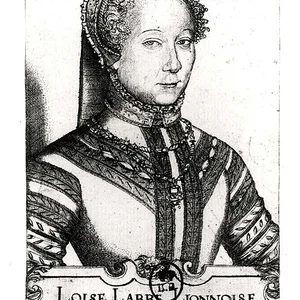
Louise Labé
1524 — 1566
A 16th-century Lyonnaise poet nicknamed 'la Belle Cordière' (the Beautiful Ropemaker), Louise Labé is celebrated for her passionate love sonnets. An iconic figure of the French Renaissance, she championed women's access to education and literary creation.
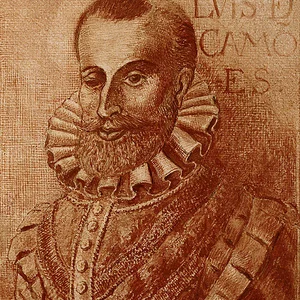
Luís de Camões
1524 — 1580
Luís de Camões (c. 1524–1580) is the greatest poet of the Portuguese language. A soldier and adventurer, he lived in Portugal, Africa, India, and Macau. His epic Os Lusíadas (1572) celebrates the Portuguese discoveries and remains a monument of world literature.
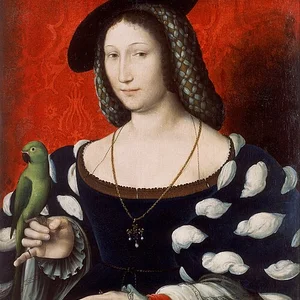
Margaret of Navarre
1492 — 1549
Elder sister of Francis I, Margaret of Navarre was one of the most educated women of the French Renaissance. A patron of humanists and religious reformers, she authored the Heptameron, a collection of tales inspired by Boccaccio's Decameron.
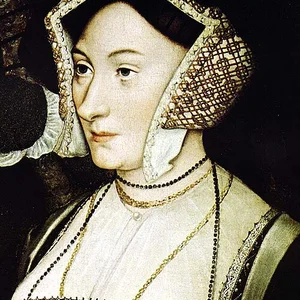
Margaret Roper
1505 — 1544
Margaret Roper, the eldest daughter of Thomas More, was an English humanist and translator of the Renaissance. Renowned for her exceptional scholarship, she was one of the first women not of royal birth to publish a translation in English.
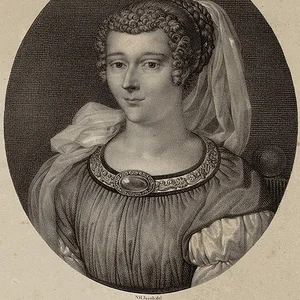
Marie de Gournay
1565 — 1645
Marie de Gournay (1565-1645) was a French woman of letters, the first editor of Montaigne's Essays, whose “fille d'alliance” (adopted daughter) she became. An author and polemicist, she championed intellectual equality between the sexes.
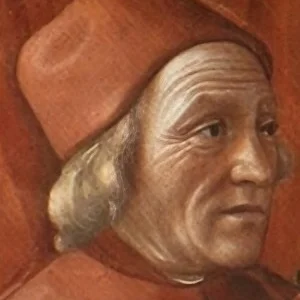
Marsilio Ficino
1433 — 1499
Italian philosopher and humanist of the Florentine Renaissance, a major figure of Neoplatonism. The first to translate the complete works of Plato into Latin, he led the Platonic Academy of Florence under the patronage of the Medici.
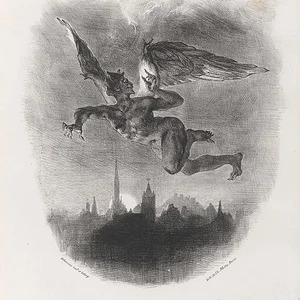
Mephistopheles
The demon of the Faustian pact, Mephistopheles is the Devil's agent tasked with seducing the scholar Faust. Made famous by Marlowe in Doctor Faustus (1592) and then by Goethe in Faust (1808), he embodies intellectual temptation and the corruption of the soul through the thirst for knowledge.
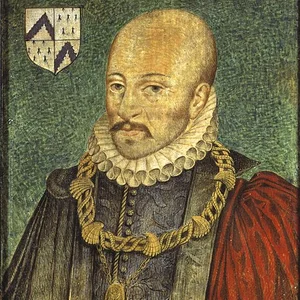
Michel de Montaigne
1533 — 1592
French Renaissance writer and philosopher (1533–1592), Montaigne is the author of the Essays, a landmark work of French literature blending personal reflection and humanism. Mayor of Bordeaux, he contributed to the rise of modern critical thinking.
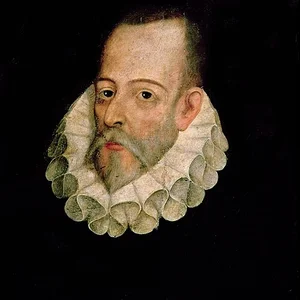
Miguel de Cervantes
1547 — 1616
Spanish writer of the Renaissance, Cervantes is the author of Don Quixote, one of the greatest novels in world literature. Soldier, captive in the Barbary Coast, and prolific author, he embodies the humanism of his era.
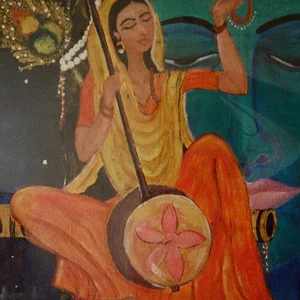
Mirabai
1498 — 1546
Mirabai was a 16th-century Rajput princess, mystic, and devotional poet dedicated to Krishna. Rejecting the conventions of her caste, she devoted her life to worship and composed hundreds of bhajans (devotional hymns) that have endured through the centuries. A major figure of the Bhakti movement, she embodies the spiritual quest freed from social hierarchies.
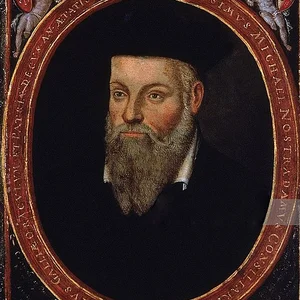
Nostradamus
1503 — 1566
A French physician and apothecary of the Renaissance, Nostradamus is famous for his Centuries, a collection of prophetic quatrains first published in 1555. He was also a respected practitioner during plague epidemics.
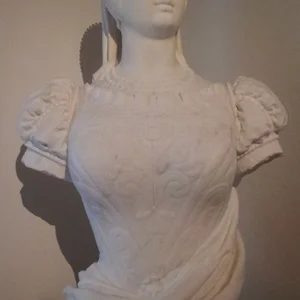
Pernette du Guillet
1520 — 1545
Pernette du Guillet (c. 1520–1545) was a Renaissance poet from Lyon and a key figure of the École de Lyon. An admirer and correspondent of Maurice Scève, she composed epigrams and songs in the Petrarchan tradition. Her posthumous collection *Rymes* (1545) places her among the first women poets in French literature.
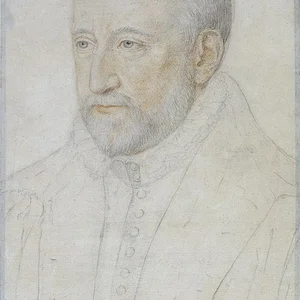
Pierre de Ronsard
1524 — 1585
Major French poet of the Renaissance (1524–1585), co-founder of the Pléiade with du Bellay. He transformed French poetry by introducing lyrical forms inspired by Antiquity and championing the vernacular language.
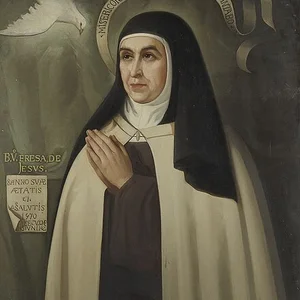
Teresa of Ávila
1515 — 1582
Reformer of the Carmelite Order, mystic, Doctor of the Church
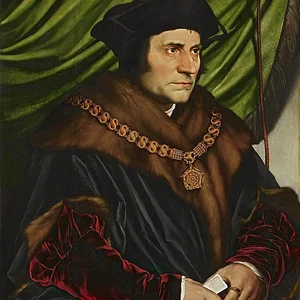
Thomas More
1478 — 1535
An English humanist and statesman, Thomas More served as Lord Chancellor to Henry VIII before opposing the Anglican schism. Author of Utopia (1516), he was executed for refusing to acknowledge the king as Supreme Head of the Church of England.
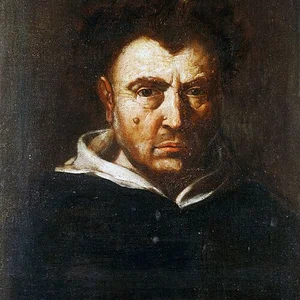
Tommaso Campanella
1568 — 1639
Tommaso Campanella was an Italian Dominican friar, philosopher, theologian, and poet of the late Renaissance. Imprisoned for nearly twenty-seven years for heresy and conspiracy against Spanish rule, he is the author of the utopia *The City of the Sun*.
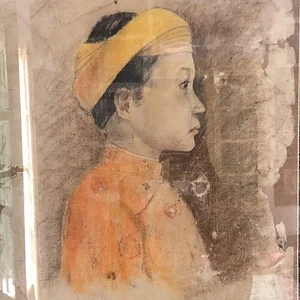
Tu Long
Tu Long (1543-1605) was a Chinese scholar and playwright of the Ming dynasty. Known for his *chuanqi* plays and his essays, he embodies the figure of the scholar-artist of late sixteenth-century China.
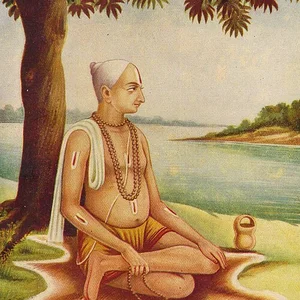
Tulsidas
1532 — 1623
Hindu poet and saint from North India, a major figure of the bhakti devotional movement. He is the author of the Ramcharitmanas, a Hindi (Awadhi) retelling of the Ramayana epic, which popularized the worship of Rama among the common people.
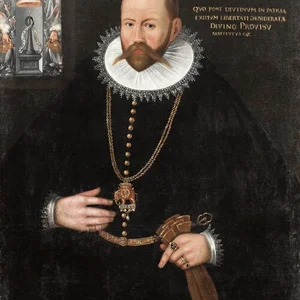
Tycho Brahe
1546 — 1601
A Danish Renaissance astronomer, Tycho Brahe is renowned for his astronomical observations of unmatched precision before the invention of the telescope. He discovered a supernova in 1572 and established that comets travel beyond the Moon, challenging Aristotelian cosmology.
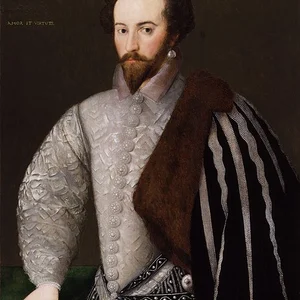
Walter Raleigh
1552 — 1618
English explorer, poet, and courtier (1552–1618), a favourite of Queen Elizabeth I. He organised several expeditions to North America and searched for El Dorado in South America. Imprisoned and later executed under James I, he remains an iconic figure of English expansion.
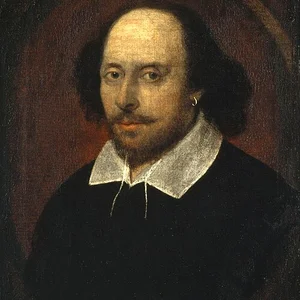
William Shakespeare
1564 — 1616
English playwright, poet, and actor (1564–1616), Shakespeare is the author of the greatest plays in world literature. He revolutionized theatre by exploring human psychology and creating unforgettable characters who grapple with love, power, and death.
Early Modern(89)
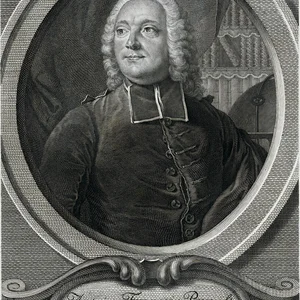
Abbé Prévost
1697 — 1763
An 18th-century French novelist, historian, and clergyman, Abbé Prévost is best known for his novel "Manon Lescaut" (1731), which is part of the French baccalauréat curriculum. His work embodies the tensions between religious morality and human passion that defined the era.
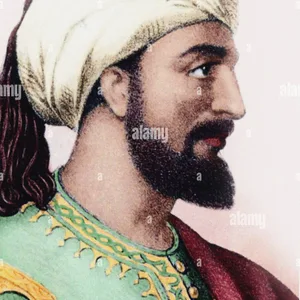
Abd al-Rahman al-Saadi
Chronicler, scholar, and secretary from Timbuktu, author of the Tarikh es-Sudan, one of the principal written sources on the Songhai Empire and the scholarly cities of the Western Sudan. His work recounts the succession of the Askias and the intellectual life of Timbuktu.
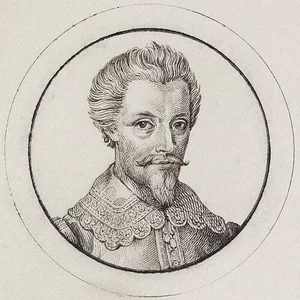
Abel Tasman
1603 — 1659
Abel Tasman was a Dutch navigator and explorer in the service of the Dutch East India Company (VOC). In 1642, he became the first European to reach Tasmania and New Zealand, pushing the boundaries of geographical knowledge of his time.
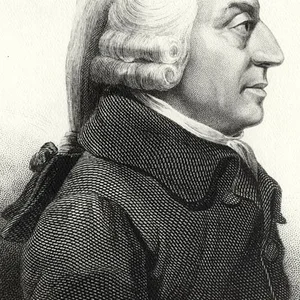
Adam Smith
1723 — 1790
An 18th-century Scottish philosopher and economist, Adam Smith is considered the father of modern political economy. His landmark work, The Wealth of Nations (1776), laid the foundations of economic liberalism and capitalism.
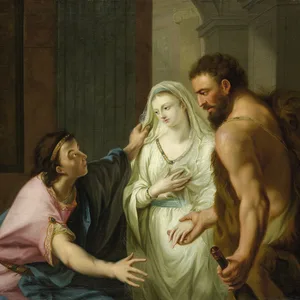
Alceste
Alceste is the central character of Molière's *The Misanthrope* (1666). An uncompromising idealist, he refuses the hypocrisy and flattery of court society, while being deeply in love with Célimène, a worldly coquette. He embodies the tension between absolute moral integrity and the compromises of social life.
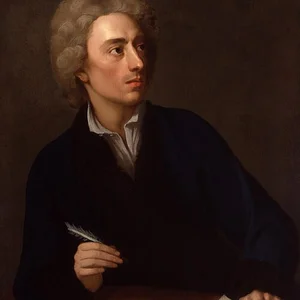
Alexander Pope
1688 — 1744
Alexander Pope was a British poet and essayist of the 18th century, a major figure of English Neoclassicism. A master of the rhymed heroic couplet, he is celebrated for his satirical and philosophical poems as well as for his translations of Homer's *Iliad* and *Odyssey*.
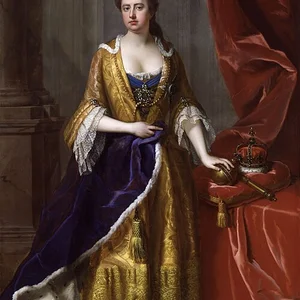
Anne of Great Britain
1665 — 1714
Queen of England, Scotland, and Ireland from 1702 to 1707, then first Queen of Great Britain following the Acts of Union of 1707. Her reign saw the rise of parliamentary government and the War of the Spanish Succession.
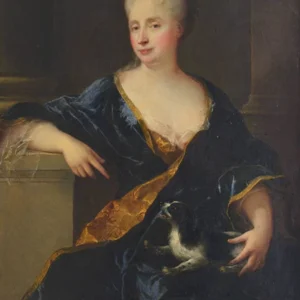
Anne Thérèse de Marguenat de Courcelles, marquise de Lambert
A Parisian writer and salon hostess (1647–1733), she presided over one of the most influential literary salons of the Regency period, frequented by Fontenelle, Montesquieu, and Marivaux. A pioneer in thinking about women's education, she championed their access to intellectual life.
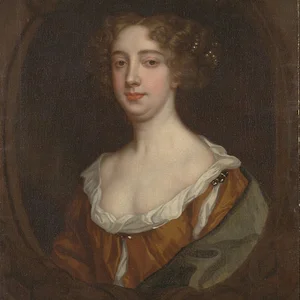
Aphra Behn
1640 — 1689
Aphra Behn (1640-1689) was the first English woman to earn her living by the pen. A prolific playwright, novelist, and spy in the service of Charles II, she defied the conventions of her time by making her mark in the male-dominated literary world.
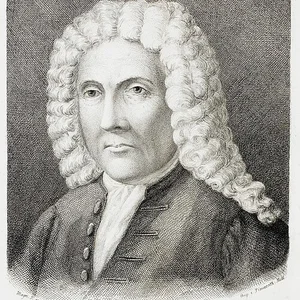
Árni Magnússon
1663 — 1730
Árni Magnússon was an Icelandic scholar and philologist who devoted his life to gathering and saving Iceland's medieval manuscripts. His collection, bequeathed to the University of Copenhagen, is the principal source of knowledge about the sagas and Old Norse literature.
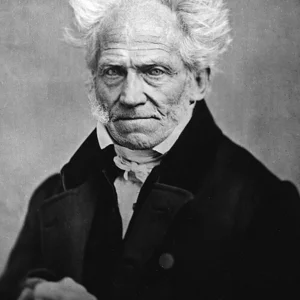
Arthur Schopenhauer
1788 — 1860
A 19th-century German philosopher, Schopenhauer is the great thinker of pessimism and the will. His masterwork, The World as Will and Representation (1818), profoundly influenced Nietzsche, Freud, and Wagner.
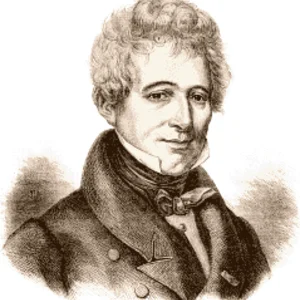
Barthélemy de Lesseps
1766 — 1834
French diplomat and explorer (1766–1834), he participated in the La Pérouse expedition as an interpreter and was the only member to return to Europe before the shipwreck. He crossed Siberia to bring the expedition's logbooks back to Paris.
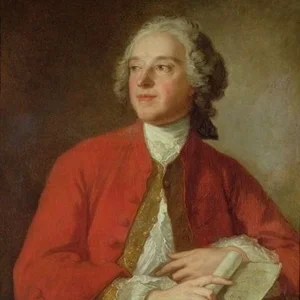
Beaumarchais
1732 — 1799
French writer, musician, and businessman (1732-1799), Beaumarchais is the author of The Barber of Seville and The Marriage of Figaro, two plays that revolutionized 18th-century comedy through their social criticism and complex plotting.
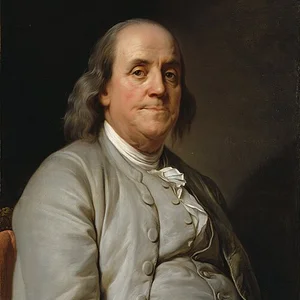
Benjamin Franklin
1706 — 1790
An 18th-century American statesman, scientist, and writer, Benjamin Franklin is one of the Founding Fathers of the United States. The inventor of the lightning rod, he contributed to drafting the Declaration of Independence and negotiated the Franco-American alliance.
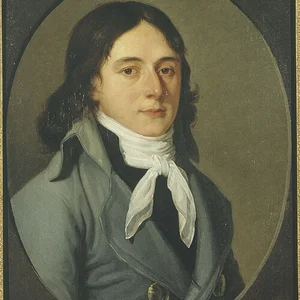
Camille Desmoulins
1760 — 1794
French lawyer, journalist and politician, a figure of the Revolution. An orator at the Palais-Royal in July 1789, he was one of the most influential pamphleteers of his time before being guillotined alongside the Indulgents in 1794.
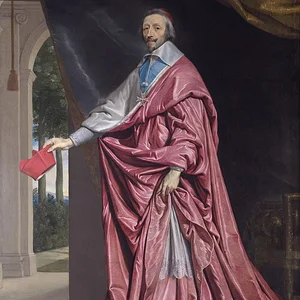
Cardinal de Richelieu
1585 — 1642
Cardinal and chief minister to Louis XIII, Richelieu strengthened royal authority and centralized power in France. He fought against the rebellious nobility and the Protestants, while drawing France into the Thirty Years' War.
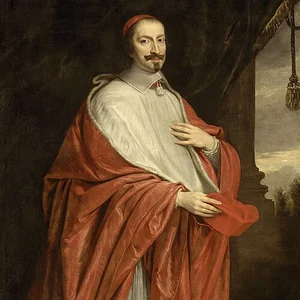
Cardinal Mazarin
1602 — 1661
Cardinal and chief minister of state of France, he governed the kingdom during Louis XIV's minority under the regency of Anne of Austria. Richelieu's successor, he signed the Treaties of Westphalia and overcame the Fronde to consolidate the monarchy.
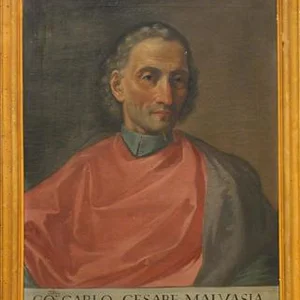
Carlo Cesare Malvasia
1616 — 1693
Carlo Cesare Malvasia (1616-1693) was a Bolognese Italian art historian and writer. He is the author of the *Felsina pittrice*, a major work devoted to the painters of the Bolognese school, which stands as a fundamental historiographical source for Italian Baroque art.
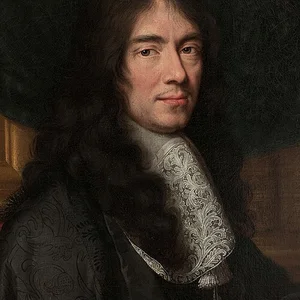
Charles Perrault
1628 — 1703
A French writer of the 17th century, Charles Perrault is famous for having collected and transcribed folk tales. He gave literary form to traditional stories such as Little Red Riding Hood and Cinderella, thus laying the foundations of modern children's literature.
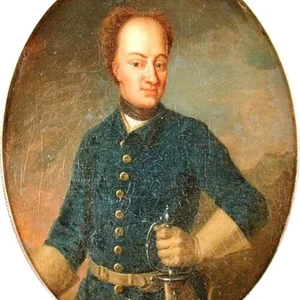
Charles XII of Sweden
King of Sweden from 1697 to 1718, Charles XII was one of the greatest military commanders of his era. He led the Great Northern War against a European coalition, winning the Battle of Narva (1700) before suffering a crushing defeat at Poltava (1709). He died during the siege of Fredriksten, marking the end of Swedish dominance in Europe.
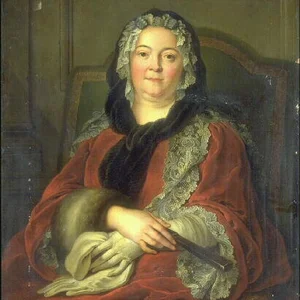
Claudine Guérin de Tencin
1682 — 1749
French novelist and salonnière (1682–1749), she hosted one of the most influential literary salons of the eighteenth century in Paris. The mother who abandoned d'Alembert at birth, she is the author of sentimental and historical novels such as the Mémoires du comte de Comminge.
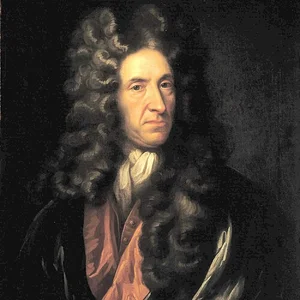
Daniel Defoe
1660 — 1731
Daniel Defoe was an English writer and journalist, considered one of the founders of the modern novel in the English language. He is famous for *Robinson Crusoe* (1719), a tale of adventure and survival on a desert island.
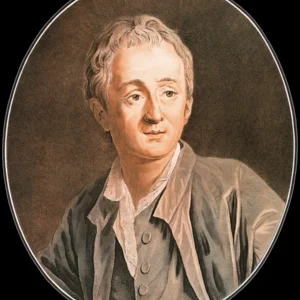
Denis Diderot
1713 — 1784
French philosopher, writer, and encyclopedist (1713–1784), a leading figure of the Enlightenment. Co-editor of the Encyclopédie with d'Alembert, he embodies the critical spirit and pursuit of rational knowledge that defined the 18th century. Author of philosophical novels such as Jacques the Fatalist, he helped transform European intellectual thought.
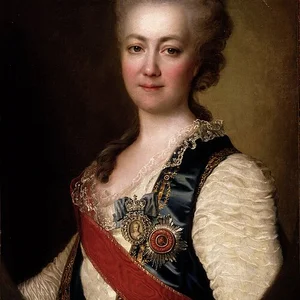
Ekaterina Vorontsova-Dashkova
1743 — 1810
A learned Russian aristocrat and close associate of Catherine II, she played a part in the coup d'état of 1762. The first woman to head the Russian Academy of Sciences, she founded the Russian Academy devoted to the language.
Esther Johnson
1681 — 1728
Esther Johnson (1681–1728), known by the nickname "Stella", was the close friend and confidante of the writer Jonathan Swift. Their intellectual and epistolary relationship, chronicled in the Journal to Stella, makes her a notable figure in English literary life of the 18th century.
Fanny Blood
1758 — 1785
British illustrator and teacher, an intimate friend of the feminist philosopher Mary Wollstonecraft. Together they co-founded a school for girls at Newington Green, near London, an experience that shaped Wollstonecraft's thinking on the education of women.
Fontenelle
1657 — 1757
A French writer and scholar of the 17th–18th century, Fontenelle popularized science for the general public. Known for his Conversations on the Plurality of Worlds and his role as perpetual secretary of the Académie des sciences, he embodies the spirit of the Enlightenment.
Frances Burney
1752 — 1840
English novelist, playwright, and diarist (1752-1840), Frances Burney published Evelina anonymously in 1778, an epistolary novel that was an immediate success. A forerunner of Jane Austen, she documented eighteenth-century English society with great perceptiveness in her journals and correspondence.
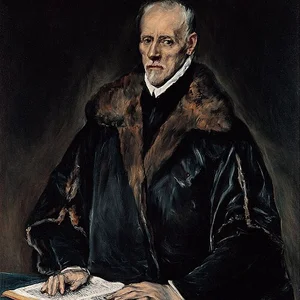
Francisco de Pisa
1534 — 1616
Francisco de Pisa (1534-1616) was a Spanish historian and writer, canon of Toledo Cathedral. He is the author of the “Descripción de la Imperial Ciudad de Toledo” (1605), a major reference work on the history of Toledo and the Spanish Church.
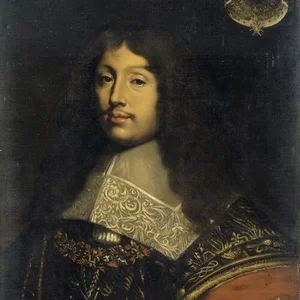
François de La Rochefoucauld
1613 — 1680
François de La Rochefoucauld (1613-1680) was a French writer and moralist of the Grand Siècle. An aristocratic rebel turned author, he is famous for his Maxims, a collection of brief, disenchanted sayings about human nature, in which self-love governs all our conduct.
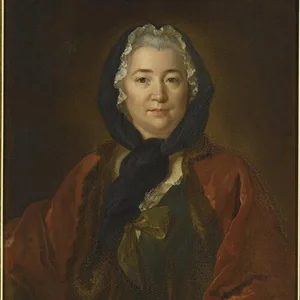
Françoise de Graffigny
1695 — 1758
French writer (1695-1758), pioneer of the epistolary novel in the 18th century. She is best known for her Letters from a Peruvian Woman, a major work of Enlightenment literature that critiques French society through the discerning gaze of an exotic heroine.
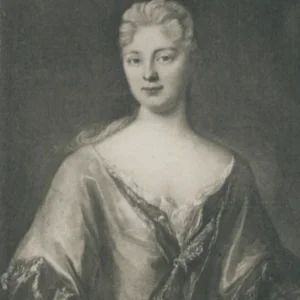
Françoise-Louise de Warens
1699 — 1762
A Savoyard baroness, Françoise-Louise de Warens (1699-1762) is famous for taking in and protecting the young Jean-Jacques Rousseau. She gave him a home at Les Charmettes, near Chambéry, and played a decisive role in his intellectual and emotional education.
Françoise-Marguerite de Grignan
The daughter of the Marquise de Sévigné, she was the main recipient of her mother's famous correspondence. Her departure for Provence after her marriage in 1669 prompted the bulk of these letters, which became a monument of classical French literature.

Frederick II of Denmark
King of Denmark and Norway from 1559 to 1588, Frederick II waged the Northern Seven Years' War against Sweden and was an enlightened patron of the arts, most notably supporting the astronomer Tycho Brahe. He commissioned the construction of Kronborg Castle in Elsinore.
Friedrich Schiller
1759 — 1805
German poet, playwright, and philosopher of the Enlightenment and Sturm und Drang, Schiller is one of the major figures of Weimar Classical literature. A close friend of Goethe, he championed the ideals of freedom, human dignity, and moral elevation through art.
George Washington
1732 — 1799
Commander-in-Chief of the Continental Army during the American War of Independence, George Washington became the first President of the United States (1789–1797). A Virginia planter and slaveholder, he embodies the contradictions of the young Republic — torn between ideals of liberty and the reality of slavery.
Henry Fielding
1707 — 1754
Henry Fielding (1707-1754) was an English novelist, playwright and magistrate, regarded as one of the fathers of the modern novel. His masterpiece, *Tom Jones* (1749), is a comic and moral panorama of eighteenth-century English society.
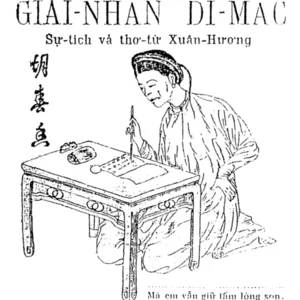
Hồ Xuân Hương
1772 — 1822
Vietnamese poetess of the late 18th and early 19th century, nicknamed the "Queen of Nôm Poetry." Her works in chữ Nôm, described as "elegantly licentious" in style, earned her recognition by UNESCO in 2021 as a world cultural personality.
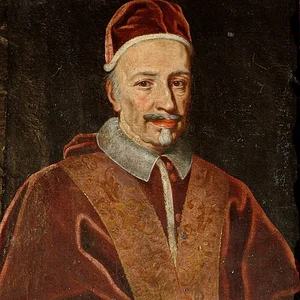
Innocent XII
1615 — 1700
Pope from 1691 to 1700, Innocent XII reformed the Church by combating nepotism through the bull Romanum decet Pontificem (1692). He played a role in the Quietist controversy and contributed to European diplomacy.
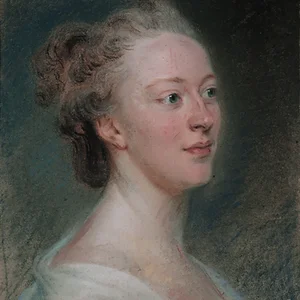
Isabelle de Charrière
1740 — 1805
Born Belle van Zuylen in the Netherlands in 1740, Isabelle de Charrière settled in Switzerland after her marriage and became one of the most remarkable women writers of the 18th century. A novelist, letter-writer, and composer, she advocated with great clarity for women's freedom and critiqued the social conventions of her time.
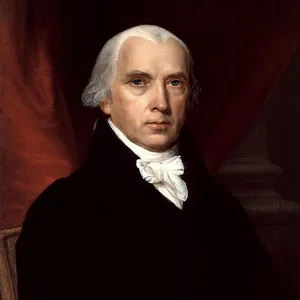
James Madison
1751 — 1836
American statesman (1751–1836), regarded as the "Father of the Constitution" of the United States. Architect of the Bill of Rights and fourth President of the United States, he was one of the foremost theorists of American republicanism.
Jane Austen
1775 — 1817
Jane Austen (1775-1817) was a major English novelist of the 19th century, author of romantic and social novels that subtly critique the social conventions of her time. Her work, most notably Pride and Prejudice, explores human relationships and the stakes of marriage with irony and psychological insight.
Jean de La Bruyère
1645 — 1696
A French writer and moralist of the 17th century (1645–1696), Jean de La Bruyère is the author of The Characters, a major work of classical literature. His collection of satirical portraits and moral reflections offers a sharp critique of the society of his time.
Jean de La Fontaine
1621 — 1695
A French poet and fabulist of the 17th century, Jean de La Fontaine is celebrated for his Fables, collections of short verse tales featuring animals to illustrate moral lessons. His works, imbued with humor and wisdom, remain major classics of French literature.
Jean le Rond d'Alembert
1717 — 1783
A mathematician and philosopher of the Enlightenment, he co-edited the great Encyclopédie with Diderot and wrote its famous Preliminary Discourse. He formulated the mechanical principle that bears his name and embodied the encyclopédiste ideal of bringing together all human knowledge.
Jean Mabillon
1632 — 1707
A Benedictine monk of the Congregation of Saint-Maur, Jean Mabillon is the founder of diplomatics, the critical science of authenticating charters and ancient documents. His major work, De re diplomatica (1681), laid the foundations of modern historical method.
Jean Racine
1639 — 1699
A French playwright of the 17th century, Racine is one of the masters of classical tragedy. Author of masterpieces such as Phaedra and Andromache, he embodies the balance between formal rigour and emotional intensity that defines French classical theatre.
Jean-Jacques Rousseau
1712 — 1778
Genevan philosopher, writer, and musician (1712–1778), a central figure of the Enlightenment. Author of The Social Contract and Confessions, he profoundly influenced political and educational thought by championing popular sovereignty and natural education.
Jean-Paul Marat
1743 — 1793
A physician, physicist, and journalist who became one of the most radical figures of the French Revolution. Founder of the newspaper L'Ami du peuple, he served as a Montagnard deputy in the National Convention before being assassinated in his bath by Charlotte Corday in 1793.
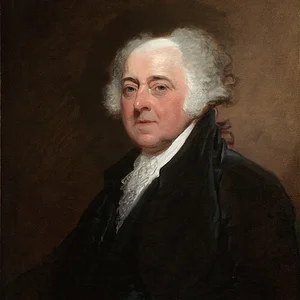
John Adams
1735 — 1826
John Adams (1735-1826) was an American lawyer, diplomat, and statesman, one of the Founding Fathers of the United States. Vice President under George Washington, he became the second President of the United States (1797-1801). A key figure of the American Revolution, he contributed to the drafting of the Constitution.
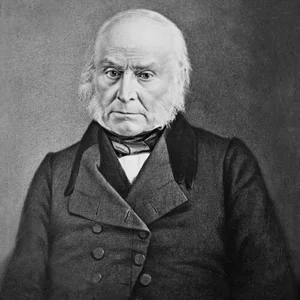
John Quincy Adams
1767 — 1848
Son of President John Adams, John Quincy Adams was the sixth President of the United States (1825–1829). A seasoned diplomat, he negotiated the Treaty of Ghent (1814) ending the Anglo-American War and helped formulate the Monroe Doctrine. He later championed the rights of enslaved people as a congressman.
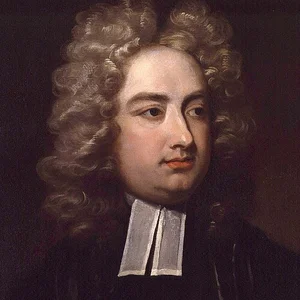
Jonathan Swift
1667 — 1745
Anglo-Irish writer and satirist (1667–1745), Jonathan Swift is the author of Gulliver's Travels. Dean of St Patrick's Cathedral in Dublin, he used literature as a political and social weapon against the injustices of his time.
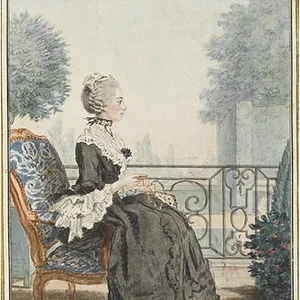
Julie de Lespinasse
1732 — 1776
An 18th-century French salonnière, Julie de Lespinasse ran one of the most influential salons in Paris, frequented by the Encyclopédistes. A passionate letter-writer, her correspondence offers a vivid window into the intellectual life of the Enlightenment.
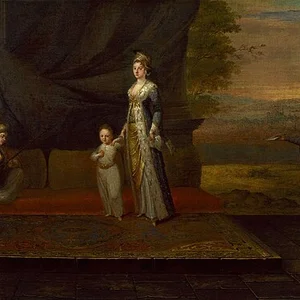
Lady Montagu
An English aristocrat and woman of letters of the 18th century, Mary Wortley Montagu accompanied her husband, an ambassador, to Constantinople. There she discovered variolation and introduced it to Western Europe, saving countless lives before Jenner's development of the vaccine.
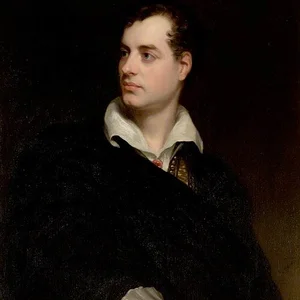
Lord Byron
1788 — 1824
Lord Byron (1788-1824) was the most celebrated British poet of the Romantic era. A scandalous and politically engaged figure, he embodied the "Byronic hero": brooding, rebellious, and passionate. He died in Greece while fighting for Greek independence.
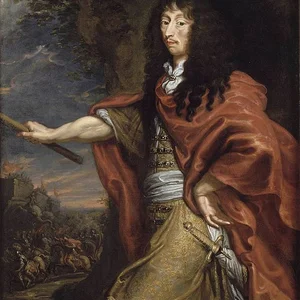
Louis II de Bourbon, prince de Condé
Nicknamed “the Great Condé,” this prince of the blood distinguished himself at the Battle of Rocroi (1643) by crushing the Spanish infantry. A key figure in the Fronde, he eventually reconciled with Louis XIV and remained one of the greatest military commanders of the Grand Siècle.
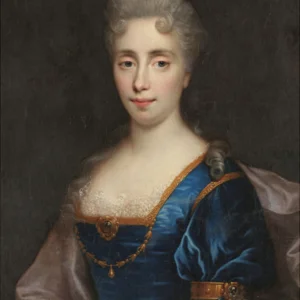
Madame de La Fayette
1634 — 1693
17th-century French writer and pioneer of the psychological novel. Author of The Princess of Clèves, a landmark work exploring the inner feelings and intimate conflicts of its characters. A prominent figure in the literary and cultural life of Louis XIV's court.
Madame de Maintenon
1635 — 1719
Born in 1635, Françoise d'Aubigné endured a wretched childhood before becoming governess to the legitimized children of Louis XIV, then his secret wife around 1683. In 1686, she founded the Maison royale de Saint-Louis at Saint-Cyr, a pioneering educational institution for young women from impoverished noble families.
Madame de Sévigné
1626 — 1696
French epistolary writer of the 17th century, celebrated for her exceptional literary correspondence, particularly her letters to her daughter. Her work offers an invaluable portrait of court life and French society under Louis XIV.
Madame de Staël
1766 — 1817
Germaine de Staël, daughter of minister Necker, was one of the great intellectual voices of her era. A novelist, essayist, and salon hostess, she stood up to Napoleon, who exiled her, and helped introduce German Romanticism to France with her work *De l'Allemagne*.
Madame du Deffand
An eighteenth-century French salonnière, the Marquise du Deffand hosted one of the most influential salons of the Enlightenment in Paris. A correspondent of Voltaire and d'Alembert, she embodied the critical spirit and intellectual sociability of her age.
Madame Geoffrin
1699 — 1777
A Parisian salon hostess of the 18th century, she presided over one of the most influential salons of the Enlightenment, welcoming d'Alembert, Diderot, Fontenelle, and Montesquieu. A generous patron of the arts and a remarkable letter-writer, she played a central role in spreading Enlightenment ideas across Europe.
Madame Roland
1754 — 1793
Salon hostess and Girondin political figure, Manon Roland (1754–1793) exerted considerable influence over the Girondin party during the French Revolution. Arrested during the Terror, she was guillotined in 1793, uttering her famous words about liberty.
Marguerite de La Sablière
A salonnière and woman of letters of the seventeenth century, she presided over one of the most celebrated salons in Paris, bringing together poets, philosophers, and scholars. A patron of La Fontaine, she welcomed him into her home for nearly twenty years. Passionate about science, she studied astronomy and natural philosophy under scholars such as Bernier.

María de Zayas
1590 — ?
A Spanish writer of the Golden Age (1590–1661), María de Zayas is one of the few women of letters of her era to have published under her own name. Her story collections, Novelas amorosas y exemplares (1637) and Desengaños amorosos (1647), boldly denounce male domination and champion women's education.
Marie Héricart
1633 — 1709
Marie Héricart was the wife of Jean de La Fontaine, whom she married in 1647. Their union, an unhappy one, led to a legal separation of their property. She was the mother of their only son, Charles.
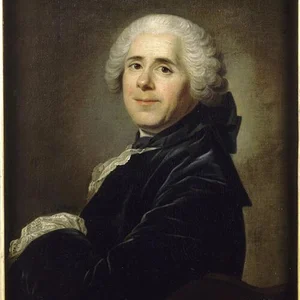
Marivaux
1688 — 1763
An 18th-century French writer, playwright, and journalist, Marivaux is the author of brilliant comedies that explore the games of love and chance. He is known for his elegant style and psychological subtlety in the portrayal of feelings.
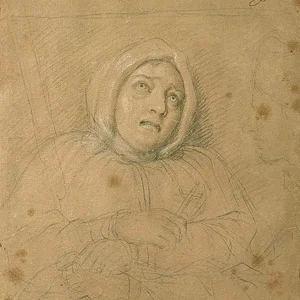
Marquise de Brinvilliers
1630 — 1676
A French aristocrat of the 17th century, notorious for poisoning her father and brothers in order to inherit their fortune. Her trial and execution in 1676 triggered the Affair of the Poisons, exposing the widespread use of poison in high society.
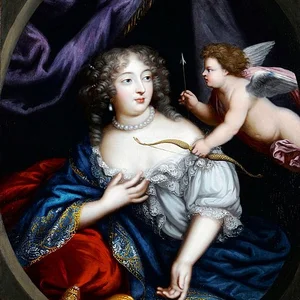
Marquise de Montespan
1640 — 1707
Official favorite of Louis XIV from 1667 to 1681, she reigned over the court of Versailles and had seven legitimized children with the Sun King. Implicated in the Affair of the Poisons, she subsequently fell from grace.
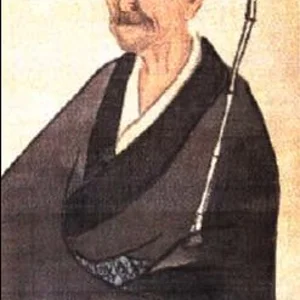
Matsuo Bashō
1644 — 1694
Matsuo Bashō (1644–1694) is the greatest master of haiku, the Japanese poetic form composed of three lines. After serving as a samurai, he devoted himself to poetry and travel across Japan. His masterwork, "The Narrow Road to the Deep North," blends prose and poetry.
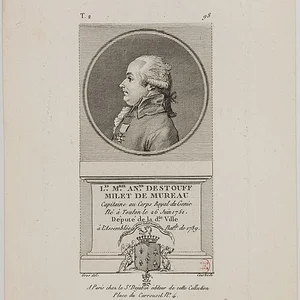
Milet-Mureau
Milet-Mureau (1750-1825) was a French general and writer, best known for editing and publishing the account of Lapérouse's voyage after the explorer's disappearance. His editorial work preserved the geographical legacy of the expedition for posterity.
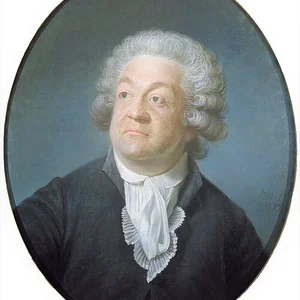
Mirabeau
1749 — 1791
Orator and French statesman, Mirabeau is one of the towering figures of the early French Revolution. Elected to the Estates-General in 1789 by the Third Estate, he embodied the bridge between the nobility and the people, championing a constitutional monarchy. His death in 1791 earned him a state funeral and a place in the Panthéon.
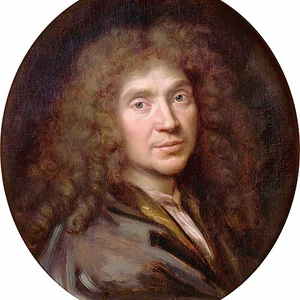
Molière
1622 — 1673
Molière (1622-1673) is the greatest French playwright of the 17th century. Founder of his own theatrical company, he created works of comic genius that critique the flaws and vices of the society of his time.
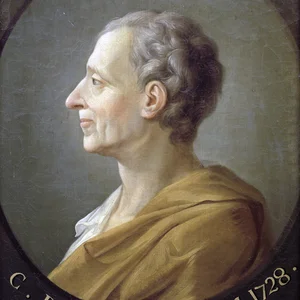
Montesquieu
1689 — 1755
An 18th-century French philosopher and writer, Montesquieu is the author of the landmark work 'The Spirit of the Laws' (1748). He theorized the separation of powers, a foundational concept of modern political thought, and contributed to the emergence of Enlightenment philosophy.
Nicolas Boileau
1636 — 1711
French poet and literary critic of the 17th century, nicknamed the “legislator of Parnassus”. His Art poétique (1674) established the rules of French classicism. A friend of Molière, Racine, and La Fontaine, he served as royal historiographer to King Louis XIV.
Olaudah Equiano
1745 — 1797
Olaudah Equiano (c. 1745-1797), also known as Gustavus Vassa, was a deported African slave who bought his own freedom before becoming one of the leading figures of the British abolitionist movement. His autobiography, published in 1789, brought the horror of the slave trade to a wide audience.
Olympe de Gouges
1748 — 1793
French author, politician and pamphleteer (1748–1793), Olympe de Gouges campaigned for women's rights and the abolition of slavery during the French Revolution. She wrote the Declaration of the Rights of Woman and of the Female Citizen in 1791, a founding document of feminism.
Paquette Le Clerc
A character in Voltaire's Candide (1759), Paquette is a young servant who, victimized by men and by society, ends up as a prostitute in Venice. Her fate embodies Voltaire's critique of the exploitation of women and the disillusionment with Pangloss's naive optimism.
Philippe II d'Orléans
Regent of France from 1715 to 1723 during the minority of Louis XV, Philippe II d'Orléans governed the kingdom following the death of Louis XIV. A curious and libertine spirit, he was also a musician, painter, and patron of the arts, embodying the transition between the Grand Siècle and the Enlightenment.
Pierre Choderlos de Laclos
1741 — 1803
Pierre Choderlos de Laclos was an eighteenth-century French writer and artillery officer. He is the author of the famous epistolary novel *Les Liaisons dangereuses* (1782), a cruel portrayal of the libertine intrigues of the aristocracy.
Pierre Corneille
1606 — 1684
French playwright and poet (1606–1684), founder of French classical tragedy. Author of Le Cid, a landmark work of French theater that left a lasting mark on literary history. He dominated the Parisian stage in the 17th century with his tragedies and comedies.
Saint-Simon
1675 — 1755
French memoirist and duke at the court of Louis XIV. His Memoirs, written in secret, offer a striking and incisive portrait of life at Versailles and the intrigues of the nobility under Louis XIV and the Regency.
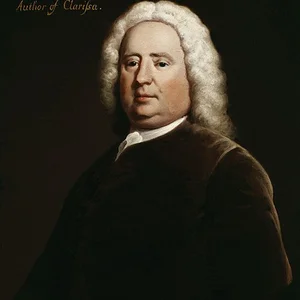
Samuel Richardson
1687 — 1761
Samuel Richardson was an English writer and printer of the 18th century. A pioneer of the epistolary novel, he is regarded as one of the founders of the modern novel through his works centered on psychology and morality.
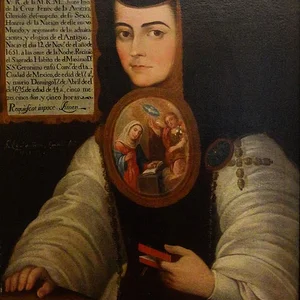
Sor Juana Inés de la Cruz
1651 — 1695
Juana Inés de la Cruz was a Mexican poet and playwright of the 17th century, a towering figure of Hispanic Baroque literature. A self-taught nun in New Spain, she championed women's right to knowledge in a colonial society dominated by men.
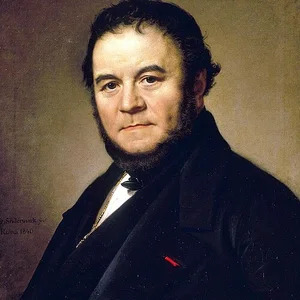
Stendhal
1783 — 1842
A French writer of the 19th century, Stendhal is the author of the psychological novel The Red and the Black (1830). Known for his sharp analysis of human passions and his direct style, he left a lasting mark on French literature by exploring themes of ambition, passion, and social criticism.
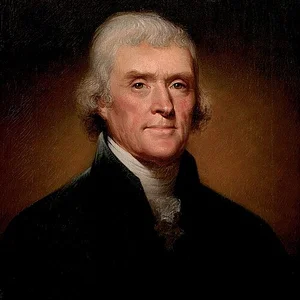
Thomas Jefferson
1743 — 1826
An American statesman, Thomas Jefferson was one of the Founding Fathers of the United States and the principal author of the Declaration of Independence (1776). A philosopher of the Enlightenment, he also served as the third President of the United States (1801–1809).
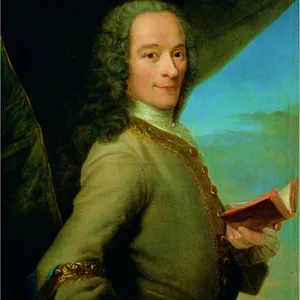
Voltaire
1694 — 1778
An 18th-century French writer and philosopher, Voltaire is a major figure of the Enlightenment. Through his works, most notably Candide, he championed tolerance, freedom of expression, and criticism of religious intolerance.

Wang Zhenyi
1768 — 1797
Wang Zhenyi was a Chinese astronomer, mathematician, and poet of the Qing dynasty. Despite the conventions of her time that kept women away from learning, she popularized astronomy and championed intellectual equality between men and women.
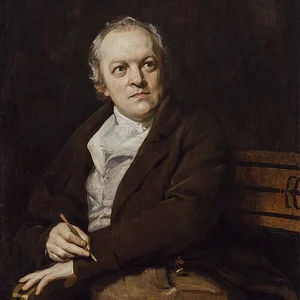
William Blake
1757 — 1827
British poet, painter, and engraver (1757-1827), William Blake is one of the towering figures of English Romanticism. A visionary and mystic, he created a strikingly original body of poetic and artistic work, combining text and image in hand-engraved illuminated books.
19th Century(129)
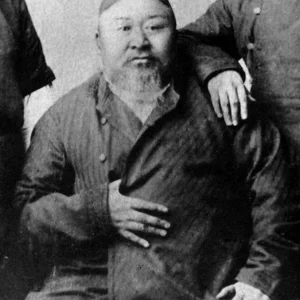
Abai Kunanbaev
1845 — 1904
Abai Kunanbaev is the founding father of written Kazakh literature. A poet, philosopher, and composer, he raised the Kazakh language to the status of a literary language and translated Pushkin, Lermontov, and Goethe. His major work, the Book of Words, remains the definitive philosophical text of Kazakh culture.
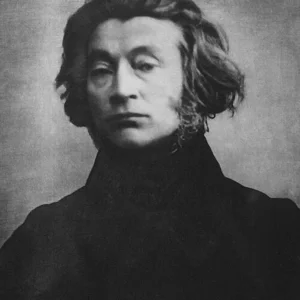
Adam Mickiewicz
1798 — 1855
Adam Mickiewicz (1798-1855) is Poland's greatest national poet and a major figure of European Romanticism. His epic and lyrical work expresses nostalgia for occupied Poland and the aspiration for national freedom.
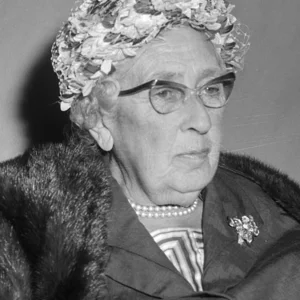
Agatha Christie
1890 — 1976
Agatha Christie (1890-1976) was a British novelist, widely known as the 'Queen of Crime'. The author of 66 detective novels, she created the iconic characters Hercule Poirot and Miss Marple. Her works are among the best-selling in the history of world literature.
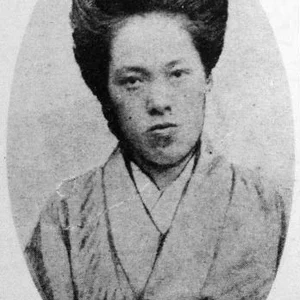
Akiko Yosano
1878 — 1942
Japanese poet and novelist (1878–1942), a major figure in the revival of waka poetry during the Meiji era. A committed feminist, she advocated for women's emancipation and opposed Japanese militarist nationalism.
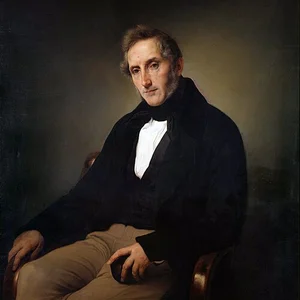
Alessandro Manzoni
1785 — 1873
Alessandro Manzoni (1785–1873) was the greatest Italian novelist of the 19th century and a central figure of Romanticism. His historical novel *I Promessi Sposi* (*The Betrothed*, 1827) is regarded as the first modern novel written in Italian and played a decisive role in the linguistic unification of Italy.
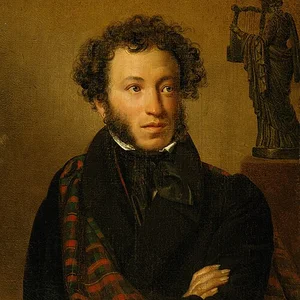
Alexander Pushkin
1799 — 1837
Considered the father of modern Russian literature, Pushkin (1799–1837) wrote foundational works such as Eugene Onegin and The Queen of Spades. Killed in a duel at 37, he embodies Russian Romanticism.
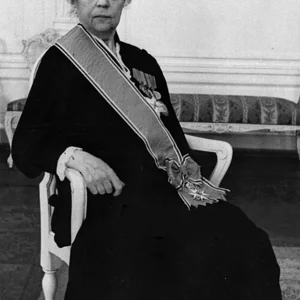
Alexandra Kollontai
1872 — 1952
A Russian Bolshevik revolutionary, Alexandra Kollontai was one of the first women in the world to hold a diplomatic post. A theorist of socialist feminism, she championed women's emancipation and freedom from traditional marriage.
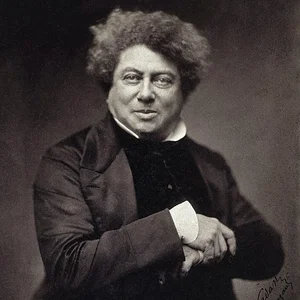
Alexandre Dumas
1802 — 1870
French writer and playwright (1802–1870), author of adventure novels and popular serialized fiction. Father of Alexandre Dumas fils, he is considered a master of the historical and adventure novel in the 19th century.
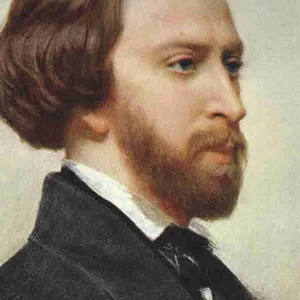
Alfred de Musset
1810 — 1857
French writer and playwright (1810-1857), a major figure of Romanticism. Author of comedies and lyrical dramas, he is best known for his play "No Trifling with Love" and for his turbulent relationship with George Sand.
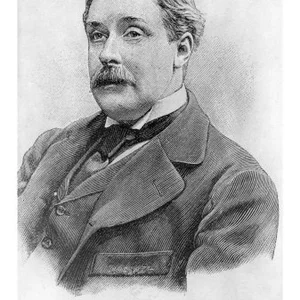
Alphonse Allais
1854 — 1905
Alphonse Allais (1854-1905) was a French writer, journalist, and humorist, a major figure of absurd humor and *fumisme*. A regular at the “Le Chat Noir” cabaret, he is famous for his puns, his short tales, and his paradoxical aphorisms.
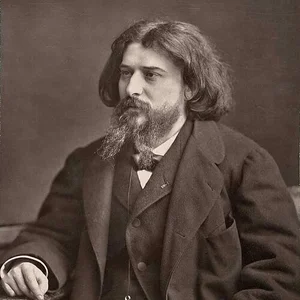
Alphonse Daudet
1840 — 1897
French writer (1840-1897), author of novels and short stories that paint with humor and warmth the life of Provence and Paris. He is best known for his *Letters from My Mill* and his unforgettable characters such as Tartarin of Tarascon.
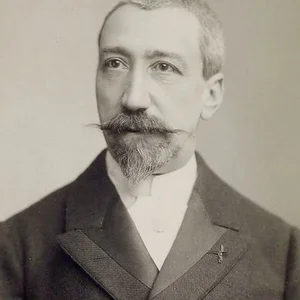
Anatole France
1844 — 1924
Born François-Anatole Thibault, Anatole France was a French writer, literary critic, and essayist, and a major figure of the Belle Époque. A committed Dreyfusard, he was awarded the Nobel Prize in Literature in 1921.

Anna Grigorievna Snitkina
Russian stenographer and memoirist, second wife of Fyodor Dostoevsky. Hired to transcribe his novel The Gambler, she became his collaborator, the manager of his affairs, and the publisher of his works after his death.
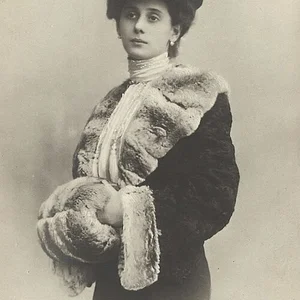
Anna Pavlova
1881 — 1931
Anna Pavlova (1881-1931) was a Russian ballerina considered one of the greatest classical dancers in history. Trained at the Imperial Ballet School in Saint Petersburg, she conquered stages around the world and helped bring the art of classical ballet to an international audience.
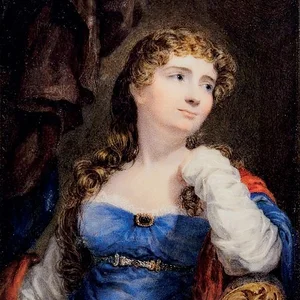
Annabella Milbanke
1792 — 1860
British aristocrat (1792–1860), self-taught mathematician and philanthropist, she married the poet Lord Byron in 1815 before separating from him a year later. She went on to dedicate herself to popular education and social reform, and is the mother of Ada Lovelace, pioneer of computing.

Anne Royall
1769 — 1854
Anne Royall was an American writer and journalist, considered one of the first professional women reporters in the United States. The author of travel narratives, she founded newspapers that denounced corruption and championed the separation of Church and State.
Anton Chekhov
1860 — 1904
Russian writer and playwright, a master of the short story and of modern theatre. Trained as a physician, he renewed dramatic art with plays built on atmosphere and the unspoken rather than on plot, such as The Cherry Orchard and The Three Sisters.
Arrigo Boito
1842 — 1918
Arrigo Boito (1842-1918) was an Italian composer and librettist, a major figure of late Romantic opera. He is best known for the librettos he wrote for Verdi (Otello, Falstaff) and for his own opera Mefistofele.
Arthur Rimbaud
1854 — 1891
French poet of the 19th century (1854–1891), Rimbaud is a major figure of modern and visionary poetry. He revolutionized poetry through formal innovation and exploration of the unconscious, before abandoning literature at the age of 20 to live as an adventurer in Africa.
August Strindberg
1849 — 1912
Swedish writer, playwright and painter (1849-1912), a major figure of Scandinavian literature. A pioneer of naturalism and later a forerunner of expressionism and modern theatre, he profoundly renewed European dramatic art.
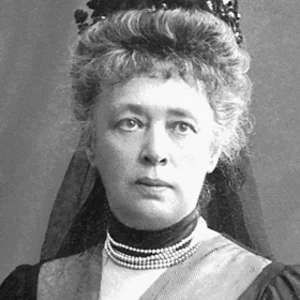
Bertha von Suttner
1843 — 1914
Austrian novelist and pacifist activist (1843–1914), Bertha von Suttner published in 1889 “Die Waffen nieder!” (Lay Down Your Arms!), a novel that shocked Europe with its realistic portrayal of the horrors of war. In 1905, she became the first woman to receive the Nobel Peace Prize.

Brothers Grimm
1785 — 1863
The Brothers Grimm were two German writers of the 19th century, famous for collecting and publishing traditional folk tales. Their collections, most notably "Kinder- und Hausmärchen" (Children's and Household Tales), include stories that have become timeless classics such as Snow White and Hansel and Gretel.
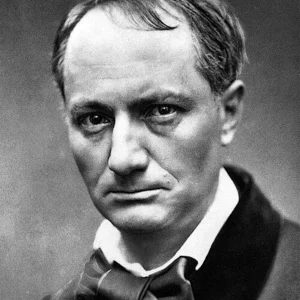
Charles Baudelaire
1821 — 1867
19th-century French poet and founder of modern poetry. Baudelaire is best known for his collection "The Flowers of Evil" (Les Fleurs du Mal, 1857), which revolutionized literature by exploring the beauty of evil, decadence, and existential torment. His work, considered scandalous at the time, profoundly influenced contemporary poetry and subsequent literary movements.
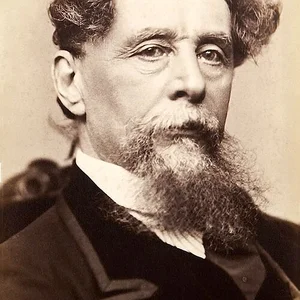
Charles Dickens
1812 — 1870
Charles Dickens was an English novelist of the Victorian era, regarded as one of the greatest writers in the English language. His novels, published in serial form, depict with realism and humanity the industrial society and social misery of his time.
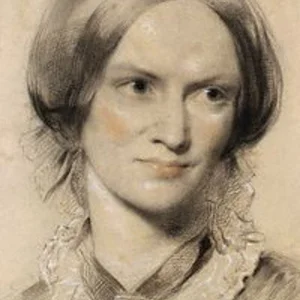
Charlotte Brontë
1816 — 1855
Charlotte Brontë was a 19th-century British novelist, author of Jane Eyre (1847), a masterpiece of Victorian literature. The daughter of a clergyman in Yorkshire, she published under a male pseudonym (Currer Bell) to gain acceptance in the literary world. Her work powerfully explores the feminine condition, independence, and passion.
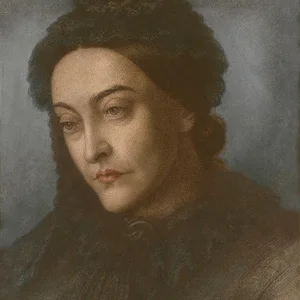
Christina Rossetti
1830 — 1894
British poet of the nineteenth century and a leading figure of the Pre-Raphaelite movement. Author of Goblin Market (1862), a poetry collection blending symbolism and religious fervour. Her work explores love, death, and Christian faith with remarkable lyrical sensitivity.
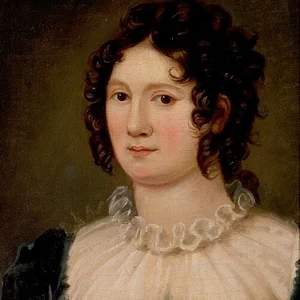
Claire Clairmont
1798 — 1879
British woman of letters and step-sister of Mary Shelley. Part of the circle of English Romantic poets, she had a daughter, Allegra, with Lord Byron. Her journals and correspondence are a valuable testimony to the Romantic era.
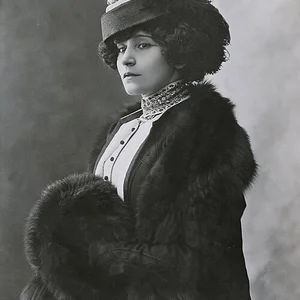
Colette
1873 — 1954
French novelist, playwright, and journalist (1873–1954), Colette is a towering figure of twentieth-century French literature. A prolific author, she explores themes of sensibility, nature, and female freedom through poetic, sensory prose.
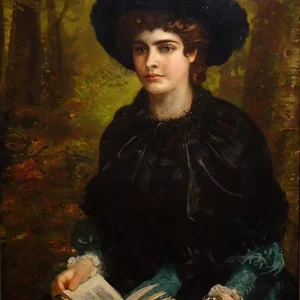
Constance Lloyd
1859 — 1898
British author and activist, wife of Oscar Wilde. Committed to the dress reform movement and to writing for children, she lived first in the shadow and then the scandal of her famous husband.
Dorothea Viehmann
1755 — 1816
Dorothea Viehmann (1755-1815) was a German storyteller, the daughter of an innkeeper near Kassel. Her exceptional memory for folk tales made her one of the main sources for the Brothers Grimm, who collected many stories from her for their “Children's and Household Tales.”
E.T.A. Hoffmann
1776 — 1822
German Romantic writer, composer, and illustrator (1776-1822), Hoffmann is one of the major figures of fantastic Romanticism. Author of the Fantastic Tales, he also composed operas and produced satirical drawings. His work inspired Offenbach, Tchaikovsky, and Schumann.
Eça de Queirós
1845 — 1900
Portuguese novelist (1845-1900), a major figure of realism and naturalism in Lusophone literature. A career diplomat, he authored novels offering a scathing critique of the Portuguese society of his time.
Edgar Allan Poe
1809 — 1849
An American writer of the 19th century, Edgar Allan Poe is the undisputed master of the gothic tale and horror literature. His psychological short stories and dark poems deeply influenced world literature and laid the foundations of the modern detective genre.
Edgar Quinet
1803 — 1875
French historian, philosopher, and politician (1803-1875), a leading figure of anticlerical republicanism. A professor at the Collège de France, he was exiled during the Second Empire for his opposition to Napoléon III.
Edmond and Jules de Goncourt
French writer brothers and art critics, they were the co-founders of literary naturalism with novels such as Germinie Lacerteux (1864). Their Journal, kept from 1851 to 1896, is a landmark record of artistic and literary life in the 19th century. In his will, Edmond established the Académie Goncourt, which has awarded France's most prestigious literary prize since 1903.
Edward FitzGerald
1809 — 1883
19th-century British poet and translator, celebrated for his free translation of the Rubaiyat of Omar Khayyam (1859), which achieved remarkable success across Europe and helped introduce Persian poetry to Western readers.
Edward VII
1841 — 1910
Son of Queen Victoria, Edward VII reigned over the United Kingdom and the Empire of India from 1901 to 1910. An emblematic figure of the Belle Époque, he played a decisive role in bringing France and Britain closer together through the Entente Cordiale of 1904.
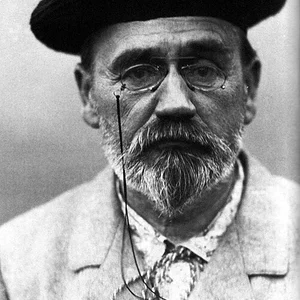
Émile Zola
1840 — 1902
French novelist, journalist and literary critic (1840-1902), founder of the Naturalist movement. He is the author of Germinal and L'Assommoir, landmark novels of the 19th century that expose the living conditions of the working class. Zola took a decisive political stand during the Dreyfus Affair by publishing his famous open letter 'J'Accuse'.
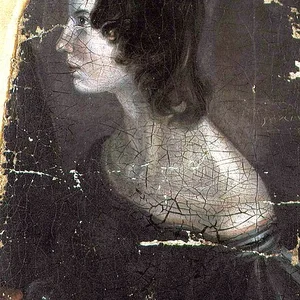
Emily Brontë
1818 — 1848
British writer
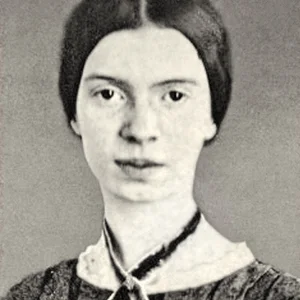
Emily Dickinson
1830 — 1886
Emily Dickinson is one of the greatest American poets of the 19th century. A recluse in her home in Amherst, she composed nearly 1,800 poems, most of which were not published until after her death. Her work, innovative in form and depth, explores death, nature, and the human soul.
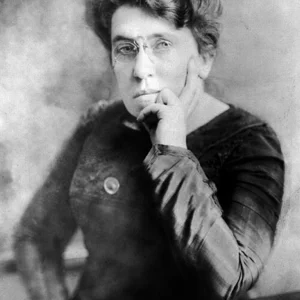
Emma Goldman
1869 — 1940
Emma Goldman (1869-1940) was a Lithuanian-born anarchist and feminist activist who emigrated to the United States. A leading figure in the American labor movement, she championed individual freedom, women's emancipation, and opposed war and capitalism.
Ernst Förstemann
1822 — 1906
Nineteenth-century German librarian and linguist, regarded as a pioneer in the decipherment of Maya writing. He was the first to understand the calendar system and astronomical calculations of the Dresden Codex.
Ewelina Hańska
1805 — 1882
Polish countess famous for her long correspondence with the writer Honoré de Balzac, whom she married in 1850 after eighteen years of exchanging letters. Her relationship with the novelist fed an important part of Balzac's correspondence.
Francis Ponge
1899 — 1988
French writer (1899-1988) and founder of an innovative poetics devoted to everyday objects. Ponge liberates poetry from traditional rhetoric by celebrating simple, material things, inventing a 'rage of expression' to explore the sensory world.
Franz Liszt
1811 — 1886
Hungarian composer and virtuoso pianist (1811–1886), Liszt revolutionized piano technique and invented the symphonic poem. A central figure of musical Romanticism, he profoundly influenced Wagner and European music as a whole.
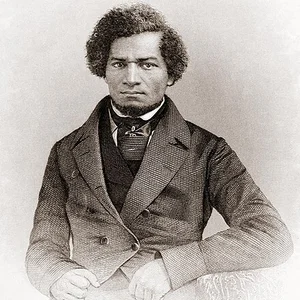
Frederick Douglass
1818 — 1895
abolitionist orator and writer, leader of the African-American community in the 19th century
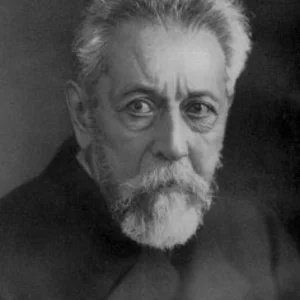
Friedrich Carl Andreas
1846 — 1930
Friedrich Carl Andreas (1846-1930) was a German orientalist and linguist, a specialist in Iranian languages and the ancient texts of Persia. A professor at Göttingen, he was a major figure in oriental philology, married to the writer Lou Andreas-Salomé.
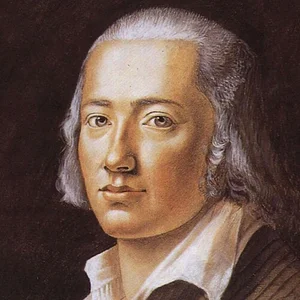
Friedrich Hölderlin
1770 — 1843
German poet, a major figure of German Romanticism and Idealism, and a fellow student of Hegel and Schelling. His work, suffused with a longing for ancient Greece and the divine, was rediscovered in the 20th century. He spent the second half of his life as a recluse, lost in madness.
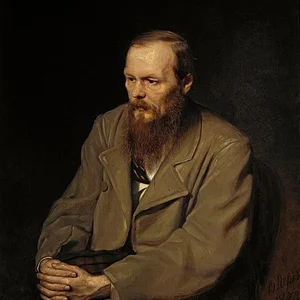
Fyodor Dostoevsky
1821 — 1881
Russian writer
George Eliot
1819 — 1880
Pen name of Mary Ann Evans (1819–1880), one of the leading Victorian novelists. Author of Middlemarch and The Mill on the Floss, she explores the female condition and social morality with rare philosophical depth.
George Grey
1812 — 1898
British colonial governor and ethnologist, George Grey successively administered South Australia, New Zealand, and the Cape Colony. Passionate about indigenous cultures, he devoted part of his life to collecting and publishing Māori myths and language.
George Sand
1804 — 1876
A French novelist of the 19th century, George Sand (1804-1876) was one of the most prolific and innovative writers of her era. A champion of individual freedom and equal rights, she left a lasting mark on Romantic literature through her social novels and a life that openly defied the conventions of her time.
Gustave Flaubert
1821 — 1880
19th-century French novelist (1821–1880), Gustave Flaubert is the author of Madame Bovary, a founding work of literary realism. An obsessive perfectionist, he revolutionized the art of the novel through his refined style and his critique of bourgeois society.
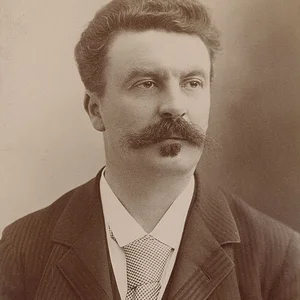
Guy de Maupassant
1850 — 1893
French writer and journalist (1850-1893), Maupassant is one of the masters of the realist short story of the 19th century. A student of Flaubert, he wrote hundreds of tales and short stories characterized by their spare style and critical view of society.
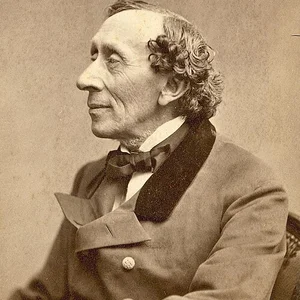
Hans Christian Andersen
1805 — 1875
Danish writer (1805-1875) world-renowned for his fairy tales. Creator of timeless stories such as The Little Mermaid and The Ugly Duckling, blending poetry, moral lessons, and fantastical imagination.
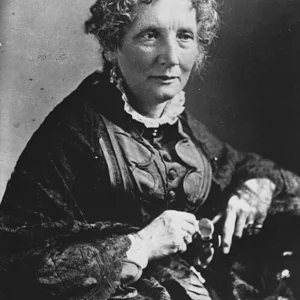
Harriet Beecher Stowe
1811 — 1896
An American novelist and abolitionist activist, she was the author of “Uncle Tom's Cabin” (1852), a novel denouncing slavery that had a worldwide impact. Her work helped to mobilize public opinion against slavery in the United States.
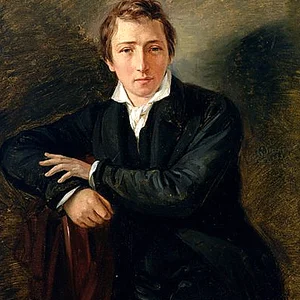
Heinrich Heine
1797 — 1856
Heinrich Heine (1797–1856) is one of the greatest German Romantic poets. Exiled to Paris in 1831, he became a bridge between French and German cultures. His work blends lyricism, irony, and political engagement.
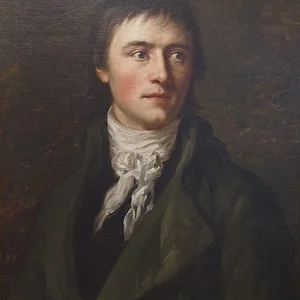
Heinrich von Kleist
1777 — 1811
Heinrich von Kleist (1777-1811) was a German writer, the author of plays, tales, and short stories. A singular figure between Classicism and Romanticism, he is famous for his tragedies and his tautly plotted short stories, before taking his own life at the age of 34.
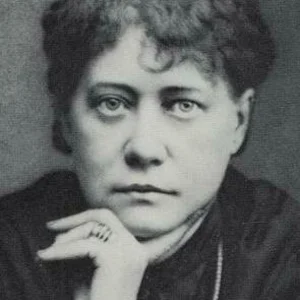
Helena Blavatsky
1831 — 1891
Helena Blavatsky (1831-1891) was a Russian occultist, philosopher, and writer who co-founded the Theosophical Society in 1875. A tireless traveler, she synthesized Eastern spiritualities and Western esotericism in her major works.
Henriette Dorothea Wild
Henriette Dorothea Wild, known as Dortchen, was a German storyteller who passed on numerous folk tales to the Brothers Grimm. First a neighbour and later the wife of Wilhelm Grimm, she was among their principal sources.
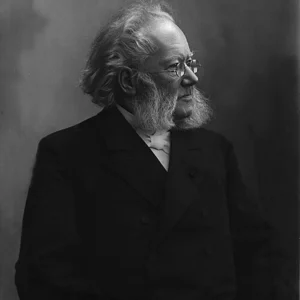
Henrik Ibsen
1828 — 1906
Henrik Ibsen (1828-1906) was a Norwegian playwright and poet, considered the father of modern theatre. His realist plays explore social hypocrisies and the condition of women, notably in A Doll's House.
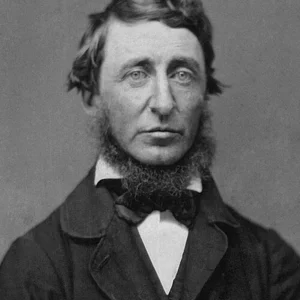
Henry David Thoreau
1817 — 1862
American writer, philosopher, and naturalist, a figure of transcendentalism. He is famous for *Walden; or, Life in the Woods*, an account of his experience of solitary living in close contact with nature, and for his essay *Civil Disobedience*, a plea for individual resistance to the injustice of the State.
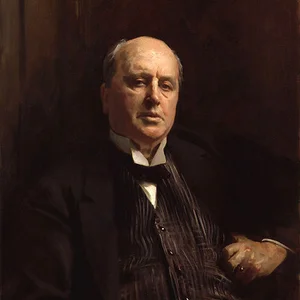
Henry James
1843 — 1916
Henry James (1843-1916) was an American writer who became a naturalized British citizen in 1915. A master of the psychological novel, he explored the relationship between the European Old World and the American New World. He is the author of the celebrated novel The Portrait of a Lady (1881).
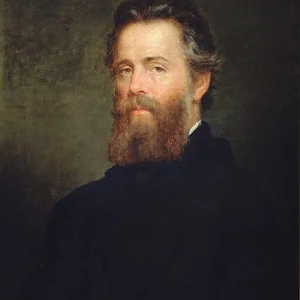
Herman Melville
1819 — 1891
Herman Melville (1819-1891) was an American novelist, short-story writer, and poet. Author of Moby-Dick, a masterpiece of world literature, he drew on his experience as a sailor to explore obsession, evil, and the human condition.
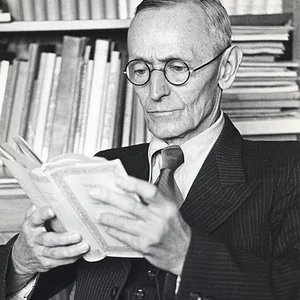
Hermann Hesse
1877 — 1962
Hermann Hesse (1877-1962) was a German-born Swiss writer and poet, awarded the Nobel Prize in Literature in 1946. His work, marked by spiritual quest and introspection, blends Eastern influences and psychoanalysis in novels such as “Siddhartha,” “Steppenwolf,” and “The Glass Bead Game.”
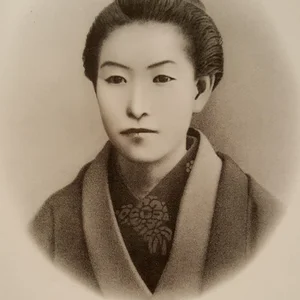
Higuchi Ichiyō
Japanese novelist and poet of the Meiji era (1872–1896), considered one of the greatest writers of modern Japan. Author of major short stories such as Takekurabe, she was the first woman to appear on a Japanese banknote (5,000 yen).
Hippolyte Fauche
1797 — 1869
A French Orientalist and Sanskritist of the 19th century, Hippolyte Fauche was the first to produce a complete French translation of the Mahabharata. His monumental work opened Indian epic literature to French-speaking audiences.
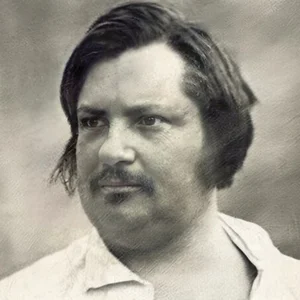
Honoré de Balzac
1799 — 1850
French novelist (1799–1850) and founder of literary realism. He created The Human Comedy, a vast novelistic panorama of French society in the 19th century, comprising more than 90 interconnected works.
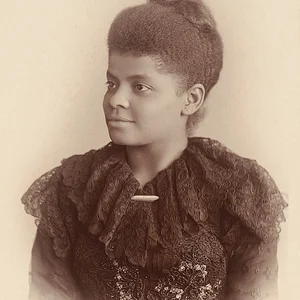
Ida B. Wells
1862 — 1931
African American journalist and activist born into slavery in 1862, Ida B. Wells conducted rigorous investigations into lynching in the United States and co-founded the NAACP. A pioneering figure in investigative journalism and the civil rights movement.
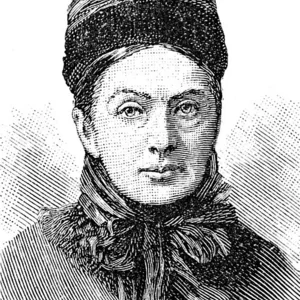
Isabella Bird
1831 — 1904
A nineteenth-century British explorer and writer, Isabella Bird was one of the first women to travel alone in Japan, China, India, Persia, and the American Rockies. She published numerous travel accounts that earned her international recognition and admission to the Royal Geographical Society.
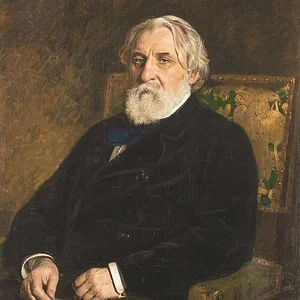
Ivan Turgenev
1818 — 1883
Ivan Turgenev was a 19th-century Russian writer, novelist, and playwright. A major figure of Russian realism, he is the author of *Fathers and Sons* and helped introduce Russian literature to Western Europe.
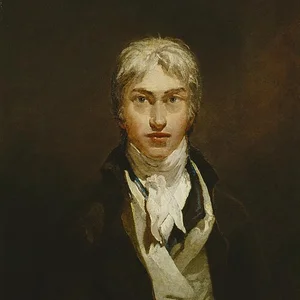
J. M. W. Turner
1775 — 1851
British painter and engraver (1775-1851), Turner is considered the master of Romantic landscape. A forerunner of Impressionism, he revolutionized the depiction of light, water, and atmosphere.
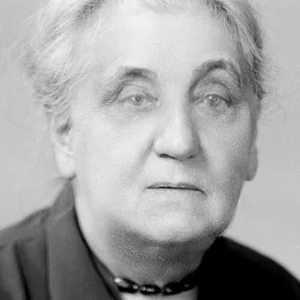
Jane Addams
1860 — 1935
An American social reformer, Jane Addams founded Hull House in Chicago in 1889, a settlement house serving immigrants and disadvantaged communities. A sociologist and committed pacifist, she was awarded the Nobel Peace Prize in 1931.
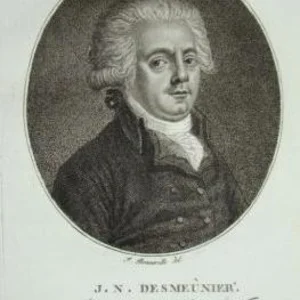
Jean-Nicolas Démeunier
1751 — 1814
French politician and writer (1751-1814), deputy to the Estates-General of 1789 and member of the National Constituent Assembly. He later became a senator under the Napoleonic First Empire.
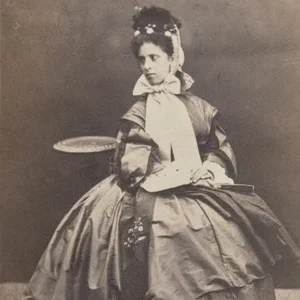
Jeanne Duval
1820 — 1868
Franco-Haitian actress and dancer, Jeanne Duval is best known as the muse and companion of Charles Baudelaire. She inspired the “Black Venus cycle” in *The Flowers of Evil*, while embodying the figure of the exoticized Black woman in the colonial imagination of the 19th century.
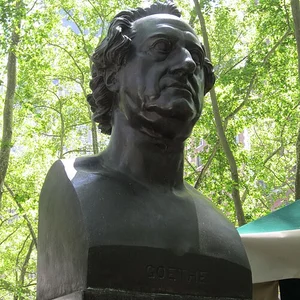
Johann Wolfgang von Goethe
German writer, poet, and scholar (1749–1832), Goethe is the author of Faust and The Sorrows of Young Werther. A central figure of the Sturm und Drang movement and later Weimar Classicism, he embodies the Enlightenment ideal of the universal man.
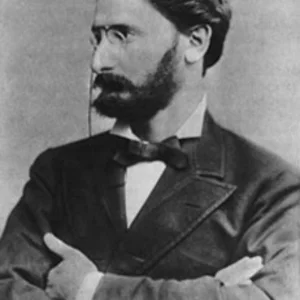
Joseph Pulitzer
1847 — 1911
American journalist and publisher of Hungarian origin (1847–1911), founder of modern journalism. He built a press empire and established the famous Pulitzer Prize, the supreme award in American journalism.
Joseph Roth
1894 — 1939
Joseph Roth (1894-1939) was an Austrian writer and journalist, a major figure in German-language literature between the wars. Author of "The Radetzky March", he celebrated the nostalgia for the vanished Austro-Hungarian Empire and denounced the rise of Nazism before dying in exile in Paris.
Joshua Slocum
1844 — 1909
Joshua Slocum (1844-1909) was a Canadian-American deep-sea captain. Between 1895 and 1898, he completed the first solo circumnavigation of the globe under sail aboard the Spray. He recounted his feat in a narrative that became a classic of maritime literature.
Jules Verne
1828 — 1905
A French writer of the 19th century, Jules Verne is considered the father of science fiction. His adventure novels blending exploration, technology, and imagination captivated generations of readers and continue to influence literature and cinema.
Kartini
1879 — 1904
Kartini (1879-1904) was a Javanese noblewoman who fought for Indonesian women's access to education under Dutch colonial rule. Her letters in Dutch, published posthumously under the title "Through Darkness into Light," inspired the Indonesian feminist movement and made her a major national figure.
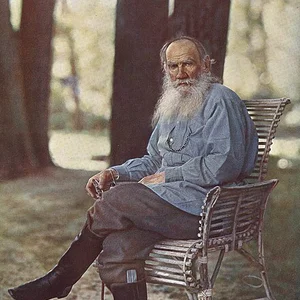
Leo Tolstoy
1828 — 1910
Russian writer, 19th - early 20th c.
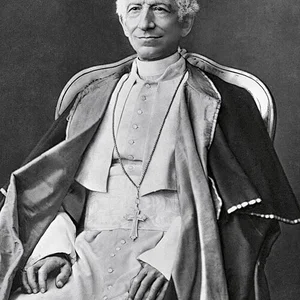
Leo XIII
1810 — 1903
Pope from 1878 to 1903, Leo XIII modernized the social doctrine of the Church with the encyclical Rerum Novarum (1891). He sought to reconcile Catholicism with the modern world and liberal democracies.
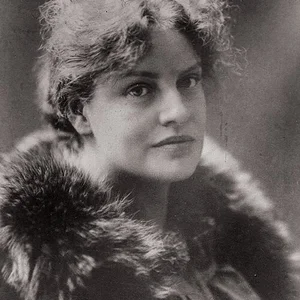
Lou Andreas-Salomé
1861 — 1937
Lou Andreas-Salomé (1861-1937) was a German-Russian writer and psychoanalyst, a major intellectual figure of the late 19th century. A close friend of Nietzsche and Rilke, she was one of the first women to practice psychoanalysis in Europe.
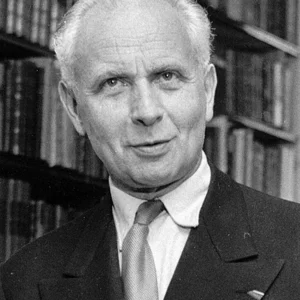
Louis Aragon
1897 — 1982
French poet and novelist (1897-1982), Louis Aragon is a major figure of committed poetry in the 20th century. A founding member of Surrealism alongside André Breton, he became one of the greatest poets of the French Resistance during the Second World War, blending lyricism with political engagement.
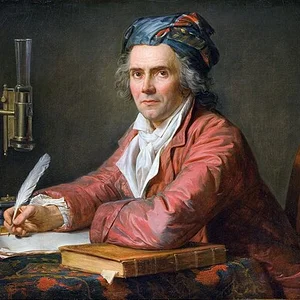
Louis Leroy
1923 — 1961
Louis Leroy (1812-1885) was a French journalist, art critic, and playwright. He is best known for having mockingly given its name to the Impressionist movement in 1874, in his review of the exhibition on the Boulevard des Capucines.
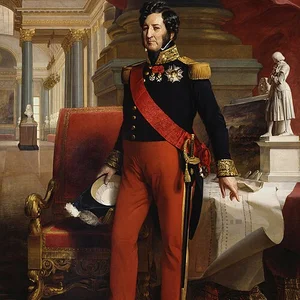
Louis-Philippe I
1773 — 1850
King of the French from 1830 to 1848, Louis-Philippe I came to power following the July Revolution. His July Monarchy embodied the triumph of the liberal bourgeoisie before being overthrown by the Revolution of 1848.
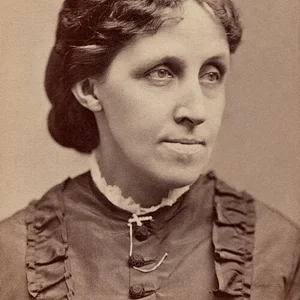
Louisa May Alcott
1832 — 1888
American novelist and short-story writer, famous for her novel *Little Women* (1868), largely inspired by her own childhood. A committed advocate for the abolition of slavery and women's rights, she served as a nurse during the Civil War.
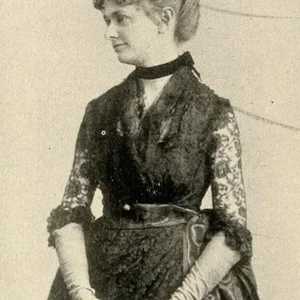
Mabel Loomis Todd
1856 — 1932
An American editor and writer, she was the first to edit and publish Emily Dickinson's poems after the poet's death, playing a decisive role in introducing one of the greatest voices in American poetry.
Malwida von Meysenbug
1816 — 1903
German writer and intellectual, a figure of feminism and the democratic ideals of 1848. After the revolution failed she emigrated, hosted a cosmopolitan salon, and was a close friend of Wagner, Nietzsche, and Romain Rolland.
Maria Edgeworth
1768 — 1849
Anglo-Irish novelist and moralist (1768–1849), pioneer of the regional novel and the novel of education. Her works, praised by Walter Scott and Jane Austen, explore morality, the education of women, and Irish society.
Marina Tsvetaeva
1892 — 1941
One of the greatest Russian poets of the 20th century, Marina Tsvetaeva was born in Moscow in 1892. Exiled in Europe after the Bolshevik Revolution, she returned to the USSR in 1939 and took her own life in 1941, leaving behind a body of lyric poetry of rare intensity.
Mark Twain
1835 — 1910
American writer, journalist, and humorist, considered one of the fathers of modern American literature. His novels, rooted in the Mississippi River valley, blend social satire, criticism of racism, and vernacular speech.
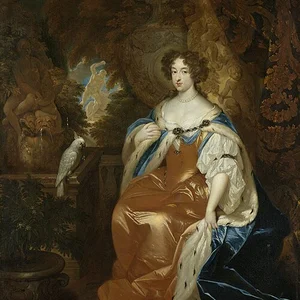
Mary Prince
1788 — 1833
Mary Prince (c. 1788 – after 1833) was an enslaved woman from Bermuda whose autobiographical narrative, published in 1831, is the first autobiography by an enslaved Black woman published in Britain. Her testimony played a decisive role in the British abolitionist movement.
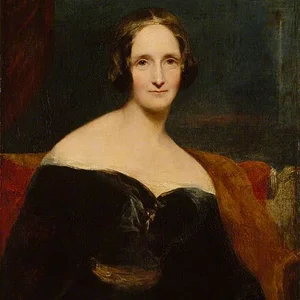
Mary Shelley
1797 — 1851
Peerage person ID=695563
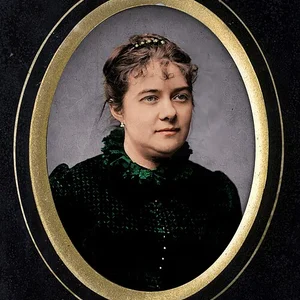
Mathilde Mauté
1853 — 1914
First wife of Paul Verlaine, whom she married in 1870 at the age of sixteen. The dedicatee of the collection La Bonne Chanson, she saw her marriage shattered by the poet's alcoholism and his affair with Arthur Rimbaud.
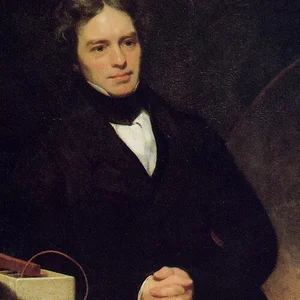
Michael Faraday
1791 — 1867
A self-taught British physicist and chemist (1791–1867), Faraday discovered electromagnetic induction and laid the foundations of modern electrical engineering. His work on electric and magnetic fields inspired Maxwell's theories.

Mwana Hashima
A Swahili poetess from the East African coast (Zanzibar or the coastal region), Mwana Hashima belongs to the rich Swahili literary tradition with its strong Islamic imprint. Her poetic work in the Swahili language reflects Sufi spirituality and the moral values of coastal society.
Mwana Kupona
1810 — 1860
A 19th-century Swahili poet born on the island of Pate (present-day Kenya), belonging to the Swahili culture of the East African coast. She is the author of the celebrated Utendi wa Mwana Kupona, a long didactic poem composed around 1858 for her daughter, first transmitted orally and later written down.
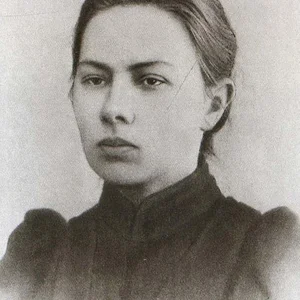
Nadezhda Krupskaya
1869 — 1939
Russian revolutionary and educator (1869–1939), wife of Lenin and Bolshevik activist. She played a central role in Soviet educational policy after 1917, particularly in mass literacy campaigns and the reform of public schooling.
Nana Asma'u
1793 — 1864
Princess, poet, and Fulani scholar of the Sokoto Caliphate (present-day Nigeria), daughter of reformer Usman dan Fodio. She wrote in Arabic, Fulfulde, and Hausa, and founded a network of traveling female teachers to educate rural women. A major figure of West African Islam in the 19th century.
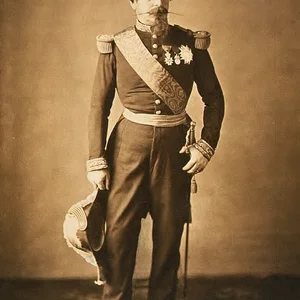
Napoleon III
1808 — 1873
Nephew of Napoleon I, he was elected President of the Republic in 1848, then seized power through a coup d'état on December 2, 1851, before proclaiming the Second Empire. His reign profoundly transformed France: the modernization of Paris under Haussmann, industrial and railway expansion — until the defeat at Sedan in 1870.
Natalia Goncharova
1881 — 1962
Natalia Goncharova was one of the great figures of the Russian avant-garde in the early 20th century. A painter, draftswoman, and creator of sets and costumes for Diaghilev's Ballets Russes, she blended Russian folk art, icons, and Cubo-Futurist innovations before settling in Paris.
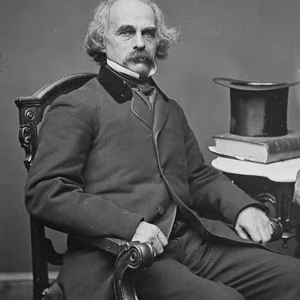
Nathaniel Hawthorne
1804 — 1864
Nathaniel Hawthorne (1804-1864) was an American novelist and short-story writer, a major figure of dark romanticism. He explores guilt, sin, and the Puritan legacy of New England in a psychological and allegorical body of work.
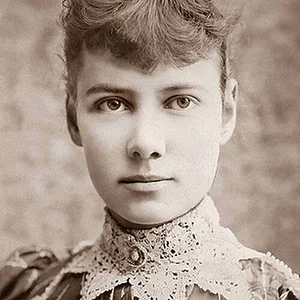
Nellie Bly
1864 — 1922
A pioneering American journalist, Nellie Bly made her mark through undercover investigative journalism, most notably by having herself committed to a psychiatric asylum to expose its conditions. In 1889, she traveled around the world in 72 days, breaking the fictional record of Phileas Fogg.
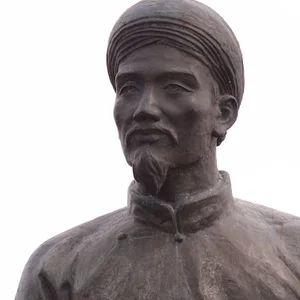
Nguyễn Du
1766 — 1820
Poet and major cultural figure of Vietnam (1766–1820), known as the "Great National Poet." Author of Truyện Kiều, a masterpiece of classical Vietnamese literature, recognized by UNESCO as a World Cultural Personality. [1]
Nikolai Gogol
1809 — 1852
Russian writer and playwright of Ukrainian origin, a major figure of 19th-century Russian literature. A master of satirical realism and the grotesque, he denounced the failings of society and of the imperial Russian administration.
Olympe Audouard
1832 — 1890
Olympe Audouard (1832–1890) was a French writer, journalist, and feminist. A tireless traveler, she journeyed through the Middle East and the United States and published accounts of her travels. She campaigned for women's rights, particularly the right to divorce and access to education.
Oscar Wilde
1854 — 1900
A 19th-century Irish writer, Oscar Wilde is the author of major witty comedies and symbolist novels. An iconic figure of the Aesthetic movement, he left a lasting mark on English literature through his brilliant style, biting irony, and celebrated plays.
Paul Éluard
1895 — 1952
French poet (1895-1952), a major figure of Surrealism and committed poetry. Author of 'Liberty' (1942), he joined the Resistance during World War II and became a symbol of militant poetry against oppression.
Paul Verlaine
1844 — 1896
A major French poet of the 19th century (1844–1896), Paul Verlaine is one of the central figures of Symbolism. Author of Poèmes saturniens and other groundbreaking collections, he revolutionized French poetry through his musicality and exploration of intimate emotional states.
Raden Ajeng Kartini
1879 — 1904
Raden Ajeng Kartini is a Javanese aristocrat from the Dutch East Indies who became a pioneer of women's emancipation in Southeast Asia. Through her letters to Dutch correspondents, she denounced the condition of women in colonial society and advocated for their access to education. Dying at age 25, she remains a national symbol in Indonesia.
Ralph Waldo Emerson
1803 — 1882
American philosopher, essayist, and poet (1803-1882), a central figure of transcendentalism. He championed self-reliance, intuition, and the spiritual bond between humanity and nature, leaving a lasting mark on American thought.
Richard Wagner
1813 — 1883
German composer (1813–1883), Wagner revolutionized opera by creating the concept of the total work of art (Gesamtkunstwerk). His music dramas, including the Ring Cycle and Tristan und Isolde, remain towering monuments of Romanticism.
Sarah Winnemucca
1844 — 1891
A Paiute activist and author from Nevada, Sarah Winnemucca defended the rights of her Native American people in the face of American colonization. In 1883, she became the first Native American woman to publish a book in English, a major testimony on the condition of Indigenous nations.
Selma Lagerlöf
1858 — 1940
Selma Lagerlöf (1858-1940) was the first woman to receive the Nobel Prize in Literature, awarded in 1909. This Swedish author is best known for her novel 'The Wonderful Adventures of Nils', which has become a worldwide classic of children's literature.
Sequoyah
1770 — 1843
Sequoyah was a Cherokee silversmith and scholar, famous for single-handedly inventing the Cherokee syllabary around 1821. He is the only individual known in history to have created a writing system entirely from scratch without being literate himself beforehand.

Sido
1835 — 1912
Sido (1835-1912) was the mother of the novelist Colette, who dedicated a celebrated autobiographical book to her published in 1930. An idealized maternal figure, she embodies the free-spirited woman, close to nature and to rural life in Burgundy.
Søren Kierkegaard
1813 — 1855
Danish philosopher and theologian (1813-1855), regarded as the father of existentialism. A critic of the Hegelian system and of institutional Christianity, he placed individual existence, choice, and faith at the heart of his thought.
Stéphane Mallarmé
1842 — 1898
Stéphane Mallarmé (1842-1898) was a French poet and a major figure of Symbolism. An English teacher by profession, he transformed poetic language through his pursuit of suggestion and purity, paving the way for modern poetry.
Teresa Guiccioli
1800 — 1873
Italian countess born in 1800, Teresa Guiccioli is best known for being the last great love of Lord Byron, with whom she shared a celebrated affair from 1819 to 1823. After the poet's death, she dedicated a memorial work to him, “Lord Byron Judged by the Witnesses of His Life” (1868), a precious testament to European Romanticism.
Theodor Fontane
1819 — 1898
Theodor Fontane was a German writer and a major figure of poetic realism. A pharmacist who became a journalist and then a novelist, he is the author of *Effi Briest*, one of the great novels of nineteenth-century German literature.
Théophile Gautier
1811 — 1872
French writer and critic (1811-1872), founder of the doctrine of art for art's sake, which champions the independence of art from moral and social concerns. Author of novels, poetry, and art criticism, he left a lasting mark on the 19th century through his commitment to formal beauty and aestheticism.
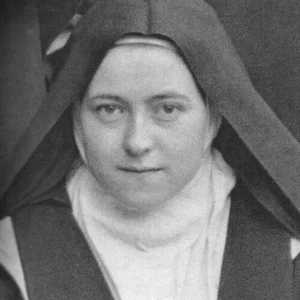
Thérèse of Lisieux
1873 — 1897
A French Carmelite nun who entered the Carmel of Lisieux at age 15, she developed a spirituality known as the 'Little Way,' accessible to everyone. Author of Story of a Soul, she was canonized in 1925 and declared a Doctor of the Church in 1997.
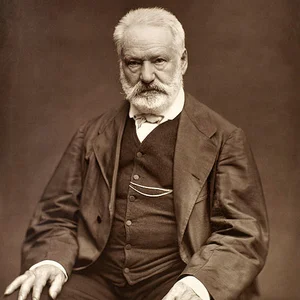
Victor Hugo
1802 — 1885
A major French writer of the 19th century, Victor Hugo (1802–1885) is the author of iconic novels such as Les Misérables and The Hunchback of Notre-Dame. Poet, playwright, and committed politician, he championed the rights of the poor and fought against the death penalty.
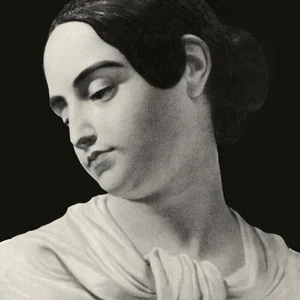
Virginia Clemm
Wife and first cousin of Edgar Allan Poe, Virginia Clemm married him at the age of 13 in 1835. Her beauty, gentleness, and premature death from tuberculosis at 24 profoundly inspired Poe's poetic work.
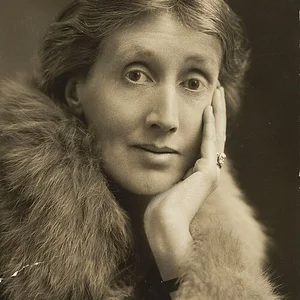
Virginia Woolf
1882 — 1941
British author (1882–1941), Virginia Woolf is one of the most important figures in 20th-century modernist literature. Author of Mrs Dalloway and Orlando, she revolutionized the novel through her use of stream of consciousness and her pioneering reflections on feminism and the condition of women.
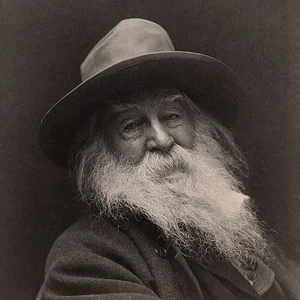
Walt Whitman
1819 — 1892
American poet, journalist, and essayist (1819-1892), regarded as the father of modern poetry in the United States. His collection *Leaves of Grass*, with its groundbreaking free verse, celebrates democracy, the body, and nature.
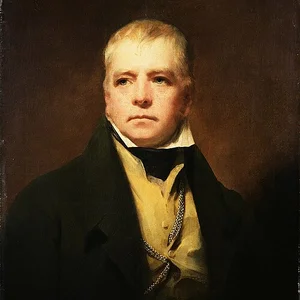
Walter Scott
1771 — 1832
Scottish writer and poet (1771–1832), Walter Scott is the father of the modern historical novel. Works such as *Ivanhoe* and *Waverley* popularized the Romantic vision of the Middle Ages across Europe.
20th Century(239)
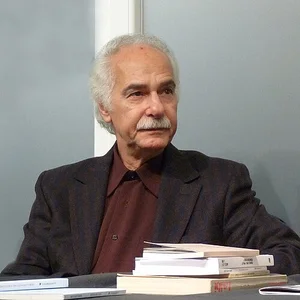
Abdellatif Laâbi
1942 — ?
Moroccan poet, novelist and translator born in 1942 in Fez. Founder of the journal Souffles and a major figure of French-language Moroccan literature, he was imprisoned for his ideas before receiving the Prix Goncourt for poetry in 2009.
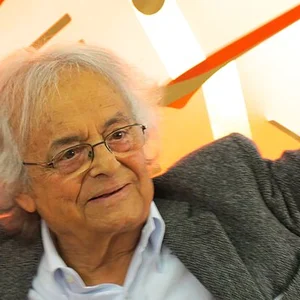
Adonis
1930 — ?
Adonis is a Syrian-Lebanese poet and literary critic writing in Arabic, born in 1930. A major figure of Arab poetic modernity, he profoundly renewed the language and forms of contemporary Arabic poetry.
Adrienne Rich
1929 — 2012
American poet and essayist (1929-2012), a major figure of literary feminism. Her work explores female identity, sexuality, and political commitment. She received the National Book Award in 1974 for “Diving into the Wreck”.
Ahmadou Kourouma
1927 — 2003
Ahmadou Kourouma was an Ivorian writer and a major figure of French-language African literature. His work denounces post-colonial dictatorships and the violence of contemporary Africa by reinventing the French language through contact with Malinke.
Aimé Césaire
1913 — 2008
Martinican writer, poet and politician (1913-2008), founder of the Négritude movement. He served as mayor of Fort-de-France and deputy of Martinique, combining literary commitment with political action to defend the rights of colonized peoples.
Aimé Pallière
1868 — 1949
Aimé Pallière (1868-1949) was a French writer and lecturer, first destined for the Catholic priesthood before drawing closer to Judaism. Having become a figure of the Noahide movement, he worked toward dialogue between Christianity and Judaism while remaining unconverted.
Albert Camus
1913 — 1960
French writer, philosopher, and journalist (1913–1960), Albert Camus is one of the major figures of 20th-century literature. Author of The Stranger and The Plague, he developed a philosophy of the absurd and received the Nobel Prize in Literature in 1957.
Aleksandr Solzhenitsyn
1918 — 2008
Russian writer and dissident, a former Gulag prisoner. His work denounces the Soviet prison-camp system and totalitarianism. Winner of the 1970 Nobel Prize in Literature, he was expelled from the USSR in 1974 before returning in 1994.
Aminata Sow Fall
1941 — ?
Aminata Sow Fall (born in 1941) is a pioneering Senegalese novelist of Francophone African literature. Her novel La Grève des Bàttu (1979) brought her international recognition and explores social inequalities in postcolonial Africa.
André Breton
1896 — 1966
French poet and writer (1896–1966), co-founder and theorist of Surrealism. He authored the Manifestoes of Surrealism and gathered around him a generation of revolutionary artists and writers.
André Gide
1869 — 1951
French writer, a major figure of 20th-century literature and co-founder of La Nouvelle Revue française. His work explores sincerity, morality, and individual emancipation. He received the Nobel Prize in Literature in 1947.
André Malraux
1901 — 1976
French novelist, Resistance fighter, and statesman (1901–1976). Author of La Condition humaine, he served as Minister of Cultural Affairs under General de Gaulle from 1959 to 1969 and was a theorist of art.
Andrea Dworkin
1946 — 2005
A radical American feminist (1946–2005), Andrea Dworkin is known for her theoretical work on pornography, violence against women, and patriarchy. A prolific activist and essayist, she profoundly shaped the feminist movement of the 1970s–1990s.
Angela Davis
1944 — ?
African-American civil rights activist, philosopher, and university professor born in 1944 in Birmingham, Alabama. An iconic figure of the Black Power movement and intersectional feminism, she was imprisoned in 1970 before being acquitted. She remains a leading voice against systemic racism and social inequality.
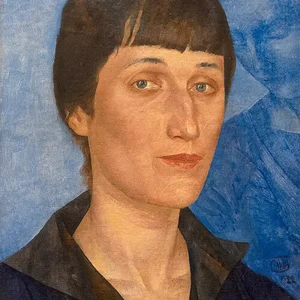
Anna Akhmatova
1889 — 1966
Major Russian poet of the 20th century and a leading figure of Acmeism. Her work *Requiem* bears witness to Stalinist persecution and the suffering of the Soviet people. She resisted Soviet censorship throughout her life.
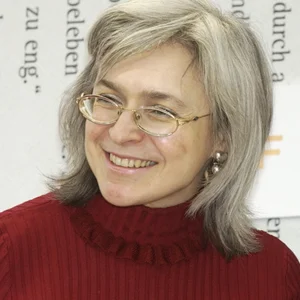
Anna Politkovskaya
1958 — 2006
Russian journalist and activist, Anna Politkovskaya distinguished herself through her courageous reporting on the Chechen wars and human rights abuses under Putin. Assassinated in Moscow in 2006, she became a symbol of press freedom and resistance against authoritarian regimes.
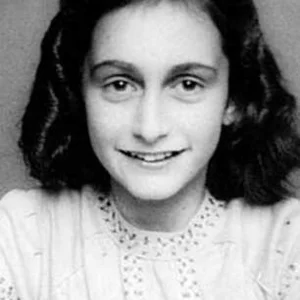
Anne Frank
1929 — 1945
Anne Frank (1929-1945) was a young Dutch-Jewish girl whose diary, written in hiding during the Nazi occupation, became a poignant testimony of the Holocaust. She died in deportation at Bergen-Belsen, and her work remains a major source for understanding persecution and humanity in the face of horror.
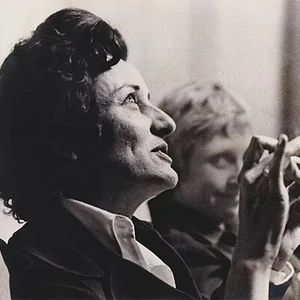
Anne Sexton
1928 — 1974
A leading American poet of the confessional movement, Anne Sexton explored depression, death, and the female condition in her work with a devastating autobiographical intensity. Winner of the Pulitzer Prize for Poetry in 1967 for *Live or Die*, she remains an essential figure in twentieth-century American literature.
Annie Ernaux
1940 — ?
French writer born in 1940, Annie Ernaux is known for her innovative approach to autofiction and auto-sociobiography. Her major work, A Man's Place (1983), traces her father's story and social journey, marking a turning point in contemporary French literature.
Antoine de Saint-Exupéry
1900 — 1944
French writer and aviator (1900–1944), Antoine de Saint-Exupéry left a lasting mark on 20th-century literature through his poetic and philosophical works. Author of the celebrated The Little Prince, he also explored themes of commitment, friendship, and self-transcendence through his tales of aerial adventure.
Antonin Artaud
1896 — 1948
Antonin Artaud (1896-1948) was a French poet, actor, and theatre theorist. The inventor of the “Theatre of Cruelty,” he profoundly reshaped how the stage was conceived in the 20th century, all while leading a life marked by illness and psychiatric confinement.
Antonio Machado
1875 — 1939
Antonio Machado was a Spanish poet born in Seville in 1875 and who died in exile in Collioure in 1939. A major figure of the Generation of '98, he celebrated the landscapes of Castile and the memory of Spain before fleeing Francoism.
Arthur Miller
1915 — 2005
Arthur Miller (1915-2005) was a major American playwright of the 20th century. The author of *Death of a Salesman* and *The Crucible*, he turned theater into a critical mirror of American society and its excesses.
Arundhati Roy
1961 — ?
Arundhati Roy is an Indian novelist, essayist, and activist born in 1961. Her novel The God of Small Things (1997) won the Booker Prize. She is a vocal advocate against nuclear weapons, dam construction, and social inequality in India.
Assia Djebar
1936 — 2015
Assia Djebar, whose real name was Fatima-Zohra Imalayen, was an Algerian novelist and filmmaker who wrote in French. A pioneer of North African women's literature, she gave voice to Algerian women through a body of work blending memory, History, and feminism. In 2005, she became the first North African woman elected to the Académie française.
Assis Chateaubriand
1892 — 1968
Assis Chateaubriand (1892-1968) was a Brazilian journalist, entrepreneur, and patron of the arts, founder of the largest media empire in Latin America in the 20th century. He created the Diários Associados, a network of newspapers, radio stations, and television channels, and introduced television to Brazil in 1950.
Audre Lorde
1934 — 1992
Audre Lorde (1934-1992) was an American poet, essayist, and activist, a leading figure in Black feminism and the civil rights struggle. She theorized intersectionality before the term existed, championing the rights of Black women, LGBT people, and the oppressed.
Ayn Rand
1905 — 1982
An American philosopher, novelist, and screenwriter of Russian origin, Ayn Rand is the founder of Objectivism, a philosophy championing reason, individualism, and capitalism. Her bestselling novels, including 'The Fountainhead' and 'Atlas Shrugged,' have had a lasting influence on American libertarian thought.
Ayumi Hamasaki
1978 — ?
Ayumi Hamasaki is a Japanese singer, songwriter, and pop icon born in 1978 in Fukuoka. Nicknamed the "Empress of Pop" in Japan, she is one of the best-selling female artists in the history of Japanese music.
bell hooks
1952 — 2021
An American intellectual, writer, and feminist activist, bell hooks dedicated her life to analyzing the connections between race, gender, and class. The author of more than thirty books, she profoundly reshaped feminist thought by centering the experiences of Black women.
Ben Okri
1959 — ?
Ben Okri is a Nigerian writer and poet born in 1959. A major figure in contemporary African literature, he is known worldwide for his novel *The Famished Road*, which won him the Booker Prize in 1991.
Benoîte Groult
1920 — 2016
French writer and journalist (1920-2016), a major figure of feminism in France. Author of *Ainsi soit-elle* (1975), she campaigned throughout her life for women's rights and gender equality.
Bernard Moitessier
1925 — 1994
French sailor and writer (1925-1994), an iconic figure of solo sailing. Competing in the first non-stop round-the-world race in 1968, he gave up the chance of victory to keep sailing on toward the Pacific, becoming a symbol of the inner quest and of humanity's relationship with the sea.
Bernhard Schlink
1944 — ?
Bernhard Schlink (born in 1944) is a German jurist and writer, world-renowned for his novel The Reader (*Der Vorleser*, 1995), translated into more than 50 languages. His work explores guilt, memory, and the moral legacy of Nazism.
Bertolt Brecht
1898 — 1956
Bertolt Brecht was a 20th-century German playwright, director, and poet. A theorist of *epic theatre* and of the distancing effect, he profoundly renewed dramatic art and tied his work to a Marxist political commitment.
Betty Friedan
1921 — 2006
American essayist and feminist activist (1921–2006), Betty Friedan transformed society with her book The Feminine Mystique (1963), which ignited the second wave of feminism in the United States. Co-founder of the National Organization for Women (NOW), she fought for equal rights for women.
Beyoncé
1981 — ?
Beyoncé is an American singer, songwriter, and producer born in 1981 in Houston, Texas. A former member of Destiny's Child, she became one of the most influential solo artists of the 21st century, blending R&B, pop, and hip-hop.
Bob Dylan
1941 — ?
American singer-songwriter born in 1941, a major figure in 20th-century folk and rock music. His socially engaged songs became anthems of the civil rights and anti-war movements. He received the Nobel Prize in Literature in 2016.
Boris Pasternak
1890 — 1960
A Soviet Russian writer and poet, Boris Pasternak is the author of the novel *Doctor Zhivago*, a sweeping portrait of Russia swept up in the 1917 revolution and the civil war. Awarded the Nobel Prize in Literature in 1958, he was forced by the Soviet authorities to decline it.
Boris Vian
1920 — 1959
French writer, musician, and artist (1920–1959), an iconic figure of Saint-Germain-des-Prés. Author of Froth on the Daydream, he embodied the spirit of the postwar generation, blending jazz, literature, and provocation.
Brigitte Bardot
1934 — 2025
French actress, model, and singer, Brigitte Bardot became a global symbol of femininity and freedom during the 1950s and 1960s. An icon of the French New Wave and popular culture, she retired from cinema in 1973 to dedicate herself to animal rights activism.
Cami
Pierre Henri Cami (1884-1958) was a French writer, humorist and cartoonist, a master of the absurd and of nonsense. A prolific author of stories, parodies and comic plays, he was hailed by Charlie Chaplin as “the greatest humorist in the world”.
Camilo José Cela
1916 — 2002
A major Spanish writer of the 20th century, winner of the Nobel Prize in Literature in 1989. A key figure in the revival of the Spanish post-war novel, he is the author of “The Family of Pascual Duarte” and “The Hive.”
Carl Sagan
1934 — 1996
American astronomer and astrophysicist (1934–1996), Carl Sagan is celebrated for bringing science to the general public. His television series *Cosmos* (1980) reached hundreds of millions of viewers worldwide.
Carlos Fuentes
1928 — 2012
Carlos Fuentes (1928-2012) was a Mexican novelist, essayist, and diplomat, a major figure of the Latin American literary “boom.” His work examines Mexican identity and the legacy of the conquest through modern, richly layered writing.
Carson McCullers
1917 — 1967
American novelist from the Deep South (1917–1967), Carson McCullers explores loneliness, marginality, and the longing to belong. Her first novel, *The Heart Is a Lonely Hunter* (1940), introduced her to the literary world at just 23.
Caryl Churchill
1938 — ?
British playwright born in 1938, a major figure of feminist and political theatre. Her plays such as “Top Girls” (1982) and “Cloud Nine” (1979) deconstruct gender, capitalism, and power relations. Associated with the Royal Court Theatre in London, she has profoundly renewed contemporary dramatic forms.
Cesare Pavese
1908 — 1950
Cesare Pavese was an Italian writer, poet, and translator, a major figure in 20th-century literature. Author of novels and poems marked by solitude and fate, he was also a great translator of American literature. He took his own life in 1950, shortly after receiving the Strega Prize.
Charb
1967 — 2015
Charb (1967-2015) was a French political cartoonist and satirical journalist, publishing director of Charlie Hebdo. A defender of freedom of expression and secularism, he was murdered on 7 January 2015 during the attack on the newspaper.
Charles Péguy
1873 — 1914
French writer, poet, and essayist (1873–1914), founder of the Cahiers de la Quinzaine. A committed Dreyfusard, he evolved from socialism toward a fervent mystical Catholicism. Mobilized in 1914, he was killed at the Battle of the Marne on September 5, becoming an emblematic figure of the intellectuals who died for France.
Cheikh Anta Diop
1923 — 1986
Senegalese historian, anthropologist, and physicist (1923-1986). He championed the precedence of Black African civilizations and the African origin of ancient Egypt, leaving a lasting mark on historiography and Pan-Africanism.
Chingiz Aitmatov
1928 — 2008
Chingiz Aitmatov (1928-2008) was a Kyrgyz writer who wrote in both Kyrgyz and Russian, a major figure of Soviet literature. His novels blend realism, ancestral legends, and social criticism, celebrating the nomadic culture of Central Asia.
Chinua Achebe
1930 — 2013
Chinua Achebe was a Nigerian novelist, poet and critic, a major figure of African literature in English. His novel *Things Fall Apart* (1958) is regarded as the founding work of the modern African novel.
Clare Francis
1946 — ?
British sailor born in 1946, famous for her solo Atlantic crossings in the 1970s. After her sporting career, she became a successful novelist, notably in the thriller and saga genres.
Clarice Lispector
1920 — 1977
Clarice Lispector, born in Ukraine and raised in Brazil, is one of the greatest Portuguese-language writers of the 20th century. Her work, deeply introspective, renews Brazilian prose through a unique poetic and philosophical style.
Constantine Cavafy
1863 — 1933
Constantine Cavafy was a Greek poet born and died in Alexandria, Egypt. Regarded as one of the major figures of modern Greek poetry, he blended references to Hellenistic antiquity, meditations on time, and intimate evocations. His work, long known only to a small circle, was not fully recognized until after his death.

Consuelo Suncín
A Salvadoran writer and sculptor, Consuelo Suncín is best known as the wife of Antoine de Saint-Exupéry. A woman of letters and an artist, she inspired the character of the Rose in *The Little Prince*.

Copi
1939 — 1987
Copi (1939-1987) was an Argentine writer, playwright, and cartoonist who worked in French. A figure of the Parisian avant-garde, he blended ferocious humor, provocation, and theatre of the absurd.
Daphne du Maurier
1907 — 1989
Daphne du Maurier (1907-1989) was a British novelist and short-story writer. A mistress of psychological suspense and gothic atmosphere, she is famous for stories such as “Rebecca” and “The Birds,” several of which were brought to the screen by Alfred Hitchcock.
David Unaipon
1872 — 1967
David Unaipon, son of a Ngarrindjeri preacher, was the first Indigenous Australian to publish a literary work and to file invention patents. Nicknamed the 'Australian Leonardo da Vinci', he notably designed a mechanical shearing handpiece and worked on flight prototypes inspired by the boomerang. His portrait has appeared on the Australian $50 note since 1995.

Djibril Tamsir Niane
1932 — 2021
Senegalese-Guinean writer and historian (1932–2021), Djibril Tamsir Niane is celebrated for collecting and transcribing the epic of Sundiata Keita. His major work, Sundiata: An Epic of Old Mali (1960), helped bring recognition to African oral traditions.
Doris Lessing
1919 — 2013
Doris Lessing (1919-2013) was a British novelist born in Persia and raised in Southern Rhodesia. A major figure of 20th-century literature, she is best known for The Golden Notebook. She was awarded the Nobel Prize in Literature in 2007.
Edward Albee
1928 — 2016
Major American playwright of the 20th century, a leading figure of the theatre of the absurd in the United States. He made his mark in 1962 with *Who's Afraid of Virginia Woolf?* and won the Pulitzer Prize for Drama three times.
Edward Said
1935 — 2003
Edward Said (1935-2003) was a Palestinian-American academic, literary theorist, and critic. A professor at Columbia University, he was one of the founders of postcolonial studies with his major work *Orientalism* (1978). He was also an influential spokesman for the Palestinian cause.
Eileen Chang
1920 — 1995
Chinese novelist born in Shanghai in 1920, Eileen Chang is considered one of the greatest voices in modern Chinese literature. Her works explore with remarkable subtlety the romantic relationships and Shanghainese society of the first half of the twentieth century.
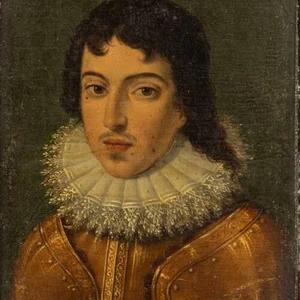
Elisabeth Burgos
French-Venezuelan anthropologist and ethnologist. In 1982, in Paris, she gathered the testimony of the Guatemalan activist Rigoberta Menchú, giving rise to the book “I, Rigoberta Menchú,” a landmark work of Latin American testimonial literature.
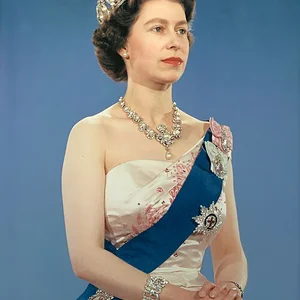
Elizabeth II
1926 — 2022
Queen of the United Kingdom from 1952 to 2022, Elizabeth II was the longest-reigning monarch in British history. She embodied the stability of constitutional monarchy through decolonisation, the Cold War, and globalisation.
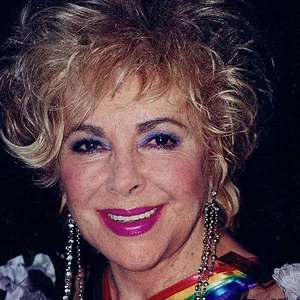
Elizabeth Taylor
1932 — 2011
Elizabeth Taylor (1932–2011) was a British-American actress widely regarded as one of Hollywood's greatest stars. A child prodigy who rose to fame early, she excelled in major roles of classic cinema and became a global symbol of glamour and the Hollywood star system. She was also a pioneering activist in the fight against AIDS from the 1980s onward.
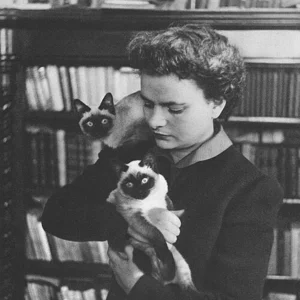
Elsa Morante
1912 — 1985
A major Italian novelist of the 20th century, Elsa Morante is known for her powerful works blending realism with a mythic dimension. Her novel *La Storia* (1974) paints a moving portrait of the Second World War through the eyes of ordinary people.
Elsa Triolet
1896 — 1970
Elsa Triolet (1896–1970) was a French novelist of Russian origin, partner of the poet Louis Aragon. The first woman to receive the Prix Goncourt, in 1945 for her short story collection 'A Fine of Two Hundred Francs', she was also a committed figure in the Resistance and the Communist movement.
Ernest Hemingway
1899 — 1961
American writer and journalist, a major figure of 20th-century literature. A master of a spare, stripped-down style, he left his mark on the modern novel and received the Nobel Prize in Literature in 1954.
Etty Hillesum
1914 — 1943
Etty Hillesum was a young Dutch Jewish woman whose diary, written between 1941 and 1943, bears witness to a profound inner life in the face of Nazi persecution. Working as a social worker at the Westerbork transit camp, she refused to flee and chose to share the fate of her people. She was deported to Auschwitz, where she died in November 1943 at the age of 29.
Eudora Welty
1909 — 2001
Eudora Welty (1909-2001) was an American novelist and short story writer, a major figure in the literature of the American South. Her work depicts daily life in Mississippi with great subtlety. She received the Pulitzer Prize in 1973.
Eugène Ionesco
1909 — 1994
Franco-Romanian playwright (1909–1994), Eugène Ionesco is one of the founders of the Theatre of the Absurd. His plays, marked by humor, absurdity, and a critique of mass society, revolutionized contemporary theatre.
Eugene O'Neill
1888 — 1953
American playwright considered the father of modern theater in the United States. The first American dramatist to receive the Nobel Prize in Literature, in 1936, he brought realism and psychological tragedy to the American stage.
Ezra Pound
1885 — 1972
Ezra Pound (1885-1972) was an American poet and critic, a major figure of English-language literary modernism. A driving force behind Imagism, he influenced an entire generation of writers and left behind a monumental, unfinished work, the Cantos.
F. Scott Fitzgerald
1896 — 1940
American writer (1896-1940), a major figure of 20th-century literature. A chronicler of the Roaring Twenties, he embodies and critiques the American Dream in novels such as The Great Gatsby.
Federico García Lorca
1898 — 1936
Spanish poet and playwright, a major figure of the Generation of '27. Author of the Romancero gitano and rural tragedies such as Blood Wedding, he was assassinated in 1936 at the start of the Spanish Civil War.
Fernando Pessoa
1888 — 1935
Fernando Pessoa (1888-1935) was a Portuguese writer and poet, a major figure of modernist literature. He is famous for his heteronyms, fictional author identities each endowed with its own style and biography.
Flannery O'Connor
1925 — 1964
American novelist and short story writer (1925–1964), a major figure of Southern Gothic literature. Her work blends the grotesque, violence, and divine grace in the American Deep South.
Forough Farrokhzad
1935 — 1967
Iranian poet and filmmaker, a major figure of modern Persian poetry. Through intimate and bold writing about desire and the condition of women, she upended the literary conventions of her country. Her death in a car accident at the age of 32 made her an icon.
François Cavanna
1923 — 2014
François Cavanna (1923-2014) was a French writer, journalist, and humorous cartoonist. Co-founder of the satirical newspapers Hara-Kiri and later Charlie Hebdo, he is also the author of famous autobiographical works such as “Les Ritals,” about his childhood as the son of an Italian immigrant.
François Truffaut
1932 — 1984
François Truffaut (1932–1984) was one of the pioneers of the French New Wave. A critic at *Cahiers du Cinéma*, he became an iconic filmmaker with movies such as *The 400 Blows* and *Jules and Jim*.
Franz Ferdinand of Austria
1863 — 1914
Archduke and heir to the Austro-Hungarian Empire, his assassination in Sarajevo on June 28, 1914, by Gavrilo Princip triggered the First World War. A central figure in the nationalism and European tensions of the early twentieth century.
Franz Kafka
1883 — 1924
A German-language writer from Prague, a major figure of 20th-century literature. His work, marked by the absurd and by anguish in the face of oppressive systems, gave rise to the adjective “Kafkaesque.”
Fred
1983 — ?
Fred, whose real name was Othon Aristidès, was a French cartoonist and comic-strip writer of Greek descent. A poet of drawing, he was the creator of Philémon, a dreamlike and surrealist series published in Pilote, and one of the founders of the satirical magazine Hara-Kiri.
Freya Stark
1893 — 1993
Freya Stark was a British explorer and writer who travelled through the most remote regions of the Middle East in the twentieth century. The first Western woman to reach certain valleys of Arabia and Iran, she published numerous travel narratives combining scholarship and adventure. Her work helped introduce the Arab world to European readers.
Gabriel García Márquez
Colombian writer and journalist (1927-2014), a major figure of magical realism and of the Latin American literary “boom.” His novel “One Hundred Years of Solitude” (1967) earned him worldwide fame, and he received the Nobel Prize in Literature in 1982.
Gabriela Mistral
1889 — 1957
Gabriela Mistral, born Lucila Godoy Alcayaga, was a Chilean poet and diplomat. The first Latin American to receive the Nobel Prize in Literature in 1945, she devoted her work to themes of maternal love, childhood, and Latin American identity.
Gébé
1929 — 2004
Gébé (1929-2004) was a French press cartoonist, screenwriter and comic book author. A major figure of the satirical press, he was editor-in-chief of Hara-Kiri and Charlie Hebdo, and the author of the famous utopia L'An 01.
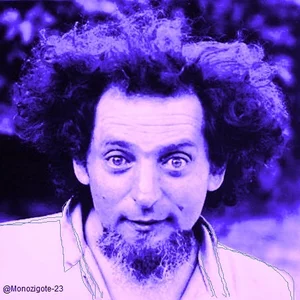
Georges Perec
1936 — 1982
Twentieth-century French writer and member of OuLiPo. A master of literary constraints, he is the author of Life: A User's Manual and A Void, a novel written entirely without the letter “e”.
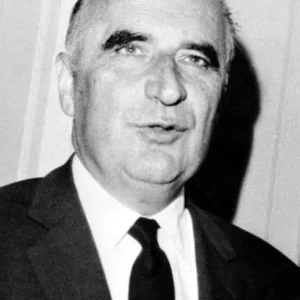
Georges Pompidou
1911 — 1974
Georges Pompidou (1911-1974) was a French statesman, Prime Minister under de Gaulle from 1962 to 1968, then the second President of the Fifth Republic from 1969 until his death. A former literature teacher, he left his mark on France through his policy of industrial modernization and his support for contemporary arts.
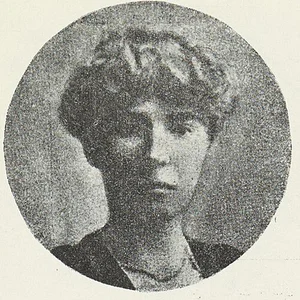
Gertrude Bell
1868 — 1926
British explorer, archaeologist, and diplomat (1868–1926), she traveled extensively across the Middle East and played a decisive role in the creation of modern Iraq after the First World War. Nicknamed “the Queen of the Desert,” she was one of the first women to exert major political influence in the region.
Gertrude Stein
1874 — 1946
An American writer and art critic living as an expatriate in Paris, Gertrude Stein was a central figure of the literary and artistic avant-gardes of the early 20th century. Her salon on the rue de Fleurus brought together Picasso, Matisse, Hemingway, and Fitzgerald.
Gloria Steinem
1934 — ?
An American journalist and feminist activist, Gloria Steinem is one of the iconic figures of the women's movement of the 1960s and 1970s. Co-founder of Ms. magazine in 1972, she dedicated her life to defending gender equality and civil rights.
Guillaume Apollinaire
1880 — 1918
French poet and writer of Polish origin, a major figure in poetic modernity of the early 20th century. Author of "Alcools" and "Calligrammes," he was also an art critic and defender of avant-garde movements such as Cubism.
Günter Grass
1953 — ?
German writer, a major figure of post-war literature. His novel *The Tin Drum* (1959) examines the memory of Nazism through the eyes of a child who refuses to grow up. Nobel Prize in Literature in 1999.
Hannah Senesh
Hungarian Jewish poet and resistance fighter. After emigrating to Mandatory Palestine, she enlisted as a paratrooper in the British army to rescue the Jews of Hungary. Captured, tortured, and executed by the Nazis in 1944, she became a national heroine in Israel.
Heinrich Böll
1917 — 1985
German writer, a major figure of post-war literature. His work, marked by a moral critique of West German society and the memory of Nazism, earned him the Nobel Prize in Literature in 1972.
Helen Keller
1880 — 1968
Deaf-blind since the age of 19 months, Helen Keller learned to communicate thanks to her teacher Anne Sullivan and became a writer and activist. She devoted her life to defending the rights of people with disabilities and women.
Hélène Dorion
1958 — ?
A Quebec poet and writer born in 1958, Hélène Dorion is a leading figure in contemporary French-Canadian poetry. Her work, marked by introspection and meditation on nature and identity, explores themes of belonging and freedom.
Henry Drewal
1943 — ?
Henry John Drewal is an American art historian, a recognized specialist in the arts of Africa and the African diaspora, particularly Yoruba art. A professor at the University of Wisconsin-Madison, he profoundly renewed the study of African visual cultures.
Hermann Broch
1886 — 1951
Hermann Broch (1886–1951) was an Austrian writer and essayist, a major figure of German-language literary modernism. Forced into exile by Nazism, he wrote novels that examine the disintegration of European civilization's values.
Hiratsuka Raichō
Japanese feminist and writer (1886–1971), founder of the literary journal Seitō ("Bluestocking") in 1911. She was a central figure in Japan's women's rights movement and campaigned throughout her life for equality and pacifism.
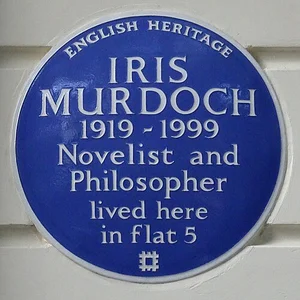
Iris Murdoch
1919 — 1999
Iris Murdoch (1919-1999) was an Irish-British philosopher and novelist, professor at Oxford, known for novels that combine moral reflection with psychological intrigue. The author of more than twenty-six novels and major philosophical works, she explores themes of love, freedom, and the Good.
Isabelle Autissier
1956 — ?
Isabelle Autissier (born in 1956) is a French sailor, the first woman to complete a solo round-the-world offshore race under sail. Trained as a fisheries engineer, she also became a writer and an advocate for ocean conservation.
Italo Calvino
1923 — 1985
Italo Calvino (1923-1985) is one of the major Italian writers of the 20th century. Author of fantastical and combinatorial tales such as “The Baron in the Trees” and “Invisible Cities”, he blended fable, science, and literary play with boundless imagination.
J.W.T. Allen
British colonial administrator and Swahili scholar, J.W.T. Allen devoted his career to the study and translation of classical Swahili literature in East Africa. He is best known for his work on Swahili epic poetry (tendi), contributing to the preservation and wider dissemination of this literary tradition.
Jacques Demy
1931 — 1990
French filmmaker (1931–1990), a major figure of the French New Wave, celebrated for his poetic musicals blending vivid colors with melancholy. Director of The Umbrellas of Cherbourg and The Young Girls of Rochefort.
James Joyce
1882 — 1941
James Joyce (1882-1941) was an Irish writer, one of the major figures of literary modernism. His novel *Ulysses* (1922), which transposes Homer's *Odyssey* into a single day in Dublin, revolutionized narrative through its stream-of-consciousness technique.
Janusz Korczak
Polish pediatrician, educator, and writer of Jewish origin, a pioneer of children's rights. As director of orphanages in Warsaw, he developed a pedagogy founded on respect for the child. He refused to abandon the Jewish children in his care and was deported with them to Treblinka in 1942.
Jean Anouilh
1910 — 1987
French playwright (1910–1987), Jean Anouilh wrote modern plays that reinterpret ancient myths. His 1944 adaptation of Antigone became a landmark work of 20th-century French theatre.
Jean Cocteau
1889 — 1963
Jean Cocteau (1889-1963) was a French poet, novelist, playwright, illustrator, and filmmaker. An unclassifiable figure of the avant-garde, he worked across every art form and embodies the spirit of modern creativity in the early 20th century.
Jean Epstein
1897 — 1953
Franco-Polish film director, essayist, and theorist (1897–1953), Jean Epstein is a major figure of the French cinematic avant-garde of the 1920s–1930s. He coined the concept of "photogénie" and directed experimental works such as *The Fall of the House of Usher*.
Jean Genet
1910 — 1986
French writer, poet, and playwright of the 20th century. Shaped by a childhood as an orphan, a thief, and a prisoner, he transformed marginality into provocative literary and theatrical work, celebrated by Sartre and Cocteau.
Jean Zay
1904 — 1944
French lawyer and politician (1904–1944), Minister of National Education and Fine Arts under the Popular Front from 1936 to 1939. A Resistance member arrested by Vichy, he was assassinated by the Milice in 1944. Inducted into the Panthéon in 2015.
Jean-Luc Godard
1930 — 2022
Franco-Swiss filmmaker (1930–2022) and a major figure of the French New Wave. He revolutionized the language of cinema with films such as Breathless (1960), challenging the conventions of traditional storytelling.
Jean-Paul Sartre
1905 — 1980
French philosopher, writer, and playwright (1905–1980), founder of existentialism. He explored human freedom, responsibility, and commitment through his major philosophical and literary works.
Jeanne Charcot
1865 — 1940
Jeanne Charcot, née Hugo (1869–1941), was the granddaughter of Victor Hugo and first wife of polar explorer Jean-Baptiste Charcot. She moved in the literary and social circles of Parisian Belle Époque society, though she was not an explorer herself.
Joan Didion
1934 — 2021
American writer and journalist (1934-2021), a leading figure of New Journalism. Author of incisive essays on Californian and American society, and of the memoir *The Year of Magical Thinking* on grief.
Joan Fontaine
1917 — 2013
A British actress born in 1917 in Japan and died in 2013, Joan Fontaine became a major Hollywood star in the 1940s. She won the Academy Award for Best Actress in 1942 for Alfred Hitchcock's Suspicion, cementing her place among the great stars of classic American cinema.
John Steinbeck
1902 — 1968
American novelist born in 1902 in California, a major figure of 20th-century social literature. He depicted the outcasts of the Great Depression and received the Nobel Prize in Literature in 1962.
Jorge Luis Borges
1899 — 1986
Argentine writer
José Saramago
1922 — 2010
José Saramago is a Portuguese writer and a major figure in 20th-century literature. The author of novels with a powerful imagination and a singular style, he received the Nobel Prize in Literature in 1998, becoming the first Portuguese-language author to do so.
José Vasconcelos
1881 — 1959
Mexican philosopher, politician, and writer (1882–1959), a towering figure of post-Revolutionary Mexico. As Secretary of Education, he launched a sweeping national literacy program and became the patron of the muralist movement. Author of “La Raza Cósmica,” he developed a theory of a mestizo Latin American identity.
Julia Kristeva
1941 — ?
Bulgarian-born French philosopher, linguist, and psychoanalyst, born in 1941. A major figure in structuralist and post-structuralist thought, she developed the concepts of intertextuality and semoanalysis. A professor at the University of Paris VII, she profoundly reshaped literary theory and psychoanalysis.
Julio Cortázar
1914 — 1984
Argentine writer born in Brussels in 1914 and died in Paris in 1984. A major figure of the "boom" in Latin American literature, he is famous for his fantastic short stories and his experimental novel *Hopscotch*.
Junichiro Tanizaki
1886 — 1965
Jun'ichirō Tanizaki (1886-1965) is one of the greatest Japanese novelists of the twentieth century. His work explores desire, the Japanese aesthetic tradition, and the tension between Western modernity and ancestral culture.
Karen Blixen
1885 — 1962
Danish writer (1885-1962), author of *Out of Africa*, an autobiographical account of her life in Kenya. She ran a coffee plantation in British East Africa for seventeen years and wrote under the pseudonym Isak Dinesen.
Kate Millett
1934 — 2017
Kate Millett (1934-2017) was an American writer, theorist, and artist, a major figure of second-wave feminism. Her essay “Sexual Politics” (1970), drawn from her doctoral thesis, became a founding text of feminist studies.
Kenzaburō Ōe
1935 — 2023
Japanese writer born in 1935, a major figure in post-war Japanese literature. His work, deeply shaped by the birth of his disabled son and by the memory of Hiroshima, earned him the Nobel Prize in Literature in 1994.
Khalil Gibran
1883 — 1931
Lebanese poet, writer, and painter (1883-1931), a major figure of Arab émigré literature (Mahjar). Author of the collection of poetic prose The Prophet (1923), one of the most widely read books in the world, he wrote in both Arabic and English.
Larry Kramer
1935 — 2020
An American writer, playwright, and activist, Larry Kramer was a major figure in the fight against AIDS. He co-founded the organizations Gay Men's Health Crisis (1982) and then ACT UP (1987), pioneers in mobilizing against the epidemic and advocating for the rights of the sick.
Lawrence of Arabia
British officer, archaeologist and writer, famous for his role as a liaison with the Arab tribes during the Arab Revolt against the Ottoman Empire (1916-1918). His autobiographical account “Seven Pillars of Wisdom” forged his legend.
Leon Trotsky
1879 — 1940
Russian revolutionary, Marxist theorist, and organizer of the Red Army, Leon Trotsky was one of the chief architects of the October Revolution of 1917 alongside Lenin. Ousted from power by Stalin and later exiled, he continued his political struggle until his assassination in Mexico City in 1940.
Leonard Cohen
1934 — 2016
Canadian singer-songwriter, poet, and novelist. First recognized as a writer, he became one of the great figures of folk music, blending poetry, spirituality, and melancholy. His song *Hallelujah* became a worldwide classic.
Leonora Carrington
1917 — 2011
British painter, sculptor and writer who became a naturalized Mexican citizen, and a major figure of Surrealism. Once linked to Max Ernst, she developed a dreamlike universe peopled with fantastical creatures and esoteric symbols, and was one of the last living representatives of the Surrealist movement.
Léopold Sédar Senghor
1906 — 2001
Senegalese poet, writer, and statesman (1906–2001), Senghor was the first president of independent Senegal. A leading theorist of the Négritude movement, he championed a humanist vision of African culture and left a lasting mark on twentieth-century Francophone literature.
Lillian Hellman
1905 — 1984
American playwright and screenwriter (1905–1984), Lillian Hellman made her mark on Broadway with politically engaged plays denouncing social injustice and fascism. She became an iconic figure of resistance to McCarthyism by refusing to name her colleagues before the HUAC committee.
Lorraine Hansberry
1930 — 1965
American playwright and author (1930–1965), Lorraine Hansberry was the first Black woman to have a play produced on Broadway with *A Raisin in the Sun* (1959). A civil rights activist, she wove art and political commitment together in her fight against racial segregation.
Louis-Ferdinand Céline
1894 — 1961
French writer and physician, author of *Journey to the End of the Night* (1932), a novel that revolutionized prose through its spoken style and use of slang. His major work is now overshadowed by his antisemitic pamphlets and his collaboration during the Occupation.
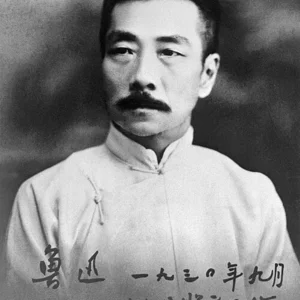
Lu Xun
1881 — 1936
Lu Xun (1881-1936) was the Chinese writer and essayist regarded as the father of modern Chinese literature. Author of satirical short stories and pamphlets, he denounced the archaisms of traditional society and campaigned for a literary language in vernacular Chinese.
Lydia Cabrera
1899 — 1991
Lydia Cabrera (1899-1991) was a Cuban writer and anthropologist, a pioneer in the study of Afro-Cuban cultures. Her major work, El Monte, is a reference on the religions and traditions of African origin in Cuba.
Mahmoud Darwish
1941 — 2008
Mahmoud Darwish (1941-2008) was a Palestinian poet regarded as the national voice of his people. A major figure of contemporary Arabic poetry, he made exile, the loss of one's land and Palestinian identity the great themes of his work.
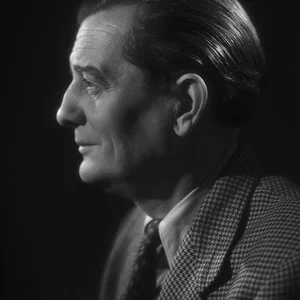
Marcel Pagnol
1895 — 1974
French writer, playwright, and filmmaker born in Aubagne in 1895. Author of the Marseilles Trilogy (*Marius*, *Fanny*, *César*) and autobiographical works such as *My Father's Glory*, he was the first filmmaker elected to the Académie française.
Marcel Proust
1871 — 1922
French writer, author of the monumental work “In Search of Lost Time.” A pioneer of the modern novel, he explored involuntary memory, time, and the society of the Belle Époque.
Marguerite Duras
1914 — 1996
French writer, playwright, screenwriter, and filmmaker (1914–1996), Marguerite Duras is a major figure in contemporary literature. Author of The Lover, she revolutionized the novel form by exploring psychological introspection and the formal ruptures of the Nouveau Roman.
Marguerite Yourcenar
1903 — 1987
French writer (1903–1987), Marguerite Yourcenar is the author of Memoirs of Hadrian, a masterpiece of 20th-century literature. The first woman elected to the Académie française in 1980, she left a lasting mark on literature through her reflections on history and humanity.
Mariama Bâ
1929 — 1981
Senegalese writer (1929-1981), author of *So Long a Letter* (1979), the first African novel to win the Noma Award. Her work explores the condition of women in Africa and denounces the inequalities inherent in polygamous marriage.
Mario Vargas Llosa
1936 — 2025
Peruvian writer, a major figure of the Latin American “Boom” and winner of the 2010 Nobel Prize in Literature. A novelist, essayist and engaged intellectual, he also ran for the presidency of Peru in 1990.
Martha Beckwith
Martha Warren Beckwith was an American folklorist and ethnographer, a pioneer of folklore studies in the United States. She is best known for her work on Hawaiian mythology and Jamaican folklore.
Martin Buber
1878 — 1965
An Austrian and later Israeli Jewish philosopher, Martin Buber is the author of *I and Thou* (1923), a major work of the philosophy of dialogue. A thinker of Judaism and a transmitter of the Hasidic tradition, he left his mark on the religious and existential thought of the 20th century.
Matilde Urrutia
1912 — 1985
A Chilean singer and companion, then wife, of the poet Pablo Neruda, she was his muse and the inspiration behind several of his major collections. After the poet's death in 1973, she dedicated her life to preserving and promoting his work.
Maurice Genevoix
1890 — 1980
French writer (1890–1980), Maurice Genevoix is the author of *Ceux de 14* ("Those of '14"), a landmark eyewitness account of the First World War. A member of the Académie française and its perpetual secretary, he was inducted into the Panthéon in 2020.
Maurice Henry
1907 — 1984
Maurice Henry (1907-1984) was a French cartoonist, poet, and humorist, a key figure of the Surrealist movement. Famous for his humorous drawings published in the press, he was also a painter and sculptor, blending the absurd with poetry.
Maya Angelou
1928 — 2014
African-American poet, memoirist, and activist (1928–2014), Maya Angelou is best known for her autobiography I Know Why the Caged Bird Sings. A committed figure in the civil rights movement alongside Martin Luther King Jr., she became one of the most important voices in 20th-century American literature.
Michael Ondaatje
1943 — ?
Michael Ondaatje is a Canadian writer and poet of Sri Lankan origin, born in 1943 in Colombo. He is known worldwide for his novel The English Patient (1992), which won the Booker Prize and was adapted into a film.
Miguel de Unamuno
1864 — 1936
Spanish writer and philosopher, a major figure of the Generation of '98. Rector of the University of Salamanca, in his work he explores existential anguish and the “tragic sense of life.”
Miguel Hernández
1910 — 1942
Spanish poet and playwright born in 1910 in Orihuela into a modest family of goatherds. A committed supporter of the Republican side during the civil war, he died of tuberculosis in 1942 in Franco's prisons. He embodies the popular, militant poetry of his generation.
Mikhail Bulgakov
1891 — 1940
A Soviet writer and playwright of Ukrainian origin, originally trained as a doctor. Censored under Stalin, he is famous for his satirical and fantastical novel *The Master and Margarita*, published only after his death.
Missak Manouchian
1906 — 1944
Armenian poet and Communist resistance fighter, Missak Manouchian led the FTP-MOI group in Paris during the Occupation. Arrested by the Gestapo, he was featured on the Affiche rouge by Nazi propaganda before being shot at Mont-Valérien on February 21, 1944.
Mongo Beti
1932 — 2001
Mongo Beti (1932-2001) was a Cameroonian writer and teacher, a major figure of anticolonial French-language African literature. A committed novelist and essayist, he denounced colonialism and then the excesses of postcolonial regimes.
Nadine Gordimer
1923 — 2014
Nadine Gordimer (1923–2014) was a South African novelist whose work powerfully denounced the apartheid regime. Winner of the Nobel Prize in Literature in 1991, she devoted her entire life to defending human rights and freedom of expression in South Africa.
Naguib Mahfouz
1911 — 2006
Egyptian writer, the first Arabic-language author to receive the Nobel Prize in Literature, in 1988. A master of the realist novel, he portrayed the everyday life of Cairo through a vast body of work.
Natalia Ginzburg
1916 — 1991
Italian writer (1916–1991), a major figure of twentieth-century literature. Author of *Lessico famigliare* (1963), she explores family memory, identity, and everyday life with spare prose. Committed to fighting fascism, she lived through exile and the Resistance.
Nathalie Sarraute
1900 — 1999
French writer of Russian origin (1900-1999), Nathalie Sarraute is a major figure of the French Nouveau Roman. She revolutionized the novel form by exploring movements of consciousness and the 'sub-conversations' that animate human relationships.
Natsume Soseki
1867 — 1916
Natsume Sōseki is one of the greatest Japanese novelists of the Meiji era. A specialist in English literature, he portrays with irony and melancholy a Japanese society torn between tradition and Western modernization.
Nelly Sachs
1891 — 1970
German Jewish poet and playwright, forced into exile in Sweden in 1940 to flee Nazism. Her work, shaped by the Holocaust, earned her the Nobel Prize in Literature in 1966.
Ngũgĩ wa Thiong'o
1938 — 2025
Major Kenyan writer, novelist, playwright, and essayist. First published in English under the name James Ngugi, he chose, from the late 1970s onward, to write in Kikuyu and Swahili in order to decolonize African literatures. A central figure of postcolonial thought.
Nikita Khrushchev
1894 — 1971
Soviet leader from 1953 to 1964, Khrushchev succeeded Stalin and launched a policy of de-Stalinization. A central figure of the Cold War, he confronted the United States during the Cuban Missile Crisis of 1962.
Nora Ephron
1941 — 2012
Nora Ephron (1941-2012) was an American journalist, screenwriter, director, and novelist. A major figure in Hollywood romantic comedy, she wrote and directed films that became cult classics, such as When Harry Met Sally and Sleepless in Seattle.
Octavia Butler
1947 — 2006
Octavia E. Butler (1947-2006) was a pioneering American novelist of Afro-feminist science fiction. The first Black woman to establish herself in this genre, she explored race, gender, power, and identity through committed speculative narratives.
Octavio Paz
1914 — 1998
Octavio Paz (1914-1998) was a Mexican poet, essayist, and diplomat who won the Nobel Prize in Literature in 1990. A major figure in Hispano-American letters, he blended reflection on Mexican identity, Surrealism, and critical political thought.
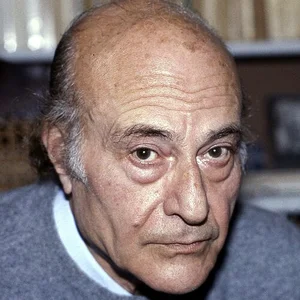
Odysseas Elytis
1911 — 1996
Odysséas Elýtis (1911-1996) was a Greek poet and a major figure of modern Greek poetry. Inspired by surrealism and the light of the Aegean Sea, he received the Nobel Prize in Literature in 1979.
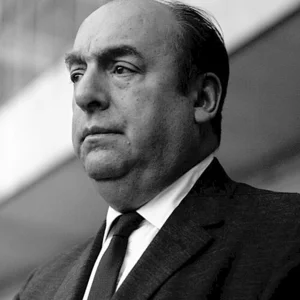
Pablo Neruda
1904 — 1973
A major Chilean poet of the 20th century (1904–1973), Pablo Neruda is celebrated for his political commitment and wide-ranging poetic work, which earned him the Nobel Prize in Literature in 1971. A Communist activist and diplomat, he embodies the engaged intellectual in Latin America.
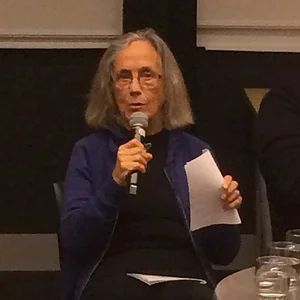
Patricia Grace
1937 — ?
Patricia Grace (1937–) is a New Zealand Māori novelist and short story writer, a pioneer of Māori literature in English. She is the first Māori woman to publish a short story collection in English. Her work explores identity, culture, and the struggles of the Māori community.
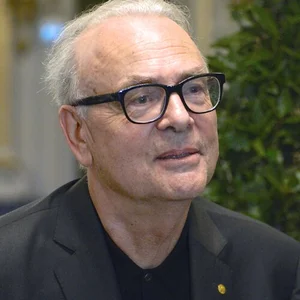
Patrick Modiano
1945 — ?
Patrick Modiano is a French writer born in 1945, winner of the Nobel Prize in Literature in 2014. His work, haunted by memory, the Occupation and the search for identity, explores the Paris of yesteryear and the shadowy corners of the past.
Patti Smith
1946 — ?
American singer, poet, and artist born in 1946, a pioneer of New York's punk rock movement in the 1970s. Her album *Horses* (1975) blends beat poetry with raw rock, making her an icon of the counterculture.
Paul Vaillant-Couturier
1892 — 1937
French writer, journalist, and politician (1892–1937), co-founder of the French Communist Party and editor-in-chief of L'Humanité. A World War I veteran, he was a leading figure of pacifism and the workers' left during the interwar period.
Paul Valéry
1871 — 1945
Paul Valéry (1871-1945) was a French poet, essayist and philosopher, a major figure of late Symbolist poetry. The author of the celebrated poem *The Graveyard by the Sea*, he was elected to the Académie française in 1925 and embodied the ideal of the intellectual meditating on creation and knowledge.
Pier Paolo Pasolini
1922 — 1975
Italian writer, poet and filmmaker, a major figure of the politically engaged post-war intelligentsia. A heterodox Marxist and critic of consumer society, he left his mark on literature as much as on cinema before his murder in 1975.
Pierre Dac
1893 — 1975
Pierre Dac (1893-1975) was a French humorist, cabaret songwriter and actor, a major figure of absurdist humour. A member of the Resistance, he became the voice of Free France on Radio London during the Occupation. Together with Francis Blanche he created the famous radio serial “Signé Furax”.
Pierre Desproges
1939 — 1988
Pierre Desproges (1939-1988) was a French comedian, columnist, and writer. A master of black and absurdist humor, he left his mark on the French stage and radio with his cutting wit and erudition. He died of cancer at the age of 48.
Pius XII
1876 — 1958
260th pope of the Catholic Church (1939–1958), Pius XII led the Church through the Second World War and the Cold War. His attitude toward the Holocaust remains controversial to this day.
Premchand
1880 — 1936
Premchand (1880-1936) is one of the greatest writers in the Hindi and Urdu languages. A novelist and short-story writer, he is regarded as the father of the modern social novel in Hindi, depicting the lives of peasants and the oppressed in colonial India.
Primo Levi
1919 — 1987
Italian writer and chemist (1919-1987), Primo Levi is the author of landmark testimonies about the Holocaust. Arrested in 1943 as an antifascist partisan, he was deported to Auschwitz where he survived thanks to his skills as a chemist. After the war, he became an essential voice in witness literature.
Professeur Choron
1929 — 2005
Georges Bernier (1929-2005), known as Professeur Choron, was a French humorist and publisher, co-founder with François Cavanna of the satirical magazines Hara-Kiri and Charlie Hebdo. A provocative figure of the “dumb and nasty” press, he embodied the irreverence of post-war French humour.
R. K. Narayan
1906 — 2001
Indian novelist writing in English, one of the greatest writers of twentieth-century India. He created the imaginary town of Malgudi, the setting for most of his works, where he portrays the everyday life of South India with tenderness and irony.
Rabindranath Tagore
1861 — 1941
Indian (Bengali) poet, novelist, composer, and philosopher, a leading figure of the Bengal Renaissance. The first non-European to win the Nobel Prize in Literature, in 1913, for his collection Gitanjali. A humanist thinker and educator, he founded the university at Santiniketan.
Rainer Maria Rilke
1875 — 1926
Austrian poet writing in German, one of the greatest lyric poets of the 20th century. Author of the Duino Elegies and the Sonnets to Orpheus, he explores existential anguish, solitude, and the search for meaning.
Raymond Devos
1922 — 2006
Raymond Devos (1922-2006) was a French comedian and stage performer of Belgian origin. A virtuoso of language, he built a unique body of work founded on wordplay, paradoxes, and verbal absurdity, performed on the greatest stages.
Raymond Queneau
1903 — 1976
French writer, poet, and mathematician (1903–1976), co-founder of the Oulipo. Author of Zazie in the Metro and Exercises in Style, he explored formal constraints and wordplay.
René Char
1907 — 1988
A major French poet of the 20th century, René Char is known for his modern poetry and his involvement in the French Resistance during World War II. His works combine poetic innovation with political commitment, exploring themes of freedom and revolt.
René Clair
1898 — 1981
René Clair (1898–1981) was one of the pioneers of French sound cinema. A director, screenwriter, and writer, he created poetic and satirical works such as "Under the Roofs of Paris" and "À nous la liberté". He was the first filmmaker elected to the Académie française, in 1960.
Robert Desnos
1900 — 1945
French poet (1900–1945) and major figure of Surrealism, celebrated for his wordplay and innovative poetry. A committed member of the French Resistance during World War II, he was deported and died at the Terezín concentration camp in 1945.
Robert Musil
1880 — 1942
An Austrian writer and essayist, Robert Musil is the author of the unfinished novel The Man Without Qualities, a major work of European literary modernism. An engineer by training, he blends philosophical reflection and psychological analysis in prose of great precision.
Roberto Bolaño
1953 — 2003
Roberto Bolaño (1953-2003) was a Chilean writer and poet, a major figure in late twentieth-century Latin American literature. Exiled after the 1973 coup d'état, he settled in Mexico and then Spain, where he wrote a dense body of novels that earned acclaim posthumously.
Roland Topor
Roland Topor (1938-1997) was a French cartoonist, writer, painter, and filmmaker, a major figure of dark humor and the absurd. Co-founder of the Panic Movement alongside Jodorowsky and Arrabal, he was also the graphic creator of the television series “Téléchat.”
Romain Gary
1914 — 1980
Romain Gary, born Roman Kacew in Vilnius in 1914, was a French novelist, aviator, and diplomat. He is the only author to have won the Prix Goncourt twice, one of them under the pen name Émile Ajar.
Roman Jakobson
1896 — 1982
Russian-American linguist and theorist, a major figure of structuralism. Founder of the Prague Linguistic Circle, he revolutionized phonology and proposed a model of the functions of language that left its mark on the linguistics, poetics, and humanities of the 20th century.
Romana Guarnieri
1913 — 2004
Romana Guarnieri (1913-2004) was an Italian historian and medievalist, a specialist in the religious spirituality of the Middle Ages. She is famous for having identified, in 1946, the author of the Mirror of Simple Souls: the mystic Marguerite Porete, burned at the stake in 1310.
Ryunosuke Akutagawa
1892 — 1927
Japanese writer of the early 20th century, a master of the short story. He drew on Japan's ancient tales to explore the ambiguity of truth and human psychology. A major figure of modern Japanese literature, he took his own life in 1927.
Sacha Guitry
1885 — 1957
French playwright, actor, director, and filmmaker (1885–1957), Sacha Guitry is one of the leading figures of boulevard theatre and French cinema. He wrote more than 130 plays and directed around thirty films, leaving a deep mark on French culture in the first half of the 20th century.
Samuel Beckett
1906 — 1989
Irish writer, playwright and poet who wrote in both French and English. A leading figure of the Theatre of the Absurd, he revolutionised dramatic writing with Waiting for Godot (1953). Nobel Prize in Literature in 1969.
Sanae Takaichi
1961 — ?
Japanese politician born in 1961, member of the Liberal Democratic Party. She has held several ministerial positions in Japan, including Minister of Internal Affairs and Communications. Known for her conservative views and interest in Japanese pop culture.
Sarah Kane
1971 — 1999
British playwright (1971-1999), Sarah Kane is one of the major figures of radical contemporary theatre. Her plays, marked by extreme violence, psychological suffering and the disintegration of language, shook the English-speaking stage in the 1990s.
Sempé
Jean-Jacques Sempé (1932-2022) was a French humorous cartoonist, famous for the tenderness and poetry of his drawings of everyday life. Together with René Goscinny, he created the character of Little Nicholas and drew many covers for The New Yorker.
Serge de Diaghilev
1872 — 1929
Russian impresario and patron of the arts, Diaghilev founded the Ballets Russes in 1909, revolutionizing choreographic art by bringing together the greatest artists of his era. He collaborated with Stravinsky, Picasso, Matisse, and Nijinsky to create total spectacles blending dance, music, and the visual arts.
Sigrid Undset
1882 — 1949
Norwegian novelist (1882–1949), Nobel Prize in Literature in 1928. Famous for her medieval trilogy Kristin Lavransdatter, she is one of the great voices of twentieth-century Scandinavian literature.
Simone de Beauvoir
1908 — 1986
French philosopher and novelist (1908–1986), Simone de Beauvoir is a towering figure of existentialism and modern feminism. Author of The Second Sex, a foundational essay on the condition of women, she profoundly shaped philosophical thought and emancipatory movements throughout the 20th century.
Simone Signoret
1921 — 1985
French actress and writer (1921–1985), Simone Signoret was the first French actress to win the Academy Award for Best Actress for Room at the Top (1959). An icon of postwar cinema, she was equally recognized for her political activism and her memoirs.
Stefan Zweig
1881 — 1942
An Austrian writer in the German language, Stefan Zweig was one of the most widely read authors of the interwar period. A master of the novella and of biography, he embodies the cosmopolitan humanism of a Europe shattered by the two World Wars.
Susan Sontag
1933 — 2004
Susan Sontag (1933-2004) was a major American intellectual of the 20th century — essayist, novelist, and activist. Known for her reflections on photography, illness, and war, she profoundly shaped contemporary critical thought.
Sylvia Plath
1932 — 1963
American poet and novelist (1932–1963), a major figure in confessional poetry. Author of The Bell Jar and the collection Ariel, she explores with striking intensity the themes of female identity, psychological suffering, and literary creation.
T. S. Eliot
1888 — 1965
American-born poet, playwright and literary critic who became a British citizen, a major figure of modernism. His poem *The Waste Land* (1922) transformed Western poetry; he received the Nobel Prize in Literature in 1948.
Tayeb Salih
1929 — 2009
Tayeb Salih (1929-2009) was a Sudanese writer in the Arabic language, regarded as one of the great voices of modern Arabic literature. His novel *Season of Migration to the North* (1966) is a major work on the encounter and clash between East and West.
Tennessee Williams
1911 — 1983
Tennessee Williams (1911-1983) was one of the greatest American playwrights of the 20th century. His plays, marked by psychological tension and the decline of the American South, profoundly reshaped modern theatre.
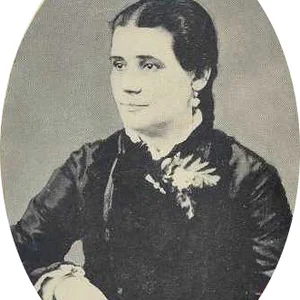
Teuira Henry
1847 — 1915
Teuira Henry was a Tahitian historian, linguist and ethnologist. She is famous for having compiled and translated the oral traditions, myths and knowledge of ancient Polynesia, notably in her major work “Ancient Tahiti”.
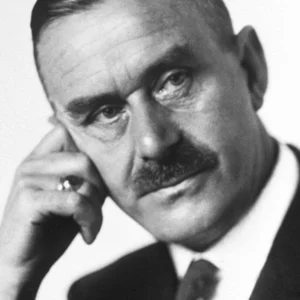
Thomas Mann
1875 — 1955
Thomas Mann (1875-1955) was a German novelist and essayist, a major figure of twentieth-century European literature. Winner of the Nobel Prize in Literature in 1929, he was forced into exile after the Nazis came to power and became a great voice of humanism in the face of totalitarianism.
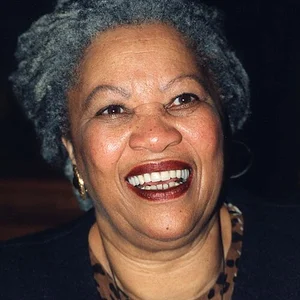
Toni Morrison
1931 — 2019
A towering figure of 20th-century African American literature, Toni Morrison wrote landmark novels exploring the Black American experience, particularly slavery and its lasting trauma. She received the Nobel Prize in Literature in 1993, becoming the first Black woman to be awarded that honor.
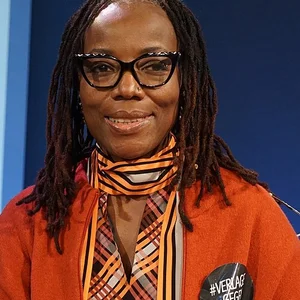
Tsitsi Dangarembga
1959 — ?
Zimbabwean novelist and filmmaker born in 1959, Tsitsi Dangarembga is the first Black woman from Zimbabwe to have published a novel in English. Her work explores colonization, the condition of women, and African identity in a postcolonial society.
Ursula K. Le Guin
1929 — 2018
Ursula K. Le Guin (1929–2018) was an American science fiction and fantasy author, known for her philosophical and feminist works. Her novel *The Left Hand of Darkness* (1969) explores questions of gender and otherness. She is one of the major figures of imaginative literature in the 20th century.
Valerie Solanas
1936 — 1988
Valerie Solanas (1936-1988) was an American writer and radical feminist activist. The author of the provocative pamphlet SCUM Manifesto (1967), she remains famous for attempting to assassinate the artist Andy Warhol in 1968.
Vandana Shiva
1952 — ?
Vandana Shiva (born 1952) is an Indian physicist, philosopher, and environmental activist. Founder of the Navdanya movement, she champions biodiversity and farmers' rights while opposing GMOs and neoliberal globalization. A leading figure in ecofeminism, she received the Right Livelihood Award (the Alternative Nobel Prize) in 1993.
Vercors
1902 — 1991
French writer and illustrator (1902-1991), Vercors is the author of the Resistance novel "The Silence of the Sea" (1942), published clandestinely during the Occupation. Co-founder of Les Éditions de Minuit, he fought against Nazism through the power of writing.
Vicente Aleixandre
1898 — 1984
Vicente Aleixandre is a major Spanish poet of the 20th century, a figure of the Generation of '27. His work, marked first by surrealism and then by a poetry of human solidarity, earned him the Nobel Prize in Literature in 1977.
Vita Sackville-West
1892 — 1962
A British writer and poet of the 20th century, Vita Sackville-West is known for her novels, her poetry, and her gardens. She was the close friend of Virginia Woolf, who drew inspiration from her for the novel Orlando.
Vladimir Lenin
Russian revolutionary and Marxist theorist (1870–1924), Lenin led the Bolshevik Revolution of October 1917 and founded the Soviet Union. He developed Leninism, an adaptation of Marxism to Russian conditions.
W.E.B. Du Bois
1868 — 1963
William Edward Burghardt Du Bois (1868-1963) was an African American sociologist, historian, and civil rights activist. The first African American to earn a doctorate from Harvard, he was a leading theorist in the fight against racial segregation and a co-founder of the NAACP in 1909.
Walter Benjamin
1892 — 1940
German philosopher, literary critic and translator, a figure of the Frankfurt School. A thinker of language, history and modernity, he is the author of an unfinished, fragmentary body of work that became major after his death.
William Faulkner
1897 — 1962
American writer, a major figure of the literature of the American South. A master of stream of consciousness, in a dense body of work he depicted the decline of Southern families after the Civil War. Nobel Prize in Literature 1949.
Wisława Szymborska
1923 — 2012
Polish poet (1923–2012), winner of the Nobel Prize in Literature in 1996. Her work, marked by irony and philosophical depth, explores the human condition, memory, and everyday life.
Witi Ihimaera
1944 — ?
Witi Ihimaera, born in 1944 in Gisborne, is a New Zealand novelist and short-story writer of Māori descent who writes in English. The first Māori to publish a collection of short stories and then a novel, he gave a literary voice to his people, notably with “The Whale Rider”.
Wole Soyinka
1934 — ?
Wole Soyinka is a Nigerian writer, playwright, and poet born in 1934. The first African author to receive the Nobel Prize in Literature in 1986, he is a major figure in the defense of human rights and freedom in Africa.
Yambo Ouologuem
1940 — 2017
Yambo Ouologuem (1940-2017) was a Malian writer, the first African author to win the Prix Renaudot in 1968 for his novel “Bound to Violence.” A major and controversial figure of francophone African literature, he later withdrew from public life.
Yasunari Kawabata
1899 — 1972
Yasunari Kawabata (1899-1972) was a Japanese writer, the first author from his country to receive the Nobel Prize in Literature, in 1968. His work, imbued with melancholy and traditional Japanese aesthetics, explores fleeting beauty, solitude, and the passage of time.
Yayoi Kusama
1929 — ?
Yayoi Kusama is a Japanese visual artist born in 1929 in Matsumoto. A pioneer of psychedelic art and pop art, she is known for her obsessive polka-dot patterns and immersive mirror installations. Since 1977, she has voluntarily lived in a psychiatric hospital in Tokyo while continuing to create.

Yorgos Seferis
Greek poet and diplomat, a major figure of the “Generation of the 1930s” that renewed modern Greek poetry. He was the first Greek to receive the Nobel Prize in Literature, in 1963.
Yukio Mishima
1925 — 1970
Japanese writer, playwright, and essayist, a major figure in 20th-century literature. A prolific author blending classical aesthetics with modern obsessions, he remains famous for his ritual suicide by seppuku following an attempted coup d'état.
21st Century(18)

Ana García
A researcher in letters and humanities, Ana García conducts academic work in the field of human and literary sciences. Identified by her ORCID, she contributes to contemporary international research.

Banana Yoshimoto
1964 — ?
Japanese novelist born in 1964, Banana Yoshimoto is world-renowned for her novel Kitchen (1988). Her work sensitively explores solitude, grief, and inner healing.
Chimamanda Ngozi Adichie
1977 —
Nigerian writer
Christina Lamb
1965 — ?
Christina Lamb is a British journalist and writer, born in 1965, specializing in war reporting. A renowned foreign correspondent, she has covered Afghanistan, Pakistan, and many other conflicts, and co-wrote the memoir 'I Am Malala' with Malala Yousafzai.
Dierk Lange
1941 — ?
Dierk Lange is a German historian and Africanist specializing in the pre-colonial history of West Africa, particularly the Kanem-Bornu Empire and the peoples of the Lake Chad basin. His work explores hypothetical links between West Africa and the ancient Near East.
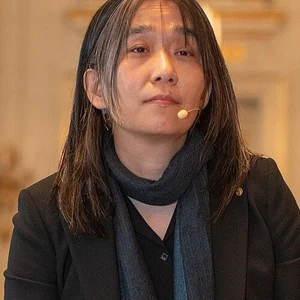
Han Kang
1970 — ?
South Korean novelist born in 1970, Han Kang is one of the most important voices in contemporary Asian literature. Her work explores violence, traumatic memory, and the fragility of the human body. She is the first Asian author to receive the Nobel Prize in Literature.
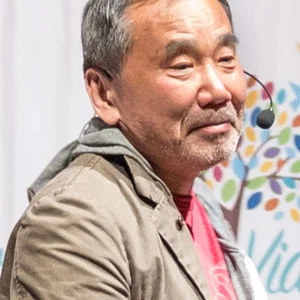
Haruki Murakami
1949 — ?
Haruki Murakami is a Japanese writer born in 1949, one of the most widely translated contemporary novelists in the world. His work blends realism and the fantastic, exploring the loneliness and unease of the individual in modern Japan.
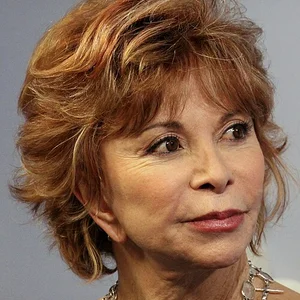
Isabel Allende
1942 — ?
Isabel Allende is a Chilean novelist born in 1942, considered one of the most widely read Hispanic authors in the world. Her work blends magical realism, political history, and women's destinies. Her first novel, The House of the Spirits (1982), brought her international fame.
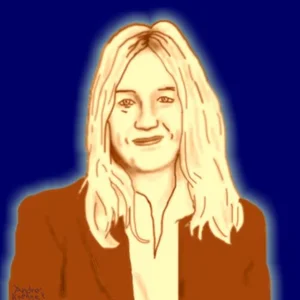
J.K. Rowling
J.K. Rowling is a British novelist born in 1965, author of the Harry Potter saga (1997-2007), one of the best-selling literary series in history. A single mother at the time she wrote the first volume, she became a major figure in children's and young adult literature worldwide.
Mo Yan
1955 — ?
Mo Yan, the pen name of Guan Moye, is a Chinese novelist and short story writer born in 1955 in Shandong. A major figure in contemporary Chinese literature, he received the Nobel Prize in Literature in 2012 for a body of work blending magic realism, folk tales, and the history of rural China.
Olga Tokarczuk
1962 — ?
Polish novelist born in 1962, laureate of the 2018 Nobel Prize in Literature. Her work explores collective memory, identity, and the boundaries between living beings through fragmented and mythical narratives.
Salman Rushdie
1947 — ?
British-American writer of Indian origin born in 1947, a major figure in English-language postcolonial literature. Known worldwide for his novels blending magical realism with the history of India, as well as for the fatwa issued against him after the publication of The Satanic Verses.
Suzan-Lori Parks
1963 — ?
A pioneering American playwright, Suzan-Lori Parks was the first Black woman to win the Pulitzer Prize for Drama, for *Topdog/Underdog* in 2002. Her work explores African-American identity, collective memory, and history through experimental and poetic language.
Tahar Ben Jelloun
1947 — ?
Tahar Ben Jelloun is a French-Moroccan writer and poet born in 1944 in Fès. A French-language author, he explores exile, immigration, and the condition of Maghrebi societies. He received the Prix Goncourt in 1987 for The Sacred Night.
Tracy Chevalier
1962 — ?
Tracy Chevalier is an American novelist born in 1962 and based in London. She is known worldwide for her historical novel *Girl with a Pearl Earring* (1999), inspired by Vermeer's painting and adapted for film in 2003.
Vikram Seth
1952 — ?
Vikram Seth is an English-language Indian writer and poet born in 1952. He is world-renowned for his vast novel *A Suitable Boy* (1993), a sweeping portrait of post-independence India. His work blends poetry, the verse novel, and travel writing.
Yan Lianke
1958 — ?
Yan Lianke is a contemporary Chinese novelist born in 1958 in Henan province. A leading figure of social satire, he is known for his critical works—often censored in China—that blend raw realism with grotesque absurdity.
Yasmina Reza
1959 — ?
French playwright, novelist, and actress born in 1959, Yasmina Reza made her mark with *Art* (1994), a philosophical comedy about friendship and the value of art. Her plays, translated into more than 35 languages, sharply examine the cracks in human relationships and social hypocrisies.