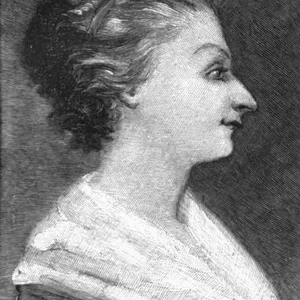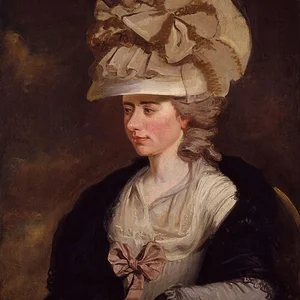

British illustrator and teacher, an intimate friend of the feminist philosopher Mary Wollstonecraft. Together they co-founded a school for girls at Newington Green, near London, an experience that shaped Wollstonecraft's thinking on the education of women.
Fanny Blood(1758 — 1785)
Fanny Blood
5 min read
Frequently asked questions
Key Facts
- Born in 1758 in Britain, into a modest household.
- Close friend of Mary Wollstonecraft, future author of 'A Vindication of the Rights of Woman' (1792).
- Co-founded a school for girls at Newington Green, north of London, around 1784.
- Married Hugh Skeys and went to live in Portugal.
- Died in 1785 from complications of childbirth, in Lisbon; her death deeply inspired Wollstonecraft's work.
Works & Achievements
Artistic works by Fanny, who sold her drawings to support her family — a rare and remarkable activity for a woman of her time.
Together with Mary Wollstonecraft and their sisters, Fanny helped establish a school for girls, a foundational educational venture.
Though posthumous, Fanny's influence gave rise to a literary character in Wollstonecraft's first novel.
Her relationship with Wollstonecraft, recounted in Godwin's *Memoirs*, became a celebrated testimony to friendship between women in the 18th century.
Anecdotes
Fanny Blood met Mary Wollstonecraft around 1775, when both were barely sixteen or seventeen years old. Wollstonecraft was dazzled by Fanny's talent for drawing and her quick wit, and this friendship became one of the deepest of her life: she said she had found in Fanny a kindred spirit.
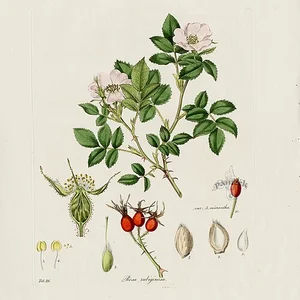
To earn a living, Fanny produced delicate botanical illustrations and drawings that she sold, helping to support her modest family. This work as an independent artist was rare for a woman of her time and made a lasting impression on her friend Mary.
In 1784, Mary Wollstonecraft, her sister Eliza, Fanny Blood and Fanny's sister together opened a school for girls in Newington Green, a village near London known for its religious dissenters. This educational venture later nourished Wollstonecraft's thinking on the education of women.
Fanny married Hugh Skeys and left to join him in Lisbon, Portugal. Having become pregnant and being of fragile health, she died in childbirth in 1785. Devastated, Wollstonecraft had made the journey to Portugal to be with her, but arrived too late to save her.
The memory of Fanny Blood never left Mary Wollstonecraft: she gave the name “Fanny” to her first daughter, born in 1794. This tribute shows just how deeply her lost friend had marked her life and her thought.
Primary Sources
Largely autobiographical novel in which the character of Ann is directly inspired by Fanny Blood and the intense friendship that bound the two young women together.
Godwin recounts Mary's meeting with Fanny Blood, the latter's talent as a draughtswoman, and the deep grief caused by her death in Lisbon.
Wollstonecraft's letters repeatedly evoke her attachment to Fanny and the pain of her untimely death.
Key Places
Village near London, a haven for religious dissenters, where Fanny and Mary opened their school for girls in 1784.
Great metropolis where Fanny lived and sold her illustrations to support her family.
City where Fanny joined her husband Hugh Skeys and where she died in childbirth in 1785. Mary Wollstonecraft made the journey to be with her.
London neighbourhood associated with the Blood family, the modest milieu in which Fanny grew up.
Typical Objects

Instruments with which Fanny created her delicate illustrations, especially botanical ones. Drawing was both her art and her livelihood.

A meticulous depiction of flowers and plants, a genre highly prized in the 18th century. Fanny sold drawings of this kind to support her family.
The tools of the letter-writing through which Fanny and Mary kept up their friendship across the distance. Letters were the main link between loved ones far apart.
A teaching work used at the Newington Green school. Education for girls remained limited and controversial in this era.

A women's garment typical of the late 18th century, made of light fabric with a fitted waist. Women of modest means sewed or altered their own dresses.

An essential source of light for drawing, reading or writing in the evening. Candlelight limited activities after nightfall.
School Curriculum
Vocabulary & Tags
Key Vocabulary
Daily Life
Morning
Fanny rose early to make the most of daylight, essential to her work as an illustrator. Her mornings were often devoted to illustrating plants and flowers, painstaking work demanding precision and patience.
Afternoon
In the afternoon, she might teach the pupils at the Newington Green school or carry on with the drawings she made to sell. She also took time to help her family, of whom she was one of the breadwinners.
Evening
In the evening, by candlelight, Fanny would read or write long letters to Mary Wollstonecraft. This correspondence sustained a deep intellectual and emotional friendship.
Food
The diet of a modest Georgian family relied on bread, oat porridge, vegetables, a little meat or fish, and tea, a drink then very common in England. Meals were simple and frugal.
Clothing
Fanny wore cotton or muslin dresses in the Georgian style, plain and without much luxury. A woman of modest means looked after and mended her own clothes herself.
Housing
She lived in modest lodgings in the London area, shared with the family she helped to support. Comfort was limited and the space often cramped.
Historical Timeline
Period Vocabulary
Liens externes & ressources
Références
Œuvres
Illustrations botaniques et dessins vendus
années 1770-1780
Cofondation de l'école de Newington Green
1784
Inspiration du personnage d'Ann dans Mary: A Fiction
1788
Modèle d'amitié féminine documenté par Godwin
1798