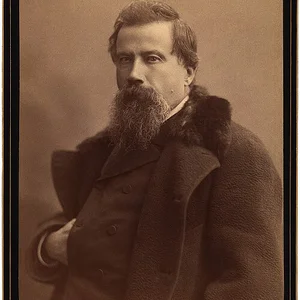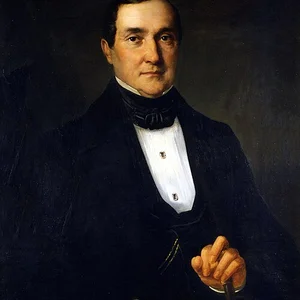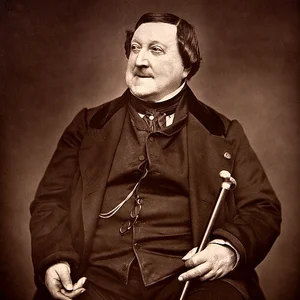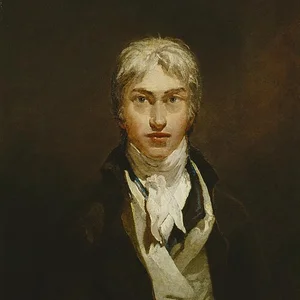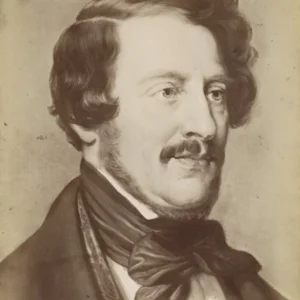

Italian composer (1797-1848), a leading figure of bel canto alongside Bellini and Rossini. He composed more than 70 operas, including Lucia di Lammermoor (1835) and L'Elisir d'amore (1832).
Gaetano Donizetti(1797 — 1848)
Gaetano Donizetti
royaume de Lombardie-Vénétie
8 min read
Frequently asked questions
Key Facts
- Born on November 29, 1797, in Bergamo (Lombardy)
- Composed Lucia di Lammermoor in 1835, his masterpiece
- Composed L'Elisir d'amore in 1832, a celebrated comic opera
- Produced more than 70 operas over roughly thirty years
- Died on April 8, 1848, in Bergamo, after several years of illness
Works & Achievements
Donizetti's first major international success, premiered in Milan. This opera on the life of Anne Boleyn reveals his mastery of historical drama and propels him to the forefront of European opera composers.
A masterpiece of comic opera composed in 14 days, blending tenderness and humor with music of rare melodic beauty. The aria 'Una furtiva lagrima' is one of the most celebrated melodies in the entire operatic repertoire.
A dramatic opera based on Victor Hugo, premiered in Milan. It demonstrates Donizetti's ability to handle dark and passionate subjects with remarkable expressive power.
The undisputed masterpiece of Romantic bel canto, adapted from Walter Scott's novel. The mad scene in the third act is one of the most virtuosic and moving passages in the entire operatic repertoire.
An opéra comique premiered at the Opéra-Comique in Paris, full of vivacity and humor. The aria 'Ah ! mes amis' with its nine consecutive high Cs is dreaded by tenors the world over.
A grand opera in French premiered at the Paris Opéra, set to a Romantic libretto inspired by medieval Castile. It illustrates Donizetti's successful adaptation to the style of French grand opera.
Donizetti's last great masterpiece and the pinnacle of Italian opera buffa. Premiered in Paris with an exceptional quartet of singers, it brilliantly crowns a career spanning more than 70 operas.
Anecdotes
Donizetti was renowned for his exceptional speed of composition: in 1832, he composed L'Elisir d'amore in just 14 days, as a last-minute replacement for an opera that another composer had failed to deliver on time. The Milanese audience, initially skeptical, was won over from the very first performance and cheered the work for weeks.
Born in 1797 in a damp cellar in the poor quarter of Bergamo — his parents could not afford to rent a dwelling above ground — Donizetti endured a difficult childhood. It was the Bavarian-born composer Simon Mayr who, recognizing his exceptional talent, took charge of his musical education and secured him a place at the Bergamo music school, thereby changing the course of his life.
The premiere of Lucia di Lammermoor at the Teatro San Carlo in Naples, on 26 September 1835, was a resounding triumph. Soprano Fanny Tacchinardi-Persiani created the title role with such mastery that the audience demanded multiple encores; contemporary chroniclers reported that the entire house wept during the celebrated mad scene.
The final years of Donizetti's life were tragic: afflicted with a serious neurological illness (linked to tertiary syphilis), he gradually lost his mind and was committed in 1846 to a care home in Ivry-sur-Seine, near Paris. His friends eventually secured his return to his native city of Bergamo, where he died on 8 April 1848, at the age of 50.
Donizetti maintained a complex relationship with his great rival Vincenzo Bellini: the two composers competed for the favor of audiences and opera houses alike, yet Donizetti was genuinely moved by Bellini's untimely death in 1835. He attended the funeral in Paris and composed a funerary cantata in his honor, acknowledging him as one of the greatest lyric geniuses of their generation.
Primary Sources
I finished the opera in fourteen days. The librettist worked quickly, and so did I. Is it good? I don't know. The public will decide. But I believe there is life in this music.
I owe you everything, dear master. Without your kindness and your teaching, I could never have aspired to the career that is now mine. Every note I write bears the imprint of what you taught me.
M. Donizetti has succeeded in combining dramatic vigour with melody of infinite grace. His *Lucia di Lammermoor* surpasses everything the lyric genre has produced in many years; the mad scene is an immortal page.
I want an opera buffa in the great Neapolitan tradition, with true characters, situations that provoke laughter but also reflection. Comedy must touch the heart as deeply as tragedy.
Key Places
Donizetti's birthplace and final resting place. He was born here in poverty in 1797 and died here in 1848; the Museo Donizettiano and his childhood home are now open to the public.
One of Europe's greatest opera houses, where Donizetti premiered several of his masterworks, including *Lucia di Lammermoor* in 1835. He was associated with this theatre for over fifteen years as its official composer.
A premier venue for Italian opera in Paris, where Donizetti enjoyed tremendous success with Parisian audiences from 1838 onward. The French capital gave him an international platform and allowed his work to reach audiences across all of Europe.
La Scala was the stage for his first major triumphs, including *Anna Bolena* (1830) and *L'Elisir d'amore* (1832). For any opera composer of the era, winning over this temple of opera was the ultimate mark of success.
In Vienna, where Donizetti was appointed Imperial Kapellmeister in 1842, this theatre hosted several of his premieres, including *Linda di Chamounix*. The imperial city cemented his pan-European renown.