Romanticism
Poets, painters and musicians of the Romantic movement — celebrating nature, passion and individual freedom.
63 characters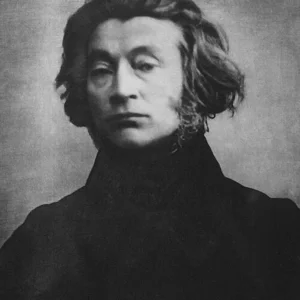
63 characters
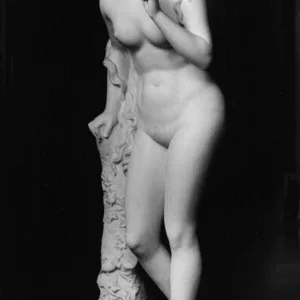
Melusine
A legendary figure of the Middle Ages, Melusine is a fairy or supernatural creature of dual nature: part woman, part water serpent. According to legend, she founded the Lusignan dynasty after her marriage to the knight Raymond. Her story weaves together medieval wonder, a curse, and dynastic origins.
Tristan and Iseult
A medieval legend telling the story of two lovers whose impossible love, sparked by the accidental drinking of a magic potion, leads them to tragedy. This tale of courtly love has inspired countless literary and artistic adaptations from the Middle Ages to the present day.
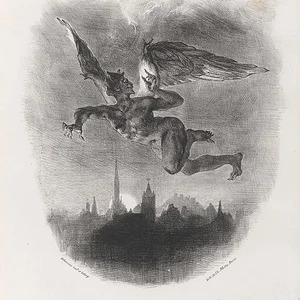
Mephistopheles
The demon of the Faustian pact, Mephistopheles is the Devil's agent tasked with seducing the scholar Faust. Made famous by Marlowe in Doctor Faustus (1592) and then by Goethe in Faust (1808), he embodies intellectual temptation and the corruption of the soul through the thirst for knowledge.

Hegel
1770 — 1831
German philosopher (1770–1831), Hegel is one of the greatest thinkers of German Idealism. He developed a dialectical method and an influential philosophy of history, most notably set out in the Phenomenology of Spirit.
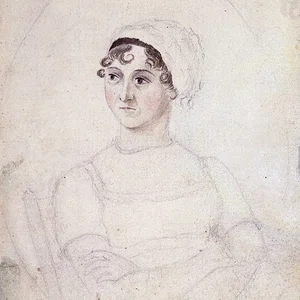
Jane Austen
1775 — 1817
Jane Austen (1775-1817) was a major English novelist of the 19th century, author of romantic and social novels that subtly critique the social conventions of her time. Her work, most notably Pride and Prejudice, explores human relationships and the stakes of marriage with irony and psychological insight.
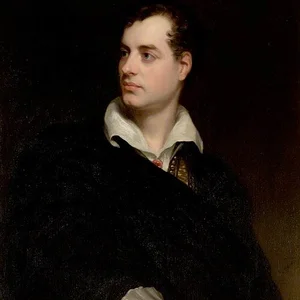
Lord Byron
1788 — 1824
Lord Byron (1788-1824) was the most celebrated British poet of the Romantic era. A scandalous and politically engaged figure, he embodied the "Byronic hero": brooding, rebellious, and passionate. He died in Greece while fighting for Greek independence.
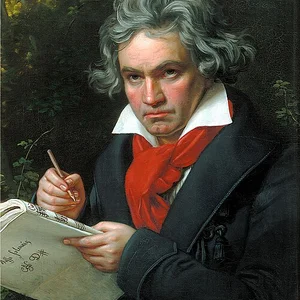
Ludwig van Beethoven
1770 — 1827
German composer (1770–1827) who marked the transition between musical classicism and romanticism. Despite his progressive deafness, he created major works that revolutionized Western music, including the famous 9th Symphony.
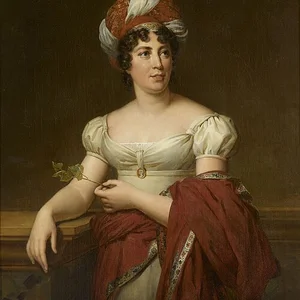
Madame de Staël
1766 — 1817
Germaine de Staël, daughter of minister Necker, was one of the great intellectual voices of her era. A novelist, essayist, and salon hostess, she stood up to Napoleon, who exiled her, and helped introduce German Romanticism to France with her work *De l'Allemagne*.
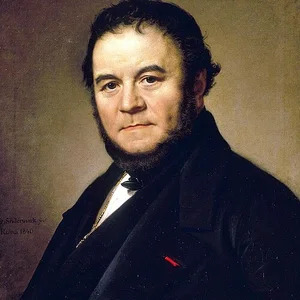
Stendhal
1783 — 1842
A French writer of the 19th century, Stendhal is the author of the psychological novel The Red and the Black (1830). Known for his sharp analysis of human passions and his direct style, he left a lasting mark on French literature by exploring themes of ambition, passion, and social criticism.
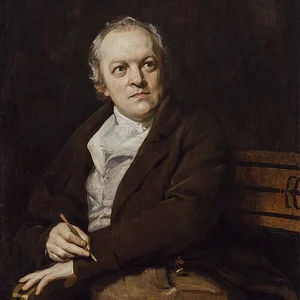
William Blake
1757 — 1827
British poet, painter, and engraver (1757-1827), William Blake is one of the towering figures of English Romanticism. A visionary and mystic, he created a strikingly original body of poetic and artistic work, combining text and image in hand-engraved illuminated books.
Adam Mickiewicz
1798 — 1855
Adam Mickiewicz (1798-1855) is Poland's greatest national poet and a major figure of European Romanticism. His epic and lyrical work expresses nostalgia for occupied Poland and the aspiration for national freedom.
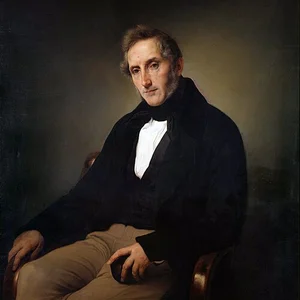
Alessandro Manzoni
1785 — 1873
Alessandro Manzoni (1785–1873) was the greatest Italian novelist of the 19th century and a central figure of Romanticism. His historical novel *I Promessi Sposi* (*The Betrothed*, 1827) is regarded as the first modern novel written in Italian and played a decisive role in the linguistic unification of Italy.
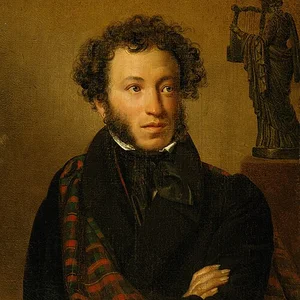
Alexander Pushkin
1799 — 1837
Considered the father of modern Russian literature, Pushkin (1799–1837) wrote foundational works such as Eugene Onegin and The Queen of Spades. Killed in a duel at 37, he embodies Russian Romanticism.
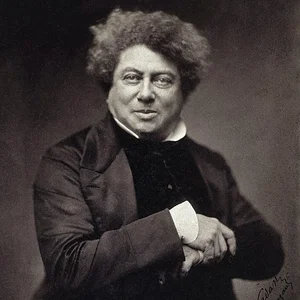
Alexandre Dumas
1802 — 1870
French writer and playwright (1802–1870), author of adventure novels and popular serialized fiction. Father of Alexandre Dumas fils, he is considered a master of the historical and adventure novel in the 19th century.
Alfred de Musset
1810 — 1857
French writer and playwright (1810-1857), a major figure of Romanticism. Author of comedies and lyrical dramas, he is best known for his play "No Trifling with Love" and for his turbulent relationship with George Sand.
Annabella Milbanke
1792 — 1860
British aristocrat (1792–1860), self-taught mathematician and philanthropist, she married the poet Lord Byron in 1815 before separating from him a year later. She went on to dedicate herself to popular education and social reform, and is the mother of Ada Lovelace, pioneer of computing.
Antoine-Louis Barye
1795 — 1875
French sculptor (1795–1875) and pioneer of Romantic animalism. His bronzes depicting wild animals in combat combine naturalistic precision with dramatic tension. He is considered the undisputed master of animal sculpture in the 19th century.
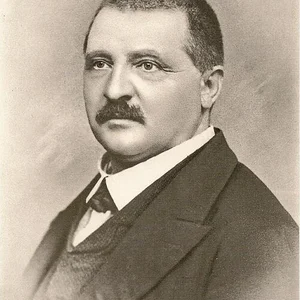
Anton Bruckner
1824 — 1896
An Austrian composer and organist of the Romantic period, Anton Bruckner is famous for his nine monumental symphonies and his sacred works. A deeply devout Catholic, he left his mark on symphonic music through its grandeur and his religious fervor.
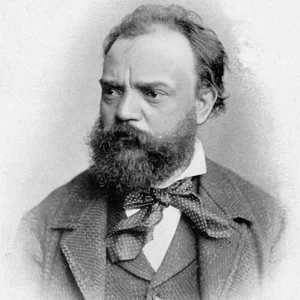
Antonín Dvořák
1841 — 1904
Antonín Dvořák was a 19th-century Czech composer, a major figure of Romanticism and of the nationalist movement in music. He drew on the folklore of his homeland and, during a stay in the United States, on African American and Native American music.
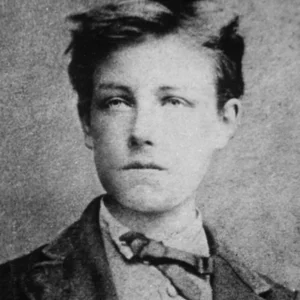
Arthur Rimbaud
1854 — 1891
French poet of the 19th century (1854–1891), Rimbaud is a major figure of modern and visionary poetry. He revolutionized poetry through formal innovation and exploration of the unconscious, before abandoning literature at the age of 20 to live as an adventurer in Africa.

Brothers Grimm
1785 — 1863
The Brothers Grimm were two German writers of the 19th century, famous for collecting and publishing traditional folk tales. Their collections, most notably "Kinder- und Hausmärchen" (Children's and Household Tales), include stories that have become timeless classics such as Snow White and Hansel and Gretel.
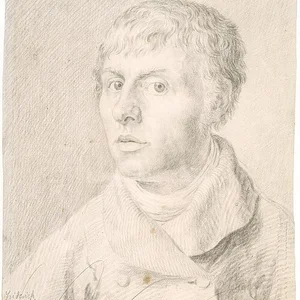
Caspar David Friedrich
1774 — 1840
German Romantic painter (1774–1840), a leading figure of pictorial Romanticism. His melancholic and sublime landscapes explore human solitude in the face of infinite nature and divine transcendence.
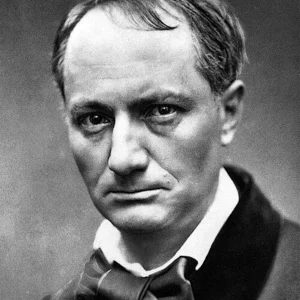
Charles Baudelaire
1821 — 1867
19th-century French poet and founder of modern poetry. Baudelaire is best known for his collection "The Flowers of Evil" (Les Fleurs du Mal, 1857), which revolutionized literature by exploring the beauty of evil, decadence, and existential torment. His work, considered scandalous at the time, profoundly influenced contemporary poetry and subsequent literary movements.
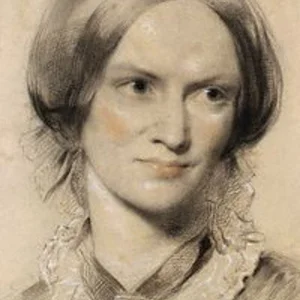
Charlotte Brontë
1816 — 1855
Charlotte Brontë was a 19th-century British novelist, author of Jane Eyre (1847), a masterpiece of Victorian literature. The daughter of a clergyman in Yorkshire, she published under a male pseudonym (Currer Bell) to gain acceptance in the literary world. Her work powerfully explores the feminine condition, independence, and passion.
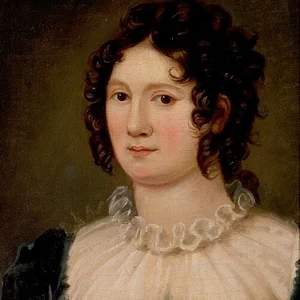
Claire Clairmont
1798 — 1879
British woman of letters and step-sister of Mary Shelley. Part of the circle of English Romantic poets, she had a daughter, Allegra, with Lord Byron. Her journals and correspondence are a valuable testimony to the Romantic era.
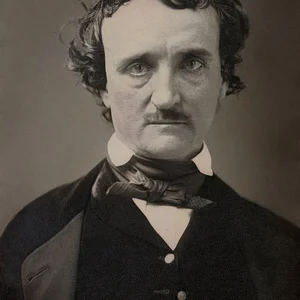
Edgar Allan Poe
1809 — 1849
An American writer of the 19th century, Edgar Allan Poe is the undisputed master of the gothic tale and horror literature. His psychological short stories and dark poems deeply influenced world literature and laid the foundations of the modern detective genre.
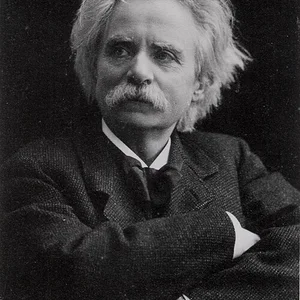
Edvard Grieg
1843 — 1907
Edvard Grieg (1843-1907) was a Norwegian pianist and composer, a major figure of national Romanticism. He is famous for drawing on Norwegian folklore to create music expressing a national identity.
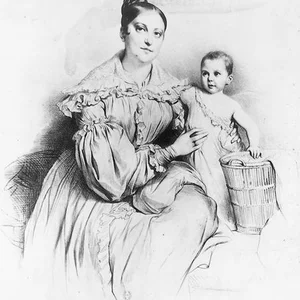
Élisa Schlésinger
1810 — 1888
A woman of the French bourgeoisie whom Gustave Flaubert met at Trouville in 1836, when he was fifteen years old. This encounter left a lasting mark on the writer: she inspired the character of Madame Arnoux in Sentimental Education.
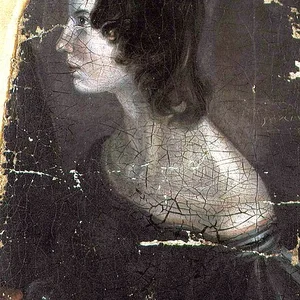
Emily Brontë
1818 — 1848
British writer
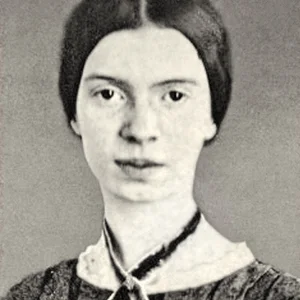
Emily Dickinson
1830 — 1886
Emily Dickinson is one of the greatest American poets of the 19th century. A recluse in her home in Amherst, she composed nearly 1,800 poems, most of which were not published until after her death. Her work, innovative in form and depth, explores death, nature, and the human soul.

Esteve Comella
Esteve Comella was a nineteenth-century Catalan artist whose work belongs to the cultural renewal movement known as the *Renaixença*. He contributed to the development of the visual arts in Catalonia during a period of strong regional identity assertion.
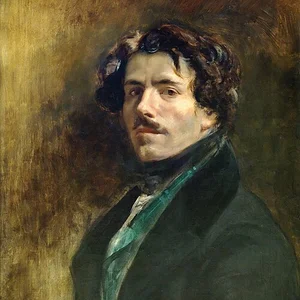
Eugène Delacroix
1798 — 1863
French painter of the 19th century and leading figure of the Romantic movement. Delacroix revolutionized painting through his bold use of color, movement, and political and Orientalist subjects. His masterpiece "Liberty Leading the People" became an icon of republican freedom.
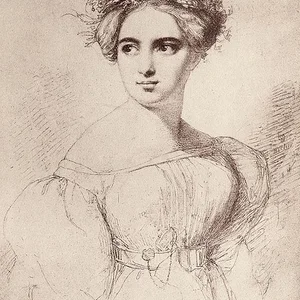
Fanny Mendelssohn
1805 — 1847
Fanny Mendelssohn (1805–1847) was a German composer and virtuoso pianist, sister of Felix Mendelssohn. Despite exceptional talent recognized from childhood, the conventions of the era long prevented her from publishing her works under her own name. She composed more than 460 pieces, including lieder, chamber music, and piano works.
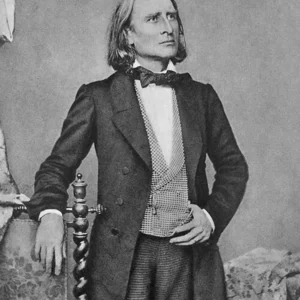
Franz Liszt
1811 — 1886
Hungarian composer and virtuoso pianist (1811–1886), Liszt revolutionized piano technique and invented the symphonic poem. A central figure of musical Romanticism, he profoundly influenced Wagner and European music as a whole.
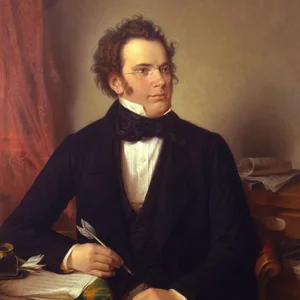
Franz Schubert
1797 — 1828
Franz Schubert (1797-1828) was an Austrian composer of the early Romantic period, who wrote more than 600 lieder, symphonies, and chamber music. Despite his short life, he left behind a body of work of exceptional richness, distinguished by its melodic gift and emotional depth.
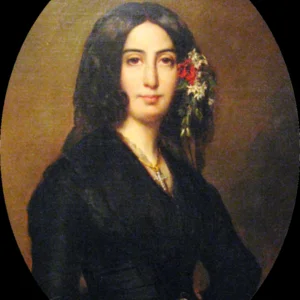
George Sand
1804 — 1876
A French novelist of the 19th century, George Sand (1804-1876) was one of the most prolific and innovative writers of her era. A champion of individual freedom and equal rights, she left a lasting mark on Romantic literature through her social novels and a life that openly defied the conventions of her time.
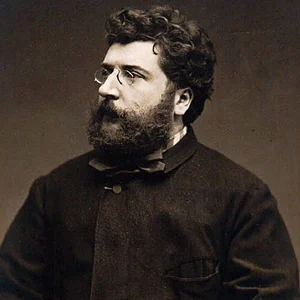
Georges Bizet
1838 — 1875
A French composer of the 19th century (1838–1875), Georges Bizet is best known for his opera Carmen, a masterpiece of lyric music. Despite a relatively short career, he revolutionized French opera by incorporating bold dramatic elements and daring orchestration.
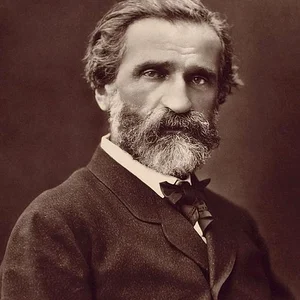
Giuseppe Verdi
1813 — 1901
Giuseppe Verdi (1813-1901) was a major Italian composer of the Romantic era, creator of world-famous operas such as Rigoletto, La Traviata, and Aida. His musical work accompanied the unification of Italy and remains at the heart of the European operatic repertoire.
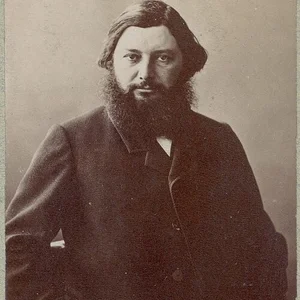
Gustave Courbet
1819 — 1877
19th-century French painter and founder of the Realist movement. Courbet revolutionized painting by depicting everyday reality and landscapes in an innovative style, rejecting the academic conventions of his time.
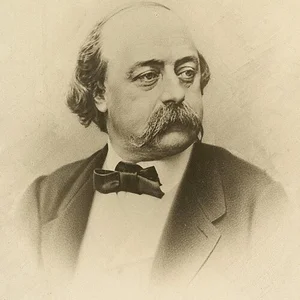
Gustave Flaubert
1821 — 1880
19th-century French novelist (1821–1880), Gustave Flaubert is the author of Madame Bovary, a founding work of literary realism. An obsessive perfectionist, he revolutionized the art of the novel through his refined style and his critique of bourgeois society.
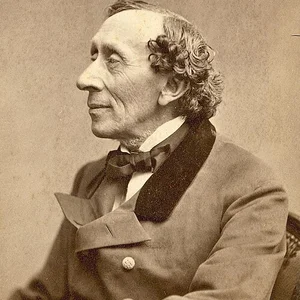
Hans Christian Andersen
1805 — 1875
Danish writer (1805-1875) world-renowned for his fairy tales. Creator of timeless stories such as The Little Mermaid and The Ugly Duckling, blending poetry, moral lessons, and fantastical imagination.
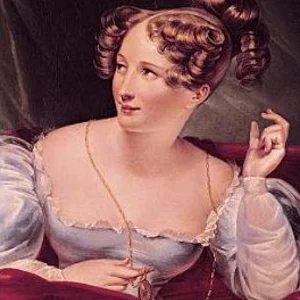
Harriet Smithson
1800 — 1854
Irish actress famous for her Shakespearean roles, she triumphed in Paris in 1827. Hector Berlioz, madly in love with her, dedicated his Symphonie fantastique to her before marrying her in 1833.
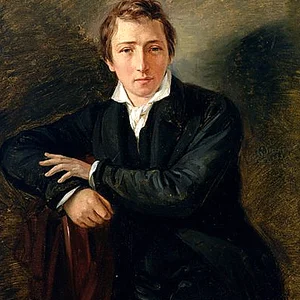
Heinrich Heine
1797 — 1856
Heinrich Heine (1797–1856) is one of the greatest German Romantic poets. Exiled to Paris in 1831, he became a bridge between French and German cultures. His work blends lyricism, irony, and political engagement.
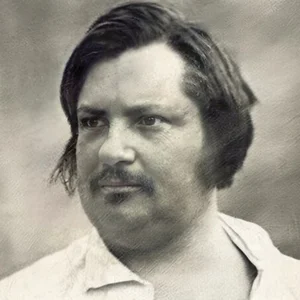
Honoré de Balzac
1799 — 1850
French novelist (1799–1850) and founder of literary realism. He created The Human Comedy, a vast novelistic panorama of French society in the 19th century, comprising more than 90 interconnected works.
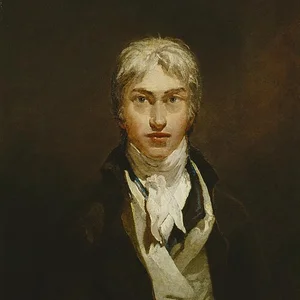
J. M. W. Turner
1775 — 1851
British painter and engraver (1775-1851), Turner is considered the master of Romantic landscape. A forerunner of Impressionism, he revolutionized the depiction of light, water, and atmosphere.
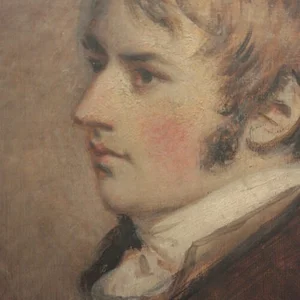
John Constable
1776 — 1837
John Constable (1776-1837) was a major English Romantic landscape painter. He revolutionized landscape painting by observing nature directly and depicting atmospheric effects with great fidelity.
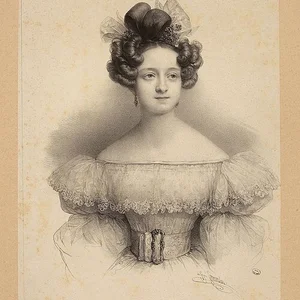
Marie Taglioni
1804 — 1884
A 19th-century Italian prima ballerina, Marie Taglioni revolutionized Romantic ballet by popularizing dancing on pointe. Her performance in *La Sylphide* (1832) defined the airy, ethereal aesthetic of Romantic ballet for generations to come.
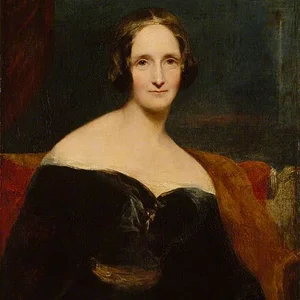
Mary Shelley
1797 — 1851
Peerage person ID=695563
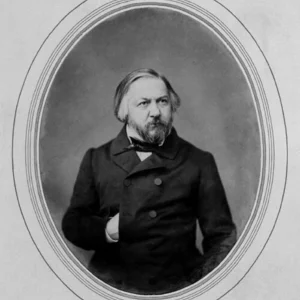
Mikhail Glinka
1804 — 1857
Russian composer regarded as the father of Russian classical music. His operas inspired an entire generation of Russian nationalist composers and founded a distinctly Russian school of music.
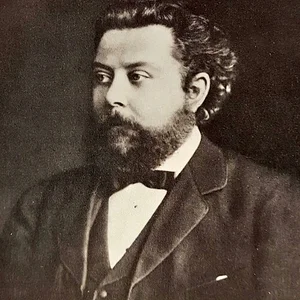
Modest Mussorgsky
1839 — 1881
Modest Mussorgsky was a 19th-century Russian composer and member of “The Five,” a group that sought to create a distinctly Russian national music. He is famous for his opera Boris Godunov and his piano suite Pictures at an Exhibition.
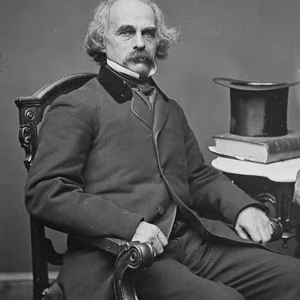
Nathaniel Hawthorne
1804 — 1864
Nathaniel Hawthorne (1804-1864) was an American novelist and short-story writer, a major figure of dark romanticism. He explores guilt, sin, and the Puritan legacy of New England in a psychological and allegorical body of work.
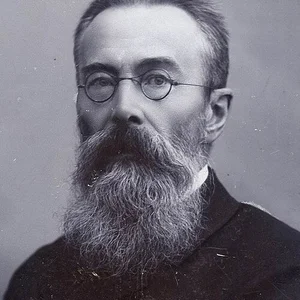
Nikolai Rimsky-Korsakov
1844 — 1908
Russian composer of the 19th century and member of The Five. An undisputed master of orchestration, he is famous for his symphonic suite Scheherazade and his many operas inspired by Russian folklore.
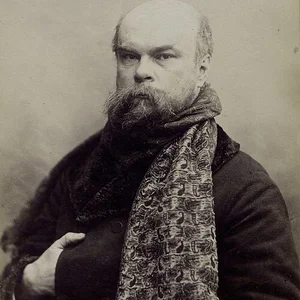
Paul Verlaine
1844 — 1896
A major French poet of the 19th century (1844–1896), Paul Verlaine is one of the central figures of Symbolism. Author of Poèmes saturniens and other groundbreaking collections, he revolutionized French poetry through his musicality and exploration of intimate emotional states.
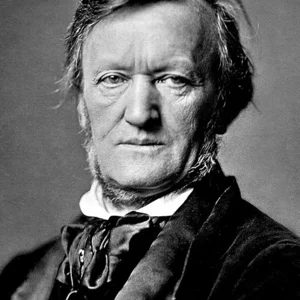
Richard Wagner
1813 — 1883
German composer (1813–1883), Wagner revolutionized opera by creating the concept of the total work of art (Gesamtkunstwerk). His music dramas, including the Ring Cycle and Tristan und Isolde, remain towering monuments of Romanticism.
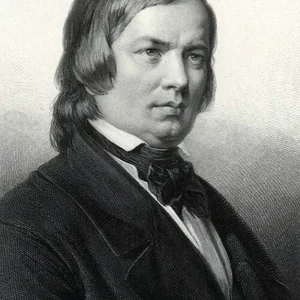
Robert Schumann
1810 — 1856
Robert Schumann was a German composer and pianist, a major figure of musical Romanticism. He is famous for his piano works, his lieder, and his chamber music, as well as for his activity as a music critic.
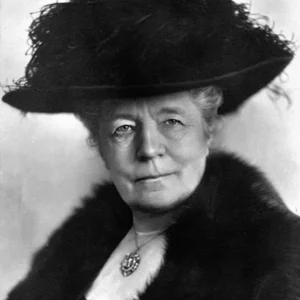
Selma Lagerlöf
1858 — 1940
Selma Lagerlöf (1858-1940) was the first woman to receive the Nobel Prize in Literature, awarded in 1909. This Swedish author is best known for her novel 'The Wonderful Adventures of Nils', which has become a worldwide classic of children's literature.
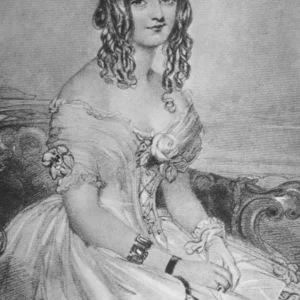
Teresa Guiccioli
1800 — 1873
Italian countess born in 1800, Teresa Guiccioli is best known for being the last great love of Lord Byron, with whom she shared a celebrated affair from 1819 to 1823. After the poet's death, she dedicated a memorial work to him, “Lord Byron Judged by the Witnesses of His Life” (1868), a precious testament to European Romanticism.
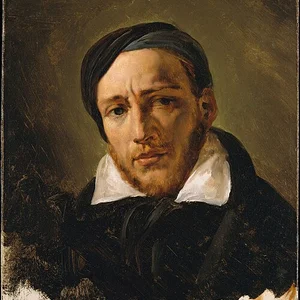
Théodore Géricault
1791 — 1824
French painter (1791–1824), a major figure of Romanticism. His masterpiece, *The Raft of the Medusa* (1819), marks a break from academic painting through its expressive violence and political engagement.
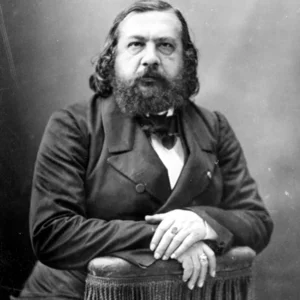
Théophile Gautier
1811 — 1872
French writer and critic (1811-1872), founder of the doctrine of art for art's sake, which champions the independence of art from moral and social concerns. Author of novels, poetry, and art criticism, he left a lasting mark on the 19th century through his commitment to formal beauty and aestheticism.
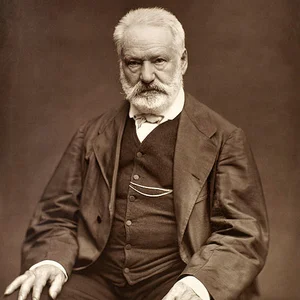
Victor Hugo
1802 — 1885
A major French writer of the 19th century, Victor Hugo (1802–1885) is the author of iconic novels such as Les Misérables and The Hunchback of Notre-Dame. Poet, playwright, and committed politician, he championed the rights of the poor and fought against the death penalty.
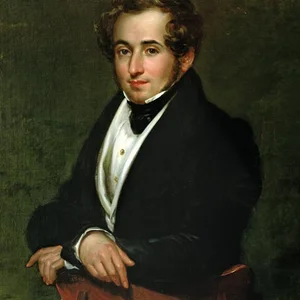
Vincenzo Bellini
1801 — 1835
Vincenzo Bellini was an Italian opera composer of the Romantic period, a major figure of bel canto alongside Rossini and Donizetti. His brief but brilliant career established him as a master of the long, expressive melody, before his untimely death at 33.
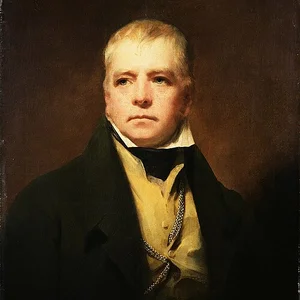
Walter Scott
1771 — 1832
Scottish writer and poet (1771–1832), Walter Scott is the father of the modern historical novel. Works such as *Ivanhoe* and *Waverley* popularized the Romantic vision of the Middle Ages across Europe.
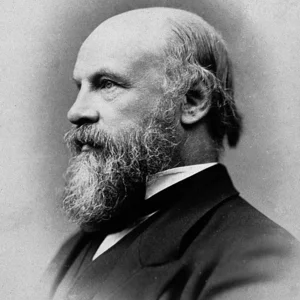
William Turner
1832 — 1916
British painter and watercolourist, a major figure of Romanticism. A master of landscape, he revolutionised the depiction of light, atmosphere and the natural elements, paving the way for Impressionism.