 Flip the card
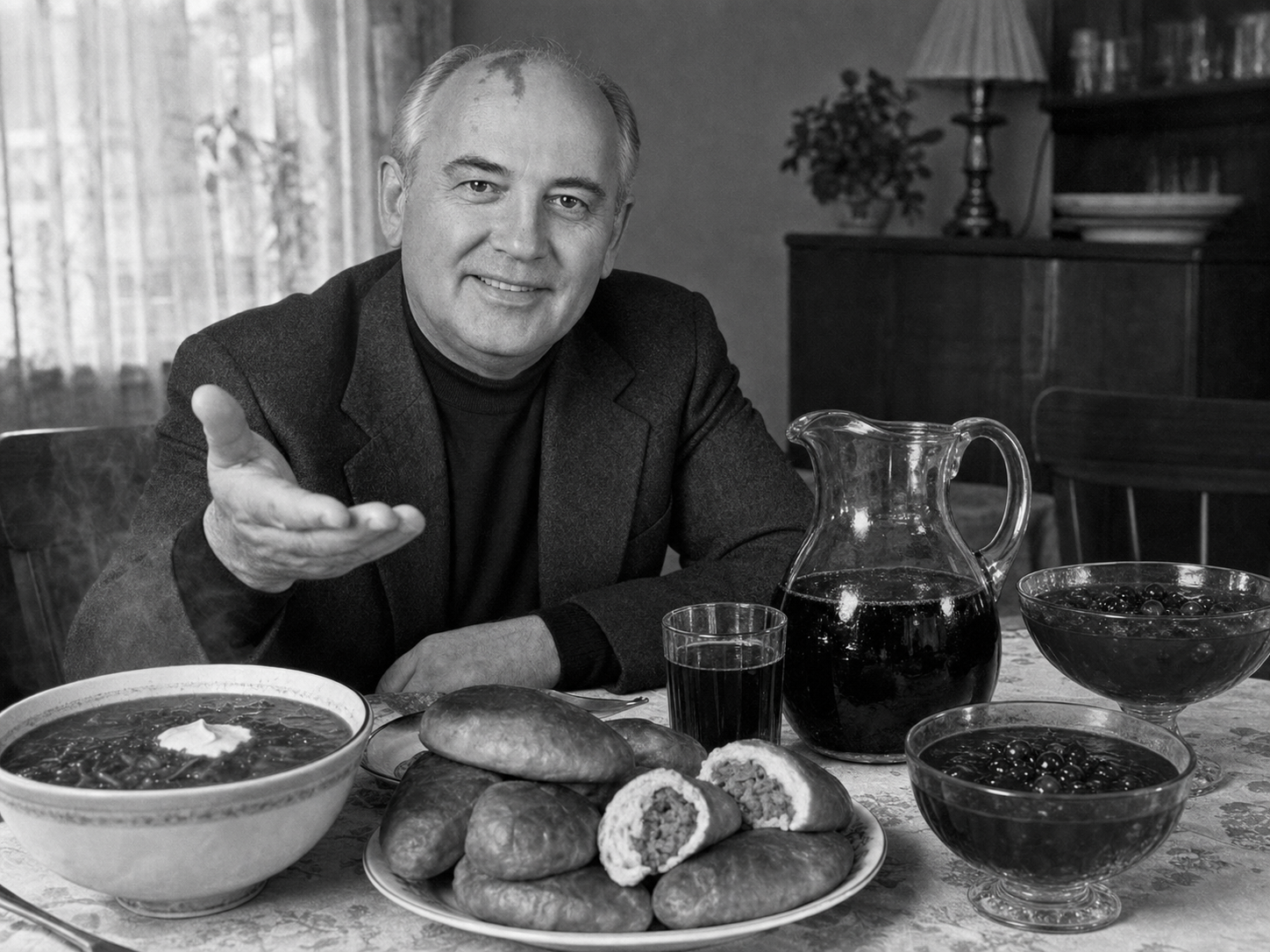
Gorbachev at the table
1931 — 2022
On the menu
The Russian meal in four courses (zakuski, pervoye, vtoroye, tretiye)
At the Russian and Soviet table, the meal unfolds in successive courses: **zakuski** (small cold hors d'oeuvres and pickles to nibble), **pervoye** (the "first," always a hot soup), **vtoroye** (the "second," the main dish with its garnish), and **tretiye** (the "third," a sweet drink or compote to close the meal). There is no starter-main-dessert separation: you move from tangy-salty toward sweet, passing black bread and a pot of *smetana* around the table.
Signature : Smetana and dill, on a base of black bread
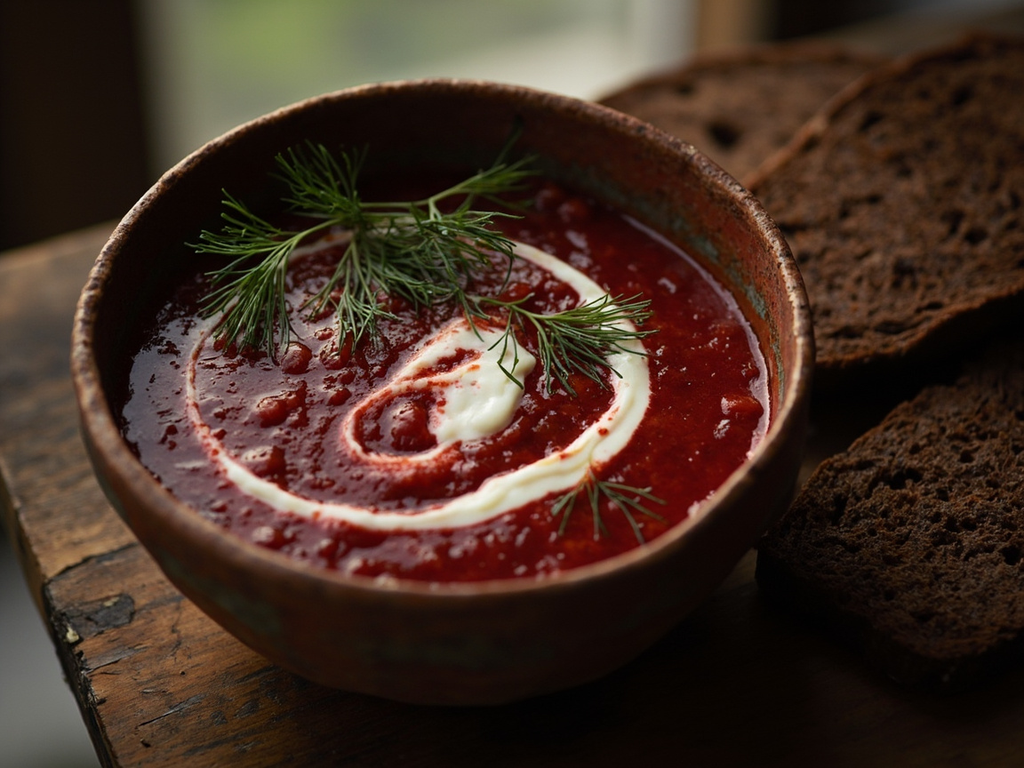
Thick sour cream (*smetana*) and fresh dill (*oukrop*) mark almost every Russian dish: a spoonful of *smetana* melts into the borscht, coats the *pirozhki*, binds the *kissel*. With rye bread, this tangy-dairy-herb trio is the continuous bass of the peasant cuisine of Stavropol, where Gorbachev grew up.
click to flip back
Gorbachev at the table
1931 — 2022
5 period recipes
 Everyday
Beet borscht with smetana
Pervoye (the "first": the soup base)
🍋 🍄· 2 h
View the recipe
 Travel
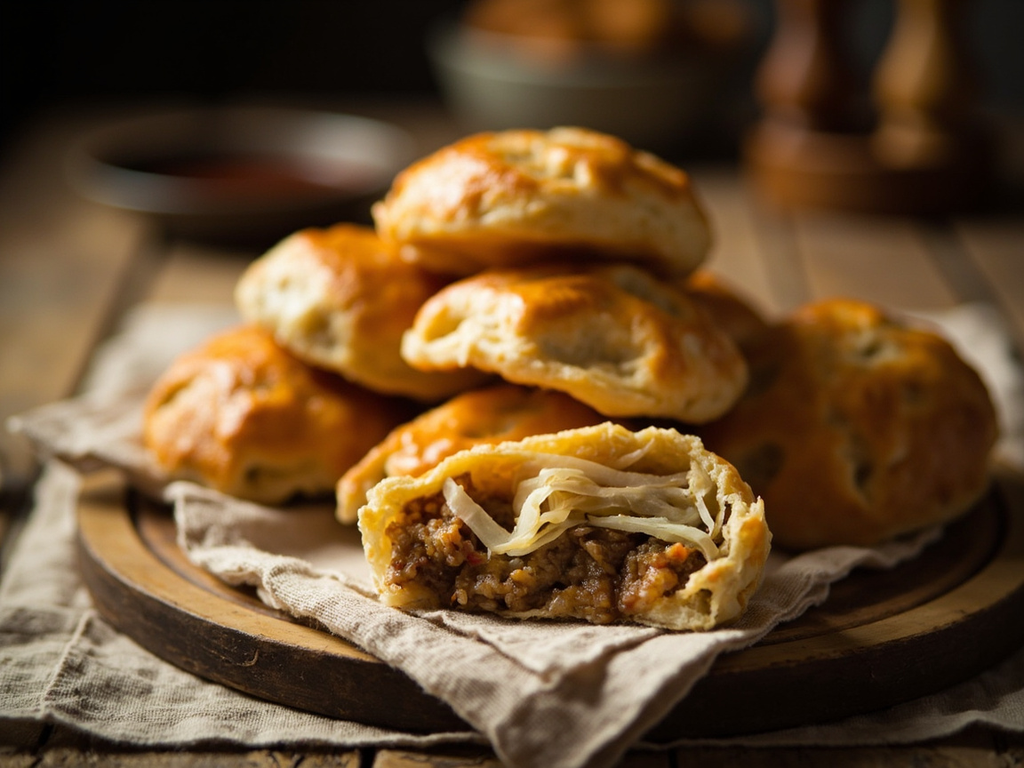
Pirozhki with cabbage and meat
Pocket zakuski / on-the-go snack
🧂 🍄· 2 h 30 (incl. rising)
View the recipe
 Drink
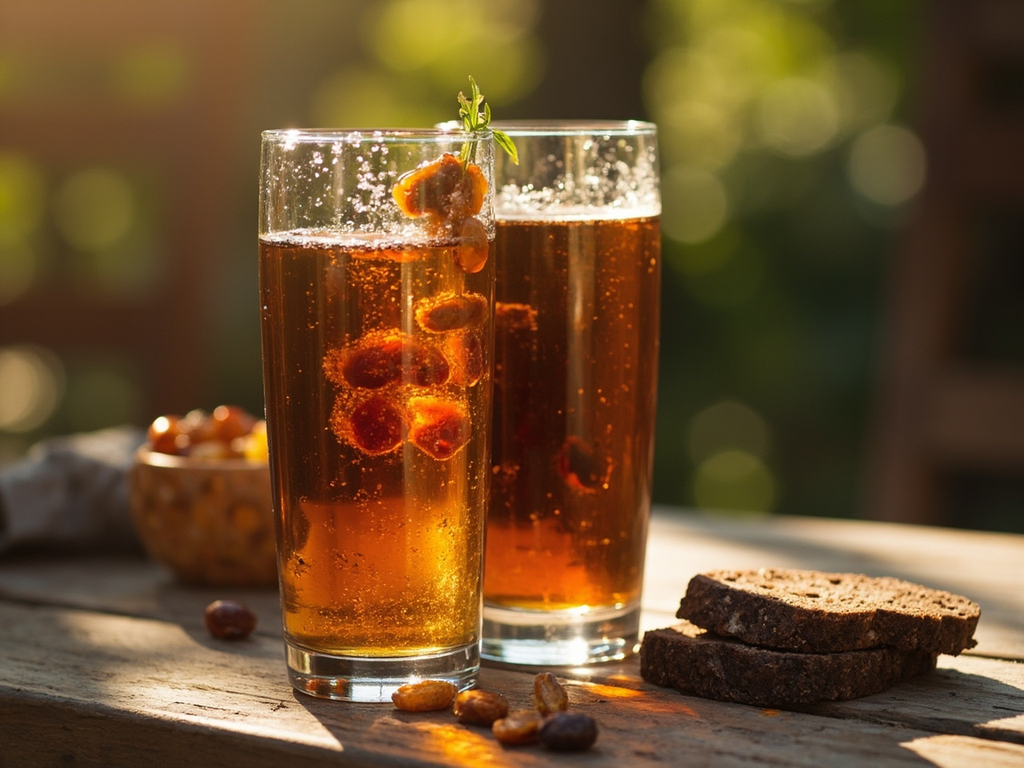
DrinkBlack bread kvass
Tretiye (the "third": the refreshing drink)
🫙 🍋 🍯· 20 min + 2 days fermentation
View the recipe
 Festive
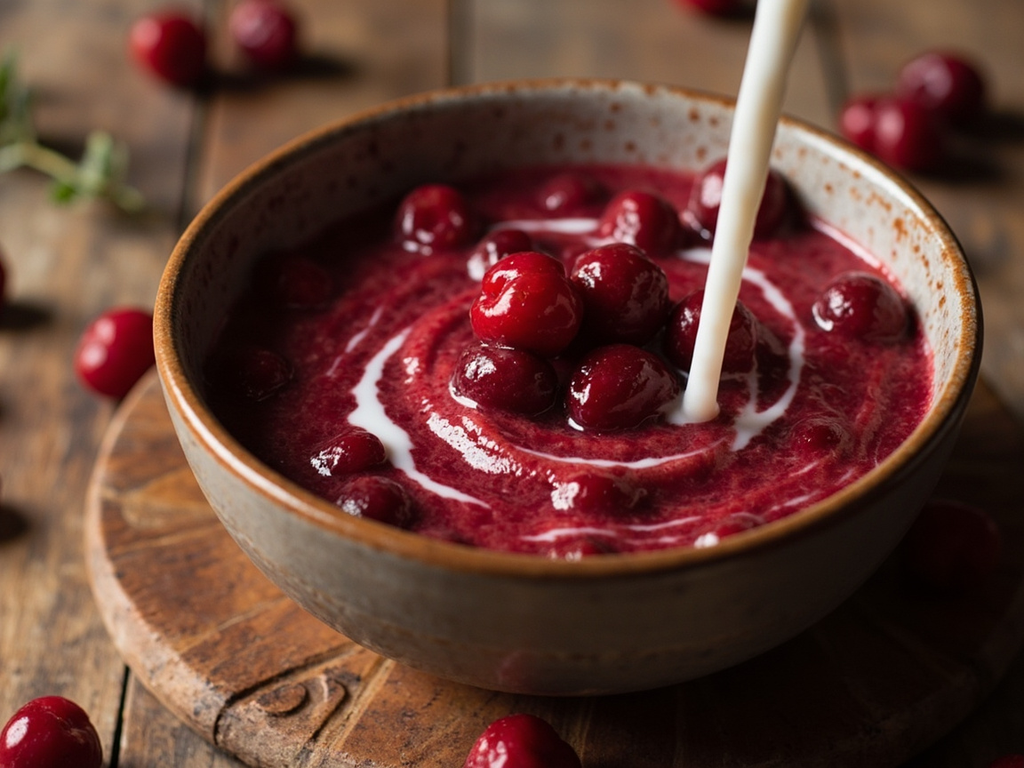
Red berry kissel
Sweet tretiye (closing dessert)
🍯 🍋· 30 min
View the recipe
 Preserving
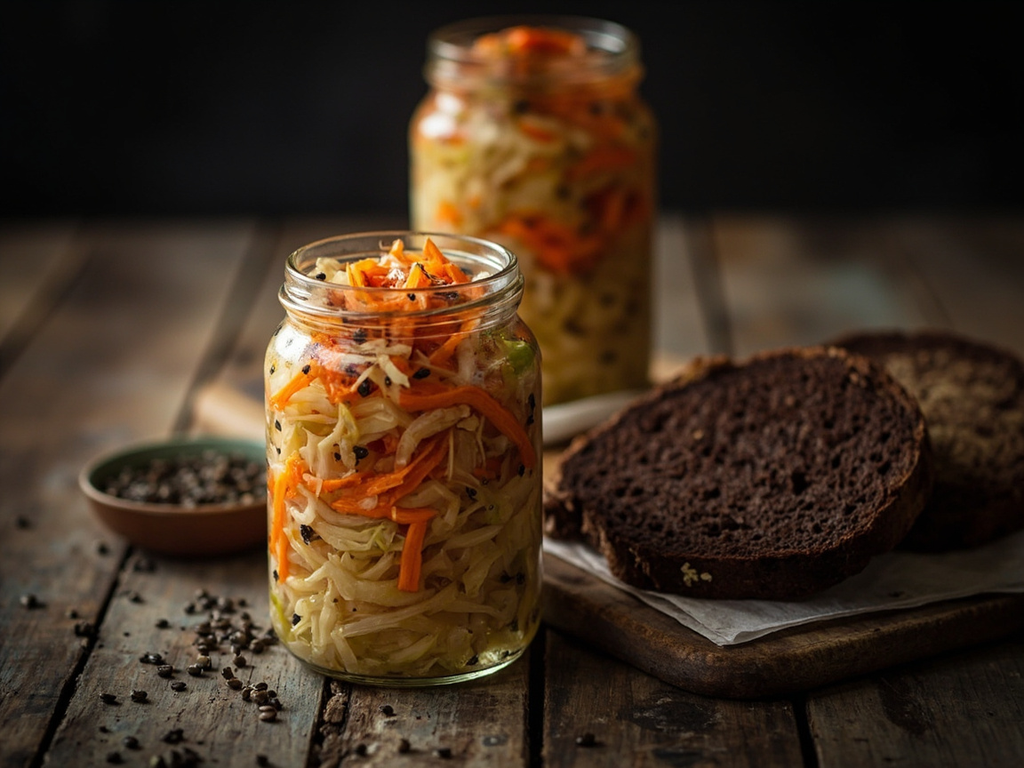
Kvashyonaya kapusta (lacto-fermented cabbage)
Cellar zakuski (pickled preserve)
🫙 🍋 🧂· 30 min + 5 to 10 days fermentation
View the recipe