Gebeta — the great shared injera platter
At the Ethiopian table, and even more so at the imperial table, meals are not served as separate courses of starter-main-dessert. Instead, a large teff flatbread, injera, is spread on a communal platter (woven mesob basket): it serves as tablecloth, plate, and utensil all at once. On it are placed small colorful pools of stews (wat), purees, and vegetables. Each person tears a piece of injera with the right hand to scoop up a bite; the supreme gesture of friendship is the gursha, feeding a morsel to your neighbor. The calendar of the Tewahedo Orthodox Church governs everything: nearly two hundred fasting days (tsom) without meat or animal products alternate with feast days when doro wat takes center stage. The meal often ends with the coffee ceremony (buna), three ritual rounds.
Signature : Berbere and Niter Kibbeh
Two souls of Ethiopian cuisine. Berbere is a fiery red spice blend (dried chili, fenugreek, korarima cardamom, ajwain, cloves, ginger, garlic); niter kibbeh is clarified butter perfumed with spices and herbs. Together they give imperial wats their deep color, warmth, and unmistakable aroma.
Haile Selassie at the table
1892 — 1975
5 period recipes
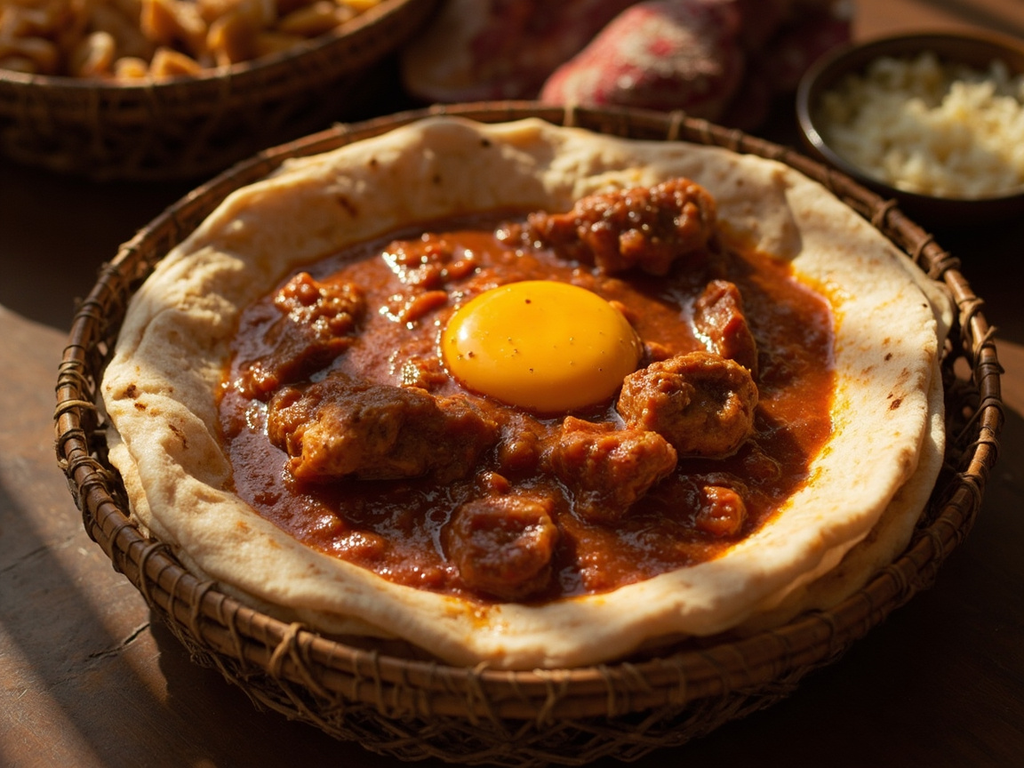 Festive
Doro Wat — Imperial Chicken Stew with Eggs
Festival wat, heart of the grand platter
🌶️ 🍄· 1 h 30
View the recipe
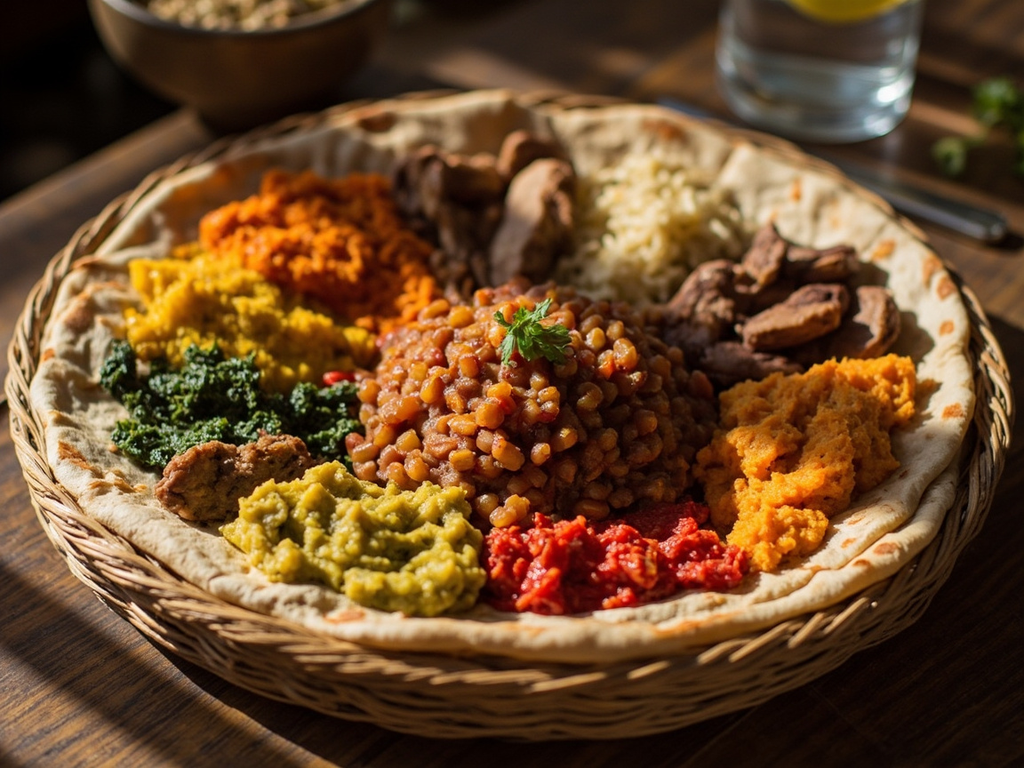 Everyday
Fasting Beyaynetu — Misir Wat (Red Lentils with Berbere) on Injera
Fasting platter (tsom), everyday vegetable assortment
🌶️ 🫙 🍋· 45 min
View the recipe
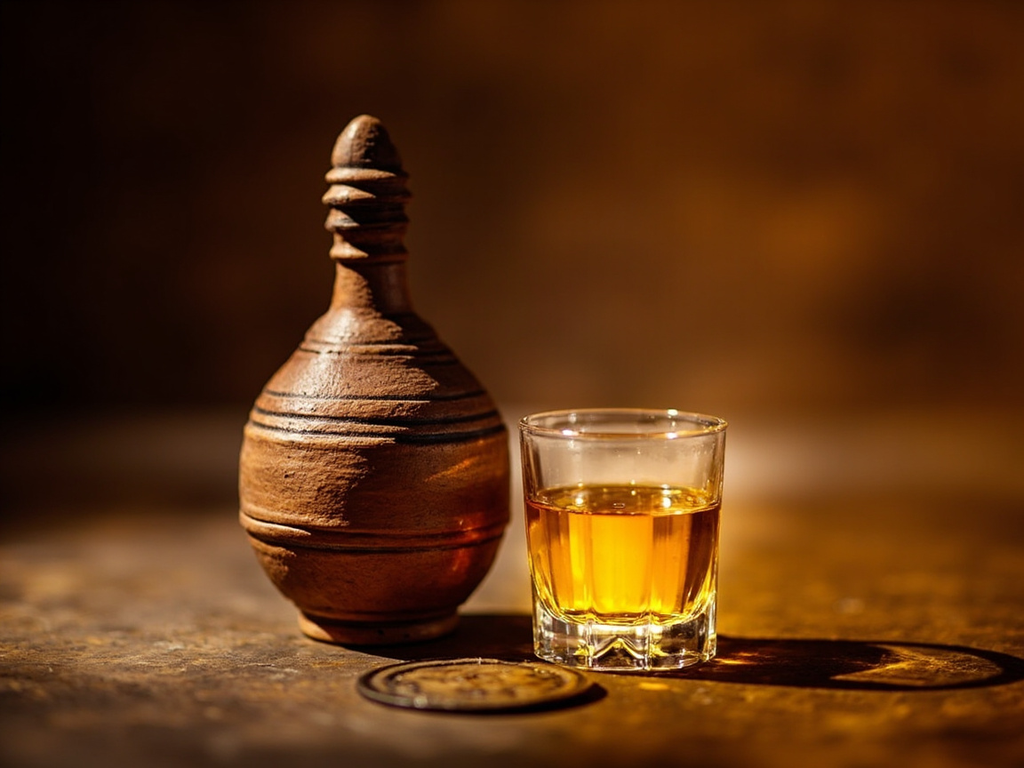 Offering
Tej — Ethiopian Honey Wine with Gesho
Honorary drink, served in a berele at feasts and offered to guests
🍯 🫙· 20 min + 7 to 10 days fermentation
View the recipe
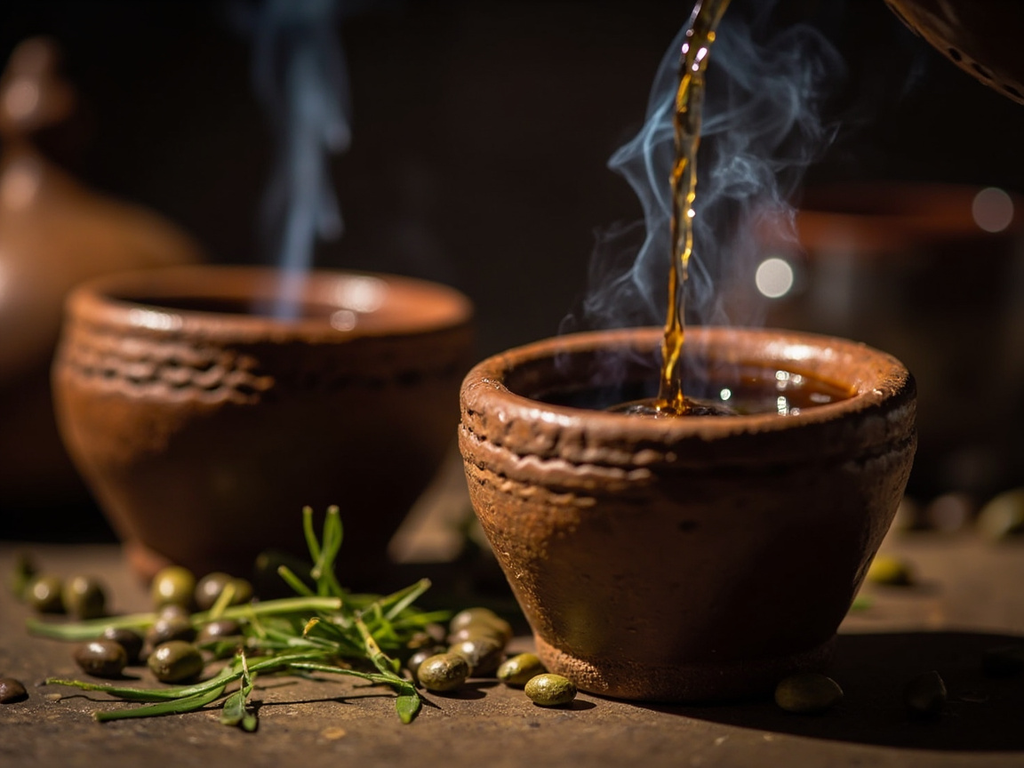 Drink
DrinkBuna — Coffee from Harar, Ceremony in Three Rounds
Coffee ceremony, ritual closing of the meal and hospitality
☕· 1 h (ceremony)
View the recipe
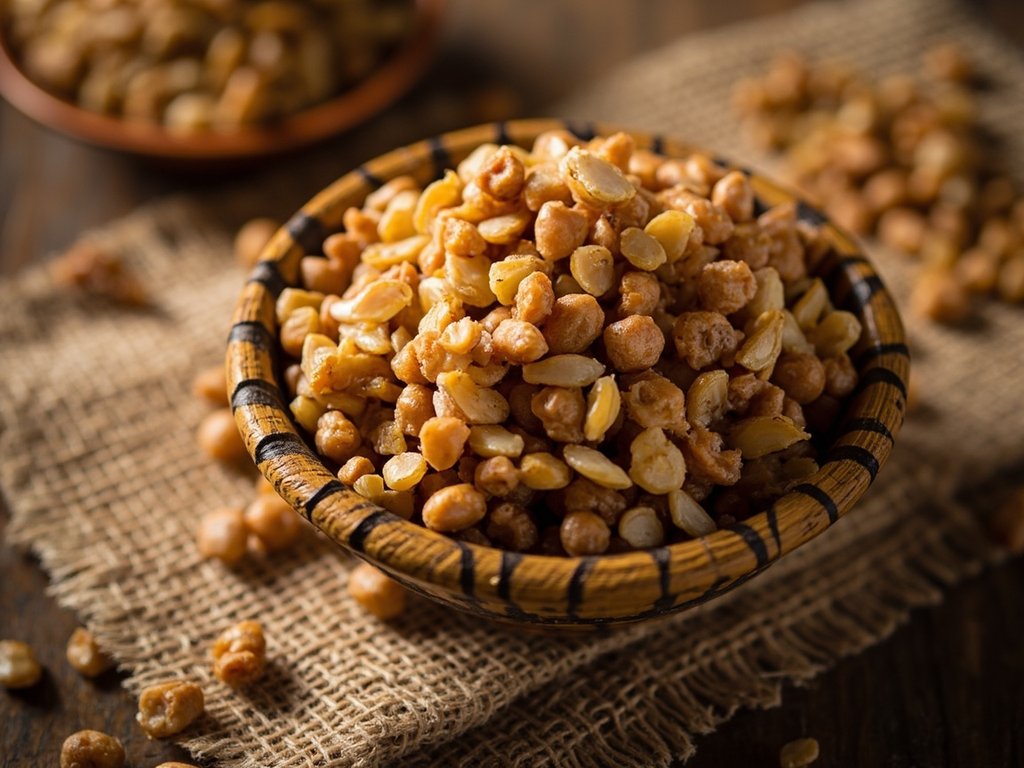 Travel
Kolo — Roasted Traveler's Grains (Barley and Chickpeas)
Dry travel and pocket snack, offered to visitors with coffee
🧂 ☕· 30 min
View the recipe