 Flip the card
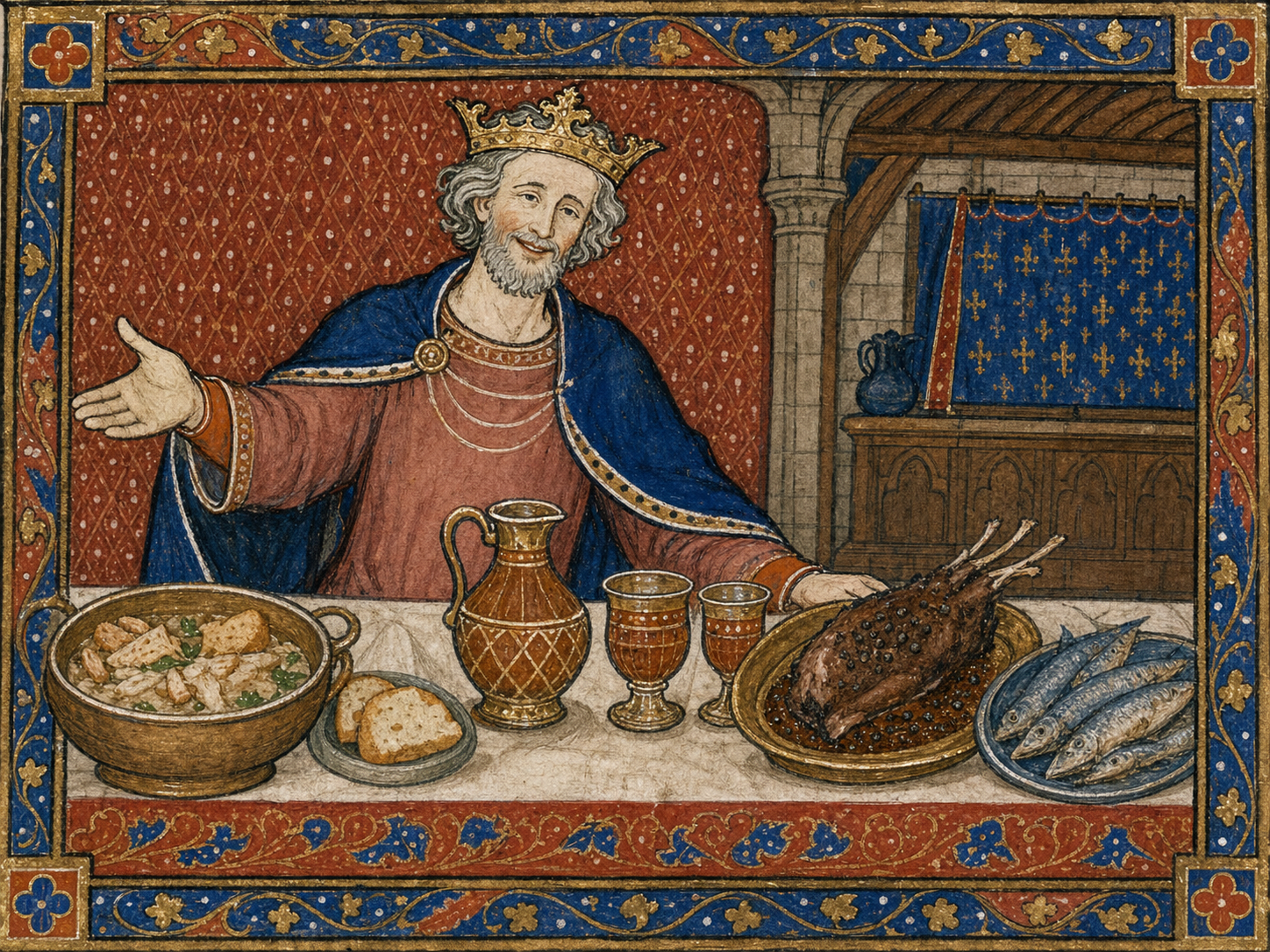
Hugh Capet at the table
940 — 996
On the menu
The Services of the Royal Dinner
At the table of the Frankish kings in the 10th century, dishes were not served one after another as they are today, but in "services": several dishes were brought together and placed on the table, and each person helped themselves according to their rank. Roasted meats and broths (thickened pottages) held the center, wheat bread served as the plate (the trencher), and wine flowed abundantly. On lean days prescribed by the Church, fish replaced meat. Sugar did not yet exist: honey provided sweetness, and spices from the East signaled the power of those who could afford them.
Signature : Spices of the East (Pepper and Cinnamon)
Pepper, ginger, and cinnamon traveled from Asia along endless trade routes. In the time of Hugh Capet, a pinch of these rare powders was worth a fortune: sprinkling them on one's sauces was a way of showing one was king. This mark of prestige runs through the entire meal.
click to flip back
Hugh Capet at the table
940 — 996
4 period recipes
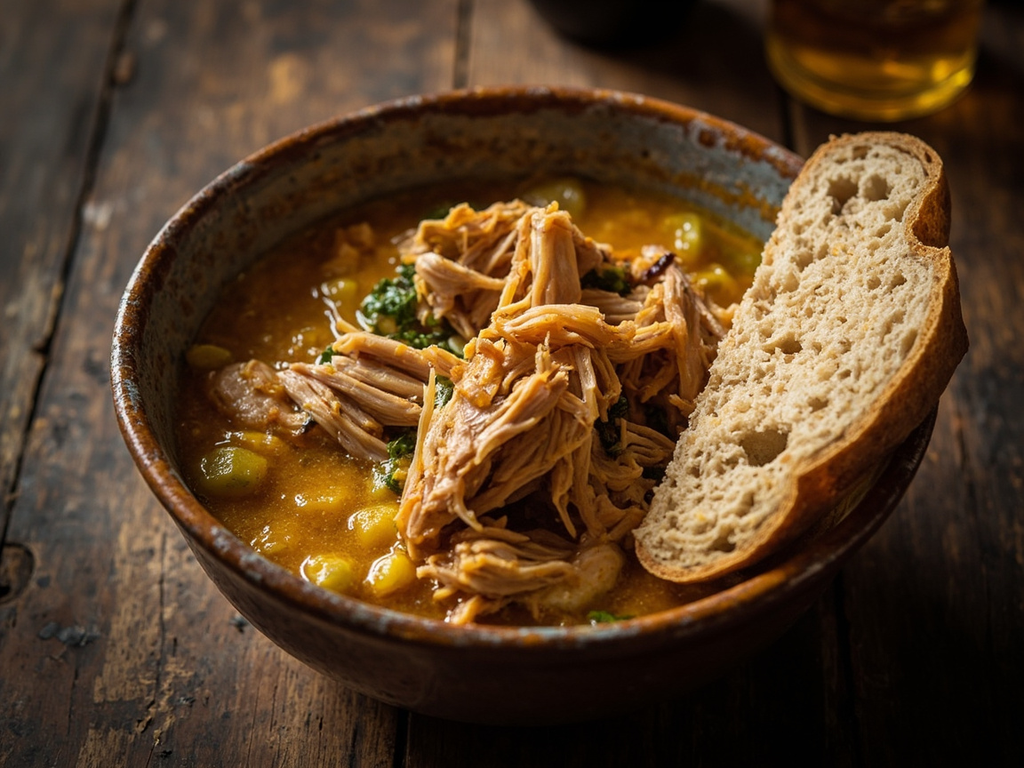 Everyday
Chicken Pottage with Bread
Everyday Pottage
🧂 🍄· 2 h 15
View the recipe
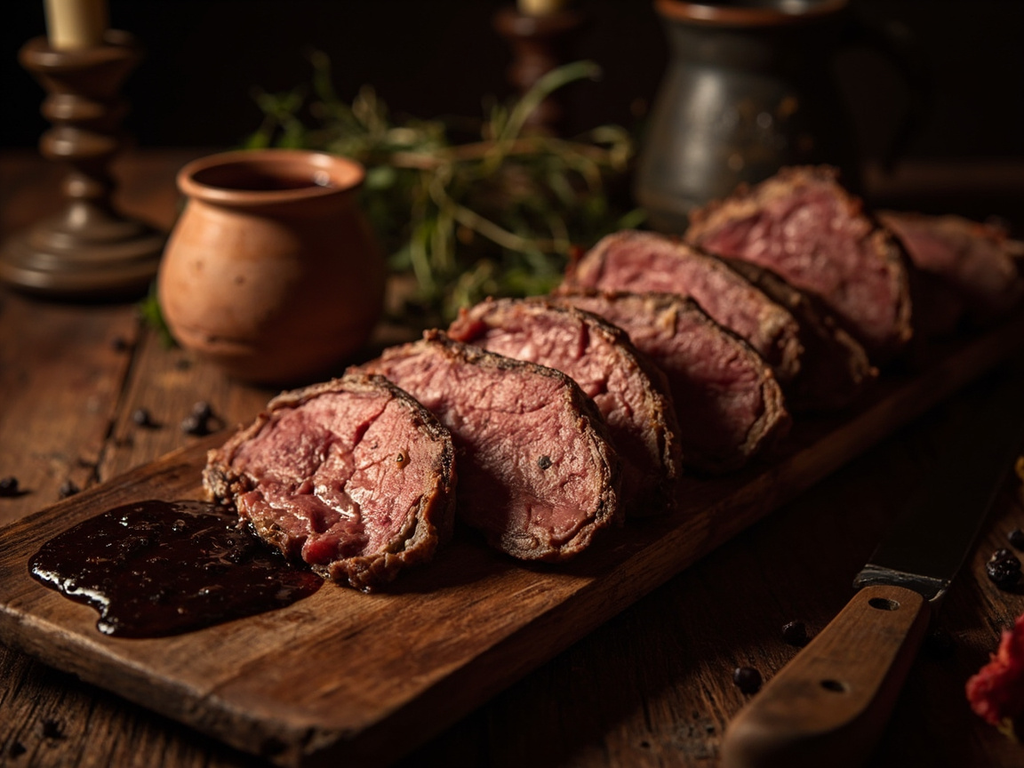 Festive
Roast Venison with Pepper Sauce
Roast for Grand Festive Service
🧂 🌶️ 🍋· 1 h 15
View the recipe
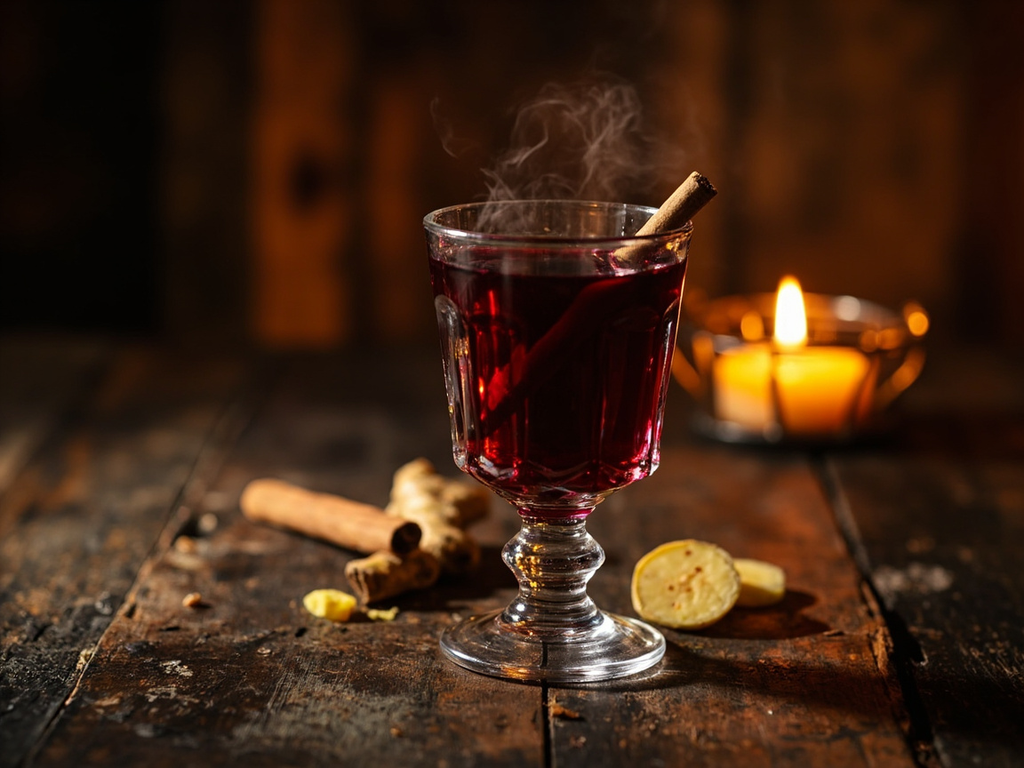 Drink
DrinkSpiced Honey Wine (Claré)
Spiced Drink for End of Service
🍯 🌶️· 25 min
View the recipe
 Preserving
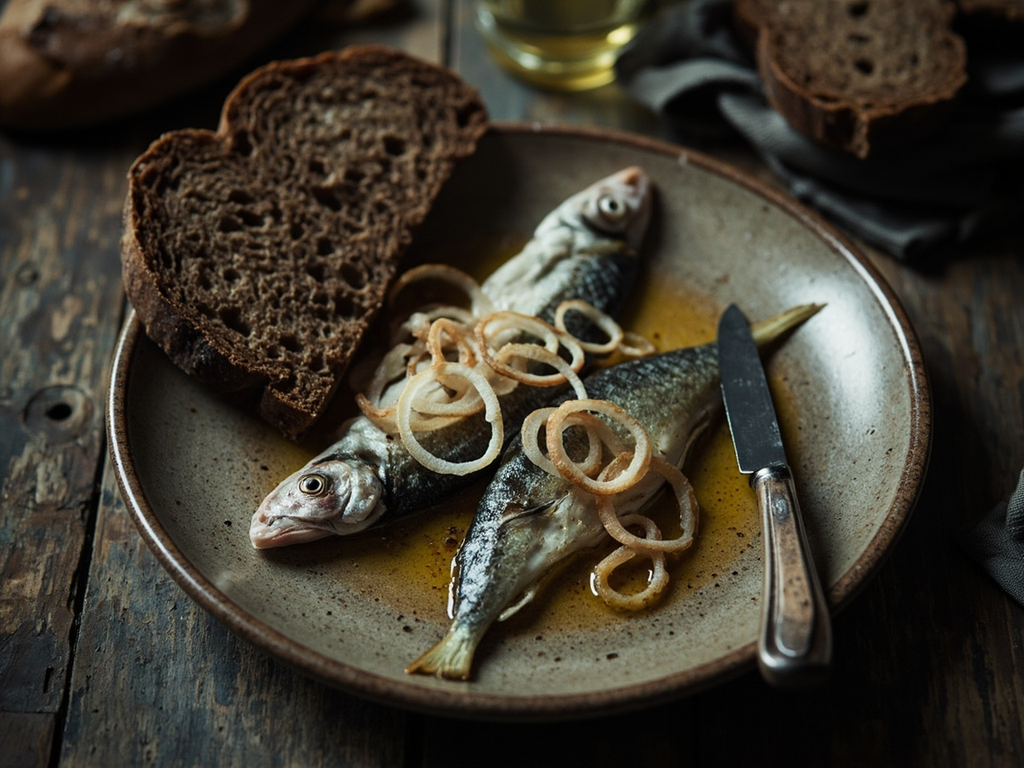
Salt Herring for Lean Days
Lean Day Dish (Preserved Fish)
🧂 🍄· 30 min (+ marinade)
View the recipe