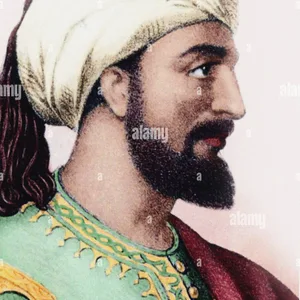

Marie Laveau (c. 1801–1881) was the famous 'Voodoo Queen' of New Orleans. A free woman of color, she practiced Louisiana Voodoo, blending African and Caribbean traditions with Creole Catholicism. Her spiritual and social influence in Louisiana's Afro-Creole community remains legendary.
Marie Laveau(1801 — 1881)
Marie Laveau
États-Unis
8 min read
Frequently asked questions
Key Facts
- Born around 1801 in New Orleans to an Afro-Creole enslaved mother and a free white father — her exact origins remain debated across oral traditions
- Worked as a hairdresser, which gave her access to the most diverse social circles in New Orleans society
- Led public Voodoo ceremonies on the shores of Lake Pontchartrain, drawing hundreds of participants from all walks of life
- Known for her charitable work: caring for prisoners, yellow fever patients, and those condemned to death
- Died around 1881; her tomb in Saint Louis Cemetery No. 1 remains a popular pilgrimage site to this day
Works & Achievements
Marie Laveau presided each year over the Voodoo gatherings held on Saint John's Eve — exceptionally large public events that became emblematic of Louisiana Voodoo. These ceremonies helped structure and legitimize Voodoo practice in New Orleans.
A renowned professional hairdresser, Marie Laveau gained access through her trade to the homes of the wealthiest Creole families. Her salon also served as a hub for exchanging information, strengthening her network of social and spiritual influence.
Marie Laveau personally committed herself to assisting inmates at the New Orleans parish prison, bringing them food, comfort, and spiritual support. This charitable work earned her immense popular respect that extended well beyond her reputation as a Voodoo priestess.
Through her authority and charisma, Marie Laveau unified and shaped the scattered Voodoo practices of Louisiana's Afro-Creole community, creating a distinctive syncretism blending African, Caribbean, and Roman Catholic traditions. Her spiritual legacy endures in contemporary Louisiana Voodoo.
A free woman of color living in a slaveholding society, Marie Laveau used her influence to support vulnerable members of the Black and Creole community. She at times negotiated the freedom of enslaved individuals and offered assistance to families torn apart by the domestic slave trade.
Anecdotes
Marie Laveau organized large nocturnal gatherings every year on June 23rd for St. John's Eve, at the shores of Lake Pontchartrain. Hundreds of people — white and Black, free and enslaved — came together for ceremonies blending songs, dances, and Voodoo rituals. These celebrations were both feared and fascinating to the Creole authorities of New Orleans.
Through her network of maids and domestic servants placed in the great Creole households, Marie Laveau gathered information on the city's most influential families. She used this knowledge to strengthen her reputation as a 'prophet' and advisor, earning her a reputation as an all-knowing woman whom even judges and politicians would quietly come to consult.
Marie Laveau was also known for her acts of charity. She regularly visited death row inmates in New Orleans prisons, bringing them food and spiritual comfort. Legend has it that she secured pardons for several condemned men in exchange for her prayers, which further fed the supernatural reputation surrounding her.
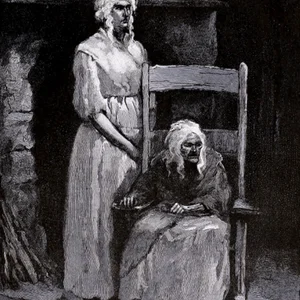
As Marie Laveau aged, her daughter Marie Laveau II gradually took over her role as 'Voodoo Queen.' The resemblance between mother and daughter was so striking that many believed Marie Laveau was immortal or possessed the secret of eternal youth, fueling the legend that surrounded her.
Primary Sources
She was tall, well-built, with piercing black eyes and long black hair. It was said she could heal the sick, predict the future, and punish her enemies by sheer force of will.
The elders of New Orleans remembered her as a woman of extraordinary authority, consulted by the poor of the outlying neighborhoods and the wealthy Creoles of the French Quarter alike. Her parlor on Saint Ann Street was the repository of every secret.
Marie Laveau, known as the 'Voodoo Queen,' died at her home on Saint Ann Street. She was approximately eighty years of age and enjoyed a reputation unmatched throughout all of Louisiana.
Héron mandé, héron mandé, tigui li papa, héron mandé. These chants in Creole and African languages, attributed to ceremonies led by Marie Laveau, were passed down from generation to generation within the Afro-Creole community of New Orleans.
I was told that Marie Laveau had the power to transform herself, to vanish and reappear elsewhere. Credible witnesses claimed to have seen her in two different places at the same time.
Key Places
Marie Laveau's home in the French Quarter was the heart of her activities: consultations, gris-gris preparation, and secret gatherings. The location drew visitors from all walks of life and all backgrounds.
The only officially permitted gathering place for enslaved people, Congo Square was the cradle of African cultural expression in New Orleans. Marie Laveau is said to have presided over ceremonies and ritual dances there.
Marie Laveau is buried here, in a tomb that has become one of the most visited sites in New Orleans. Believers still leave offerings today and mark crosses on the stone to have their wishes granted.
The shores of Lake Pontchartrain were the setting for the grand St. John's Eve ceremonies organized by Marie Laveau, drawing hundreds of participants into nighttime rituals combining dancing, chanting, and invocations.
This urban bayou, a historic waterway connecting New Orleans to Lake Pontchartrain, was associated with voodoo practices and spiritual gatherings. Marie Laveau is said to have conducted water-based rituals there, water being a central element of Louisiana Voodoo.
Typical Objects
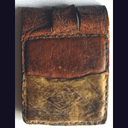
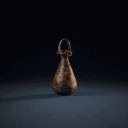
A small fabric pouch containing herbs, bones, earth, and other symbolic materials, the gris-gris is the emblematic object of Louisiana Voodoo. Marie Laveau crafted and sold these amulets for protection or cursing to clients who came from across Louisiana.
📷 CC BY-SA 3.0 · Wikimedia Commons ↗
Marie Laveau was renowned for her ceremonies involving a large python she called Li Grand Zombi, a central figure in Louisiana Voodoo representing the divine spirit. Dancing with this snake was one of the most spectacular moments of her public rituals.
A colorful head scarf mandated by law for free women of color in Louisiana since 1786, the tignon was transformed into a symbol of pride and elegance by Creole women. Marie Laveau wore it with an authority that made it an emblem of her identity and power.

Colored candles (red, black, white) and aromatic incense were essential tools in Marie Laveau's Voodoo rituals. Each color corresponded to a specific intention: love, protection, vengeance, or healing.

A hairdresser by trade, Marie Laveau also prepared remedies from local Louisiana plants. Her preparations blended traditional African medicinal knowledge with bayou plants, earning her the additional status of healer.

A practicing Catholic, Marie Laveau incorporated crucifixes, holy water, and images of saints into her rituals, creating a syncretism unique to Louisiana Voodoo. This fusion of Catholicism and African traditions was one of her defining hallmarks.
School Curriculum
Vocabulary & Tags
Key Vocabulary
Tags
Daily Life
Morning
Marie Laveau began her day with Catholic prayers before her home altar, adorned with crucifixes, candles, and images of saints. She would then prepare her herbal remedies from bayou plants and receive her first clients at the hair salon she ran from her Saint Ann Street home.
Afternoon
Her afternoons were devoted to spiritual consultations: people of all social backgrounds came to seek her guidance on matters of love, business, or justice. She crafted personalized gris-gris charms, shared advice drawn from her vast information network, and received payment in the form of money or gifts in kind.
Evening
Marie Laveau's evenings could take very different forms: intimate spiritual gatherings at home with initiates, or on special occasions, presiding over public ceremonies blending dancing, chanting, and invocations of Voodoo spirits (loas). On Saint John's Eve, she led grand rituals on the shores of Lake Pontchartrain.
Food
Marie Laveau shared the typical Louisiana Creole cuisine of her era: gumbo (a stew of okra and seafood), red beans and rice, and fish and crawfish from the bayou. Some ingredients in her meals also carried a ritual dimension, as local aromatic herbs served both in cooking and in her spiritual preparations.
Clothing
Marie Laveau wore the tignon, a brightly colored madras headscarf legally required of free women of color, which she had transformed into a symbol of elegance and authority. She dressed modestly but with dignity, in white cotton or brightly colored dresses suited to Louisiana's hot and humid climate.
Housing
Her home on Saint Ann Street in the French Quarter was a typical Creole dwelling, with a covered street-facing gallery and an interior courtyard. The interior blended Creole furniture, Voodoo altars laden with offerings, dried herbs, and ritual objects, creating an atmosphere that was at once domestic and mysterious — as described by many visitors of the time.
Historical Timeline
Period Vocabulary
Visual Style
Esthétique créole louisianaise du XIXe siècle : chaleur tropicale, syncrétisme catholico-africain, lumières de bougies et atmosphère mystérieuse des cérémonies vaudoues nocturnes.
Sound Ambience
Ambiance nocturne des cérémonies vaudoues louisianaises : tambours africains, chants créoles syncopés, bruits du bayou et résonances du Vieux Carré Français du XIXe siècle.
Liens externes & ressources
Références
Œuvres
Organisation des cérémonies de la Saint-Jean au lac Pontchartrain
Vers 1830-1870
Pratique de la coiffure et salon de beauté créole
Vers 1820-1850
Réseau d'aide aux condamnés et aux prisonniers
Vers 1830-1870
Codification du vaudou louisianais
XIXe siècle
Action sociale dans la communauté afro-créole de La Nouvelle-Orléans
Vers 1820-1881