 Flip the card
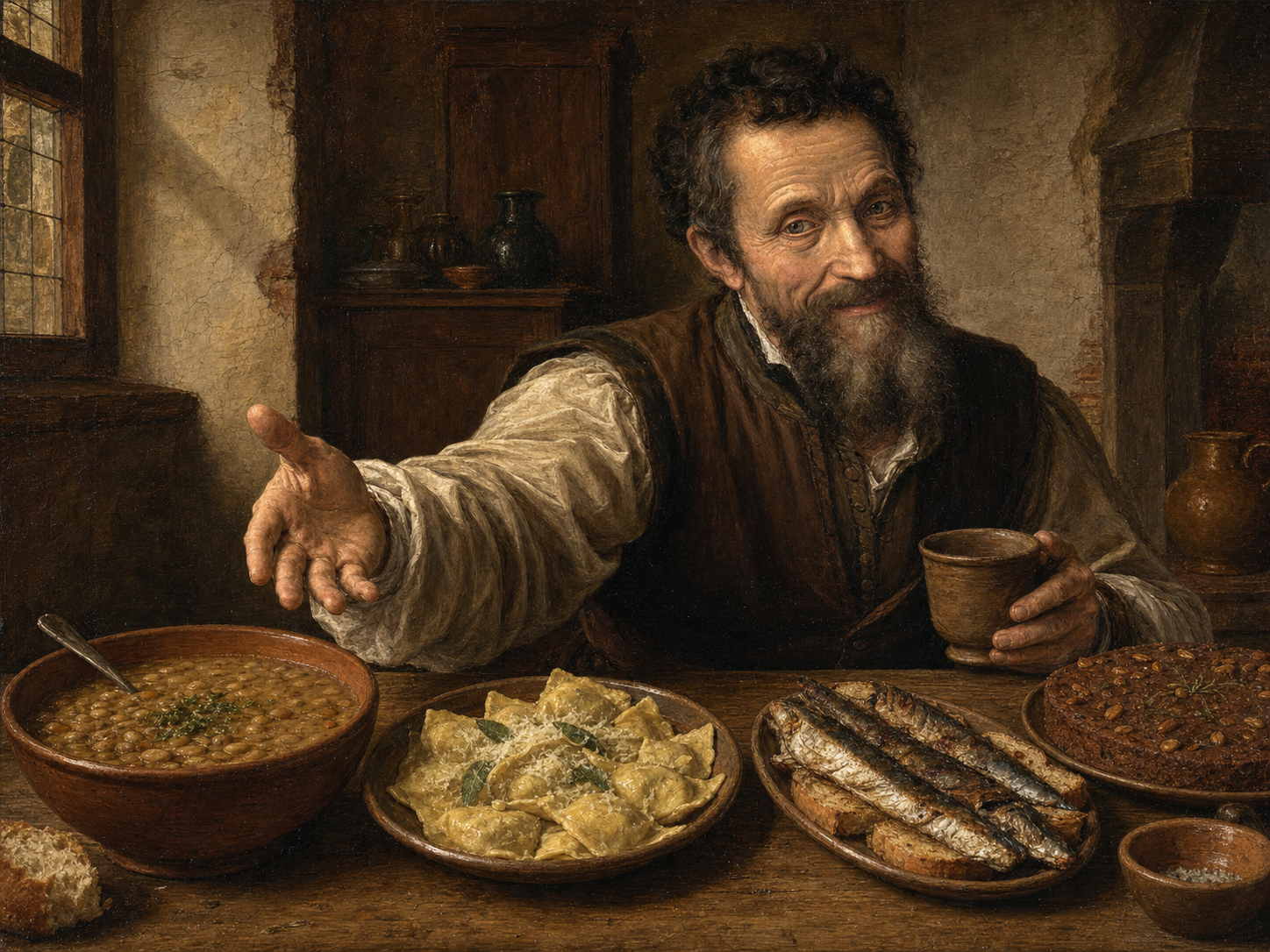
Michelangelo at the table
1475 — 1564
On the menu
Il desinare fiorentino (the meal around bread)
In Renaissance Florence, meals were not organized as starter/main/dessert but around *pane sciocco*, the saltless Tuscan bread. Everything else is *companatico* — "what accompanies bread": a *minestra* (dried legume soup), some salted fish, sometimes *tortelli* on feast days, and a poor flour *dolce* to finish. Wine is drunk cut with water. For Michelangelo, an austere artisan, this pattern was reduced to essentials: bread, a soup, a *companatico*, often eaten standing up.
Signature : Saltless bread and Tuscan olive oil
The Tuscan *pane sciocco* (bland bread) and *olio* of Tuscany are the thread of this frugal table: bread serves as plate, spoon, and base for every meal, oil often replaces butter and marks every dish.
click to flip back
Michelangelo at the table
1475 — 1564
5 period recipes
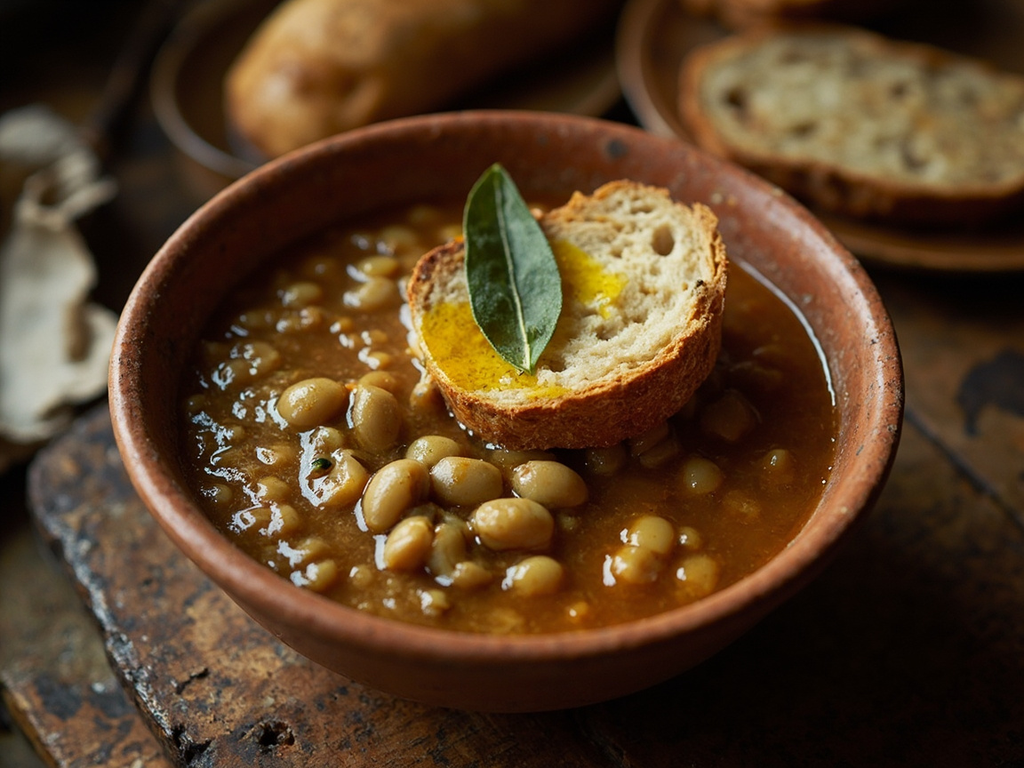 Everyday
Minestra di fave secche (dried fava bean soup)
Minestra — the soup-base that serves as a meal
🍄 🧂· 2 h (plus soaking)
View the recipe
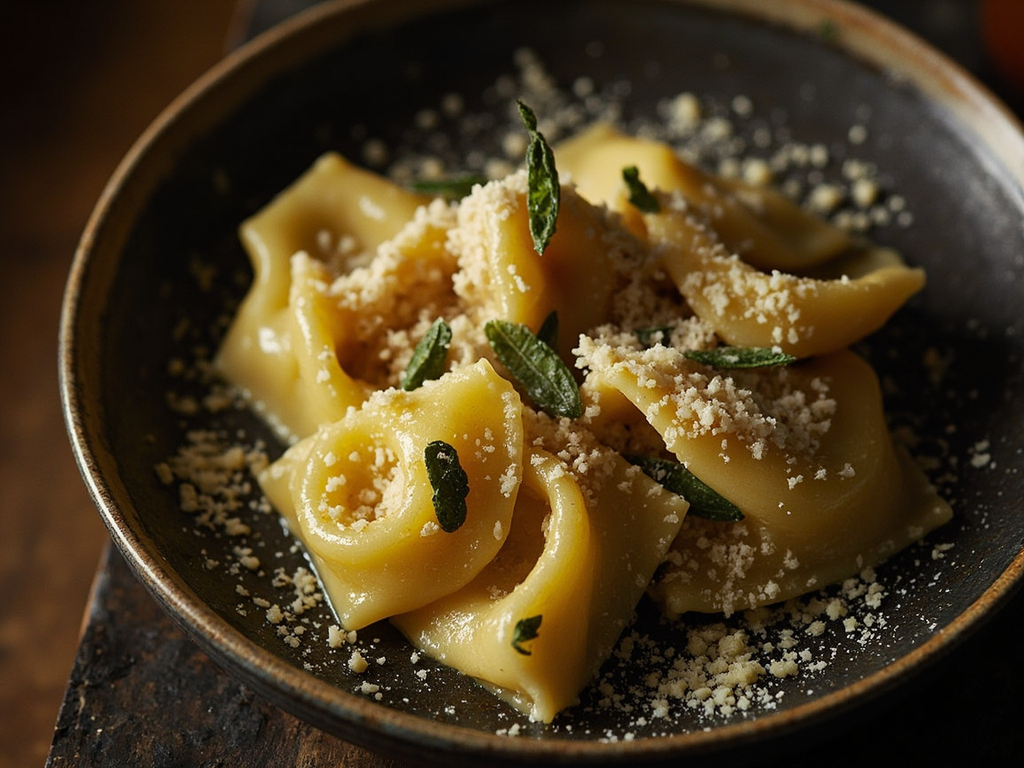 Festive
Tortelli d'erbe e ricotta (herb and ricotta tortelli)
Festive *companatico* — stuffed pasta for good days
🧂 🍄· 1 h 30
View the recipe
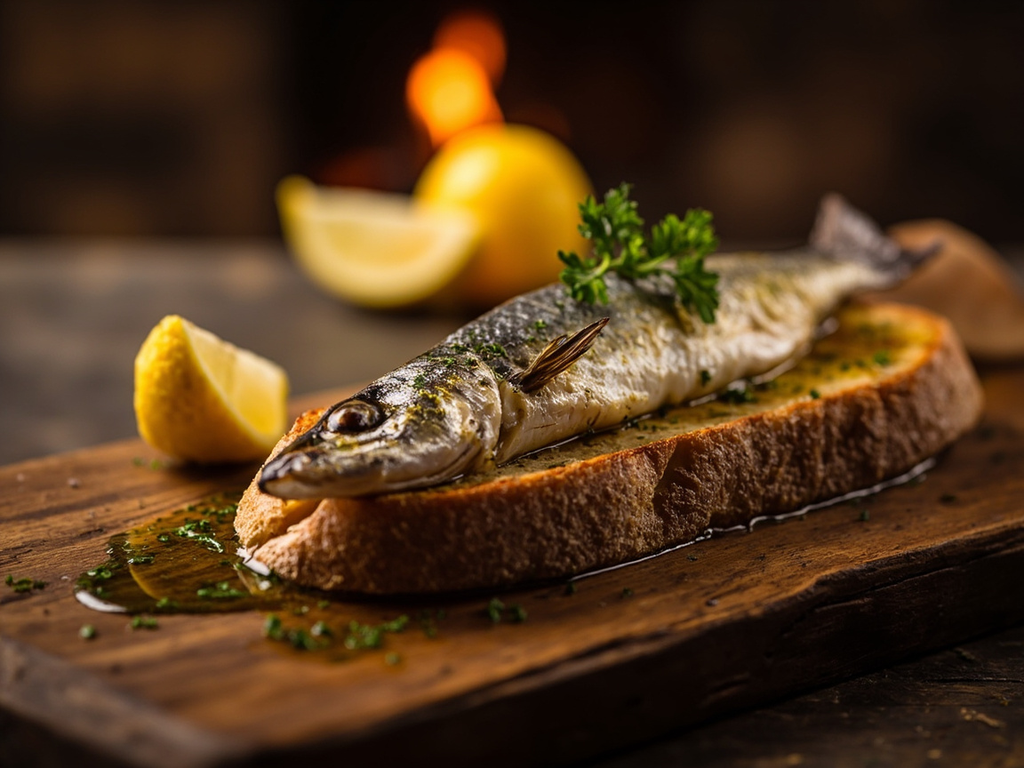 Preserving
Aringa sotto la cenere (salt herring grilled on bread)
Stored *companatico* — salted fish that lasts
🧂 🫙· 30 min (plus desalting)
View the recipe
 Street food
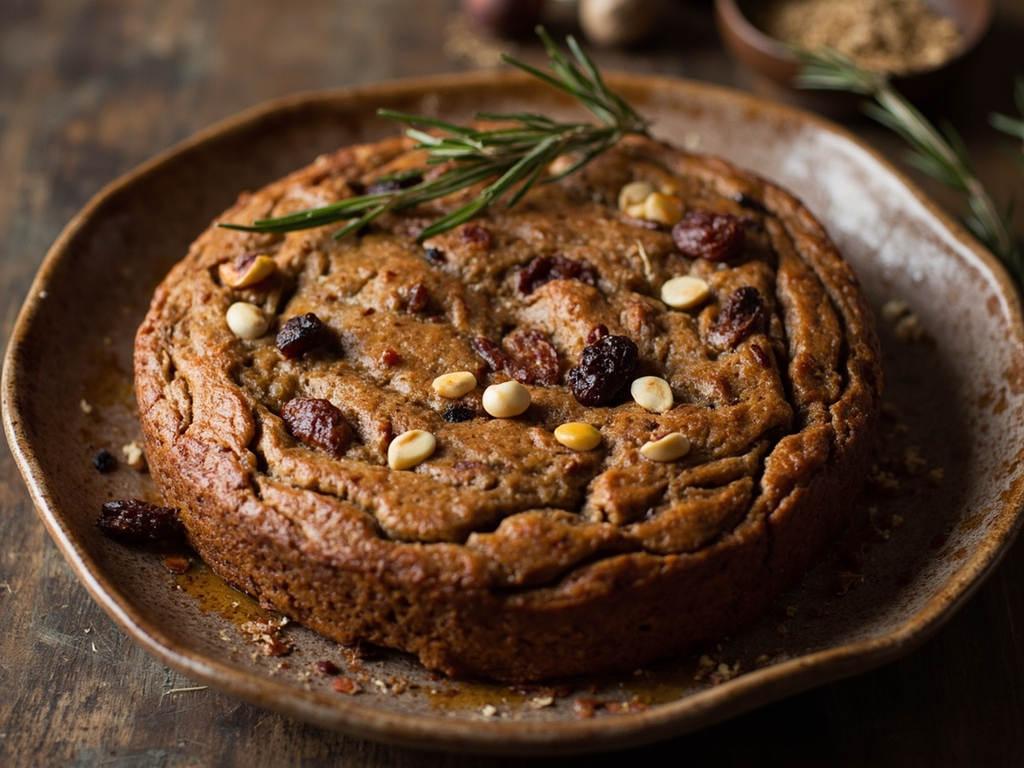
Castagnaccio (chestnut flour flatbread)
Poor *dolce* — humble flour sweetness, anytime snack
🍯 ☕· 50 min
View the recipe
 Drink
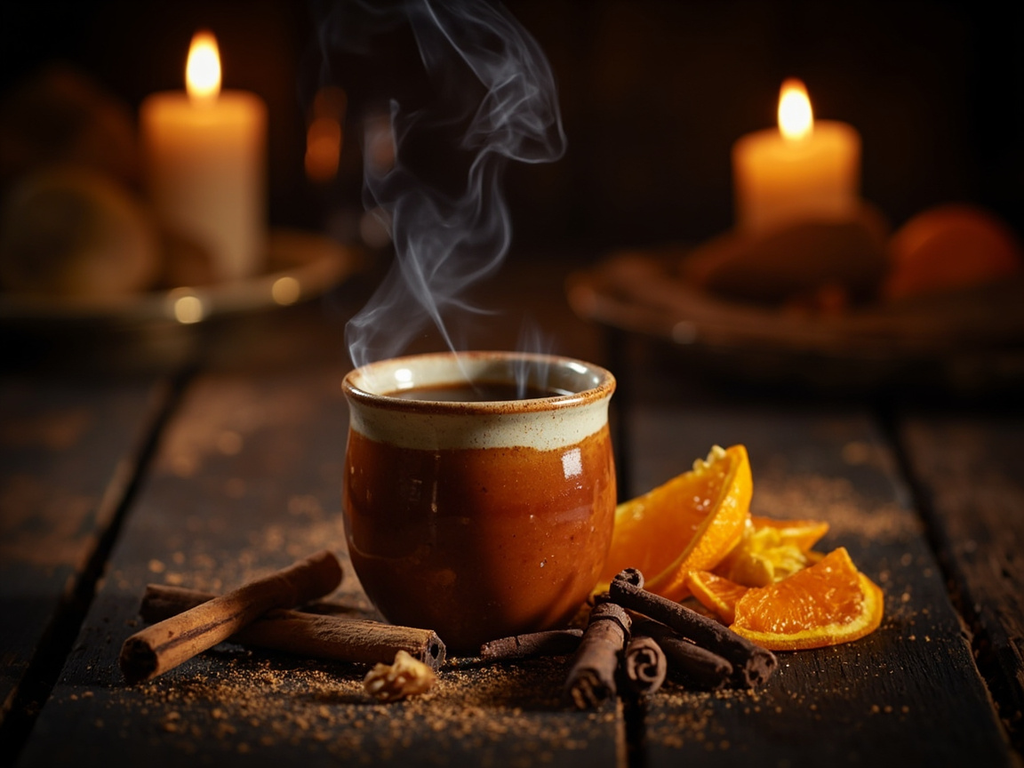
DrinkIppocrasso (spiced honey wine)
Table beverage — perfumed wine for feast days
🍯 🌶️· 25 min
View the recipe