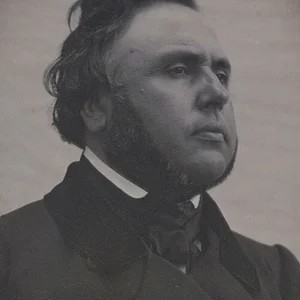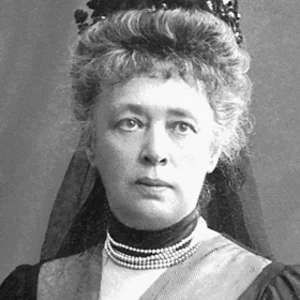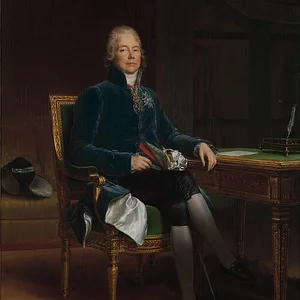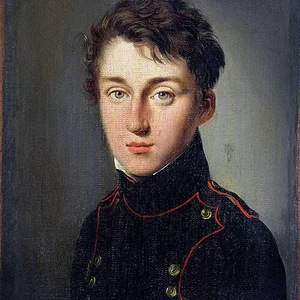

A French engineer and statesman trained at the École Polytechnique, Sadi Carnot was elected President of the Republic in 1887. His seven-year term was marked by the scandals of the Third Republic. He was assassinated in Lyon in 1894 by the Italian anarchist Sante Geronimo Caserio.
Sadi Carnot(1796 — 1832)
Sadi Carnot
France
9 min read
Frequently asked questions
Key Facts
- Born on August 11, 1837 in Limoges, grandson of Lazare Carnot and namesake of his great-uncle the physicist
- Elected President of the French Republic in December 1887
- His term coincided with the Panama scandal (1892–1893), which shook the foundations of the Republic
- Assassinated in Lyon on June 24, 1894 by the Italian anarchist Sante Geronimo Caserio during an official visit
- The last French head of state to be killed by assassination
Works & Achievements
As a trained engineer, Carnot oversaw infrastructure projects in the Alpine regions, helping to open up remote mountain territories. This fieldwork cemented his reputation as a capable and hardworking man, far from the drawing rooms of Paris.
Elected as a deputy, then serving as Under-Secretary of State and Minister of Finance, Carnot championed a policy of strict budgetary discipline. His speeches on taxation and public finances established his reputation as a serious and unimpeachable republican.
Carnot played a central role in the opening of the Universal Exhibition marking the centenary of the Revolution. He embodied the Republic's faith in scientific and industrial progress by climbing the Eiffel Tower himself in the face of widespread criticism.
A defining political act of his presidency, this refusal was both an assertion of republican authority against anarchism and the direct cause of his own assassination. The decision illustrates the extreme tensions between order and dissent at the close of the nineteenth century.
In the wake of the Fourmies massacre, Carnot addressed the Chambers with a message calling for social dialogue while reaffirming the primacy of public order. The text bears witness to the contradictions of the bourgeois Republic in the face of a rising labour movement.
Anecdotes
Sadi Carnot took his first name from his famous uncle, Nicolas Léonard Sadi Carnot, a great physicist and founder of thermodynamics. His grandfather Lazare Carnot, nicknamed “the Organizer of Victory,” had contributed to the victories of the French Revolution. From birth, then, Sadi Carnot carried an exceptional republican legacy that gave him a symbolic legitimacy quite unlike anyone else’s.
At the 1889 World’s Fair, many Parisians considered the Eiffel Tower a monstrous iron eyesore. Against all expectations, Carnot climbed to the top of the tower and warmly shook Gustave Eiffel’s hand, offering him decisive symbolic support in the face of artistic circles that had signed a petition against “this horrible bolted tin column.”
The Panama Scandal (1892–1893) was one of the greatest political crises of the Third Republic: hundreds of parliamentarians had accepted bribes to support the bankrupt Panama Canal company. Carnot himself was not implicated, but his government was badly shaken. The word “panamiste,” used to describe a corrupt elected official, entered everyday French vocabulary.
On June 24, 1894, Sadi Carnot was traveling through Lyon in an open carriage to greet the crowd at an international exposition. Italian anarchist Sante Geronimo Caserio, aged 19, slipped through to the presidential vehicle and stabbed Carnot. The president died that night. Caserio claimed he had wanted to avenge the anarchists whom Carnot had refused to pardon, notably Auguste Vaillant.
Sadi Carnot was known for his moral integrity in an era rife with scandal. A convinced republican and a reserved man, he shunned excessive socializing and personally ensured the honesty of his public administration. His contemporaries recognized in him a rare uprightness, which is why parliamentarians elected him as a man above all suspicion.
Primary Sources
I will fulfill to the end the duties that the Constitution imposes on me, defending republican institutions and the freedoms of citizens against any infringement.
President Carnot was stabbed by an unknown assailant as his carriage crossed the Cours Bonnivard. The wounded man was immediately taken to the prefecture palace, where doctors determined he had sustained a deep wound to the liver.
I struck Carnot because he refused to pardon Vaillant and the other condemned anarchists. A head of state who sends men to their deaths for their ideas deserves death himself.
The first duty of the government of the Republic is to ensure public order and to protect the freedom to work against all violence, whatever its source.
Key Places
Sadi Carnot was born in Limoges on August 11, 1837. This working-class, staunchly republican city with a long tradition of porcelain manufacturing embodied the values of the laboring people with which the Carnot family deeply identified.
Carnot studied engineering there before joining the Corps des Ponts et Chaussées. The École Polytechnique, founded in 1794, trained the nation's technical and scientific elite, and his time there reinforced his republican credentials.
The official residence of the President of the Republic since 1873, the Élysée was the center of executive power throughout Carnot's entire seven-year term (1887–1894). He presided over cabinet meetings there and received foreign heads of state.
It was in Lyon, during an official visit for the International Exhibition, that Sadi Carnot was stabbed on June 24, 1894, by Caserio. He died that night at the Rhône prefecture. A commemorative monument marks this tragic event to this day.
Following his assassination, Sadi Carnot was given a magnificent state funeral. His remains were interred in the Panthéon, the secular temple of the Republic where France's great figures rest, alongside Victor Hugo and Voltaire.
Typical Objects

The supreme insignia of the presidential office under the Third Republic, the blue-white-red tricolor sash was worn by Carnot at all official ceremonies. It symbolized both his authority and his commitment to the republican values inherited from the Revolution.

Carnot traveled in an open carriage during his provincial tours, allowing crowds to catch a glimpse of him and cheer. This closeness to the people, typical of republican protocol, unfortunately left him vulnerable to Caserio's attack in Lyon.

A trained engineer from the École Polytechnique, Carnot drew from this background a technical and intellectual legitimacy in a Republic that prized meritocracy and science as the foundations of progress. This path set him apart from career politicians.

After his assassination, the image of Sadi Carnot appeared on 50-franc banknotes, enshrining his memory as a martyr of the Republic. This choice reflects the republican tradition of honoring great national figures under the Third Republic.

The primary tool for long-distance communication under the Third Republic, the telegram allowed the president to correspond swiftly with prefects, ambassadors, and ministers across the entire country, whether from the Élysée Palace or while traveling.

The emblematic headwear of the republican bourgeoisie in the late nineteenth century, the top hat was part of Carnot's official attire — black frock coat, white gloves, and cane — at civil ceremonies. It embodied the respectability and solemnity of the republican regime.
School Curriculum
Vocabulary & Tags
Key Vocabulary
Daily Life
Morning
Sadi Carnot rose early, true to the disciplined habits of École Polytechnique graduates. He devoted his mornings to studying state files and reading the press, particularly Le Figaro and Le Journal officiel. He would then receive his secretaries and ministers for the routine business of the presidency.
Afternoon
Presidential afternoons were often devoted to official audiences, receptions for foreign diplomats, and cabinet meetings. During his visits to the provinces, he would inaugurate monuments and exhibitions from his open carriage, greeting the crowds gathered along his route.
Evening
Evenings at the Élysée were marked by official dinners with the leading political, artistic, and scientific figures of the day. A sober man with little taste for social life by temperament, Carnot preferred intimate gatherings to grand, lavish receptions, and retired early to read before bed.
Food
The presidential table under the Third Republic reflected the bourgeois gastronomy of the era: soups, roasted meats, seasonal game, cheeses, and fine wines from Burgundy or Bordeaux. A native of the Limousin region, Carnot had an appreciation for local cuisine — clafoutis, boudin, and chestnuts — and remained personally moderate in his eating habits.
Clothing
As president of the Republic, Carnot wore, depending on the occasion, a black tailcoat with the tricolor sash for civil ceremonies, or his École Polytechnique uniform for military reviews. A top hat, white gloves, and a gold-pommel cane completed the official attire of the head of state.
Housing
Carnot resided at the Élysée Palace in Paris, a vast 18th-century mansion set within a park. He also had the Château de Rambouillet as a secondary residence. These palaces symbolized republican grandeur while remaining, compared to the monarchical courts of Europe, relatively sober in their protocol.
Historical Timeline
Period Vocabulary
Liens externes & ressources
Références
Œuvres
Missions d'ingénieur des Ponts et Chaussées dans les Alpes
Années 1860
Discours de politique financière à la Chambre des Députés
1879-1887
Inauguration de l'Exposition universelle de Paris
6 mai 1889
Refus de grâce pour Auguste Vaillant
Février 1894
Message présidentiel sur la question sociale après Fourmies
Mai 1891