 Flip the card
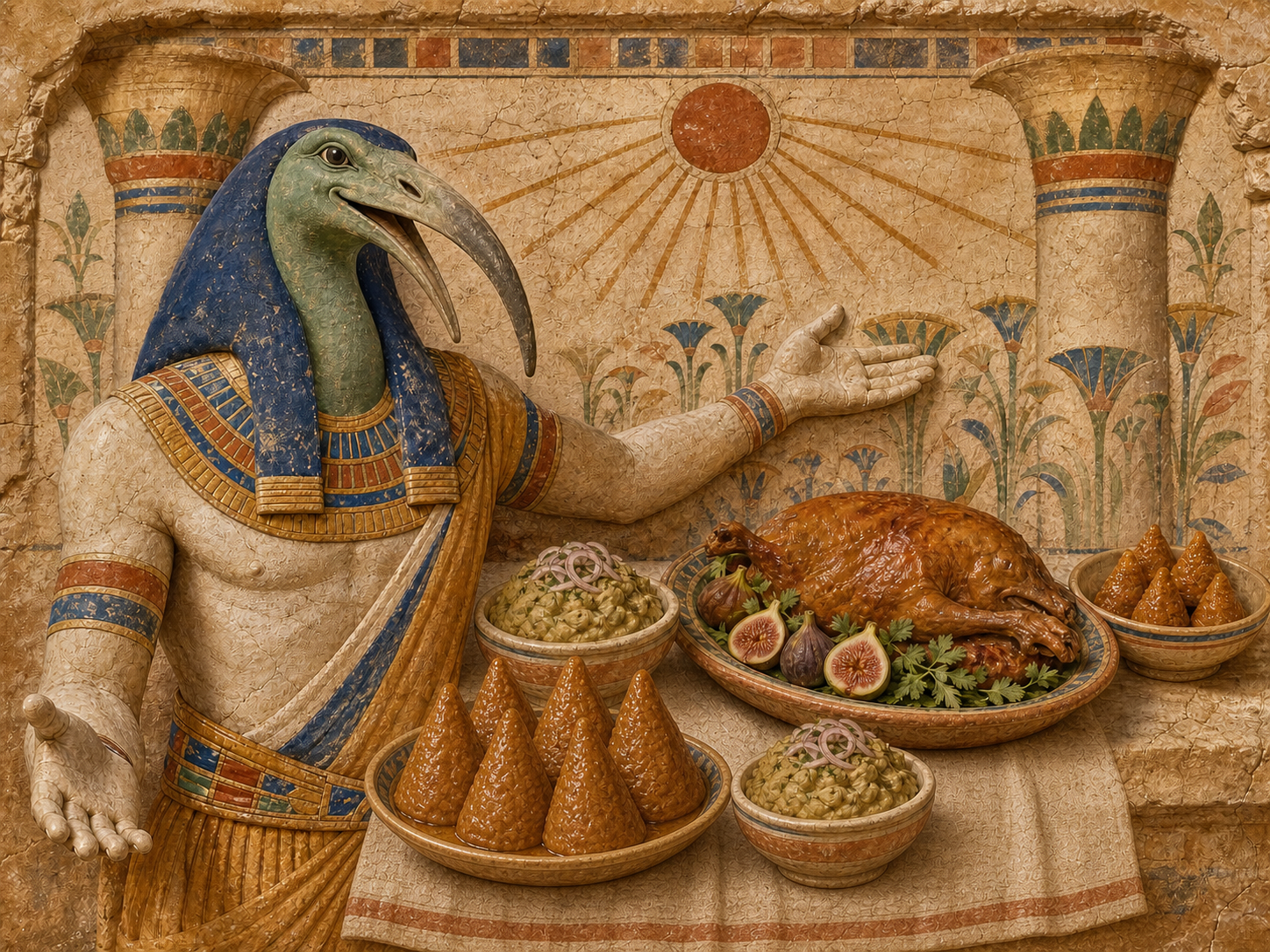
Thoth at the table
On the menu
Bread and Beer (t-henqet)
The ancient Egyptian meal does not divide into starter-main-dessert: it is organized around a foundational pair, bread (t) and beer (henqet), so essential that they also served as wages and offerings to the gods. Around this base gravitate vegetables (onion, garlic, leek, fava beans, lentils), sweet fruits (dates, figs), Nile fish and poultry, and honey for feast days. At the table of a temple like that of Thoth, the offering placed on the altar in the morning would later descend to the priests: one literally ate what the god had first received.
Signature : Wild Honey and Tiger Nut
Honey, harvested from the hives of the Delta, was the sweet gold of the Egyptians — a symbol of Lower Egypt and the only noble sweetener before sugar. It is paired with tiger nut (chufa, Cyperus esculentus), a small tuber with a hazelnut flavor ubiquitous in funerary offerings: together they give Thoth's cuisine its golden sweetness, attested from New Kingdom tomb scenes.
click to flip back
Thoth at the table
5 period recipes
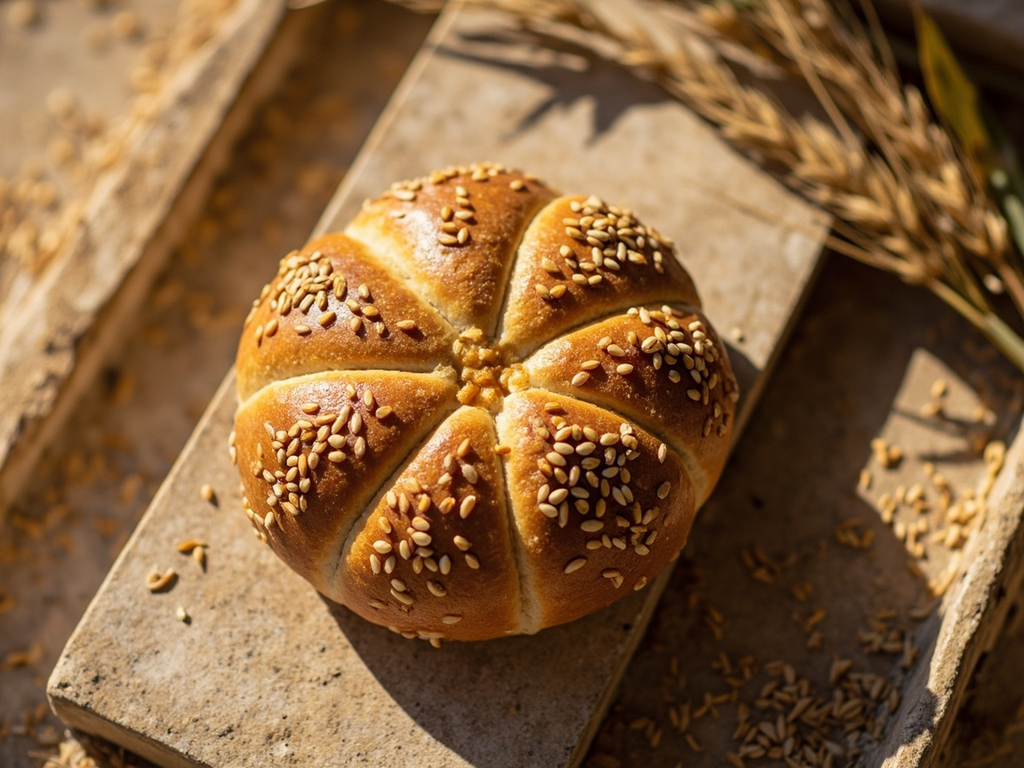 Offering
Conical Emmer Bread with Honey for the Altar
Dawn Offering (bread-t placed on the altar table)
🍯· 5 h (including rising)
View the recipe
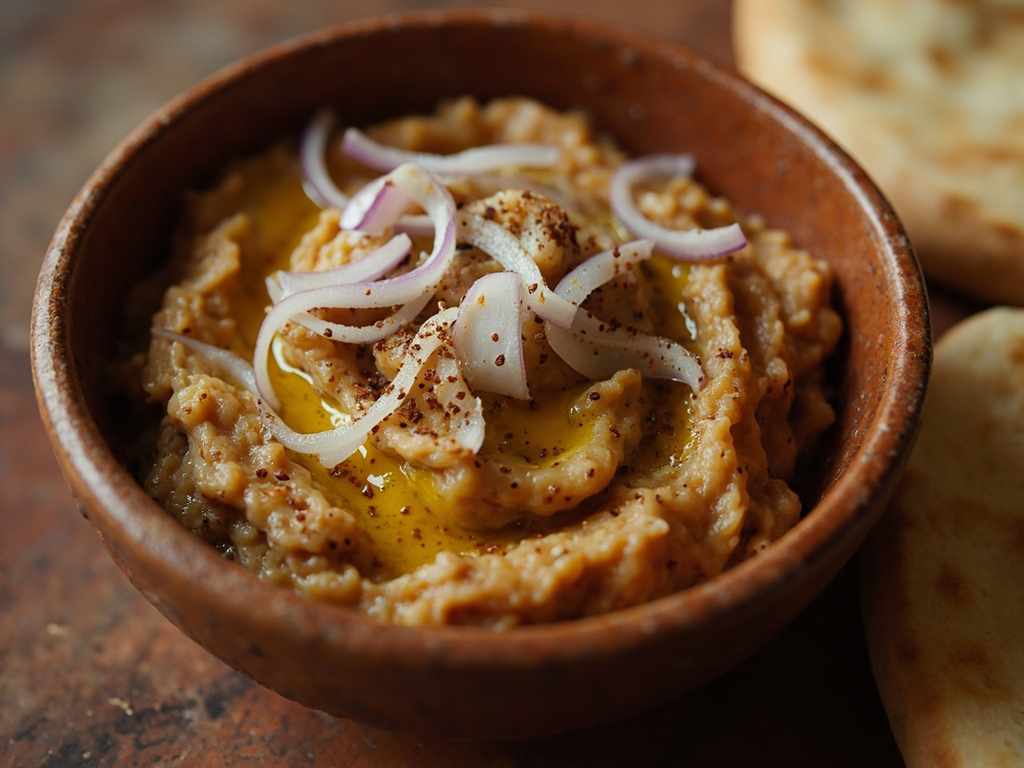 Everyday
Fava Bean Purée with Cumin and Onion
Everyday Dish (legume of the bread-beer base)
🧂 🌶️· 1 h 45 (plus soaking)
View the recipe
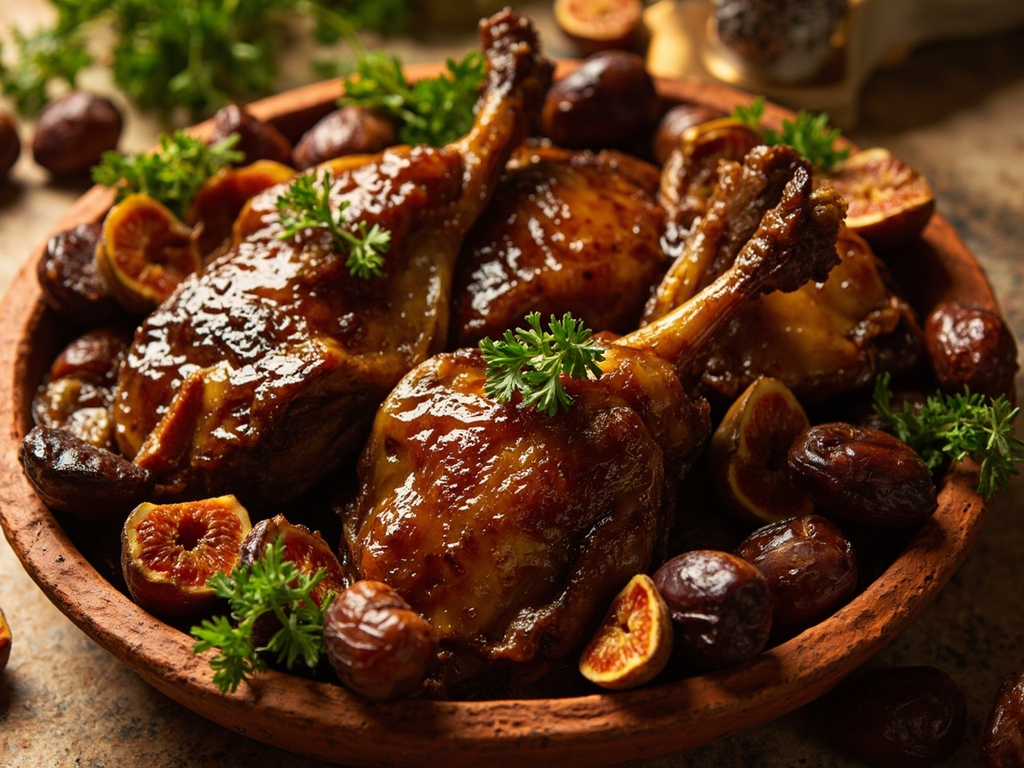 Festive
Roasted Goose with Honey, Figs, and Coriander
Banquet Dish (special occasion poultry, served whole on the mat)
🍯 🧂· 1 h 30
View the recipe
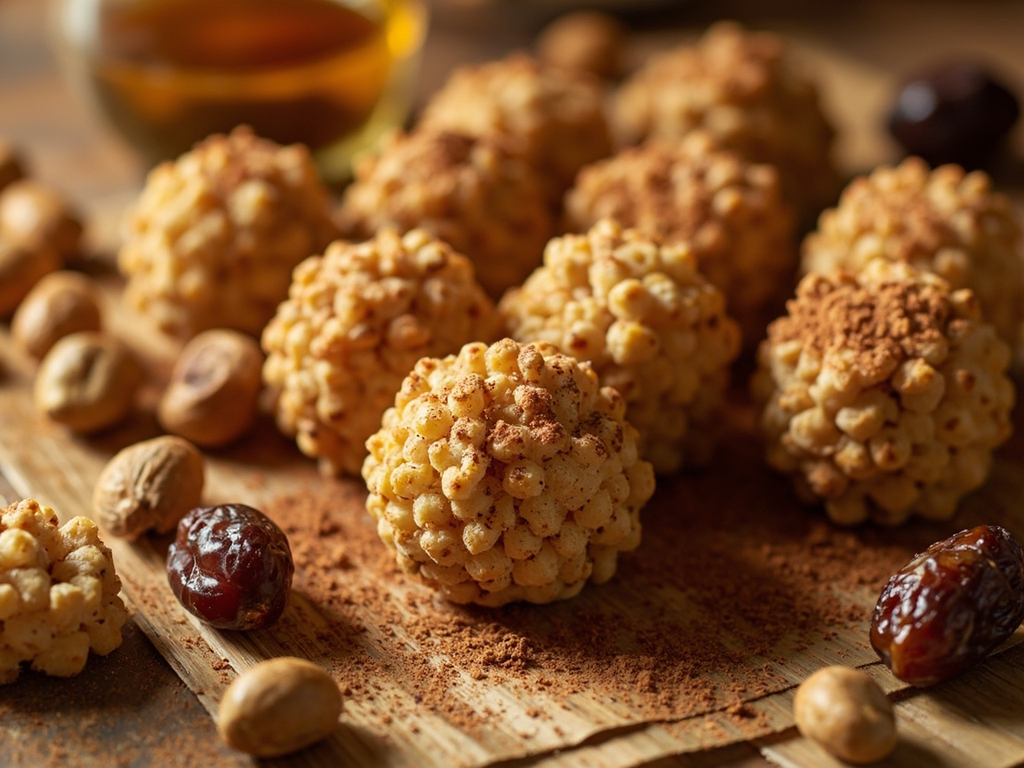 Travel
Tiger Nut Honey Cones (Sweetmeats of the Tomb)
Funerary Offering Confectionery (to take into the afterlife)
🍯· 30 min (+ 1 h resting)
View the recipe
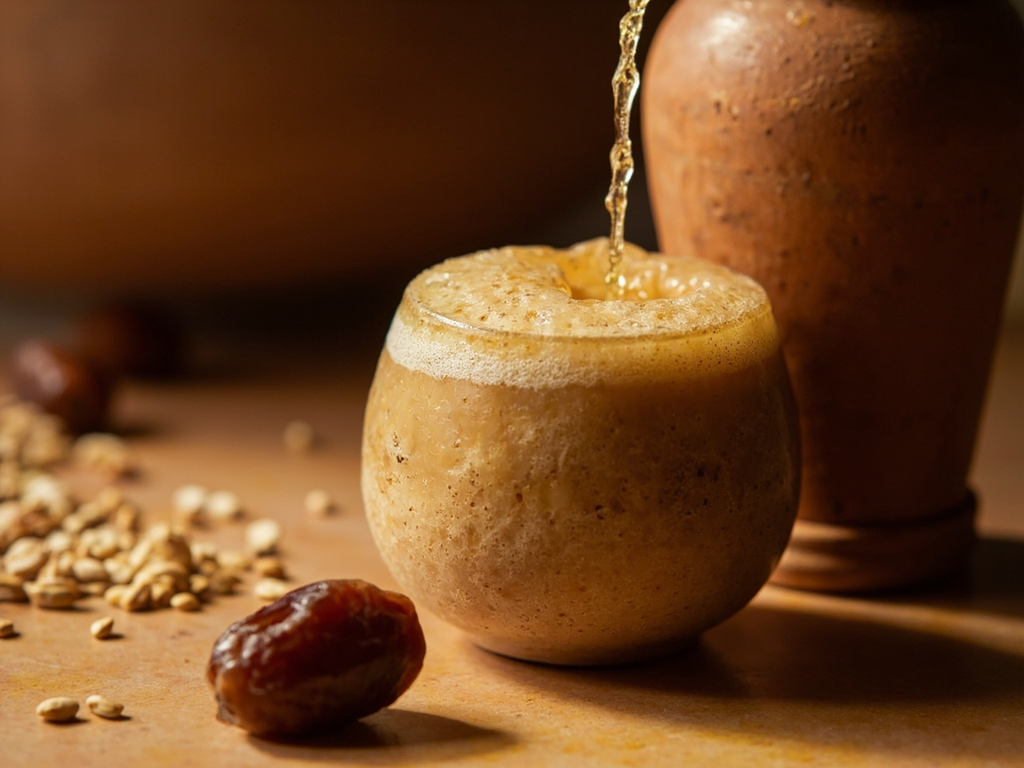 Drink
DrinkSweet Barley and Date Beer (henqet)
Staple Drink (henqet, inseparable from bread)
🫙 🍯· 30 min (+ 1 to 2 days fermentation)
View the recipe