
Aztec goddess of beauty, love, fertility, and the creative arts, associated with flowers, plants, and femininity. She represents eternal youth and sensuality in the Mesoamerican pantheon.
Xochiquetzal
Xochiquetzal
7 min read
Frequently asked questions
Key Facts
- Xochiquetzal means “quetzal flower” in Nahuatl, linking beauty and preciousness
- She was venerated as the patron of weavers, embroiderers, painters, and goldsmiths
- In Aztec myths, she resided in the paradise of Tamoanchan before being expelled from it
- She is associated with the Aztec ritual calendar (tonalpohualli) and the number 3
- Her cult is attested long before the Aztec Empire, inherited from the Toltec and Teotihuacan civilizations
Works & Achievements
Xochiquetzal is credited in Aztec tradition with teaching women the art of backstrap loom weaving. She is the divine patron of all textile creation, from embroidery to fiber dyeing.
In the 260-day divinatory calendar, Xochiquetzal governs the trecena 1-Deer, determining the fate of artisans, lovers, and all those born under these signs favorable to the arts.
The story of her abduction by Tezcatlipoca from the celestial paradise is one of the founding myths of Aztec cosmology, explaining the separation between the perfect world of the gods and the imperfect world of humans.
During this major agrarian festival, Xochiquetzal received offerings from women artisans who dedicated their creations to her. The feast celebrated feminine fertility and the renewal of the harvests to come.
Xochiquetzal is one of the best-documented deities in the surviving codices (Borgia, Borbonicus, Fejérváry-Mayer). Her representations codified the attributes of goddesses of femininity throughout Mesoamerica.
Anecdotes
Her name, Xochiquetzal, means “precious quetzal flower” in Nahuatl — xochitl meaning flower and quetzalli the iridescent feather of the quetzal. She was always depicted with flowers in her hair, an embroidered cotton huipil, and surrounded by butterflies and hummingbirds, animals considered her sacred messengers in the pre-Columbian codices.
According to Aztec myths, Xochiquetzal dwelt in Tamoanchan, the primordial paradise located beyond the western sky. The god Tezcatlipoca, master of the smoking mirror and of the night, is said to have abducted her from this celestial realm, causing grief among the other gods and symbolizing the break between the golden age and the imperfect world of humans.
Xochiquetzal was the dedicated patron of all women who practiced an art: weavers, embroiderers, goldsmiths, potters, and painters dedicated their works to her. During the festival of Ōchpāniztli, they offered her garlands of flowers and burned copal incense to win her favor and bring beauty to their creations.
In the 260-day Aztec ritual calendar, the tonalpohualli, Xochiquetzal presided over the third trecena (days 1-Deer to 13-Rabbit). People born under these signs were said to possess natural artistic gifts and a charming personality, but also to be prone to temptation and excess.
Xochiquetzal had a male counterpart, Xochipilli, the “Prince of Flowers,” god of arts, music, dance, and games. Some texts describe them as divine twins, two complementary faces of the same creative and festive force that animated Aztec life.
Primary Sources
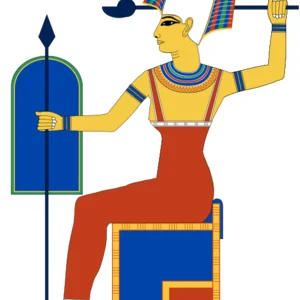
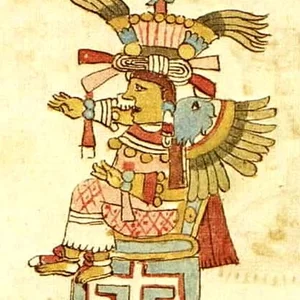
Xochiquetzal is depicted seated on a throne of flowers, wearing an embroidered huipil, holding weaving implements and surrounded by butterflies. She presides over the auspicious days linked to the arts and femininity in the divinatory almanacs.
Sahagún describes Xochiquetzal as the patron goddess of weavers and embroiderers, goldsmiths and painters: “She was invoked by all those who worked with their hands to create works of beauty, for she had passed on to them the secret of that art.”
In the wheel of the trecena 1-Deer, Xochiquetzal appears as the patron deity, adorned with flowers and quetzal feathers, presiding over the fates of craftspeople and women born under these signs.
The Nahuatl text describes Tamoanchan as the mythical place of origin where the gods dwelled, including Xochiquetzal, before a divine transgression caused all living creatures to be exiled to the earth.
Xochiquetzal appears among the deities of the ritual calendar, associated with warm colors and floral emblems in the divination charts used by Aztec priests and diviners.
Key Places
The celestial realm of origin of Xochiquetzal, described as a paradisiacal garden filled with eternal flowers and precious birds. It was here that she dwelt before being torn away by Tezcatlipoca, symbolizing the loss of the golden age.
Capital of the Aztec Empire, home to the great temples dedicated to the gods, including Xochiquetzal. The Templo Mayor was the center of all state religious ceremonies held in her honor.
City of floating gardens (*chinampas*) south of Tenochtitlan, closely associated with the cult of flowers and, by extension, with Xochiquetzal. Its very name means "field of flowers" in Nahuatl.
A fortified archaeological site in the state of Morelos, traditionally identified by scholars with Tamoanchan. Its bas-reliefs bear witness to a rich iconography linked to the gods of flowers and fertility.
Ancient Toltec capital whose cultural legacy the Aztecs claimed as their own. The myths surrounding Xochiquetzal are partly rooted here, particularly the accounts of Tamoanchan and the exile of the gods.
Typical Objects

Orange and yellow Aztec marigolds are her quintessential sacred flowers. They were used to decorate her altars and woven into garlands as offerings in her honor during fertility festivals.

The long, iridescent feathers of the quetzal bird are her most precious attribute, worn in her headdress. They symbolized beauty, preciousness, and the link between the celestial world and the earthly realm.

As the patron of weavers, Xochiquetzal is intimately associated with the backstrap loom. Women would offer her their first woven works and invoke her assistance when creating intricate patterns.

Copal resin burned in ceramic censers was the sacred fragrance offered to Xochiquetzal. The white smoke represented communication between humans and the goddess.

Green jade jewelry adorned all of her iconographic representations. Jade symbolized water, fertility, and life — values central to this goddess of femininity and abundance.

These winged creatures were her living emblems in the codices. Butterflies symbolized souls in transformation, while hummingbirds represented the joy and fleeting beauty associated with Xochiquetzal.

This traditional women's tunic in white cotton, richly embroidered with floral motifs, was her characteristic garment in the codices. It symbolized the artisanal excellence of Aztec women and divine protection.
School Curriculum
Vocabulary & Tags
Key Vocabulary
Tags
Daily Life
Morning
In Aztec myths, Xochiquetzal welcomes the dawn from her palace of Tamoanchan, surrounded by celestial weavers. The priestesses dedicated to her began their day by burning copal and adorning her effigy with fresh flowers gathered before sunrise.
Afternoon
The middle of the day was devoted to arts and creation. In the workshops of the great cities, craftswomen invoked Xochiquetzal before beginning their embroideries or featherwork pieces. Offerings of small animals and flowers were placed in domestic shrines in her honor.
Evening
Xochiquetzal presides over the pleasures of feasting, dance, and music when night falls. Celebrations in her honor included banquets, ritual dances, and floral ornaments worn by the participants. She also watches over lovers and blesses unions celebrated at nightfall.
Food
Food offerings to Xochiquetzal included cacao (chocolatl), considered the drink of the gods, corn in the form of flower-shaped tamales, and tropical fruits. Honey and edible flowers adorned her altars during the major seasonal ceremonies.
Clothing
In the codices, Xochiquetzal wears a white cotton huipil embroidered with flower and feather motifs, a multicolored striped skirt, and rich ornaments of jade and gold. Her distinctive hairstyle features two large wrapped locks adorned with quetzal feathers.
Housing
Xochiquetzal resides in Tamoanchan, a paradisiacal garden suspended between sky and earth, filled with eternally flowering trees and precious birds. This mythical place was also where souls rested before being reborn, according to certain Aztec traditions about the afterlife.
Historical Timeline
Period Vocabulary
Liens externes & ressources
Références
Œuvres
Enseignement du tissage et des arts textiles
Temps mythiques
Présidence de la troisième trecena du Tonalpohualli
Perpétuel (calendrier rituel aztèque)
Mythe de l'enlèvement et de Tamoanchan
Temps mythiques (récit fondateur)
Festival Ōchpāniztli (fête de la déesse mère)
Annuel, mois 11 du calendrier solaire aztèque
Iconographie dans les codices précolombiens
XVe – début XVIe siècle