Sitos and opson, then the symposion
In Athens, the meal is thought of as two complementary parts: sitos, the grain portion (barley or wheat) that satisfies hunger and serves as the base, and opson, the accompaniment (vegetables, cheese, olives, fish) that enhances the bread. The evening meal, deipnon, is taken seated or reclining; in wealthy families like the Alcmaeonids, it may extend into the symposion, where men drink wine always mixed with water while conversing. Women eat separately, in the gynaeceum that Agariste manages. Sweets are not a separate dessert: honey, figs, and fresh cheese punctuate the meal or nourish the gods through offerings.
Signature : Hymettus honey
Thyme honey harvested on Mount Hymettus, southeast of Athens, is the treasure of Attica: fragrant, almost resinous, it sweetens barley cakes, binds altar cakes, and softens wine. In an Alcmaeonid house near the sanctuaries, it is the ingredient that connects the table of the living to that of the gods.
Agariste at the table
600 av. J.-C. — 460 av. J.-C.
5 period recipes
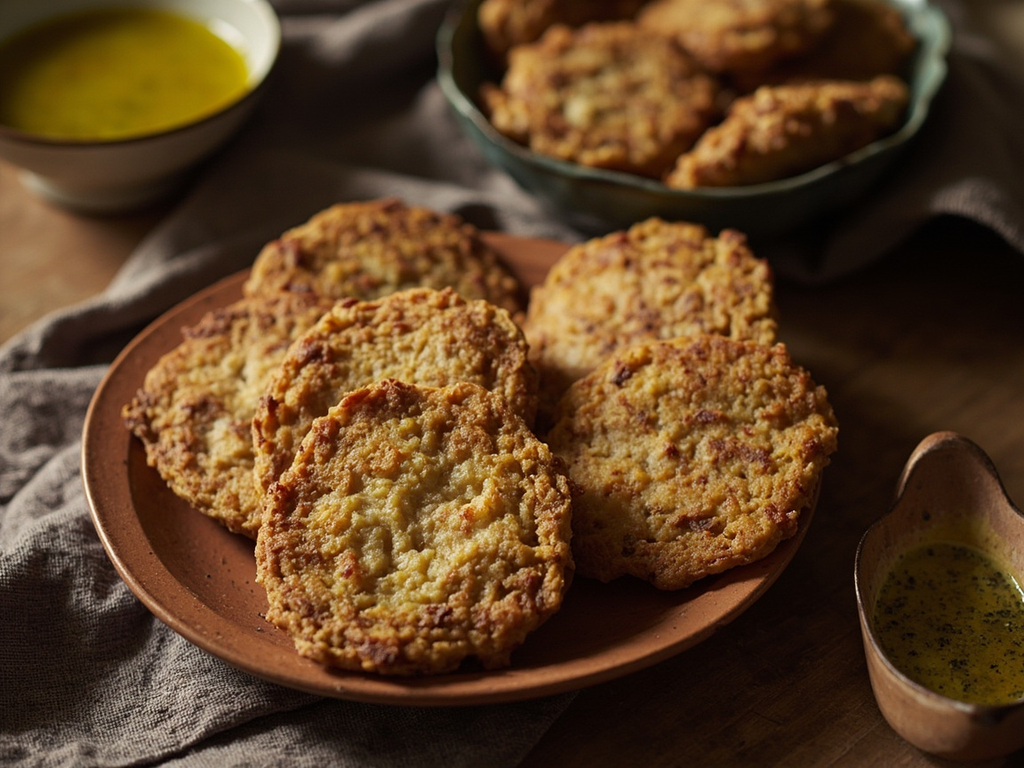 Everyday
Maza, the everyday barley cake
Sitos — the grain portion, base of the meal
☕ 🧂· 25 min
View the recipe
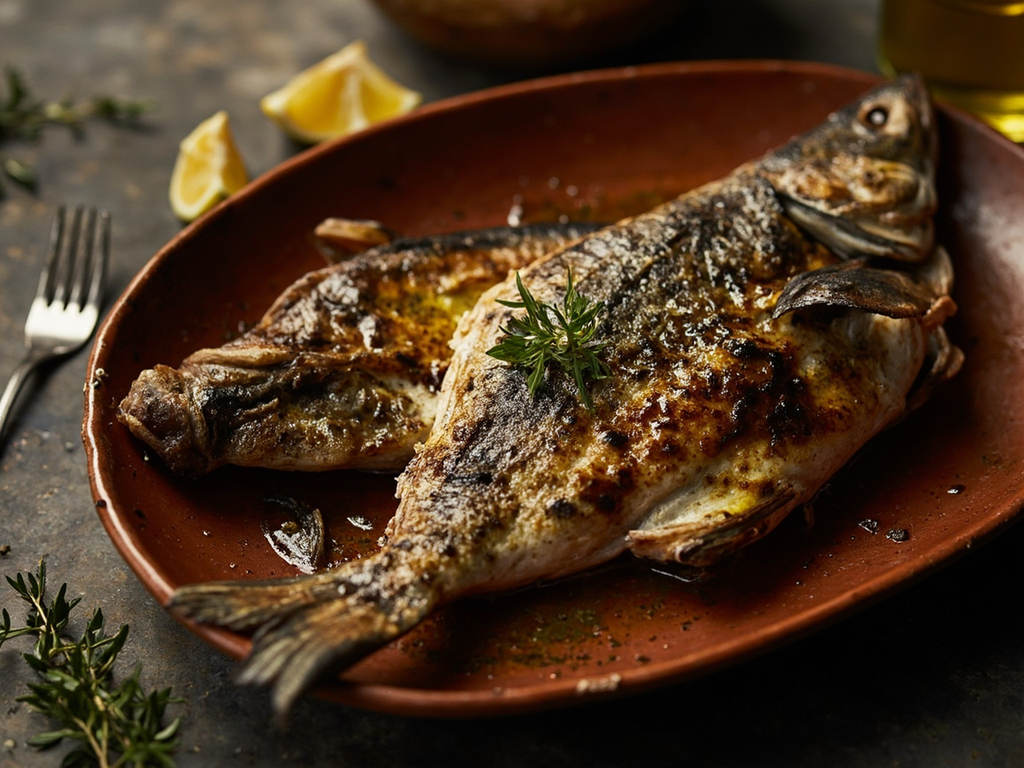 Festive
Fish opson with garos and oregano
Opson — the accompaniment that enhances the bread portion
🍄 🧂· 30 min
View the recipe
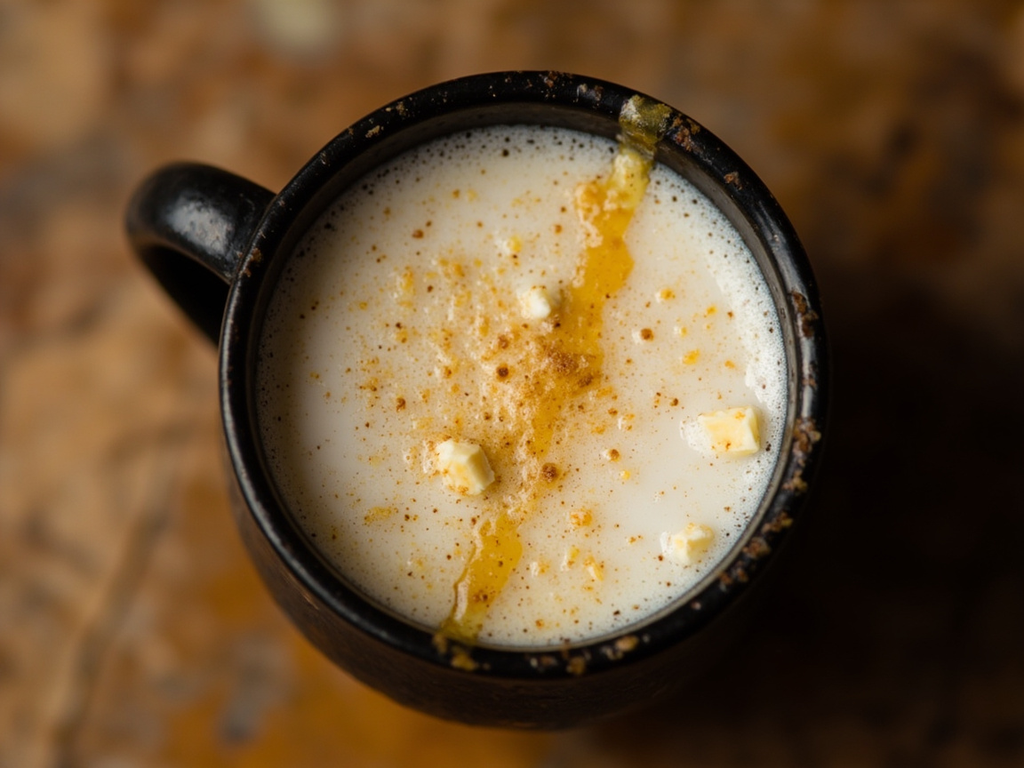 Drink
Kykeon, Nestor's nourishing cup
The cup — a drink-food beaten before drinking
🫙 🍄 🍯· 10 min
View the recipe
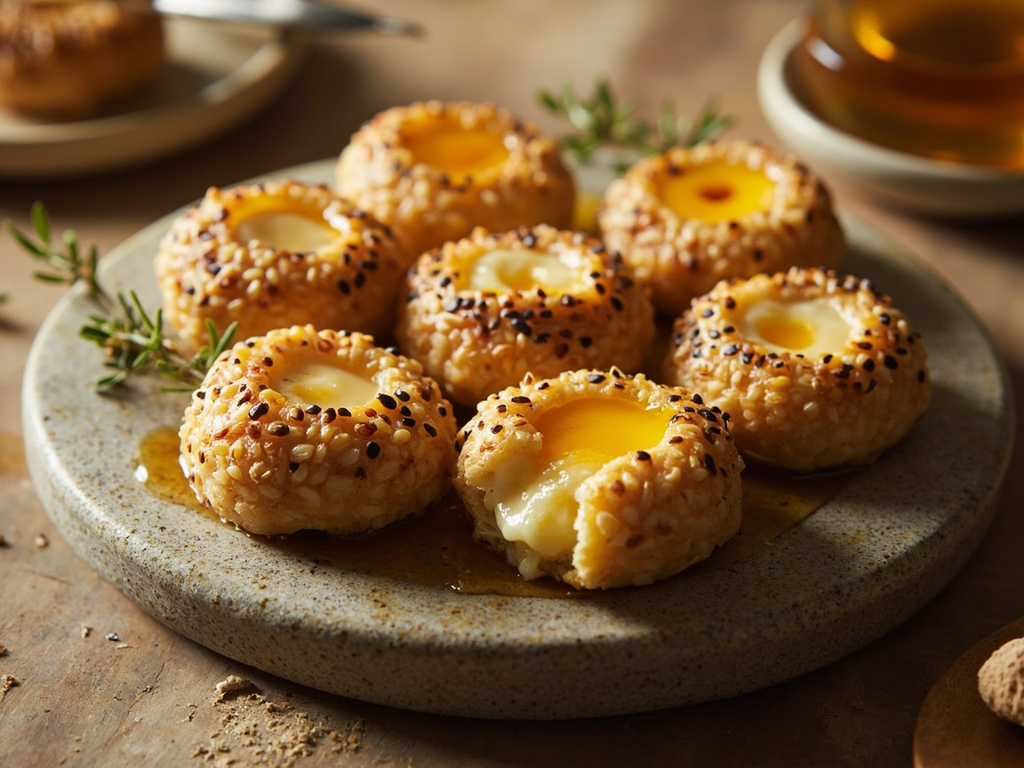 Offering
Popana with honey, cakes for the altar
Pelanos — offering pastries set before the gods
🍯· 35 min
View the recipe
 Preserving
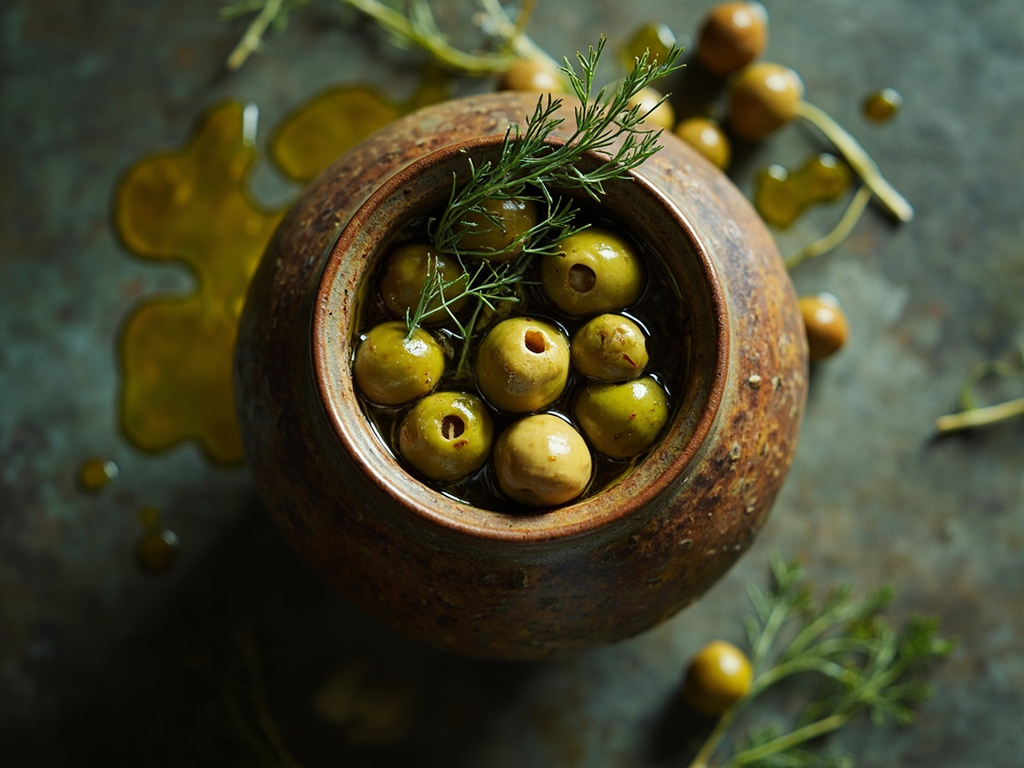
Cracked olives in oikos brine
Pantry provisions — what is stored for the year
🧂 ☕ 🍋· 20 min (+ soaking and maturation)
View the recipe