 flip
flipMaza, the everyday barley cake
Maza, the everyday barley cake
Why this dish? Even in a house as powerful as the Alcmaeonids', the daily bread remained barley maza: leavened wheat baked in an oven was rarer and more festive. Mistress of the oikos, Agariste made sure the millstone turned every morning and that this cake nourished household and servants alike.
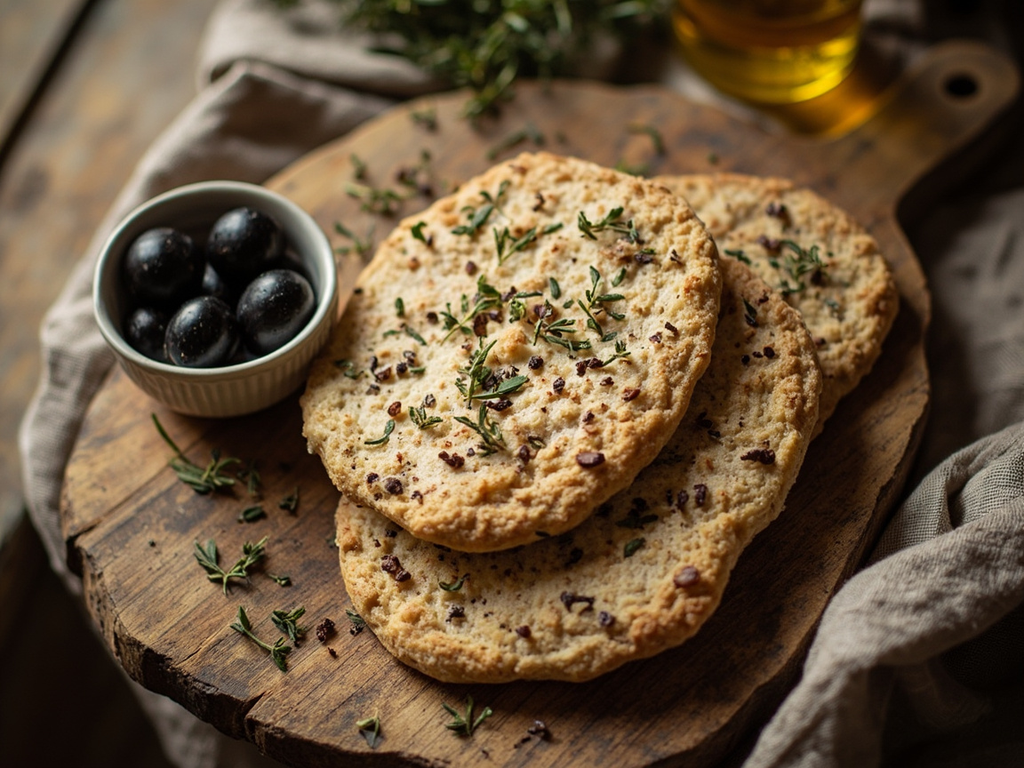
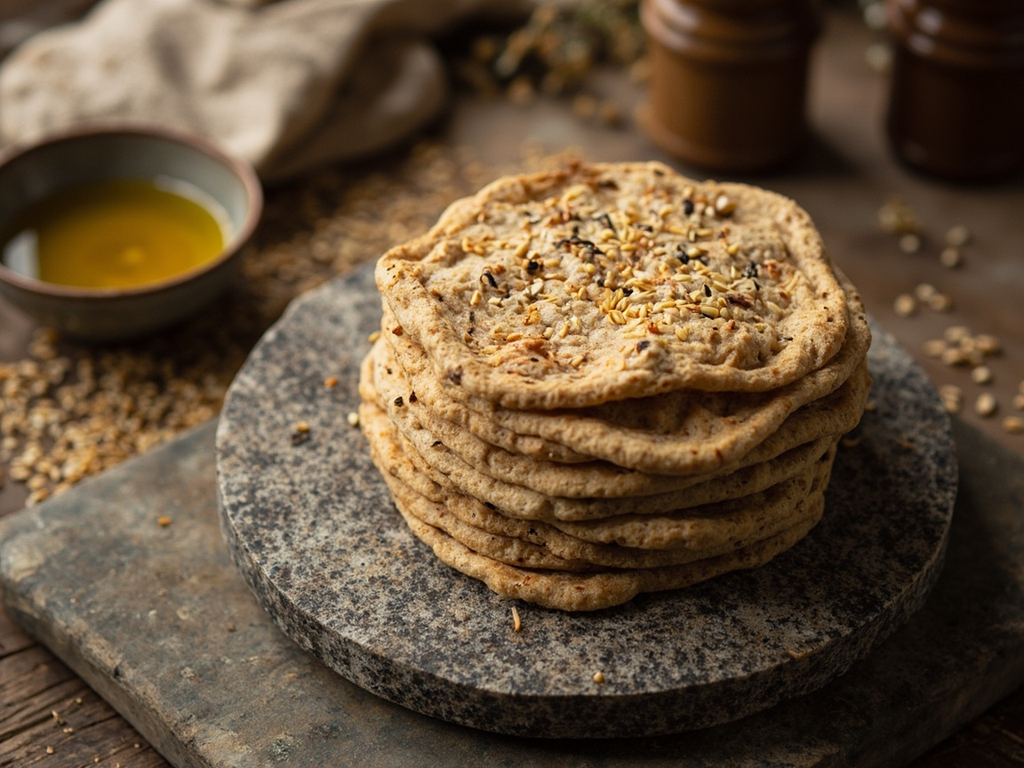
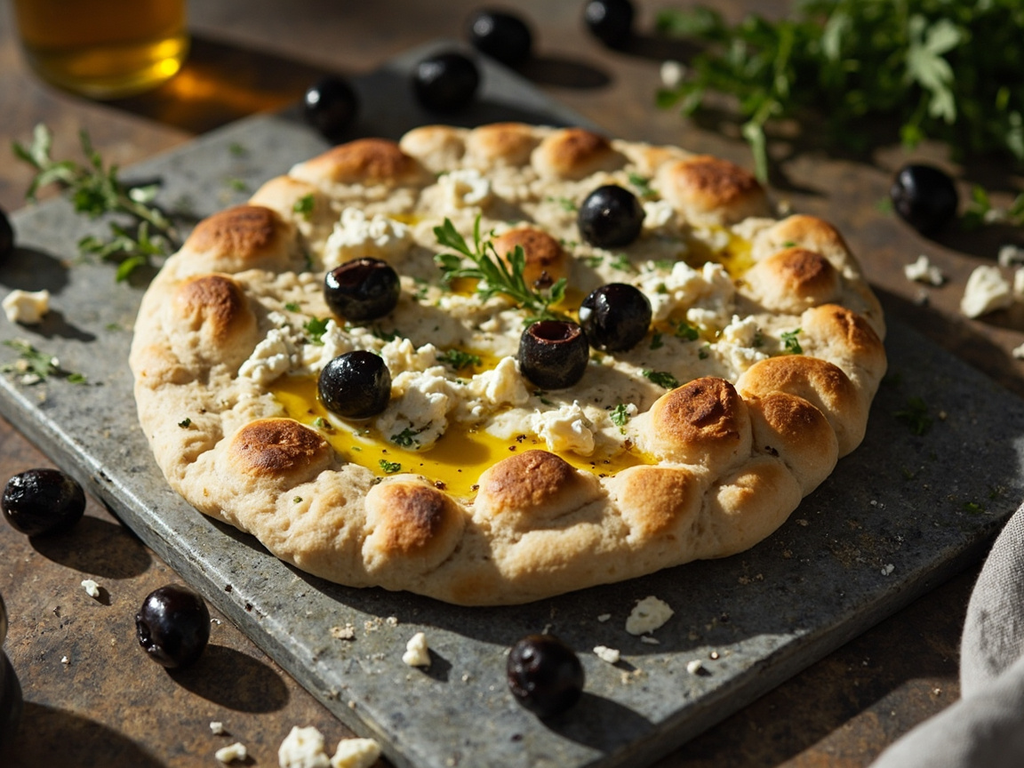
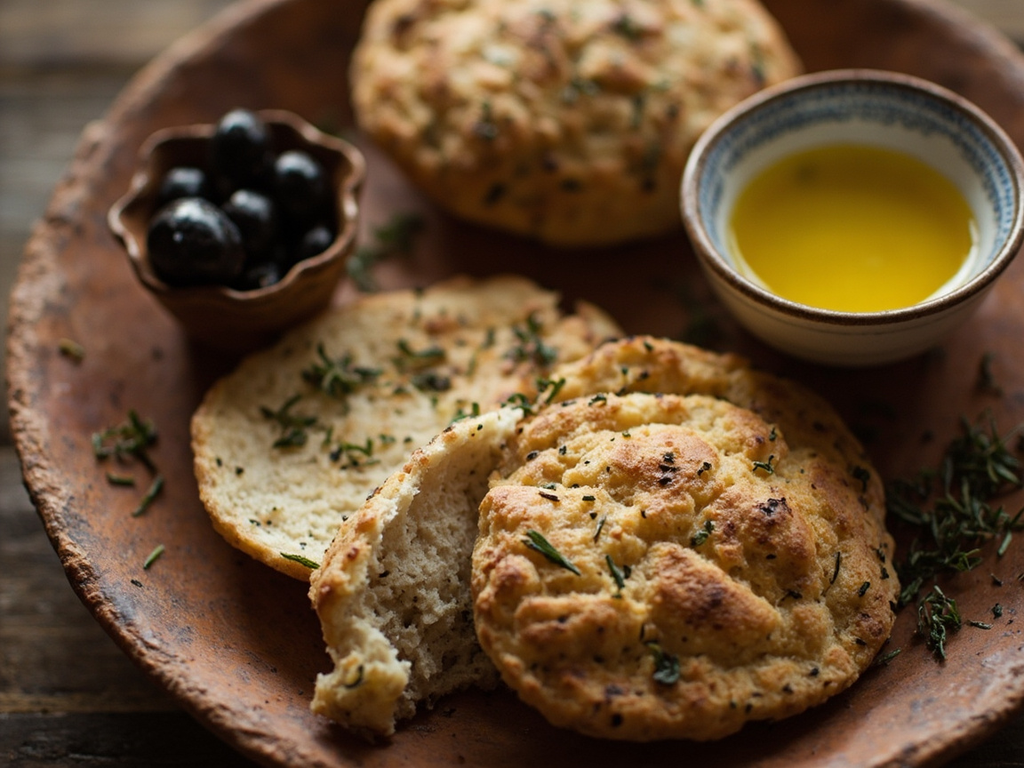
A dense cake of toasted barley, barely cooked, sometimes simply kneaded with water and oil. Plain, earthy, it accompanies the rest of the meal and is dipped in olive oil.
Come closer, and watch the millstone turn before the sun is high. In our house, the Alcmaeonids, we never think ourselves too great for barley: it is what holds the bellies of free men and servants alike. First we toast it, so it speaks better under the stone, then we knead it with water and a drizzle of oil, and we never forget the salt from the marshes. Taste: it is bitter and straightforward, as befits a city learning to govern itself.
- •Barley grains — two handfuls per person (base grain, toasted then ground)
- •Spring water — as needed to bind (binder)
- •Olive oil — a drizzle (softness and flavor)
- •Sea salt — a pinch (seasoning)
Maza, the everyday barley cake
A dense cake of toasted barley, barely cooked, sometimes simply kneaded with water and oil. Plain, earthy, it accompanies the rest of the meal and is dipped in olive oil.
Why this dish? Even in a house as powerful as the Alcmaeonids', the daily bread remained barley maza: leavened wheat baked in an oven was rarer and more festive. Mistress of the oikos, Agariste made sure the millstone turned every morning and that this cake nourished household and servants alike.
Come closer, and watch the millstone turn before the sun is high. In our house, the Alcmaeonids, we never think ourselves too great for barley: it is what holds the bellies of free men and servants alike. First we toast it, so it speaks better under the stone, then we knead it with water and a drizzle of oil, and we never forget the salt from the marshes. Taste: it is bitter and straightforward, as befits a city learning to govern itself.
Ingredients (period version)
- Barley grains — two handfuls per person (base grain, toasted then ground)
- Spring water — as needed to bind (binder)
- Olive oil — a drizzle (softness and flavor)
- Sea salt — a pinch (seasoning)
Ingredients
- Barley flour — 200 g (base grain)
- Warm water — 120–150 ml (binder)
- Olive oil — 2 tbsp (softness and flavor)
- Salt — 1/2 tsp (seasoning)
- Thyme honey (optional) — 1 tsp (sweeten bitterness)
Method
- Toast the barley flour dry in a pan, 3–4 minutes, stirring, until it smells nutty.
- Pour it into a bowl, add salt, oil, and warm water little by little, mixing.
- Knead into a soft, slightly sticky dough; add honey if you want to round off the bitterness.
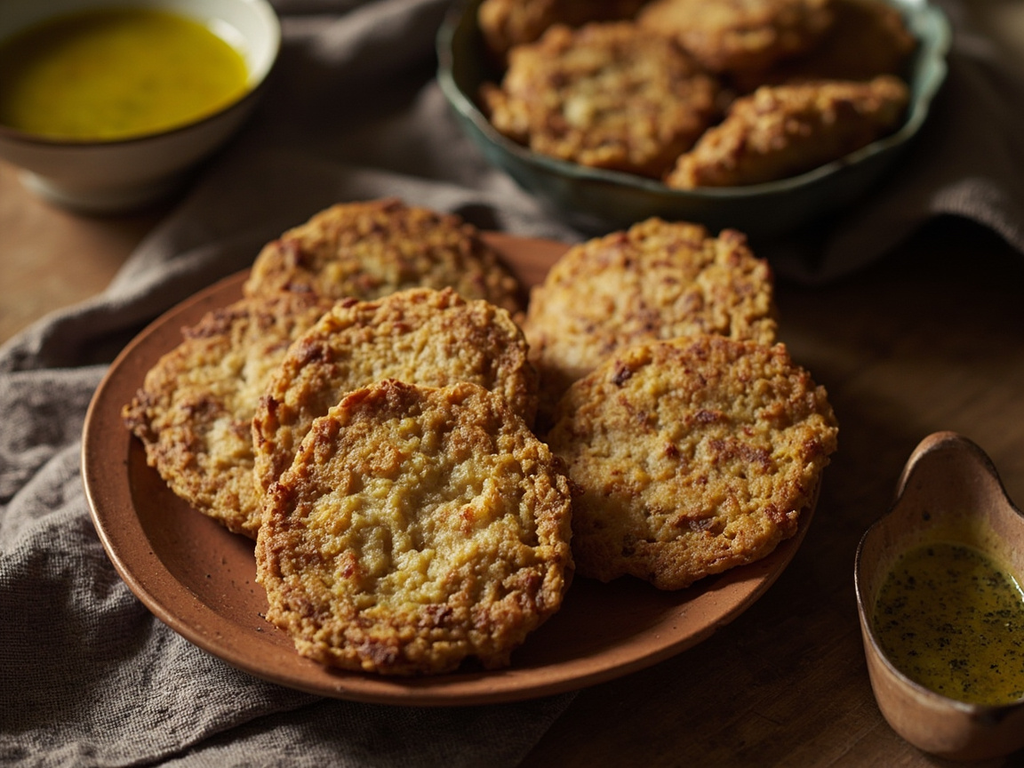
- Shape flat cakes about 1 cm thick.
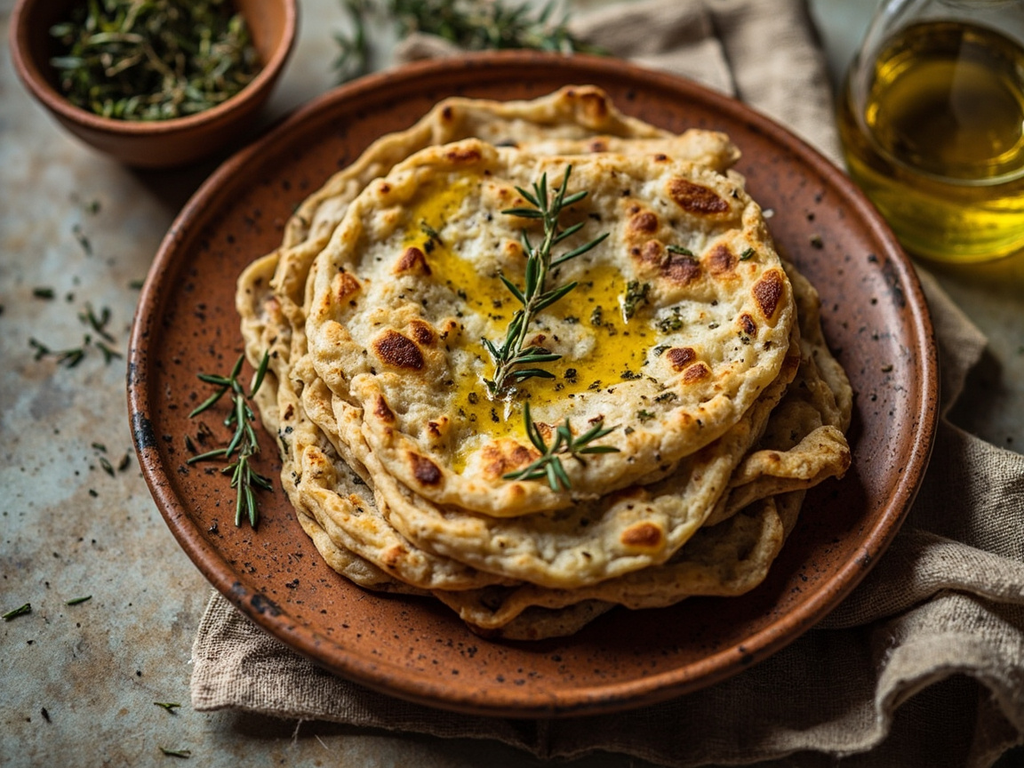
- Cook 4–5 minutes per side on a hot stone or pan, or eat them barely kneaded as the Ancients did, dipped in olive oil.
How it was made : Maza was the staple food of Attica, more common than wheat bread (artos). Barley was toasted before grinding because it does not lend itself to leavened bread; the dough was often eaten raw or very lightly cooked, and also used to soak up sauces.
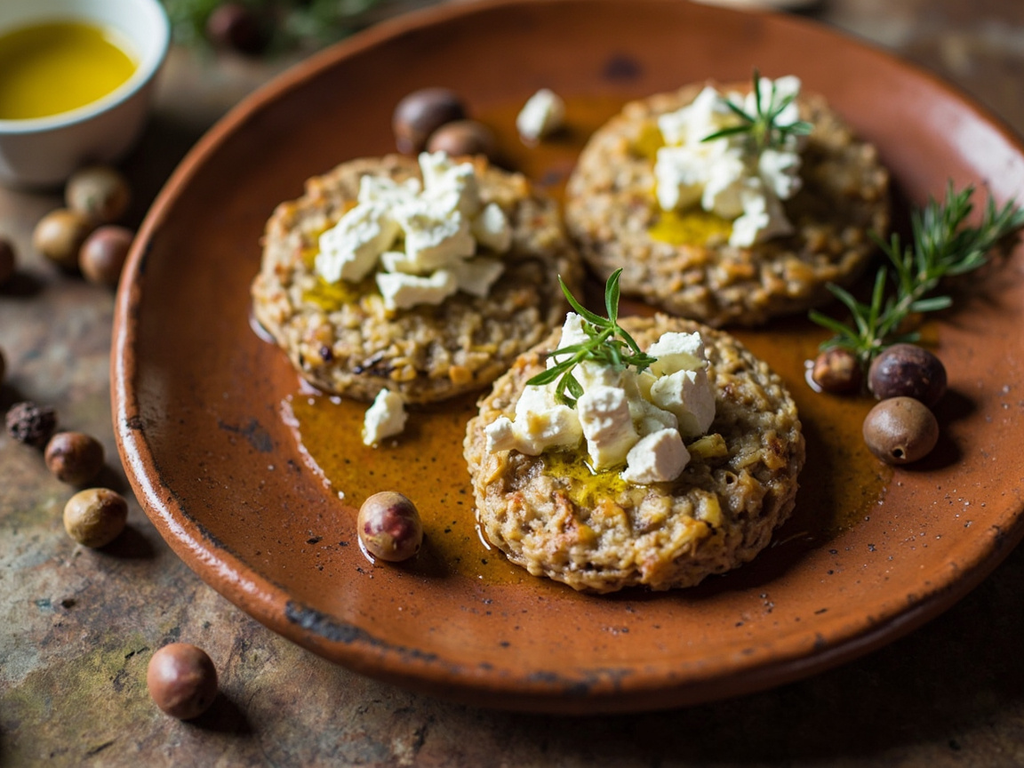
The contemporary twist : Serve as thick dippers for a lively Greek olive oil with a little oregano: a 'maza appetizer' true to the ancient spirit.
Sources : Andrew Dalby, Siren Feasts: A History of Food and Gastronomy in Greece (1996) · Athenaeus of Naucratis, The Deipnosophists
Agariste · Charactorium