 Flip the card
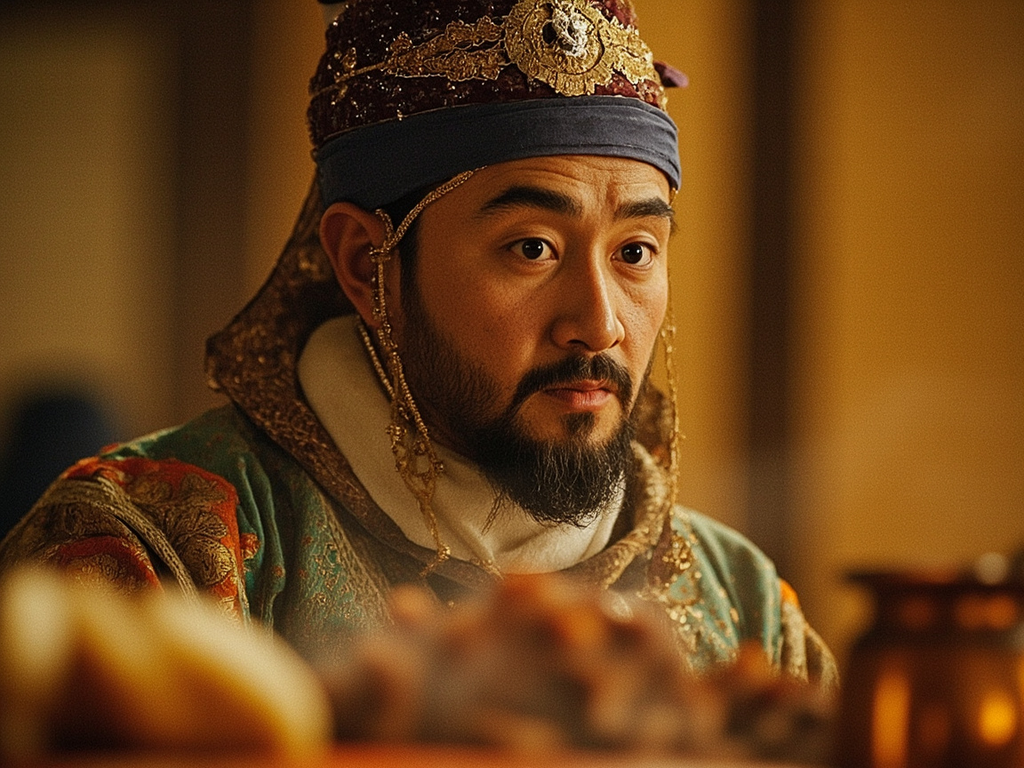
Tamerlane at the table
1336 — 1405
On the menu
Dastarkhan
The dastarkhan is the ceremonial tablecloth spread on the floor or a carpet, around which the Turco-Mongol and Timurid meal is arranged. First come nan (flatbread) and fermented drinks, then shorba (soup), the meat or rice dish, and finally dried fruit sweets. Among nomads, the meal is simpler, centered on boiled meat, fermented milk, and bread. At Tamerlane's imperial banquets, the dastarkhan stretched for dozens of meters, with dishes arriving in successive waves.
Signature : Fat-tailed sheep fat (dumba)
Fat-tailed sheep fat (dumba) is the fundamental cooking fat of Central Asian cuisine. Melted at the start of cooking, it perfumes rice, soups, and meats with a rich, characteristic aroma that neither butter nor oil can replicate. In Samarkand plov, it gives the rice its golden color and creaminess. Fat-tailed sheep were a marker of wealth in the Turco-Mongol steppes.
click to flip back
Tamerlane at the table
1336 — 1405
5 period recipes
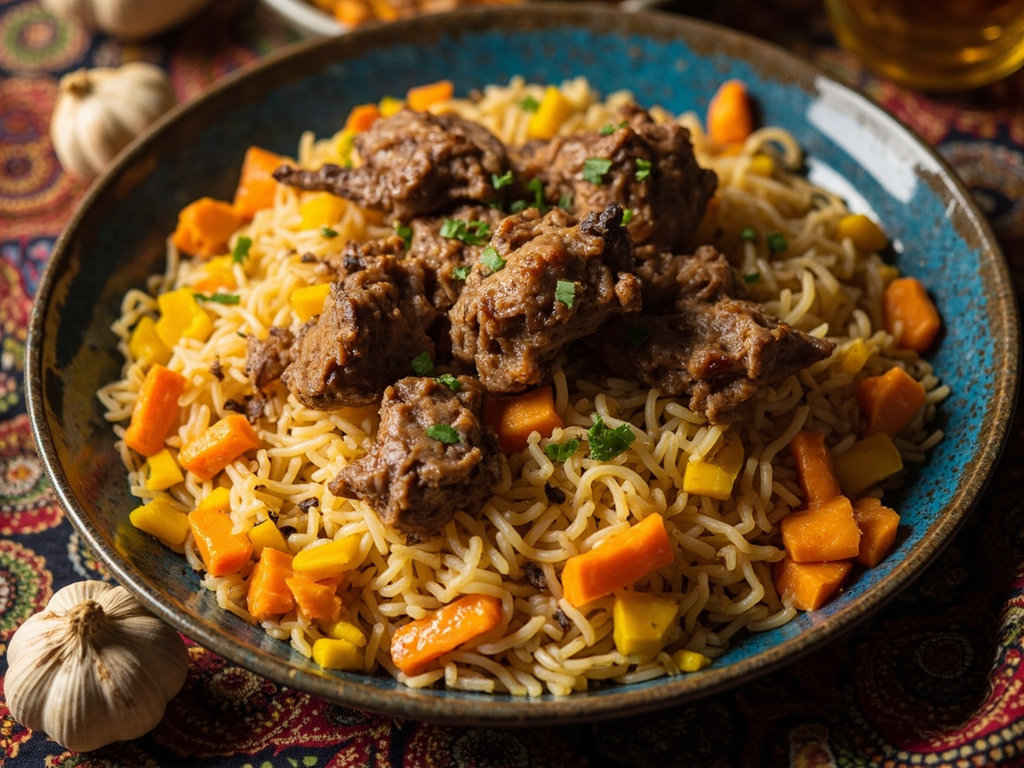 Festive
Samarkand Plov
Osh (ceremonial rice dish)
🧂 🍄 🌶️· 1h45
View the recipe
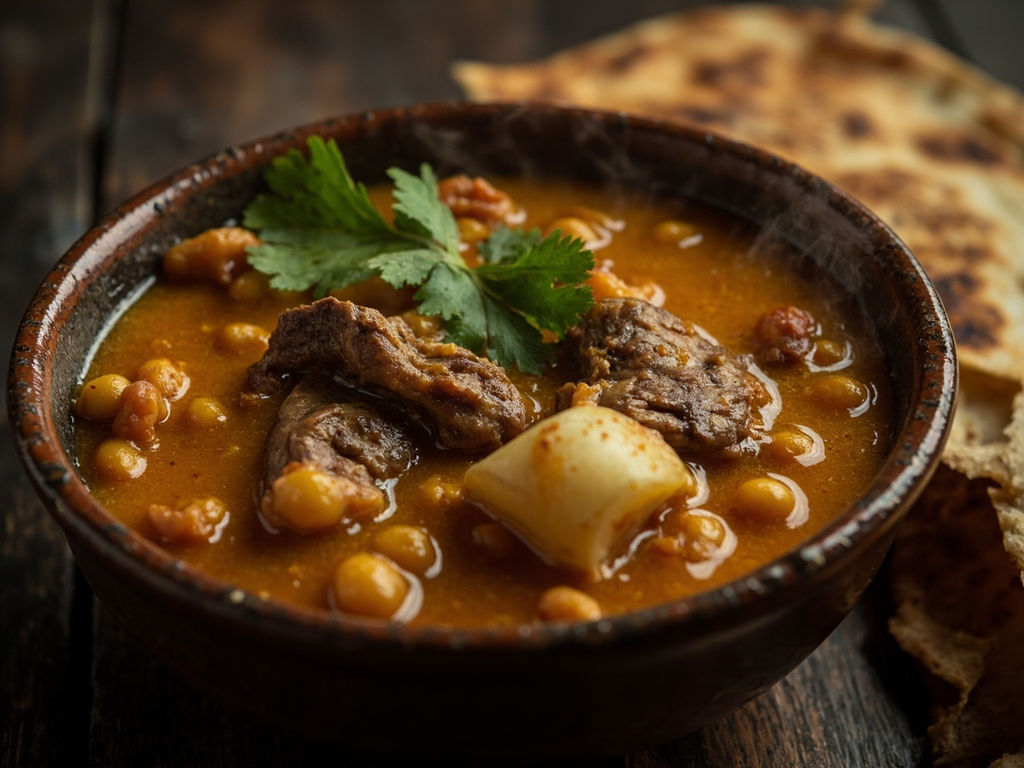 Everyday
Shorba-ye gosht
Shorba (hearty soup)
🧂 🍄· 1h45
View the recipe
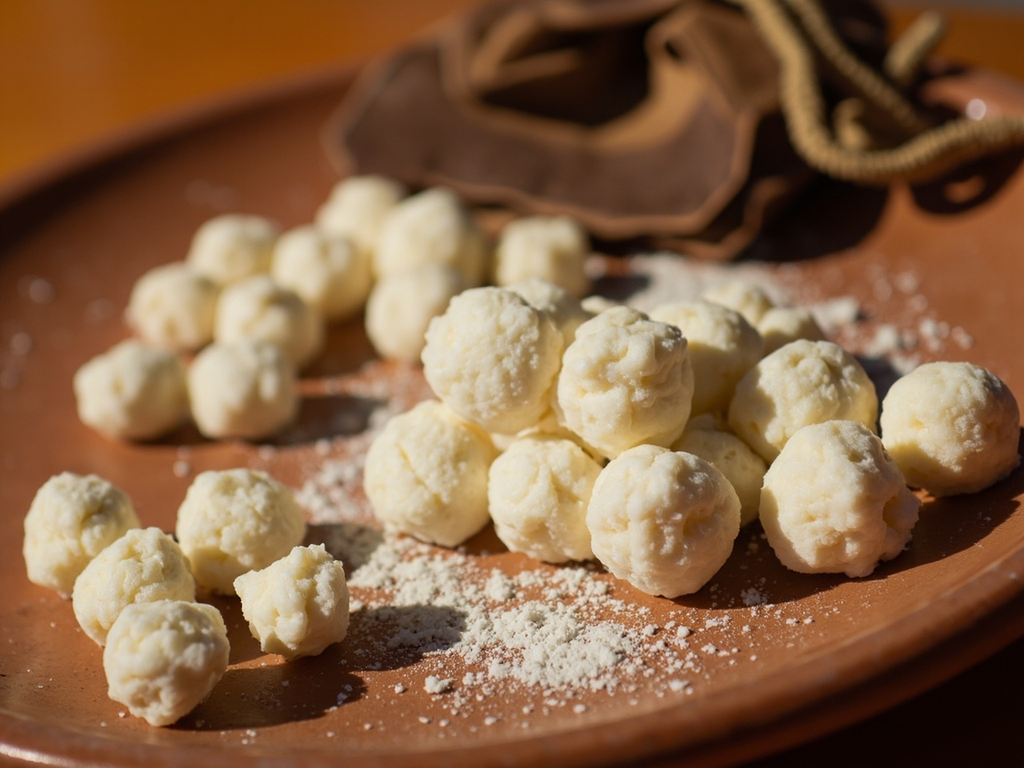 Travel
Qurt
Sut azığı (dairy travel provision)
🧂 🍋 🫙· 30 min + 3 to 5 days drying
View the recipe
 Drink
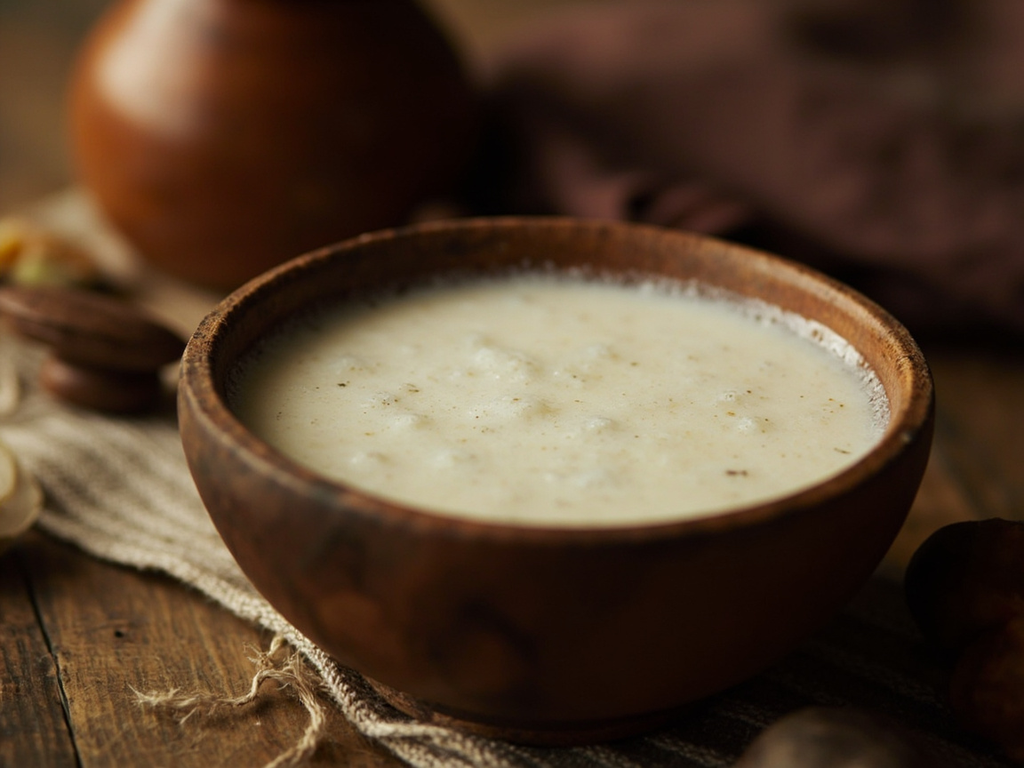
DrinkKoumiss
İçecek (fermented drink)
🍋 🫙· 15 min + 24 to 48h fermentation
View the recipe
 Festive
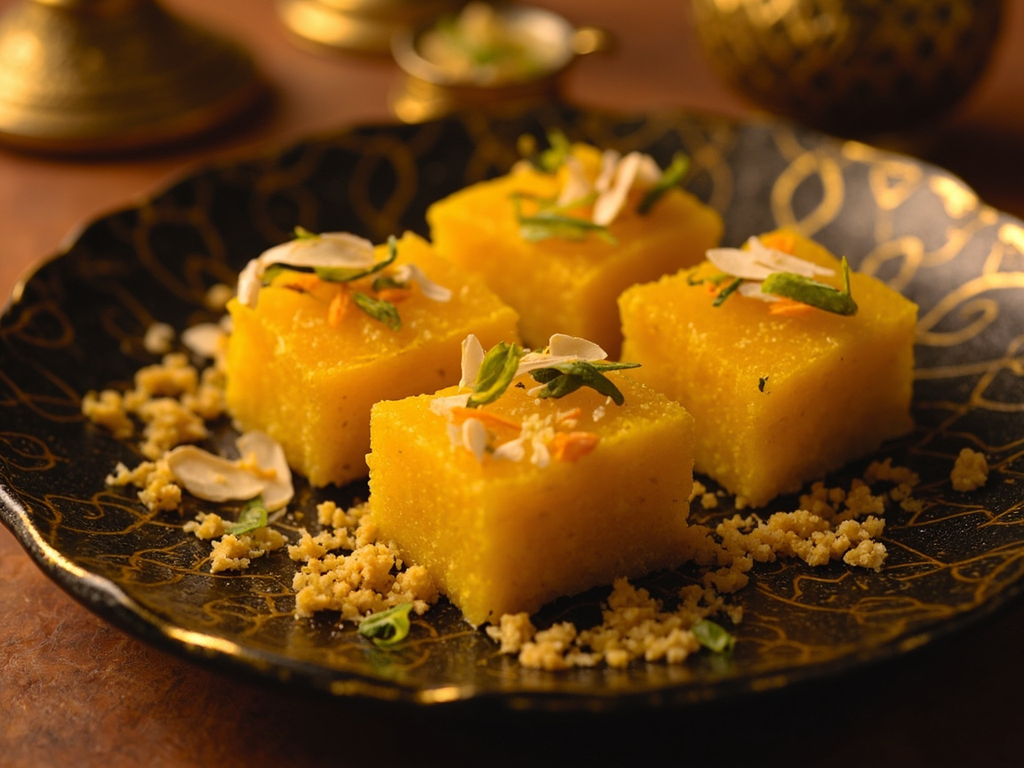
Halva-ye asl
Shirinlik (end-of-dastarkhan sweet)
🍯 🌶️· 45 min
View the recipe