 flip
flipKoumiss
Koumiss
Why this dish? Koumiss — fermented mare's milk — is the sacred drink of steppe peoples, inseparable from the Turco-Mongol identity Tamerlane claimed. As a self-proclaimed heir of Genghis Khan, he perpetuated nomadic customs, including the consumption of koumiss at assemblies (qurultay) and military celebrations, even though his sedentary court in Samarkand also adopted Persian wine.
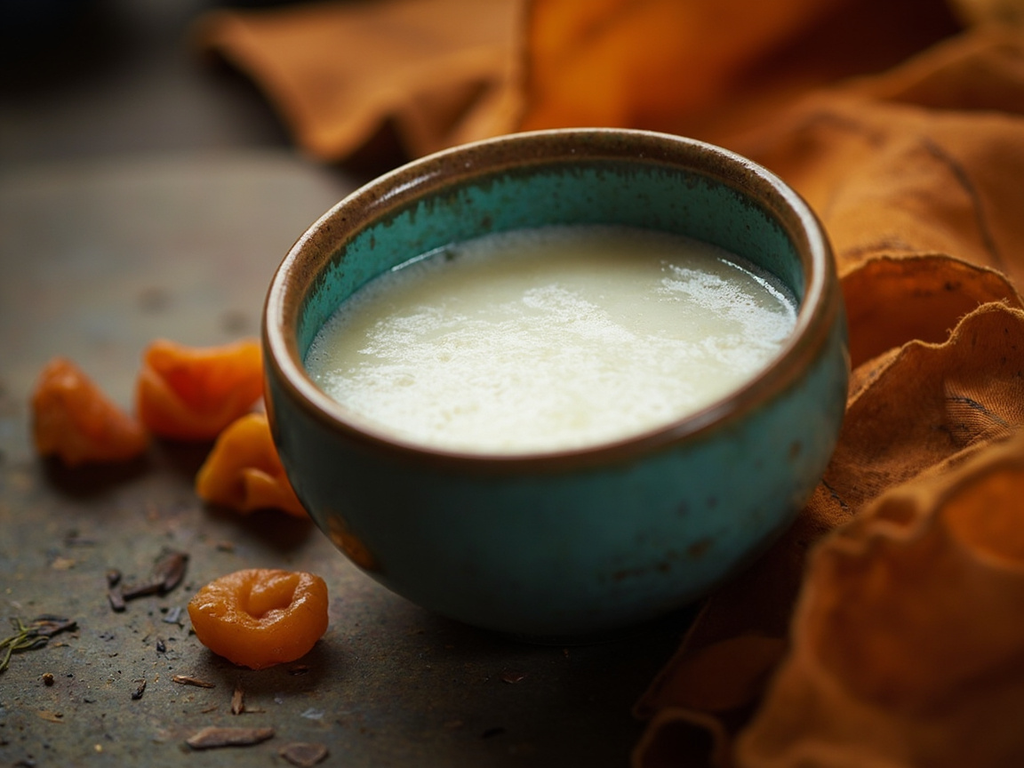
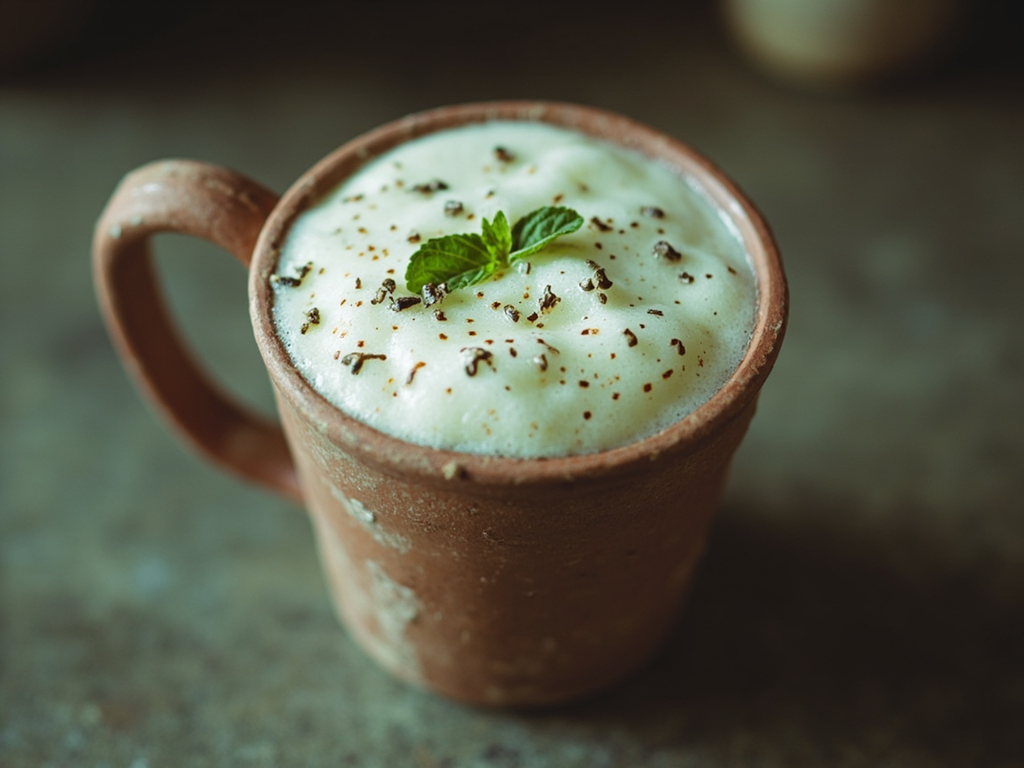
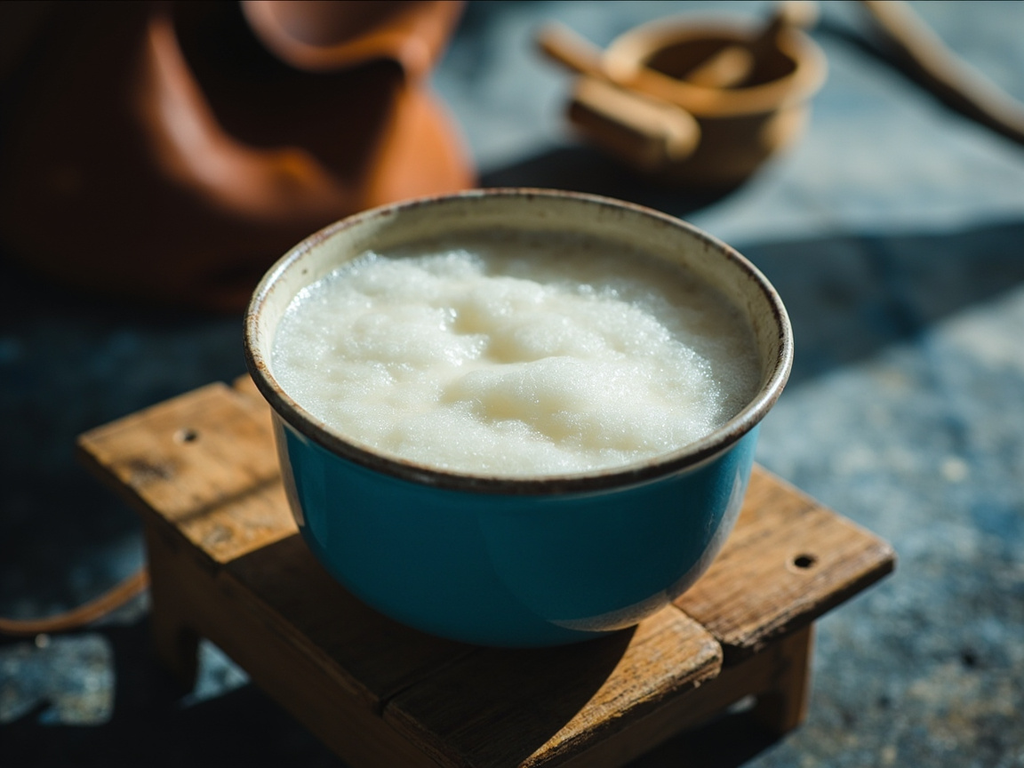
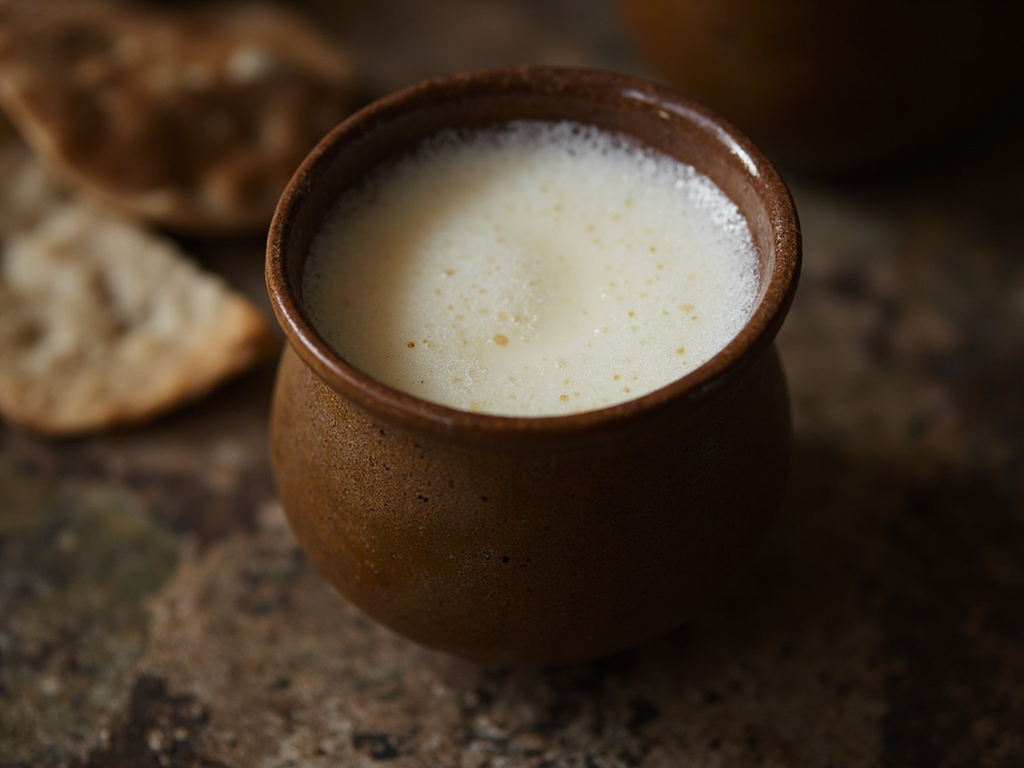
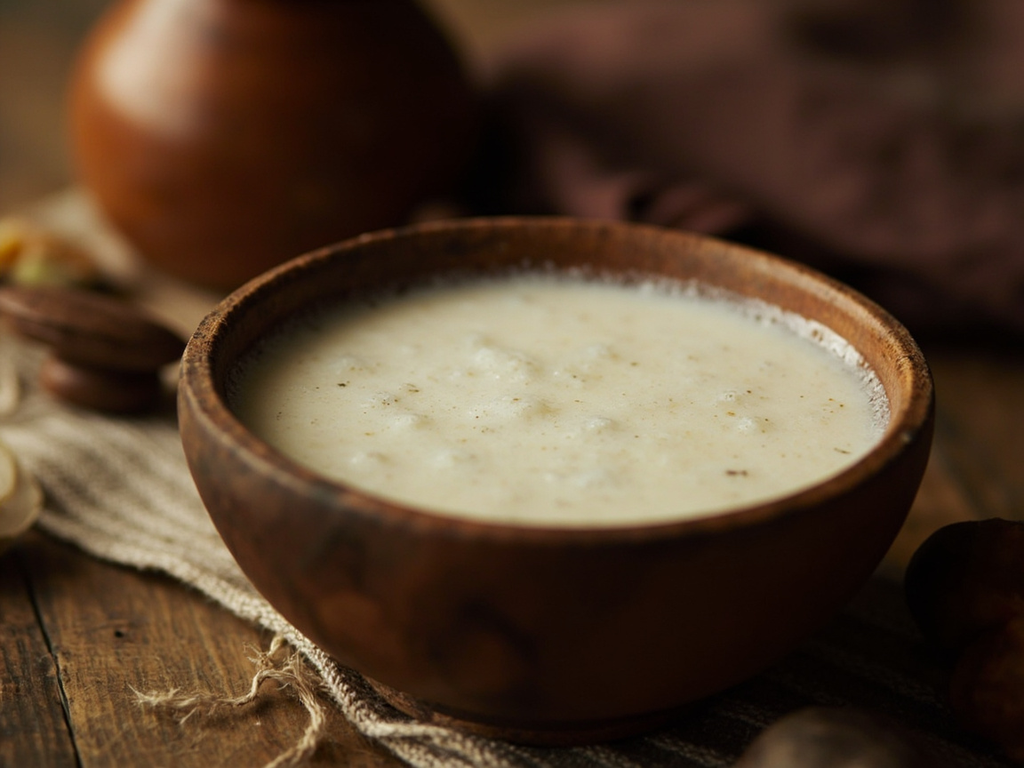
Slightly fermented mare's milk, fizzy and tangy, low in alcohol. In a modern adaptation, cow's milk with kefir starter approximates the original flavor.
Koumiss is the white blood of the steppe. My ancestor Genghis Khan drank it, and I drink it too — let the mullahs say what they will, koumiss is not the wine of the Persians. It is beaten in the leather sack, every woman in the camp knows how to make it, and when it fizzes under the tongue, the strength of the horse enters you. At the banquets of Samarkand, I serve both koumiss AND wine — I am lord of steppes and cities, and I take the best of both worlds.
- •Fresh mare's milk — one leather sack (Base)
- •Koumiss starter (residue from previous batch) — a bit left in the sack (Fermentation starter)
Koumiss
Slightly fermented mare's milk, fizzy and tangy, low in alcohol. In a modern adaptation, cow's milk with kefir starter approximates the original flavor.
Why this dish? Koumiss — fermented mare's milk — is the sacred drink of steppe peoples, inseparable from the Turco-Mongol identity Tamerlane claimed. As a self-proclaimed heir of Genghis Khan, he perpetuated nomadic customs, including the consumption of koumiss at assemblies (qurultay) and military celebrations, even though his sedentary court in Samarkand also adopted Persian wine.
Koumiss is the white blood of the steppe. My ancestor Genghis Khan drank it, and I drink it too — let the mullahs say what they will, koumiss is not the wine of the Persians. It is beaten in the leather sack, every woman in the camp knows how to make it, and when it fizzes under the tongue, the strength of the horse enters you. At the banquets of Samarkand, I serve both koumiss AND wine — I am lord of steppes and cities, and I take the best of both worlds.
Ingredients (period version)
- Fresh mare's milk — one leather sack (Base)
- Koumiss starter (residue from previous batch) — a bit left in the sack (Fermentation starter)
Ingredients
- Whole cow's milk (raw or pasteurized) — 1 liter (Base (substitute for mare's milk))
- Milk kefir grains or liquid kefir — 2 tbsp grains or 100 ml kefir (Ferment)
- Honey (optional) — 1 tsp (Sweeten to balance acidity)
Method
- Warm the milk to about 30°C (it should be barely warm to the touch).
- Add the kefir grains or liquid kefir to the warm milk in a wide-mouth jar. Stir gently.
- Cover the jar with a cloth or a non-airtight lid (fermentation produces gas) and let ferment at room temperature for 24 to 48 hours, stirring or shaking gently 2 to 3 times a day.
- When the milk has thickened, is slightly fizzy and tangy, strain out the kefir grains if used.
- Refrigerate and serve well chilled. Add a little honey if the acidity is too strong.
How it was made : Koumiss has been documented since antiquity among steppe peoples. Herodotus mentions it among the Scythians. John of Plano Carpini (1246) and William of Rubruck (1253), papal envoys to the Mongols, describe in detail its preparation in regularly beaten leather sacks. Mare's milk, higher in lactose than cow's milk, naturally ferments into a slightly alcoholic drink (1 to 3%). Clavijo notes that fermented drinks were served in abundance at Tamerlane's banquets.
The contemporary twist : Serve in small ceramic bowls with a lemon zest and a few mint leaves for a refreshing summer version.
Sources : William of Rubruck, Journey to the Mongol Empire (1253) · John of Plano Carpini, Historia Mongalorum (1247) · Ruy González de Clavijo, Embajada a Tamorlán (1406)
Tamerlane · Charactorium