The French Bourgeois Meal, from Soup to Dessert
At Gide's table, the meal followed the order of good Protestant bourgeoisie: a soup or an egg to start, a piece of meat or fish with its seasonal garnish, a cheese, then a sweet dessert. At Cuverville they ate Norman and frugal; but his travel notebooks report the irruption of the flavors of Algiers and the Congo, which upset this orderly routine. Here we distinguish the 'family dish' (everyday, Norman), the 'reception piece' (festive, NRF), the 'travel food' (journey, North Africa) and the 'thirst-quenching drink'.
Signature : Normandy Butter and Cream, against the Spice of the South
All of Gide's cuisine lies in this tension: the milky sweetness of Cuverville, inherited from his Norman family, and the fragrant dryness of the kitchens of Algiers and Biskra that he discovered while traveling. Fine butter is his table signature, coriander and cumin his traveler's signature.
André Gide at the table
1869 — 1951
5 period recipes
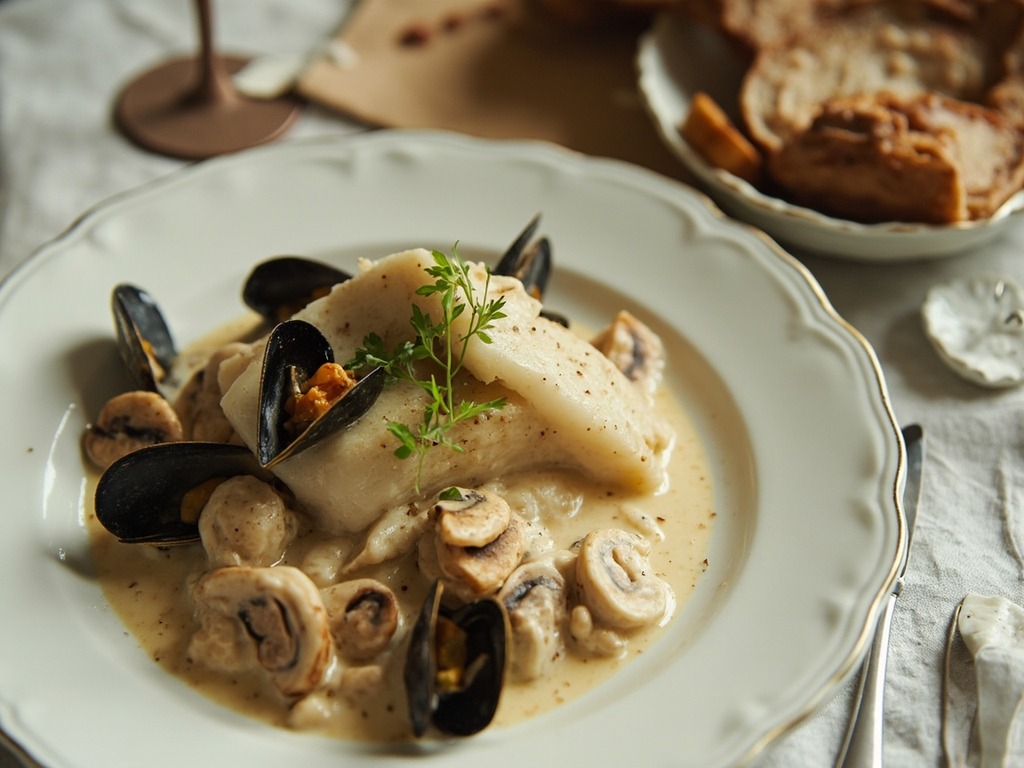 Everyday
Norman Sole in Cuverville Cream
Family dish (the everyday meal's main course)
🧂 🍄· 45 min
View the recipe
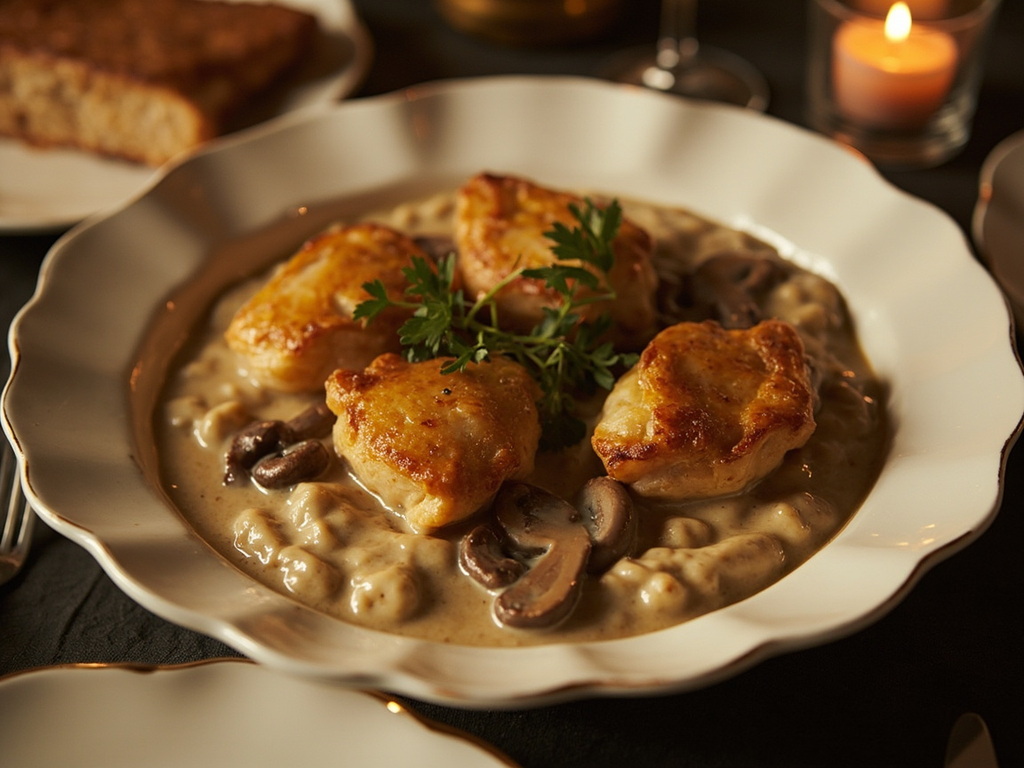 Festive
Poularde with Cream and Morels, NRF Dinner
Reception piece (the dish for evenings when entertaining)
🧂 🍄· 1 h 15
View the recipe
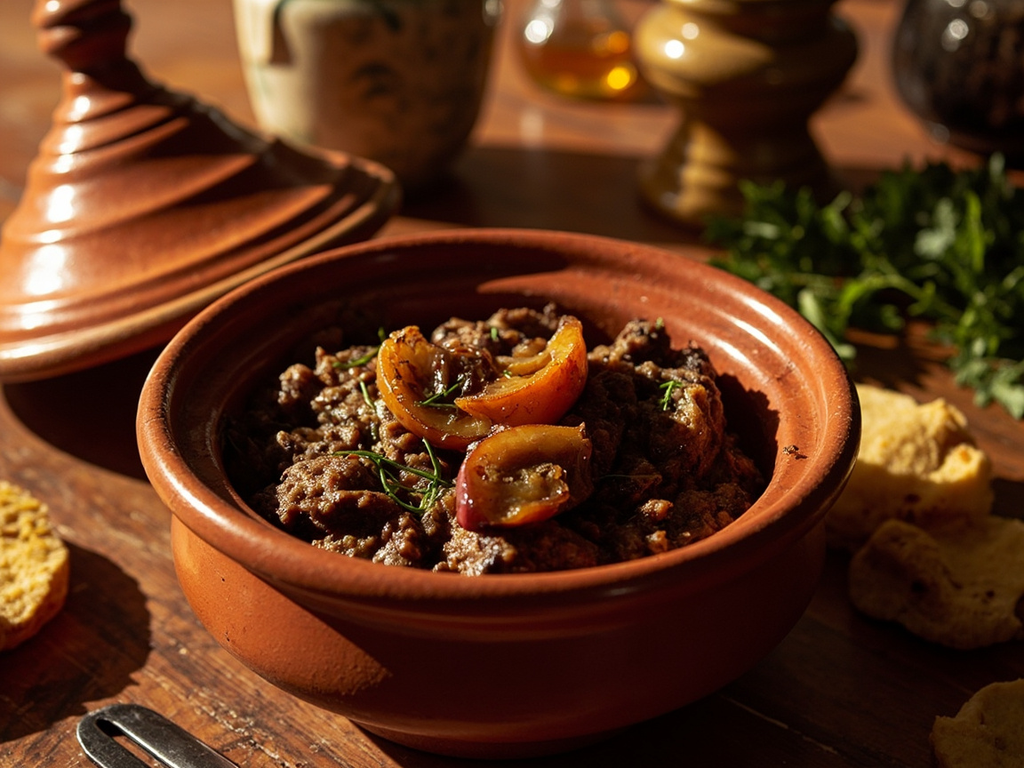 Travel
Lamb Tagine with Quince and Cumin, from Biskra
Travel food (food eaten on the road, with locals)
🧂 🍯 🌶️· 2 h 15
View the recipe
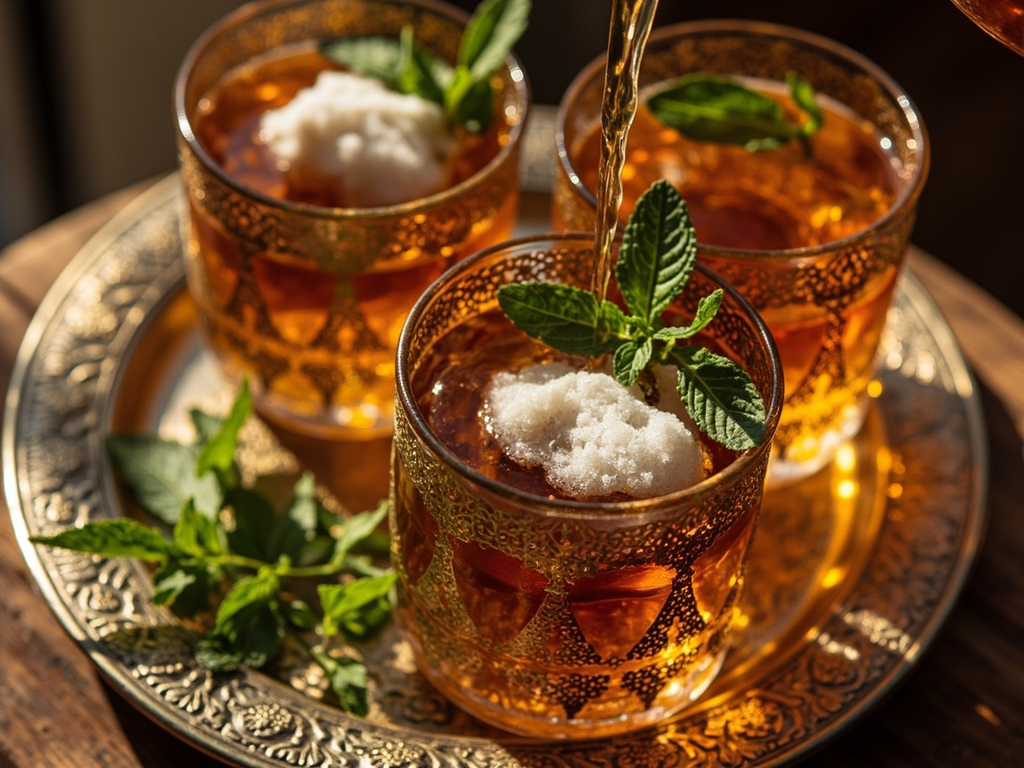 Drink
DrinkGreen Mint Tea from Southern Algeria
Thirst-quenching drink (the ritual of hospitality, at any hour)
🍯 ☕· 15 min
View the recipe
 Preserving
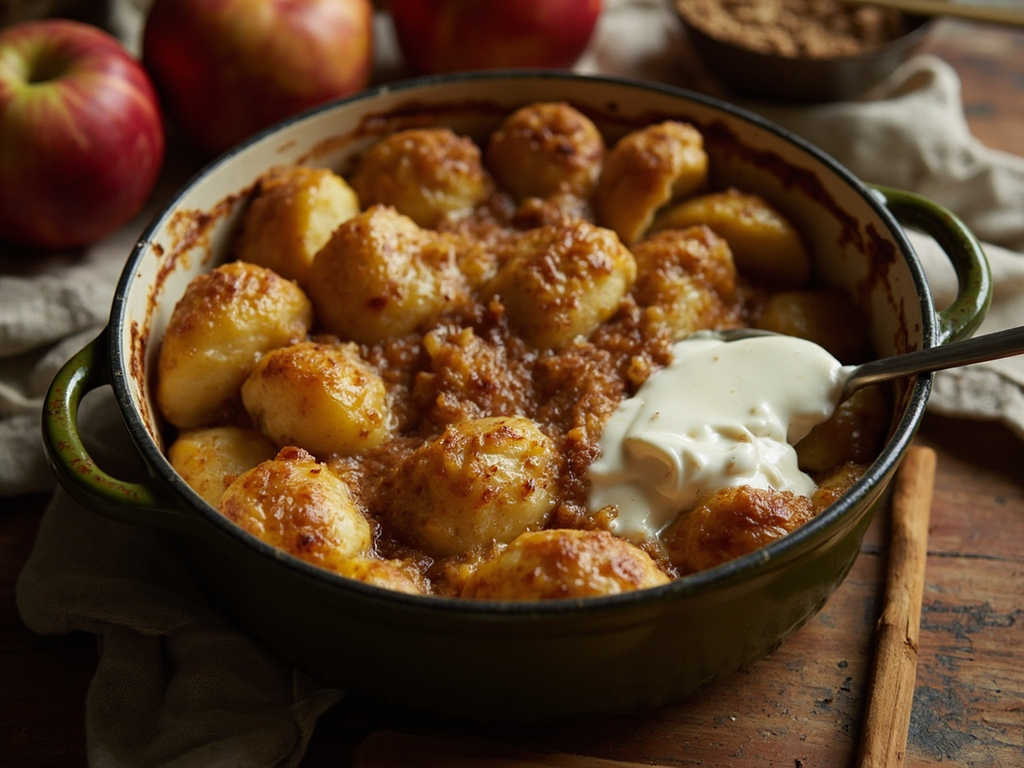
Baked Apples with Cream, Cuverville Dessert
Sweet dessert (the sweetness that closes the family meal)
🍯 🍋· 50 min
View the recipe