 Flip the card
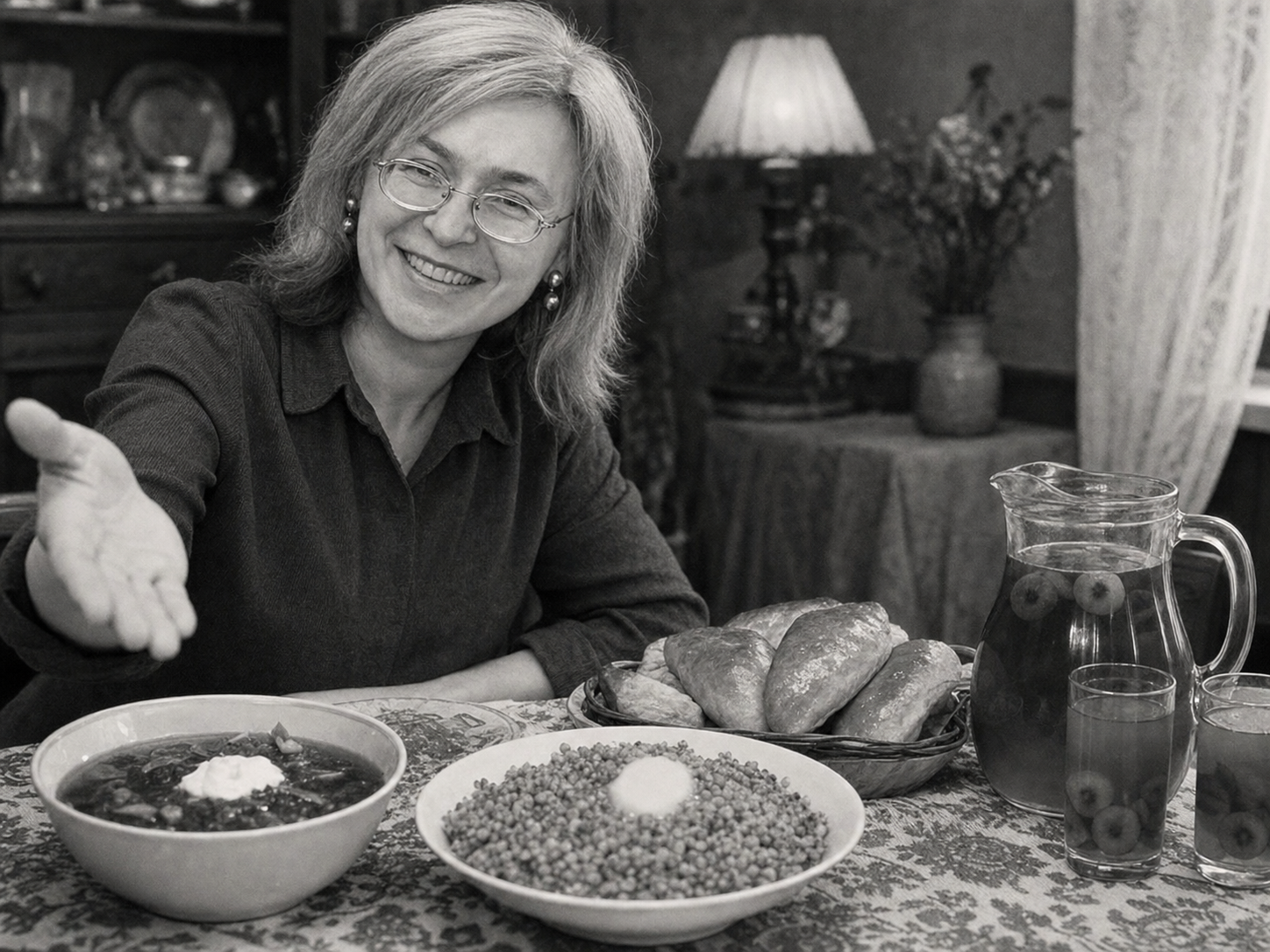
Anna Politkovskaya at the table
1958 — 2006
On the menu
The Russian Meal in Three Courses: Zakuski, Pervoye, Vtoroye — and Never-Ending Tea
At a Russian table, one does not serve a starter, main course, and dessert in the French style. You open with zakuski (small savory and pickled bites that accompany tea or vodka), then comes pervoyé (the "first": always a hot soup, the heart of the meal), followed by vtoroyé (the "second": grain, meat, or fish). Everything stretches out around the samovar, tea flowing for hours while people talk, argue, and warm themselves. In Anna Politkovskaya's Soviet and post-Soviet Russia, this rhythm structured both the kitchen of a Moscow apartment and shared meals with Chechen families in the field.
Signature : Smetana and Dill
Two absolute markers of Russian cuisine: smetana (thick sour cream) that goes on almost everything — soup, kasha, pirozhki — and dill (ukrop) that perfumes broths, marinades, and even tea. Anna, raised between New York (where her Soviet diplomat parents were posted at the UN) and Moscow, found in that spoonful of smetana and that sprinkle of dill the simple, recognizable taste of home.
click to flip back
Anna Politkovskaya at the table
1958 — 2006
5 period recipes
 Everyday
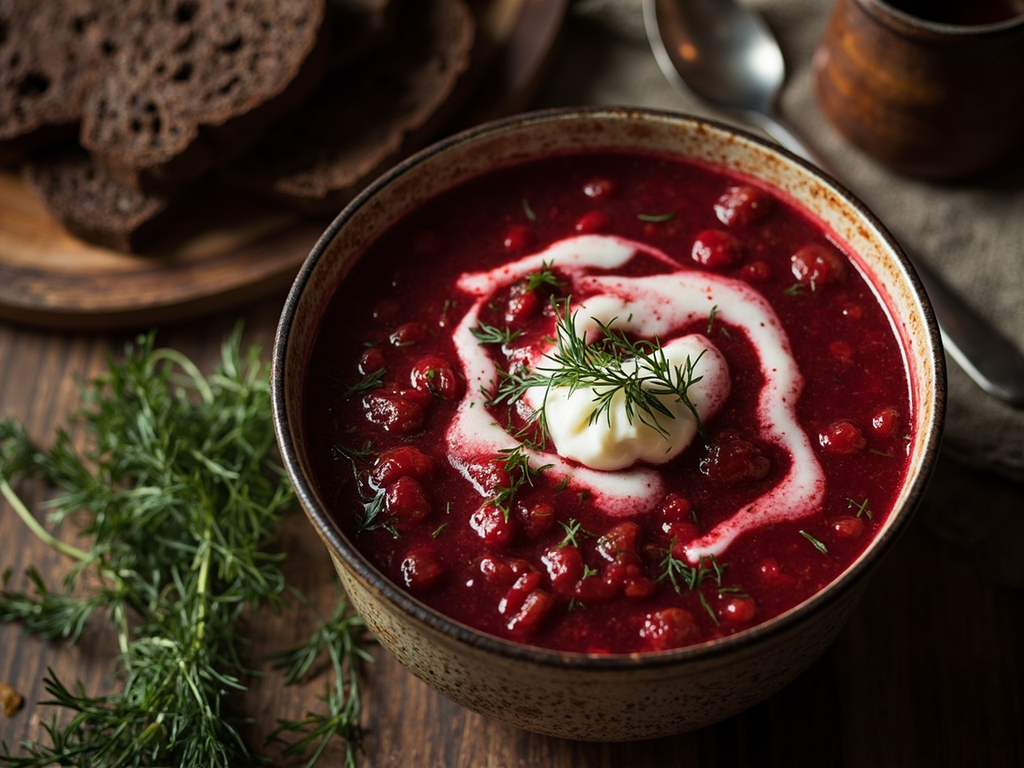
Borscht with Smetana
Pervoye (the first — the foundational soup of the meal)
🍋 🍄· 1 h 15 (+ resting)
View the recipe
 Everyday
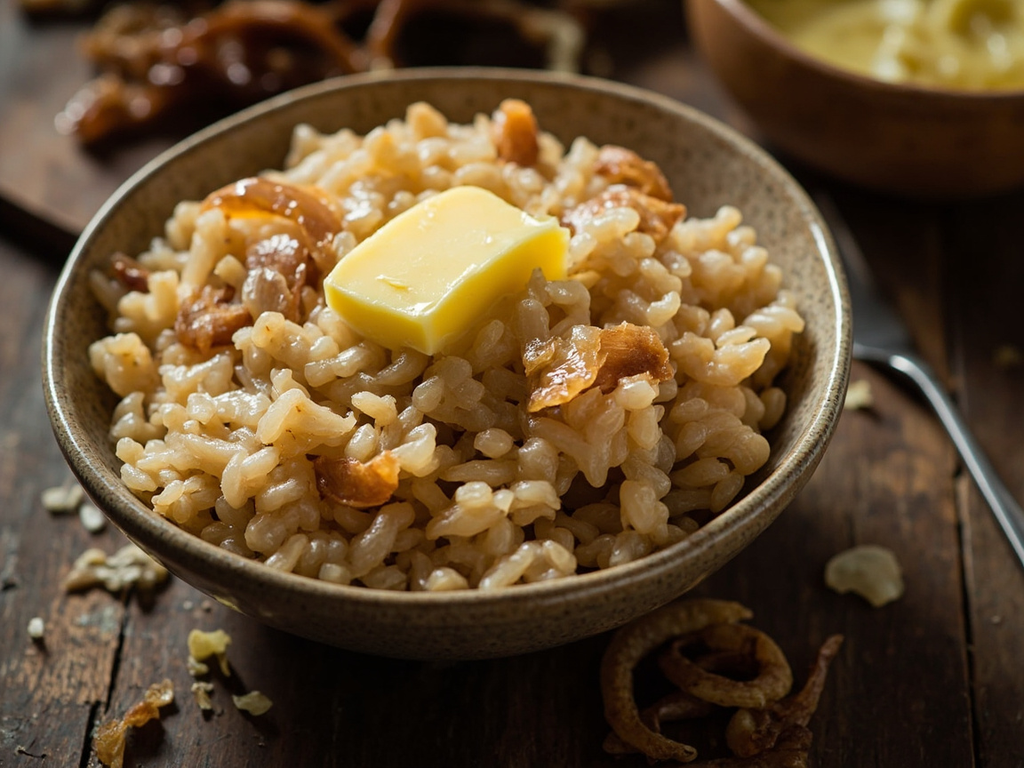
Grechka — Buckwheat Kasha with Butter
Vtoroye (the second — the grain that satisfies)
🍄· 25 min
View the recipe
 Travel
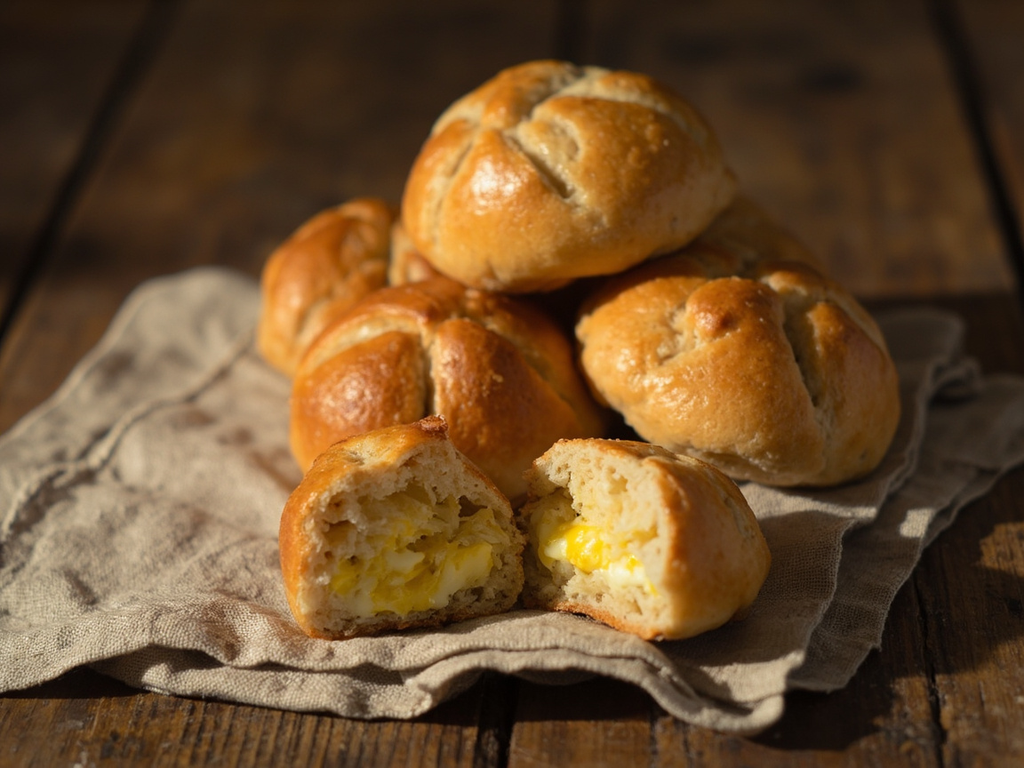
Cabbage Pirozhki for the Road
Travel Zakuski (small bites to take along)
🧂 🍄· 2 h (including rising)
View the recipe
 Drink
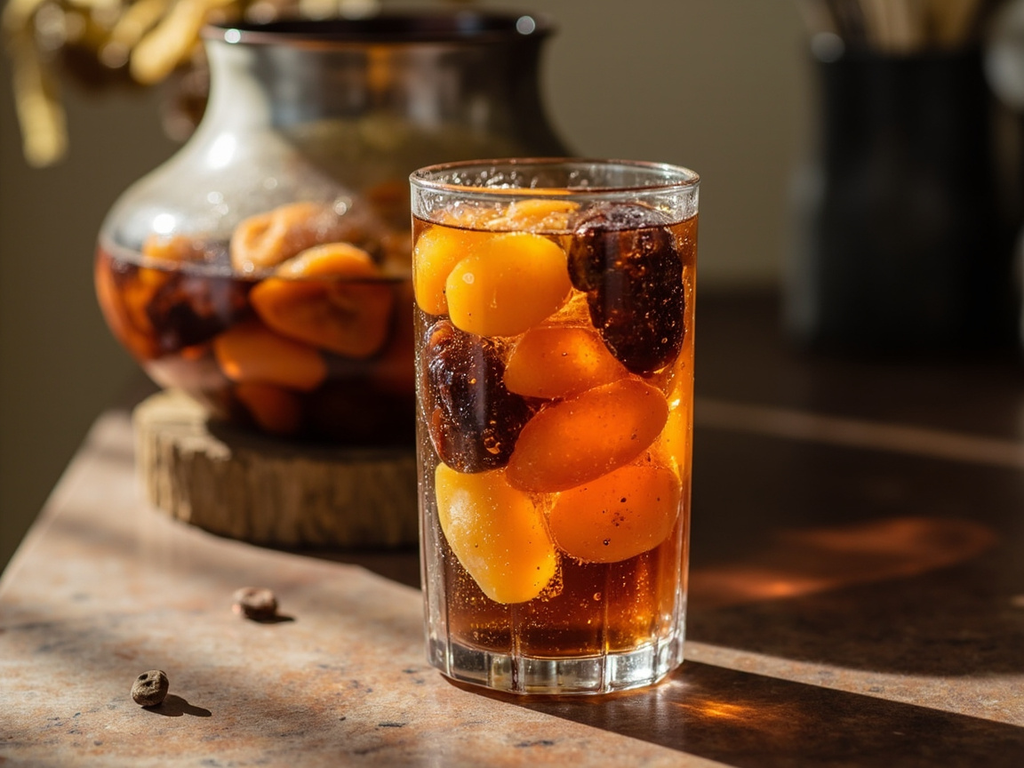
DrinkDried Fruit Kompot
Napitok — the meal's beverage (also serves as a sweet ending)
🍯 🍋· 30 min (+ steeping)
View the recipe
 Preserving
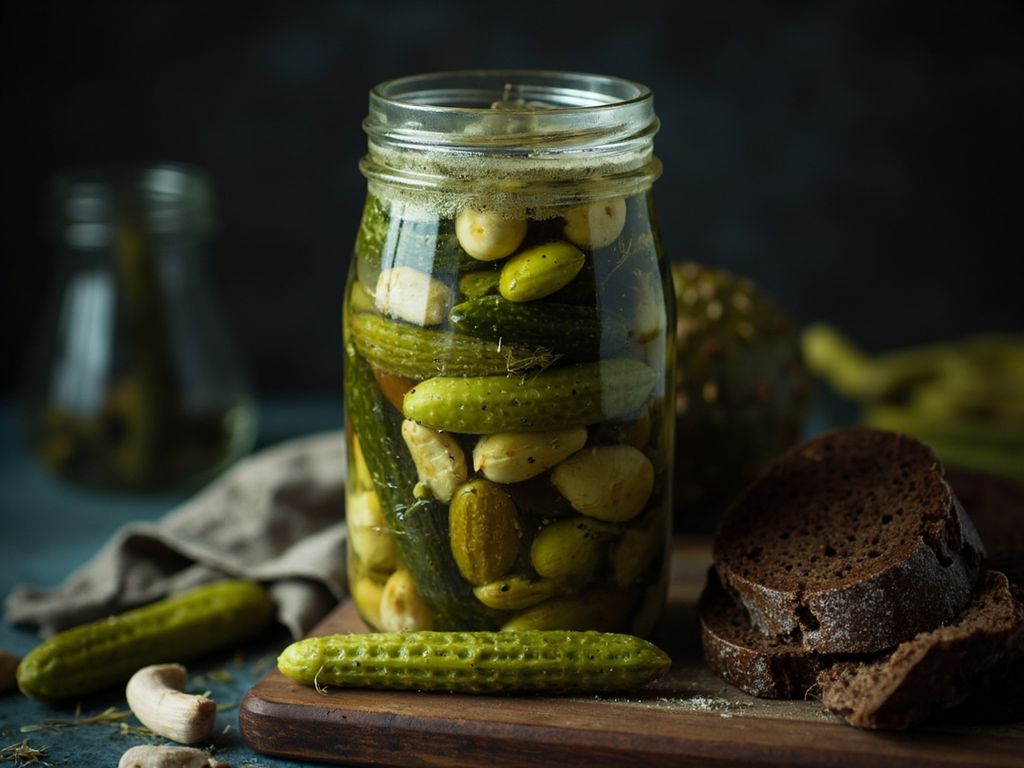
Ogurtsy solyonye — Dill Brine Cucumbers
Guard Zakuska (pickling that lasts through winter)
🍋 🫙 🧂· 30 min (+ 3 to 5 days fermentation)
View the recipe