 Flip the card
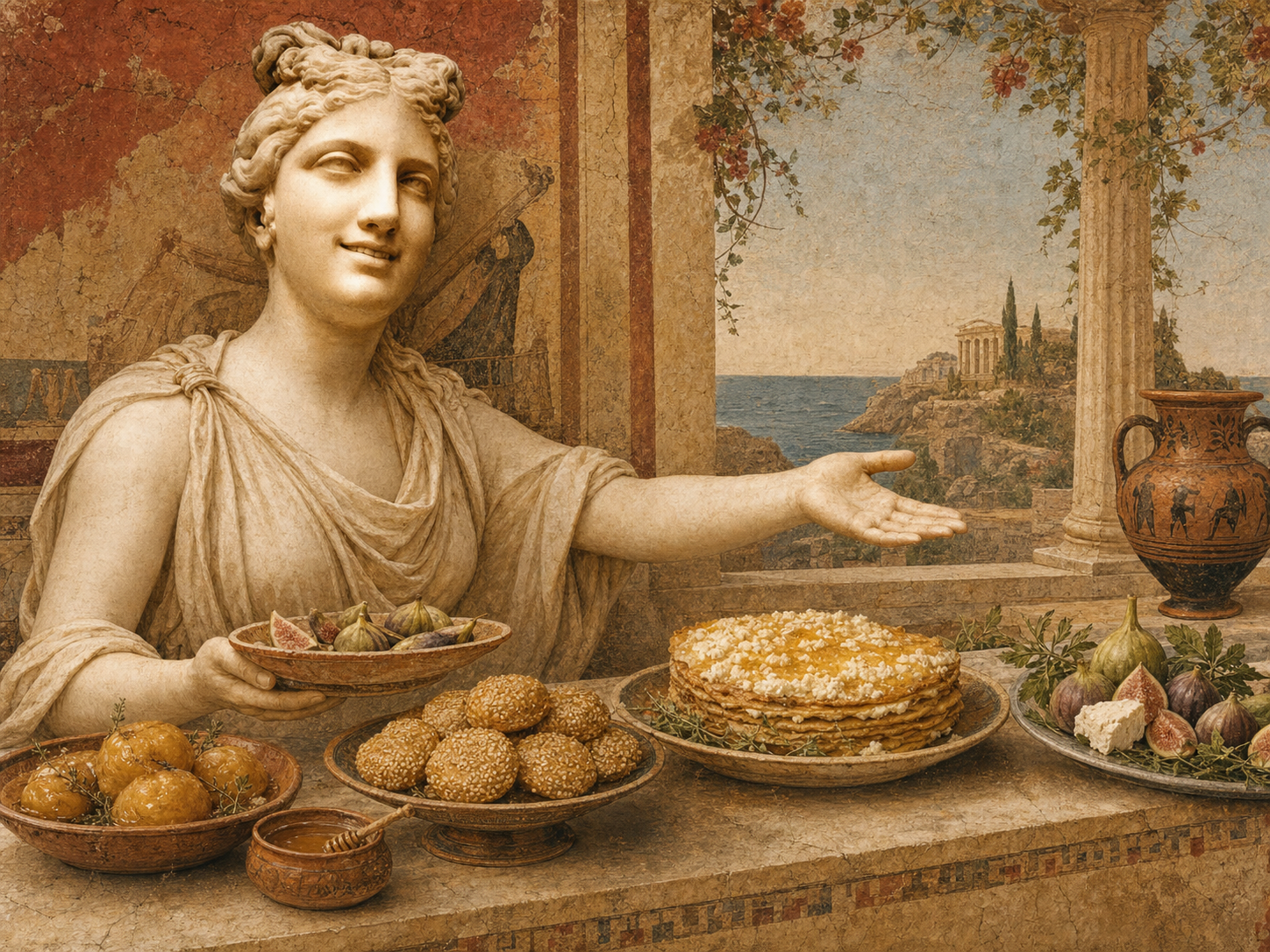
Aphrodite at the table
On the menu
The Greek Deipnon and its Tragemata
The ancient Greek meal revolves around the *sitos* (the cereal base: barley flatbread *maza*, wheat bread) accompanied by the *opson* (what "enhances" it: cheese, figs, olives, fish). Then, once the tables are cleared, comes the time for the *tragemata* — sweets with honey, dried fruits, and wine mixed with water, shared during the symposium. For a goddess of love and beauty, it is precisely these sweet, fragrant foods offered in sacrifice that make up her world: honey cakes placed on the altar, wedding quinces, sesame of the nuptials.
Signature : Honey and Sesame
The fragrant honey of the Greek hills (Attic Hymettus was renowned) is the sacred ingredient par excellence, offered to the gods and binding all cakes. Sesame, toasted and drenched in honey, was distributed at weddings as a promise of fertility — the very domain of Aphrodite. These two signatures, luminous and golden, structure almost all the offerings destined for her.
click to flip back
Aphrodite at the table
5 period recipes
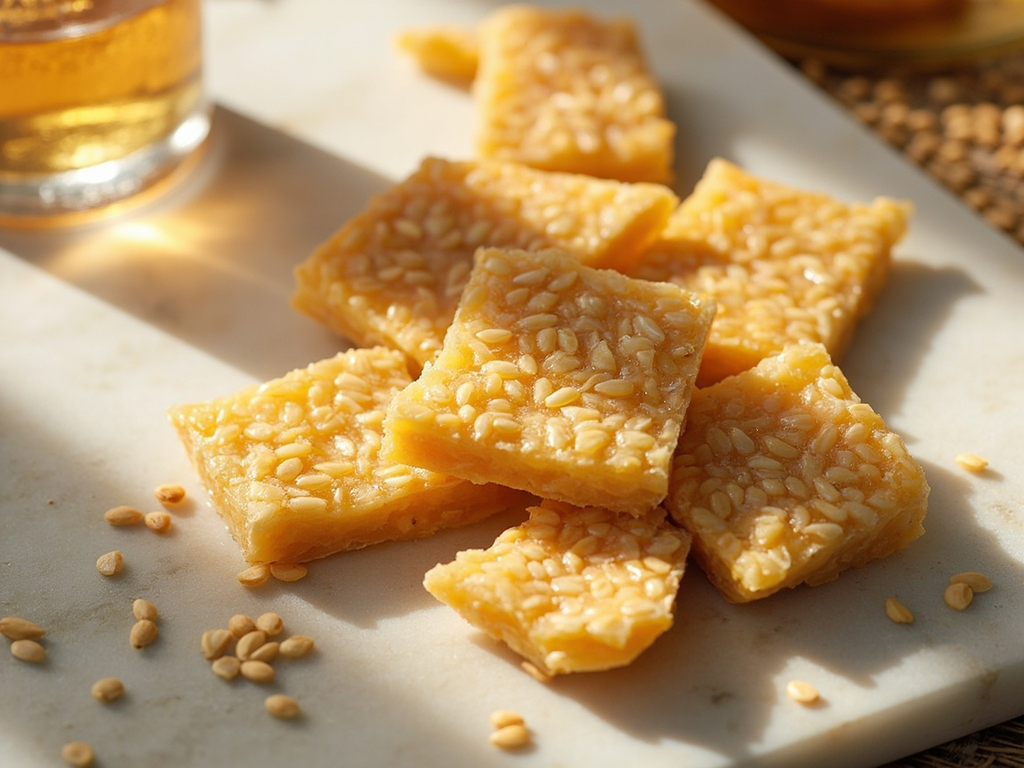 Festive
Sesame and Honey Itria (Wedding Cakes)
Tragema — banquet finale and nuptial gift
🍯· 25 min
View the recipe
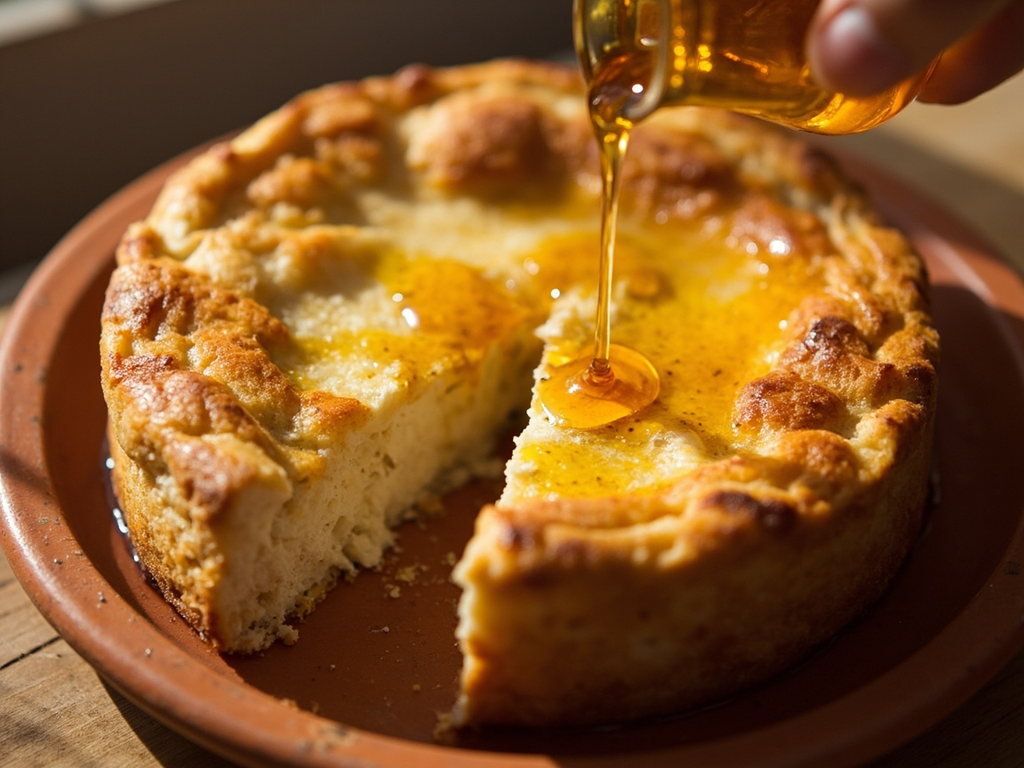 Offering
Honey and Fresh Cheese Plakous (Offering Cake)
Pélanos — cake placed on the goddess's altar
🍯 🍄· 45 min
View the recipe
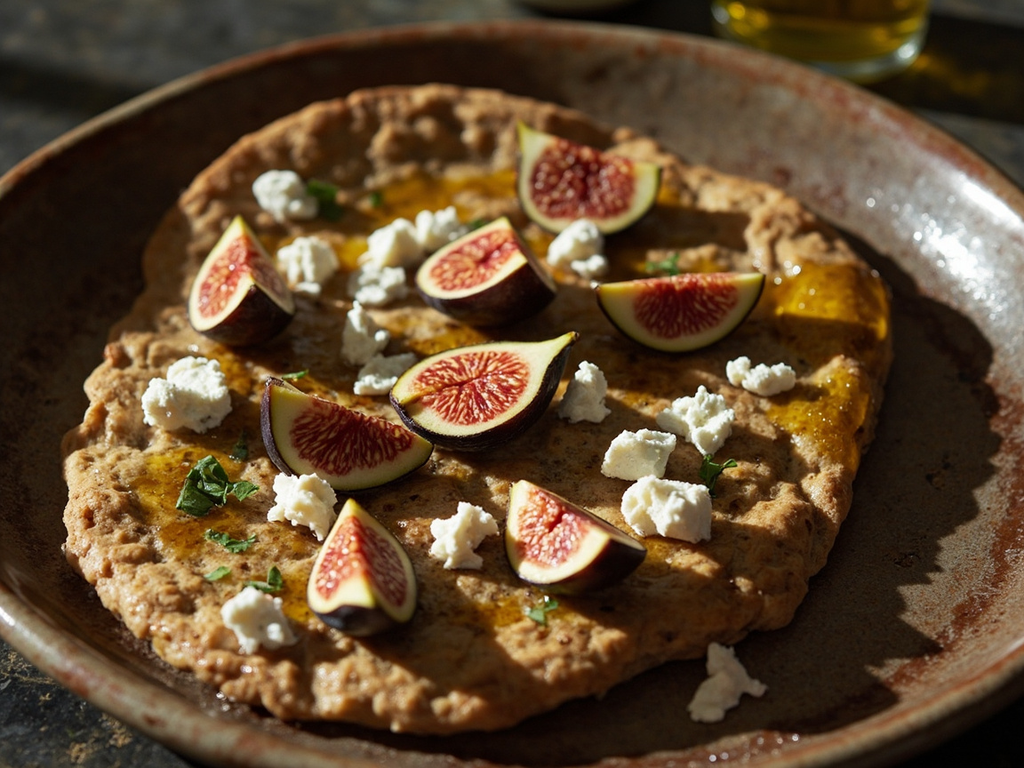 Everyday
Figs and Cheese Maza
Sitos — barley flatbread, daily meal staple
🧂 🍯· 30 min
View the recipe
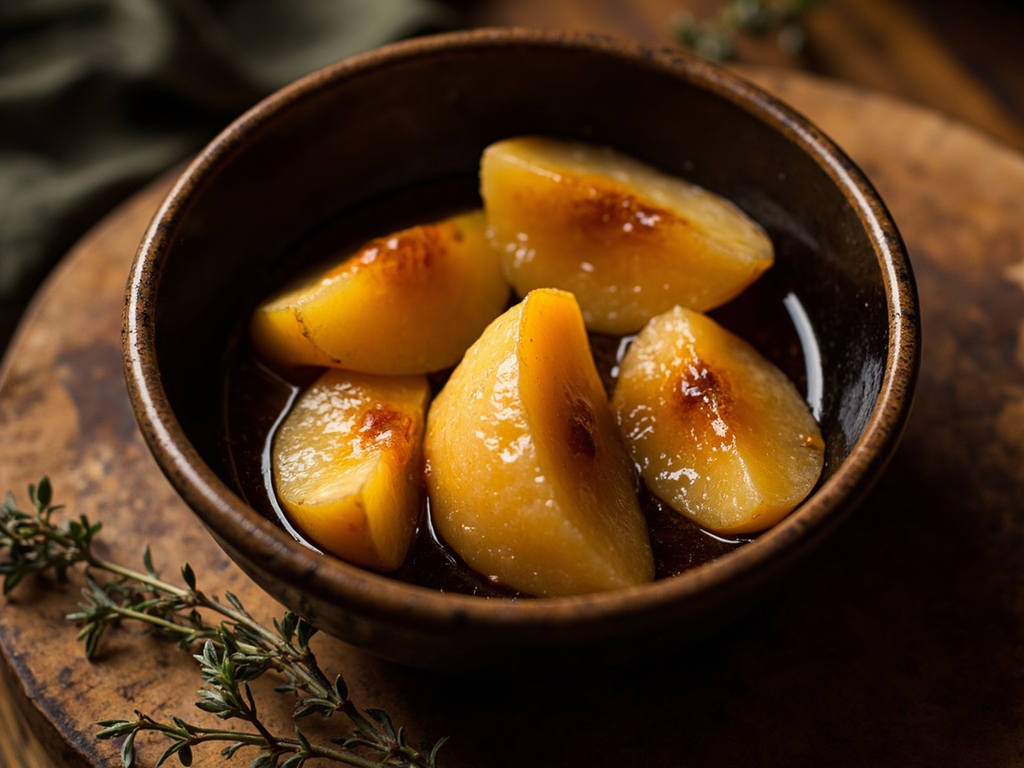 Preserving
Quinces with Honey and Thyme
Preserved tragema — nuptial fruit confit for the season
🍯 🍋· 1 h 45
View the recipe
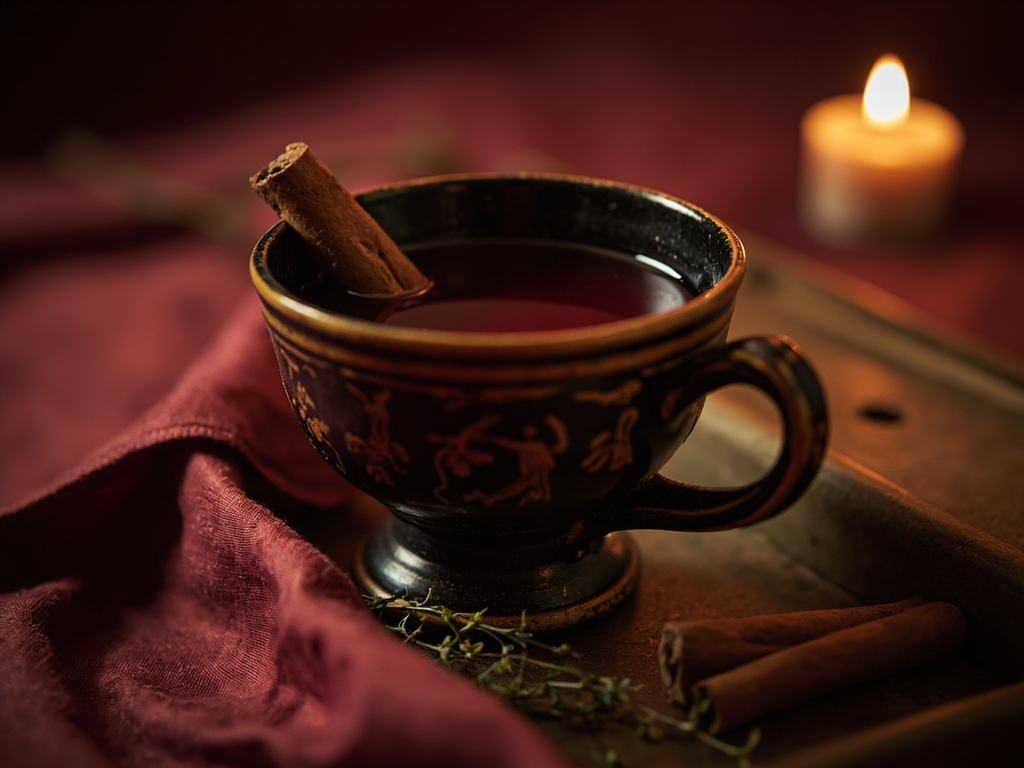 Drink
DrinkSpiced Honey Wine (Oinomeli of the Banquets)
Symposium drink — honeyed wine for libations
🍯 🫙· 15 min
View the recipe