 Flip the card
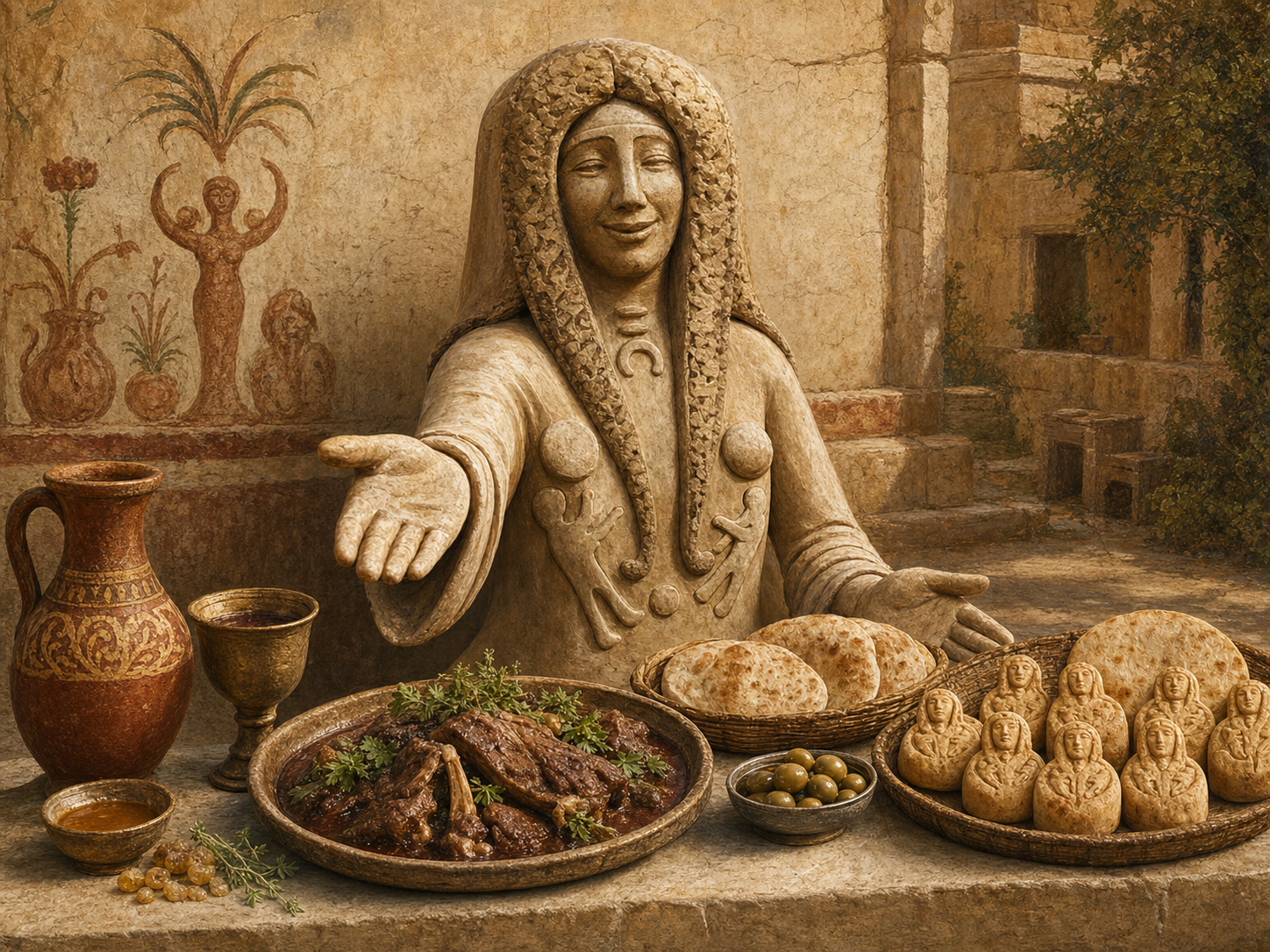
Asherah at the table
On the menu
The marzeaḥ table and the offering altar
Among the Canaanites and at Ugarit, food was organized around two poles: the domestic altar or sanctuary, where cooked portions (breads, cakes, libations of wine and oil) were placed for the gods, and the marzeaḥ, a banquet confraternity where families and notables gathered to drink, eat lamb, and honor the dead as well as the deities. The daily meal revolved around barley bread, oil, and a few fruits. There was no "starter-main course-dessert": dishes were shared together, the sweetness of honey and dates alongside the saltiness of meat, and every important meal began with a portion given to the gods.
Signature : Honey and first-press olive oil
Two treasures of the Levant. Wild honey perfumes the offering cakes kneaded in the goddess's image, while green olive oil is used for kneading, frying, anointing breads, and pouring on the altar as a libation. This honey-oil alliance marks the cuisine of Asherah, the nurturing queen of heaven.
click to flip back
Asherah at the table
5 period recipes
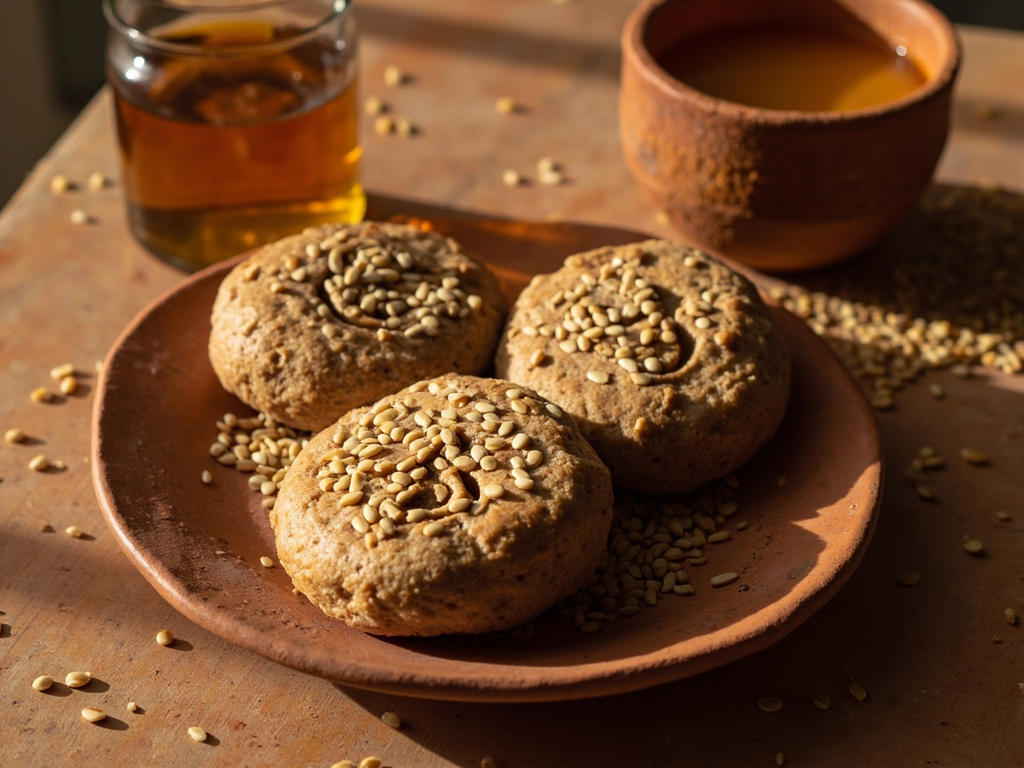 Offering
Kawwanim — cakes in the image of the Queen of Heaven
Altar portion (domestic offering)
🍯· 45 min
View the recipe
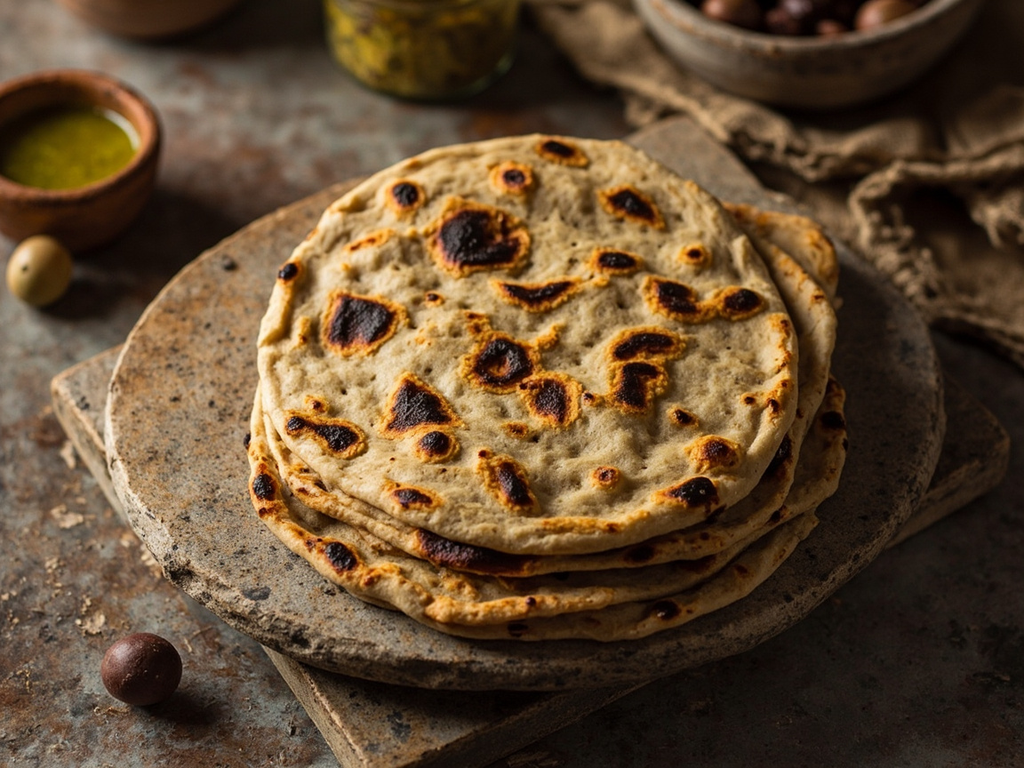 Everyday
Stone-baked barley bread
Daily bread (meal staple)
🧂· 1 h
View the recipe
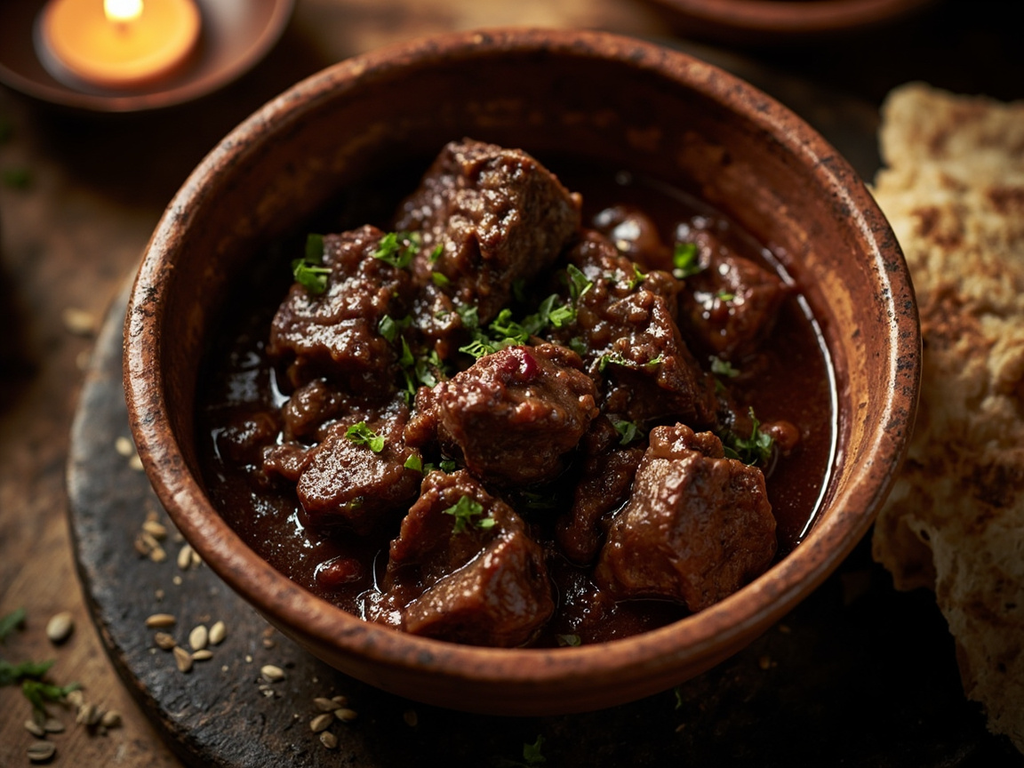 Festive
Marzeaḥ lamb with wine and coriander
Banquet dish (marzeaḥ confraternity)
🧂 🍄· 2 h 45
View the recipe
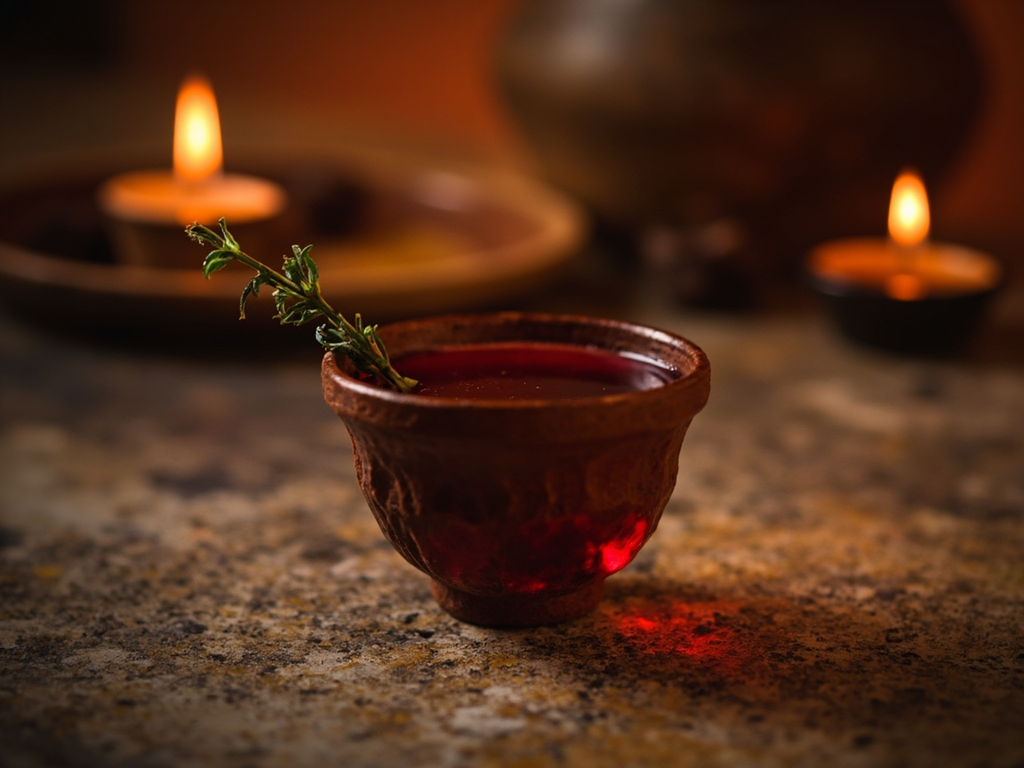 Drink
DrinkHoneyed wine with resin and herbs
Libation and banquet cup
🍯 🫙· 20 min
View the recipe
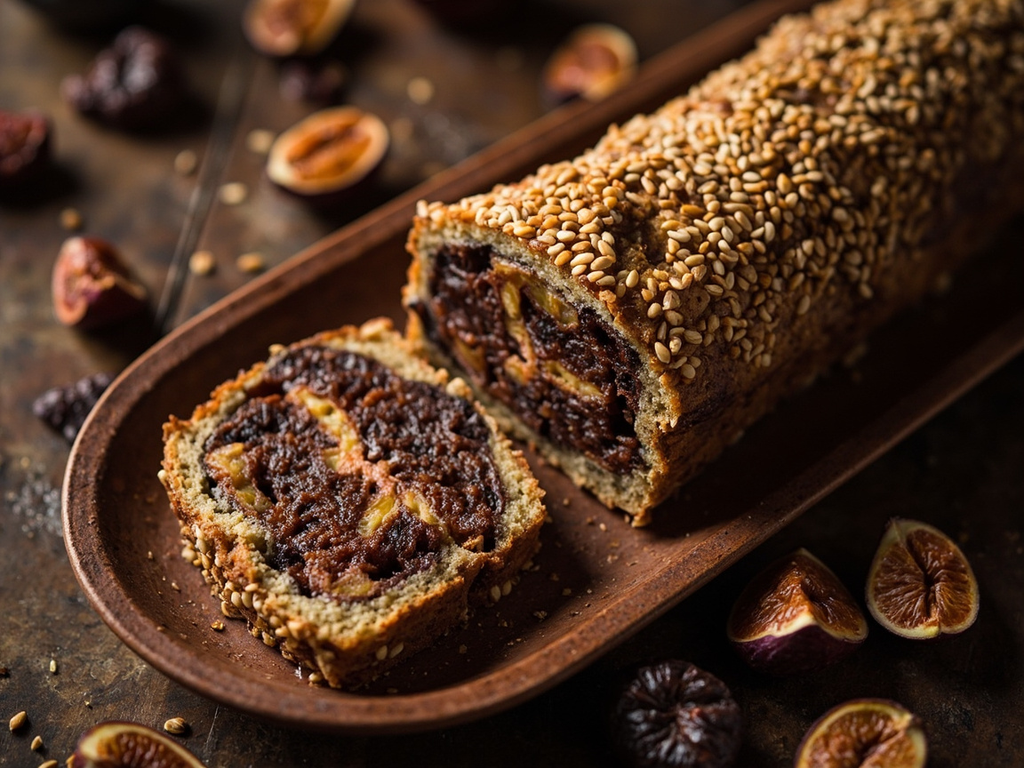 Preserving
Fig and date preserve with sesame
Household provision (pantry reserve)
🍯 🍋· 30 min
View the recipe