 flip
flipKawwanim — cakes in the image of the Queen of Heaven
Kawwanim — cakes in the image of the Queen of Heaven
Why this dish? The Book of Jeremiah (7:18; 44:19) describes entire families—children gathering wood, fathers kindling fire, women kneading—making "cakes for the Queen of Heaven." These kawwanim, kneaded in the goddess's image and perfumed with honey, were the popular offering to Asherah, so rooted in daily life that the prophet could never extinguish it.
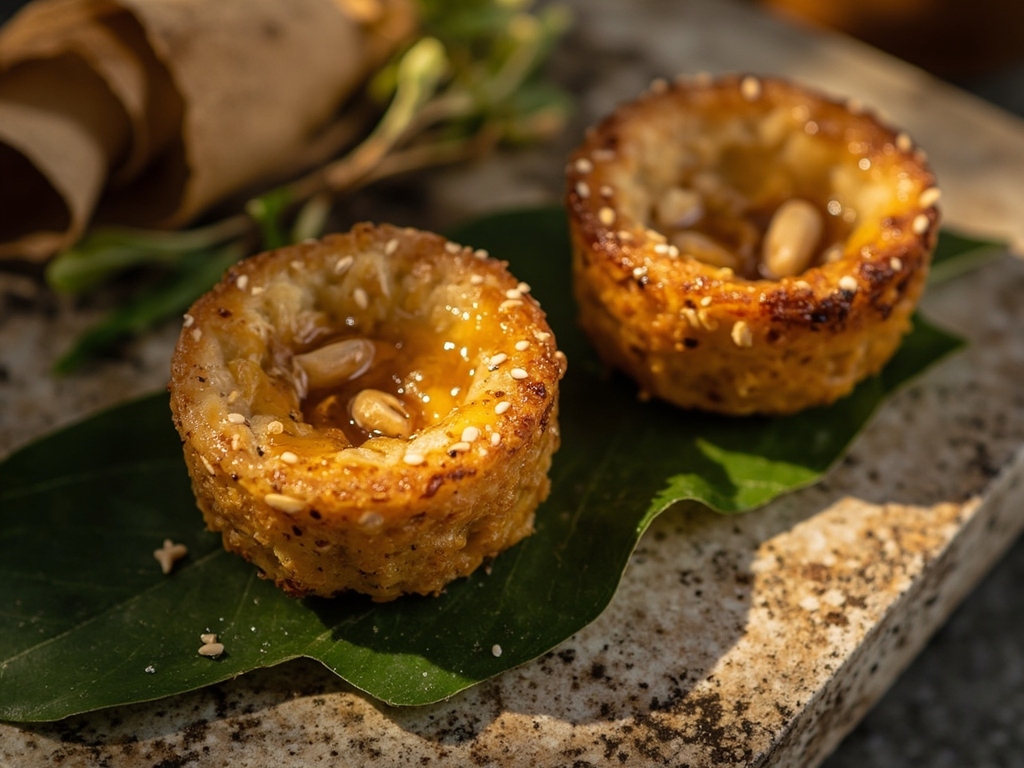
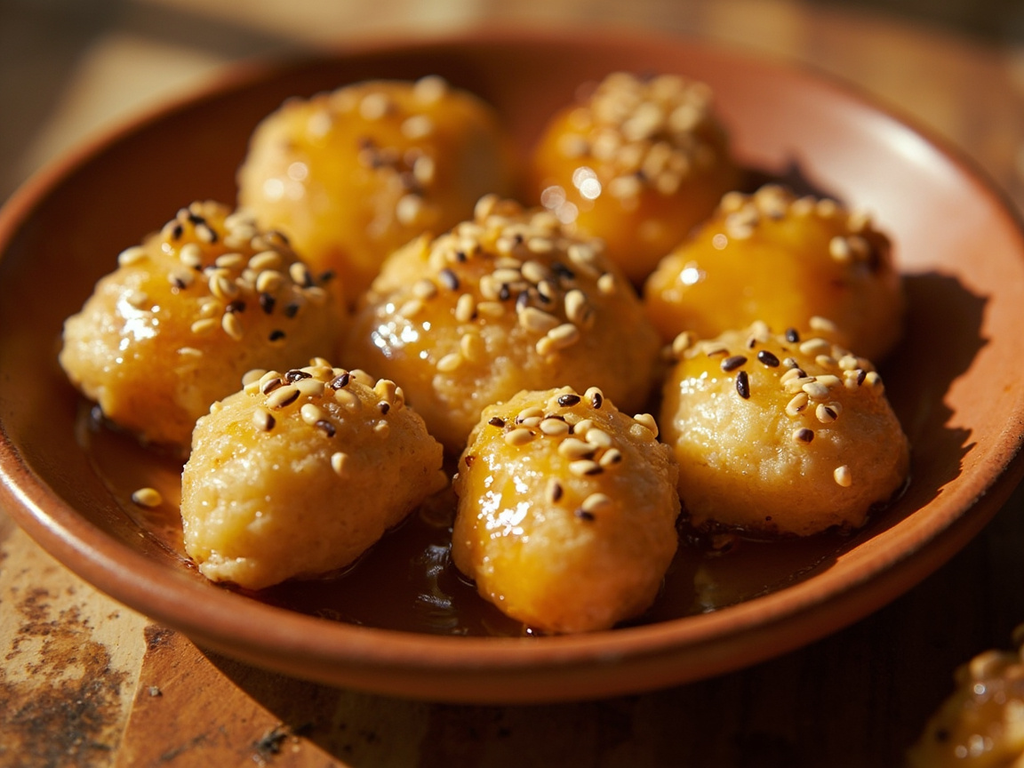
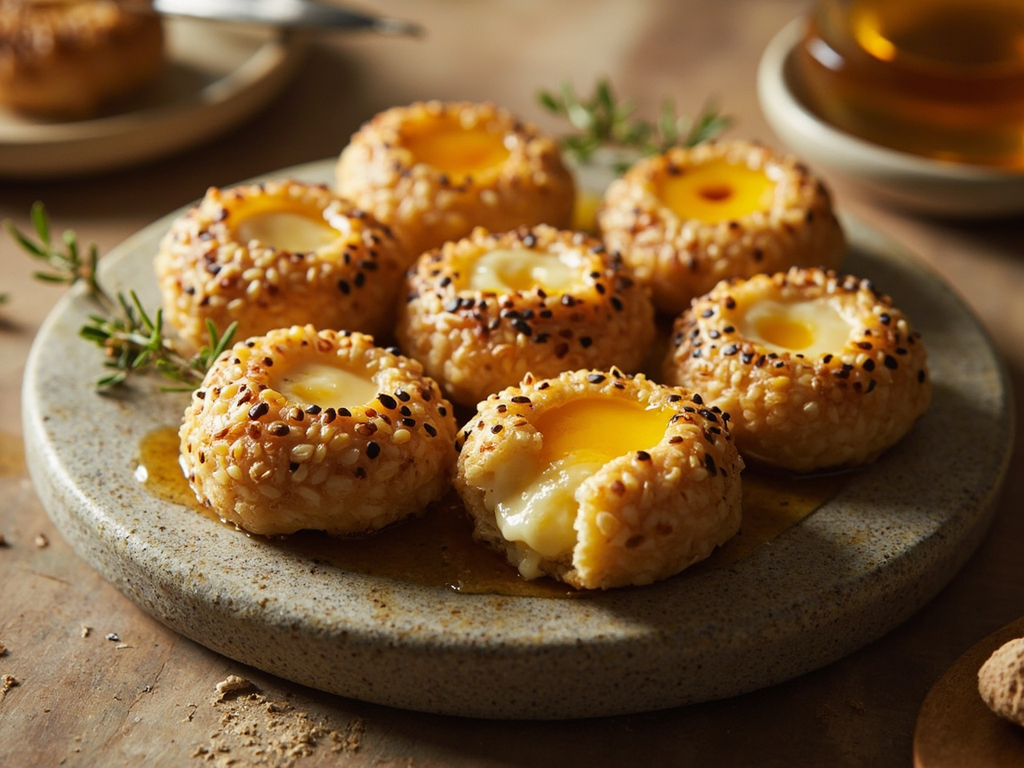
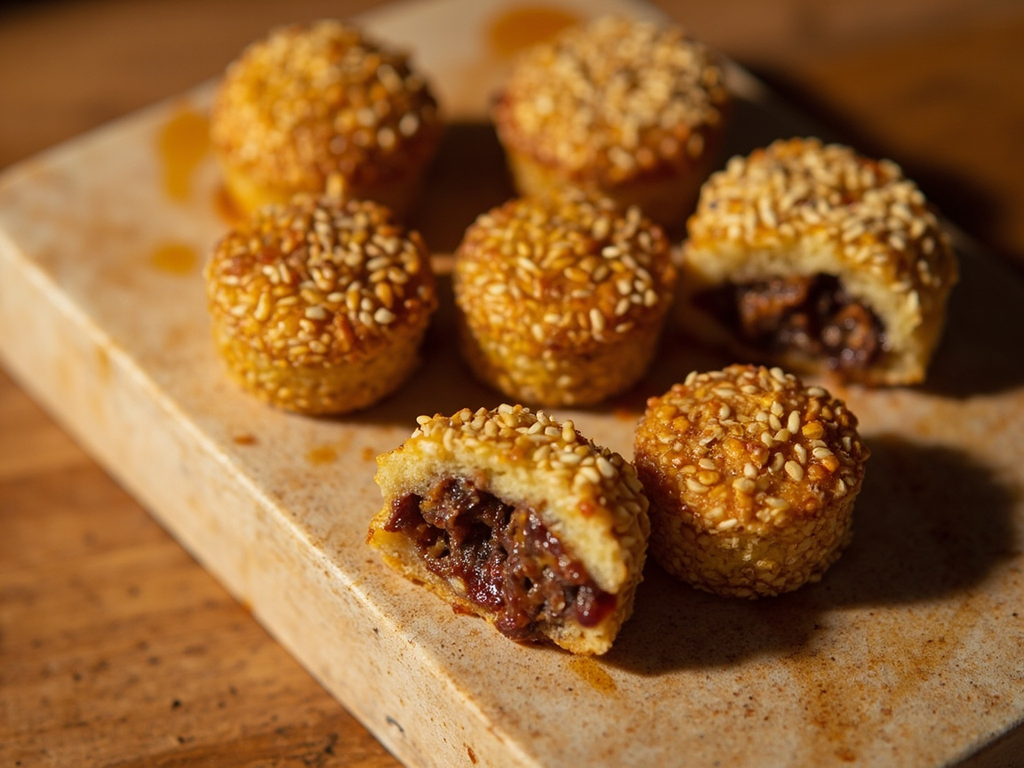
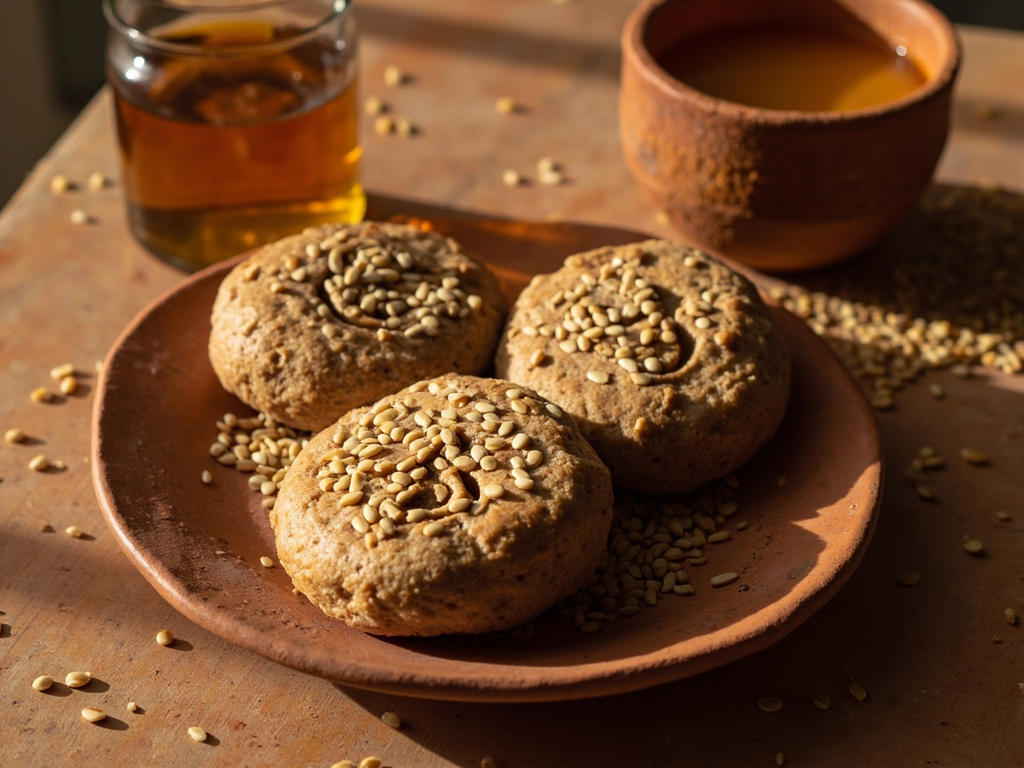
A dense cake of spelt flour, bound with honey and olive oil, sprinkled with sesame, and shaped in a mold (or hand-modeled) depicting the goddess with raised arms. It is baked on a hot stone and then placed, still warm, before the family altar.
Draw near, child of men, and watch my daughters knead. Ever since the moon rises over Sidon, these cakes are prepared for me: the flour, the honey of wild bees, the green oil of the first pressing, and I am shaped in the dough, arms raised toward the sky. The prophet scolds, he curses the fire of my hearths—but smell this scent of warm honey rising from every house: that is my true dwelling. Eat one with reverence, and you will know why I am called the nourisher.
- •Spelt flour (or emmer) — two measures (base of the cake)
- •Wild honey — a generous handful (binder and sweetness)
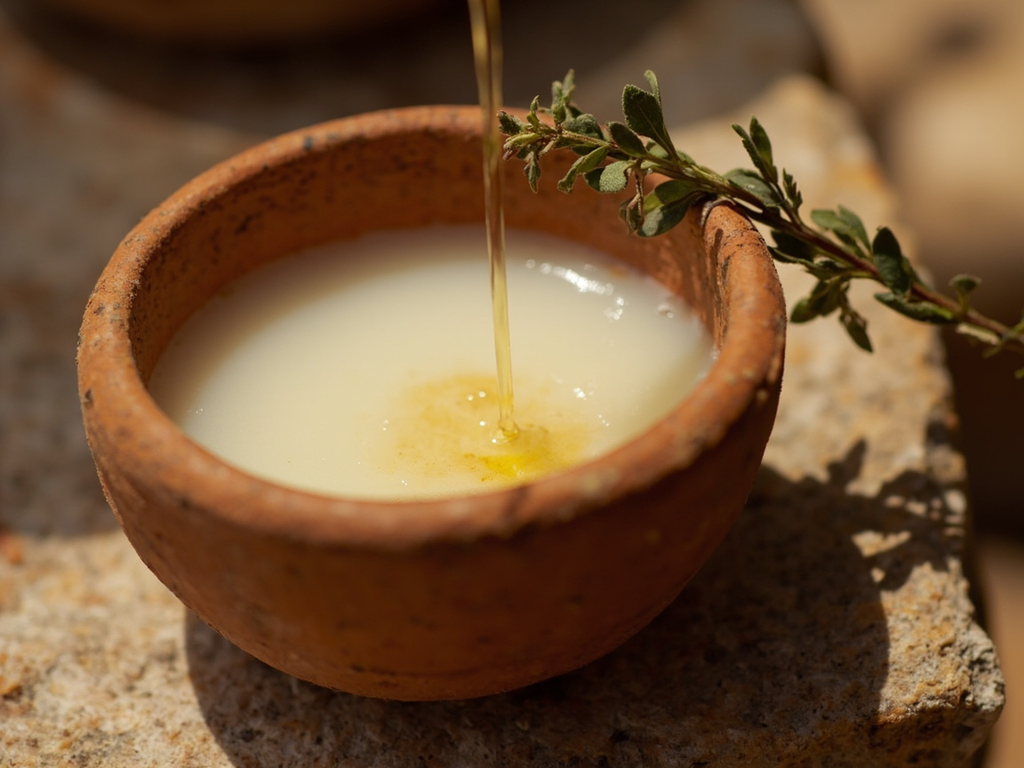
- •First-press olive oil — a generous drizzle (moistness)
- •Sesame seeds — a handful (fragrant garnish)
- •Spring water — as needed for the dough (hydration)
- •Mashed dates — a few (extra sweetness (optional))
Kawwanim — cakes in the image of the Queen of Heaven
A dense cake of spelt flour, bound with honey and olive oil, sprinkled with sesame, and shaped in a mold (or hand-modeled) depicting the goddess with raised arms. It is baked on a hot stone and then placed, still warm, before the family altar.
Why this dish? The Book of Jeremiah (7:18; 44:19) describes entire families—children gathering wood, fathers kindling fire, women kneading—making "cakes for the Queen of Heaven." These kawwanim, kneaded in the goddess's image and perfumed with honey, were the popular offering to Asherah, so rooted in daily life that the prophet could never extinguish it.
Draw near, child of men, and watch my daughters knead. Ever since the moon rises over Sidon, these cakes are prepared for me: the flour, the honey of wild bees, the green oil of the first pressing, and I am shaped in the dough, arms raised toward the sky. The prophet scolds, he curses the fire of my hearths—but smell this scent of warm honey rising from every house: that is my true dwelling. Eat one with reverence, and you will know why I am called the nourisher.
Ingredients (period version)
- Spelt flour (or emmer) — two measures (base of the cake)
- Wild honey — a generous handful (binder and sweetness)
- First-press olive oil — a generous drizzle (moistness)
- Sesame seeds — a handful (fragrant garnish)
- Spring water — as needed for the dough (hydration)
- Mashed dates — a few (extra sweetness (optional))
Ingredients
- Spelt flour — 250 g (base)
- Liquid honey — 100 g (binder and sweetness)
- Olive oil — 60 ml (moistness)
- Sesame seeds — 3 tbsp (garnish)
- Warm water — 60 to 80 ml (hydration)
- Pitted and mashed dates — 60 g (sweetness (optional))
- Pinch of salt — 1 pinch (enhances honey)
Method
- Mix the flour, sesame seeds, and salt in a large bowl.
- Warm the honey with the olive oil, then pour over the flour along with the mashed dates.
- Add water little by little and knead until you get a firm but pliable dough.
- Shape into thick rounds; to stay true to tradition, press a decorative mold or model a raised-arm figure on top.
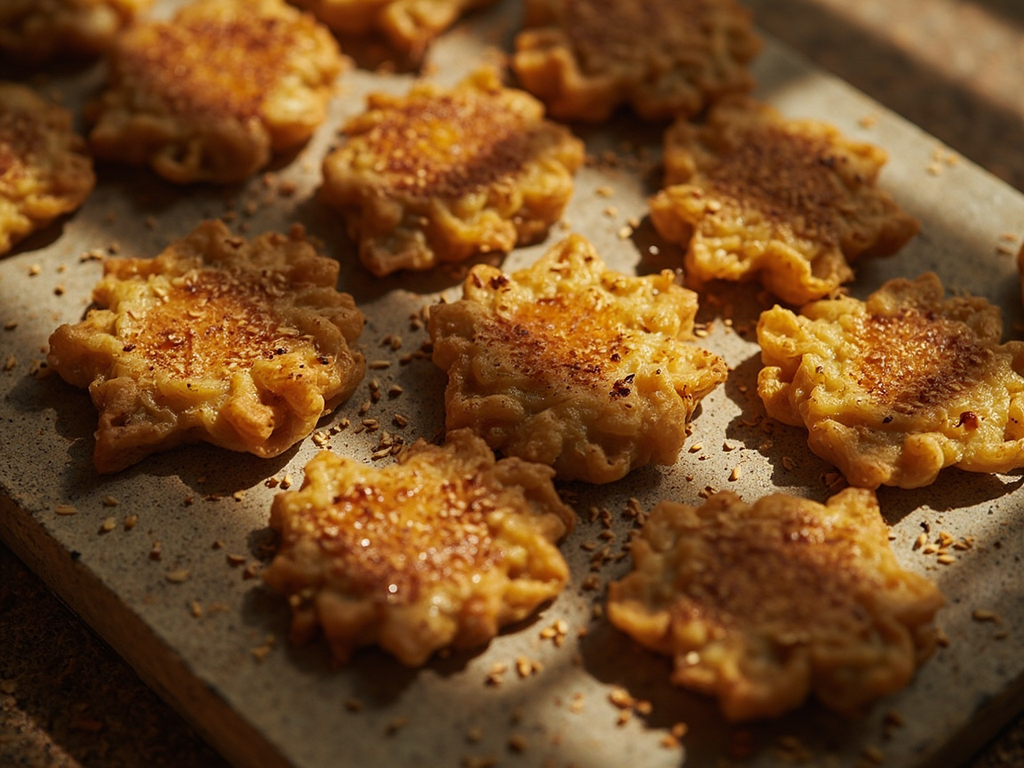
- Bake for 18–22 minutes at 180°C (or on a stone/thick pan over low heat, turning) until the underside is golden.
- Let cool slightly: the cake firms up and releases its honey fragrance.
How it was made : Terracotta molds engraved with a female figure were used in the Levant to imprint the goddess's image into the dough. Baking was done on a flat stone placed on embers (tabun) or in a domestic clay oven. Sugar did not exist; all sweetness came from honey and dried fruits.
The contemporary twist : Serve warm with a drizzle of new olive oil and a pinch of flaky salt: the salty-honey contrast brings out the 'bread of the gods' aspect. For plating, arrange three small cakes in a semicircle, arms raised toward the center.
Sources : Book of Jeremiah 7:18 and 44:19 ("cakes for the Queen of Heaven")
Asherah · Charactorium