 flip
flipHoneyed wine with resin and herbs
Honeyed wine with resin and herbs
Why this dish? Wine was poured as a libation on Asherah's altar and drunk freely at the marzeaḥ. At Ugarit, wine was flavored with honey and terebinth resin to sweeten and preserve it—a cup first raised toward the sky, dwelling of the Queen of Heaven, before touching the lips.
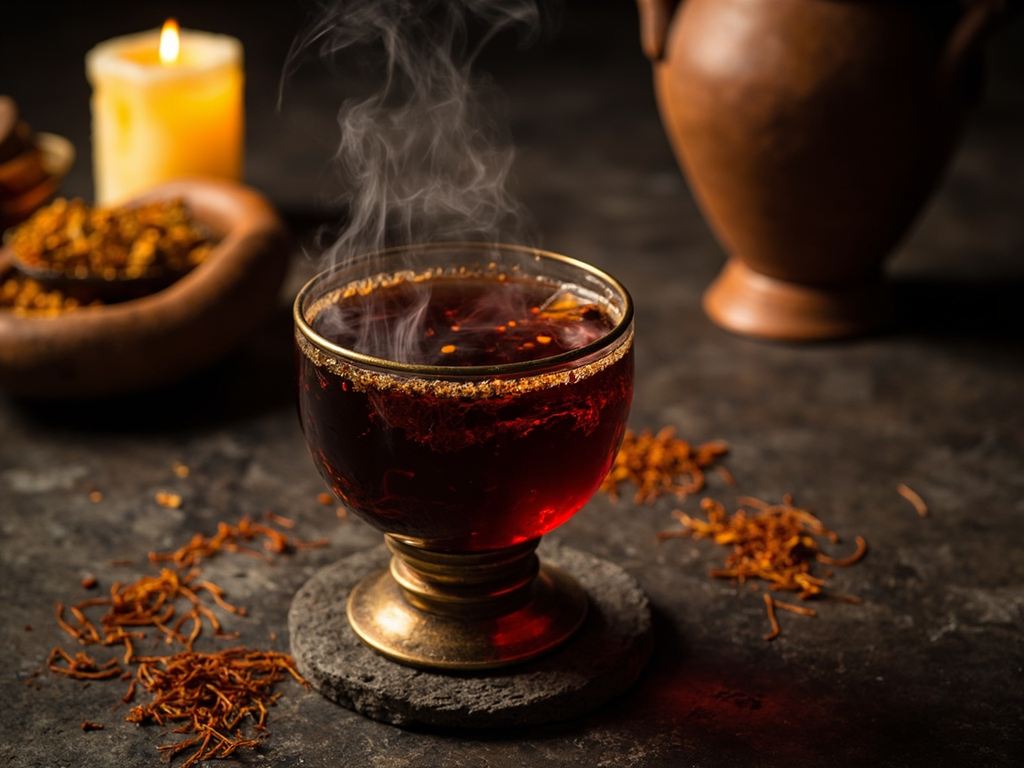
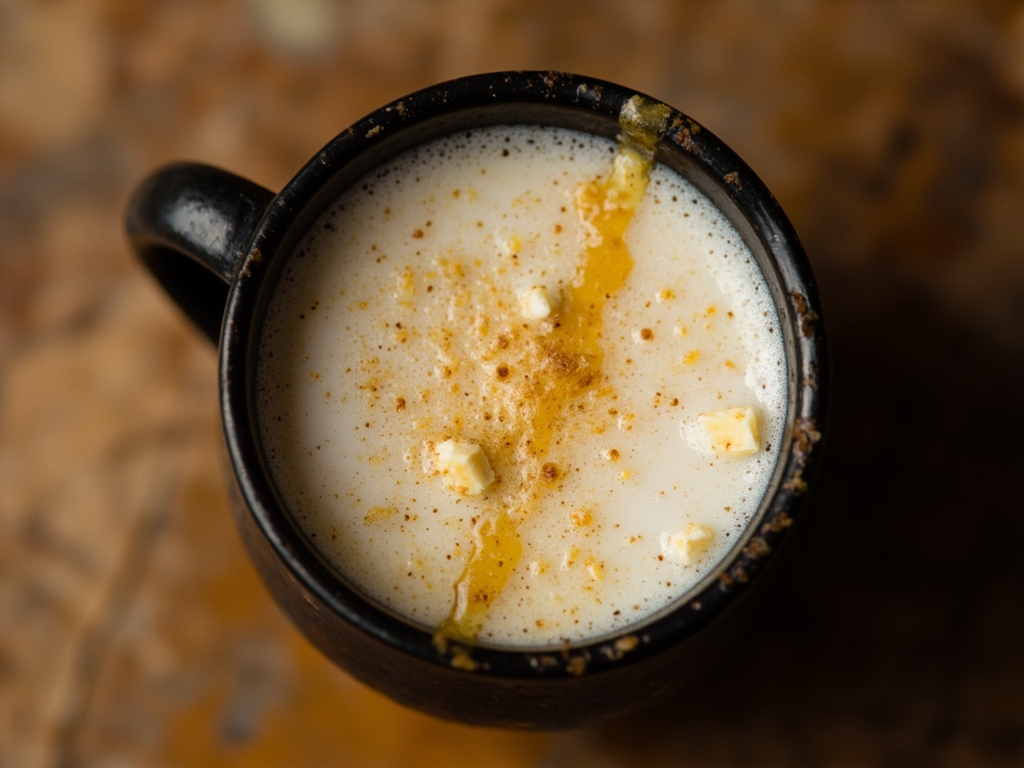
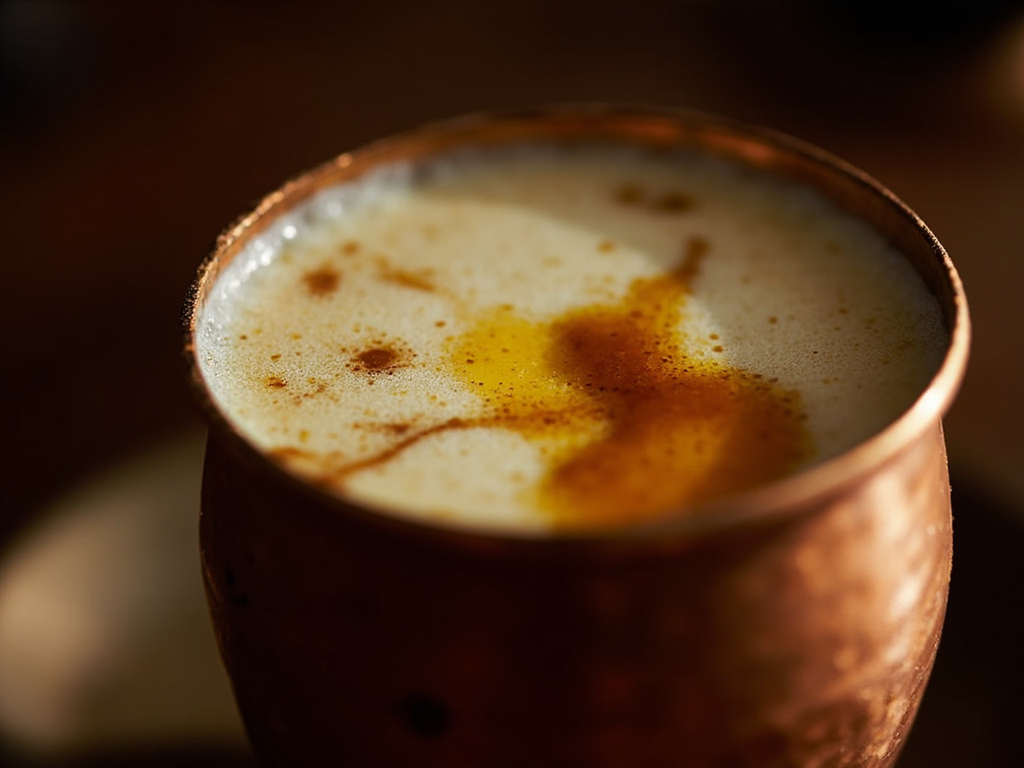
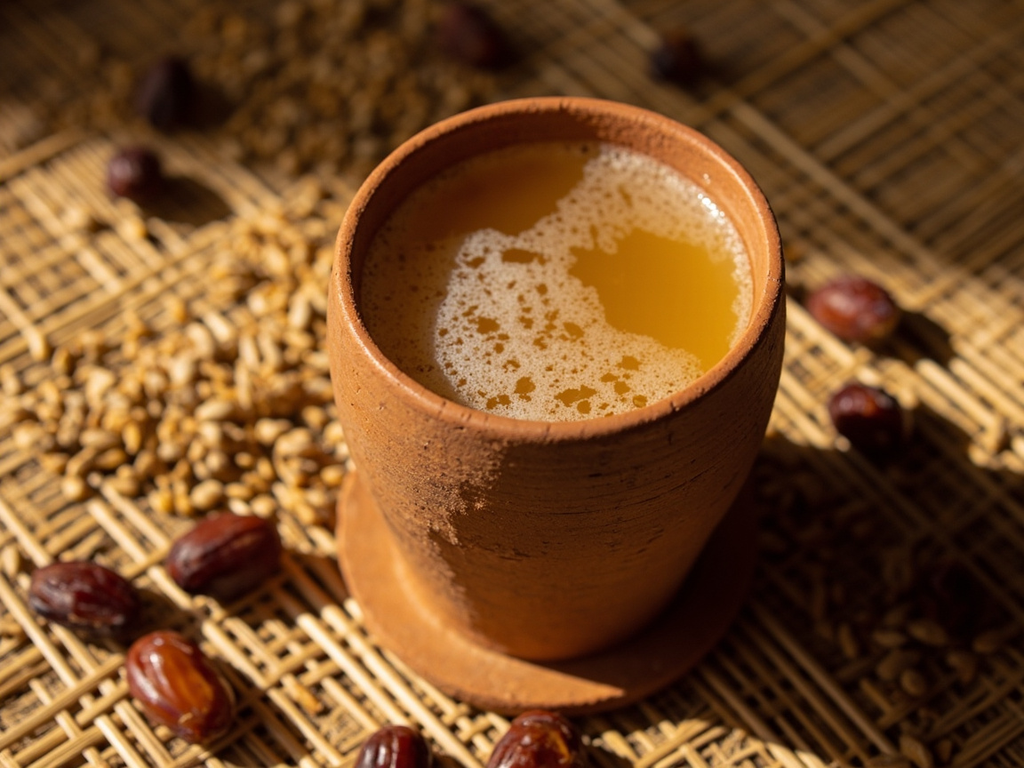
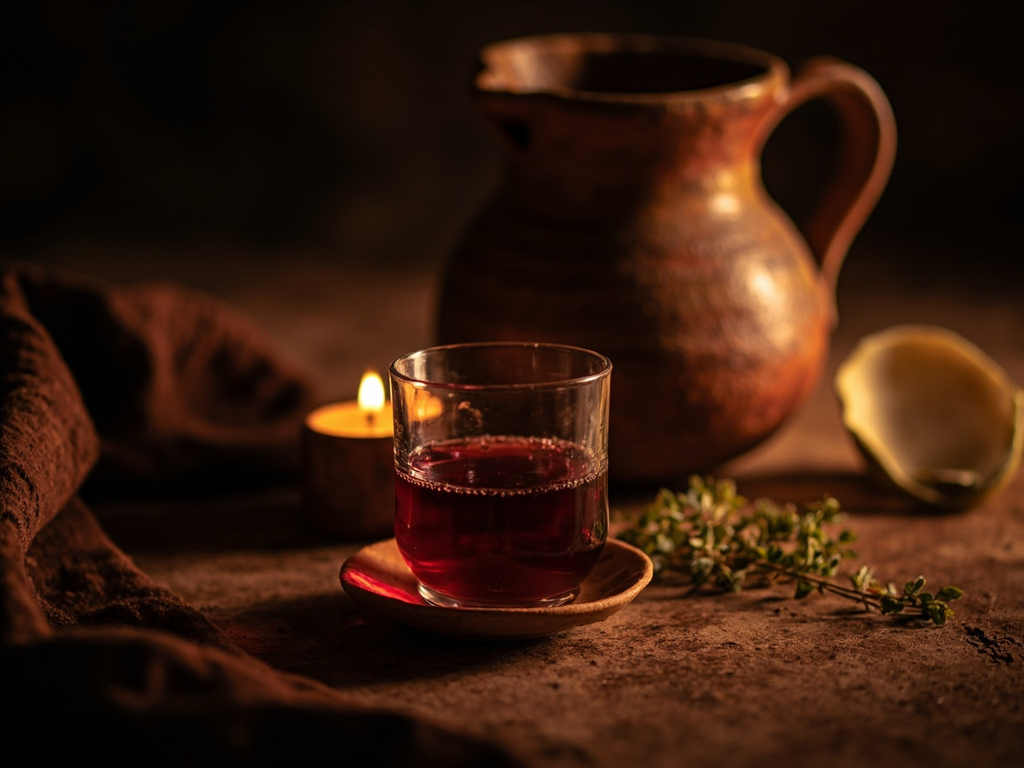
A warm red wine, sweetened with honey and scented with a resinous note and aromatic herbs. Served warm in winter, cool in summer, it is the drink of feasts and offerings. (A non-alcoholic version is offered for young audiences.)
Raise the cup, and raise it first to me. The wine here is rough; so we marry it to honey, slip in a hint of terebinth resin and a few fragrant leaves, and it becomes worthy of a gods' table. We pour a portion on the stone, for me, before drinking—for what is shared with heaven always returns as a blessing upon the house.
- •Red wine — a jug (base)
- •Honey — a generous handful (sweetness)
- •Terebinth or pine resin (mastic) — a grain (flavor and preservation)
- •Aromatic leaves (thyme, sage) — a sprig (flavor)
- •Water — to cut (soften)
Honeyed wine with resin and herbs
A warm red wine, sweetened with honey and scented with a resinous note and aromatic herbs. Served warm in winter, cool in summer, it is the drink of feasts and offerings. (A non-alcoholic version is offered for young audiences.)
Why this dish? Wine was poured as a libation on Asherah's altar and drunk freely at the marzeaḥ. At Ugarit, wine was flavored with honey and terebinth resin to sweeten and preserve it—a cup first raised toward the sky, dwelling of the Queen of Heaven, before touching the lips.
Raise the cup, and raise it first to me. The wine here is rough; so we marry it to honey, slip in a hint of terebinth resin and a few fragrant leaves, and it becomes worthy of a gods' table. We pour a portion on the stone, for me, before drinking—for what is shared with heaven always returns as a blessing upon the house.
Ingredients (period version)
- Red wine — a jug (base)
- Honey — a generous handful (sweetness)
- Terebinth or pine resin (mastic) — a grain (flavor and preservation)
- Aromatic leaves (thyme, sage) — a sprig (flavor)
- Water — to cut (soften)
Ingredients
- Fruity red wine — 750 ml (1 bottle) (base)
- Honey — 4 tbsp (sweetness)
- Mastic tears (resin, optional) — 1 small grain, crushed (authentic resinous note)
- Fresh thyme — 2 sprigs (flavor)
- Water — 100 ml (stretches the wine in ancient style)
- For the non-alcoholic version — red grape juice instead of wine (young audience alternative)
Method
- Pour the wine (or grape juice) and water into a saucepan.
- Add honey and thyme; optionally crush a tiny grain of mastic and stir it in.
- Heat gently without ever boiling, stirring until honey dissolves.
- Let infuse off the heat for 10 minutes, then strain.
- Serve warm in winter, or let cool and serve chilled in summer.
- In ancient style: symbolically pour a small portion before drinking.
How it was made : Ancient wine was thick and unstable; it was cut with water (drinking wine neat was considered barbaric) and flavored with honey, spices, or resins that also served as preservatives. Mastic and pine resin still flavor some Greek wines (retsina) today, distant heirs to this practice.
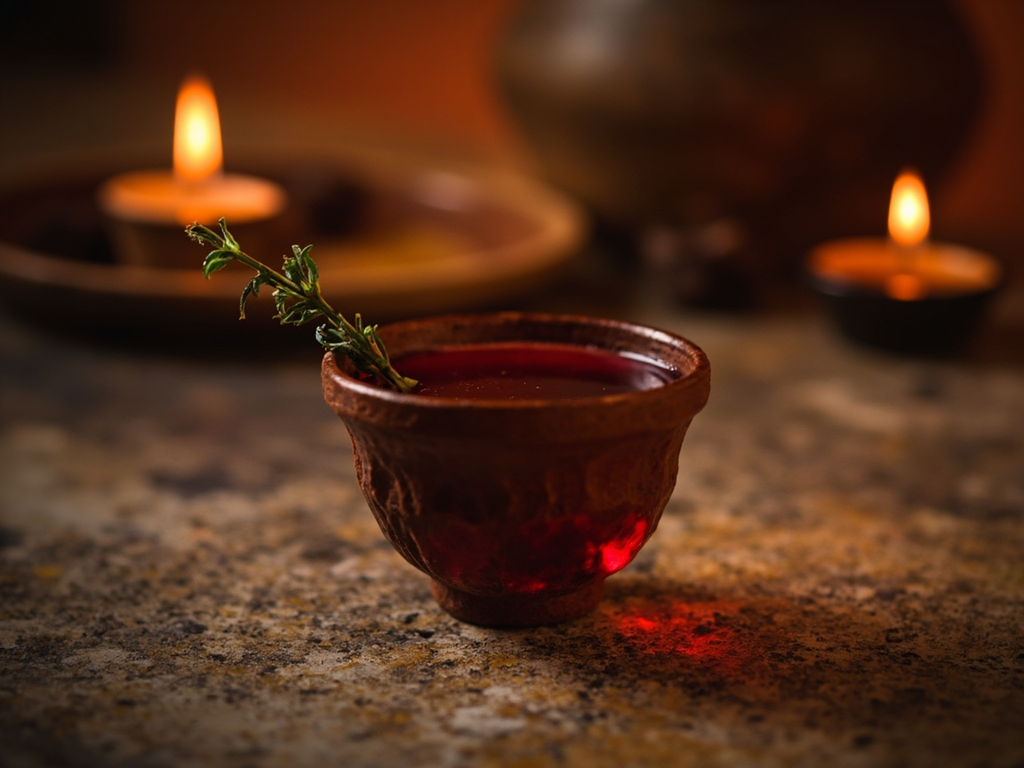
The contemporary twist : Serve in low terracotta cups, with a thyme sprig as a stirrer. For children, the version with grape juice warmed with honey and thyme is a real 'festival tisane'.
Asherah · Charactorium