Timurid Dastarkhan
The dastarkhan (a cloth spread on the floor) is the heart of the Central Asian meal. First, nan (bread), dried fruits, and sharbat (drink) are laid out, then come shorba (soup), osh (pilaf), or grilled meats, and finally shirinlik (sweets). Everything is shared, served in communal dishes. At Babur's Timurid court, this ritual oscillated between the frugality of a military camp and the abundance of royal banquets in Kabul or Agra.
Signature : Fat-Tailed Sheep Tail Fat (Dumba)
Dumba, the fat from the tail of the Central Asian fat-tailed sheep, is the fundamental cooking fat of Timurid cuisine. It flavors pilaf, coats samsa, enriches soups. Its round, slightly sweet taste is irreplaceable in osh — Babur, raised in the Ferghana Valley, would never have conceived a pilaf without it.
Babur at the table
1483 — 1530
5 period recipes
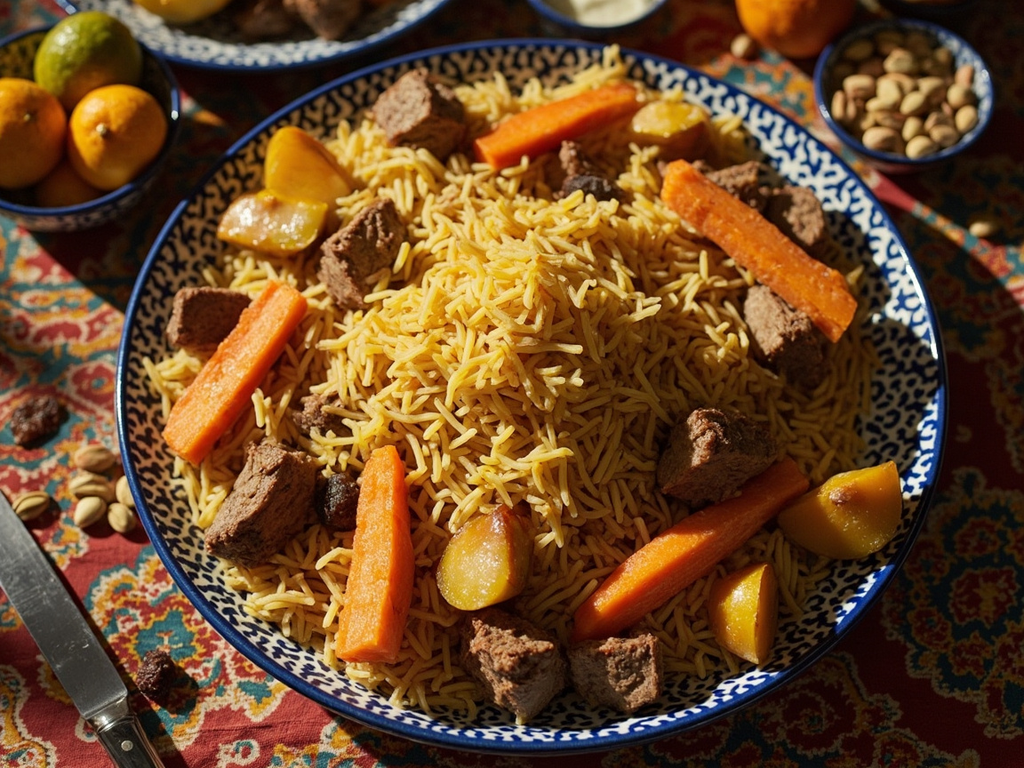 Festive
Kabuli Osh (Royal Pilaf with Quince and Carrots)
osh (pilaf — central dish of the dastarkhan)
🧂 🍯· 1h30
View the recipe
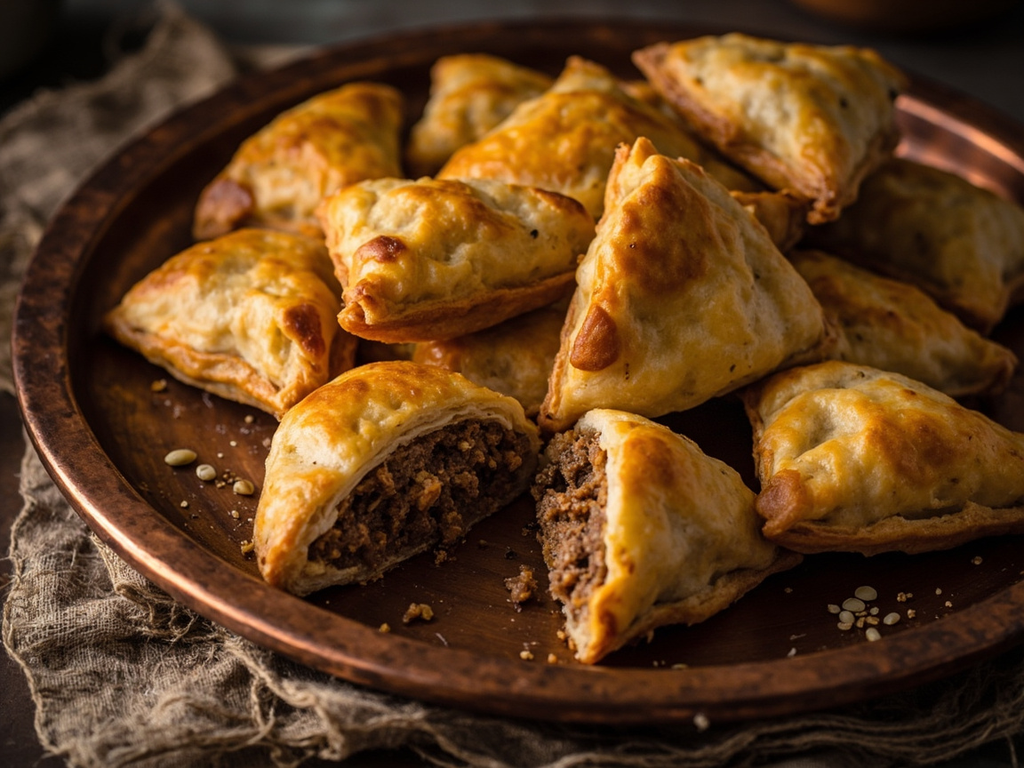 Travel
Lamb Samsa with Cumin (Country Pastries)
samsa (savory pastry — snack or side dish)
🧂 🌶️· 1h15
View the recipe
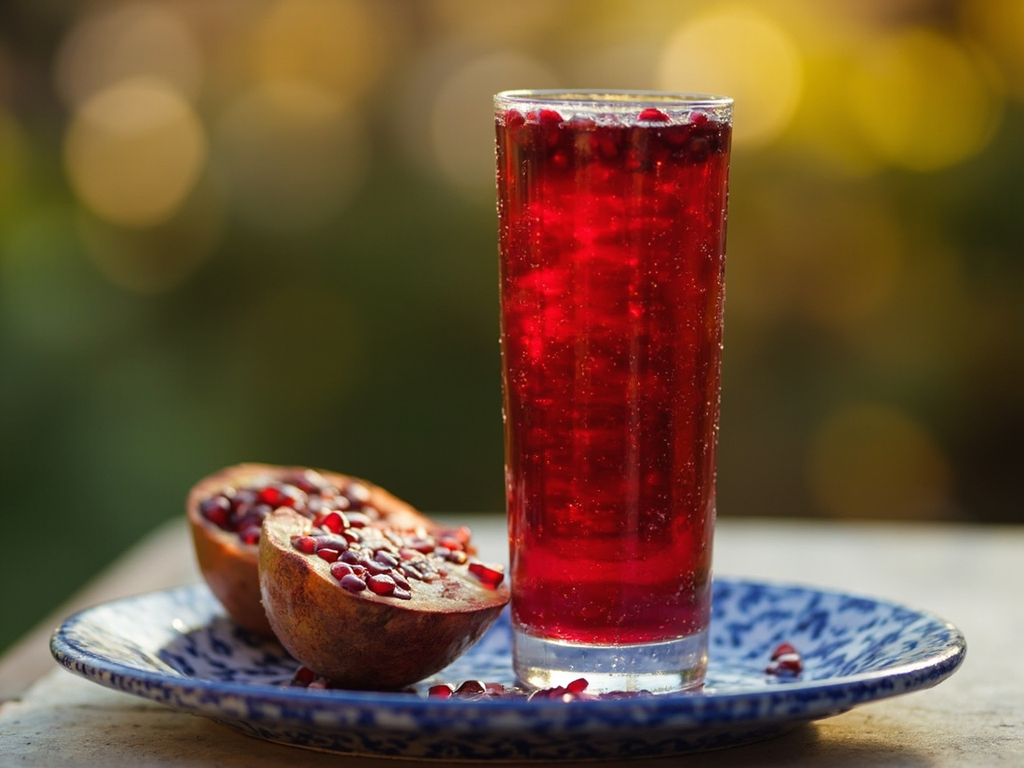 Drink
DrinkSharbat-e anâr (Pomegranate and Rose Water Drink)
sharbat (fragrant cold drink — opening or accompaniment to the meal)
🍋 🍯· 15 min + 1h rest
View the recipe
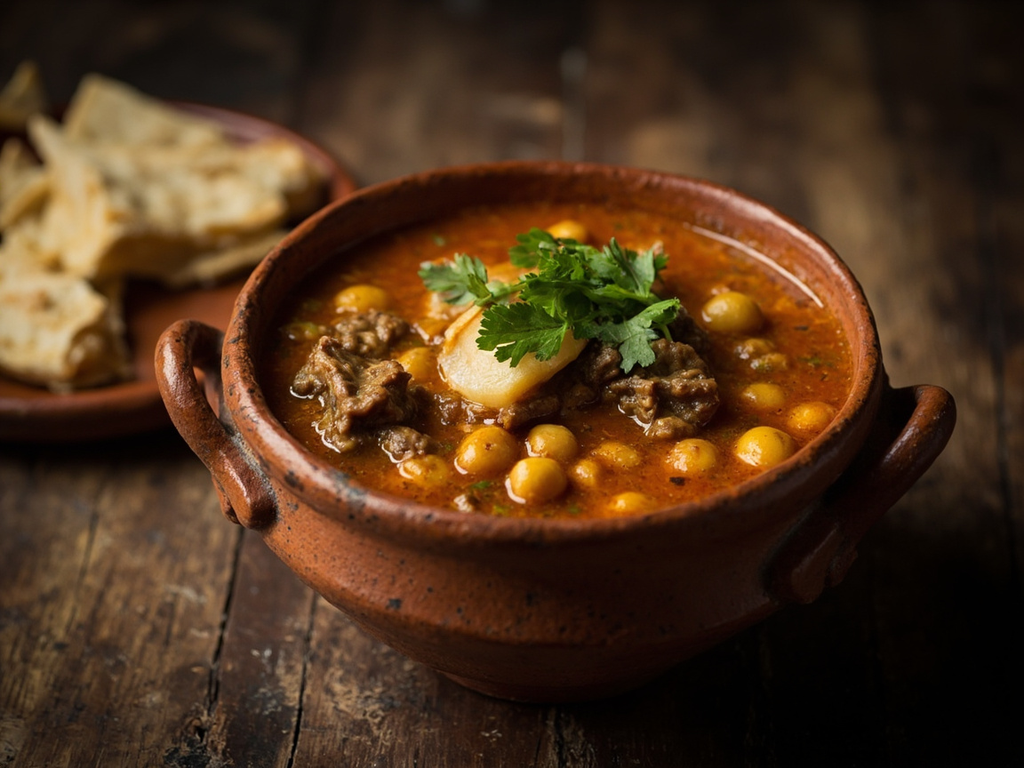 Everyday
Shorba-ye gosht (Lamb Soup with Chickpeas and Herbs)
shorba (soup — first hot dish of the dastarkhan)
🧂 🍄· 1h30
View the recipe
 Festive
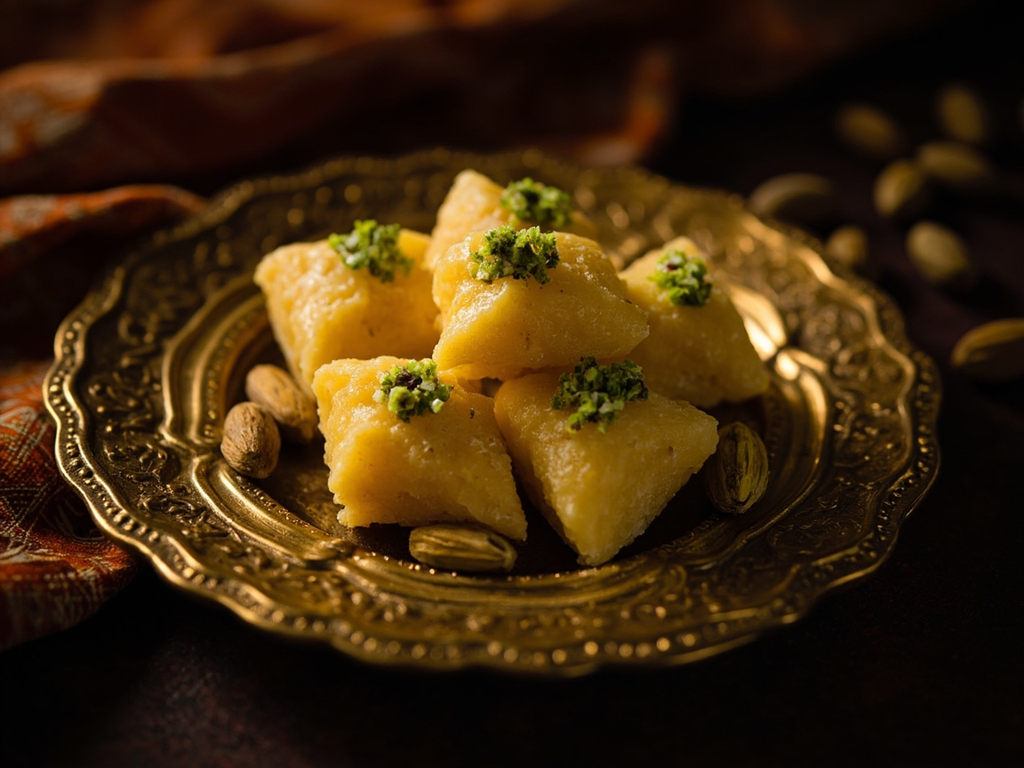
Halva-ye ârd (Flour Halva with Pistachios and Cardamom)
shirinlik (sweet — end of the dastarkhan or festive offering)
🍯 🌶️· 45 min
View the recipe