The Lombard Convito and Desinare
At the table of a well-off artisan in 16th-century Cremona, a distinction is made between the ordinary meal (*desinare* at midday, *cena* in the evening) and grand festive *convivi*. The meal proceeds in successive courses, not as starter/main/dessert: first *antipasti* and *minestre* (soups, polentas, bread soups), then *allesso e arrosto* (boiled and roast meat on days permitted by the Church), and it ends with *frutta e confetti* — fruits, cheeses, honey confections, and spiced wines. Fruit preserves (*mostarda*) accompany meats throughout the meal.
Signature : La senape di Cremona — the piquancy of honey and mustard
Cremona has made the alliance of sweet and mustardy sharpness its gustatory signature. This essence of *senape* (mustard seeds) that stings the nose while leaving the fruit candied in honey is the city's hallmark, present on wealthy tables and offered to distinguished guests.
Bernardino Gatti at the table
1495 — 1576
5 period recipes
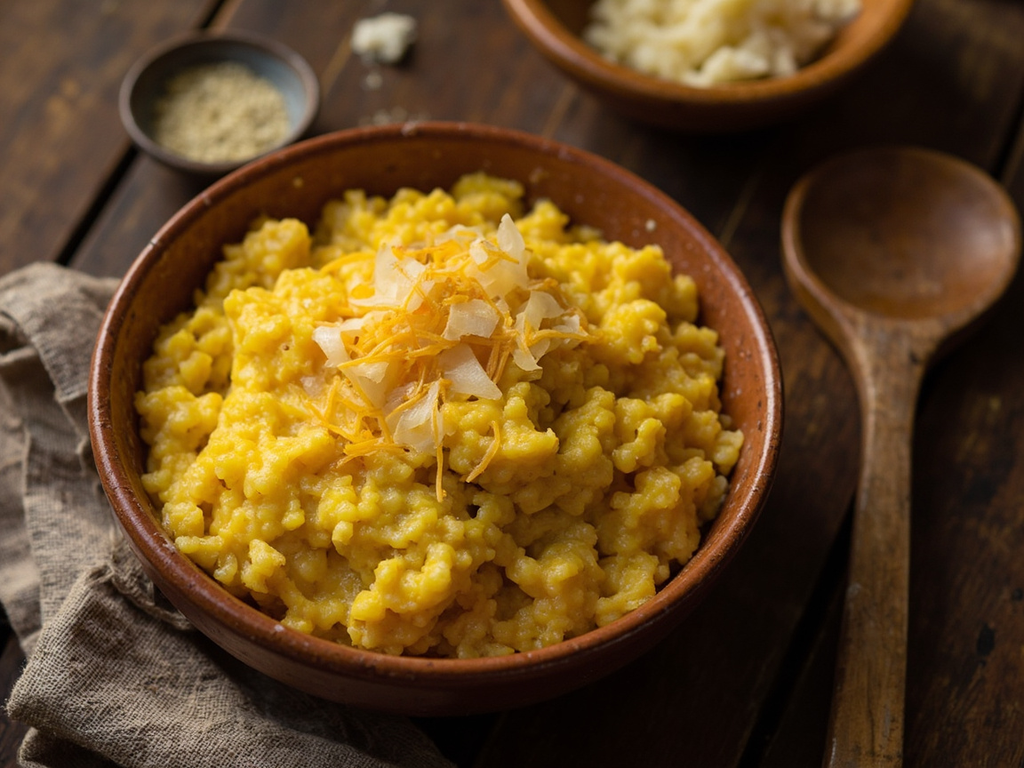 Everyday
Millet Polenta with Cremona Cheese
Minestra del desinare (staple soup of the ordinary meal)
🧂 🍄· 45 min
View the recipe
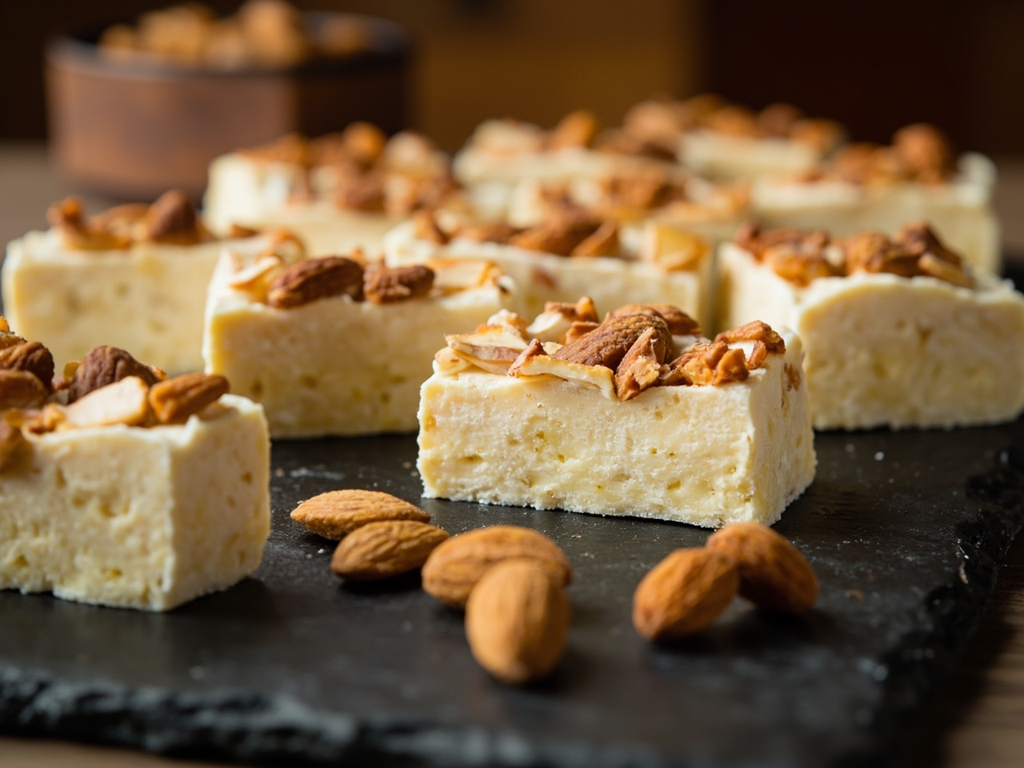 Festive
Torrone of Cremona with Honey and Almonds
Confetti del convito (confectionery at the end of the banquet)
🍯· 2 h
View the recipe
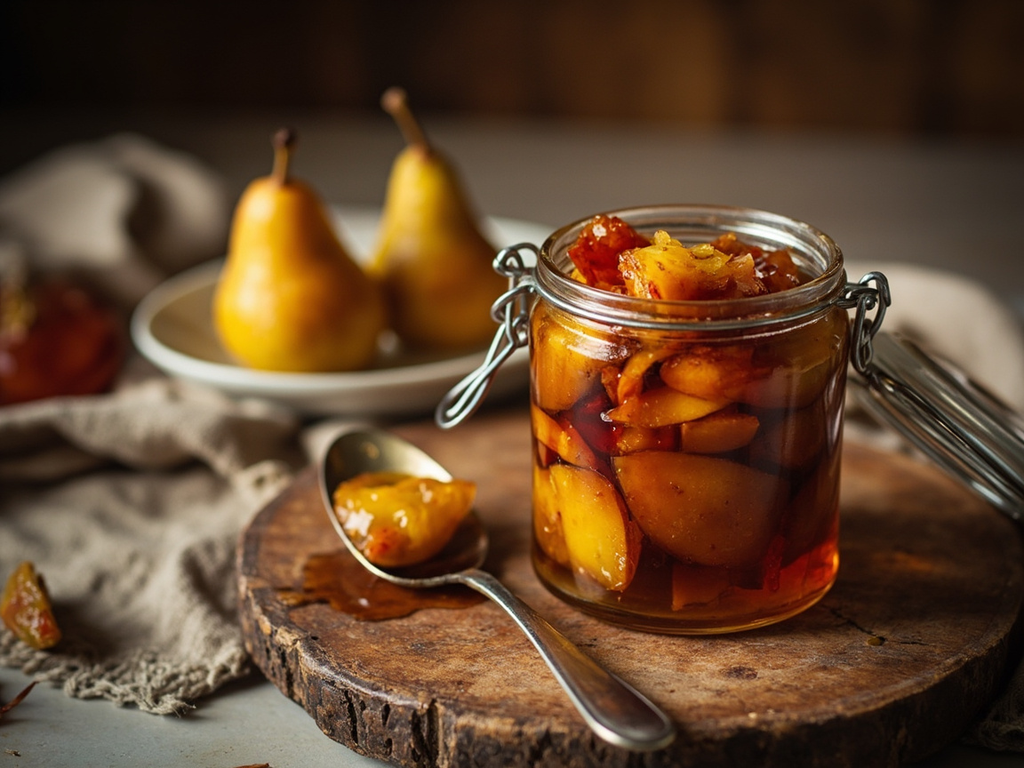 Preserving
Mostarda of Cremona with Fruits and Mustard
Companatico di conserva (piquant accompaniment for meats)
🍯 🌶️ 🍋· 3 days (little active work)
View the recipe
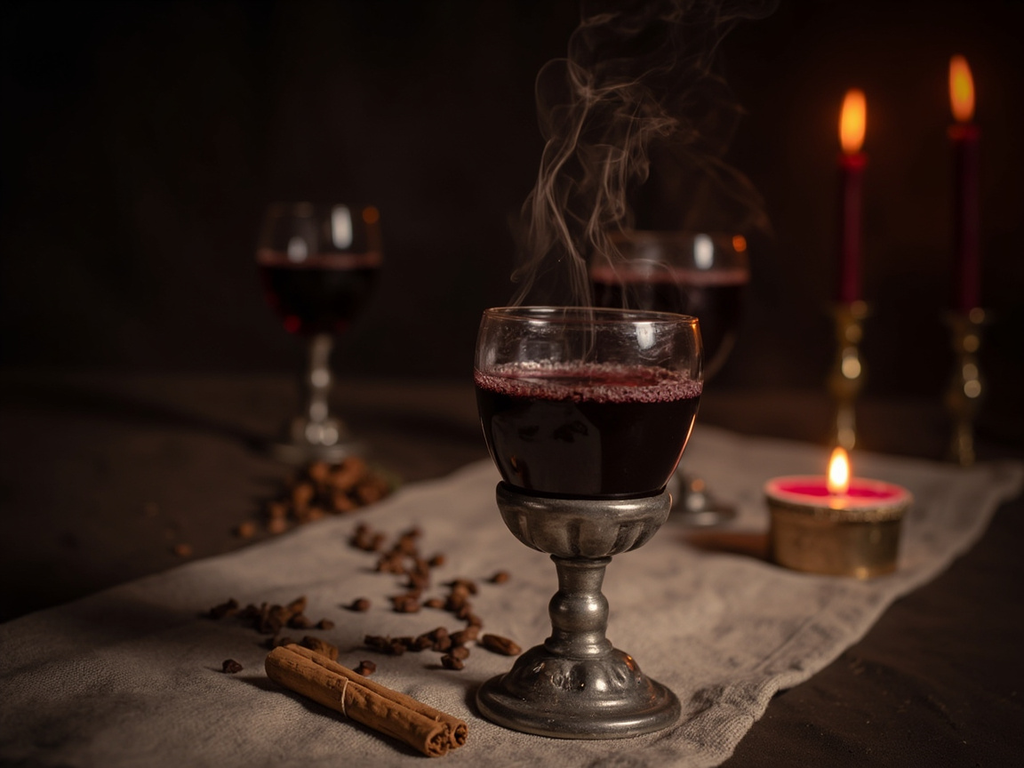 Drink
DrinkIpocrasso, Spiced Wine for Grand Days
Bevanda del convito (ceremonial drink served with confetti)
🌶️ 🍯· 20 min (+ overnight maceration)
View the recipe
 Remedy
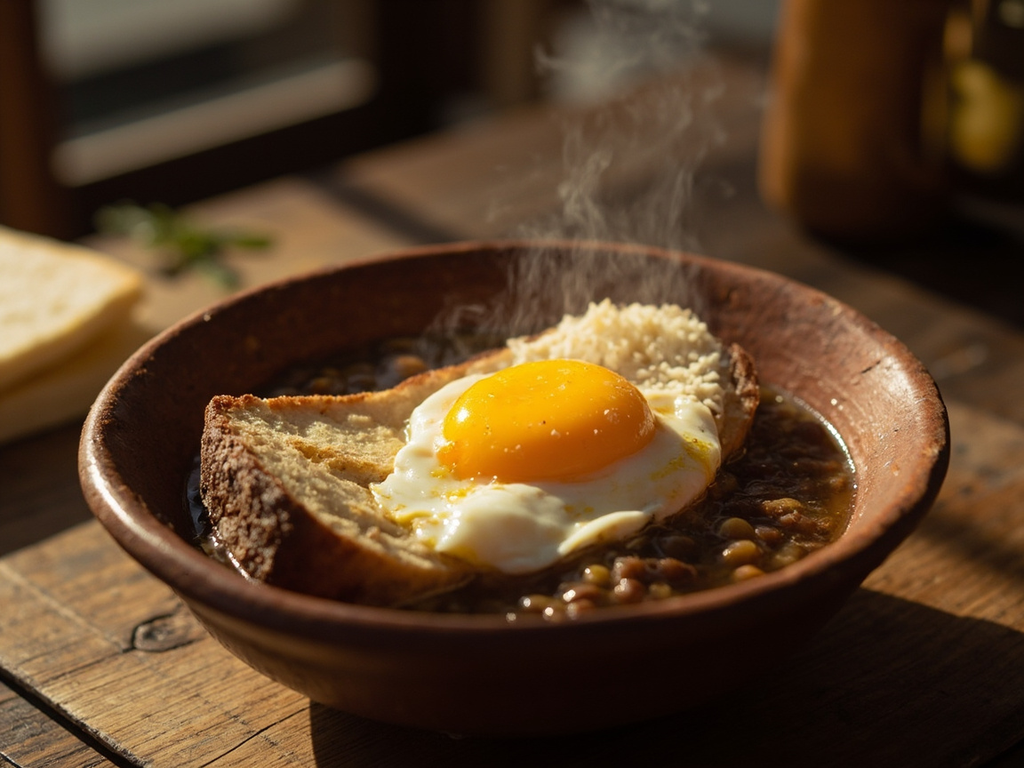
Zuppa Pavese, the Comfort of Pavia
Minestra restaurante (bread and egg soup for convalescents and tired evenings)
🧂 🍄· 15 min
View the recipe