 flip
flipMillet Polenta with Cremona Cheese
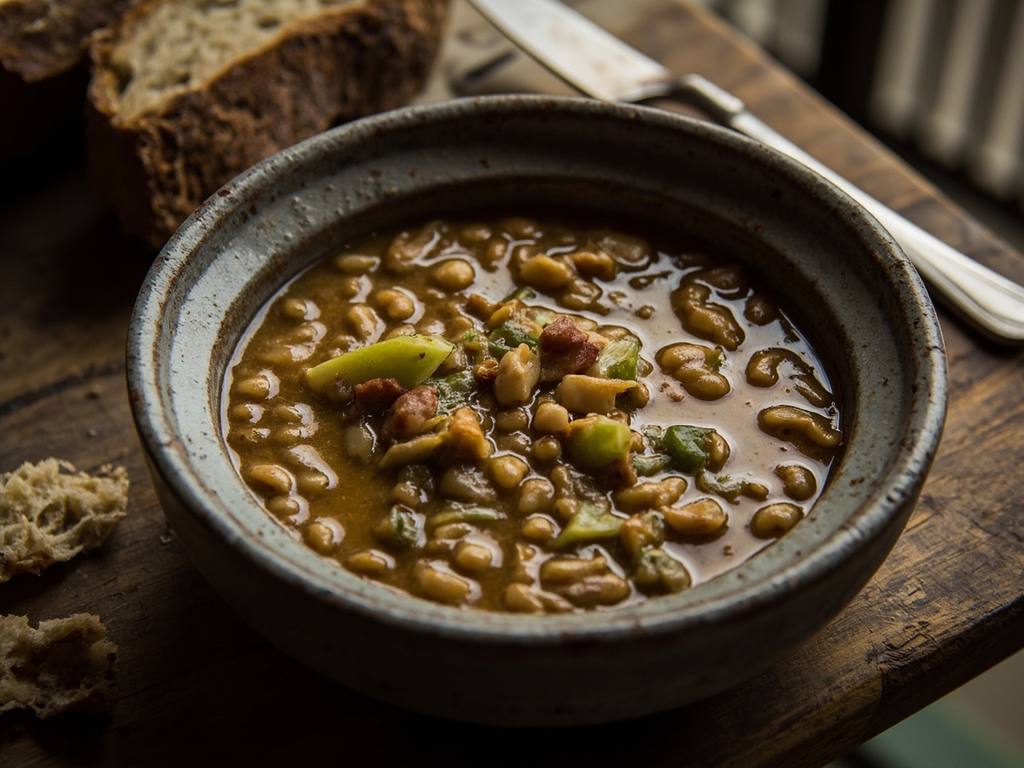
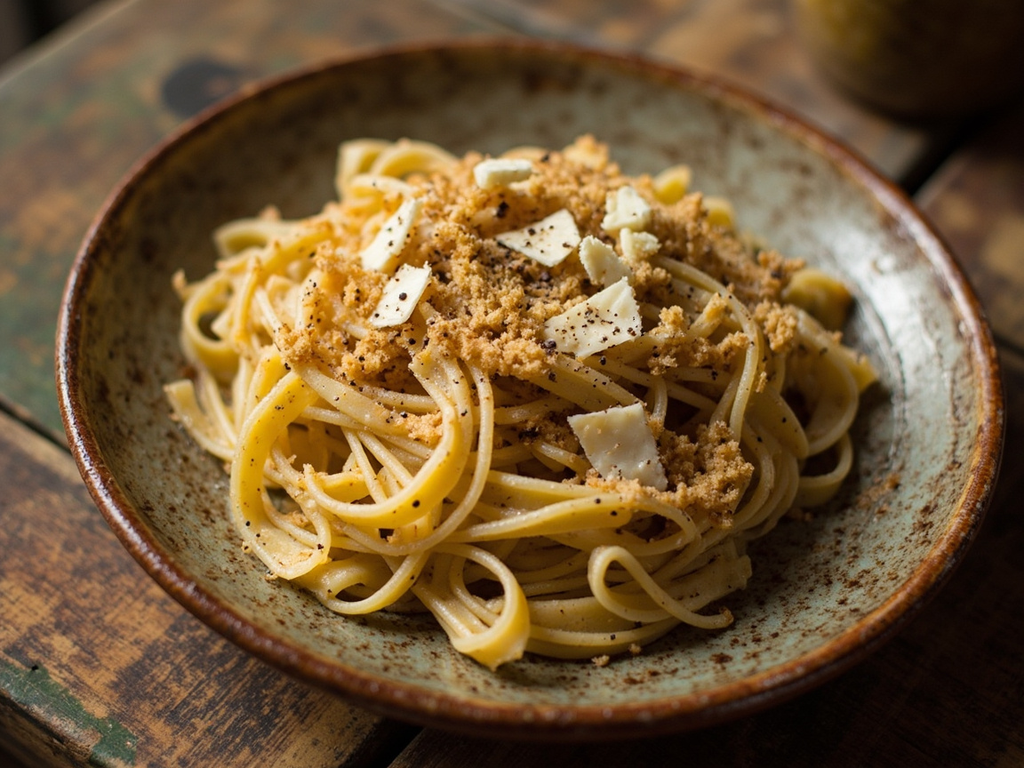
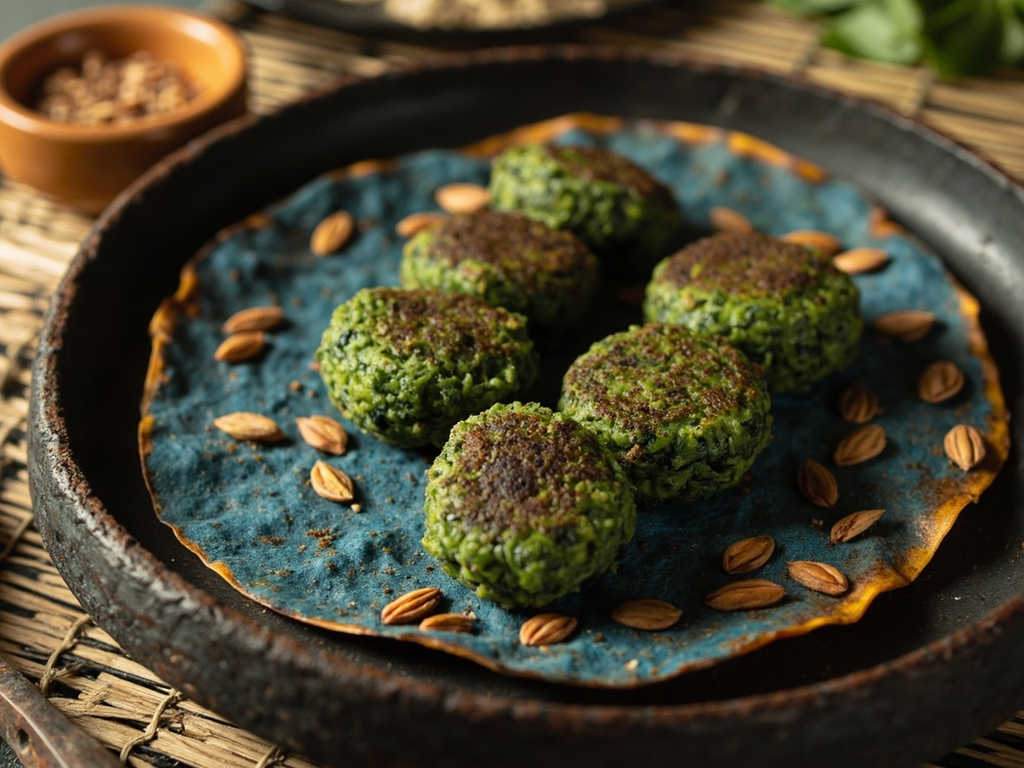
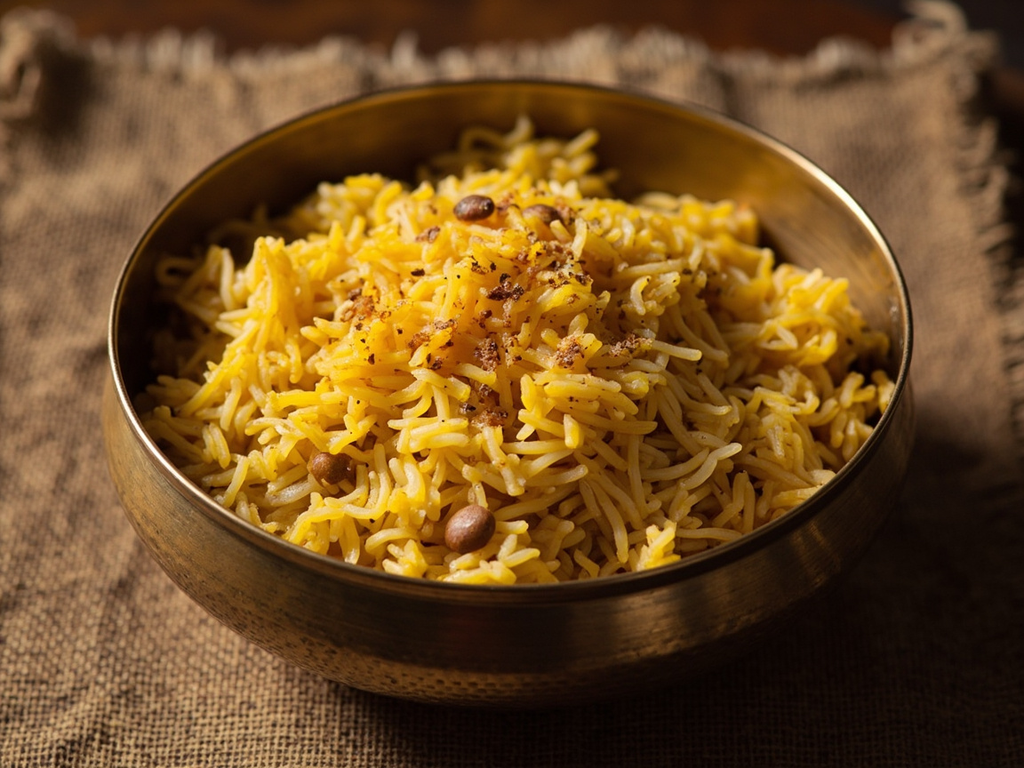
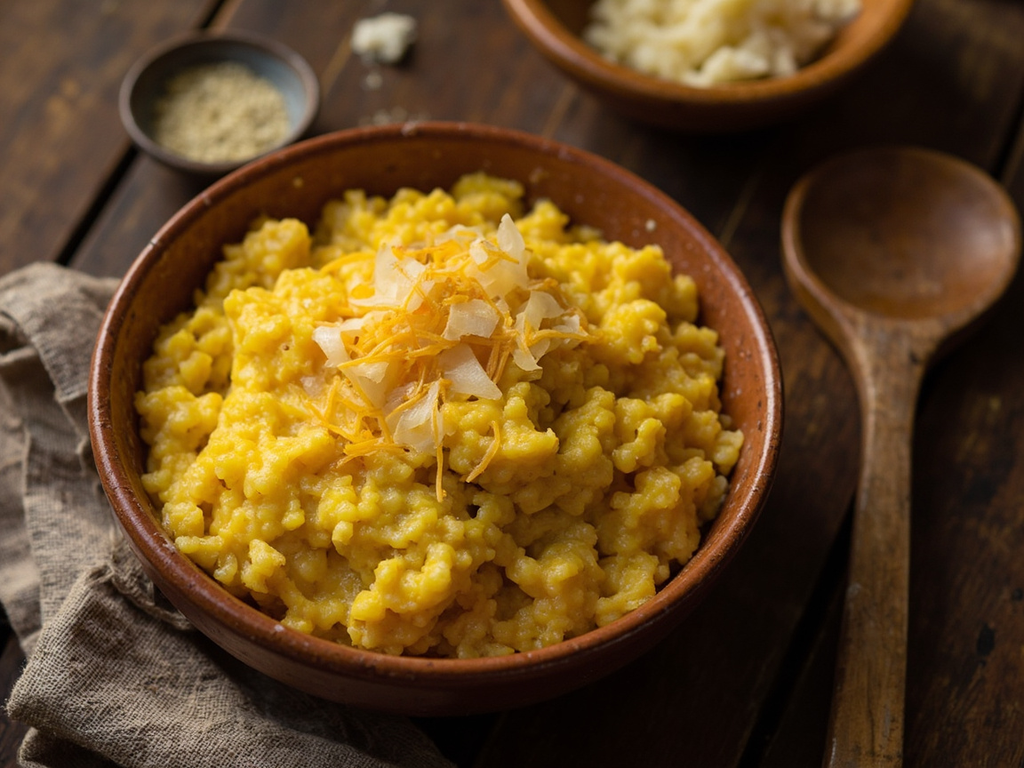
Millet Polenta with Cremona Cheese
Why this dish? Before maize reached the Po Valley, Lombard polenta was made from millet and panic grass. It was the everyday dish of the workshop: filling, cheap, quick to prepare between fresco sessions, and enhanced by the famous cheese of Cremona, Gatti's city.
A thick porridge of millet flour, cooked slowly and bound with grated cheese, served steaming in the common bowl. The humble dish that filled painters and apprentices before they climbed the scaffolding.
Here, have something to eat after spending dawn with your nose on the intonaco. My mother would rain millet flour into salted water and stir, stir tirelessly with one arm, because polenta that sets does not forgive laziness. I grate a good wedge of our local cheese, that of Cremona, and I assure you my workshop boys ask for more before going back up on the planks.
- •Millet flour and panic grass flour — two handfuls per diner (base)
- •Spring water — three times the volume (cooking)
- •Salt — to taste (seasoning)
- •Grated Cremona cheese — a good lump (binding and flavor)
Millet Polenta with Cremona Cheese
A thick porridge of millet flour, cooked slowly and bound with grated cheese, served steaming in the common bowl. The humble dish that filled painters and apprentices before they climbed the scaffolding.
Why this dish? Before maize reached the Po Valley, Lombard polenta was made from millet and panic grass. It was the everyday dish of the workshop: filling, cheap, quick to prepare between fresco sessions, and enhanced by the famous cheese of Cremona, Gatti's city.
Here, have something to eat after spending dawn with your nose on the intonaco. My mother would rain millet flour into salted water and stir, stir tirelessly with one arm, because polenta that sets does not forgive laziness. I grate a good wedge of our local cheese, that of Cremona, and I assure you my workshop boys ask for more before going back up on the planks.
Ingredients (period version)
- Millet flour and panic grass flour — two handfuls per diner (base)
- Spring water — three times the volume (cooking)
- Salt — to taste (seasoning)
- Grated Cremona cheese — a good lump (binding and flavor)
Ingredients
- Millet flour — 200 g (base)
- Water — 750 ml (cooking)
- Fine salt — 1 tsp (seasoning)
- Grated Grana Padano — 60 g (binding and flavor)
- Butter — 20 g (richness (optional))
Method
- Bring the salted water to a simmer in a heavy-bottomed pot.
- Pour in the millet flour in a thin stream while whisking to avoid lumps.
- Reduce heat and stir with a wooden spoon for 30–40 minutes, until the polenta pulls away from the sides.
- Off the heat, stir in the grated cheese (and butter) vigorously.
- Serve immediately, very hot, in bowls.
How it was made : Medieval and Renaissance Lombard polenta was made from millet, panic grass, fava beans, or chestnuts — never maize until its late 17th-century spread. It was cooked in a cauldron over the common hearth and eaten with a spoon, sometimes turned out onto a board.
The contemporary twist : Pour the warm polenta into a frame, let it set, cut into diamonds, and pan-fry until golden: a nod to the painter's squared cartoons.
Bernardino Gatti · Charactorium