Dagmål and Nattmål of the Royal Table
In medieval Scandinavia, the day was structured around two main meals: dagmål, taken in mid-morning, and nattmål, served in the late afternoon. At court, these two occasions varied according to the Church calendar — on meat days, game and spiced meats were served; on lean days (often half the year), the menu was reduced to fish, peas, and rye bread. Dynastic feasts, however, went beyond this framework with prestige dishes enhanced with imported spices, a sign of rank. Blanche, who came from Namur, brought to this Nordic foundation a Flemish taste for sweet-spiced flavors and honeyed treats.
Signature : Overseas Spices (Cinnamon, Ginger, Saffron, Pepper)
Transported at great expense along Hanseatic routes to Baltic ports, spices on the royal table were a true display of power. Blanche, raised in the Namurois where Flemish spice merchants were already active, made ginger and saffron her signature: a rugged North enhanced with an Oriental fragrance.
Blanche de Namur at the table
1320 — 1363
5 period recipes
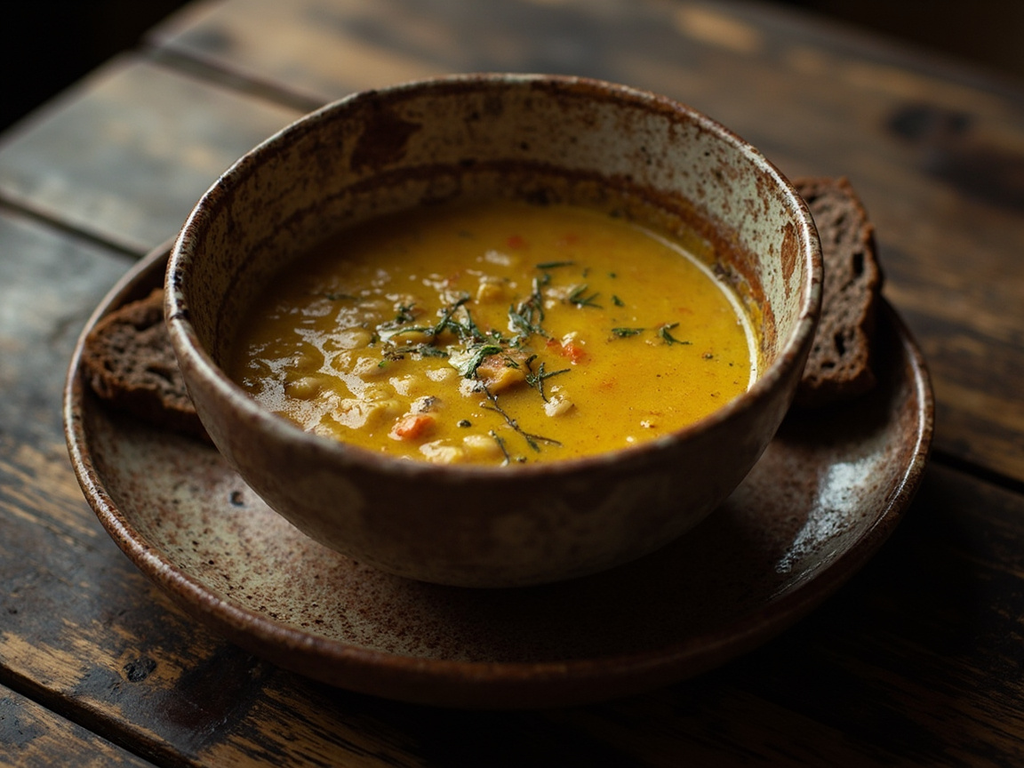 Everyday
Ärtsoppa for Lean Days — Yellow Peas with Rye Bread
Dagmål Dish for Lean Days (fastedag)
🧂 🍄· 2 h
View the recipe
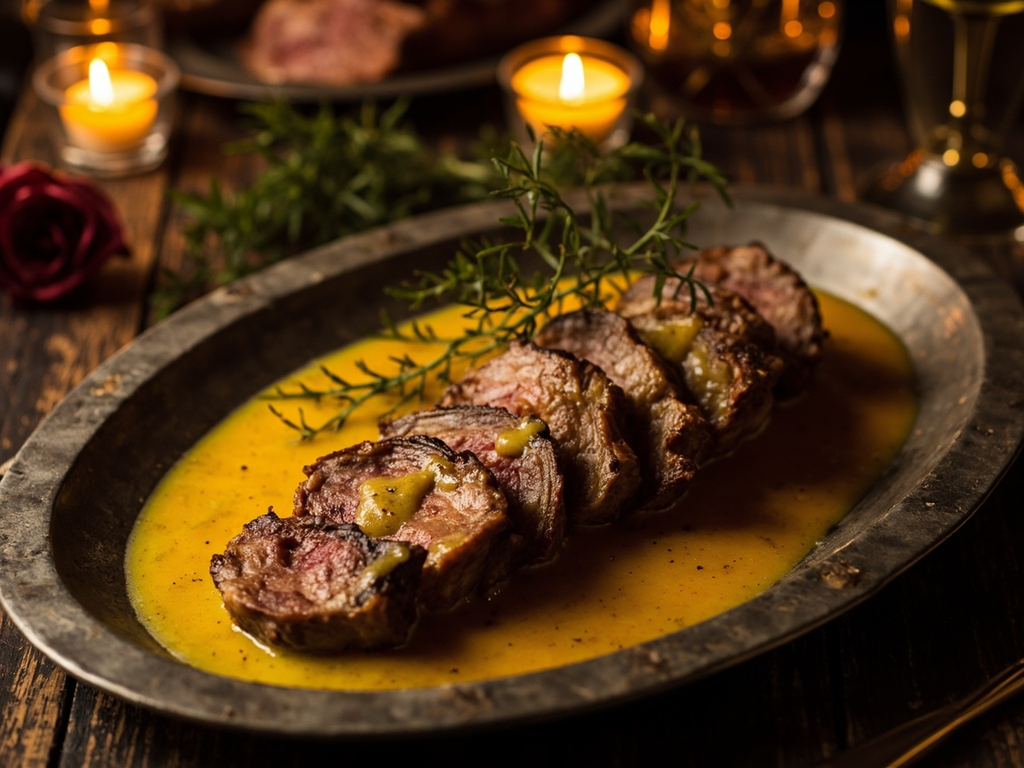 Festive
Roasted Game with Saffron and Ginger
Dish of Honor for Festive Nattmål (Meat Day)
🌶️ 🧂 🍄· 1 h 30
View the recipe
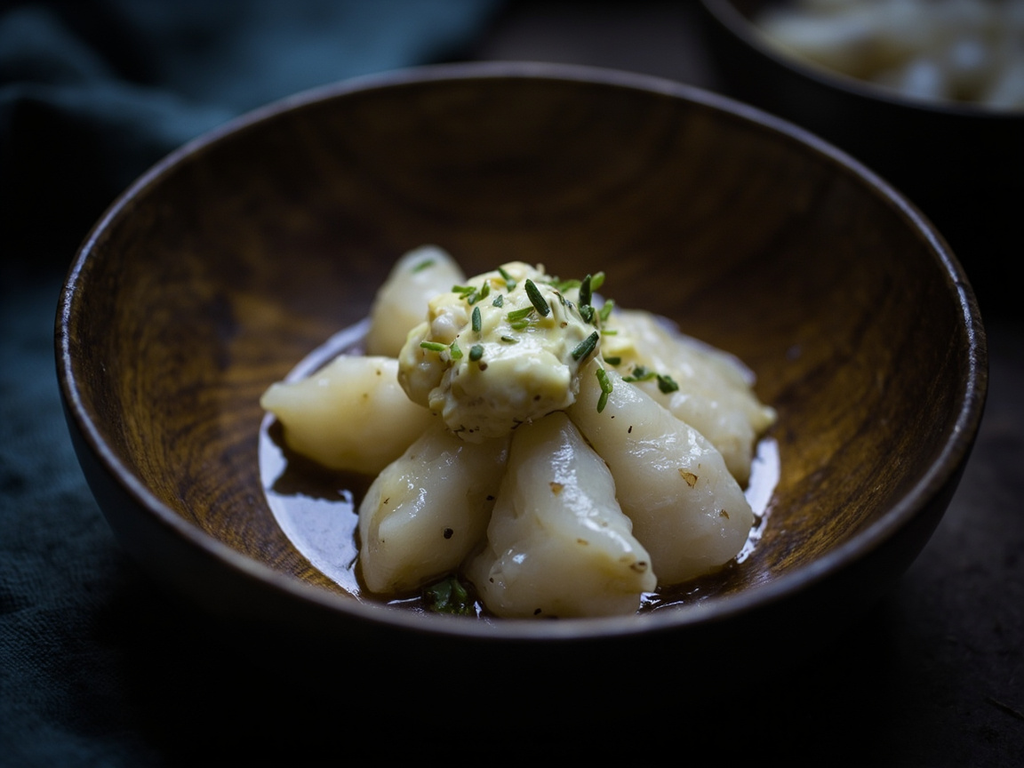 Preserving
Stockfisk — Rehydrated Dried Cod for Lean Days
Preserved Provision of the Royal Larder
🧂 🍄· 3 days soaking + 30 min
View the recipe
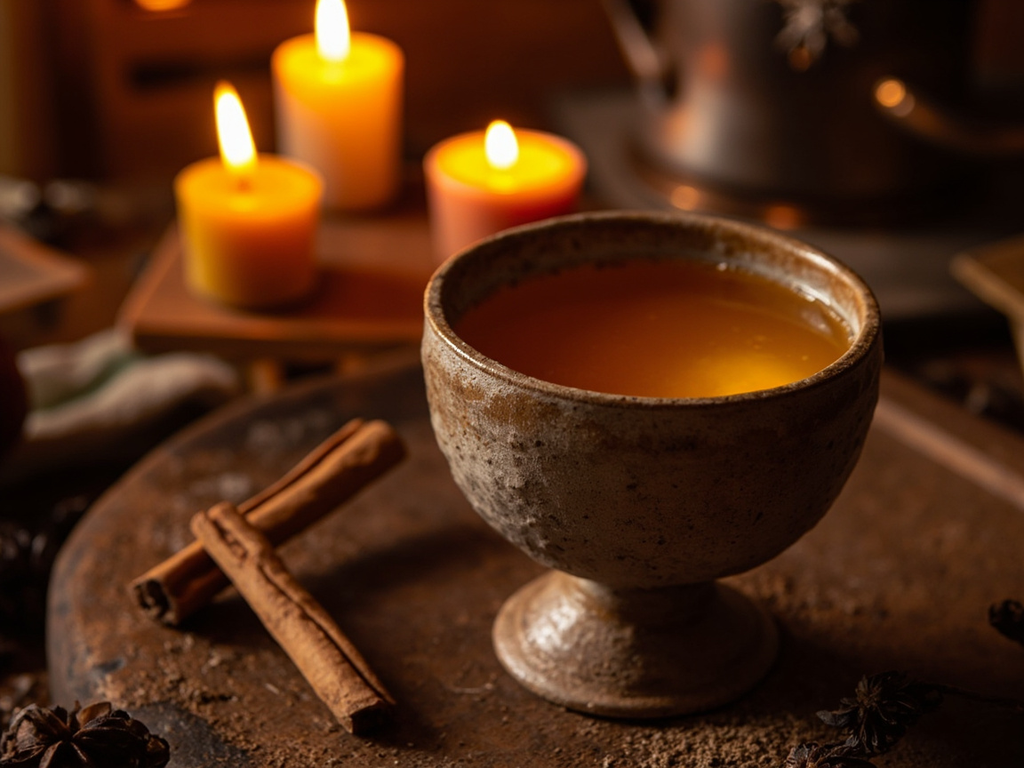 Drink
DrinkSpiced Festive Mead
Drink of Honor at the Banquet
🍯 🫙· 20 min
View the recipe
 Remedy
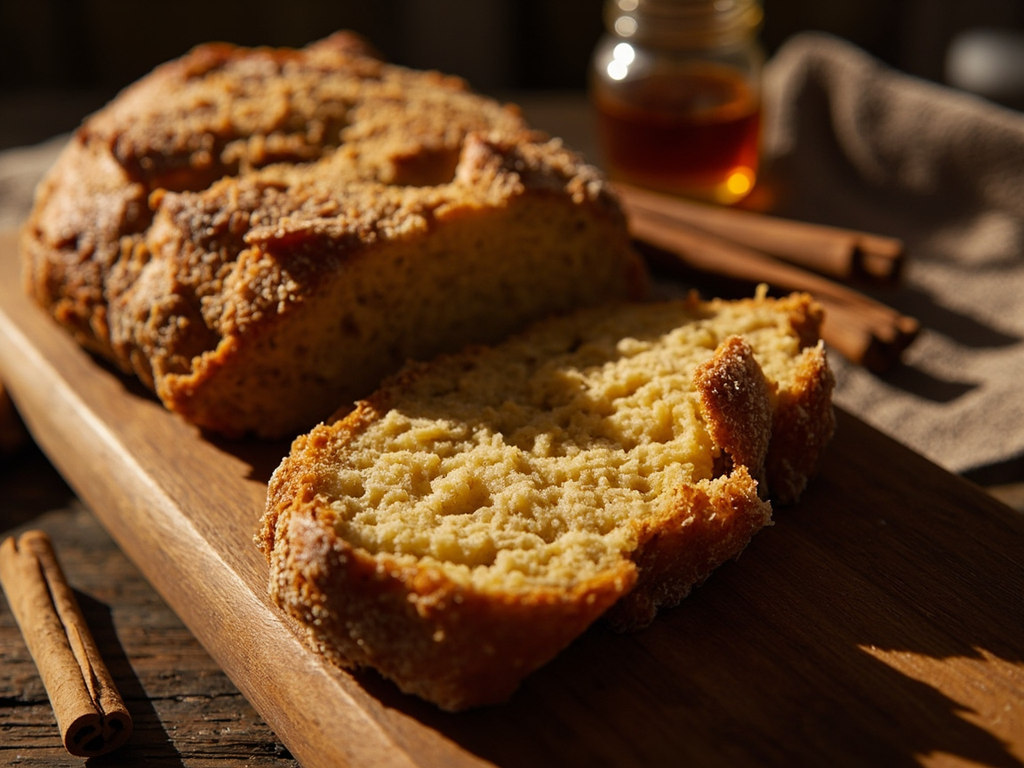
Honey Spice Bread from Namur
Sweet-Remedy from the Larder (Lady's Spicery)
🍯 🌶️· 1 h 15
View the recipe