 flip
flipHoney Spice Bread from Namur
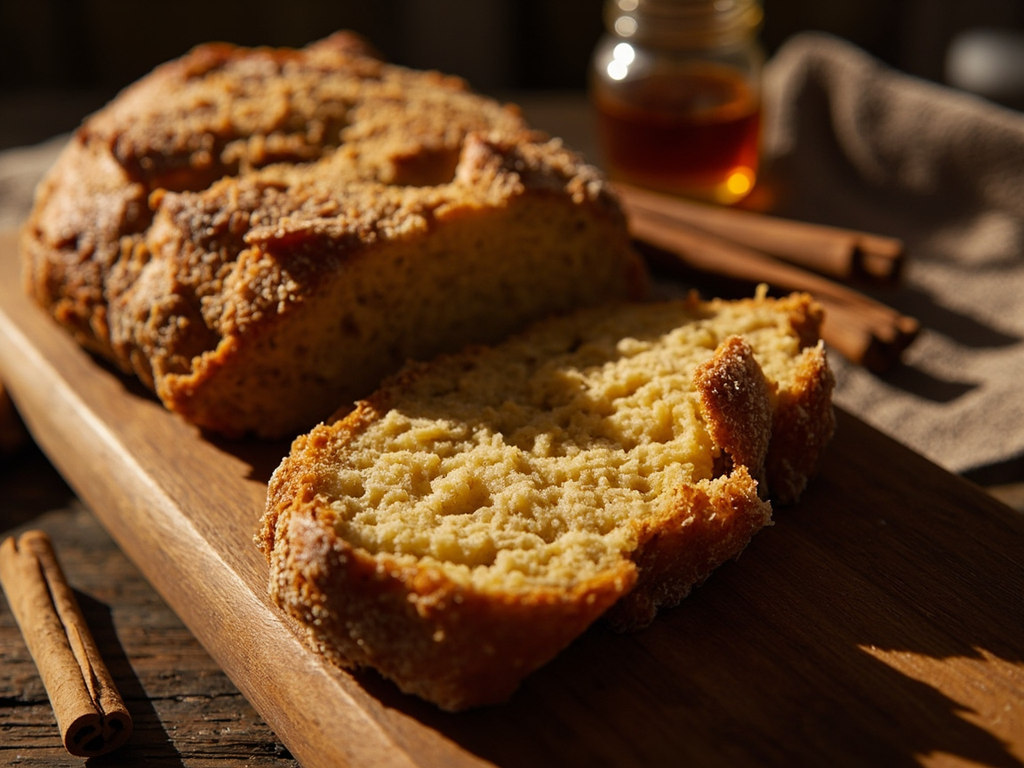
Honey Spice Bread from Namur
Why this dish? Born Countess of Namur, Blanche carried northward the Flemish taste for honey and spice sweets. Spice bread, whose tradition flourished in the Meuse regions, was eaten as much for pleasure as for digestive comfort after rich meals — a fragment of her native land on the Scandinavian table.
A dense honey and spice bread (ginger, cinnamon, anise), aromatic and long-keeping, inherited from the traditions of the Meuse regions where Blanche originated.
This honey bread I had known as a child, in my country of Namur, where spicers know how to marry honey with Eastern powders. When homesickness took me in these snowy lands, I had it prepared, and its scent of ginger brought me back to the fairs of my home. They also say a bite after a great meal soothes the stomach — I have always believed it, and my belly never proved me wrong. Keep some: it keeps long and loses none of its sweetness.
- •Honey — plenty (sweetener and binder, signature)
- •Rye or wheat flour — to consistency (base)
- •Ground ginger — a good pinch (spice)
- •Cinnamon — a pinch (spice)
- •Anise — a pinch (spice)
- •Water or milk — a little (moisture)
Honey Spice Bread from Namur
A dense honey and spice bread (ginger, cinnamon, anise), aromatic and long-keeping, inherited from the traditions of the Meuse regions where Blanche originated.
Why this dish? Born Countess of Namur, Blanche carried northward the Flemish taste for honey and spice sweets. Spice bread, whose tradition flourished in the Meuse regions, was eaten as much for pleasure as for digestive comfort after rich meals — a fragment of her native land on the Scandinavian table.
This honey bread I had known as a child, in my country of Namur, where spicers know how to marry honey with Eastern powders. When homesickness took me in these snowy lands, I had it prepared, and its scent of ginger brought me back to the fairs of my home. They also say a bite after a great meal soothes the stomach — I have always believed it, and my belly never proved me wrong. Keep some: it keeps long and loses none of its sweetness.
Ingredients (period version)
- Honey — plenty (sweetener and binder, signature)
- Rye or wheat flour — to consistency (base)
- Ground ginger — a good pinch (spice)
- Cinnamon — a pinch (spice)
- Anise — a pinch (spice)
- Water or milk — a little (moisture)
Ingredients
- Honey — 250 g (signature)
- Rye flour (or half rye, half wheat) — 300 g (base)
- Ground ginger — 1 tsp (spice)
- Cinnamon — 1 tsp (spice)
- Ground aniseed — 1/2 tsp (spice)
- Baking soda (modern substitute for sourdough) — 1 tsp (leavening)
- Warm milk or water — 100 ml (moisture)
Method
- Warm the honey until it becomes very liquid.
- Mix the flour, spices, and baking soda in a bowl.
- Pour in the warm honey and milk, and work until a thick, homogeneous dough forms.
- Pour into a lined loaf pan and let rest for 30 minutes.
- Bake at 160°C for 45 to 55 minutes; check doneness with a knife blade that should come out clean.
- Let cool and ideally wait a day before tasting: the flavor is even better.
How it was made : Spiced honey breads, ancestors of gingerbread, were widespread in medieval Europe, especially in the Meuse and Germanic regions where they belonged to the spicer's trade. They were leavened with sourdough (baking soda is a modern substitute) and were believed to have digestive virtues, placing them halfway between sweet treat and remedy. Their richness in honey and spices made them both preserved and luxury goods.
The contemporary twist : Serve in thin grilled slices with a touch of salted butter — the Namurois meets the Baltic at breakfast.
Blanche de Namur · Charactorium