The Russian meal: zakuski, pervoyé, vtoroyé and chai from the samovar
At the Russian table — and at Pasternak's dacha in Peredelkino — the meal unfolds in stages: the *zakuski* (закуски), small salted and pickled appetizers nibbled before anything else; the *pervoyé* (первое), the "first" which is always a hot soup; the *vtoroyé* (второе), the "second" based on kasha, potatoes or fish; and finally, without a fixed time, the *chai* — tea that flows from the samovar all afternoon, accompanied by preserves. It is a structure of conviviality rather than luxury, made to warm and to last.
Signature : Smetana, dill and black bread
Three constants of ordinary Russian cuisine: *smetana* (sour cream) that coats soups and kasha, fresh dill thrown in by the handful, and black rye bread present at every meal. Add to that the ritual of the copper samovar, a true tea machine that hums on the table.
Boris Pasternak at the table
1890 — 1960
5 period recipes
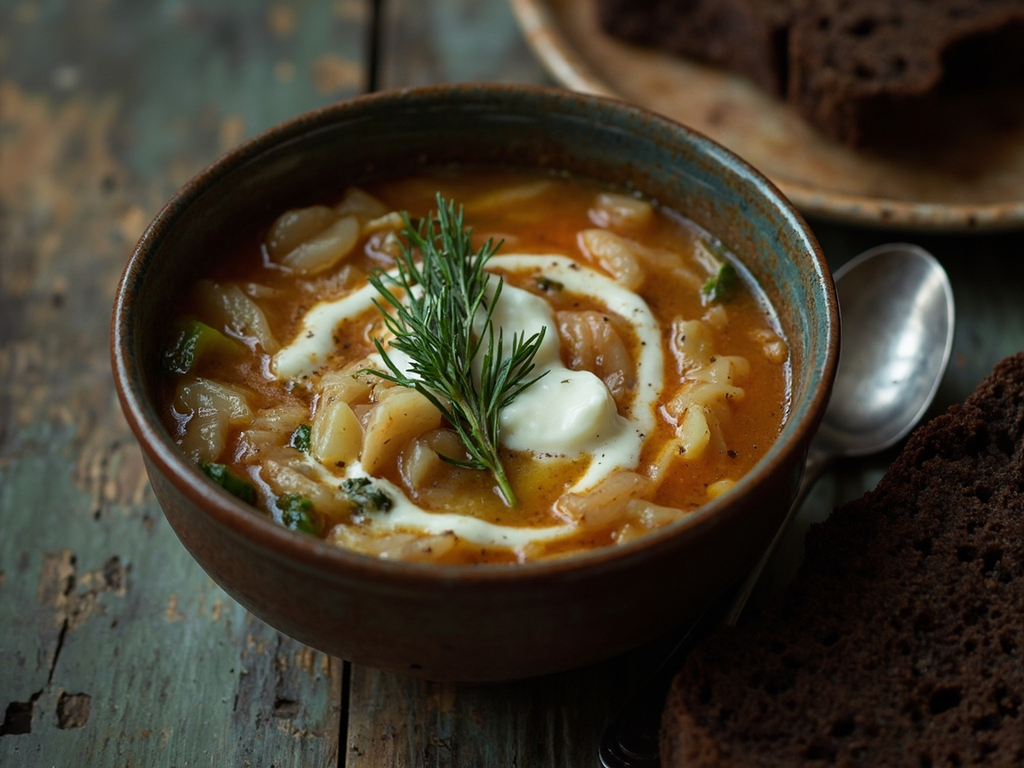 Everyday
Shchi — sour cabbage soup
Pervoyé (первое), the hot "first" of the meal
🍋 🧂 🫙· 2 h 30
View the recipe
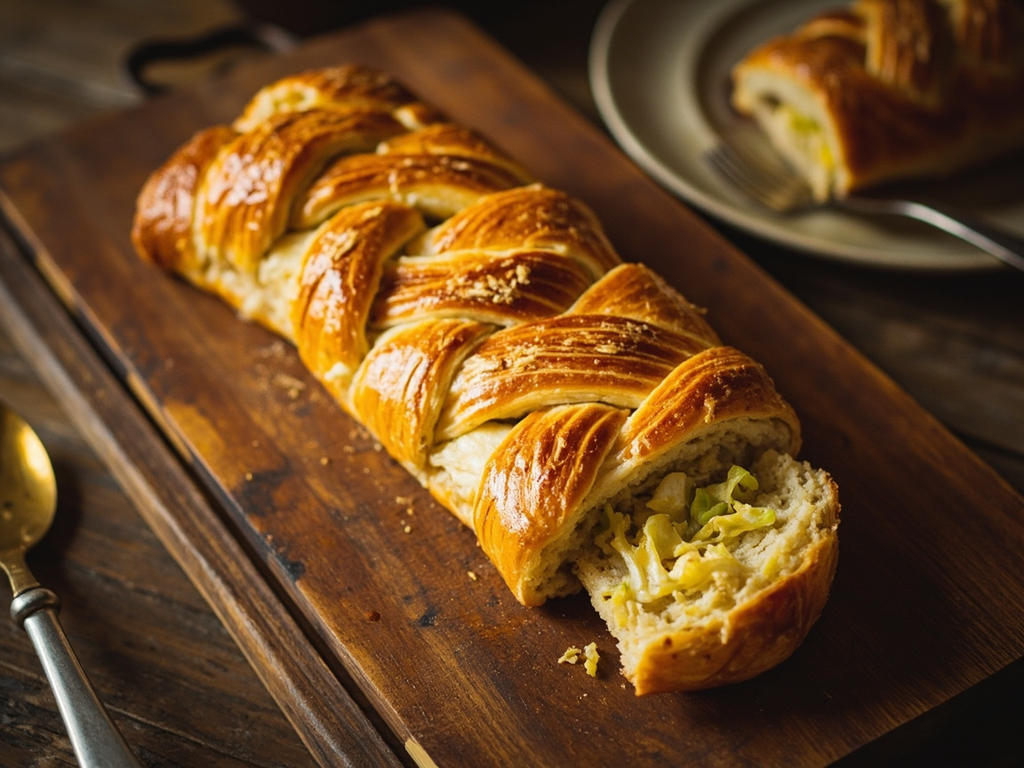 Festive
Cabbage pirog — large Sunday puff pastry pie
Festive vtoroyé / centerpiece of the festive table (праздничный стол)
🧂 🍄· 3 h (including rising)
View the recipe
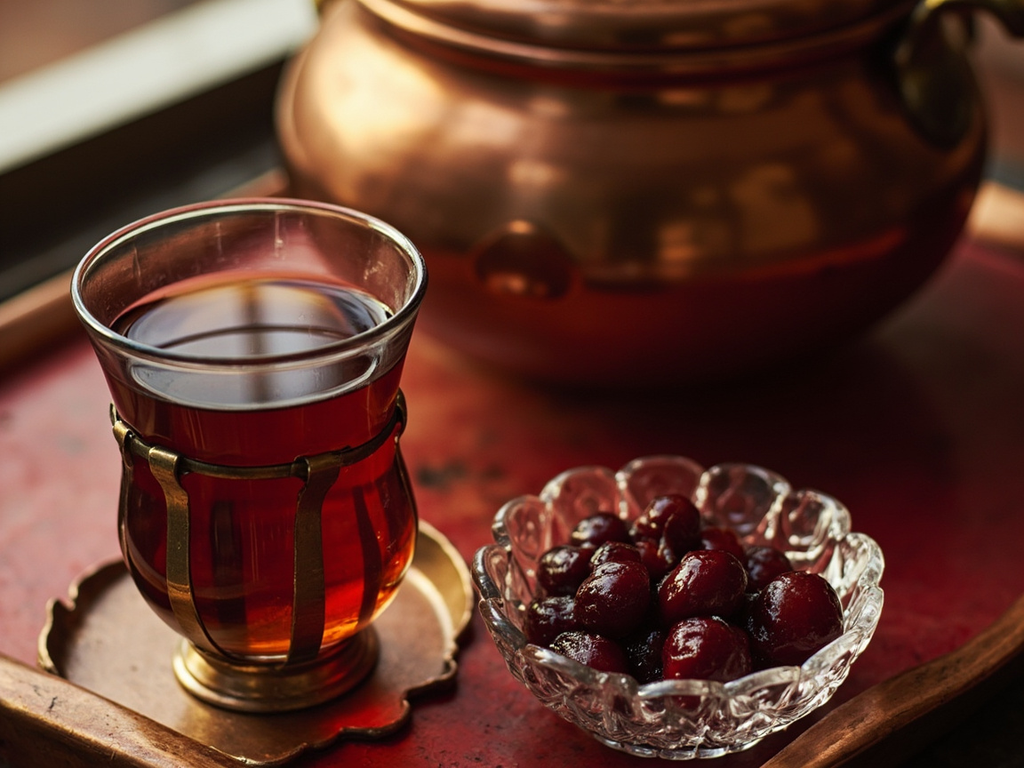 Drink
DrinkSamovar tea and cherry preserves (vishnyovoye varenye)
Chai (чай) — the endless afternoon tea
☕ 🍯· 1 h (preserves) + 10 min (tea)
View the recipe
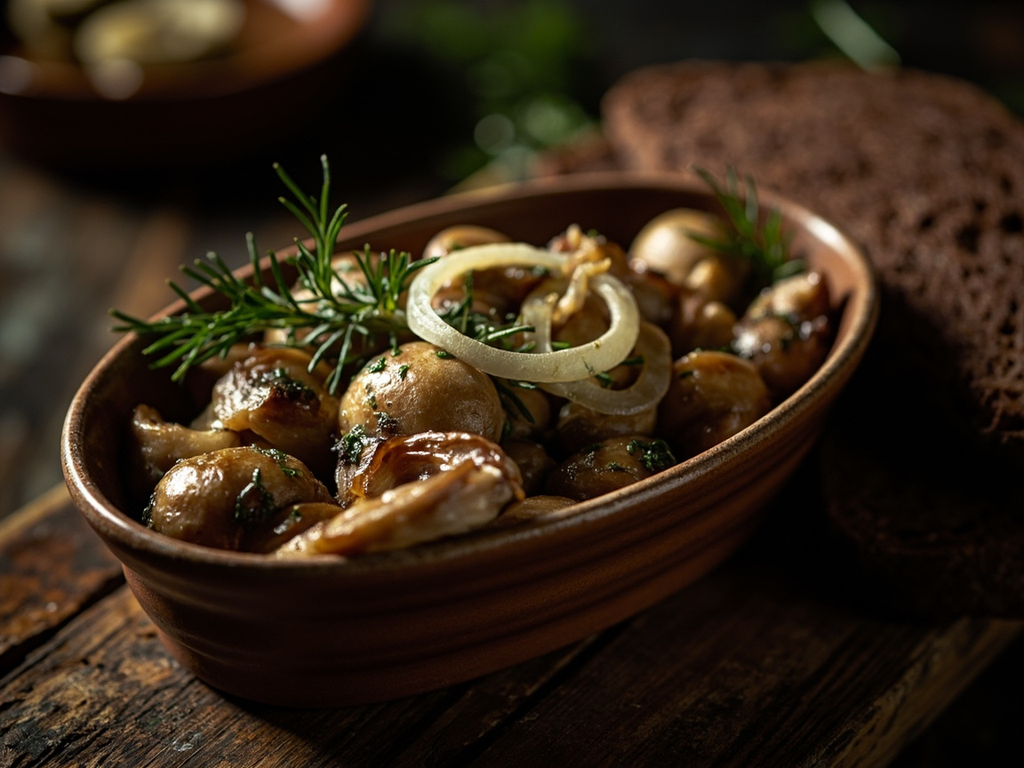 Preserving
Salted forest mushrooms (griby solyonye)
Zakuski (закуски) from the larder, drawn from the winter barrel
🧂 🍄 🫙· 30 min + 3 weeks fermentation
View the recipe
 Travel
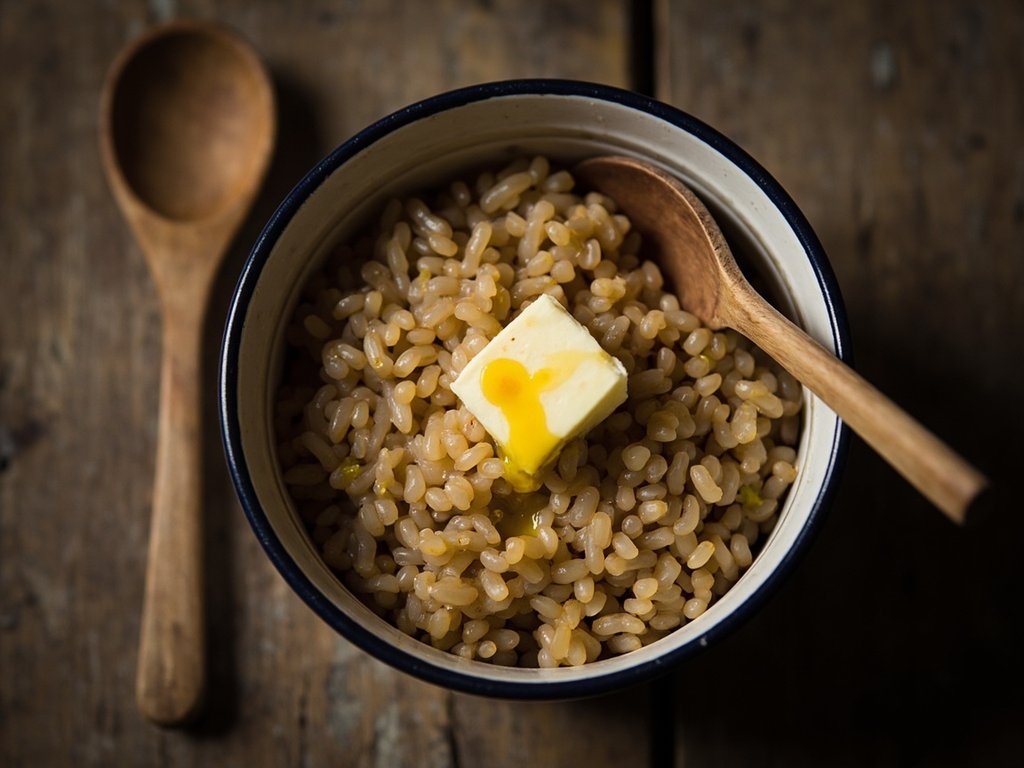
Buckwheat kasha with butter (grechnevaya kasha)
Sober vtoroyé / travel provisions, eaten at any hour
🍄 🧂· 35 min
View the recipe